









Małgorzata TOMCZAK
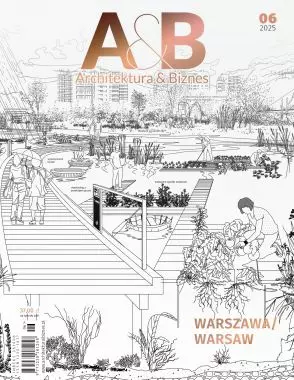
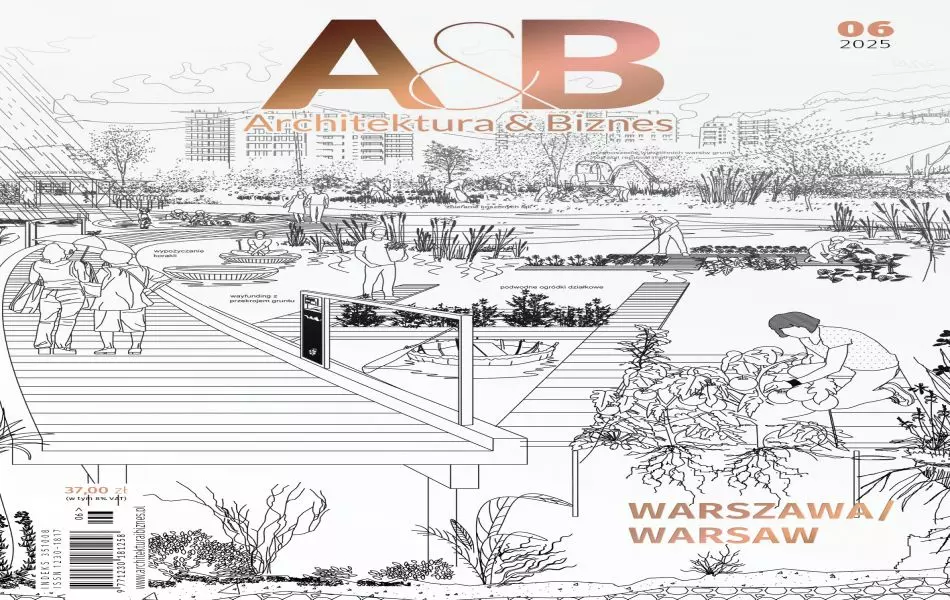
Warsaw
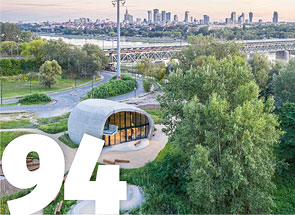
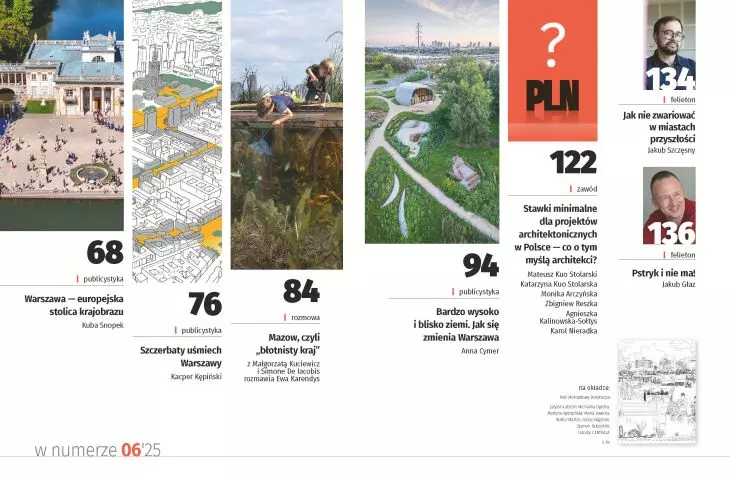
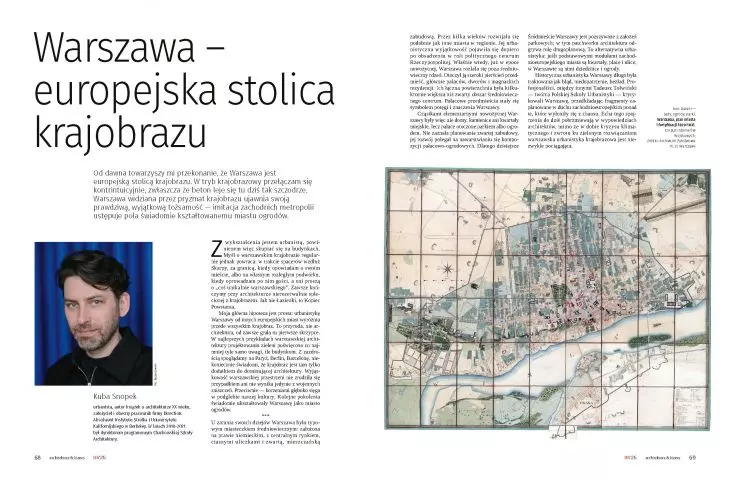
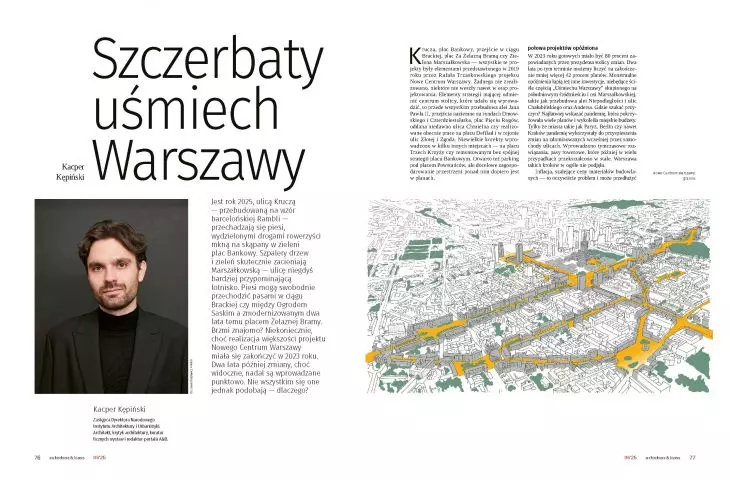
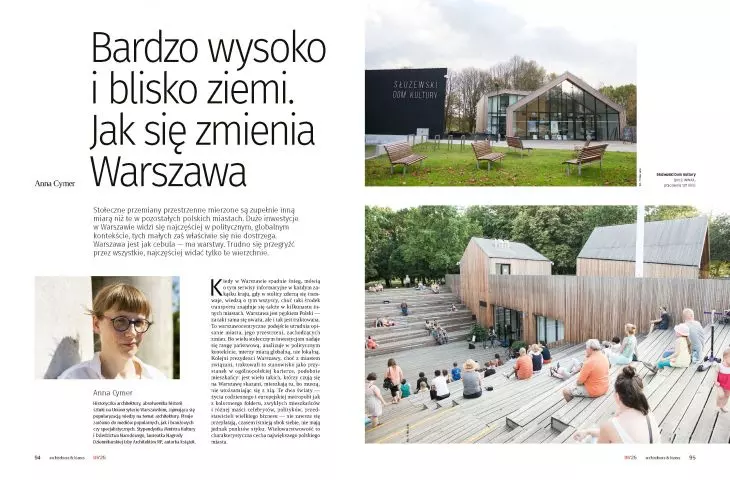
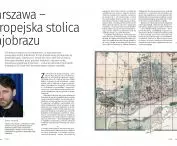
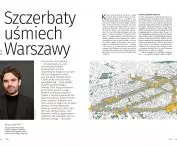
Warsaw, as seen by Kuba Snopek, is an unconventional metropolis — a European capital of landscape. Complex, unpredictable, full of contradictions. It is transforming before our very eyes, constantly surprising us. In response to the needs of its residents and global tensions, it is changing dynamically, sometimes even violently. It is a city that pulsates to the rhythm of its history — dramatically interrupted but not abandoned — and boldly builds new meanings in space. Skyscrapers rise here from ground steeped in memory. Traces of pre-war modernism, lines of destruction, and socialist realism co-create an urban landscape in which architecture becomes a form of narrative. What is it like today? It is a palimpsest that architects and urban planners read and add their own chapters to. Ania Cymer and Kacper Kępiński write about this.
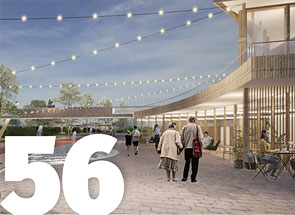
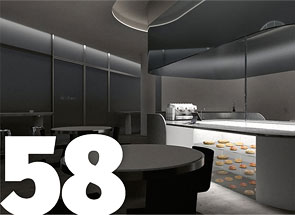
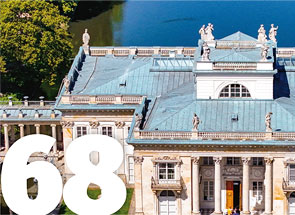
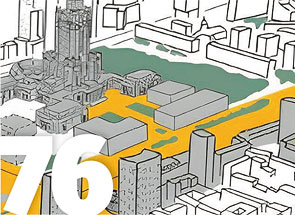
In this issue of A&B, we look at the capital as a design space. We analyze urban strategies, revitalization projects, and new architectural developments. We ask questions about the directions of development, the identity of Warsaw, and how complex stories are reflected in its space.
Warsaw is not perfect. It is authentic. And in this, it is extremely inspiring.