




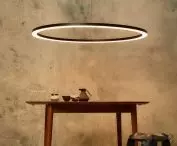
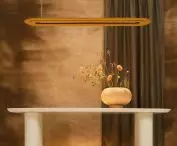
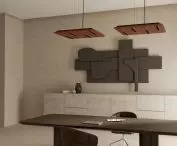



from the series “Lighting, Fixtures — Trends 2026”
Emotions are increasingly becoming part of the language of design, but they are not the only direction of change. In lighting design, comfort, flexibility, and responsible energy use are becoming equally important today. What matters is not only the form of the lamp and the effect it creates in the interior, but also the ability to control the lighting, utilize natural light, and adjust settings according to the time of day and how the space is used.
In 2026, these two worlds are increasingly intertwining. On the one hand, interiors are turning toward warmer colors, soft lines, and refined details; on the other, technological advancements allow for increasingly precise control over when, where, and at what intensity the lighting operates.
What lies behind the design itself—its authorship, origin, craftsmanship, and durability—is also gaining significance. Local expertise and collaboration between designers and manufacturers are clearly evident in European design. This trend also fosters domestic design, rooted in local design, technological, and manufacturing capabilities.
This is how illu—the Polish brand Lena Lighting—is developing; its portfolio is created both by the company’s in-house design team and in collaboration with renowned designers, including Dorota Koziara and Marcin Szczelina. Here, design is combined with Lena Lighting’s technological and manufacturing expertise.
Calm, Warmth, and Color
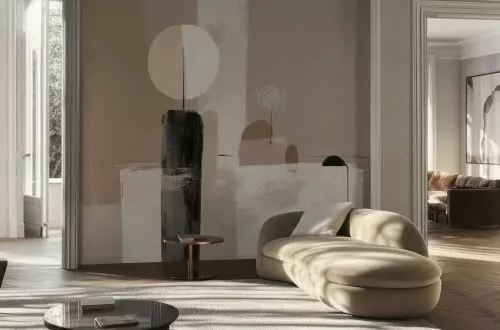
Calm remains one of the defining trends in interior design. It is accompanied by “quiet luxury” —an aesthetic based on quality, harmonious proportions, and refined details rather than ostentatious gestures. At the same time, neutrality no longer means the dominance of white, gray, and black. Warmer shades and earth tones are playing an increasingly important role, with brown holding a strong position among them.
These trends were also evident at this year’s events in Milan, where shades of chocolate, caramel, terracotta, and burgundy appeared alongside natural materials and subdued arrangements. In such a setting , a lamp need neither disappear nor dominate—it can assert its presence through its lines, proportions, color, or details.
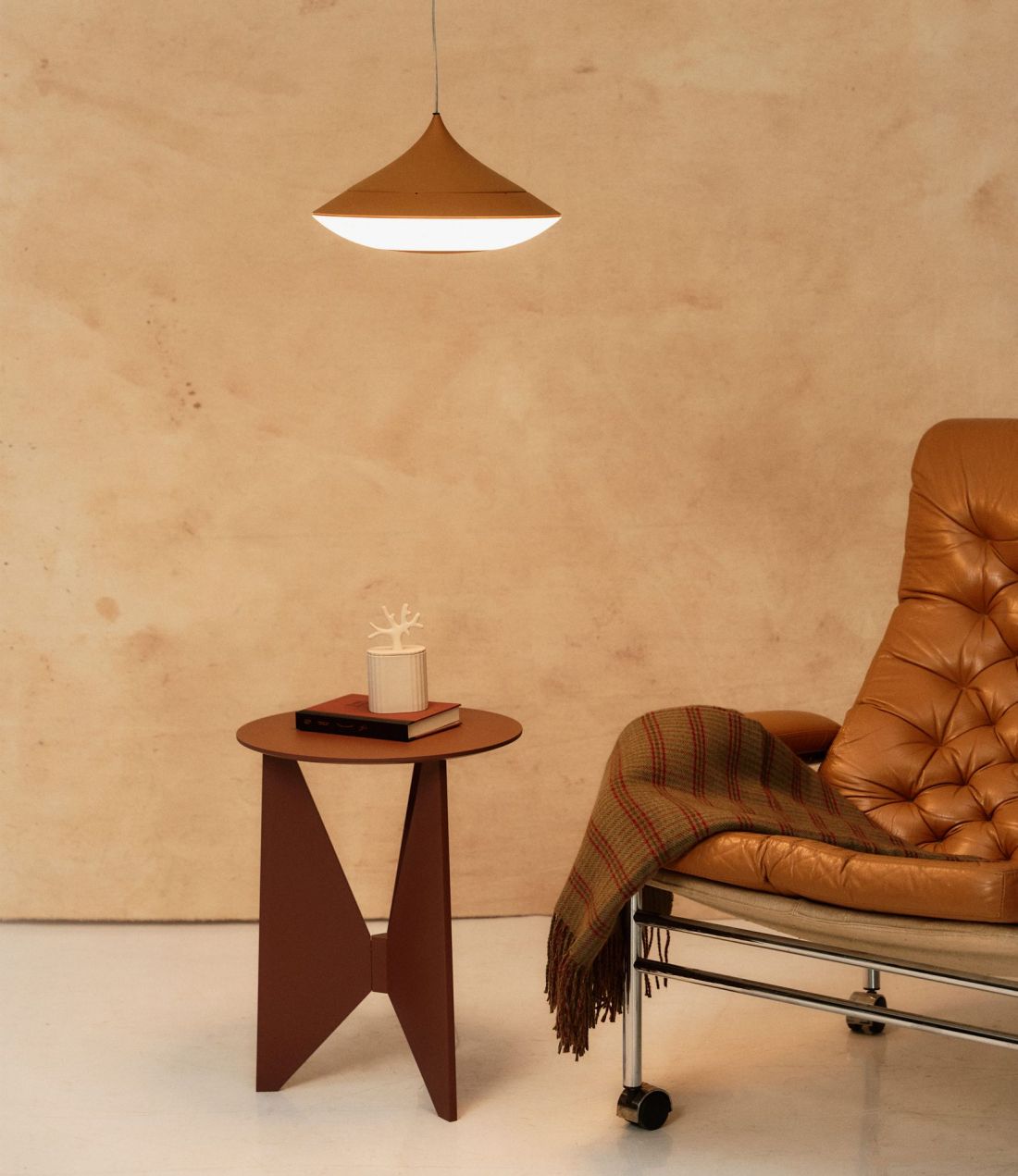
Capella
© illu
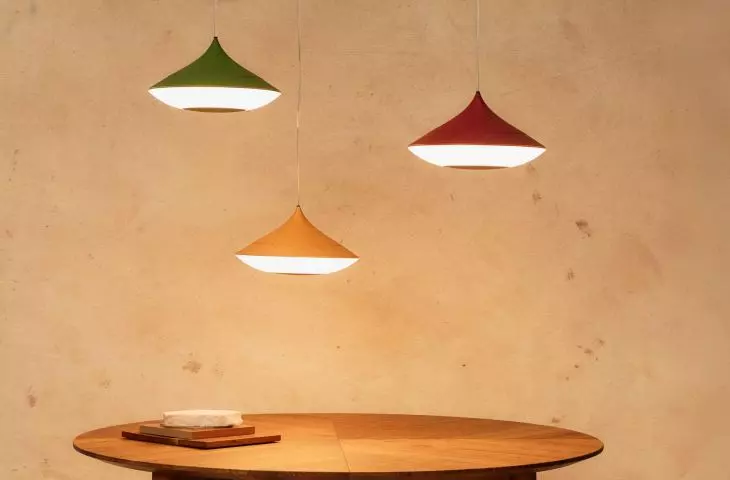
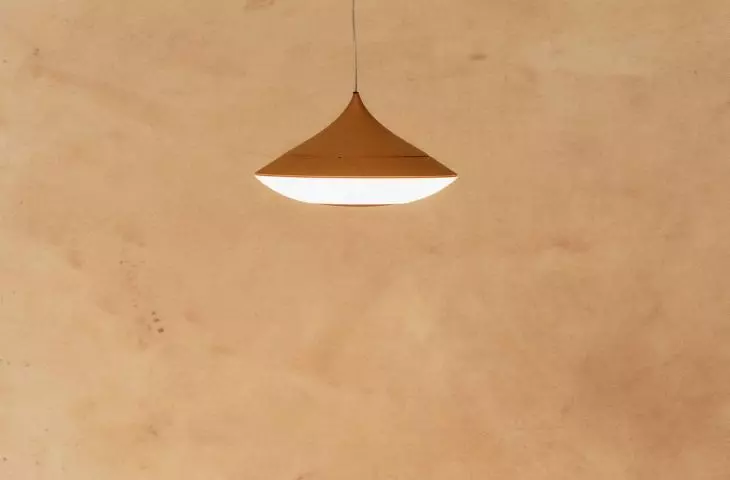
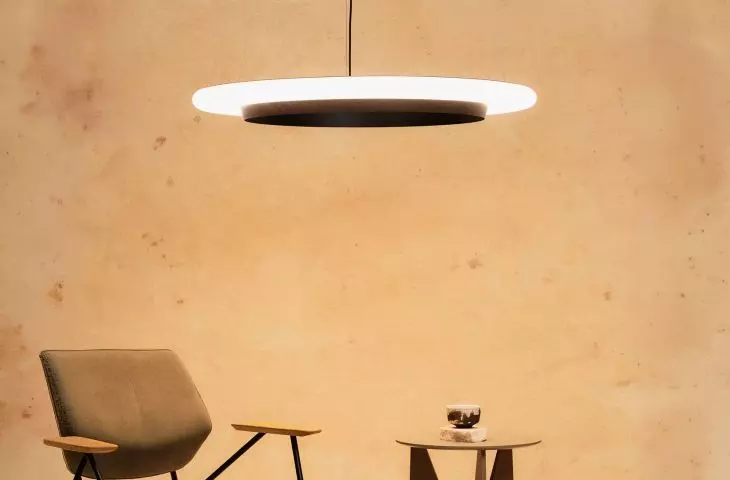
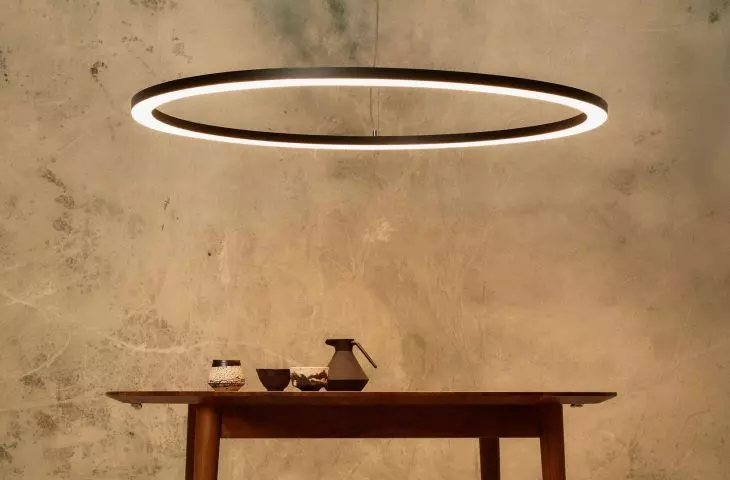
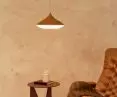
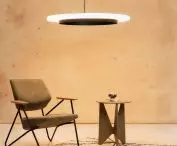
In illu’s portfolio, this more subdued aesthetic takes on various forms. Capella is distinguished by its rounded, smoothly flowing edges and soft silhouette. Marcin Szczelina’s Snob is based on balanced proportions, restraint, and detail. Jakub Zarzyński’s Sizzano, winner of the Red Dot Design Award, stands out with its rounded shapes and distinctive collar, while Solanto employs a more assertive geometry.
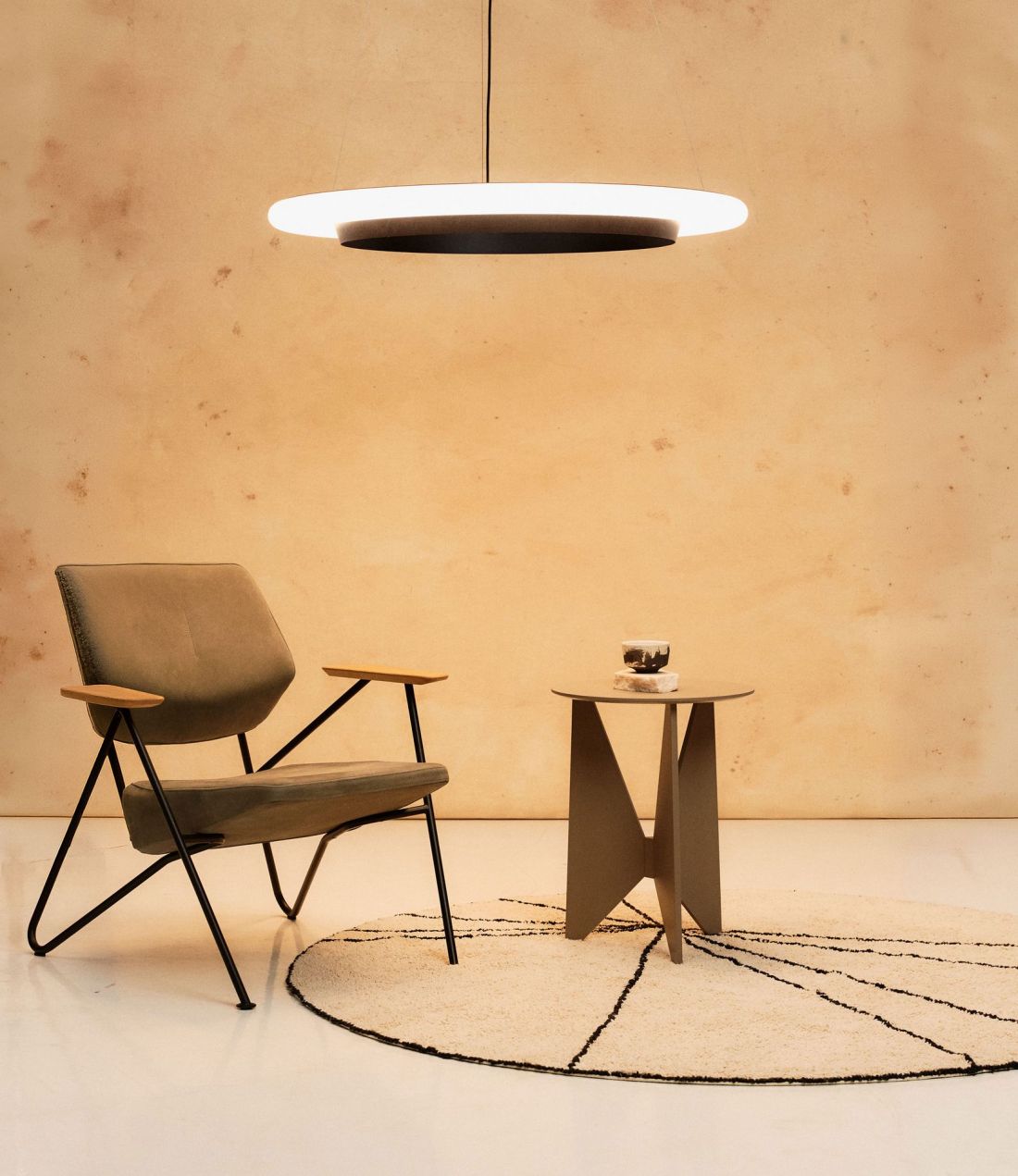
Sizzano
© illu
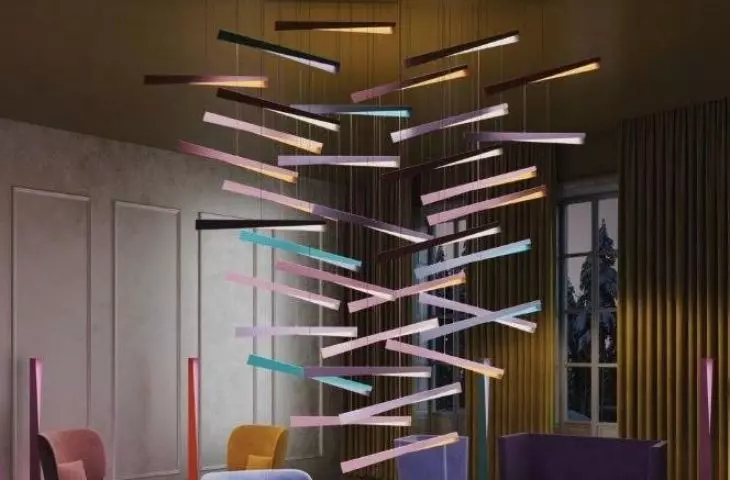
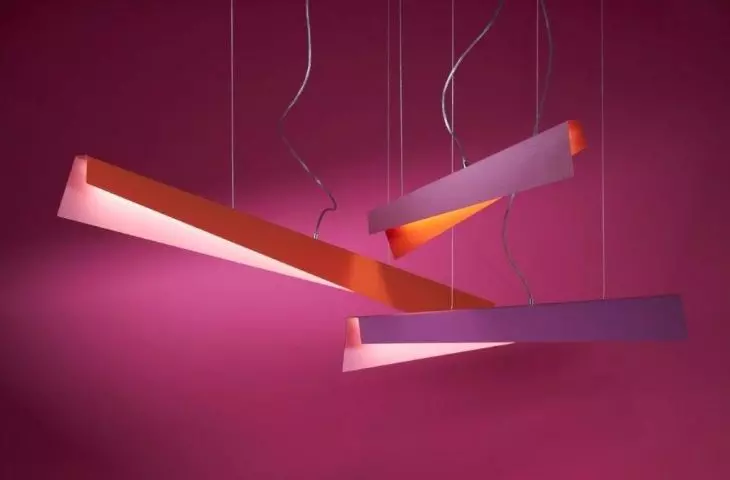
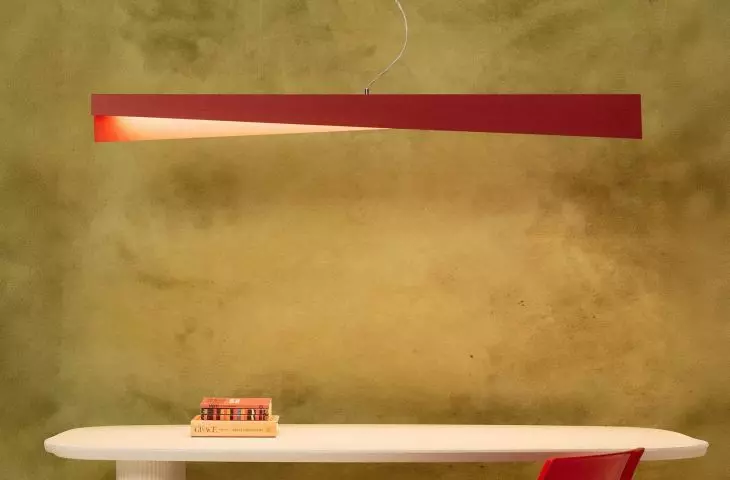
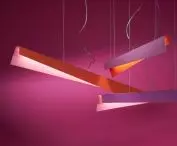
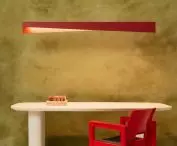
Dorota Koziara’s“Messaggio,” on the other hand, clearly demonstrates that the line between subtlety and expression is fluid. Inspired by a folded sheet of paper, the shape gives the lamps their distinctive silhouette. In its monochromatic version, the collection can remain understated, while a more intense color or a combination of two colors dramatically changes its presence in the interior.
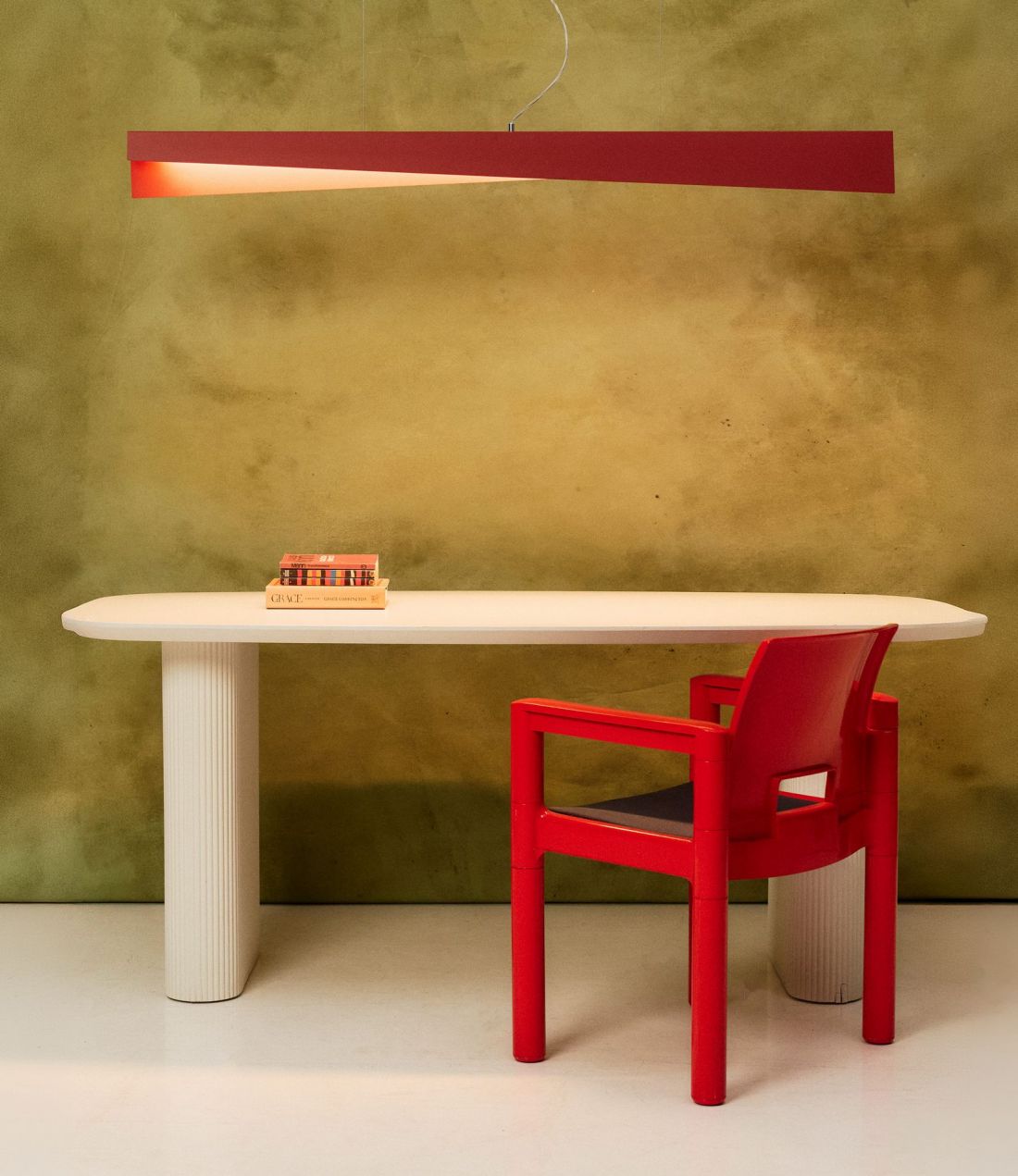
Messaggio
© illu
Decorative Design in a New Dimension
In decorative lighting, modularity and a systematic approach to design are becoming increasingly important. This applies both to the ability to build larger arrangements from repeatable elements within a single collection and to combining different lamps into a cohesive whole within a single interior or building. Individual solutions can complement one another in terms of form, function, and the way light is used, allowing lighting to be designed as a well-thought-out system rather than a collection of independent elements.
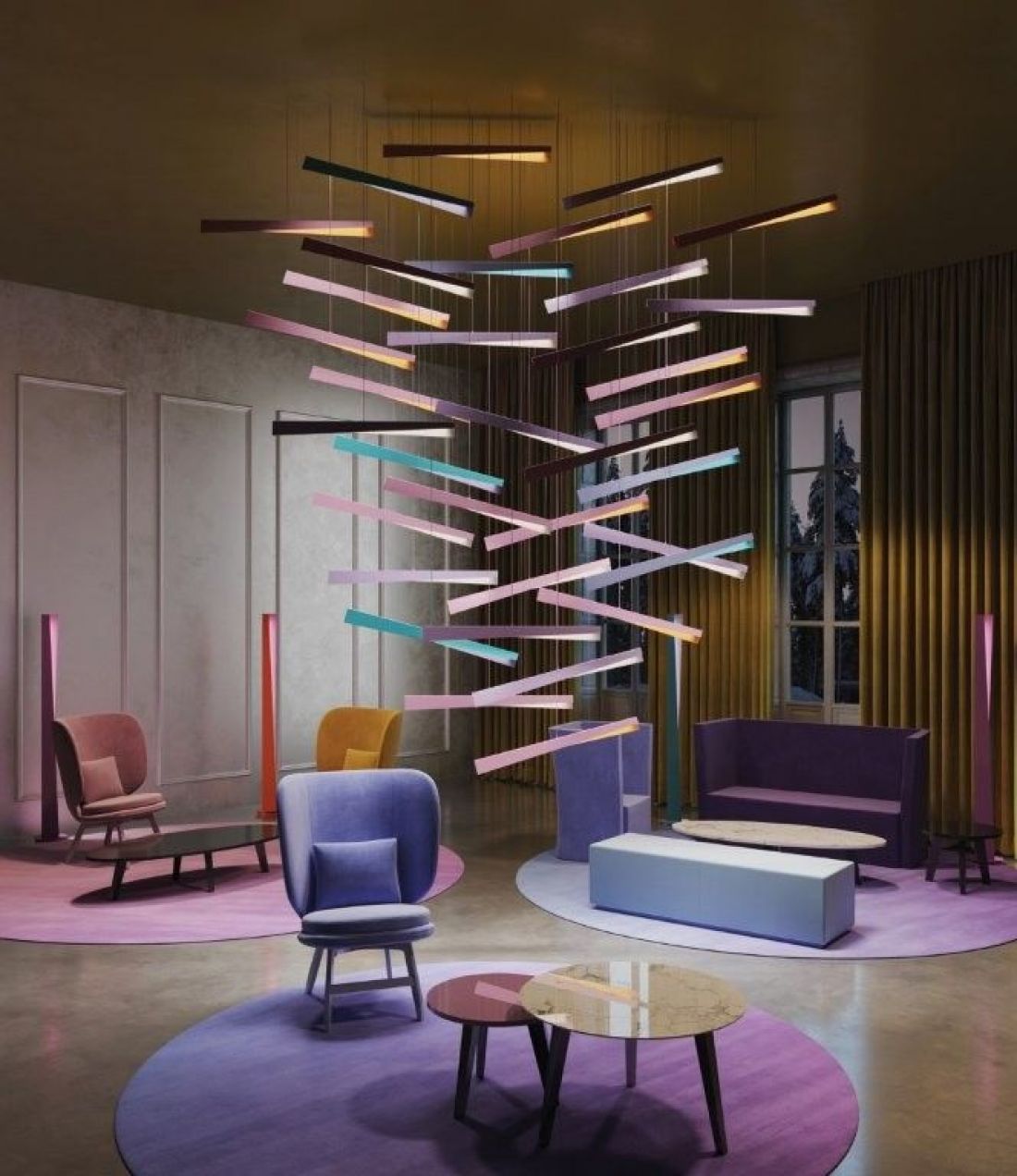
Messaggio
© illu
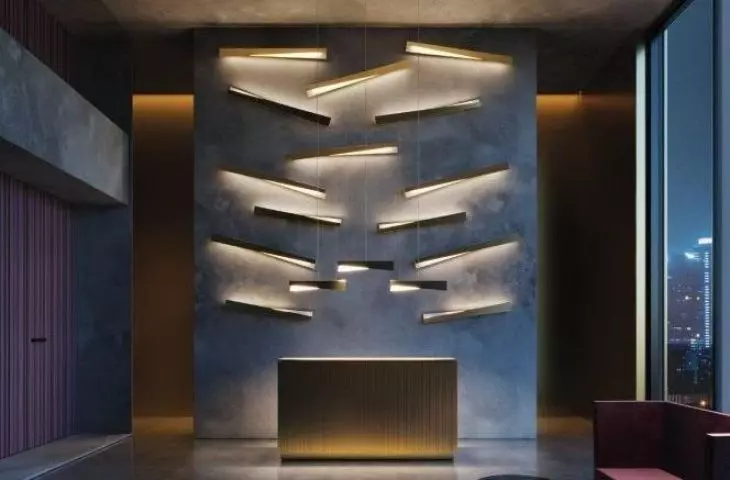
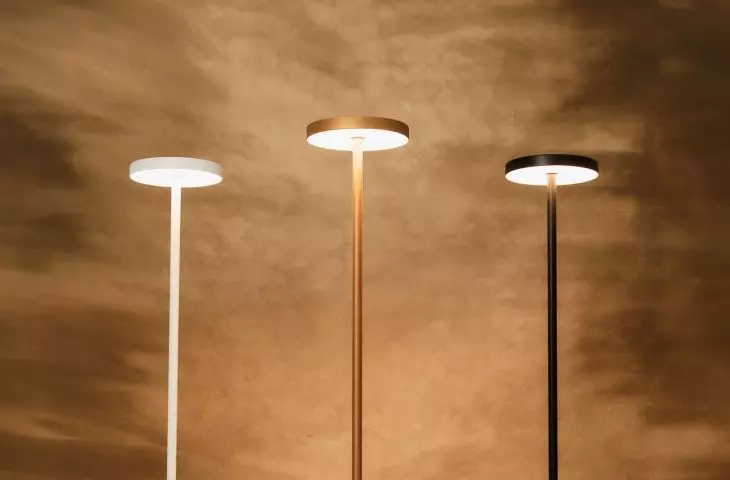
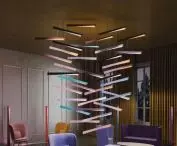
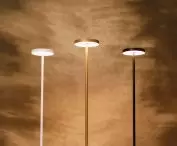
Messaggio by Dorota Koziara is a good example of the first of these approaches. The collection includes pendant lamps in three sizes, two wall sconce variants, and floor lamps in two heights. Colors can be selected from Dorota Koziara’s original color chart or the RAL palette. The interior and exterior parts of the lamp can be finished in different colors.
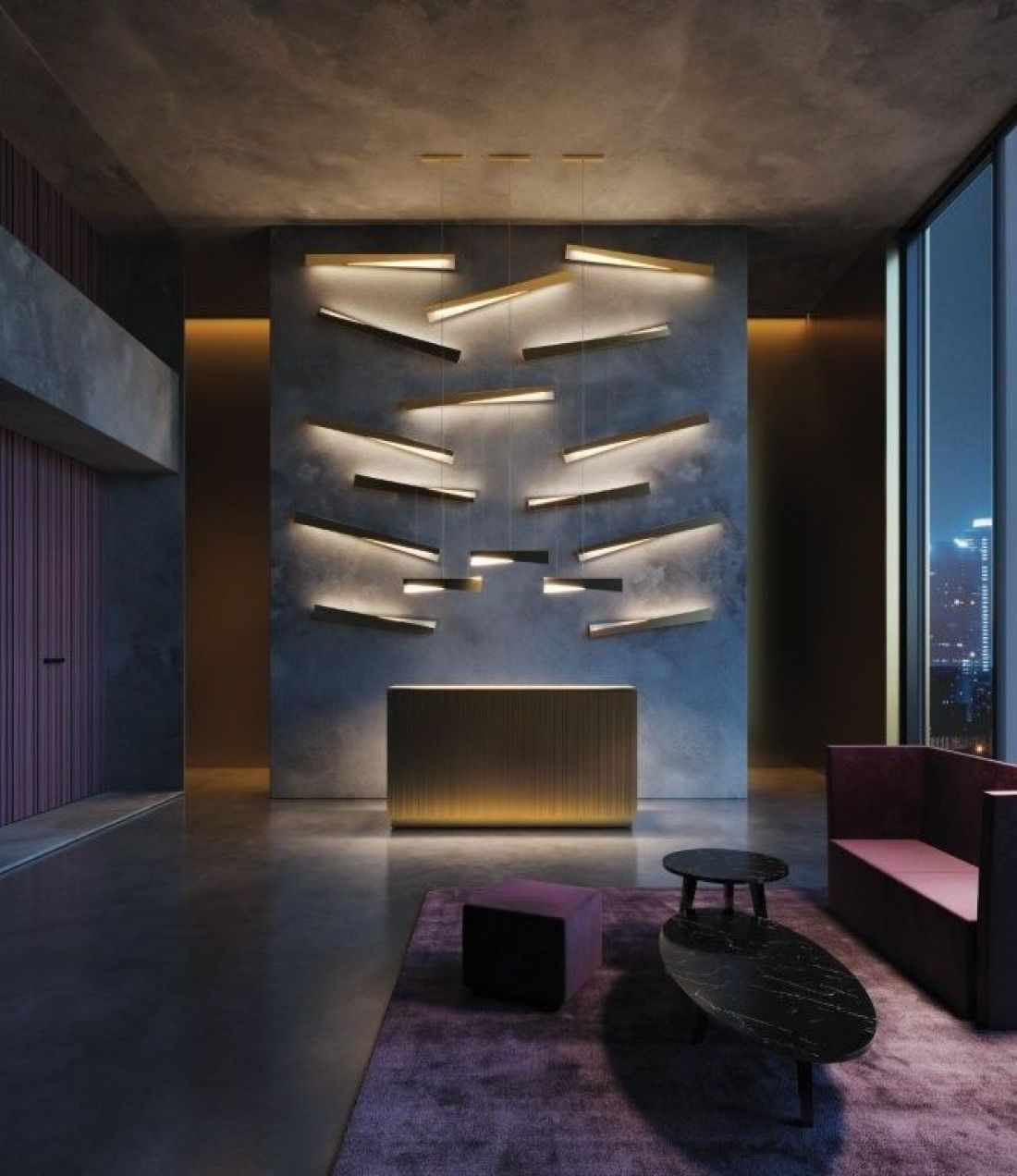
Messaggio
© illu
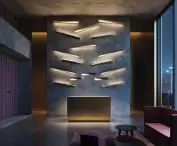
The variety of sizes, types, and colors allows for the creation of both regular arrangements and more free-form combinations. Especially in larger spaces—such as lobbies, hotels, or restaurants—such installations can transcend their utilitarian function, creating compositions that resemble works of art. Messaggio thus enables the creation of solutions in which lighting becomes a decorative—and even artistic—element of the interior.
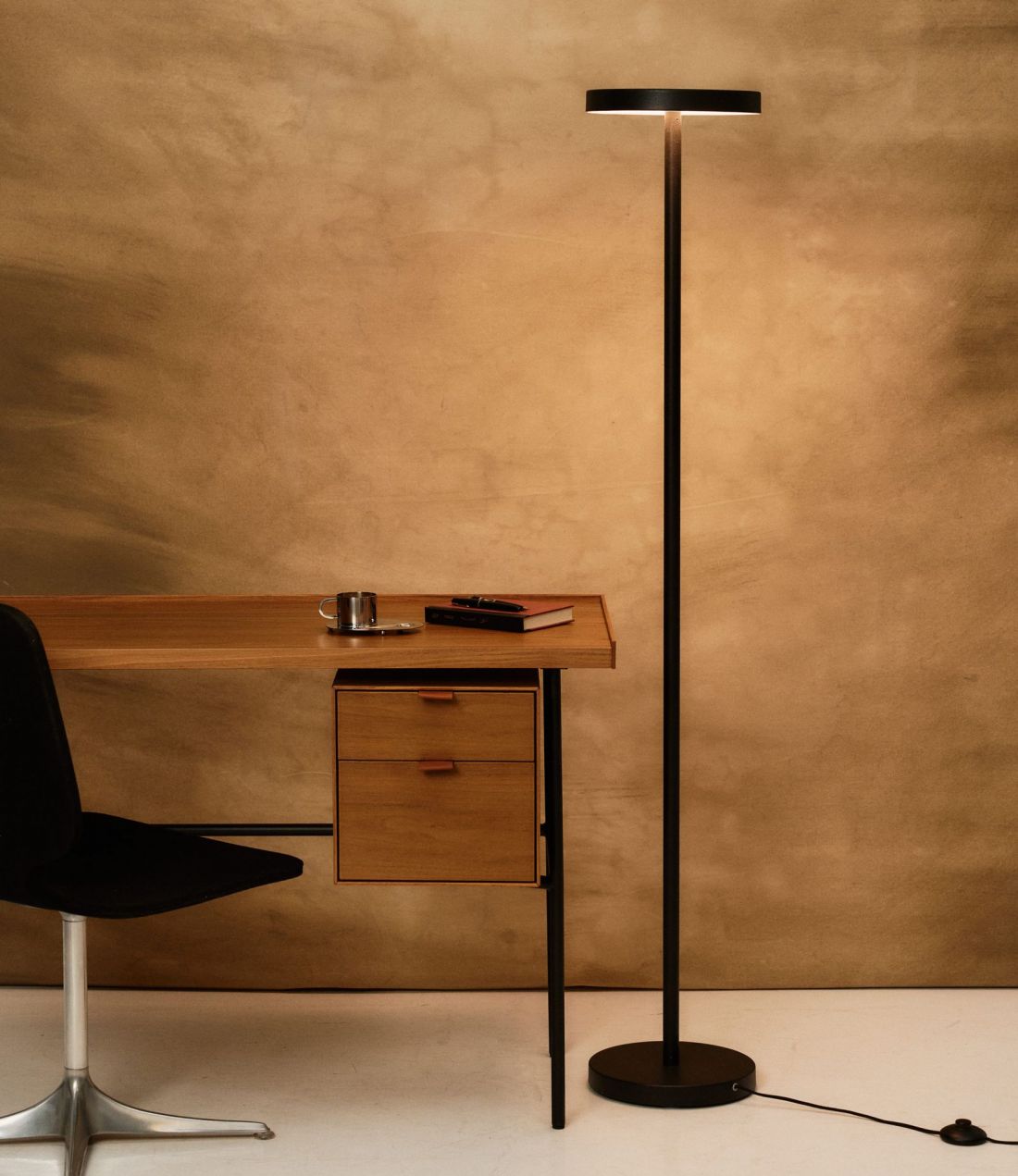
Snob
© illu
Lighting That Responds
One of the most significant changes, however, lies beyond aesthetics alone. Energy efficiency is no longer limited to the use of efficient LED light sources. The way lighting is managed is becoming increasingly important—ensuring it operates where it’s needed, when it’s needed, and at the appropriate intensity.
Presence sensors, automated scenarios, and solutions utilizing Daylight Harvesting help achieve this. The idea is simple: the system takes into account the amount of daylight entering the interior and adjusts the level of artificial lighting accordingly. When there is more natural light, it can reduce the intensity of artificial lighting; when natural light begins to run low, it can supplement it to the required level.
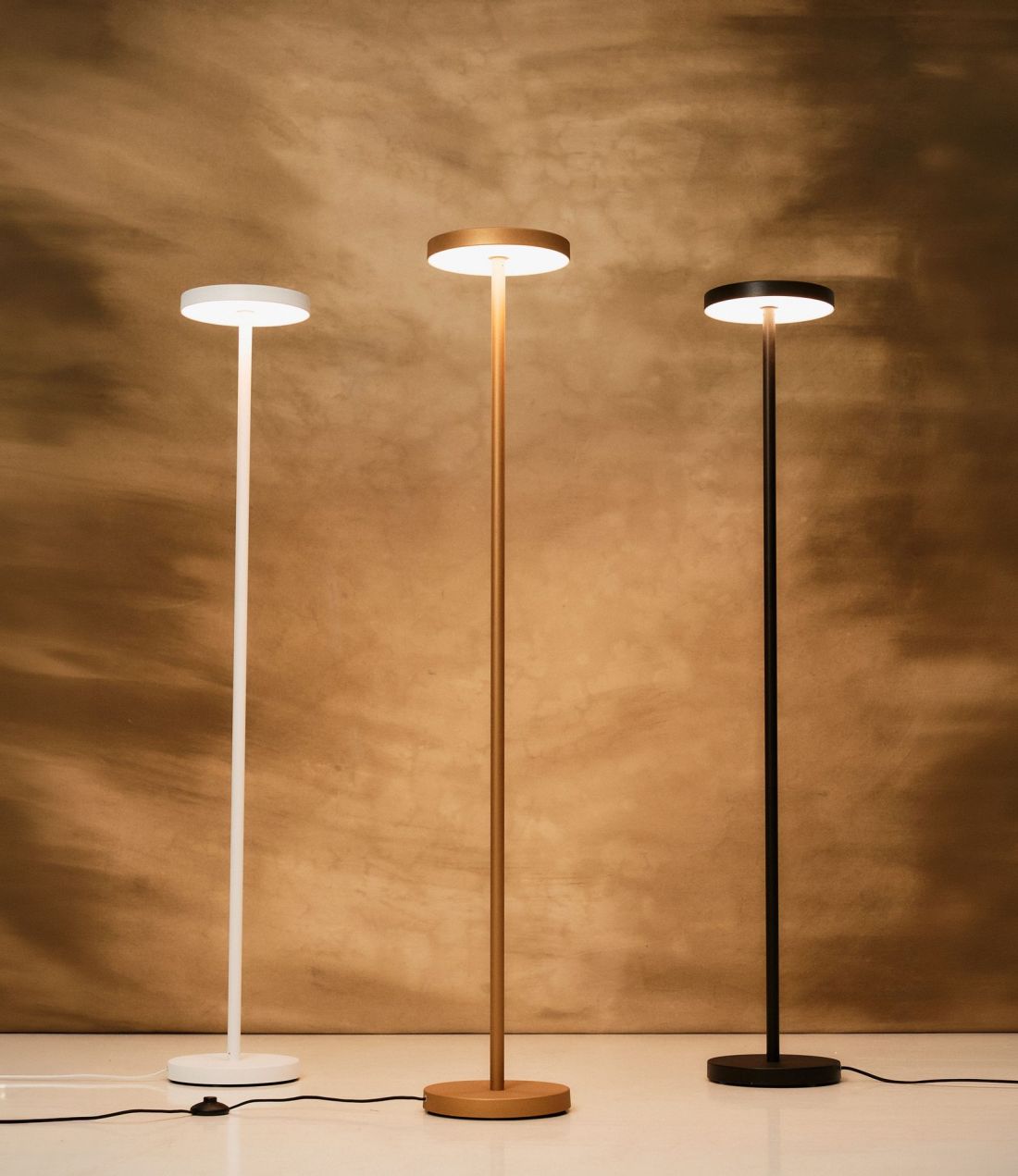
Snob
© illu
Control systems are thus no longer merely a technological curiosity or an extra reserved for the most advanced projects. They are becoming an increasingly natural part of well-designed lighting, allowing comfort to be combined with a more rational use of energy.
At illu, advanced technologies are an integral part of lighting design. Automatic control, presence detection, and the use of daylight allow the lighting to adapt to what is actually happening in the space, rather than maintaining fixed parameters at all times.
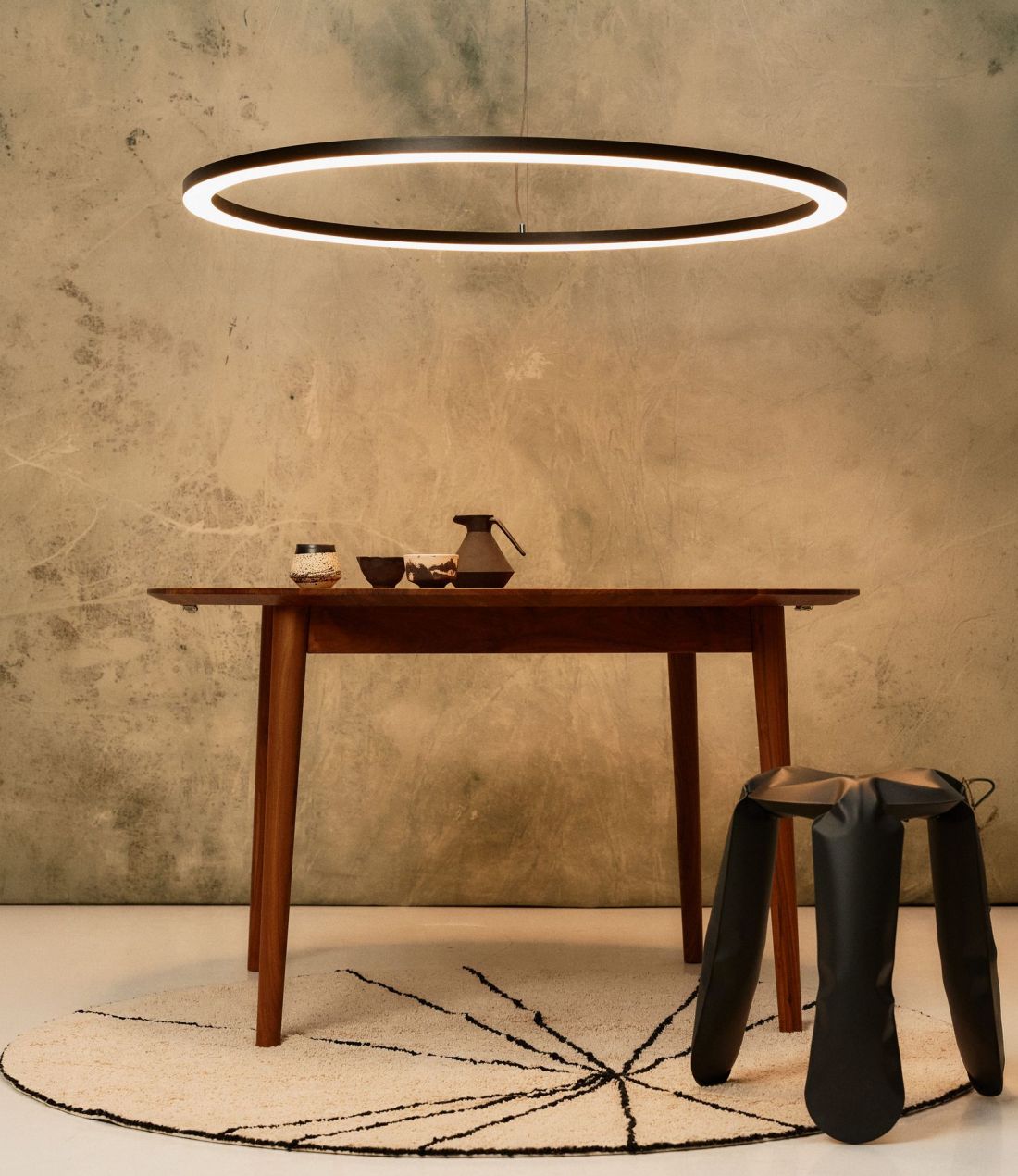
Solanto
© illu
Lighting Adapted to the Time of Day
Increasing control over lighting parameters is also linked to the development of Human Centric Lighting. In this approach, it is important not only to ensure adequate visibility but also to take into account the natural circadian rhythm and needs that change throughout the day.
Color temperature is becoming increasingly important. Instead of searching for a single value suitable for the entire interior, it is becoming more and more important to consciously select it based on the space’s function, the nature of the activity, and the time of day. Lighting is no longer treated as a static element of the interior and is increasingly able to respond to the rhythm of its use.
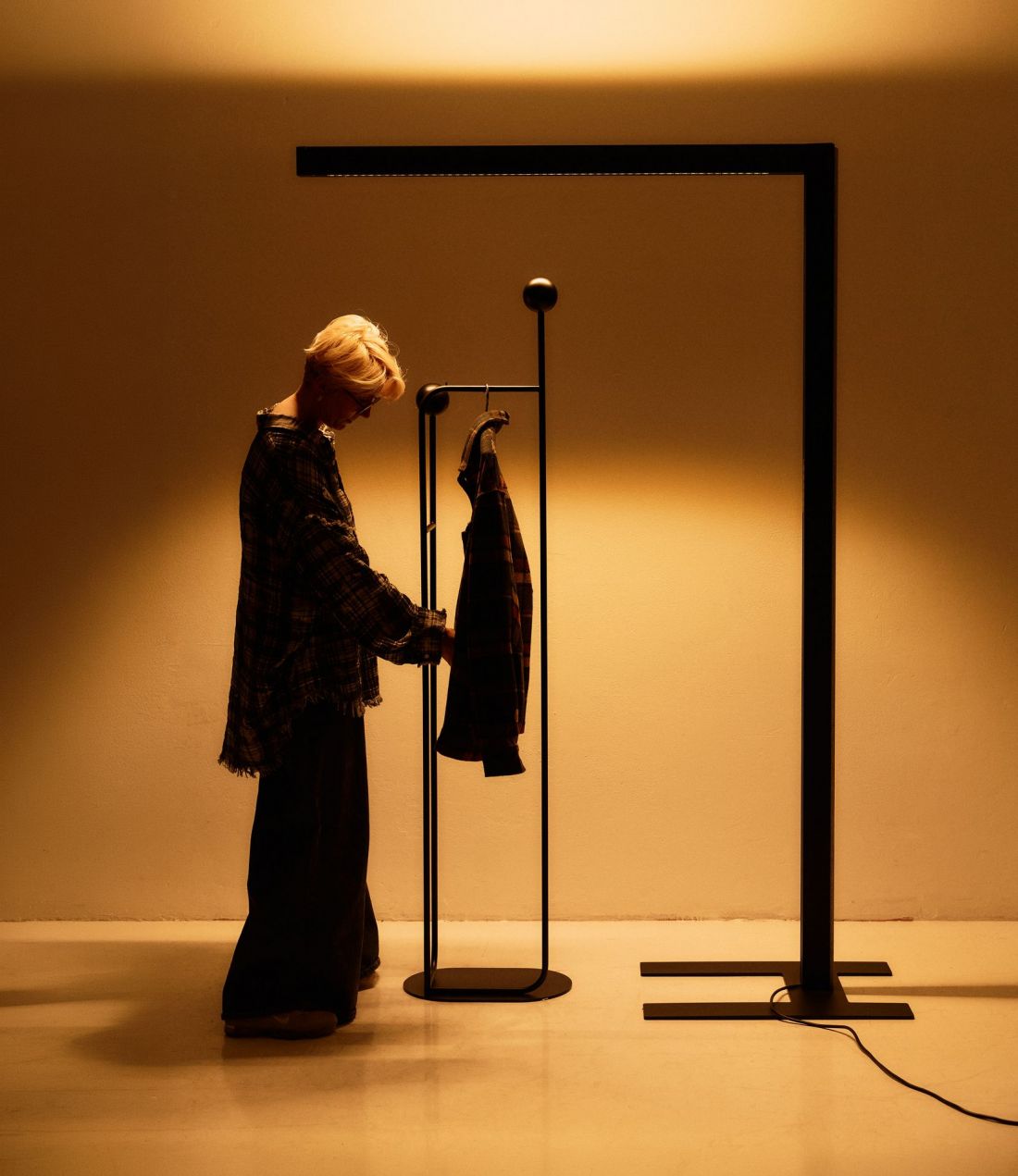
Baris Stand
© illu
Lighting adapts to change
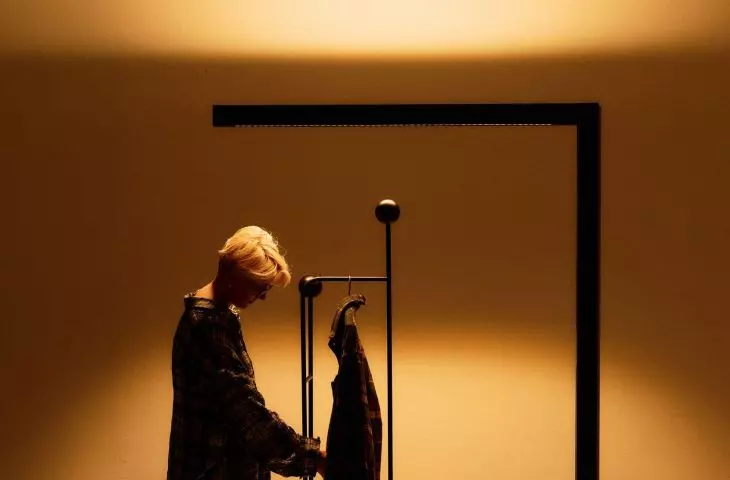
Interiors themselves are also changing. This is particularly evident in offices, where the hybrid model, shared workstations, and the growth of flexible and coworking spaces mean that a single layout does not always accommodate all work styles. Workstations, meeting areas, and spaces for individual work can be reorganized, and the furnishings should allow for such changes without requiring a complete redesign of the space each time.
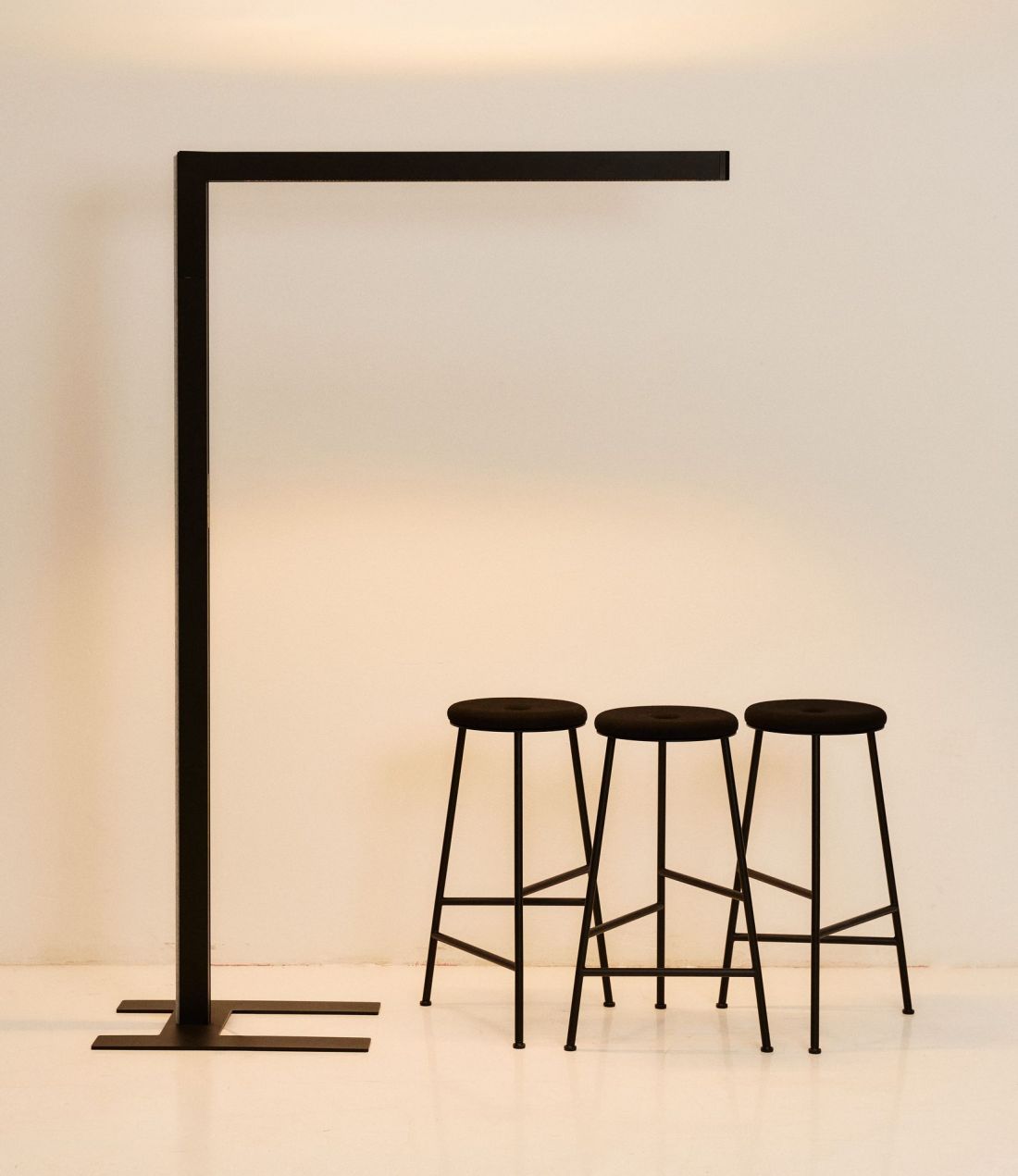
Baris Stand
© illu
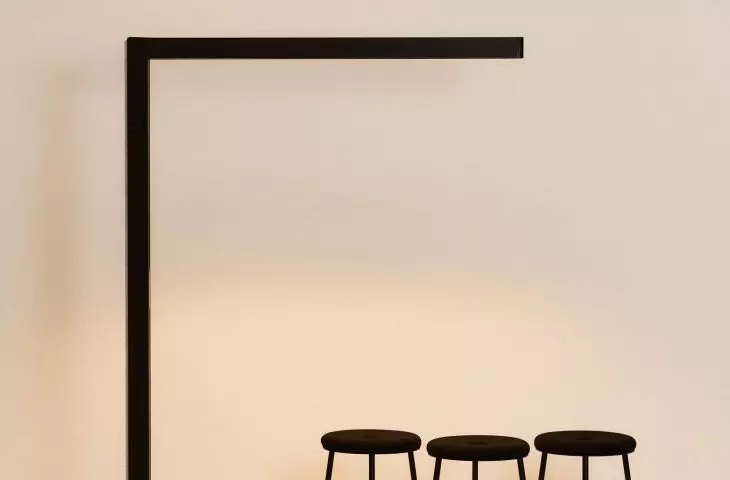
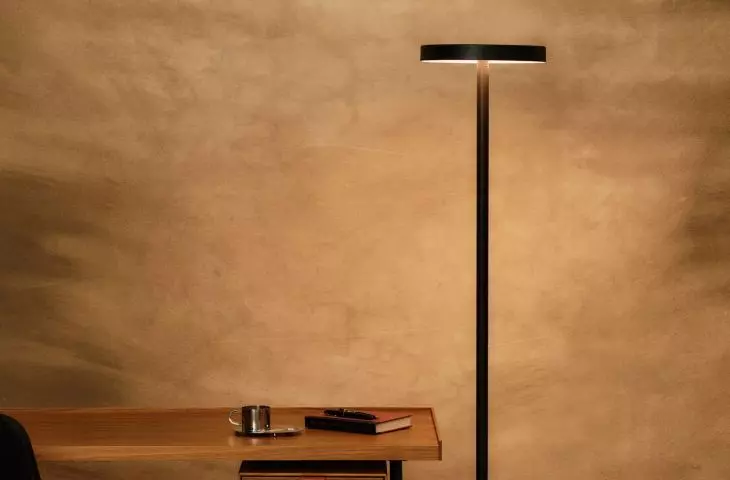
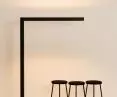
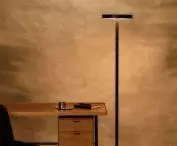
Flexible spaces also require lighting that does not impose a single, fixed layout. illu’s solutions, designed with changing interior layouts and usage patterns in mind, address this need. As a freestanding lamp, the Baris Stand can be repositioned along with the layout of workstations without interfering with the architecture. Combined with a control system, it allows both the location and the operation of the lighting to be adapted to current needs.
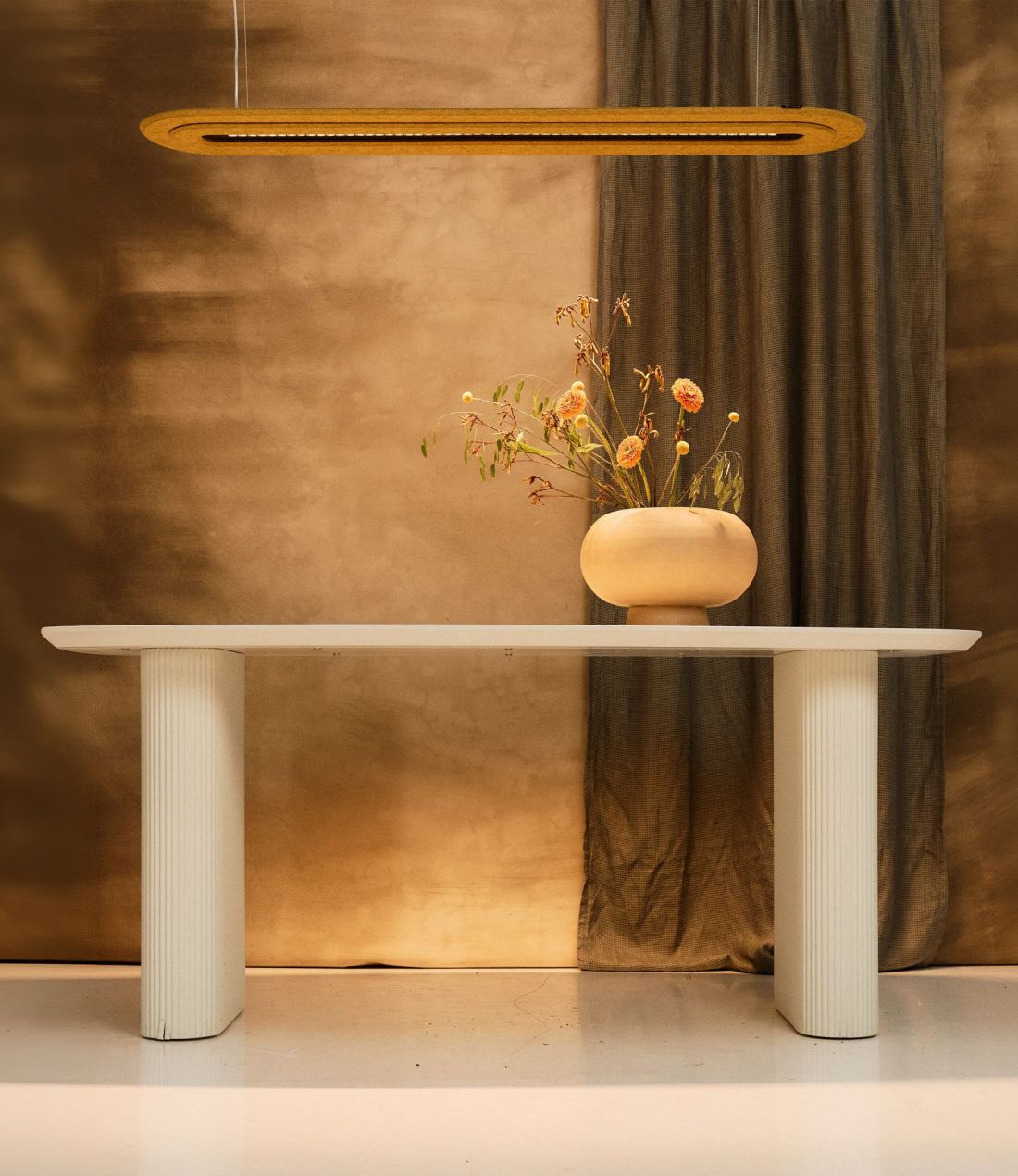
Terra Balance
© illu
Comfort in a Broader Sense
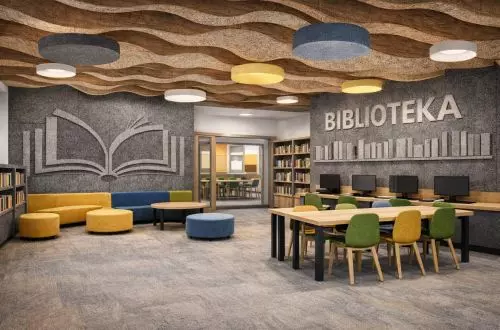
Lighting is one of the key factors determining the quality of a space, especially where people spend many hours under artificial light. When properly designed, it should minimize glare, evenly illuminate the space, and create conditions that do not cause excessive eye strain. In offices, conference rooms, or educational spaces, however, comfort goes beyond lighting. Acoustics and the ability to adapt the environment to the type of work being performed are equally important.
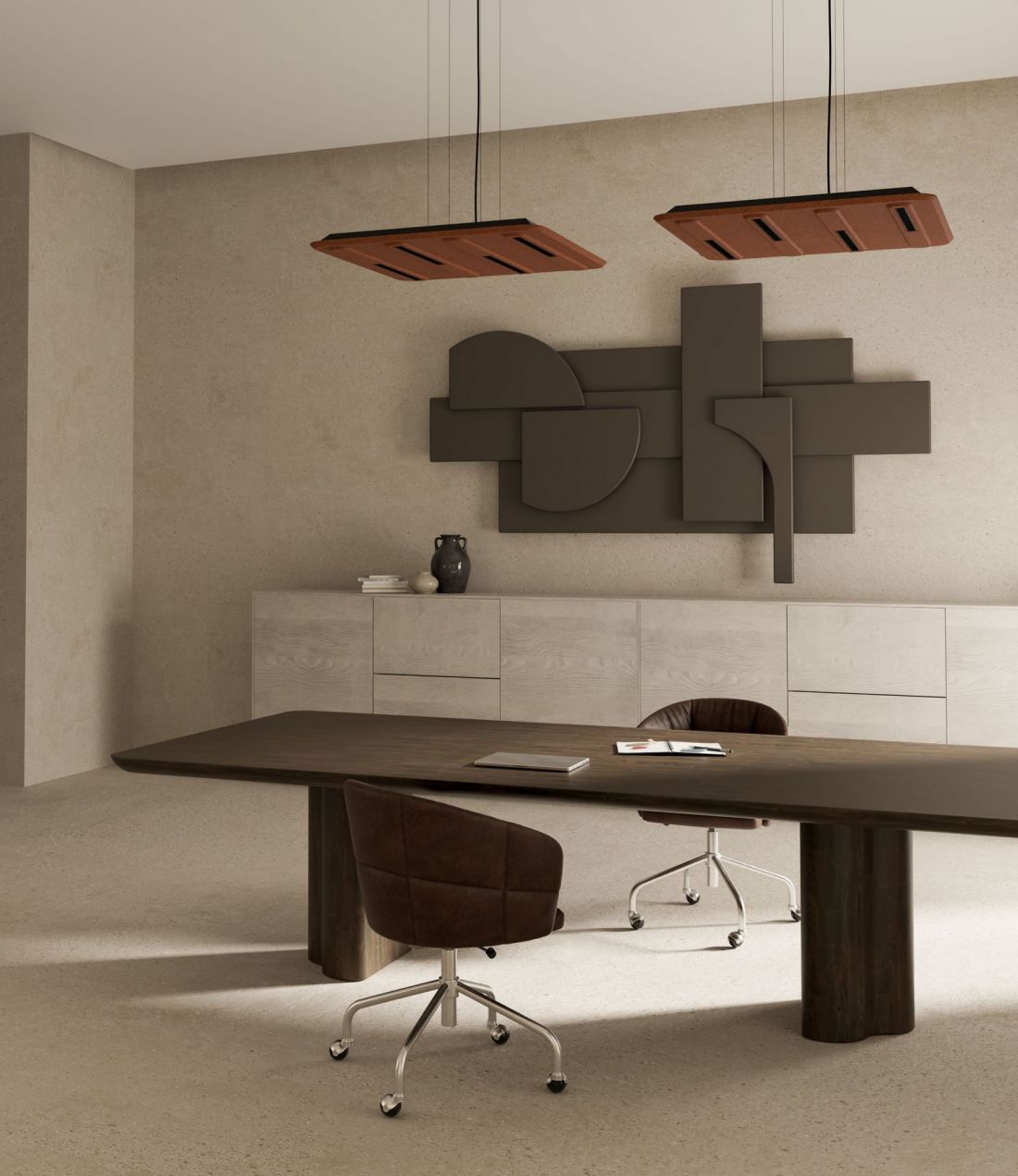
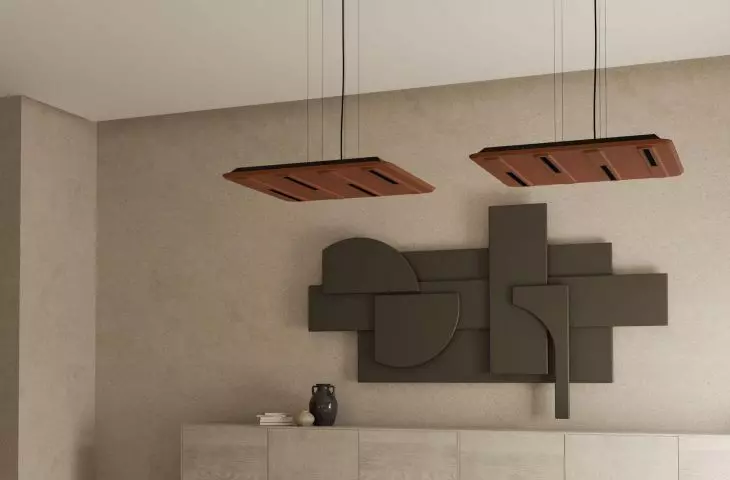
Terra Balance
© illu
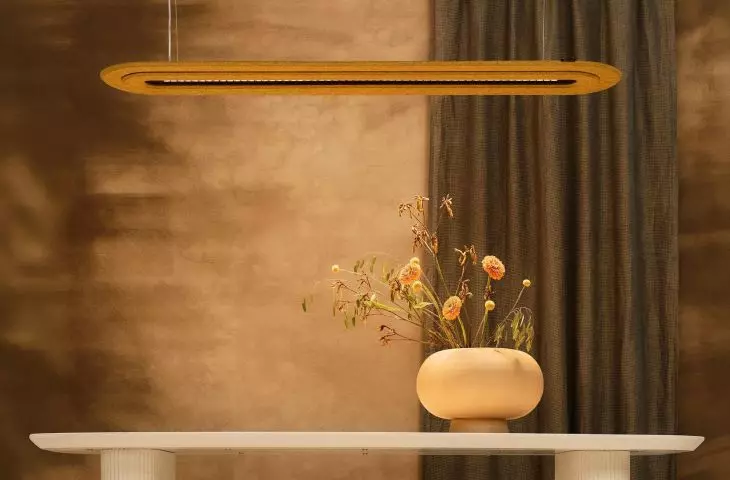
When designing Terra Balance for illu, Jakub Garstkiewicz addressed the problem of excessive unwanted noise in offices and shared spaces. The solution was to combine lighting with an acoustic function. The ecoPET material used in the lamps supports sound absorption, and nearly 70 percent of the materials used in its production are recycled. At the same time, the lens and louvre help achieve a low UGR, enhancing visual comfort.
The collection is complemented by wall and ceiling panels, which allow the acoustic solution to be tailored to the specific needs of the interior. Terra Balance thus points toward a broader design approach in which comfort encompasses both lighting and acoustic conditions.
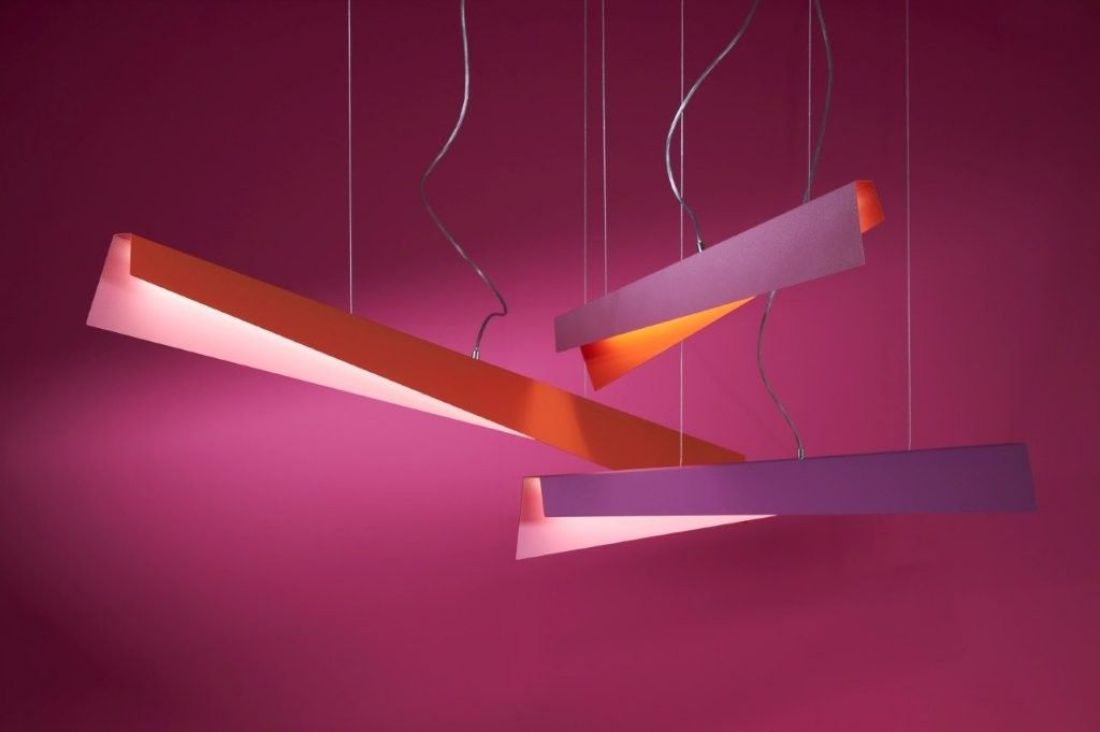
Messaggio
© illu
More possibilities, more conscious design
Lighting in 2026 is not defined by a single dominant style. “Quiet luxury” coexists with bold colors, discreet lamps alongside elaborate compositions, and design is increasingly intertwined with technology.
This shift primarily concerns the possibilities that lighting design offers today. Control systems allow for better use of daylight and energy; carefully selected parameters enhance comfort; mobile solutions can adapt to changing spaces; and the form, color, and scale of lamps help define a space’s character.

In 2026, therefore, it is not a matter of choosing between technology and design. The most interesting solutions emerge precisely where one supports the other.
For more information, visit the {tag:Manufacturer} company page on the PdA portal.