



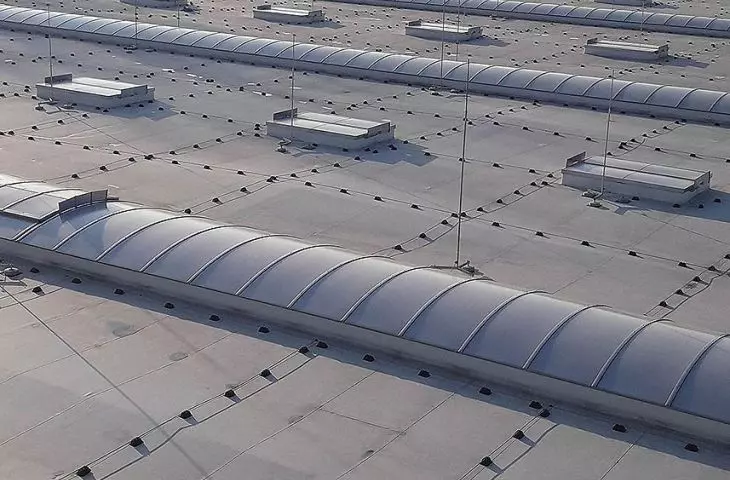
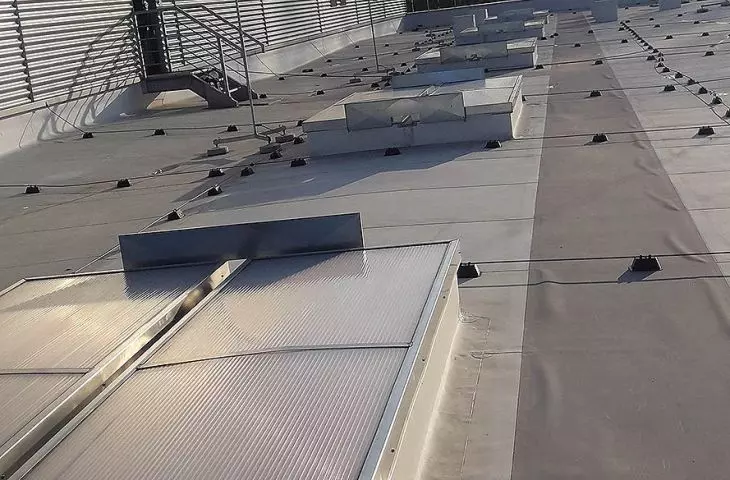
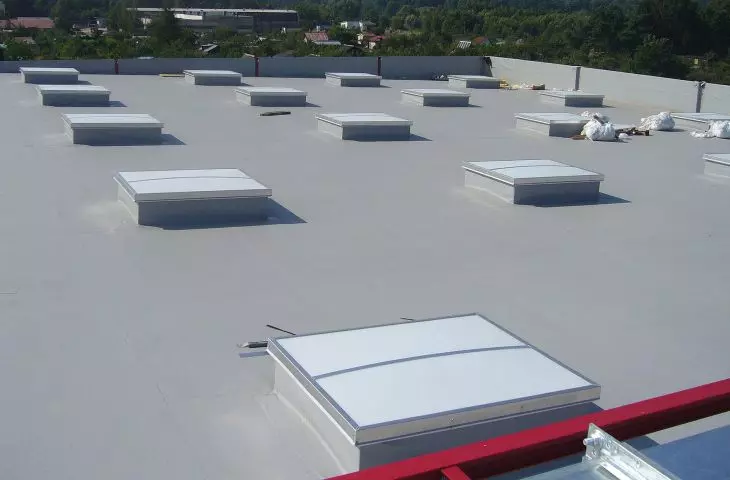
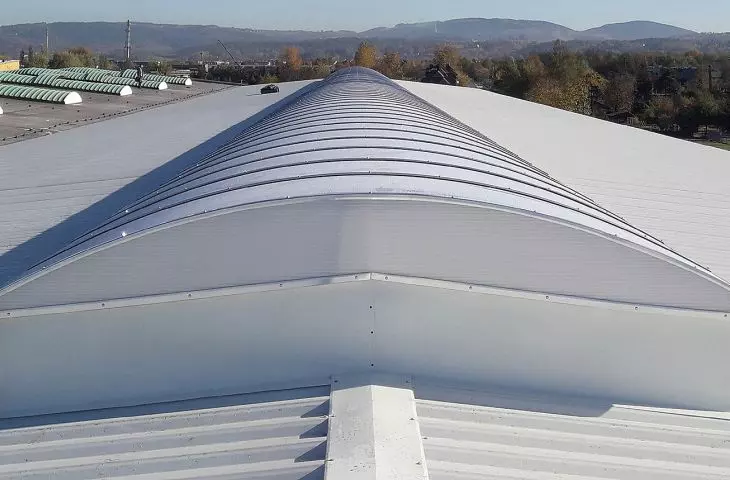



In design documentation, smoke dampers are rarely described by dimensions alone. The key parameter remains the active smoke extraction area (Aa), which determines the actual smoke extraction capacity of the device. In execution practice, it is this parameter that is most often underestimated - not at the design stage, but during the selection of replacements, installation or commissioning of the system. The effect is difficult to catch "by eye", but has a direct impact on the performance of the entire system.
Smoke dampers, control units -,
© REWA ,© REWA
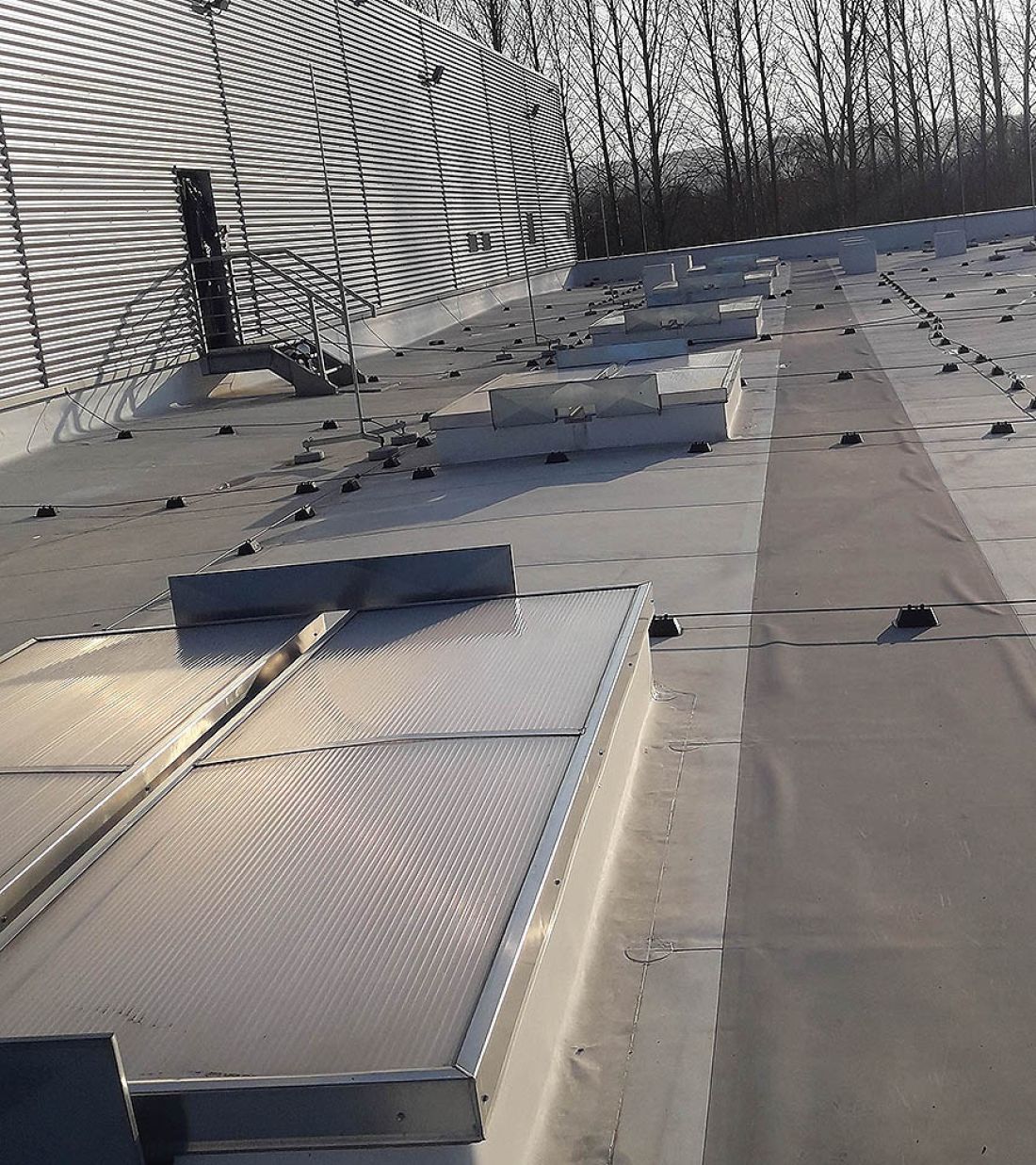
Aa is not the dimension of the flap
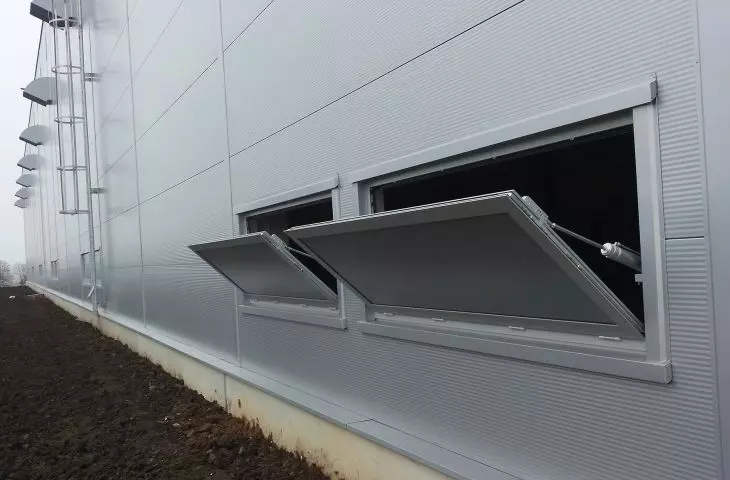
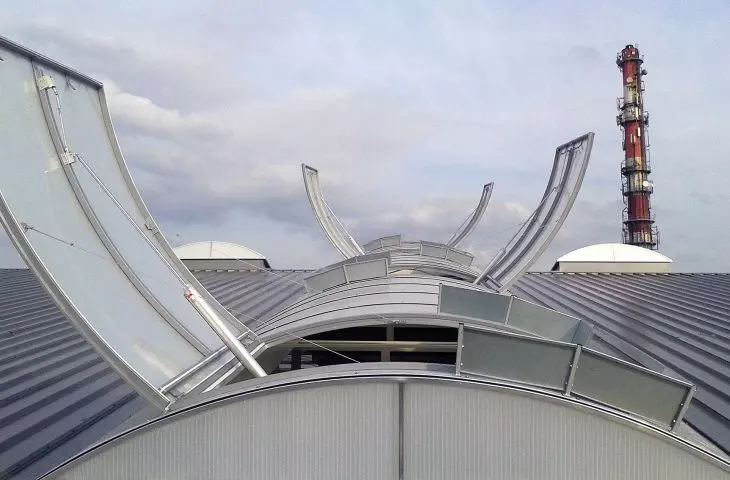
One of the basic misunderstandings on the construction site is to equate the active area with the dimension of the roof opening. In reality, these are two different values. A flap with a certain width and length does not yet guarantee a specific smoke removal efficiency. The final parameter is influenced by the way the leaf is opened, its geometry and airflow resistance. In practice, this means that two products with identical dimensions can work quite differently. For the installer, this is a signal that "size conformity" is not enough. - the technical data of a specific solution is crucial.
Smoke dampers, control units -,
© REWA ,© REWA
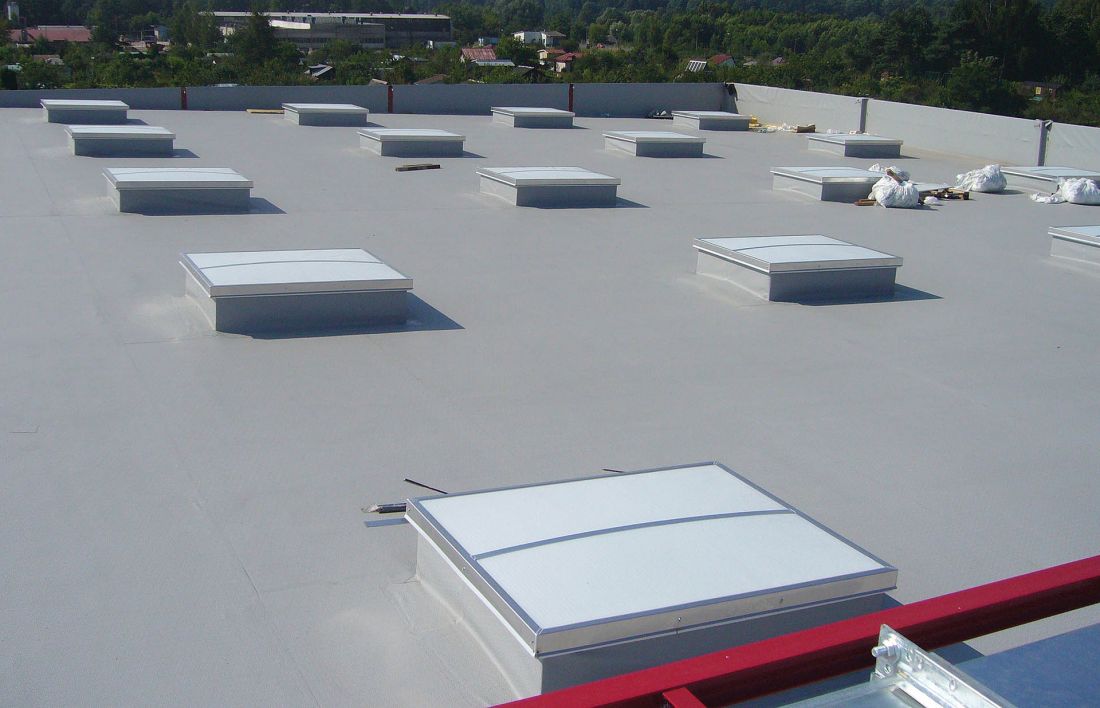
Replacements - the most common moment of performance loss
Most problems arise when a product is changed at the implementation stage. The reasons are usually the same: availability, timing or cost. The substitution itself is not a mistake, but the lack of verification of parameters is. In practice, the differences are usually due to a different opening angle or a different sash design. Even a small change in this regard can reduce the active area, even though from the outside the flaps look similar and take up the same amount of space in the roof. This is one of those times when the system "loses efficiency," even though formally everything has been installed.
Smoke dampers, control units -,
© REWA ,© REWA
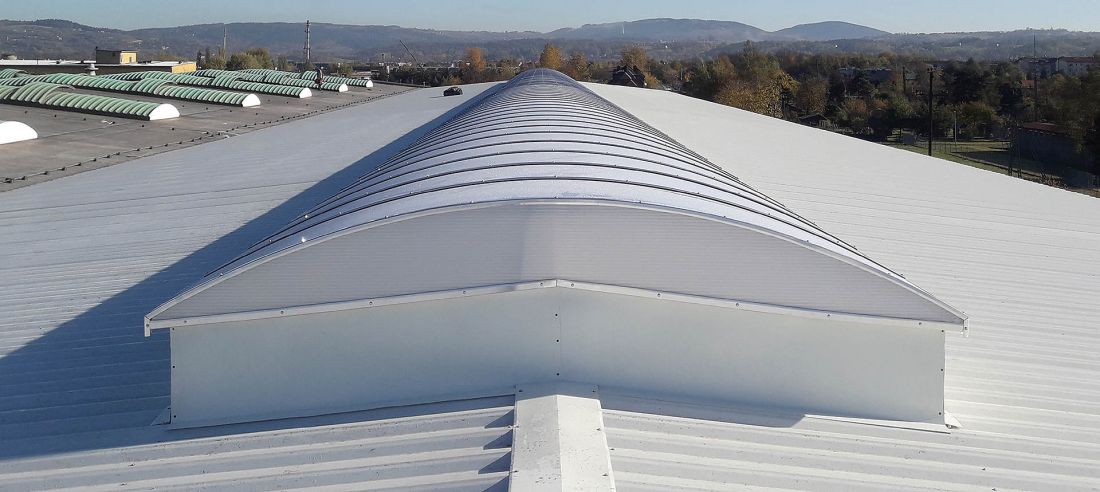
Opening angle under actual conditions
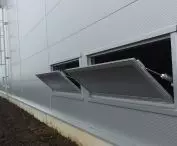
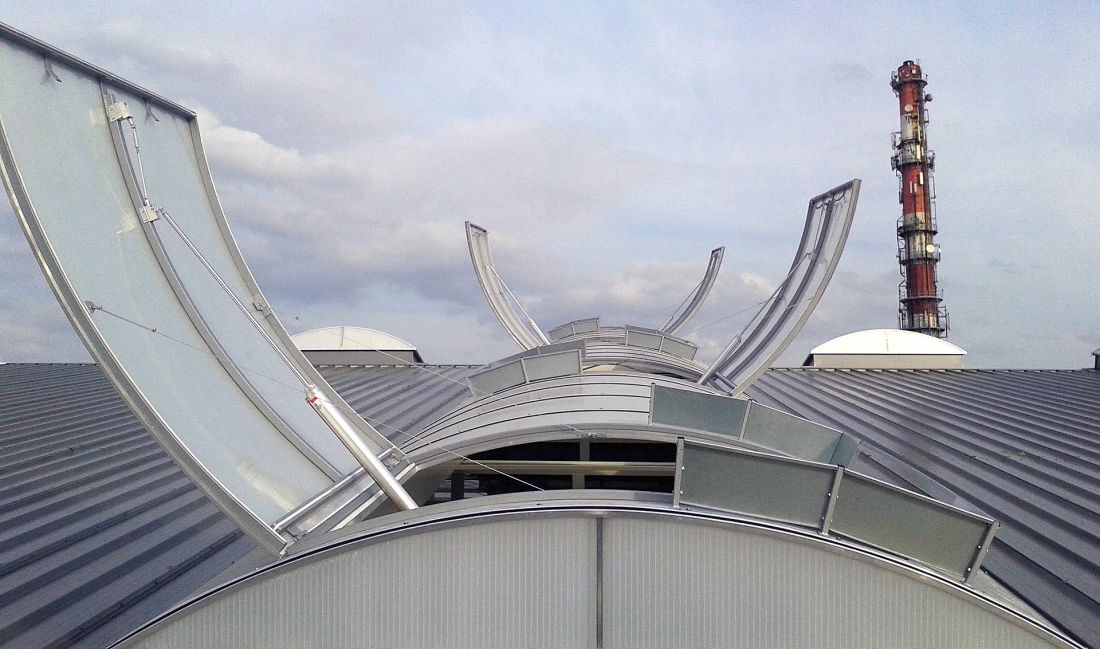
The declared opening angle is one thing, and its achievement on site - another. In practice, it happens that the dampers do not open all the way because something restricts their movement. Sometimes it's a collision with a structural element, sometimes it's an overly tight installation, and sometimes it's an improperly sized or connected actuator. From a smoke flow perspective, this is of direct relevance. A smaller opening angle means less efficiency, and therefore a realistically lower active area than assumed. It's a difference that can't be seen without close inspection, but which reveals itself in the operation of the system.
Smoke dampers, control units -,
© REWA ,© REWA
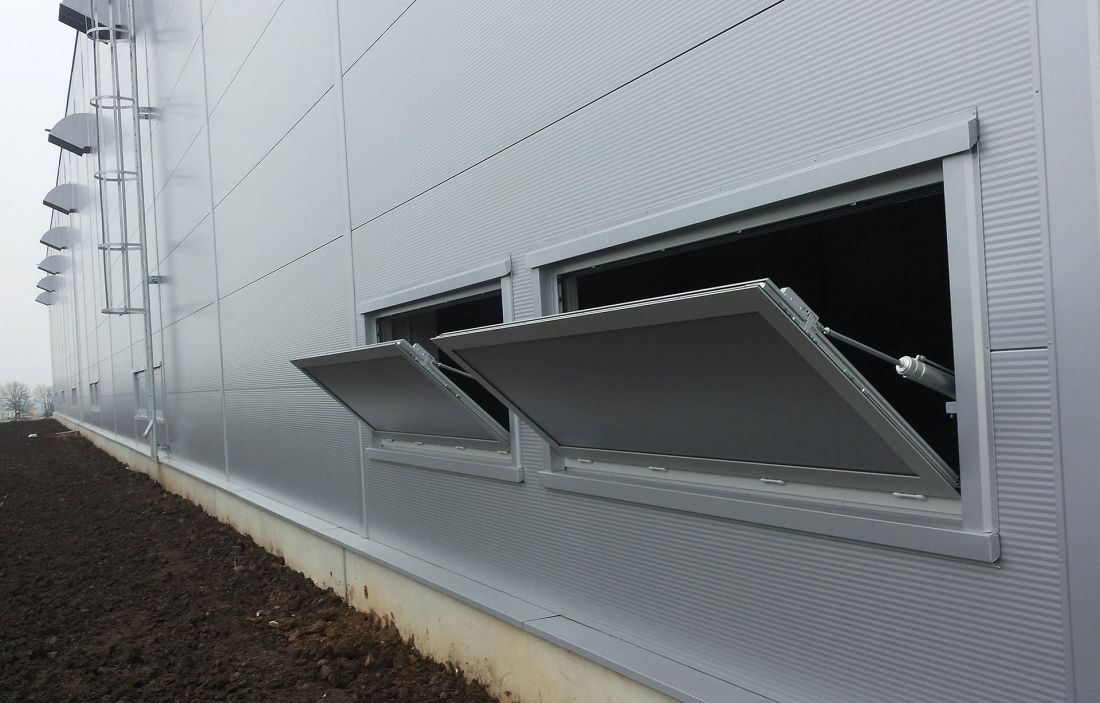
Small displacements, big consequences
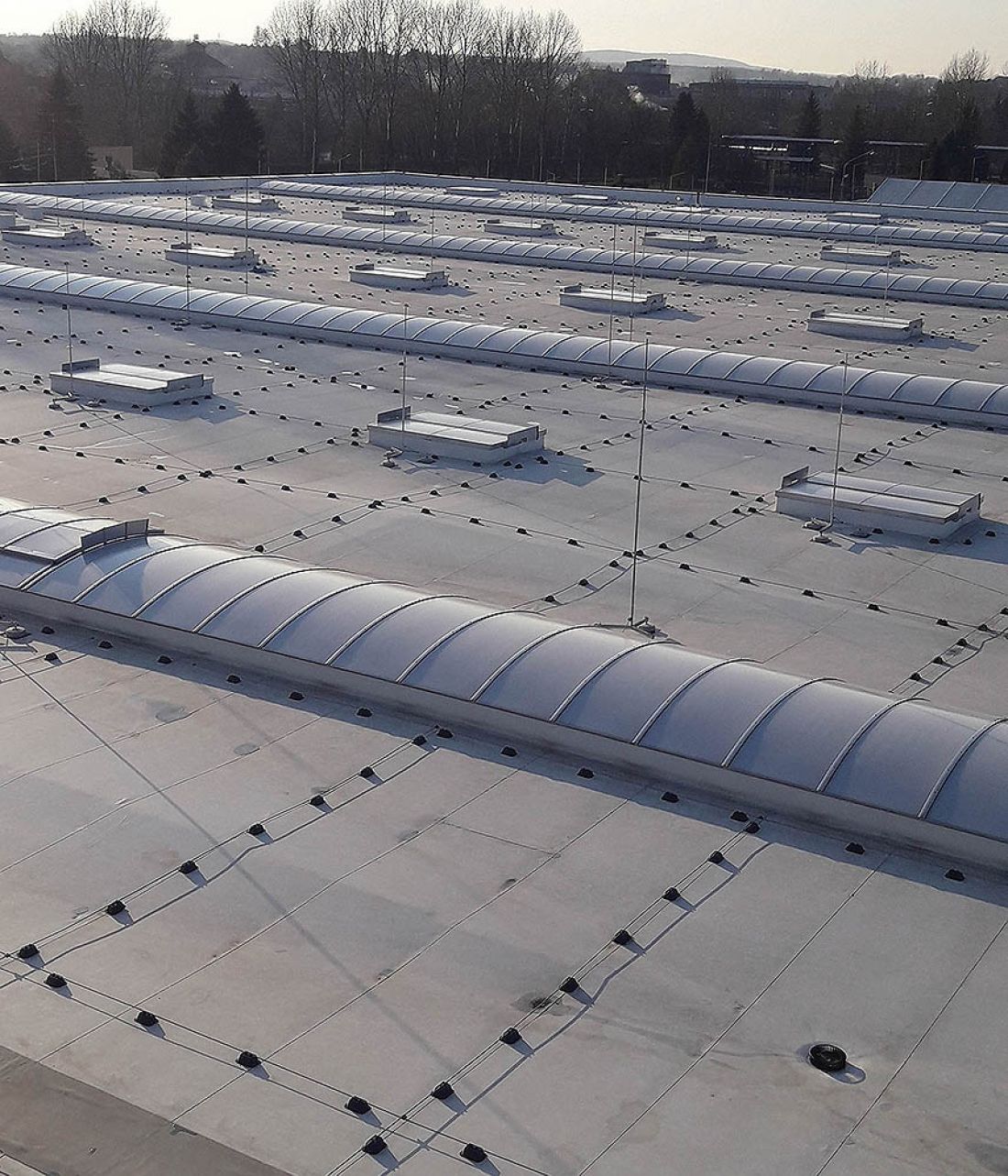
Another area where efficiency is lost is in the placement of dampers. In practice, construction rarely proceeds exactly according to the drawing - there are collisions, structural changes, the need for offsets. The problem begins when the changes are not analyzed in terms of smoke control performance. Moving several devices to one place or leaving "empty" zones can disrupt the operation of the entire system. Smoke does not spread evenly, and the system stops working as intended, even though the number of dampers matches.
Smoke dampers, control units -,
© REWA ,© REWA
Commissioning that is not a formality
The last moment to catch problems is the commissioning of the system. In practice, it is sometimes treated as a technical stage to be "ticked off", meanwhile it is the only opportunity to check the actual operation of the dampers. It is then that situations come out in which some devices open more slowly, fail to reach full range or react with a delay. Each of these things affects the final efficiency of smoke ventilation, although they are not always obvious without careful observation.
Smoke dampers, control units -,
© REWA ,© REWA
Where the problem really lies
Experience shows that we rarely have to deal with an incorrectly designed active area. Problems arise later - in the decisions made at the construction site and in the method of implementation. For the installer, this means looking at smoke dampers not as individual components, but as part of a system whose effectiveness depends on the details. It is at the stage of implementation that it is easiest to "lose" the parameters that were precisely defined in the design.