














For residential air conditioners, the quality of the system's performance is determined to a small extent by the unit itself. Of key importance is how the installation is carried out and the conditions in which the system operates. Even a correctly selected air conditioner will not provide stable performance if basic workmanship principles are ignored at the installation stage. In installation practice, this means that installation is not just a technical stage, but an integral part of the entire design process.

The Airy Dark model with G-AI artificial intelligence system combines expressive design with high energy savings -,
© GREE,© GREE
Unit location vs. actual system operation
One of the most important factors affecting the performance of an air conditioner is the proper placement of units. The indoor unit should provide an even distribution of air, without creating zones of overcooling or limited circulation. In practice, the problem is the installation in random spaces - above the buildings, in recesses or in places where the air flow is disturbed by equipment elements. Such solutions lead to uneven temperature distribution and unstable operation of the unit. Equally important is the location of the outdoor unit. Restricted airflow, installation in confined spaces or inattention to the operating conditions of the unit directly affect the load on the system and its efficiency.

Clivia Beige Stone's unique texture and built-in UV-C lamp provide a healthy microclimate in a beautiful way -,
© GREE,© GREE
Refrigeration system as a critical component
From the point of view of the durability of the system, the quality of the refrigeration installation is crucial. It is this element that determines the tightness of the system and the stability of operating parameters. The most common problems arise from inaccurate connections, improper ductwork and lack of proper insulation. As a result, there may be loss of refrigerant, condensation of moisture or a drop in system performance. Preparation of the system before commissioning is also an important step . Skipping inspection procedures or performing them incorrectly can result in problems that only become apparent during operation.

The pearlescent finish and ultra-quiet operation of the Cosmo Pearl is the perfect choice for any modern bedroom -,
© GREE,© GREE
Condensate - an underestimated part of the installation
In many projects, the condensate drainage system is treated as a secondary element. In practice, it is often the one that generates the first operational problems. Improper routing of the installation or failure to take into account the technical conditions of the building can lead to water ponding, condensate backflow or leaks. These problems are particularly troublesome in apartments, where interference with finished finishes involves additional costs.
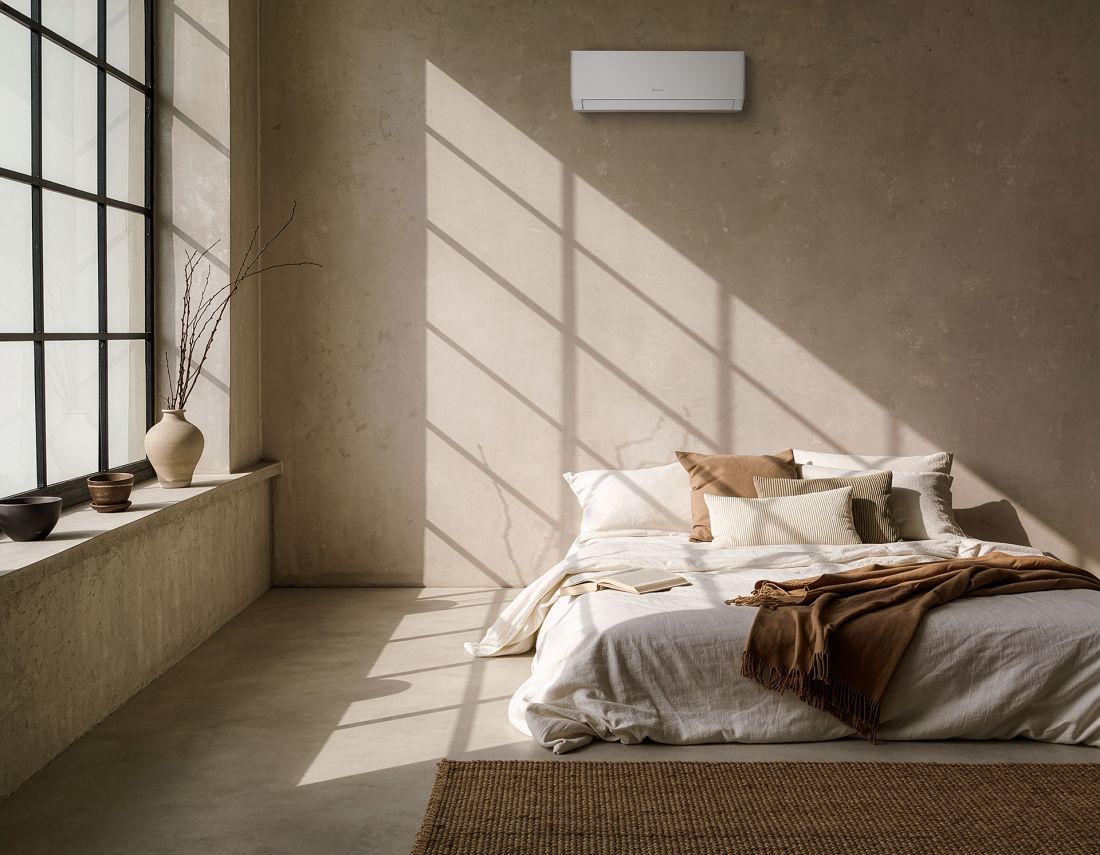
The minimalist design of the Pular Pro White in classic white perfectly complements contemporary interiors -,
© GREE,© GREE
Installation versus subsequent service
The air conditioner is a device that requires periodic maintenance, so the way it is installed should take into account service access. In practice, it is common to encounter installations in which access to the unit is limited by the installation or location. Such solutions make it difficult to perform maintenance and can affect the way the unit is operated. In the long run, this translates into a higher risk of system malfunction.

The Super Free Match system allows you to power up to 9 units while maintaining the aesthetics of the building facade -,
© GREE,© GREE
Installation as part of the quality of the installation
An analysis of the most common operational problems shows that in the case of air conditioning, the quality of workmanship is crucial. Installation should not be treated as a final stage, but as a process that requires consideration of the technical conditions of the building, the use of the premises and future maintenance. In residential construction, where installations are often carried out in limited space, it is the correctness of workmanship that determines the stability of the system's operation and its trouble-free operation.