







Choosing the right heat pump for the Polish climate requires the installer to pay attention not only to brand or price, but especially to the design of the unit and its ability to operate at low temperatures. In the field, it is crucial to quickly identify the elements that determine the stability, efficiency and durability of the heating system.
Heat Pump (HP) Keymark confirms the compliance of the tested product with European standards -,
© Freepik,© Freepik
Evaporator and fan - the heart of heat exchange
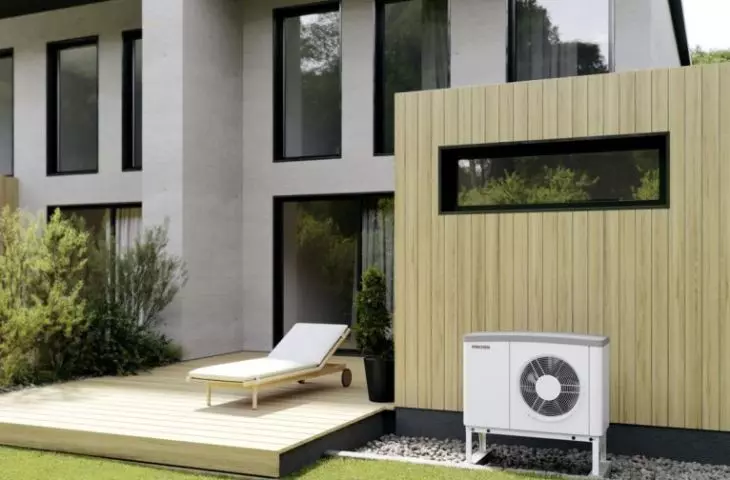
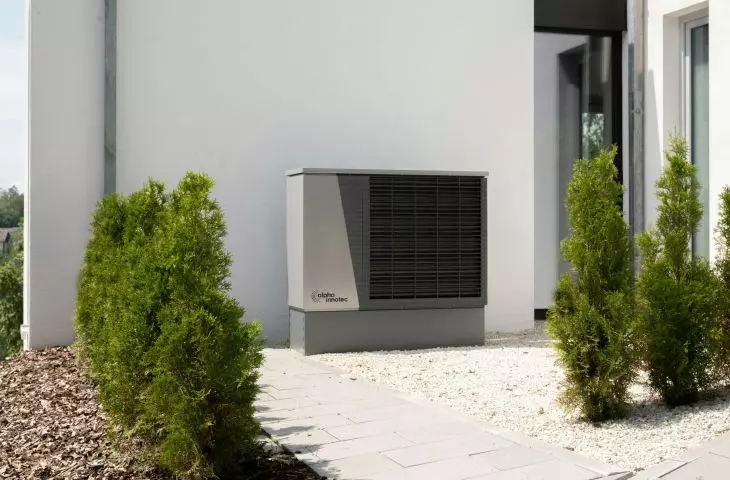
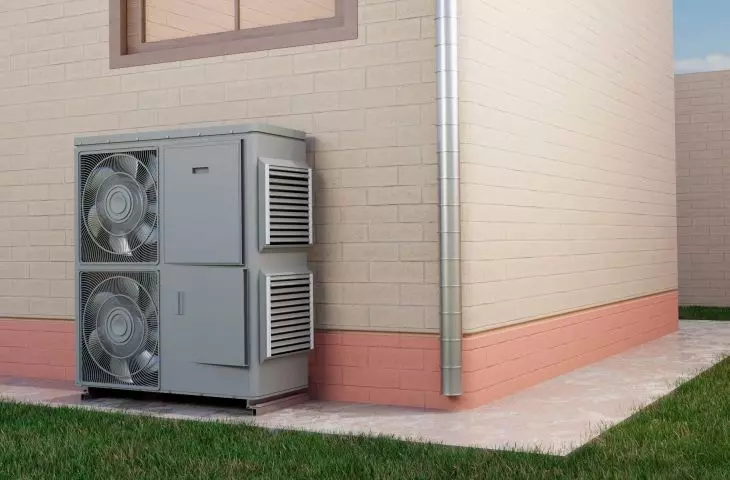
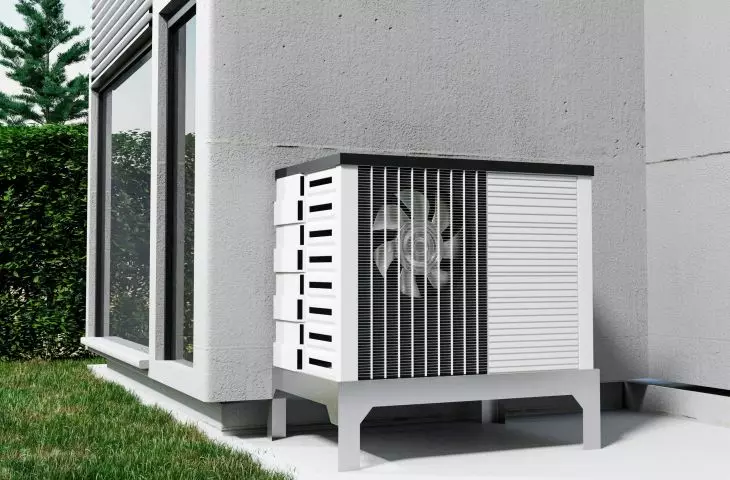
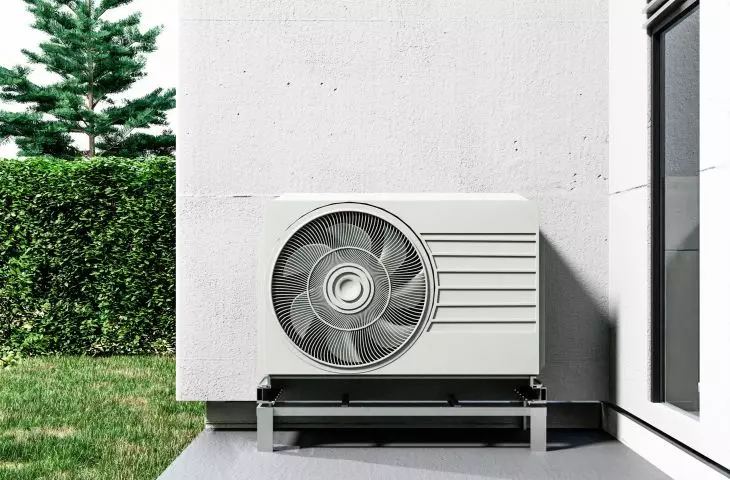
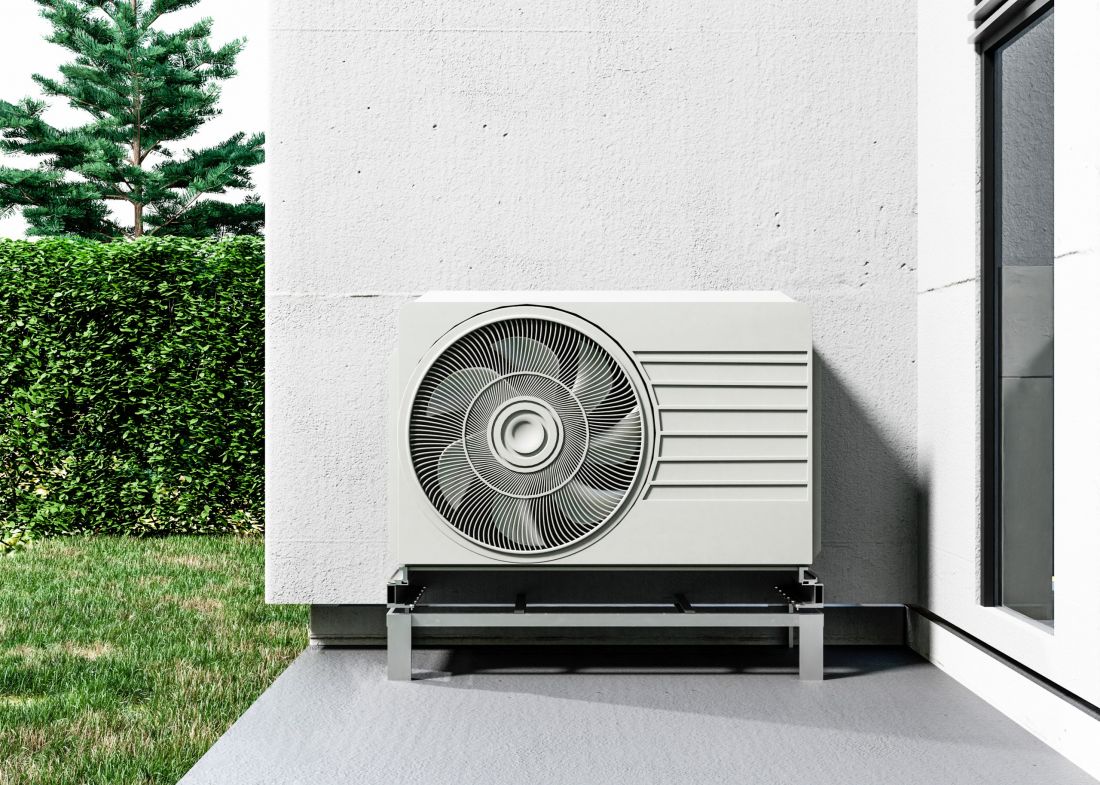
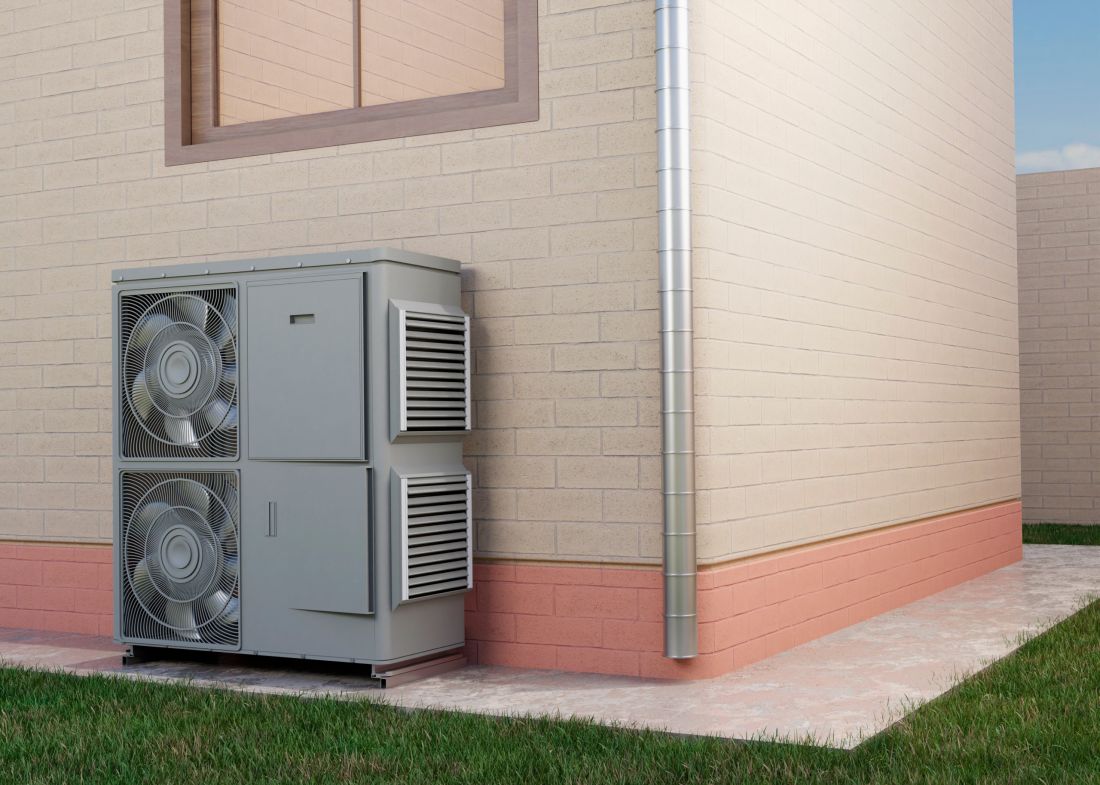
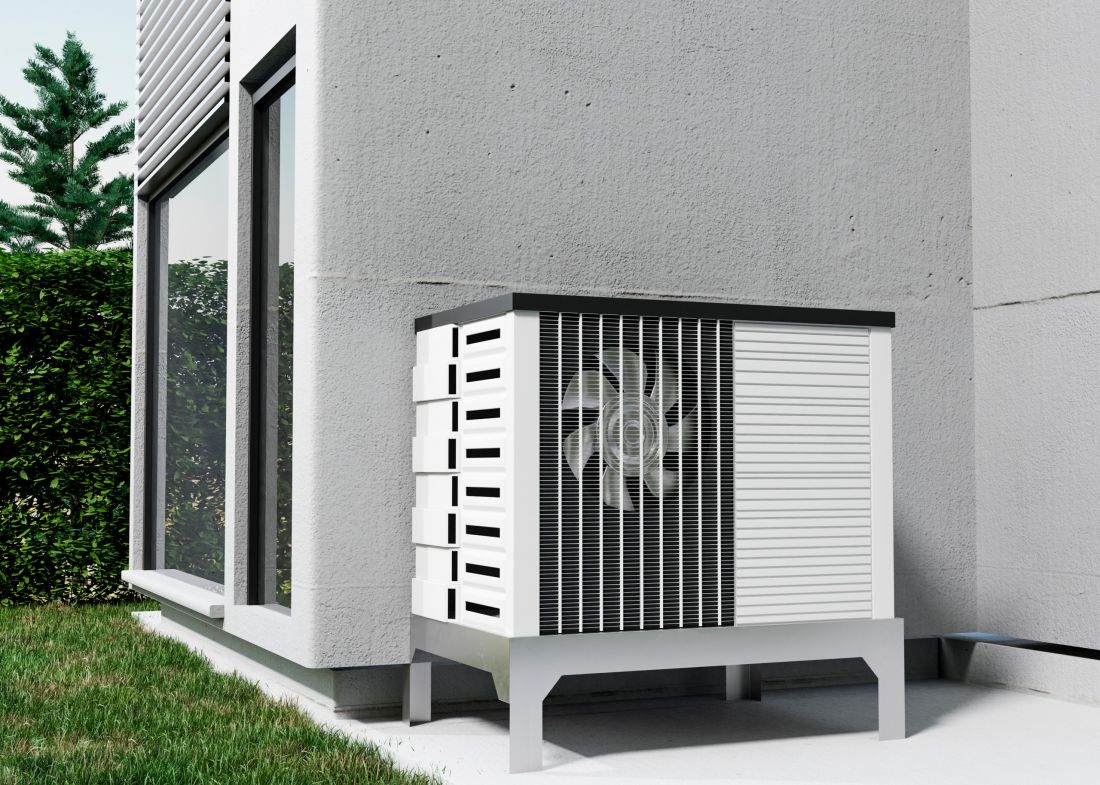
The evaporator is the centerpiece of the system. In pumps adapted to cold climates, its surface area is larger and the fins are arranged in such a way that the defrosting process takes place less frequently. As a result, the unit maintains performance even at sub-zero temperatures. A large evaporator usually goes hand in hand with a larger fan, whose slower rotation reduces noise levels and component wear, while extending the life of the unit. Evaluating the fan and evaporator during a visual inspection allows you to quickly verify that the pump is suitable for Polish conditions.
Peak source - frost support
The presence of a peak source, such as an electric heater, is important during extremely low temperatures, when the capacity of the pump itself may be insufficient. The installer should check that the heater is present, that its output meets the needs of the building and that it turns on automatically when the temperature drops below the unit's operating parameters. The lack of a peak source in pumps designed for warmer regions may require additional heating in the building, limiting system efficiency.
HP Keymark was excluded from the ZUM list regulations -,
© Freepik,© Freepik
Power selection and COP
Matching the power of the unit to the actual needs of the building is another important criterion. The installer should check the COP index, which predicts how much thermal energy the device will produce from 1 kWh of electricity. This makes it possible to estimate actual energy consumption and ensure thermal comfort even on the coldest days.
The HP Keymark certificate was introduced on the basis of a recommendation by the European Council -,
© Freepik,© Freepik
Durability and service
Slower fan speeds and less frequent defrost cycles increase operating efficiency and reduce the intensity of component wear. The installer should verify that the manufacturer offers technical support for unit selection, installation design and servicing, and that spare parts are readily available. The manufacturer's experience and the installer's knowledge have a direct impact on the efficiency and lifespan of the entire system.
What to pay attention to in the field
For the professional in the field, it is most important to focus on a few key criteria: an appropriately sized and well-designed evaporator, a large fan running at slow speed, the presence of a peak source, matched power output and COP, and the manufacturer's experience and service availability. Evaluating these elements during a visual inspection allows the installer to choose a unit that will ensure stable operation of the heating system in Polish winter conditions, minimize breakdowns and extend the life of the heat pump.