





















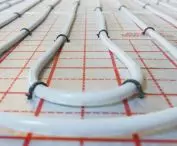

Underfloor heating in single-family dwellings requires precise selection of materials that will guarantee long-term and trouble-free operation. One of the key elements of the water system are PEX (cross-linked polyethylene) pipes, which combine high strength with installation flexibility. The choice of the right pipes, their diameter and the method of installation directly affects the thermal efficiency of the system.
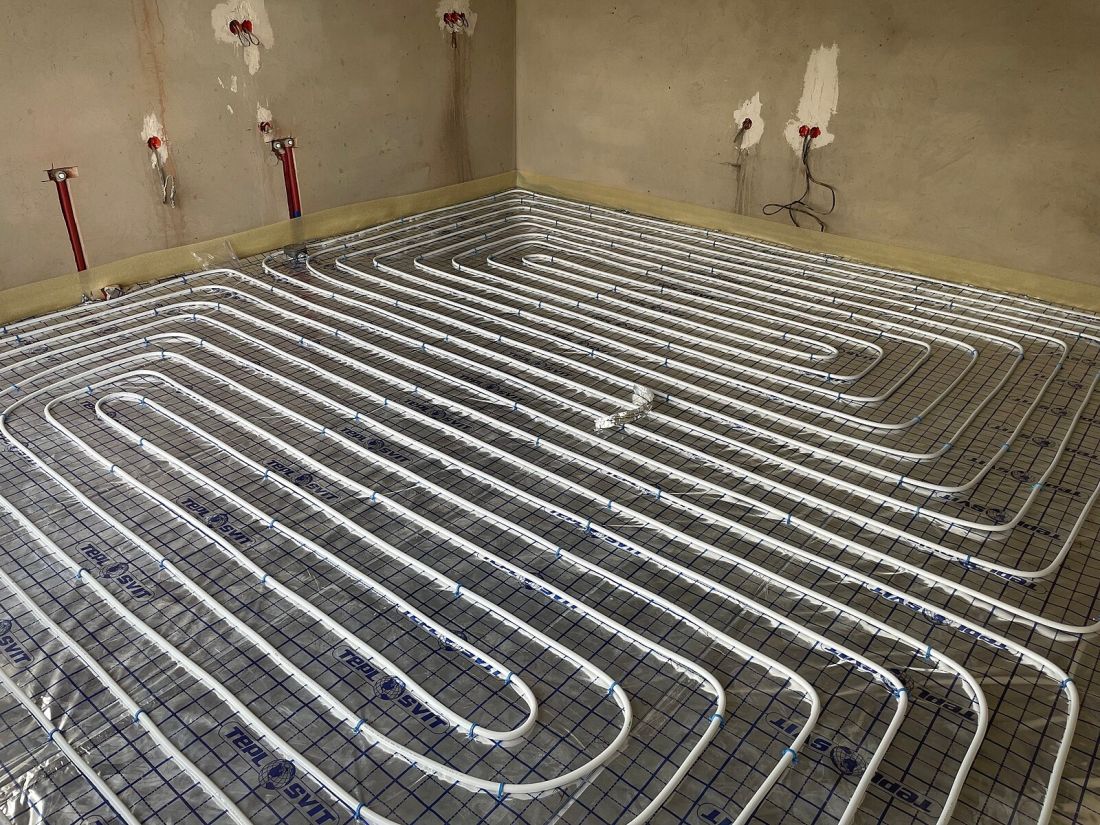
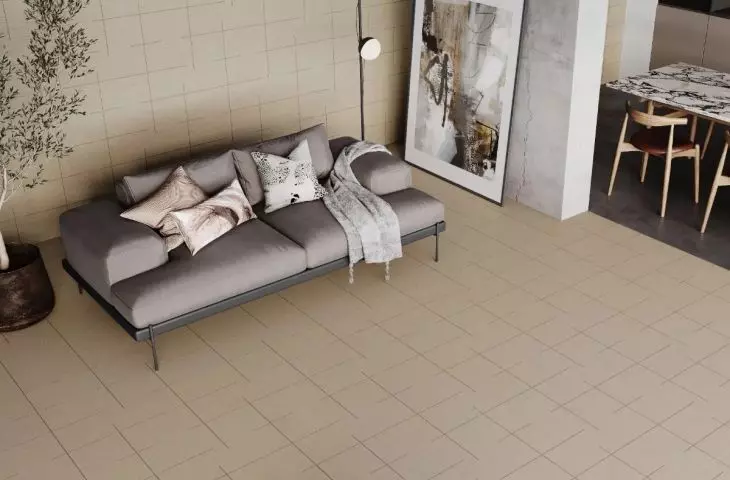
Underfloor heating can be water or electric - ,
Photo: viii23dawari © CC BY-SA 4.0 , Photo: viii23dawari © CC BY-SA 4.0
PEX pipes - types and characteristics
There are mainly three types of PEX pipes used in underfloor heating on the market:
- PEX-a (cross-linking by the peroxide method) - is characterized by high pressure and temperature resistance and high flexibility, which facilitates the routing of pipes in floor loops.
- PEX-b (crosslinking by the dimethylformamide method) - more resistant to bending and the corrosive effects of water, often used in installations with higher operating pressures.
- PEX-c (crosslinking by the axosimide method) - least prone to deformation during installation, but slightly less flexible when laying long loops.
For the installation of underfloor heating in a single-family home, the most common choice is PEX or PEX-c with a diameter of 16-20 mm. The choice of diameter depends on the length of the loop, the planned heating power and the type of floor.
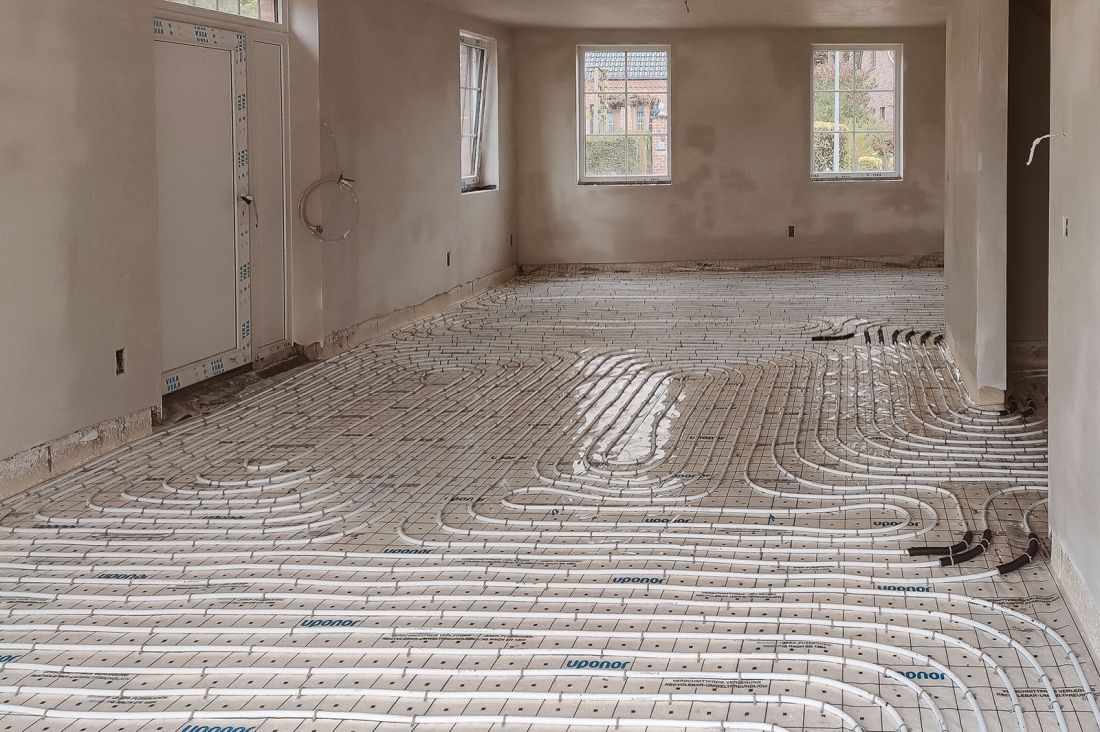
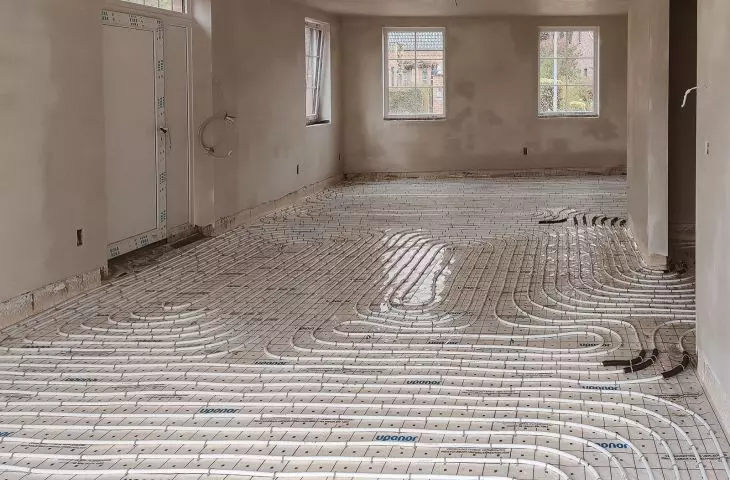
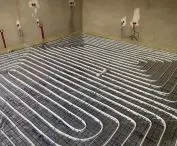
View of the floor with heating pipes - ,
Photo: Bardt for Take 7 © CC BY-NC-ND 3.0 ,Photo: Bardt for Take 7 © CC BY-NC-ND 3.0
Planning and laying out the loops
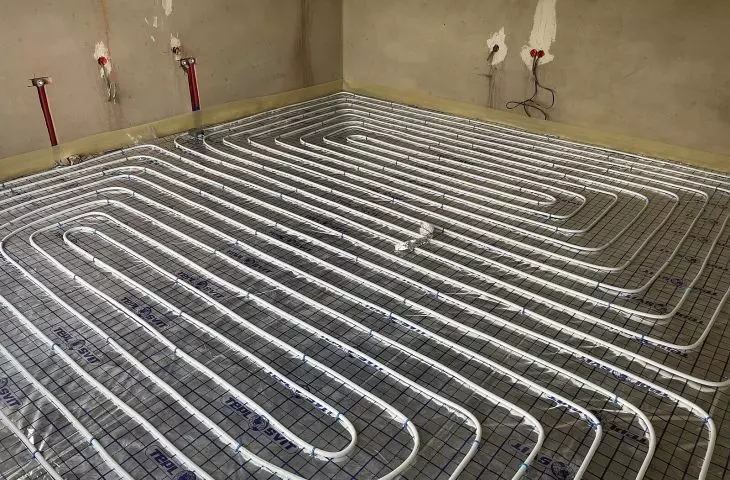
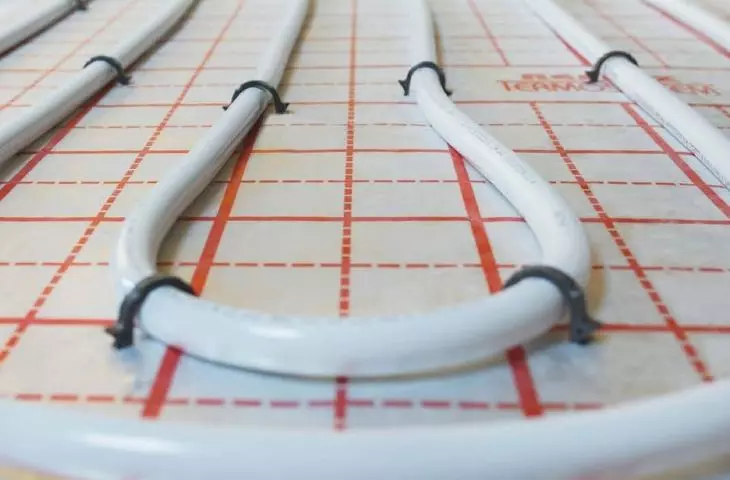
The optimal length of a single loop in a floor system is typically 80-120 m for 16 mm PEX pipe and 100-150 md for 20 mm PEX. Longer loops can cause pressure drops and uneven heating of the room. It is also crucial to maintain proper pipe spacing - standard is 10 to 20 cm, depending on the type of flooring and the required heat output. Special mats or systems are used to fix the pipes to the thermal insulation. It is also important to maintain a minimum bend when bending pipes to avoid stress points that can shorten the life of the installation.
Connections and accessories
PEX pipes are usually connected using compression or sleeve fittings. For underfloor installations, it is recommended to use fittings marked "PEX" and matched to the diameter of the pipes. In addition, manifolds with built-in flow meters are used, allowing precise adjustment of the flow in each loop and even distribution of heat.
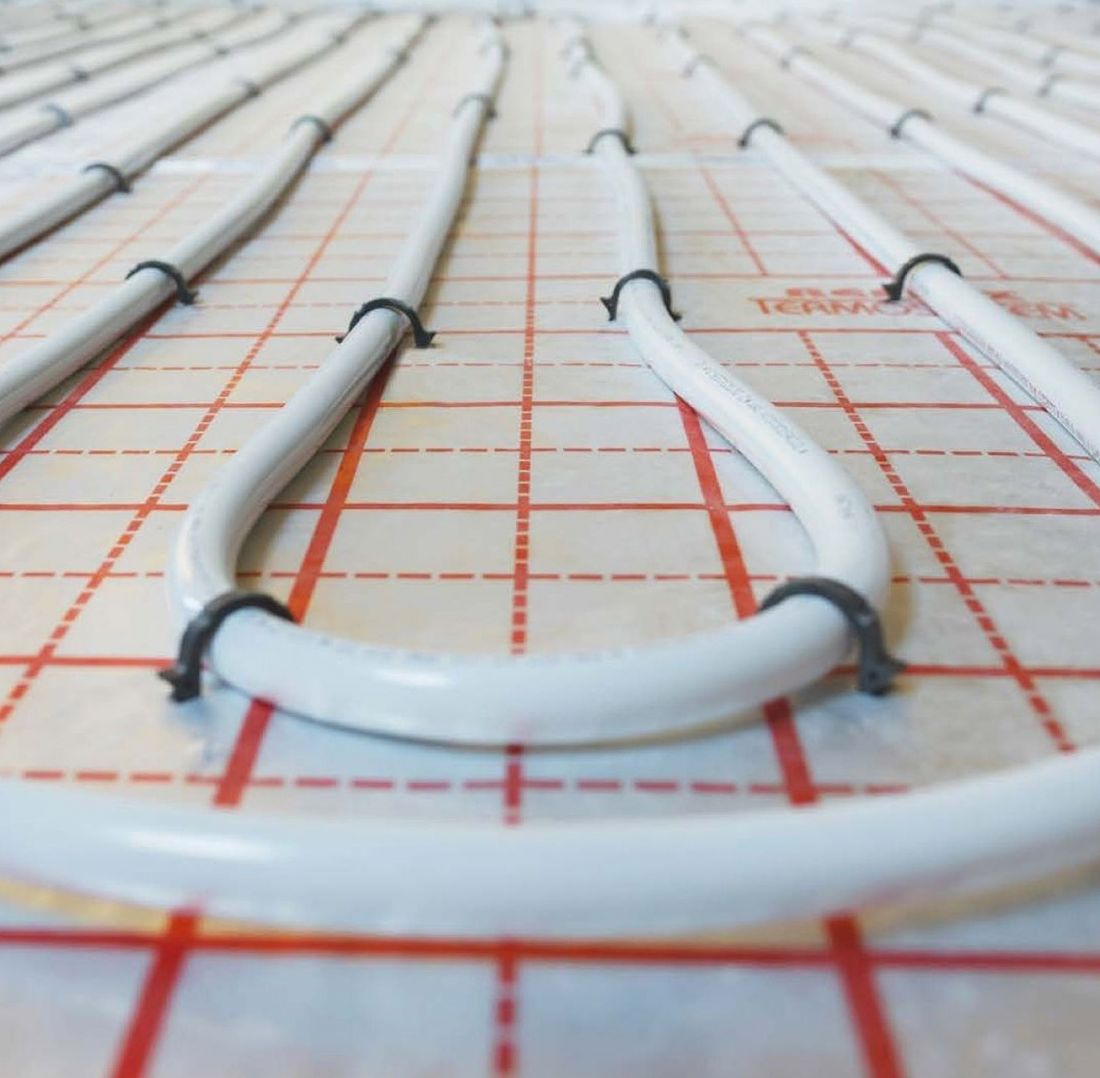
Printing on the insulation film helps evenly distribute the floor heating pipes
© KOTAR
Insulation and control of heat loss
The efficiency of a water system largely depends on the quality of thermal insulation under the pipes. Styrofoam panels or extruded polystyrene with grooves for fixing pipes help reduce heat loss toward the ground. In addition, reflective films are used to increase the directional heat transfer to the room.
Control and maintenance of operating parameters
Modern PEX installations require room thermostats and weather controllers that allow precise temperature settings in individual zones. Regular control of system pressure, as well as periodic venting of loops, maintain long-term system efficiency.