









In cities, where buildings are increasingly being designed to energy-efficient or passive standards, ventilation is becoming one of the key elements of comfort and energy efficiency. In well-insulated apartments, natural gravity ventilation does not provide adequate air exchange, which can lead to condensation, mold growth and deterioration of air quality. The solution is mechanical ventilation with heat recovery, or a recuperation system, which minimizes energy loss while maintaining adequate ventilation levels.

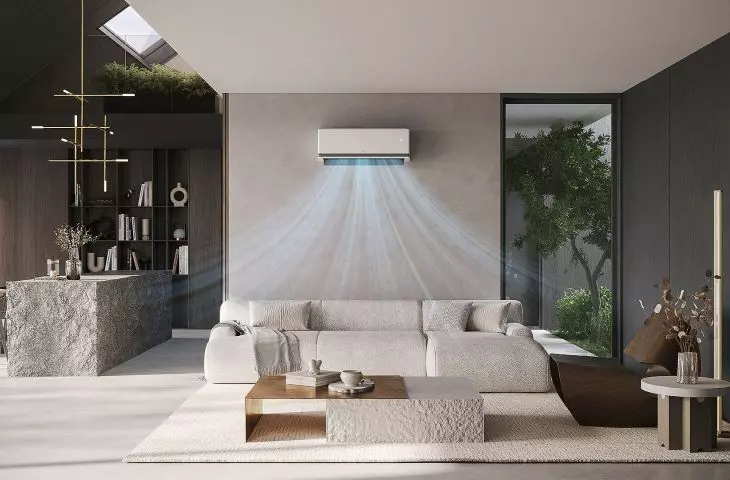
Artcool Gallery LCD -,
© LG,© LG
Types of heat exchangers in recuperators
In apartments, the most common types of heat exchangers are cross-flow and rotary counter-flow. Cross-flow and counter-flow exchangers are characterized by simple design and stable heat recovery efficiency in the range of 70-90 percent, depending on the temperature difference between the exhaust and supply air. In addition to high heat recovery, rotary heat exchangers also allow moisture recovery from exhaust air, which is important during the heating season when dry air can make residents uncomfortable.
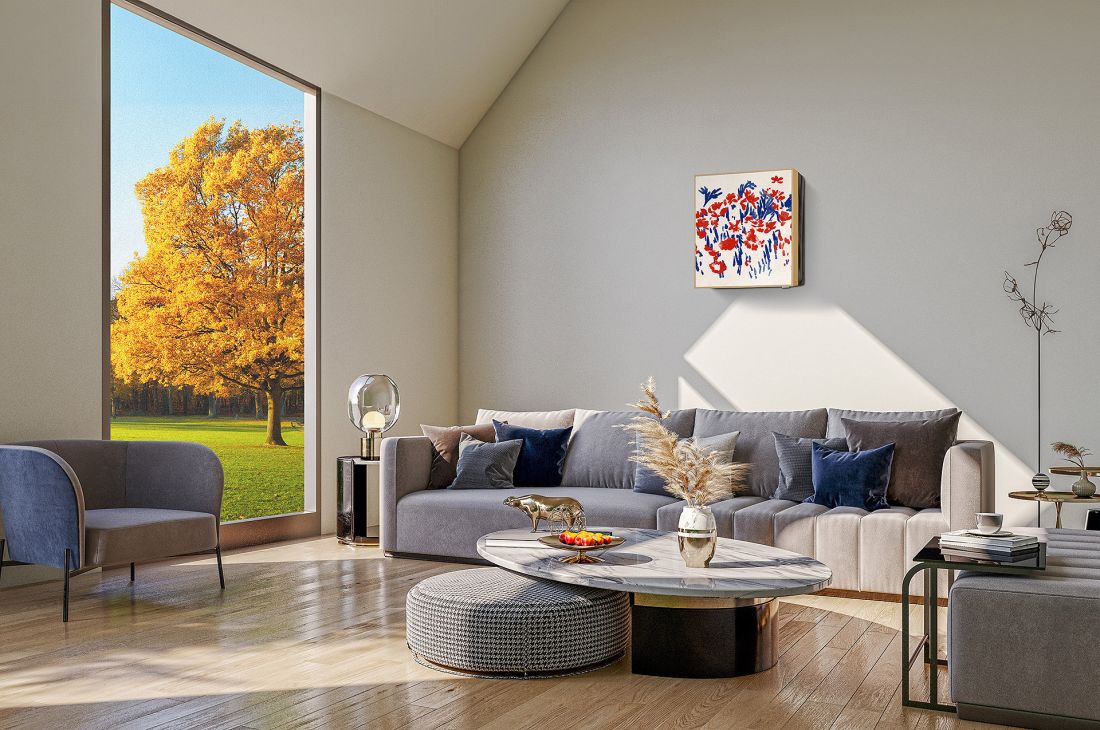
Artcool Gallery Photo -,
© LG,© LG
Optimizing system operation
The performance of a recuperator depends on proper airflow, duct leakage and filter cleanliness. F7/F8 class filters used in apartments require regular inspection and replacement - dirty filters can reduce heat recovery efficiency by up to 15-20 percent. In addition, automatic controllers are increasingly being used that modulate the airflow depending on current needs - for example, increasing the intensity of ventilation during cooking, showering or high carbon dioxide accumulation.
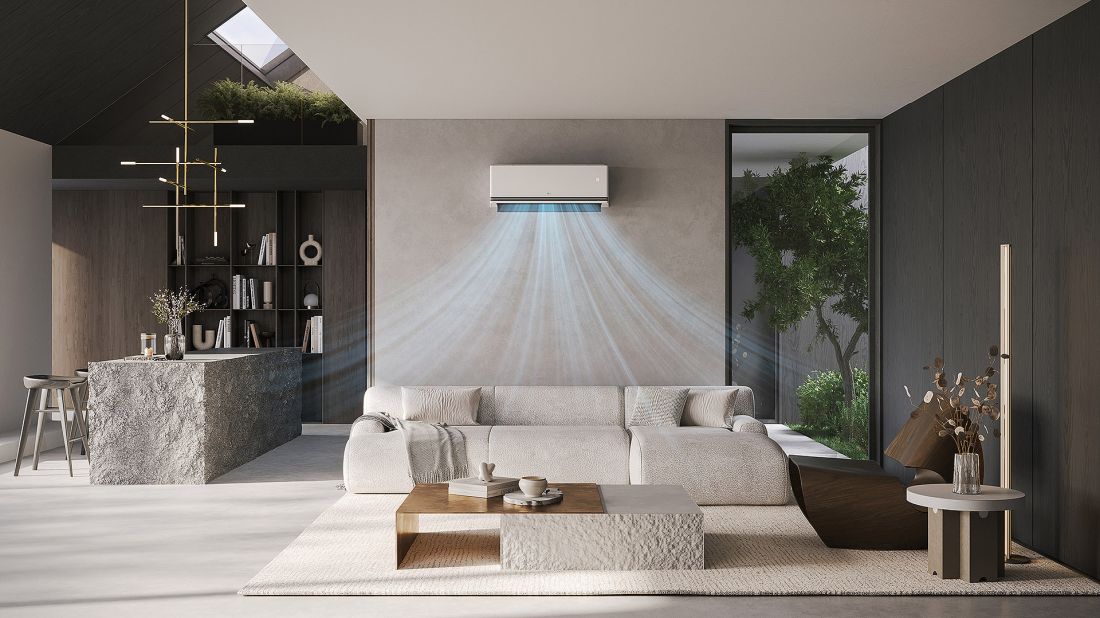
Dualcool Premium Soft Air -,
© LG,© LG
Integration with other heating and cooling systems
Modern recuperators often work in conjunction with heat pumps, air conditioning or hybrid systems to comprehensively manage the temperature and humidity in a home. Integration of systems allows heat recovery not only during the heating season, but also supports cooling processes in summer, minimizing energy losses and reducing operating costs. In practice, such solutions make it possible to achieve high energy efficiency while maintaining a comfortable microclimate, complying with PN-EN 16798 standards for ventilation and indoor air quality.
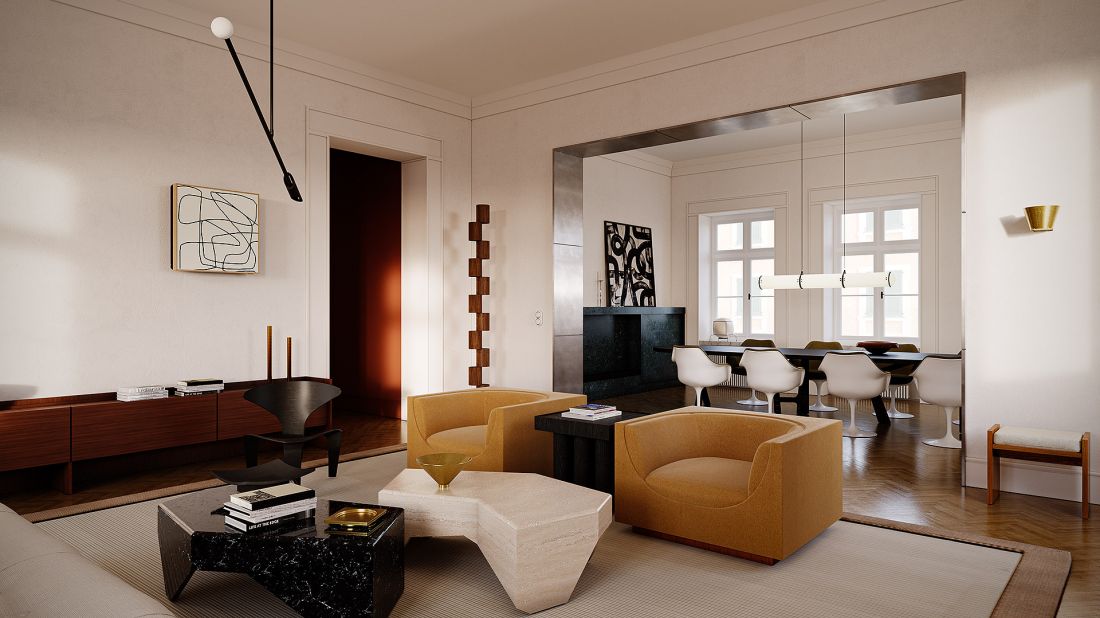
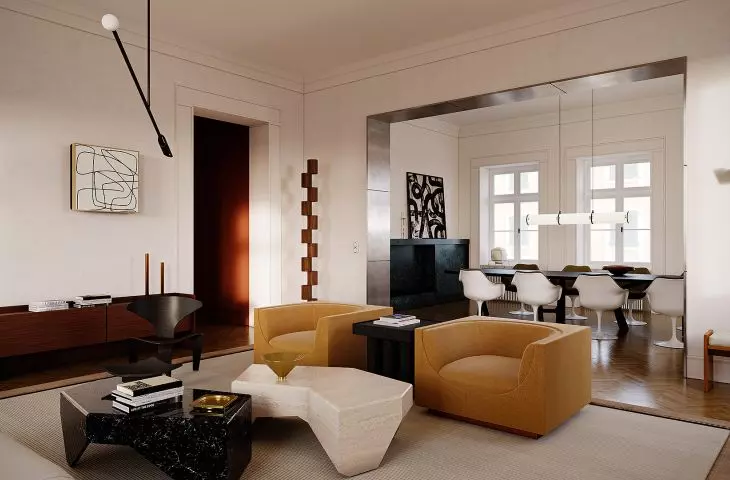
Demonstration interior using LG ARTCOOL Gallery Photo air conditioner designed by Pawel Jurkiewicz Studio in cooperation with adpo studio Adriana Ponikiewska -,
© LG,© LG
Benefits of recuperation in the context of urban housing
A well-designed recuperation system not only reduces heat loss, but also affects the health and comfort of residents. Constant air exchange reduces the concentration of dust, allergens and carbon dioxide, improving living conditions in thermally insulated apartments. In addition, by reducing drafts and excessive cooling of rooms, the recuperation system contributes to an even temperature throughout the apartment.
Thus, the selection of an appropriate recuperation system requires consideration of the type of exchanger, the quality of filters, the possibility of integration with other equipment and the specifics of the building. In practice, optimal system design and regular maintenance are crucial to ensure long-term efficiency and minimize the risk of failure.