



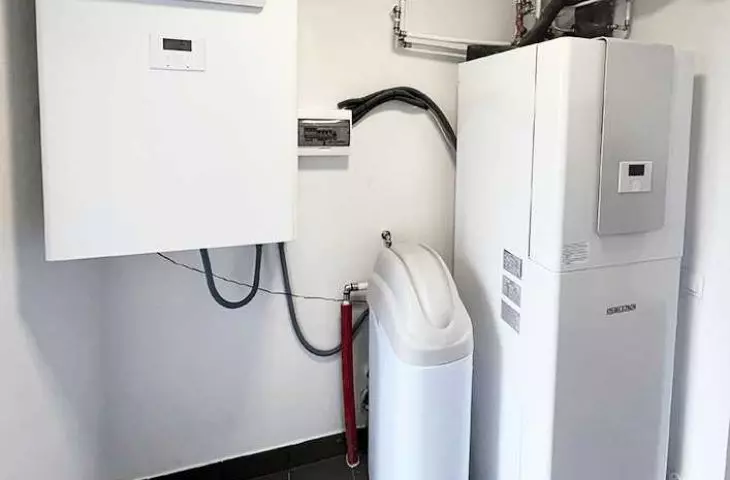

Heat pumps are increasingly making their presence felt in new residential developments. In many development projects, they are replacing traditional heat sources - gas boilers or connection to the municipal heating network - providing heating and domestic hot water preparation. Decisions on their use are made today already at the design concept stage, as they have a direct impact on the energy efficiency of the building, operating costs and the feasibility of implementing the project in different locations.
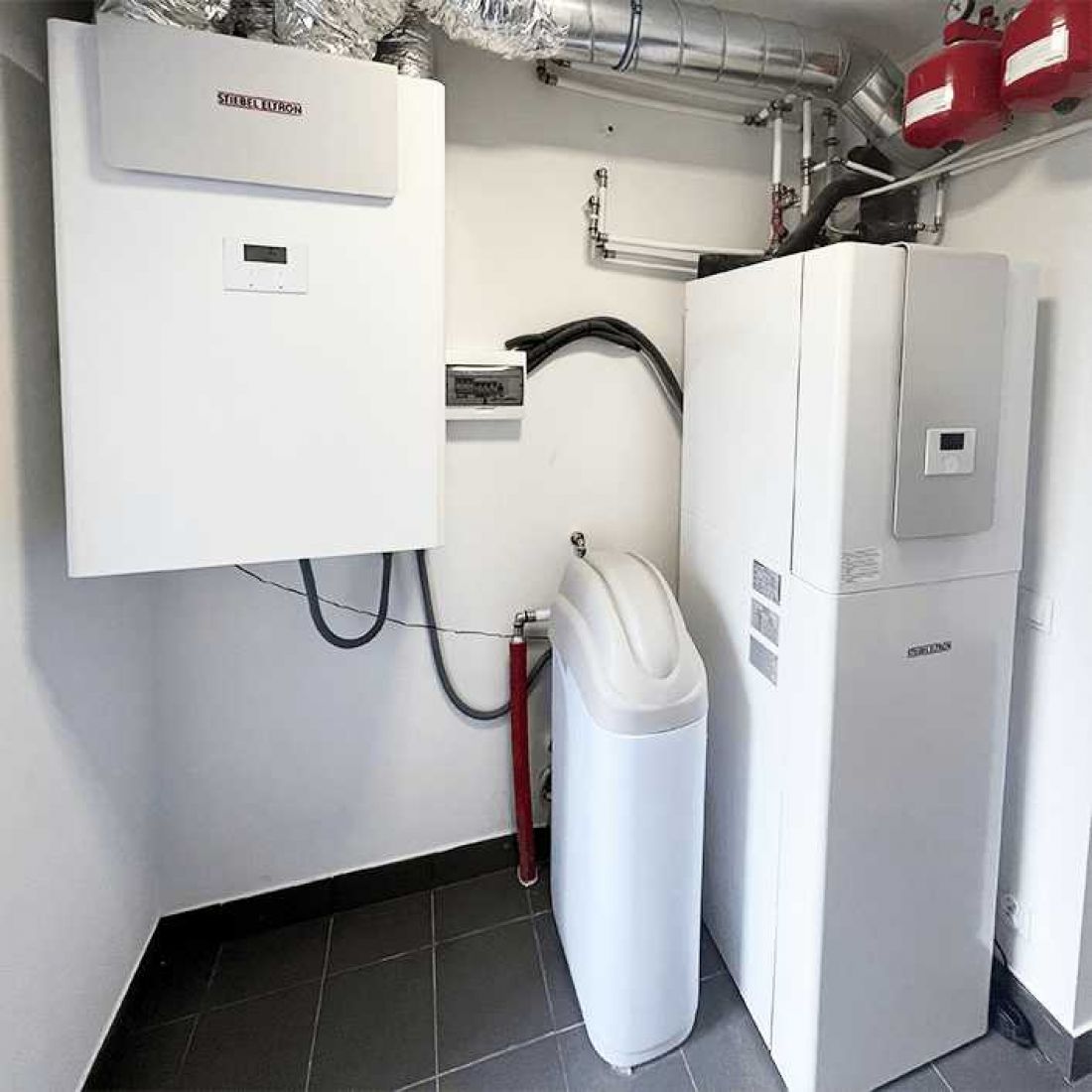
Energy efficiency and the type of heating technology used will soon become key factors shaping the residential market
© Stiebel Eltron
When heating infrastructure is lacking
One of the reasons for the growing popularity of heat pumps is the limited availability of land fully developed with technical infrastructure. Bringing a district heating or gas network to new settlements often means a multi-year investment process and high costs. In the case of heat pumps, the main thing required is an electricity supply, and with ground-source installations - the drilling of boreholes. As a result, this technology also allows investments to be made in locations far from the existing energy infrastructure.
Energy requirements of buildings
The choice of heating systems is increasingly influenced by current energy efficiency regulations. According to the Technical Conditions WT 2021, the maximum level of primary energy is:
- 65 kWh/m²/year - for multi-family buildings
- 70 kWh/m²/year - for single-family houses
Heat pumps, often working in conjunction with mechanical ventilation with heat recovery and photovoltaic installation, make it easier to achieve the required energy parameters. The market is also supported by the My Heat program, which also covers buildings constructed by developers. Subsidies can be obtained for the purchase and installation of heat pumps in the A++ or A+++ energy class in buildings with a primary energy demand that is about 20 percent lower than the requirements of WT 2021 (according to Stiebel Eltron research).
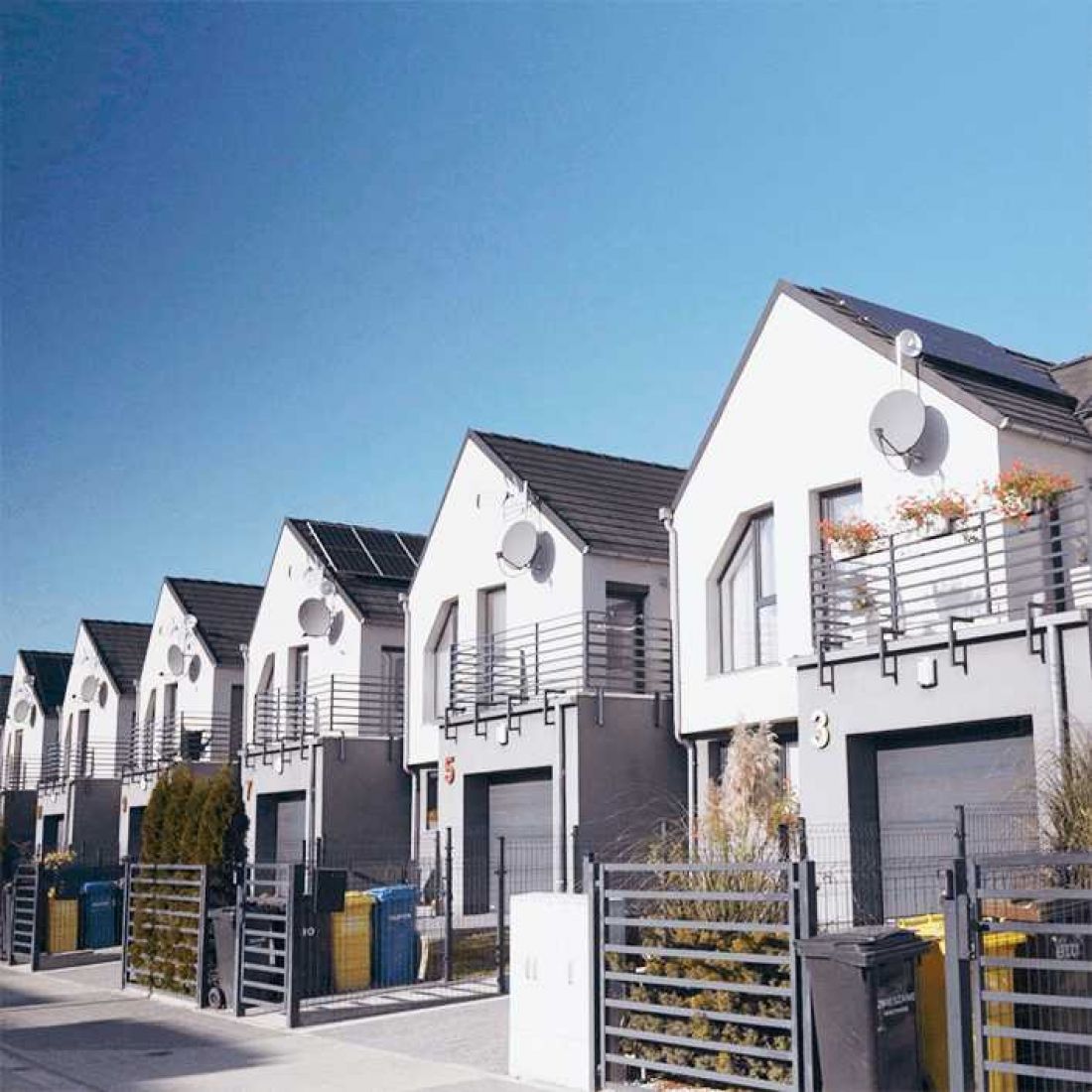
Instead of a district heating plant or gas boiler, central heating and domestic hot water provided by heat pumps - this is an increasingly common practice in real estate development projects
© Stiebel Eltron
Increasingly common in new homes
An analysis of real estate sales offers in the provinces of Małopolska, Silesia and Opole shows that more than 40 percent of new single-family and row houses are equipped with a heating system based on heat pumps. Gas heating appears in about 25-30 percent of listings, primarily in locations without access to a district heating network. In multifamily buildings, district heating and gas systems still dominate, but heat pumps are now third among the heat sources used.
Examples of implementation: Oława and Cracow
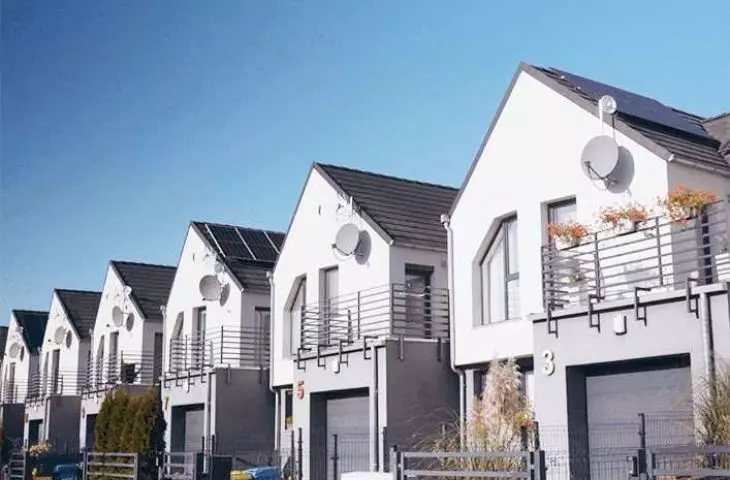
One example of the use of this technology is the Reńskie Estate in Oława, where ground-source heat pumps cooperating with underfloor heating and a recuperation system have been used in about 100 houses.
On the other hand, in the Wola Village project in Cracow, comprising 17 multi-family buildings with 68 apartments, air-source heat pumps were installed on the roofs of the buildings. The heating system is supplemented by photovoltaic installations and mechanical ventilation with heat recovery.
Technology that changes the standard of investment
Increasing energy requirements and the expectations of future users mean that heat pumps are increasingly becoming standard in new residential developments. For developers, this means greater design flexibility and the ability to meet stringent energy requirements, and for users - predictable and lower building operating costs.