





During the winter season,heat pump installations, especially those outside or routed outside the heated area of a building, are prone to damage from freezing water. Failure of water in the pipes can lead to leaks, burst heat exchangers and costly repairs. The solution to this problem is antifreeze valves - mechanical safety elements that protect the system from the effects of low temperatures.
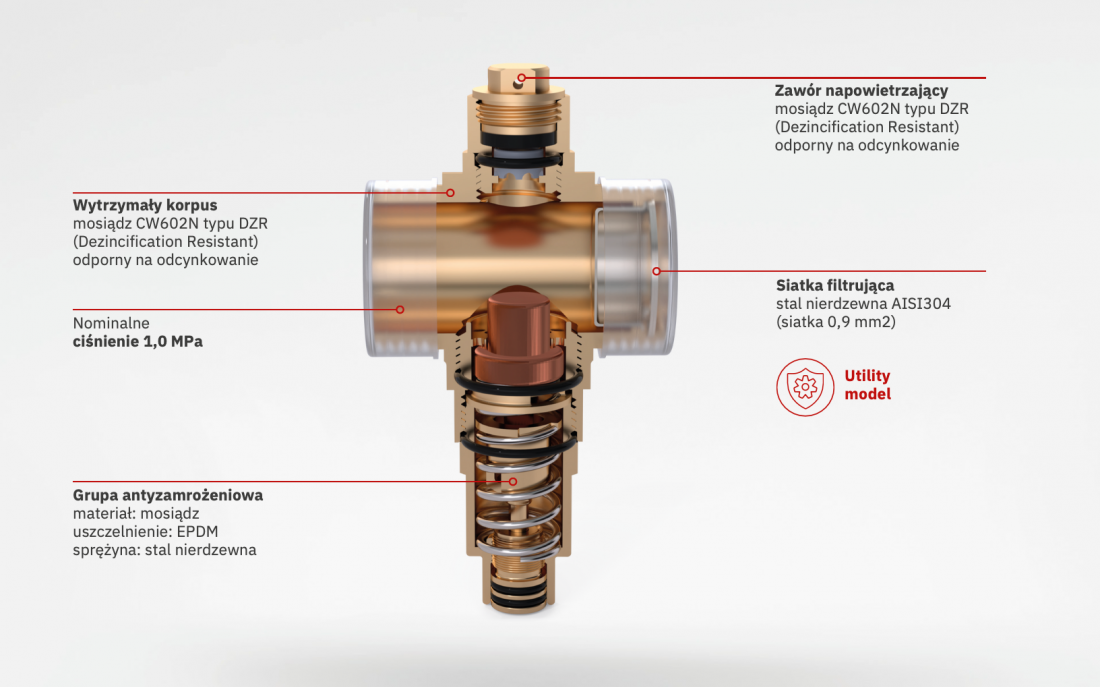
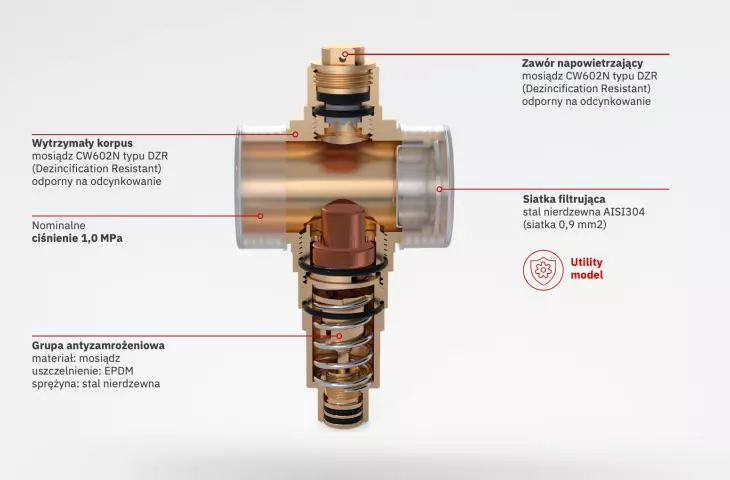
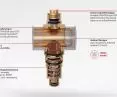
Diagram of an antifreeze valve
© FERRO (press materials)
How do antifreeze valves work?
Anti-freeze valves respond directly to a drop in the temperature of the medium in the system. When the temperature approaches the freezing point, the valve opens automatically, allowing controlled drainage of water from sensitive parts of the system. When the temperature rises, the valve closes, restoring normal operation of the system. Such solutions operate fully mechanically and do not require power or electronic control, which increases their reliability in extreme conditions.
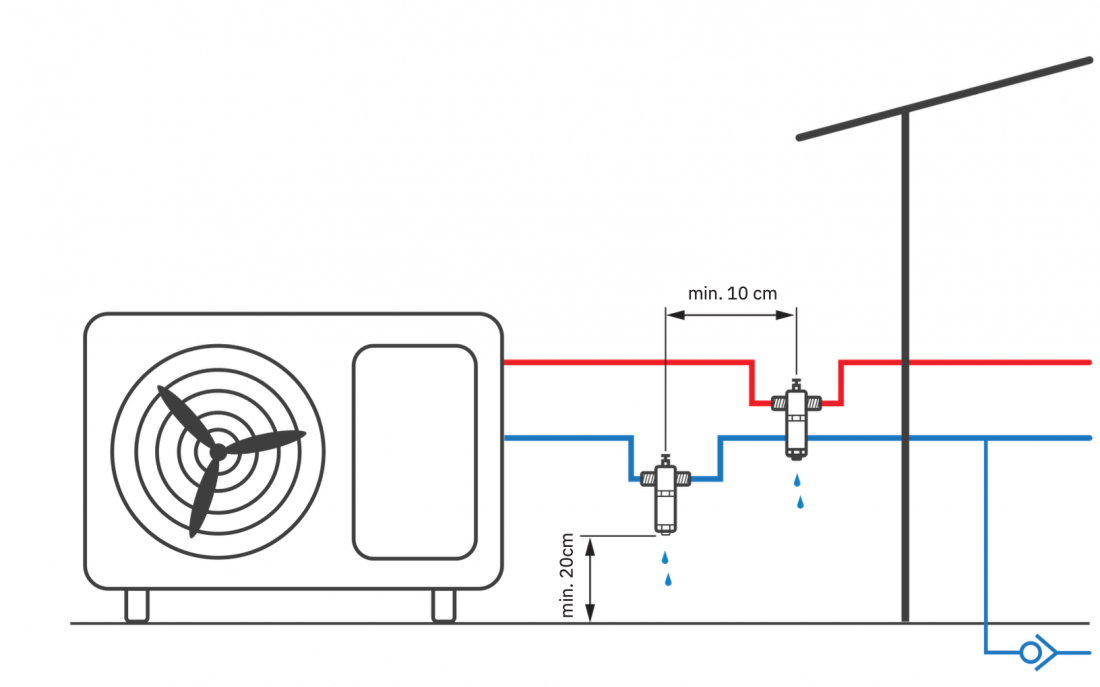
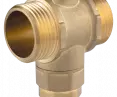
Anti-freeze valves for heat pumps
© FERRO (press materials)
Application in heat pump installations
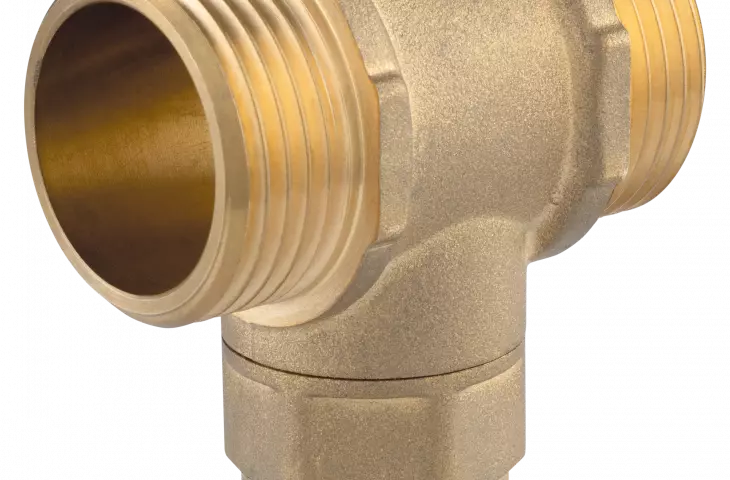
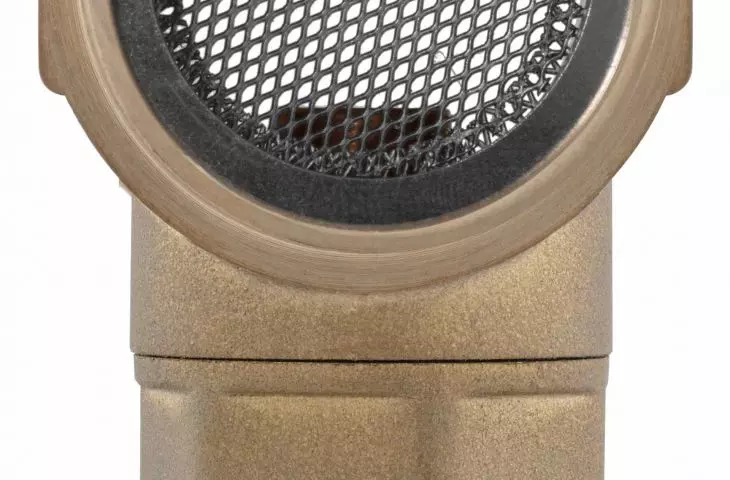
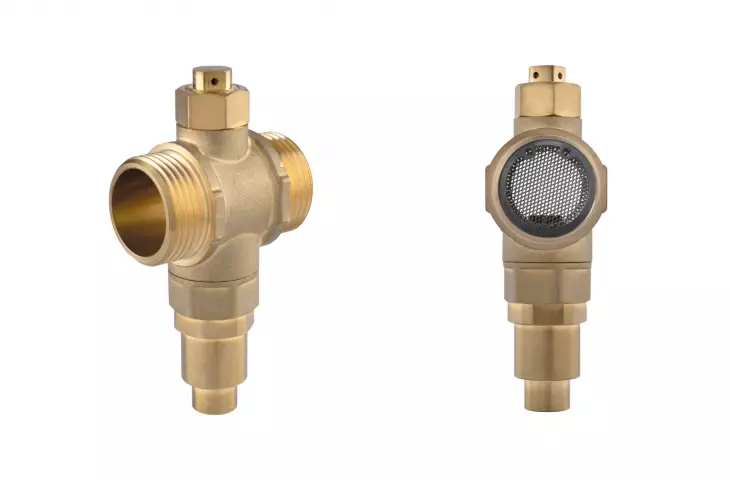
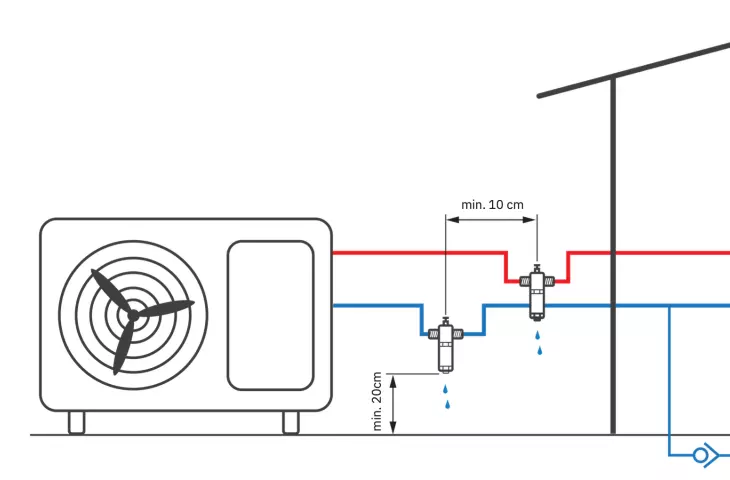
Anti-freeze valves are dedicated to air-to-water heat pump systems, especially where part of the installation is located outside the building or in areas exposed to power outages. They are recommended to be installed in the coldest parts of the system, usually in the sections between the heat pump unit and the building. Vertical alignment with the drain pointing downwards ensures proper and trouble-free operation.
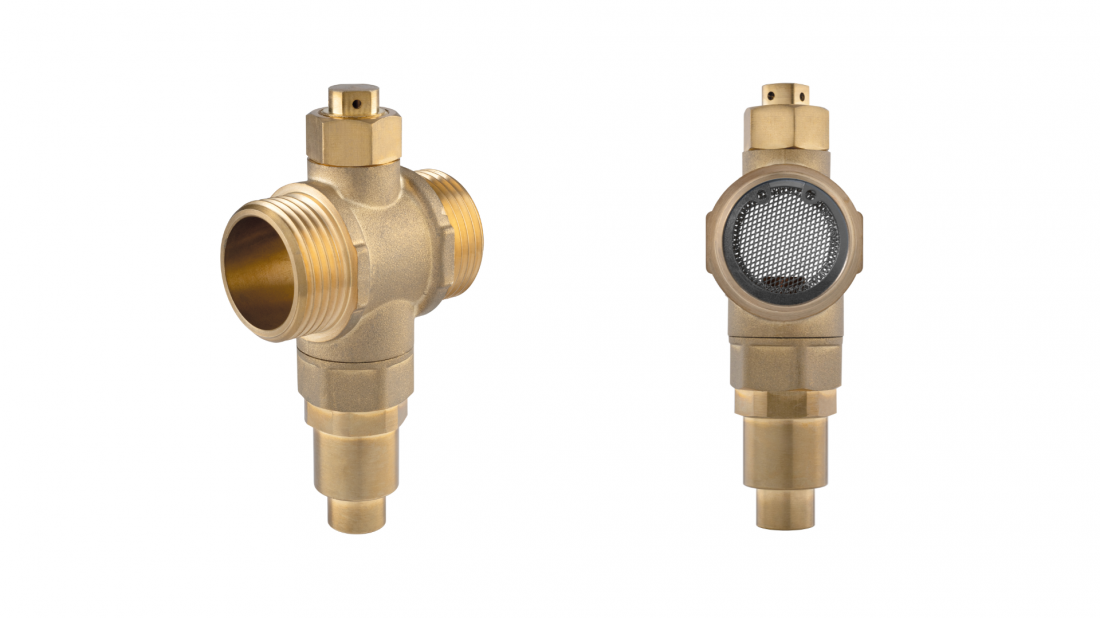
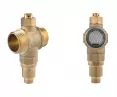
Anti-freeze valves for heat pumps
© FERRO (press materials)
Advantages of using antifreeze valves
- Autonomous operation - the valves do not depend on electrical power, which allows to protect the installation in case of power failure.
- Reduction in the use of glycol - in many installations this allows to increase system efficiency, reduce flow resistance and lower operating costs.
- Quick response to temperature drop - the thermostatic insert responds directly to the medium, minimizing the risk of damage to the installation.
- Simple installation and service - a small component can be installed at key points in the system, increasing the safety of the system.
- Cost-effective protection - a relatively simple mechanism provides effective protection of an expensive installation without large expenditures.
Anti-freeze valves are a practical solution for heat pump installations, increasing the reliability of the system and reducing the risk of costly failures during the winter. Their mechanical design, lack of dependence on power supply and ability to limit the use of glycol make them an effective and economical form of system protection in cold weather conditions.