






The growing popularity of heat pumps in single-family and commercial construction is due not only to their energy efficiency, but also to the increasing requirements for system operating standards. In practice, this means treating service as a permanent part of the system's use, rather than merely reacting to possible faults. Regular technical inspection is the basis for maintaining stable and predictable operation of the unit in the long term.
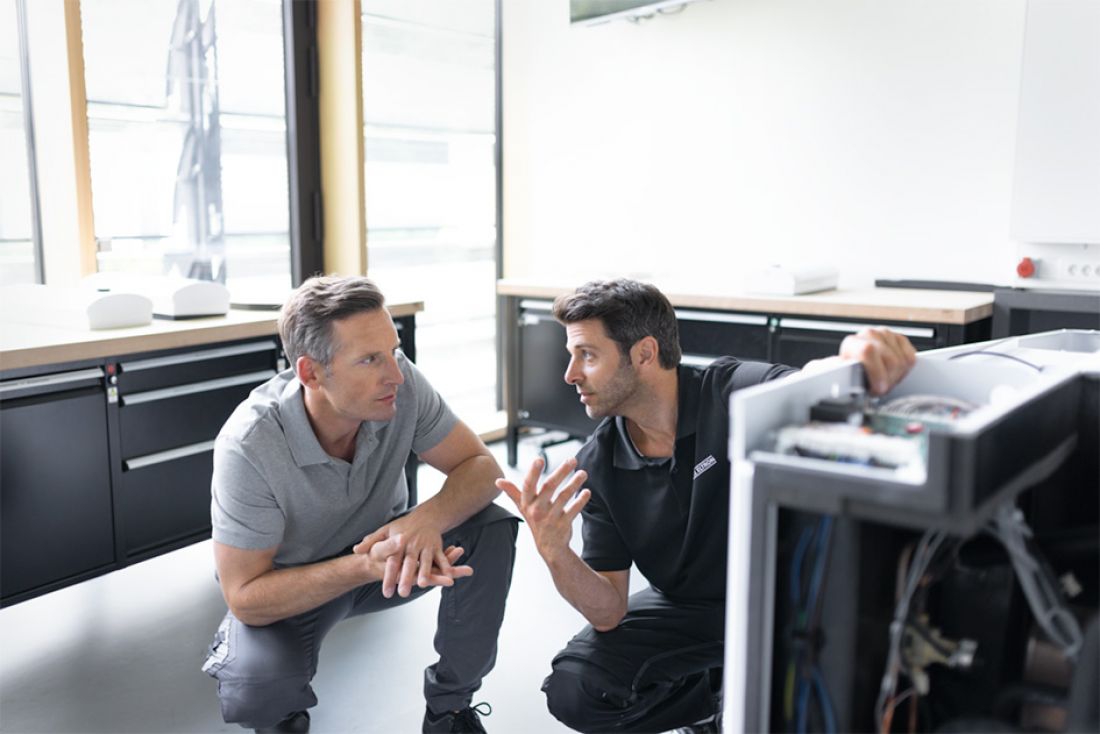
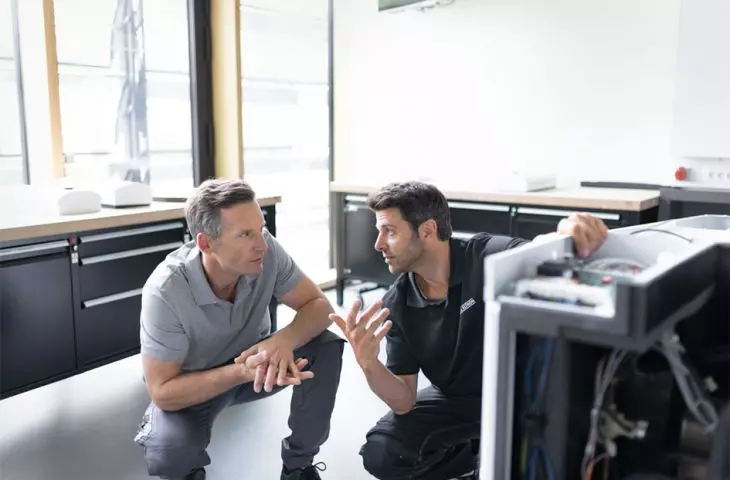
The heat pump, despite its high reliability, remains a technologically advanced device that requires periodic verification
© Stiebel Eltron
Systematic inspection as an operating standard
The heat pump, despite its high reliability, remains a high-tech device that requires periodic verification. An annual inspection not only helps maintain warranty conditions, but also optimizes operating parameters and reduces the risk of unplanned downtime. From the point of view of the operation of the heating system, the timing of the inspection is of particular importance. In the case of central heating systems, it is recommended to carry it out immediately after the end of the winter season. Spring and summer is a period that allows you to calmly plan maintenance activities and prepare the installation for the next cycle of operation.
First commissioning and technical acceptance
A key moment in the life cycle of a heat pump is its commissioning by an authorized service center. This procedure has a control function - it includes an assessment of the correctness of the installation and the compliance of the installation with the design assumptions. If any irregularities are detected, it is necessary for the installer to correct them, followed by a new verification of the system. Only after all the requirements are met is it possible to carry out the actual commissioning of the device.
At this stage, the configuration of operating parameters is also performed, taking into account the specifics of the building and the needs of the users. Modern heat pumps, equipped with extensive control and automation systems, require fine-tuning, which has a direct impact on their efficiency.

Standard heat pump service includes a set of inspection and maintenance activities to maintain the efficiency of the system
© Stiebel Eltron
Service facilities as a selection criterion
The availability and quality of service is becoming increasingly important in the investment process. For many users, it is becoming important not only what technical parameters the unit offers, but also how quickly a response is possible in case of operational problems. The service technician is responsible not only for commissioning the plant, but also for its ongoing technical supervision. This includes periodic inspections, as well as diagnostic or preventive measures. In practice, this means continuous support for the user at every stage of system operation.
Scope of technical inspection
The standard service of a heat pump includes a set of inspection and maintenance activities aimed at maintaining the efficiency of the system. Among them are:
- checking the refrigeration system for leaks,
- inspection and cleaning of filter elements,
- evaluation of the condition of heat exchangers,
- analysis of the operation of automation and control systems,
- verification of the unit's operating parameters.
Omission of these measures can result in a deterioration of the system's performance, and in the long run lead to more serious malfunctions. During the heating season, the consequences of such negligence are particularly noticeable.
Service and safety of use
Regular maintenance directly affects the safety and stability of the system's operation. A well-functioning system reduces energy consumption and minimizes the risk of sudden failures that could generate additional costs. It is also worth noting the possibility of remote support. In some situations, quick contact with the service allows to solve the problem without the need for a technician's visit, which reduces response time and downtime.
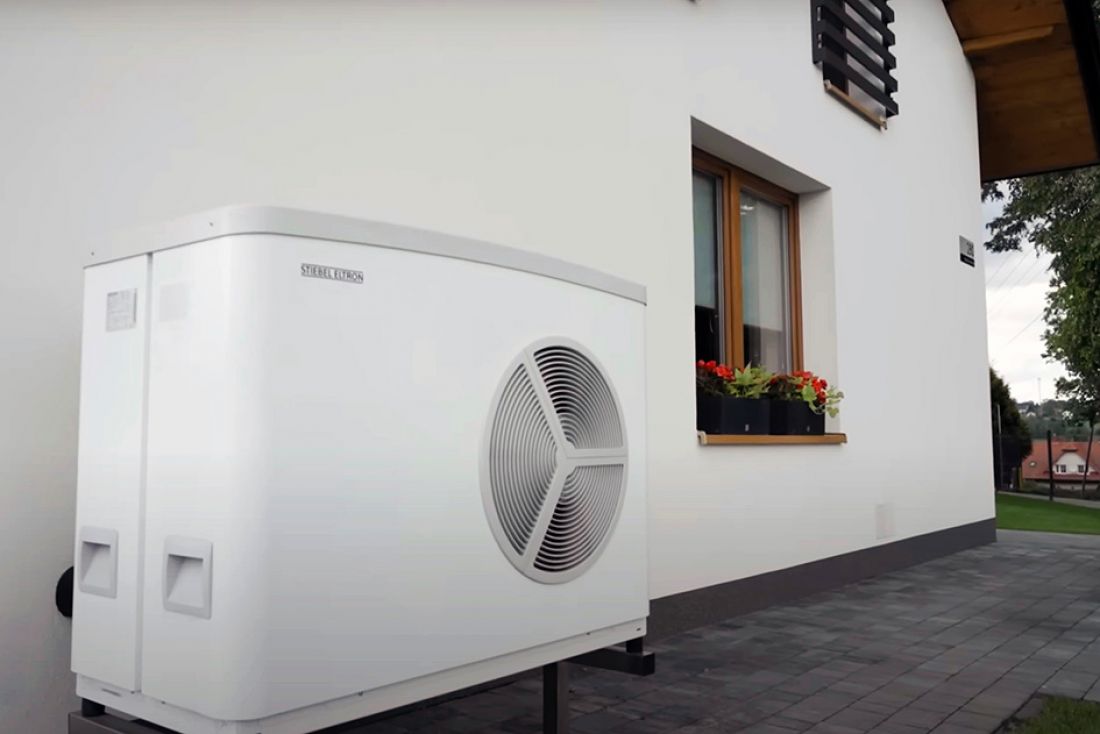
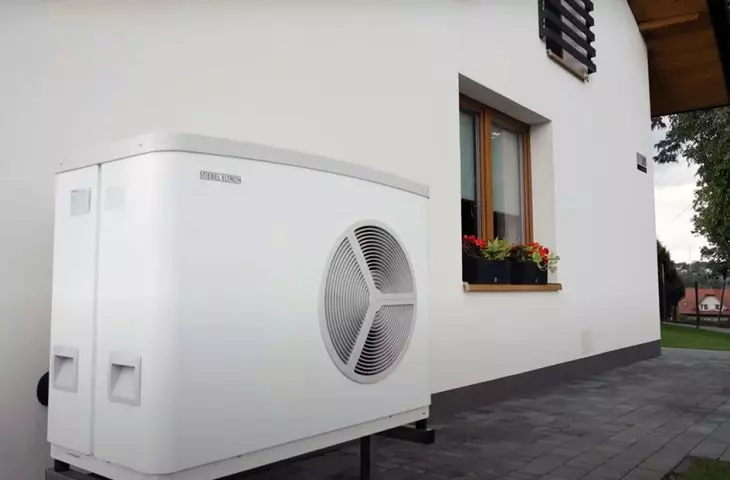
Heat pump service is an integral part of heat pump operation, conditioning the longevity and efficiency of the entire system
© Stiebel Eltron
The role of education and technology development
An important element of service is the transfer of knowledge to users regarding the proper operation of the system. Awareness of system settings and identification of potential irregularities allows for more efficient management of system operation. At the same time, the development of technology in the HVAC industry, including the integration of heat pumps with other building systems, increases the requirements for specialists. The modern service technician must have competencies beyond traditional technical knowledge, including digital diagnostics and operation of advanced control systems.
Service of the heat pump is an integral part of its operation, conditioning the durability and efficiency of the entire system. Regular inspections, properly conducted technical acceptance and access to competent service support translate into stable operation of the system and predictability of operating costs. In the context of the growing role of heating technologies in modern construction, these issues take on particular importance.