







Smart home systems are entering the realm of standard installations in modern residential and commercial buildings. Their functionality includes central management of lighting, heating, ventilation, security systems, monitoring, and electrical and multimedia devices. For installers, this means knowledge of building automation, communication protocols and integration of devices from different manufacturers.
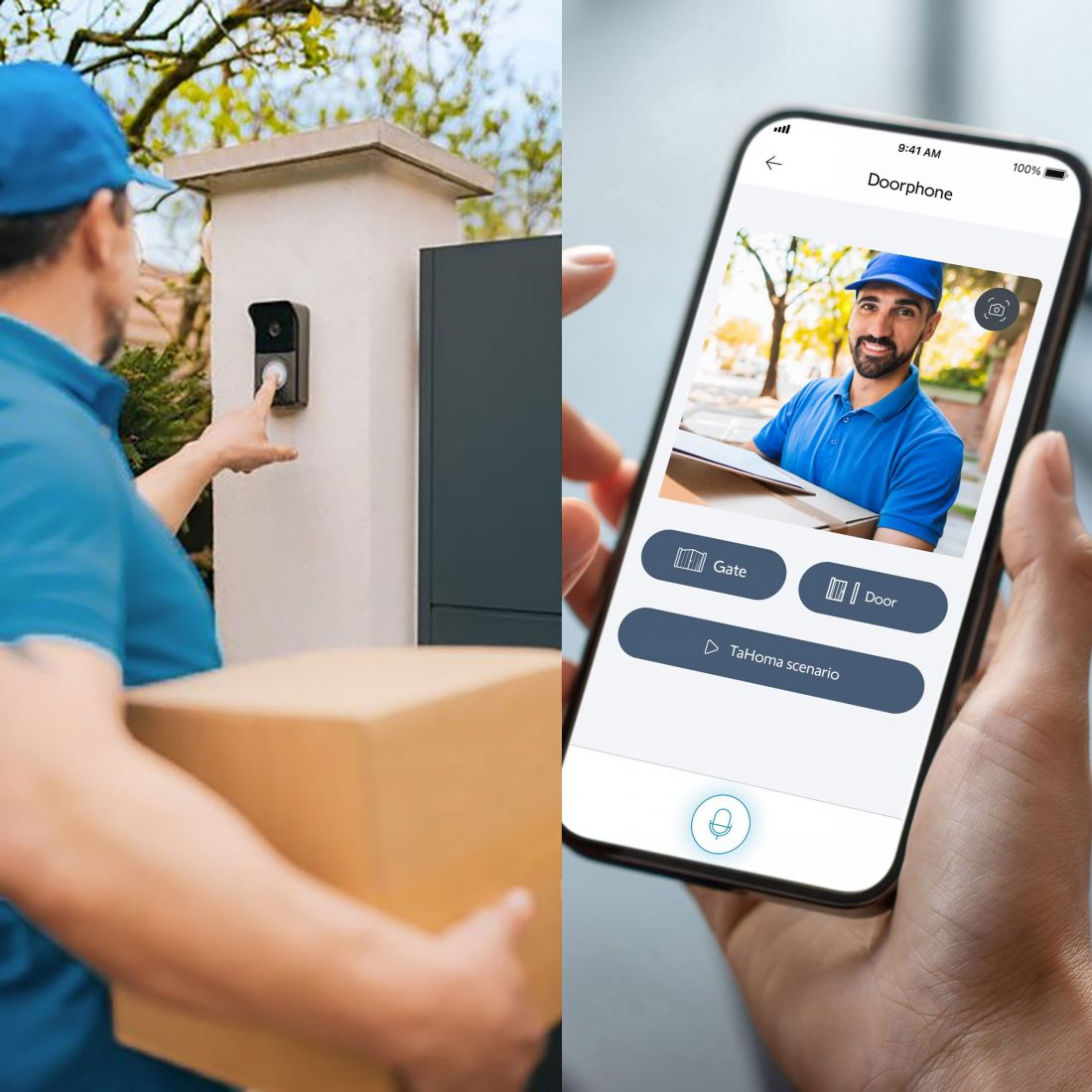
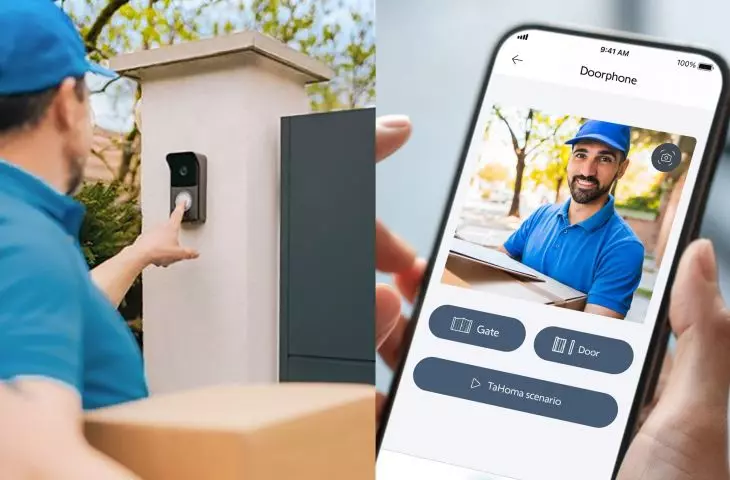
The video intercom will send us a picture of the person trying to get into our house -,
© Somfy,© Somfy
Communication standards and protocols
In wired installations, the most commonly used systems are those based on buses like KNX, Modbus and LON, which provide deterministic and stable communication between devices. These systems require proper design of the network topology, consideration of power lines and correct placement of control devices.
Wireless solutions use Zigbee, Z-Wave and Wi-Fi protocols . The installer should assess local conditions in terms of coverage, number of devices in the network and potential sources of interference. In practice, it is often a challenge to integrate devices from different manufacturers, so professional installations use central control platforms that allow consistent system management.
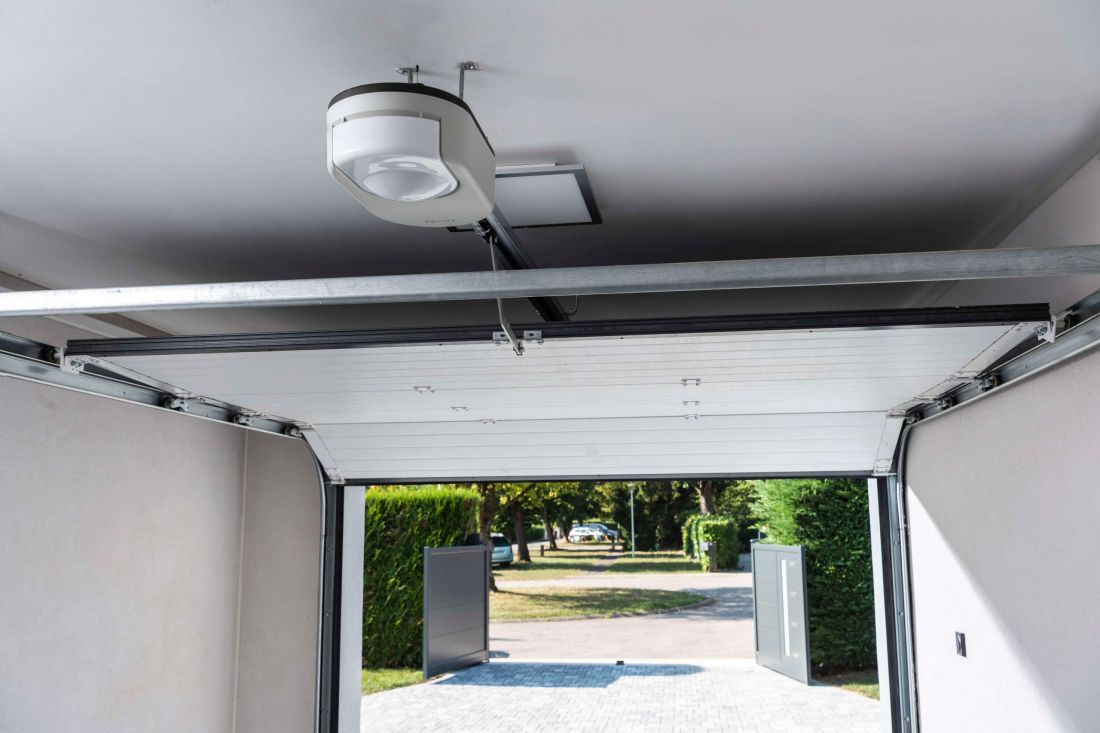
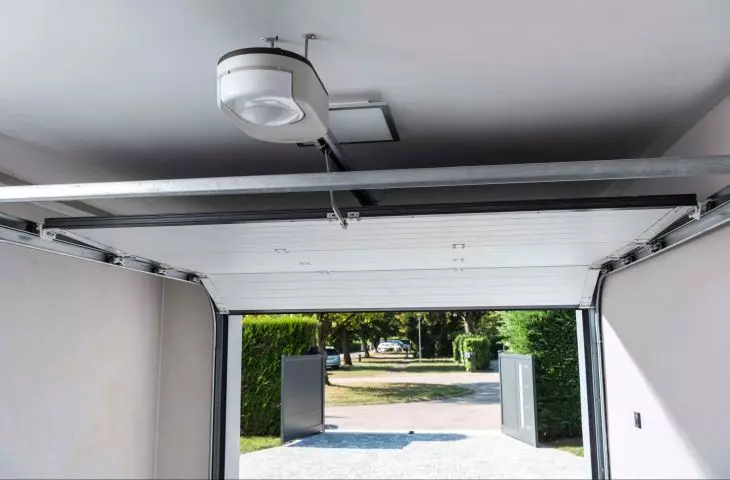
We can check in the app whether the garage door has been closed -,
© Somfy,© Somfy
Components and their functions
Basic components of smart home systems include:
- Lighting and roller shutter control modules, allowing the configuration of automation scenarios and operating schedules;
- Temperature controllers and thermostats that work with heating and air conditioning systems;
- Motion, flood, smoke and carbon monoxide sensors that integrate signals with the control panel;
- Video and alarm monitoring systems that can be configured remotely and integrated with other devices;
- Home appliances and consumer electronics, controlled from a mobile app or control panel.
Correct placement and connection of individual components requires consideration of electrical parameters, distance from control panels, protocol compatibility and network topology.
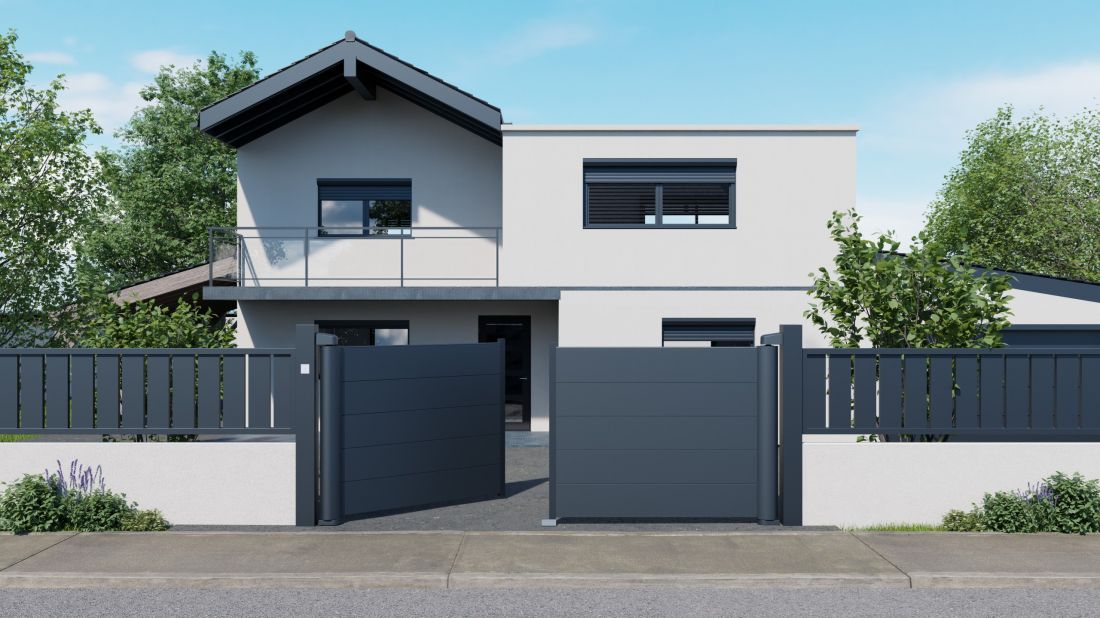
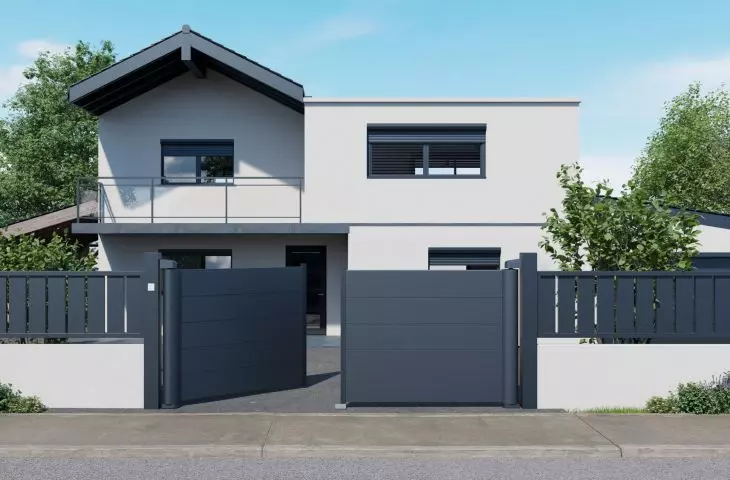
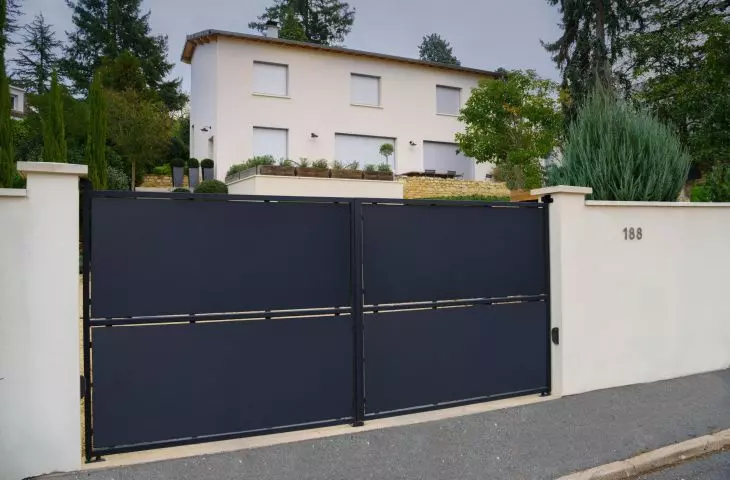
A smart home system will help us avoid burglary even in our absence -,
© Somfy,© Somfy
Installation practice
Professional installation of a smart home system involves several key stages:
- Designing the system - selecting devices according to the investor's requirements, taking into account the technical conditions of the building and compatibility of protocols;
- Implementation of the electrical and communication installation - running the wiring, configuring the wired bus or wireless network;
- Integration of devices - assignment of functions, configuration of automation scenarios, synchronization of devices with the control panel;
- Functional testing and diagnostics - verification of the operation of scenarios, network stability and communication between devices;
- Technical documentation - preparation of an installation report with device configuration and end-user instructions.
Challenges and recommendations
A smart home system installer should have knowledge of electrical engineering, automation and networking. Some of the most common challenges include:
- ensuring compatibility between devices from different manufacturers;
- Proper design of wired or wireless network topologies;
- avoiding interference and overloading of communication buses;
- configuring automation scenarios according to investor requirements;
- updating the software of control panels and devices.
Smart home systems require from the installer not only classical electrical installation skills, but also competence in building automation and digital technologies. Professional installation includes design, integration, configuration and functional testing, ensuring system stability, security and full control over building functions.