




Małgorzata TOMCZAK
Small and medium-sized cities / Architects' fees
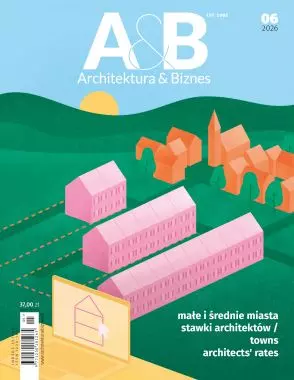
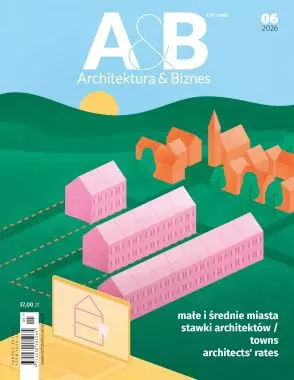
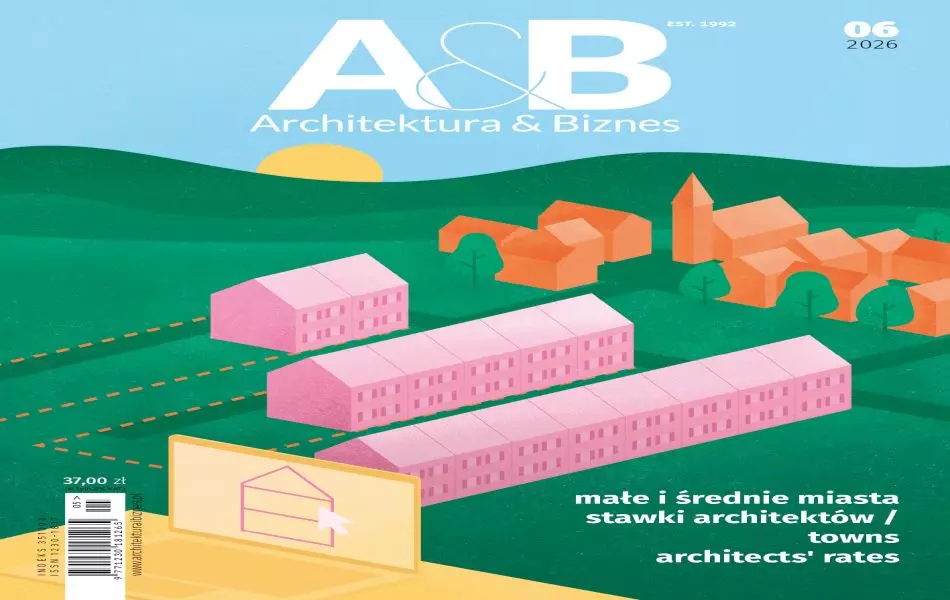
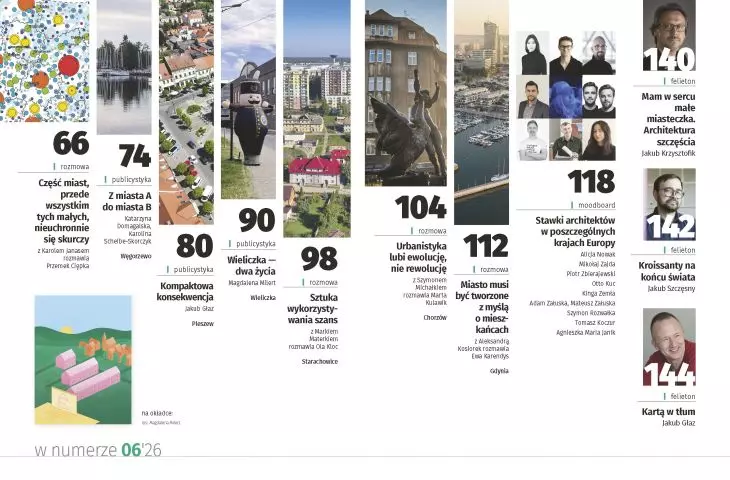
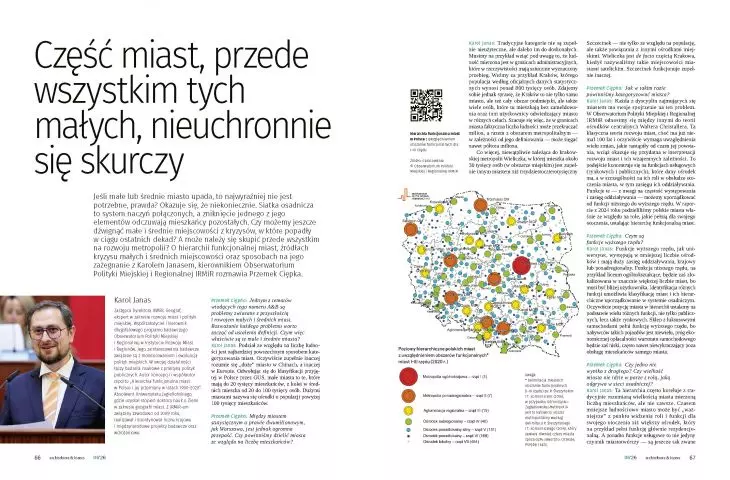
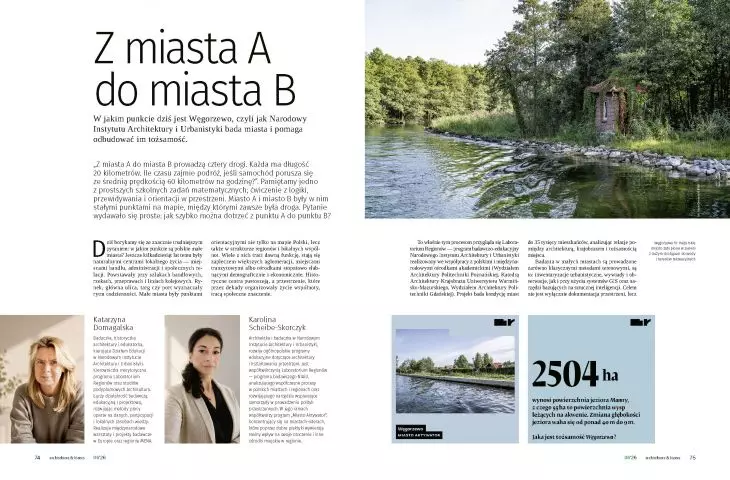
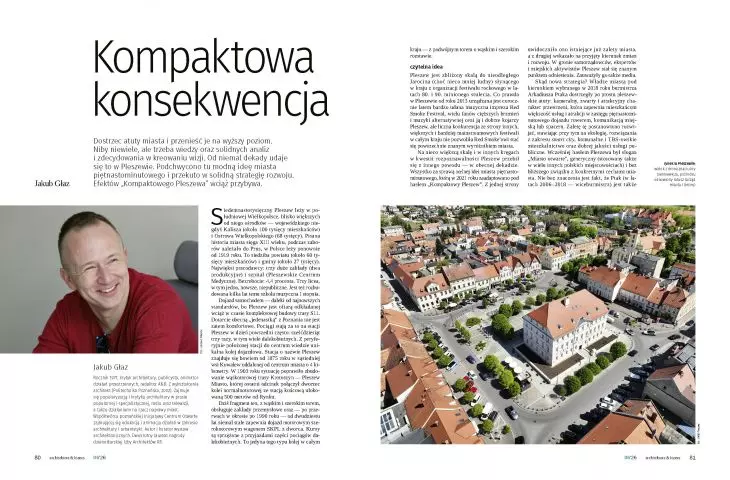
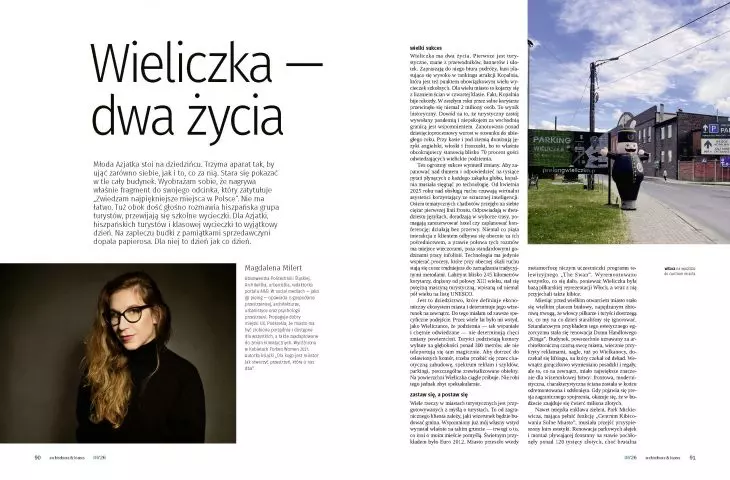
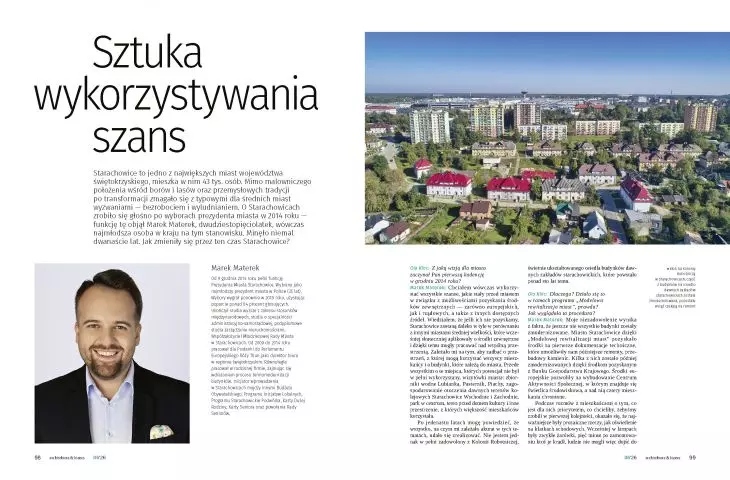
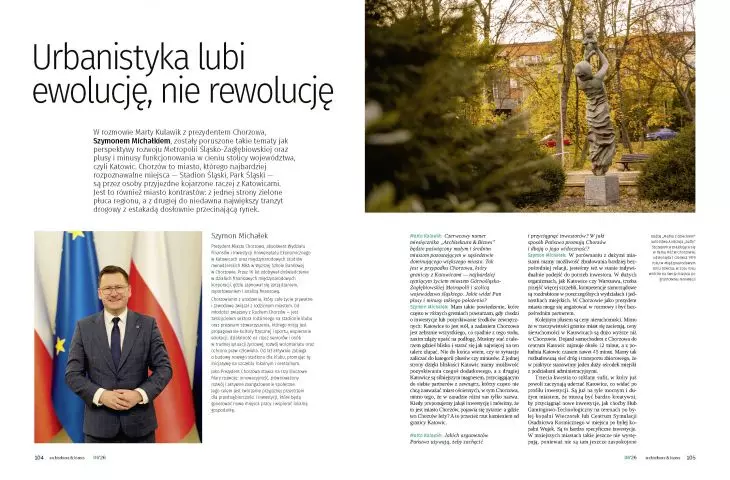
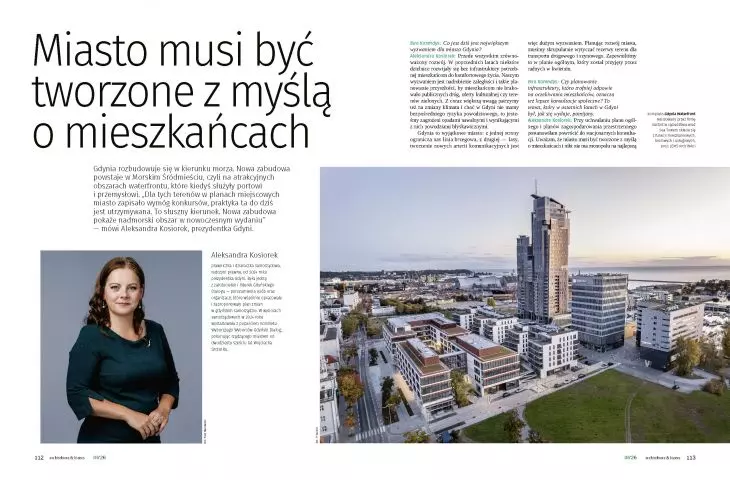
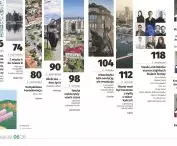
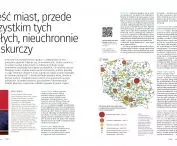
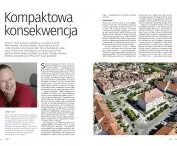
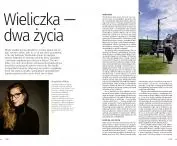
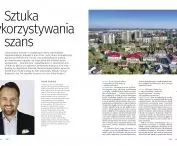
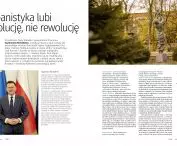
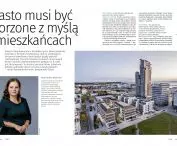
The future of small and medium-sized cities is one of the most important topics in public debate in Poland. Not because they have suddenly become fashionable, but because the metropolitan model of development is showing its limitations: cost of living, housing crisis, overburdened infrastructure, anonymity. Meanwhile, beyond the major cities, a quiet but very concrete struggle is taking place for quality of life, shared space and local agency. Increasingly, it is precisely small and medium-sized cities that are becoming the sites of the most important changes — social, urban and political. In this issue we take a closer look at how they are developing today: we speak with mayors from Starachowice, Gdynia and Chorzów, describe the tensions and challenges of Wieliczka, and tell the story of Pleszew's transformation under Mayor Arkadiusz Ptak. It is a story of ambitions, constraints and the search for a vision for the city.
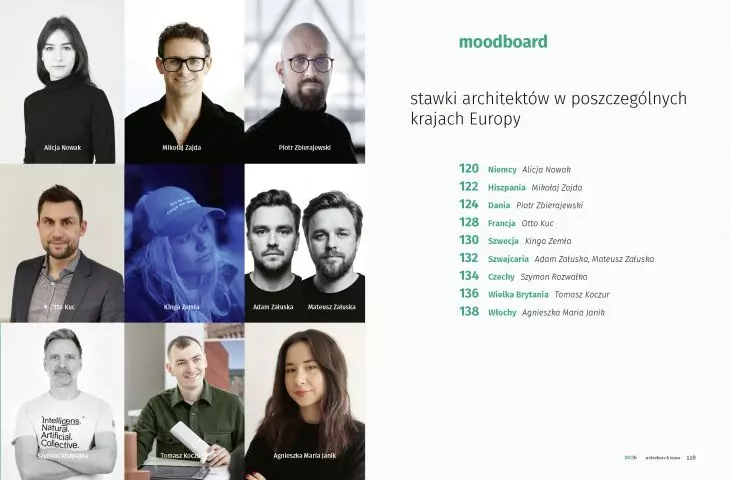
The second theme of this issue is architects' fees — a topic we consistently return to, because it is the conditions of design work that determine the quality of architecture. In Poland we still struggle with many pathologies of the free market: price dumping, unpaid work, and developer competitions based on free concept designs. These are mechanisms that harm not only the profession itself, but ultimately also the quality of the spaces that surround us. That is why we ask Polish architects working abroad how the issue of remuneration is handled in the countries where they practice every day. We examine these models and practices to find out what genuinely supports architectural quality, protects the profession, and allows design to take place in conditions based not on the pressure of the lowest price, but on the value of work and responsibility for space.