






At a time when construction technologies are changing at a dizzying pace and the market offers ever newer roofing materials, clay tile remains an unwavering symbol of durability and class. But can this material, whose history dates back thousands of years, meet the demands of the 21st century? Can it combine proven reliability with the expectations of modern investors? Is the clay tile a solution for modern construction?
Ceramics - a material that has overcome time
Ceramic tile is one of the few construction solutions that has survived the centuries virtually unchanged in its basic formula. Why? Because already ancient builders discovered that fired clay creates a material with unique properties. Modern clay tile is, of course, a much more technologically advanced product, but it is still based on the same reliable basis.
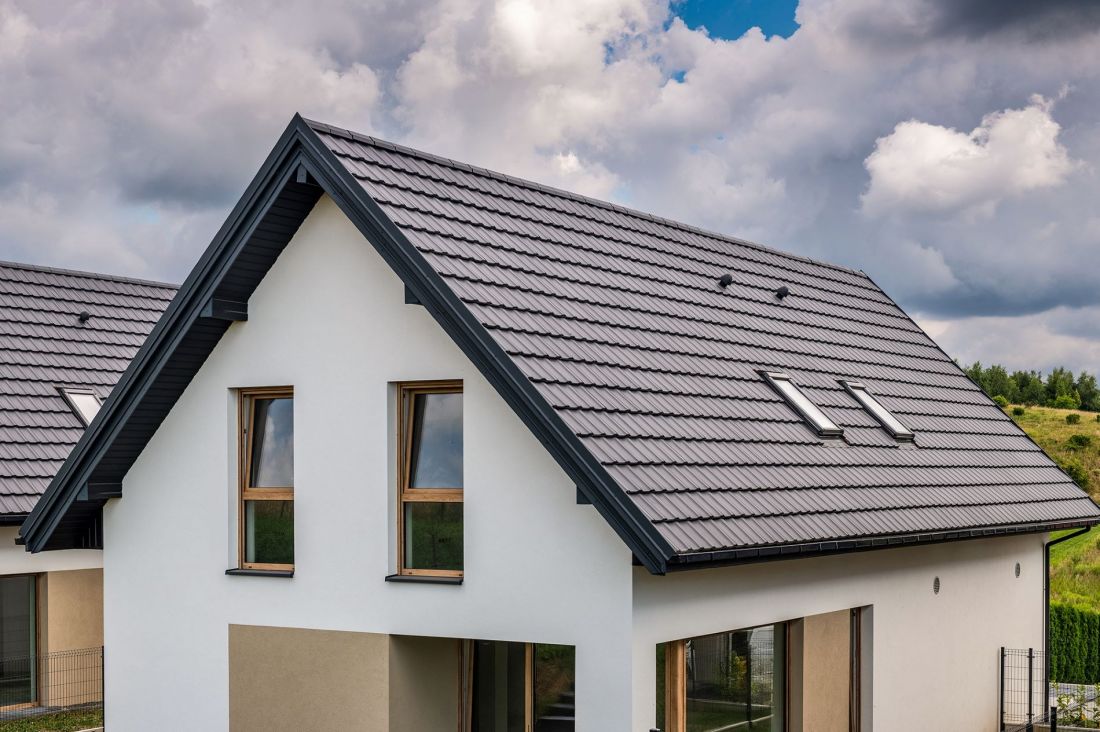
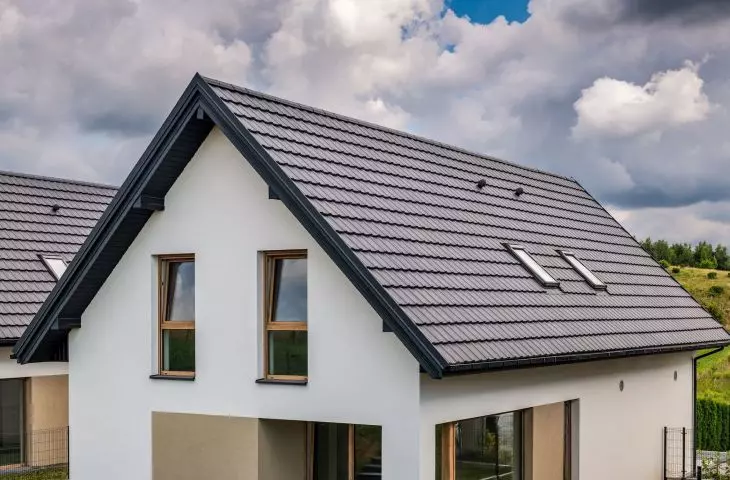
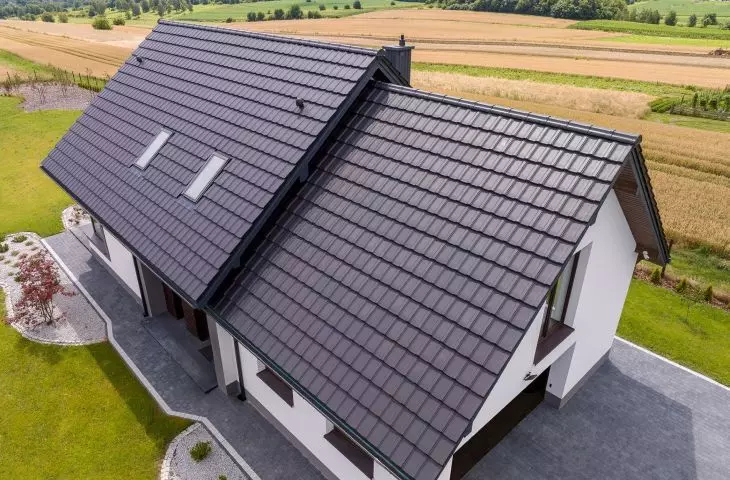
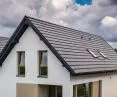
KODA - in slate color, glaze
© swissporTON
The firing process at temperatures above 1000°C creates a crystalline structure of extraordinary resistance. It is this thermal treatment that makes ceramic tile virtually invulnerable to frost, UV, acid rain or extreme temperatures. Roofs covered with ceramics in Polish climatic conditions serve after 100, 150 or even 200 years - this is no myth, but a documented reality that we can observe on historic buildings in our cities.
High firing temperature is the key to the durability of ceramics, the tiles retain their technical parameters for decades without any degradation. This is especially important in the context of the growing requirements for sustainable construction - a material that may not need replacing for 100 years is the best investment in the future and the environment
- emphasizes Iwona Łuczyńska, swissporTON roofing expert.
Modern aesthetics rooted in classics
One of the greatest strengths of ceramic tile is its timeless elegance. In an era of rapidly changing architectural trends, a ceramic roof never goes out of fashion. On the contrary - it provides an aesthetic foundation on which both classic and ultra-modern designs can be built.
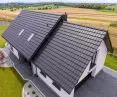
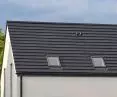
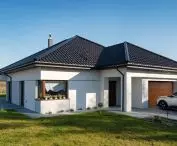
Today's manufacturers offer ceramic tiles in a myriad of shapes - from traditional plain tiles, through elegant profiled tiles, to modern profiles of minimalist form. The color palette goes far beyond the classic brick red - graphite, anthracite, brown and even matte black shades are available, which blend perfectly with modern architecture.
SwissporTON tiles are an excellent example of combining traditional ceramics with modern design. Our collection includes both classic models TITANIA, KLASSIK Lenti, RAPIDO, as well as SIMPLA or KODA profiles with a refined, minimalist form, which fit perfectly into the trends of modern architecture. Thanks to advanced glazing technologies, we offer a wide range of colors - from timeless red, through elegant shades of graphite, to deep black. Importantly, all our tiles combine aesthetics with the highest technical performance, ensuring a beautiful and durable roof
- explains Marcelina Parchanski, swissporTON brand representative.
Ecology in its purest form
Modern construction increasingly emphasizes aspects of sustainable development and care for the environment. Ceramic tile fits into these trends in a natural and authentic way. It is made from clay - a renewable, widely available and completely natural raw material. It contains no harmful chemicals.
Ceramic tile production, although energy-intensive due to the firing process, is transparent and increasingly optimized for energy efficiency. Many modern factories use renewable energies, and heat recuperation systems minimize the carbon footprint of production.
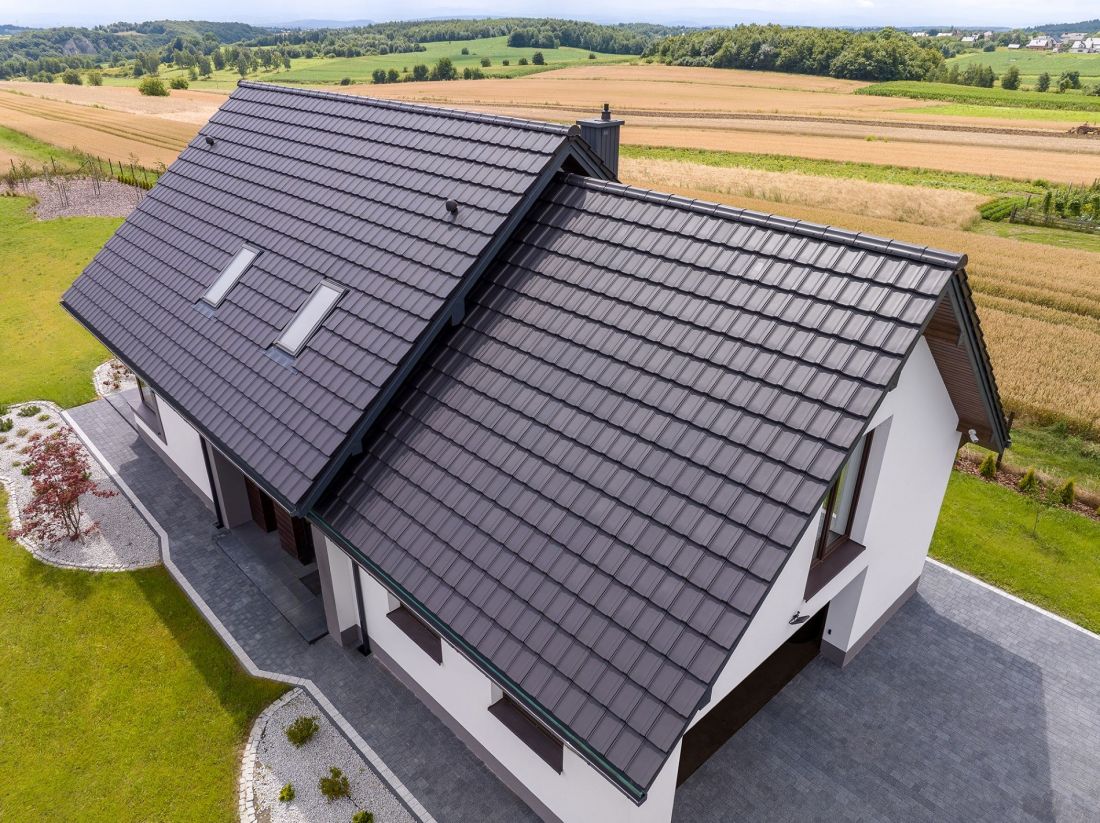
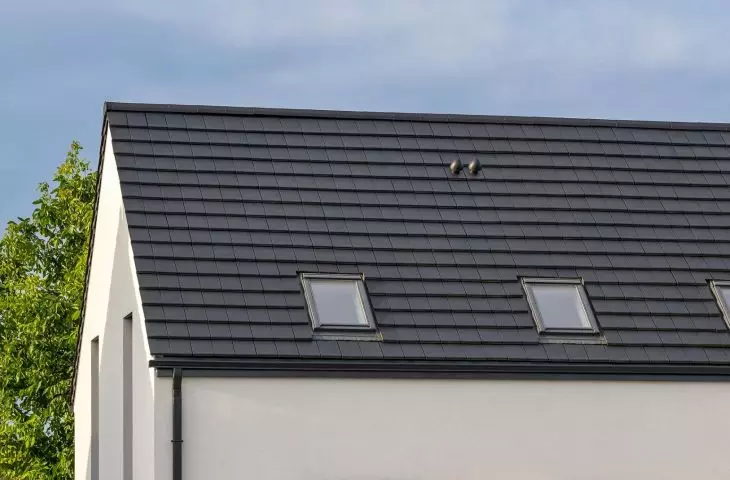
KODA - FINESSE in slate color, glazed
© swissporTON
Most importantly, however, the clay tile serves for generations without needing replacement. This eliminates the problem of construction waste and the repeated consumption of energy to produce new materials. And when it's time to replace the roof after decades, the ceramic can be fully recycled or reused - for example, as a decorative element in the garden, drainage material or construction aggregate.
Energy efficiency at the highest level
In an era of rising energy costs and the push for energy-efficient homes, the thermal performance of a roofing material is becoming crucial. Ceramic tile, thanks to its mass and structure, acts as a natural thermal accumulator. In summer, it absorbs excess solar energy, preventing the attic from overheating, while in winter it helps keep the heat inside the building.
This natural thermal inertia translates into a reduced amplitude of temperature fluctuations in the house, which means less strain on heating and air conditioning systems . Homeowners with clay tiles notice a real difference in their energy bills - especially when compared to lightweight metal roofing, which heats up instantly and gives off heat just as quickly.
Silence that has value
In a globalized, noisy world, quietness in the home has become a luxury worth paying for. Ceramic tile provides exceptional sound insulation - its weight and structure effectively dampen the sounds of rain, hail, wind or passing planes. This is an important advantage, especially for those living near busy streets, airports or in areas frequently haunted by heavy rainfall.
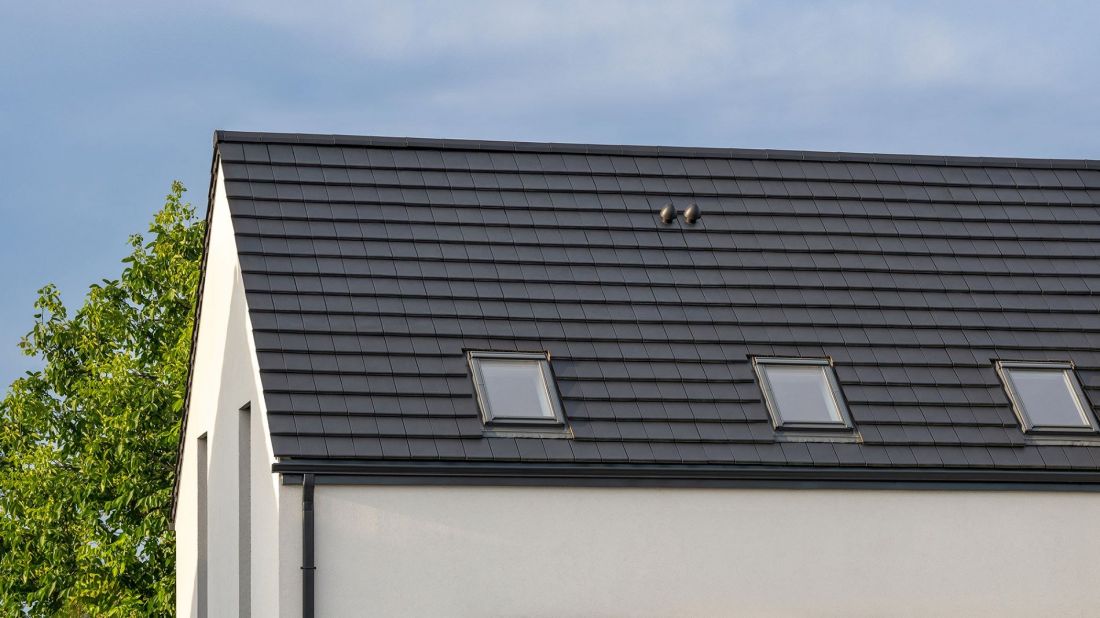
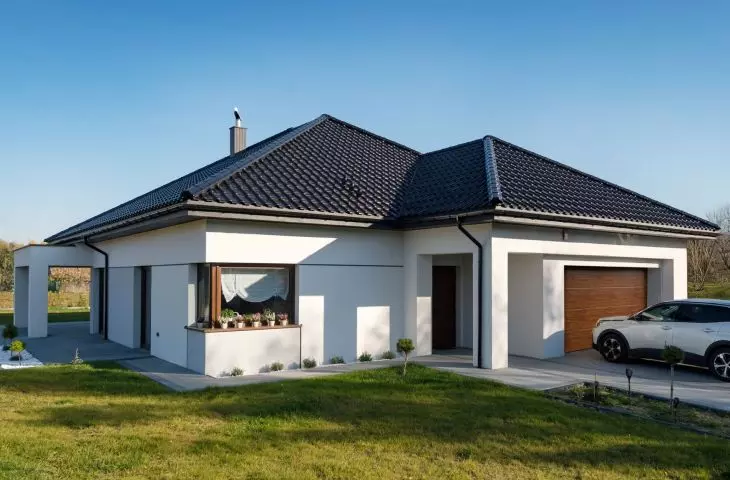
SIMPLA clay tile
© swissporTON
Sleeping during a storm under a ceramic roof is a completely different experience than under a metal roofing. Instead of loud drumming - a gentle, soothing hum. This is a difference that anyone who has experienced a rainy night in houses with different types of roofing can appreciate.
Acoustic comfort is an aspect that is often underestimated at the design stage of a house, but has a huge impact on the daily quality of life of homeowners. At swisspor AKADEMIA, during training sessions for contractors and architects, we always emphasize that clay tiles, with their surface weight of about 40-50 kg/m², act as a natural sound attenuator. Combined with properly designed roofing - including high-quality thermal and acoustic insulation, such as from swissporPIR Alu boards - we create a comprehensive barrier against outside noise. This is a solution that is particularly appreciated by investors who build houses in areas with increased environmental noise
-explains Jarosław Kostrzewa, manager of swisspor AKADEMIA.
Safety first
Modern construction standards place great emphasis on fire safety. Ceramic tile is a completely non-flammable material - it belongs to the highest class of fire resistance. In case of fire, it does not spread flames, does not melt, does not emit toxic gases. This can decide the lives of residents and give valuable time to emergency services.
In addition, ceramic is resistant to sparks and embers, which is especially important in forested areas or in areas where fireplaces and wood stoves are popular.
An investment that pays off
The question of the cost of ceramic tiles often comes up first. Yes, ceramic is among the more expensive solutions in the category of roofing materials. However, an analysis of the lifetime cost of a roof - taking into account durability, maintenance costs, energy savings and the impact on property value - clearly speaks in its favor.
A house with a ceramic roof generally achieves a higher market valuation. This is not just a matter of prestige, but a rational assessment by investors and appraisers, who know that such a covering is a guarantee of trouble-free operation for decades. Costs spread over time - assuming a 100-year lifespan - are often lower than for cheaper but short-lived alternatives.
Ceramic tile is one of the few construction investments that, in retrospect, turns out to be the cheapest. If you spread the cost of purchase and installation over 100 or 150 years of actual use, you get a monthly value comparable to a telephone subscription. Meanwhile, a roof made of materials that require replacement every 20-30 years generates many times higher costs in the perspective of the life of the building. A tile is an investment that serves not only the current owners, but becomes a legacy passed on to future generations
- emphasizes Marek Miodowski, swissporTON roofing expert.
Ease of repair and modification
The modular structure of a ceramic roof is another advantage from the perspective of long-term use. Individual tiles can be replaced without disturbing the entire roofing - important in the case of mechanical damage or the need to install additional elements, such as roof windows, vents or solar panels.
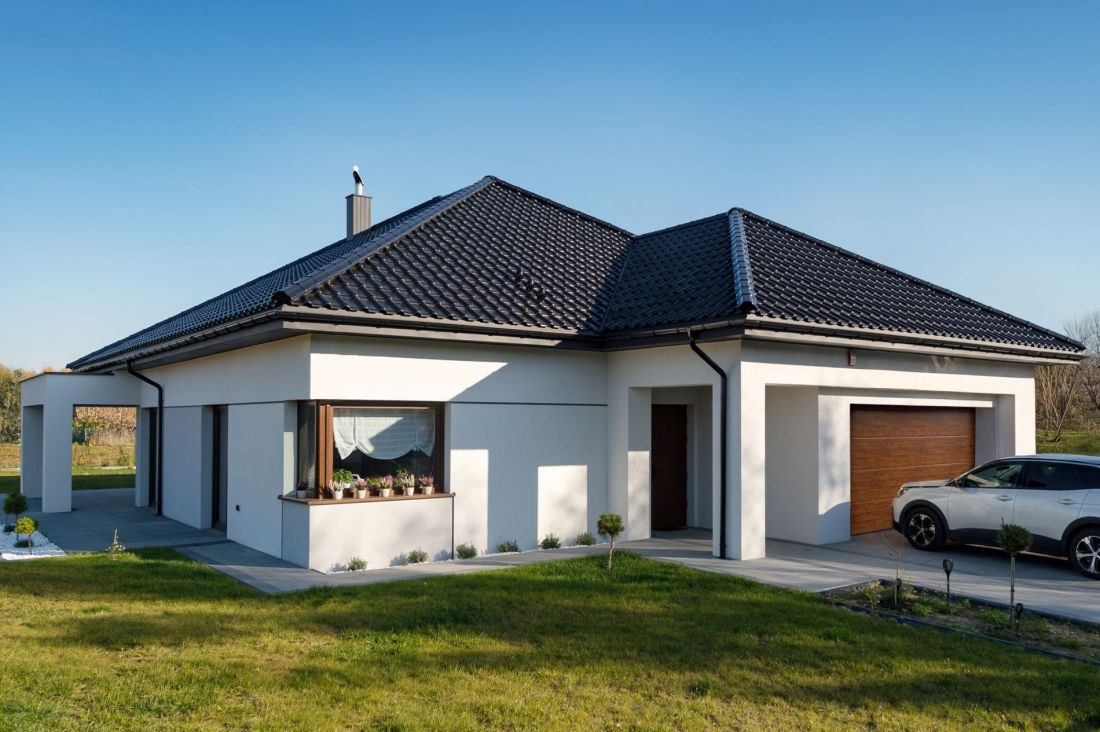
TITANIA - FINESSE black, glazed
© swissporTON
Today's clay tile systems are compatible with all necessary accessories - from drainage systems to ventilation elements to attachment points for photovoltaic installations. An example is the integrated photovoltaic system dedicated to swissporTON brand clay and cement tiles. This solution replaces a section of roofing made from models such as SIMPLA, KODA or KAPSTADT. The integration of new technologies with traditional materials is smooth and natural.
Value that grows over time
Paradoxically, a ceramic roof becomes more beautiful with age. Natural processes give ceramics a noble, mature character. This is not fading or degradation - it is a process of ennobling the material, which gains depth and clarity. Age-old roofs become a mark of distinction, an element that builds the identity of a place and an emotional bond with the house.
At a time when so many things are temporary and need constant replacement, clay tile reminds us of the value of durability. It is a material that will protect not only us, but also our children and grandchildren. It is a responsible, thoughtful, mature choice .
Is clay tile the marquee solution of modern construction? Unquestionably yes. It is a material that combines everything we expect from a modern roofing material: durability, ecology, energy efficiency, safety, aesthetics and economic viability in the long term.
When choosing a clay tile, we are not sacrificing modernity for tradition - on the contrary, we are choosing a solution that has proven its modernity through thousands of years of uninterrupted success. It's a technology that doesn't age because it was advanced from the very beginning.
For more information, visit the company's Swisspor Polska page on the A&B portal.