





Light can alter how we perceive architecture and the conditions in which people live and work. Within the same space, we need different lighting effects depending on the time of day, our activities, and the situation. We talk with Rafał Rostkowski, Lighting Designer at ATRIA Sztuka Światła, about lighting design, collaboration with architects, and the new possibilities of light.
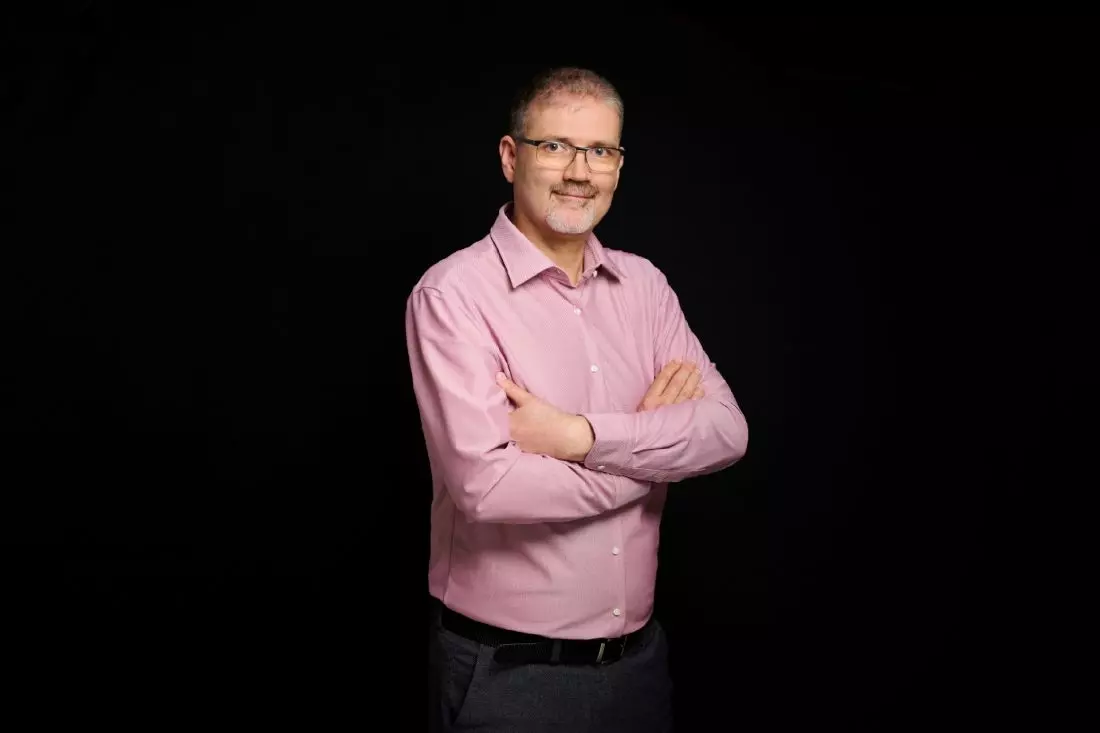
Rafał ROSTKOWSKI — Lighting Designer at ATRIA Sztuka Światła. He designs lighting and its functionality for private and commercial projects throughout Poland—in both interiors and outdoor spaces. In his work, he focuses particularly on issues related to the impact of light on people, neuroarchitecture, and lighting control. He is a co-author of ATRIA’s philosophy and proprietary methodologies, as well as a co-founder of the Academy of the Art of Light.
A&B: Does it ever happen that two interiors designed with similar materials and in a similar style are perceived completely differently simply because of the lighting?
Rafał Rostkowski: Definitely. We can use premium materials and refine every detail, yet the interior still won’t make the expected impression if the lighting is poorly chosen.
I remember a phone call from someone who asked me for help with a project that was practically finished. The interior was designed by a well-known firm, and the lighting was installed according to the design. However, the client was disappointed with the result. In the renderings, he had seen a bright, evenly lit interior, but in reality, he ended up with a much more atmospheric effect. After our analysis, it turned out that in order to adapt the lighting to his actual needs, costly changes would have to be made to the virtually finished interior. These costs could have been avoided if his needs had been assessed more thoroughly at the outset and if he had been shown the difference between various lighting approaches—for example, “bright” versus “dim” lighting techniques. The problem wasn’t that the lighting was installed incorrectly according to the design. The client simply envisioned a different effect.
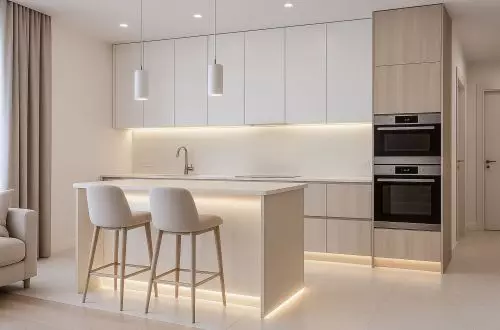
That is why visualizations of the actual lighting effect are so important to us at LightON7. LightON7 is our proprietary methodology for conscious lighting design, one of the goals of which is to increase the predictability of the effect even before implementation. Architectural visualization primarily showcases the vision for the interior and its atmosphere. We supplement this with the perspective of lighting design— we demonstrate how a specific lighting concept can influence the perception of a space. This allows the architect and client to confirm in advance that they share the same vision for the final result.
A&B: How does your knowledge of the impact of light on people change your approach to lighting design?
Rafał Rostkowski: Very significantly. Today we know much more about how light affects people—their circadian rhythm, well-being, and how they function. At the same time, technology offers us possibilities that we simply didn’t have just a few years ago, especially when it comes to how light works and is controlled.
For me, the starting point is the person. But today, that means more than just selecting the right amount or quality of light. First, you have to understand who will be using the space, when, what they’ll be doing there, and what they’ll need at that moment.
Light should not be designed as a single, fixed effect. It should change throughout the day in accordance with people’s needs. We may need different light in the morning, different light while working, and yet another kind in the evening. After all, in the same space, we can work, relax, or get ready for bed.
That’s why, for me, lighting design encompasses not only designing where and how light shines, but also how it should function over time. Only later do we select the technology, controls, and luminaire design. But I wouldn’t reduce lighting design solely to biology and function. Light should also bring out the architecture, materials, and atmosphere. Sometimes we consciously use it to evoke emotions.
A&B: Many architects design lighting on their own and achieve very good results. What can collaborating with a lighting designer offer them?
Rafał Rostkowski: First and foremost, a huge time savings. Interior lighting design is such a complex field today that it’s difficult to expect an architect to stay up to date on optics, controls, technologies, and the offerings of hundreds of manufacturers all at once.
At ATRIA Sztuka Światła, each lighting designer also develops their own areas of specialization. Private projects require one set of expertise, a Lighting Strategy for Business requires another, and decorative, technical, or outdoor lighting requires yet another. Today, I can’t imagine designing lighting thoughtfully without simultaneously designing how it operates and is controlled. Even a very well-designed effect loses some of its value if the user cannot operate it simply and intuitively.
There is also a second benefit—the studio’s brand. Light is one of the key elements of neuroarchitecture, which is why specialized knowledge of its impact on people gives architects additional design possibilities. Architects gain access to this knowledge without having to build up all these competencies within their own team.
I’ve seen situations where such a collaboration became a selling point even during negotiations with the client. One architect told a client outright that he was collaborating with a lighting designer and suggested that, when comparing proposals from different firms, the client also examine how each approached lighting and whether it would meet his needs.
In commercial projects, a Lighting Strategy for Business can offer a similar advantage. An architect can show the investor that they are thinking not only about how the space will look, but also about how lighting can support the goals of the project. The architect remains the author and leader of the project. The lighting designer is there to expand the architect’s capabilities, not to take control away from them.
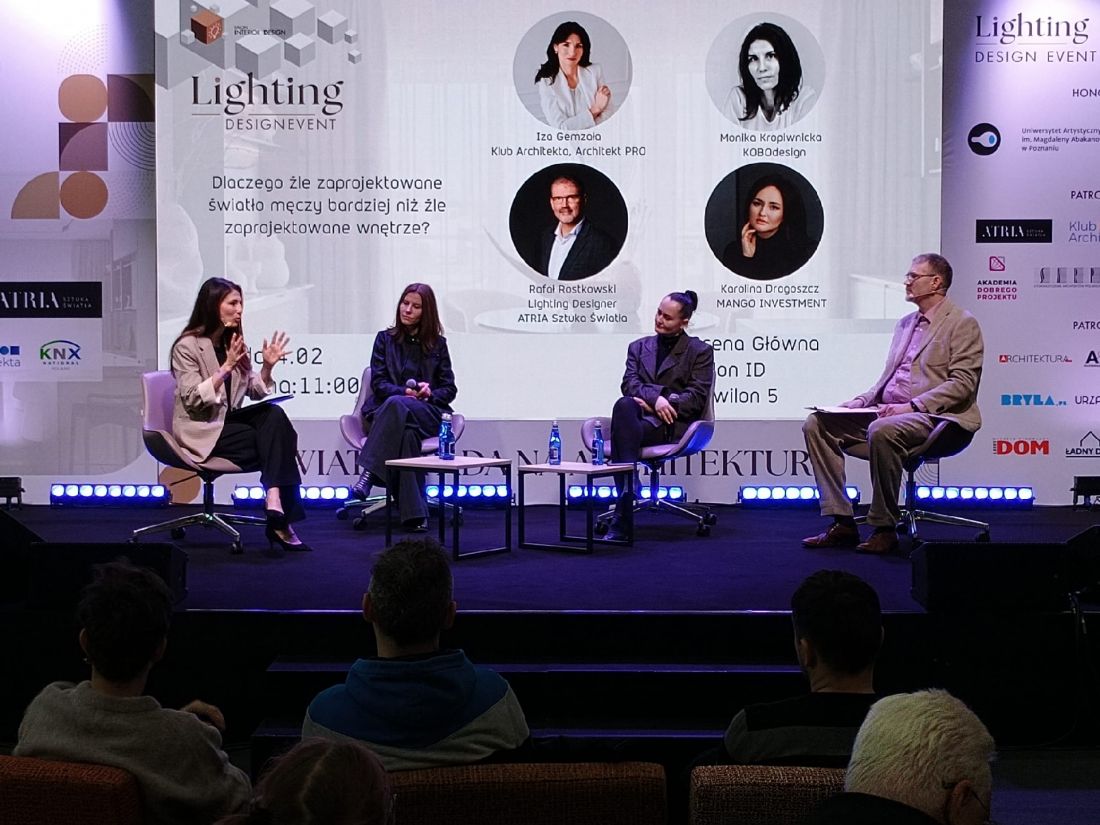
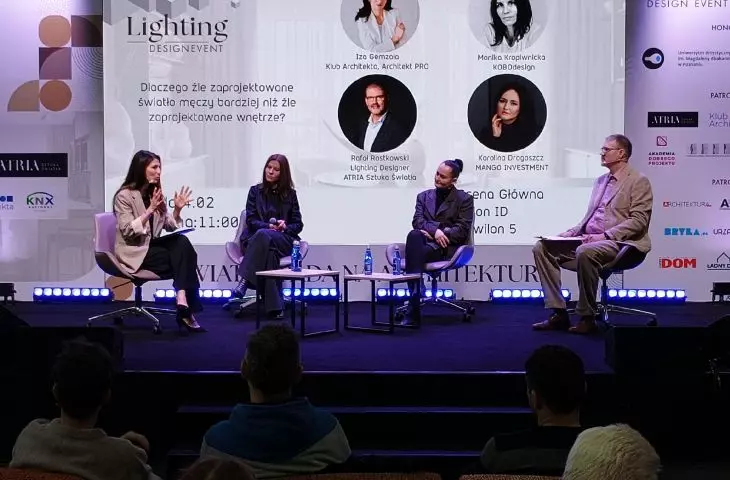
Rafał Rostkowski, Lighting Designer at ATRIA Sztuka Światła, during the panel discussion “Why Is Poorly Designed Lighting More Tiring Than a Poorly Designed Interior?” at the Lighting Design Event
© ATRIA Sztuka Światła
A&B: How are advances in technology and our understanding of human behavior changing lighting design today, and what new opportunities does this offer architects?
Rafał Rostkowski: Today, we have far more opportunities to combine knowledge about human behavior with architecture, lighting, technology, and control systems.
A good example is the LightON7 lighting design for a private hospital and clinic in Gdańsk, which we developed at ATRIA Sztuka Światła. The client wanted to create a good work environment for doctors and staff, who spend many hours there, but also to ensure patient comfort and design a space that wouldn’t feel cold or typically clinical.
In the project, we use, among other things, light with enhanced melanopic effects that supports the natural circadian rhythm, solutions that recreate the experience of daylight and the sky indoors, and a solution utilizing low-intensity UVB radiation designed to support natural vitamin D synthesis.
In the conference room, which is also used by doctors to observe live-streamed surgeries, we designed “Dark Light” to reduce glare, as well as lighting fixtures that enhance the room’s acoustics. For an architect, this simply opens up many more possibilities. They can think not only about how a space will look, but also about how people will feel and function within it.
In projects like these , neuroarchitecture ceases to be just a buzzword for me and begins to represent concrete decisions regarding light and comfort. We can design the entire lighting environment for people—its quality, variability, and how it functions.
A&B: There’s increasing talk about light that highlights architecture while remaining nearly invisible itself. What does this mean in practice for an architect?
Rafał Rostkowski: Having seen many excellent projects, I notice several issues that recur regularly. Sometimes there’s simply not enough light; sometimes it’s the way the lighting is controlled; and sometimes there’s a lack of a conscious decision regarding whether the interior should be designed using a “bright” or “dark” approach, or a combination of both. To avoid such mistakes, you first need to determine how the space will be used, what effect you want to achieve, and how the light should function in different situations.
There’s also the issue of glare, which, in my opinion, is still underestimated. That’s why at ATRIA Sztuka Światła, we’re running an educational campaign called “Live Healthily Without Glare.”
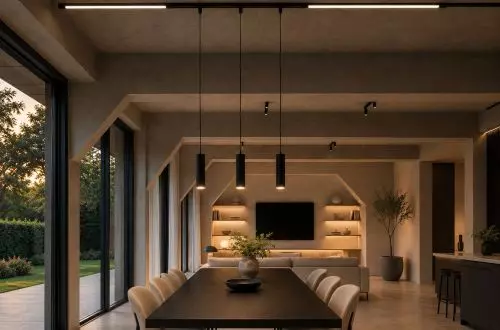
One solution is “Dark Light.” Thanks to the luminaire’s design—which features a deeply recessed LED light source and appropriate optics—we can limit the direct visibility of the source and reduce glare. We see primarily the light and its effect in the space, rather than the source itself.
“Dark Light,” however, does not mean that the interior must be dark. Its primary purpose is to improve visual comfort, and when used appropriately, it can also very effectively provide task lighting.
An additional benefit is that it gives architects greater opportunities to create atmosphere, depth, and emotion. We can more clearly highlight specific architectural elements and create layers of light, rather than uniformly illuminating the entire space.
But not every space and not every person needs the same effect. If we want to achieve an interior that is evenly lit—from floor to ceiling—the “bright” technique may be preferable . In many cases, the best results come from a deliberate combination of both approaches. It’s not about choosing a single “best” technique, but about tailoring the light to the people, the function, and the architecture.
A&B: You’ve been organizing the Art of Light Academy for years. How do such events change the way architects think about light?
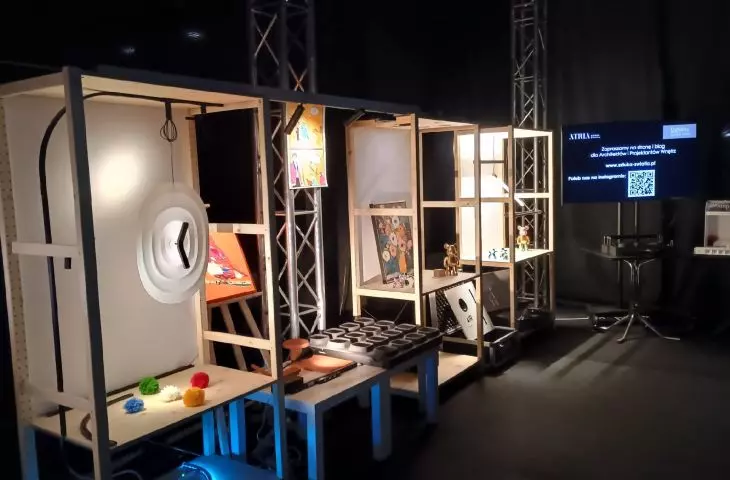
Rafał Rostkowski: The most important thing is to see Real Light. We can talk at length about lighting techniques, but it’s only when an architect sees how the same interior looks flat under one lighting method and becomes spacious and three-dimensional under another that many things become obvious.
The same goes for comfort. We can talk about glare, color, or the way light is directed, but actually entering a space and experiencing the difference between various types of light has a much stronger impact than a presentation alone.
Light layering plays a major role here. It’s not about using more fixtures, but about consciously combining general, task, decorative, ambient, and night lighting so that each layer has its own function and together they shape the space. And this is where the Art of Light begins for me—not in the number of fixtures used, but in the ability to combine their effects so that they suit both people and architecture.
We often hear architects say, “It’s a shame we didn’t know about you sooner.” They begin to look at lighting more broadly: not just considering which fixture to use and where to place it, but what effect they want to create, what layers of light are needed, and how that light should function later in various situations. The fixture is still important, but it becomes just one of the tools for bringing this concept to life.
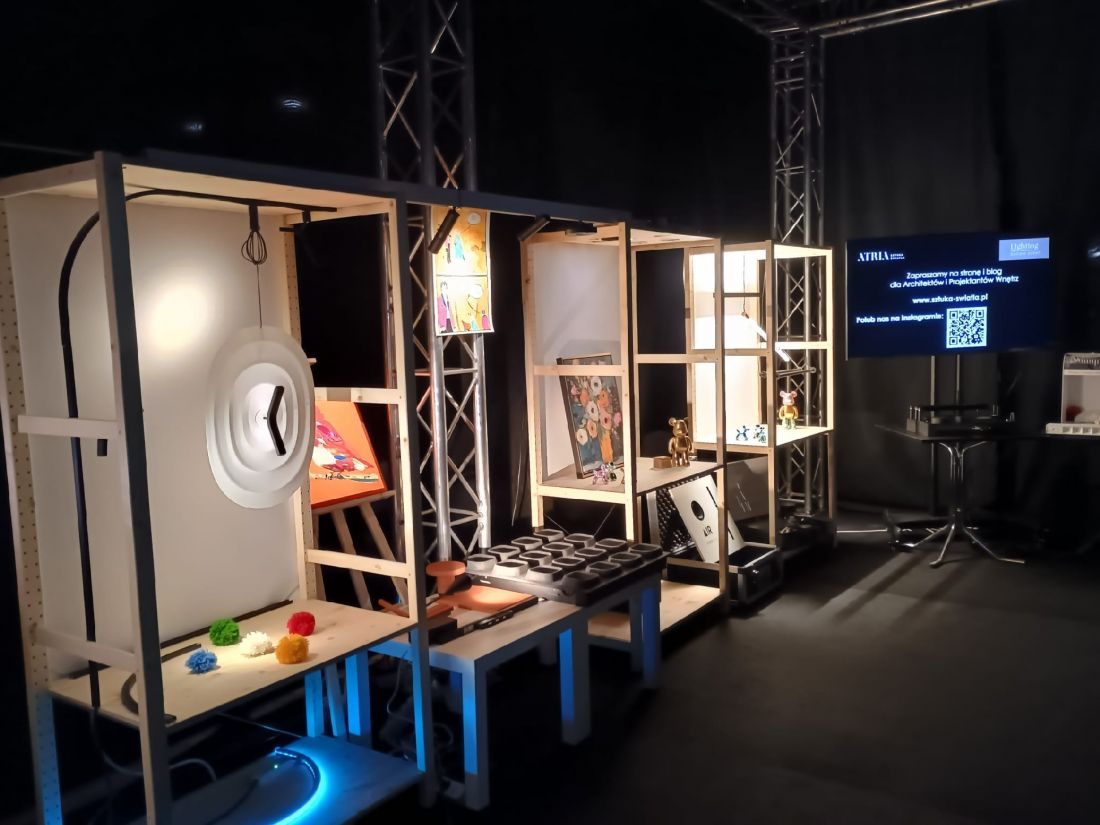
The Art of Light workshop zone prepared by ATRIA Art of Light during the Lighting Design Event—a space for exploring and comparing real-world lighting effects
© ATRIA Sztuka Światła
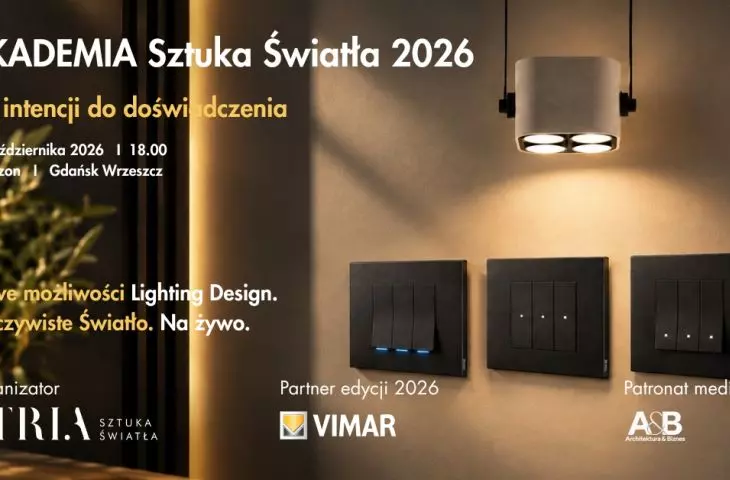
A&B: On October 15 in Gdańsk, the Art of Light Academy 2026 will take place under the theme “From Intention to Experience.” What will visitors be able to see during this year’s edition?
Rafał Rostkowski: This year, we’re particularly focused on showcasing things that we could talk about at length, but you only truly see the difference once you experience them in person.
We’ll showcase new possibilities related to the effect of light on people, new variations of Dark Light, AI-powered solutions, and various control methods. We’ll also present our LightON7 and Li.SE methodologies. LightON7 helps increase the predictability of the actual effect even before implementation. Li.SE is our proprietary methodology for designing how light behaves—how it will change, what scenes will be available, and how users will interact with it on a daily basis.
VIMAR is the partner for the 2026 edition, so the event will also feature control systems, design, and details of Italian lighting fixtures. Most importantly, however, architects should not leave the Academy with a list of new products, but with a different way of looking at light—from intention to what people will actually see and feel in the finished space.
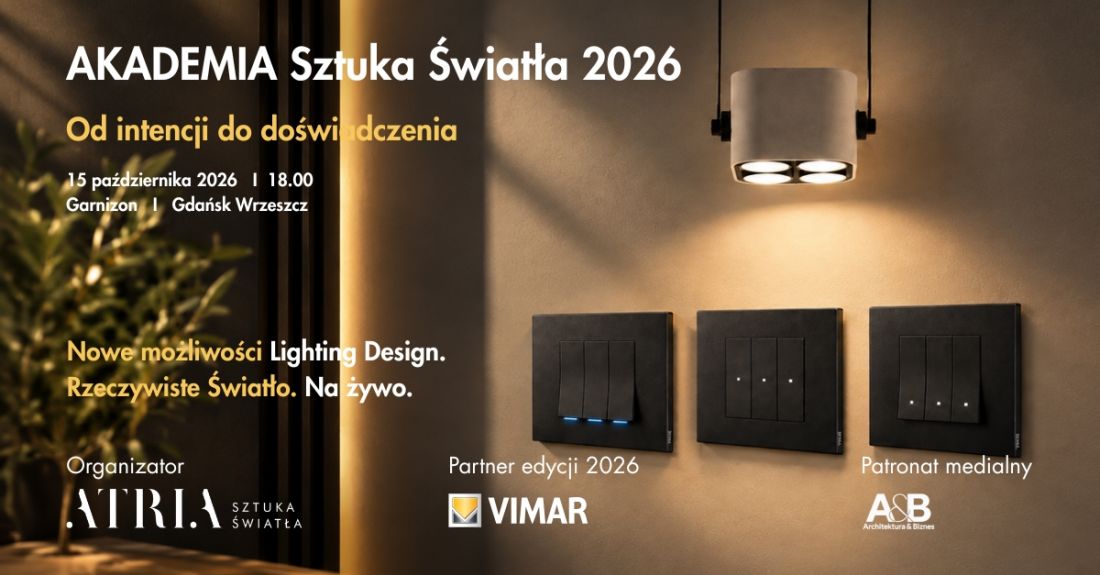
Art of Light Academy 2026 — “From Intention to Experience,” October 15, 2026, Garnizon, Gdańsk Wrzeszcz
© ATRIA Art of Light