
Architecture for children requires more than just a good knowledge of standards, design principles, technology and functional solutions. This is an area of design in which emotions, memory and the ability to look at space through the eyes of the youngest users become equally important. The importance of emotional childhood memory and why an architect should be a bit of a psychologist and sociologist at the same time, is discussed by Dorota Sibinska - architect and co-founder of XY Studio - in a conversation with Agnieszka Kalinowska-Soltys in the series "Conversations about Architecture" carried out as part of the Archisens project.
Dorota Sibinska
Dorota Sibinska is the founder and co-owner of XY Studio, which specializes in designing for exceptionally demanding users, especially children. She is an architect known for her extraordinary energy, creative approach and consistent focus on real human needs. Winner of many industry awards, she has been working for years to promote social responsibility in architecture, that is, where functionality goes hand in hand with empathy, and design becomes a tool for improving the quality of life of users.
architecture that starts with emotions
A person's first experience of the world is almost entirely based on emotions and senses. A child does not rationally analyze his needs, but evaluates the world around him guided by the emotions it evokes in him. He perceives space through textures, colors, sounds, smells and proportions. It is these first experiences that build his emotional memory, which often stays with him for life. Thanks to these memories, architects can go back to their own childhood experiences and find solutions during the design process that are not always based solely on functional analysis, but on a deeper understanding of the user's needs.
Emotional memory is a collection of memories and associations related to childhood. It combines all experiences as well as memories related to materials, structures, light or even the way a space is organized. Often, the strongest of these images relate to the places where we spent the most time in childhood: home, school or kindergarten.
Each of us has more or less of such a child in us. He also has his memories and his emotional memory
-describes Dorota Sibinska in an interview with Agnieszka Kalinowska-Sołtys.
designing from the floor level
Designing spaces for children requires moving away from purely technical thinking. Here, architecture becomes a tool for fostering development, social relations and daily well-being. Understanding the user, their daily behavior and emotional reactions to the space becomes the foundation of good design. In the case of children, this means consciously abandoning the adult perspective. One of the most characteristic elements of Dorota Sibinska's approach is the literal adoption of the child's perspective during design work.
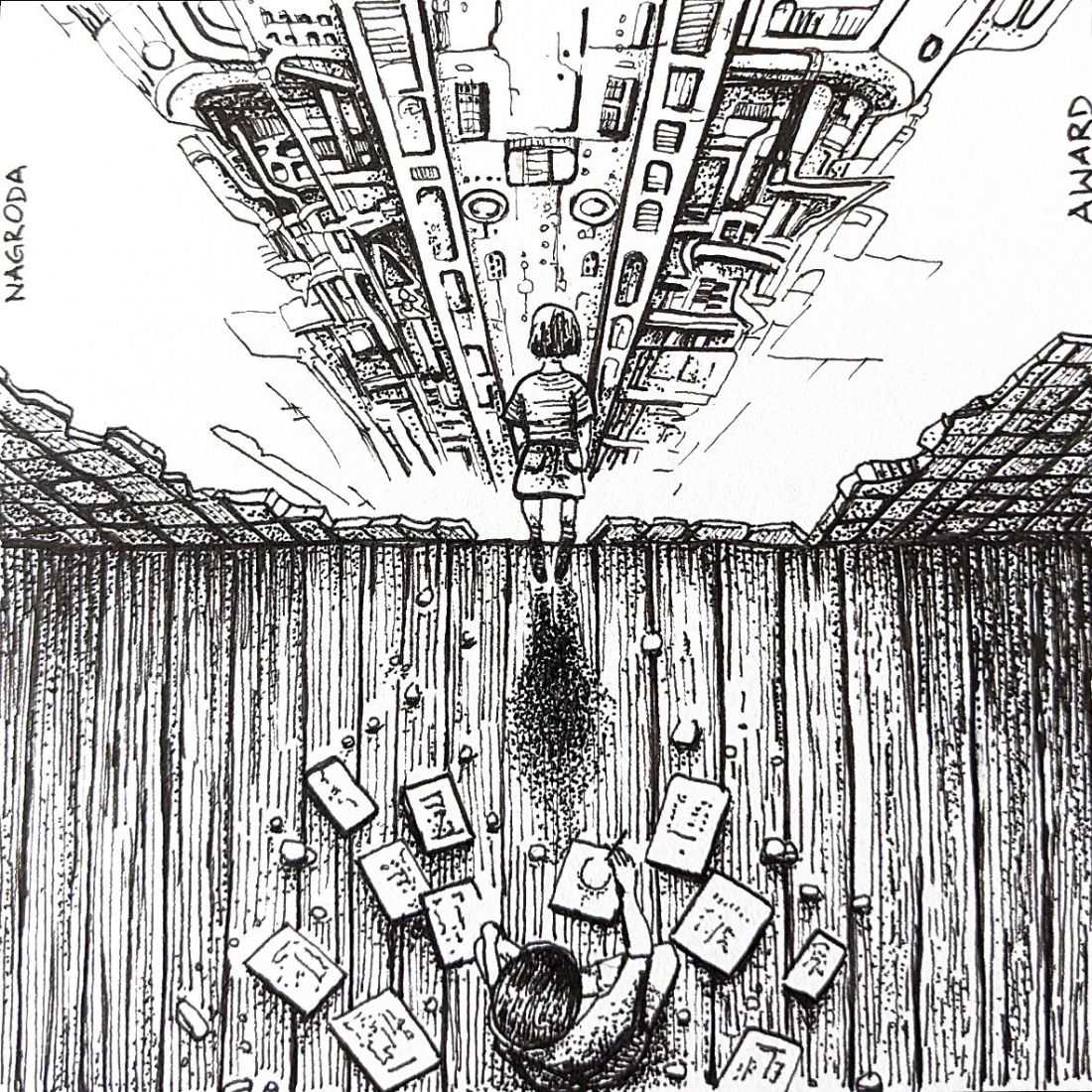
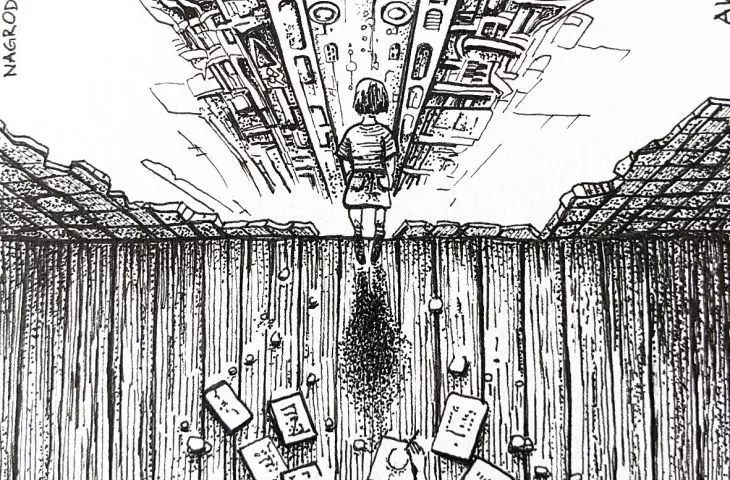
Award
© One Word Graphic | Aleksandra Pawlowska
I, when designing for children, together with my staff, design from the floor level. We sit on the floor and then our perspective changes to that of the children
-admits the architect.
This is not just a symbolic gesture, but a real design tool. It's only from this height that you can see what really builds the experience of the little user - what elements are visible, what attracts attention, where a sense of security and where anxiety arise. In a design for children, the key should be what the toddler sees, not the adult who only appears in the space for a moment.
There is no architecture without psychology, and there is no architecture without sociology
-states the architect and co-founder of XY Studio.
the best solution? Talk
Not all user needs can be anticipated at the concept stage. Even the most experienced designer is no substitute for an authentic dialogue with the viewer of the space. In a situation where we are not sure what the user really needs, the solution is simple - just ask. A frank conversation allows the architect to look at the project from a completely new perspective and find solutions that would not have come up during office work. This approach is especially important in the design of educational and care spaces, where the users are not only children, but also teachers, caregivers and parents.
architecture that is remembered
Designing for children is designing for memories. It's a responsibility for spaces that will build a person's first relationship with the world and remain in his memory for decades. With the right choice of colors, structures and forms, it is possible to create places that children will remember for many years to come precisely because of the intensity of the emotions they experience. This is why children's architecture requires exceptional attention - not only to function, but especially to emotions.
For more knowledge related to the art of understanding the user, check out the 2nd episode of the series "Conversations on Architecture," available on YouTube and Spotify platforms on the Archisens channel.