








When you turn on the faucet in the morning, have you ever stopped to think about how many everyday activities begin with water? We may not constantly have blue-green infrastructure, droughts, heavy rainfall, or water management on our minds, but it’s worth taking a closer look at this topic, especially since the risk of water shortages is growing. Poland ranks 24th in the European Union in terms of renewable freshwater resources per capita. Only the Czech Republic, Cyprus, and Malta fare worse. Is there a way to address this, and if so, how?
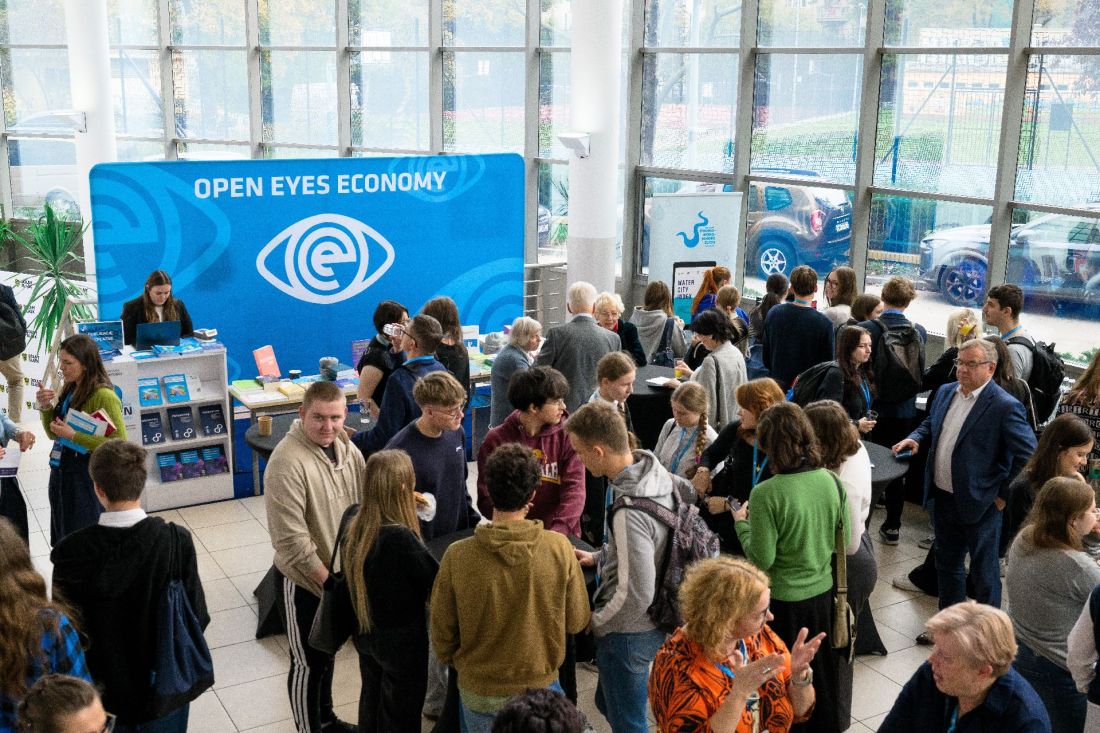
Participation in the event is free, but advance registration is required
© Organizers’ archives
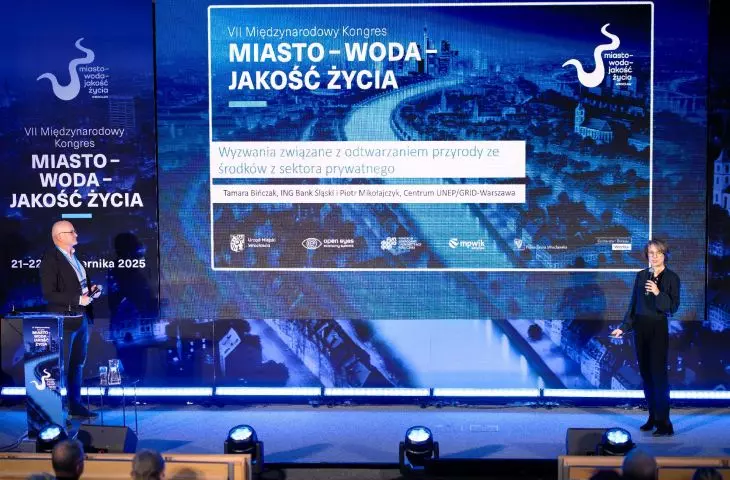
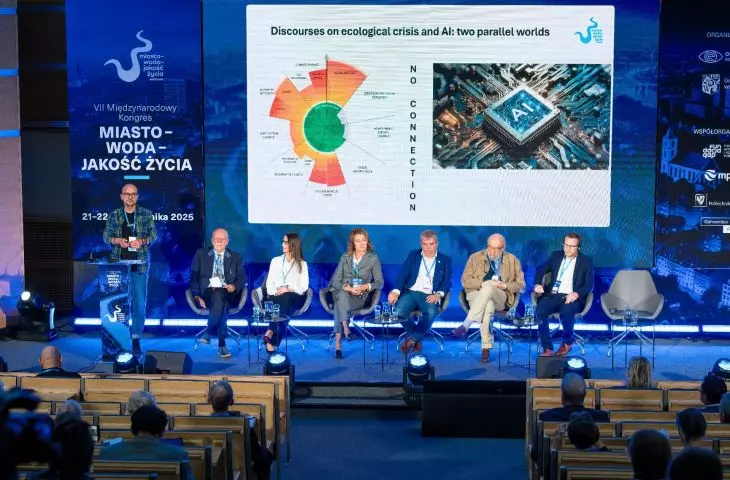
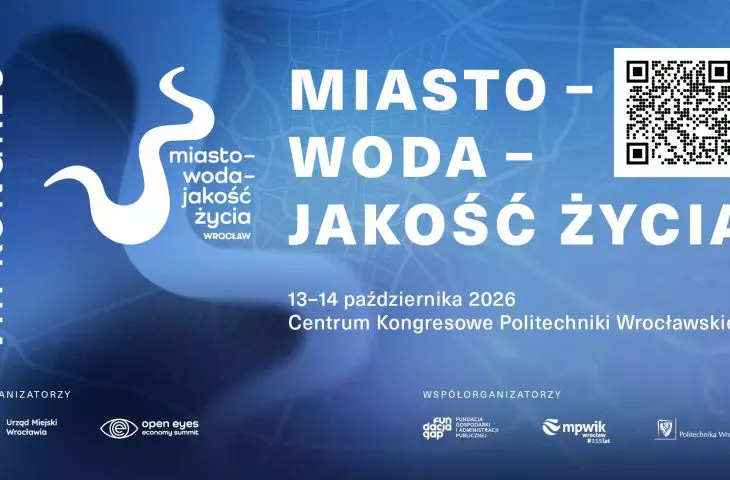
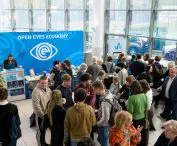
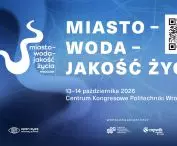
We will discuss how water (and the lack thereof) affects our daily lives on October 13 and 14, 2026, during the 8th City–Water–Quality of Life Congress in Wrocław, an initiative of the Open Eyes Economy Summit. The event is organized by the City of Wrocław, MPWiK in Wrocław, the Foundation for Public Economy and Administration in Kraków, and the Wrocław University of Technology.
This year’s program addresses questions such as how to prepare cities for both water surpluses and shortages, how to retain rainwater where it falls, how to protect infrastructure, as well as whether tap water should become the standard and what role rivers and urban nature can play in our lives
— say the organizers.
rainwater
What happens to rainwater in cities? Thinking of rainfall as waste that must be drained into the sewer system as quickly as possible is a thing of the past. The Water Law, enacted in 2018, changed the status of wastewater, which had previously been associated with rainwater and runoff. Rainwater has thus become a resource, and efforts have begun to promote its retention and reuse, including for watering green spaces.
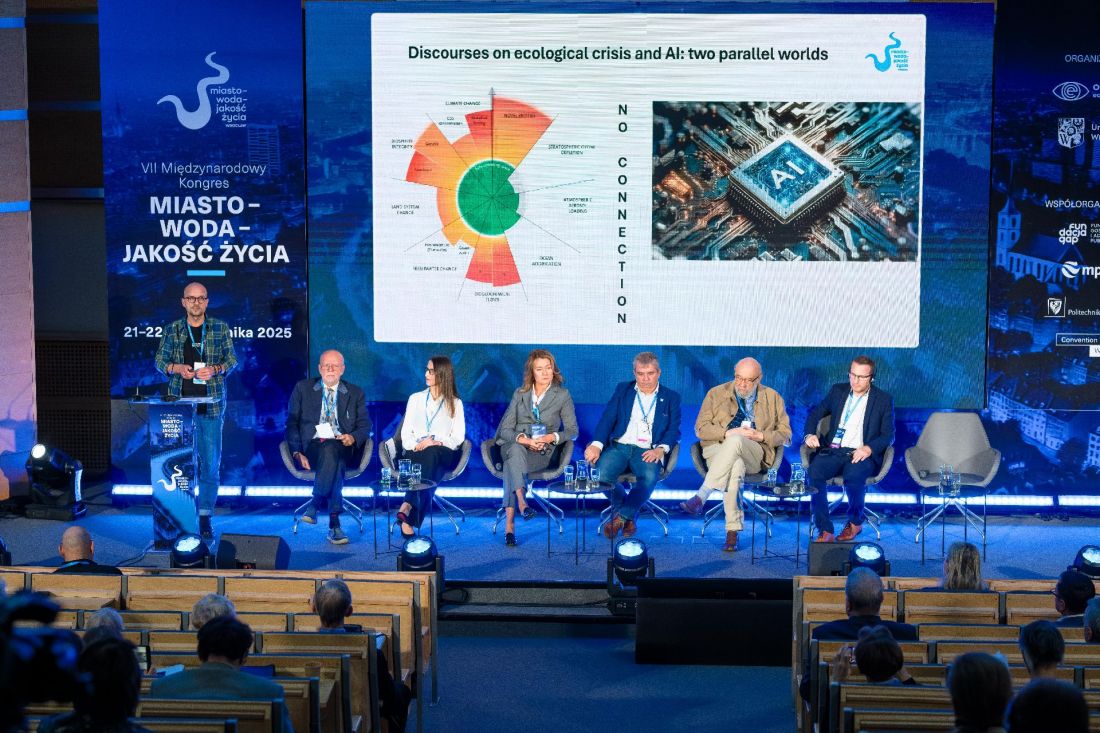
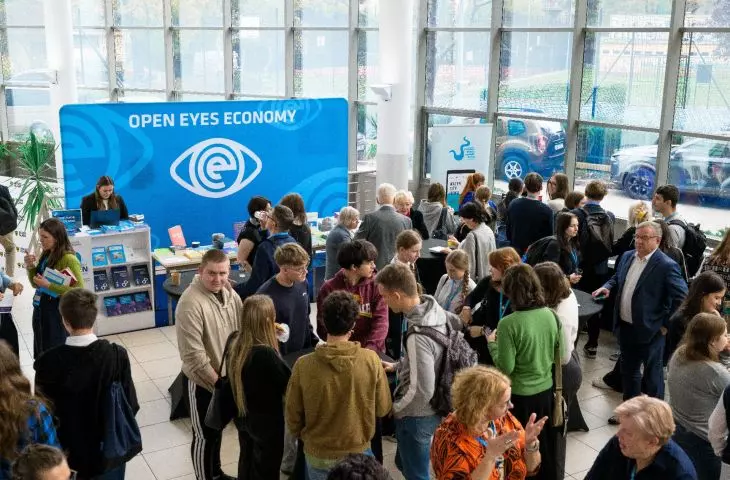
This year’s edition of the congress will take place on October 13 and 14
© Organizers’ archives
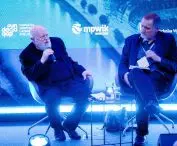
On the first day of the congress, experts will discuss urban retention.
The discussion will cover natural, dry, and wet retention, rain gardens, and how cities can manage stormwater. A representative from the Wrocław City Hall will also participate in the discussion. This is just one of the reasons why it’s worth attending: to see that decisions regarding water don’t end at the riverbank. They’re also connected to how we design and transform the urban space in which we live
— say the event organizers.
Read more: Keeping Rainwater Where It Falls
tap water
Drinking tap water still raises some concerns for many people—is it really safe to drink, or do I need to boil it first? Meanwhile, municipal water utilities in many Polish cities assure us that tap water not only meets strict standards but is also regularly tested at every stage (from the intake to the municipal network) and contains numerous valuable minerals essential for our health. Tap water will also be one of the main topics at the Wrocław congress:
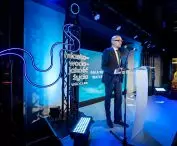
Tap water appears several times in this year’s congress program. A presentation titled “From Consumer to Resident: Drinkable Tap, Swimmable River” is already scheduled for the opening ceremony. On the second day, a Wrocław session titled “Tap Water on the Table—Standard of the Future or Regulatory Mandate?” will take place, featuring representatives from MPWiK in Wrocław. And this is where an interesting conversation begins—not only about the water itself, but also about the city. After all, providing residents with water infrastructure is one thing, but asking how we want to use water is quite another. Can tap water become the obvious choice? How can we change our habits? And how can we shift from thinking of the river solely as an element of the urban landscape to a river that residents can actually use?
— the organizers announce.
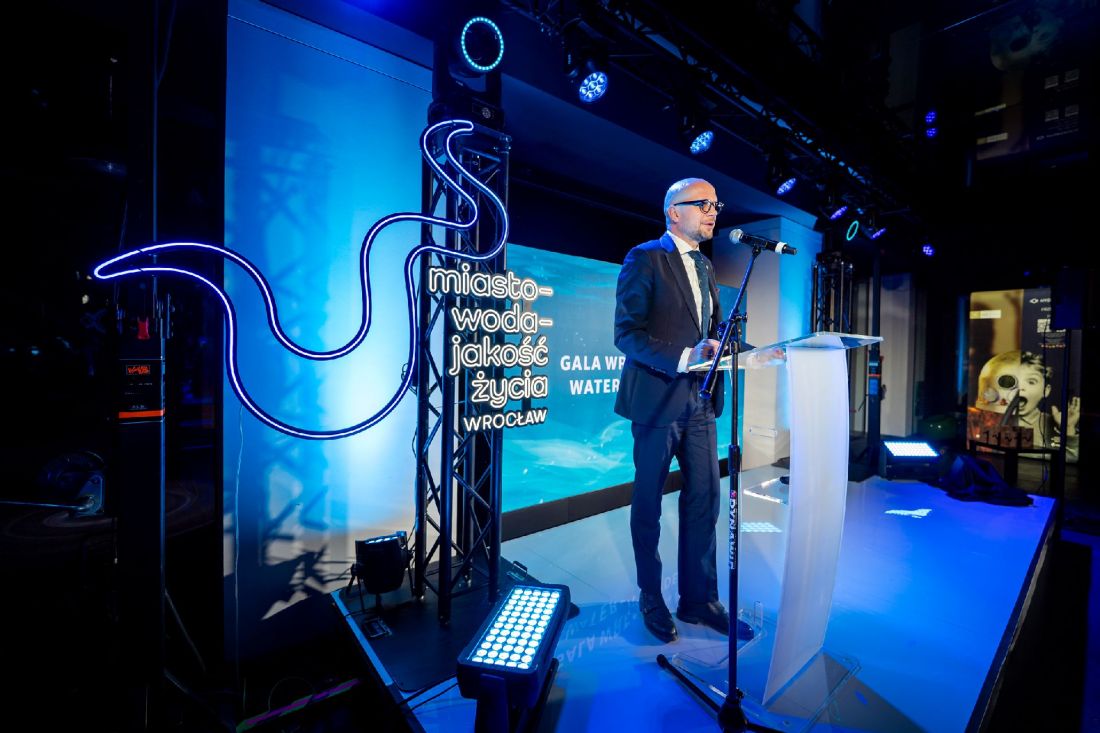
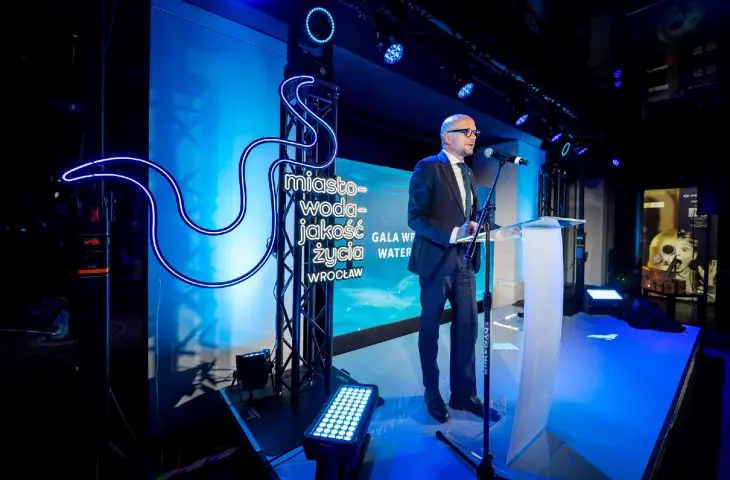
The congress is accompanied by the launch of the Water City Index, a specialized ranking that evaluates the development of Polish cities in terms of the efficiency of their water resource management
Photo: Rafał Ogrodowczyk © organizers’ archive
city, water, quality of life
Water in the city, however, is much more than just rainwater or tap water — it also encompasses, among other things, issues of safety and the resilience of modern cities to flooding, environmental issues—including the value of wetlands—as well as climate and tourism-related topics, all of which will be featured at the 8th City–Water–Quality of Life Congress in Wrocław.
As in previous years, the congress will be accompanied by the release of the Water City Index, a specialized ranking of cities in which experts have assessed the development of metropolitan areas, large cities, and medium-sized cities in Poland in terms of the efficiency of water resource management. Urban water policy is analyzed based on various indicators, including drinking water, wastewater, stormwater, flooding, drought, infrastructure maintenance, blue and green infrastructure, and waterfronts. Which Polish cities will top this year’s index?
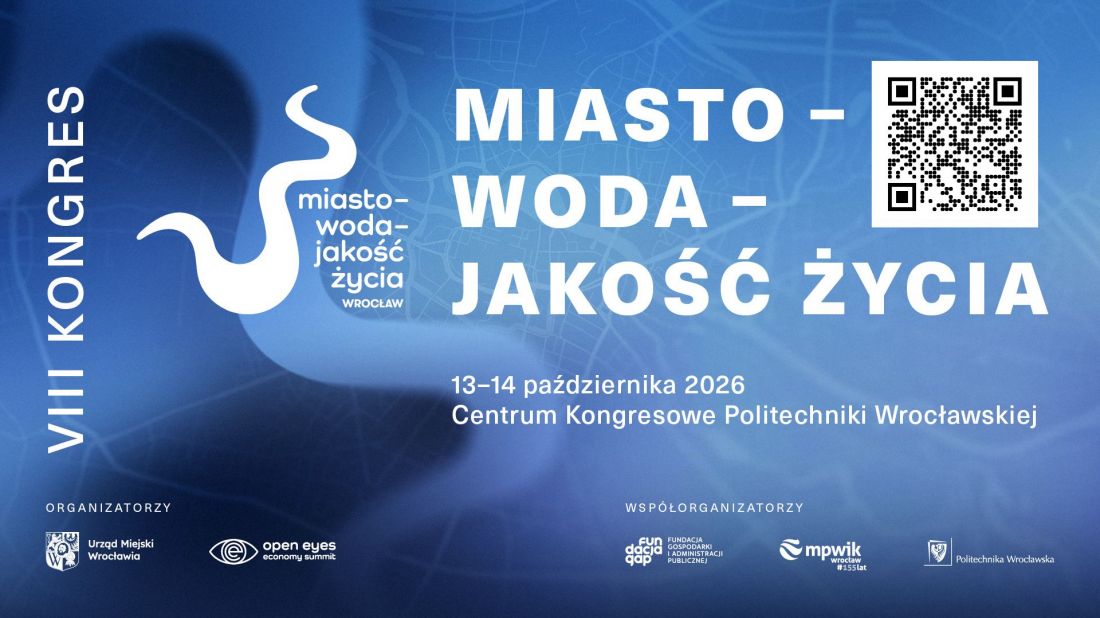
8th City–Water–Quality of Life Congress
© organizers’ archives
Participation in the event is free, but advance registration is required. The detailed program and registration are available at: www.watercity.com.pl.