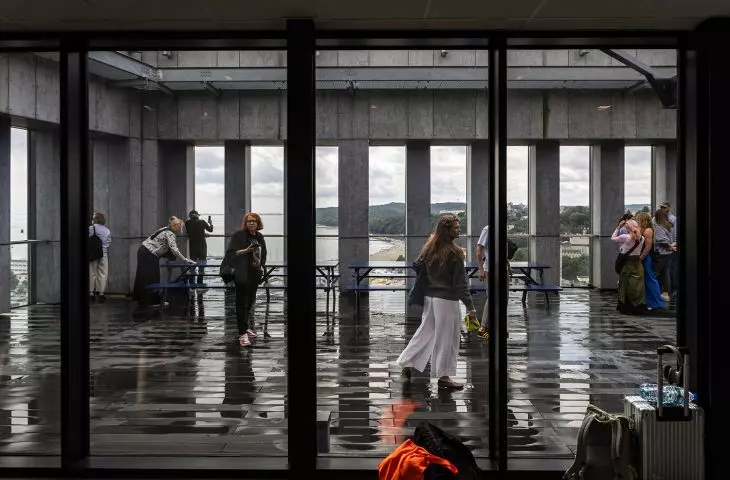
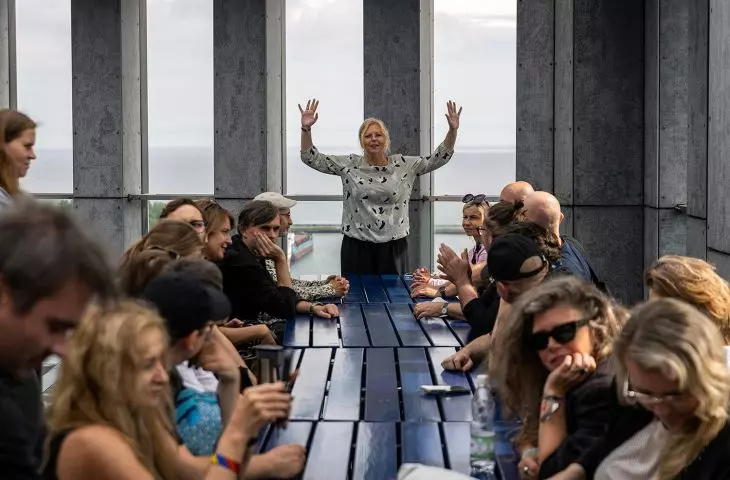
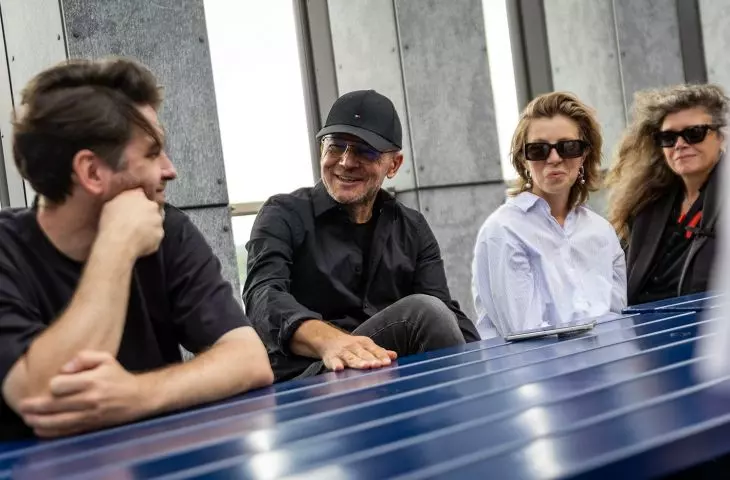
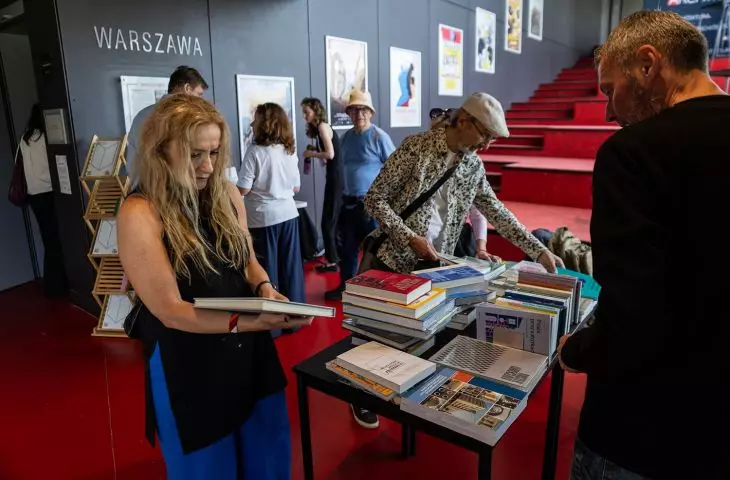
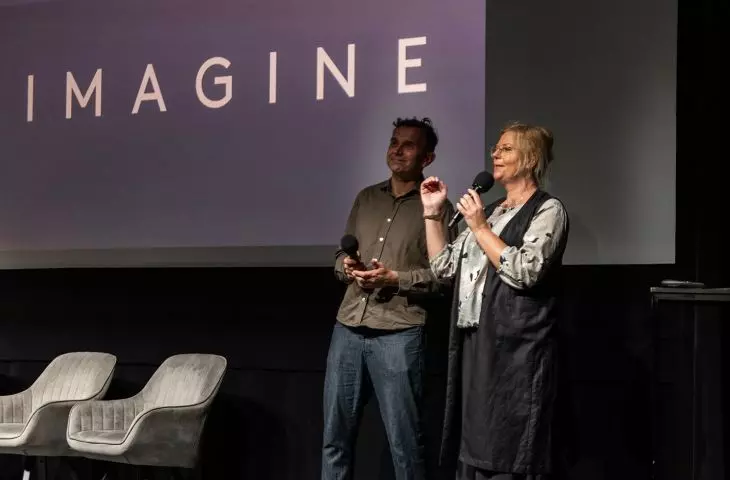
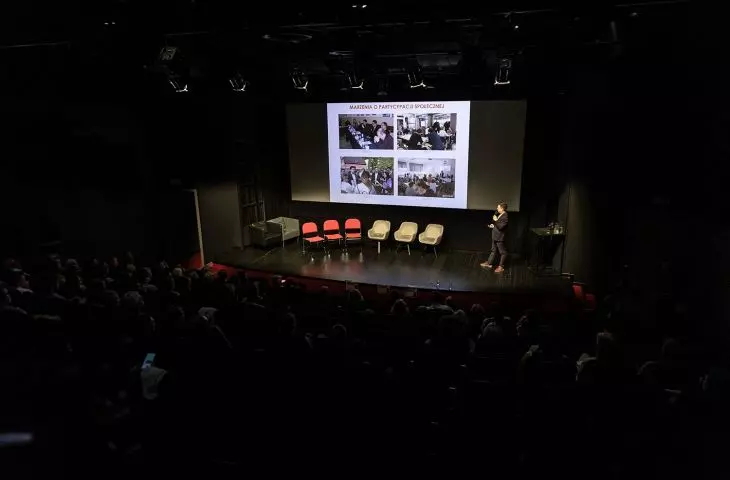
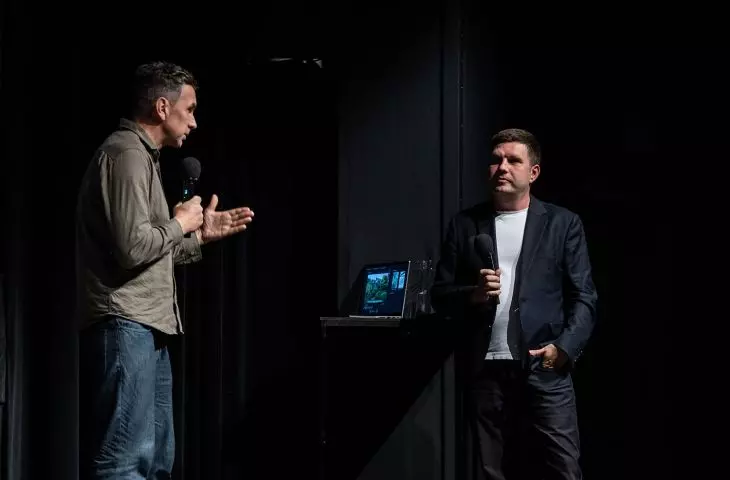

The most important weekend in Gdynia lasts not two, but four days. In 2026, Gdynia has a special reason to celebrate, as the inscription of Gdynia’s modernist center on the UNESCO World Heritage List served as a gift for the centennial anniversary of the founding of Poland’s “window to the world.” The 16th Architecture Weekend in Gdynia, held August 28–31, 2026, under the theme “Imagine,” drew heavily on these circumstances. What do architects, cities, and their residents dream of?
During the 16th Architecture Weekend in Gdynia, the event’s titular “imagination” quickly evolved into “dreams.” It was precisely these dreams that formed the focus of most of the lectures and discussions presented. Dreams proved to be a broad starting point—they allowed us to view architecture not only as the art of designing buildings, but above all as a tool for shaping cities and the everyday lives of their residents. Among them were grand urban visions, ideas for improving quality of life, attempts to respond to crises, but also dreams of ordinariness, empathy, and well-designed spaces. Not all of them can be realized, but each one begins with imagining that the space around us could look different.
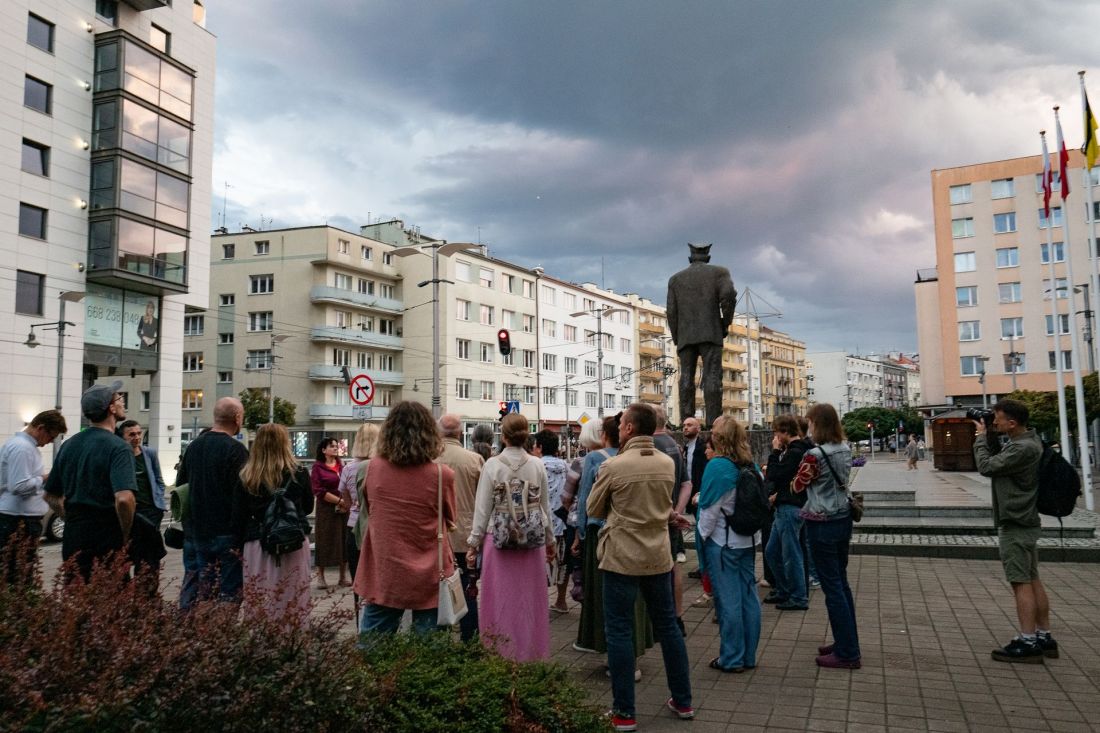
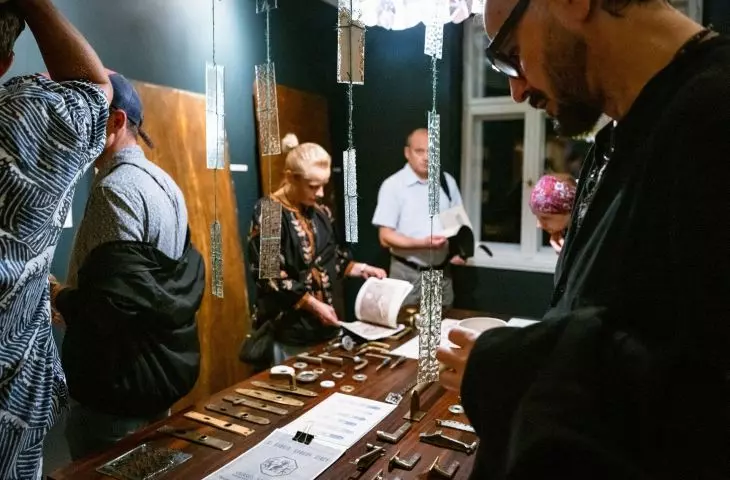
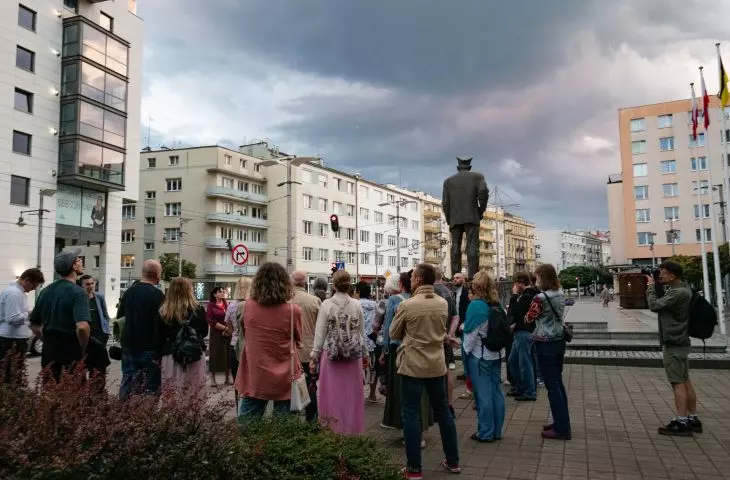
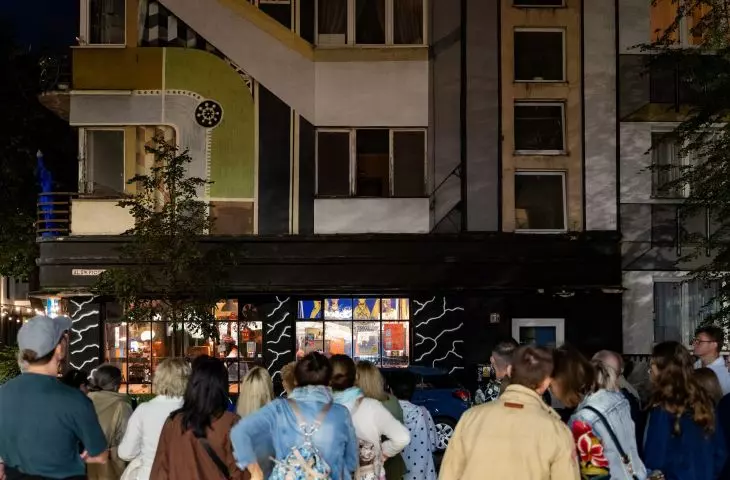
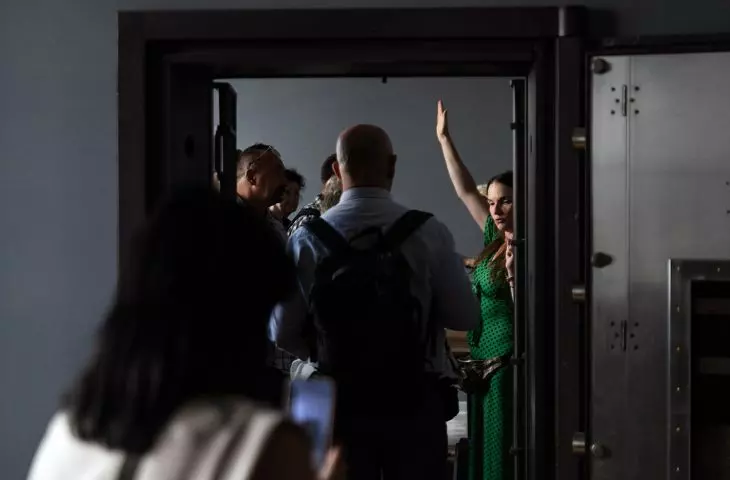
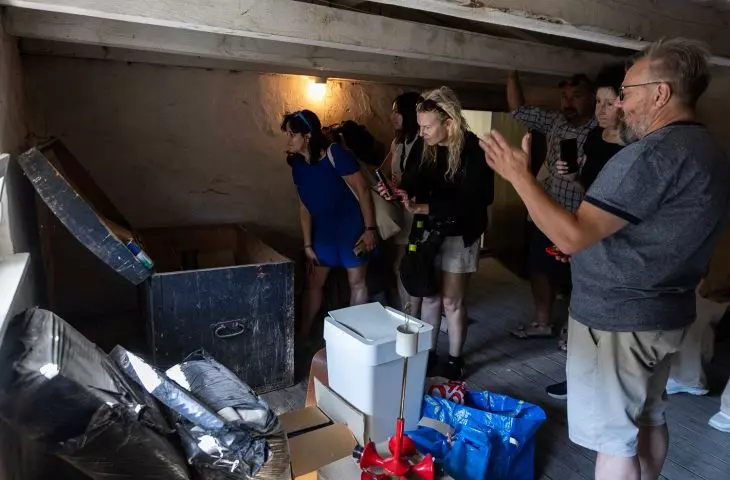
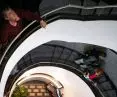
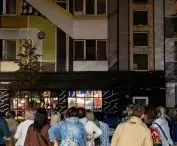
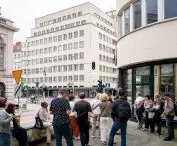
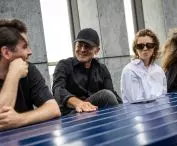
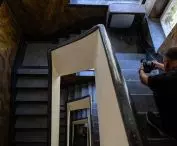
Night Walk: On the Modernity of Gdynia’s City Center—From Modernism to the Present
photo: M. Szura-Piwnik
volumetric, non-volumetric, and pre-volumetric architecture
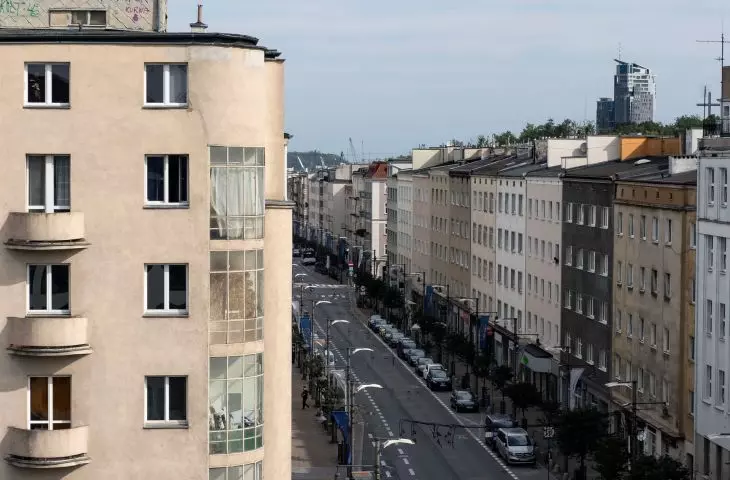
Although the term “cubic volume” appeared in various forms and contexts during this year’s Architecture Weekend in Gdynia, the first—and to a large extent also the second—day of the Archi-Lectures—the main highlight of the Gdynia event’s program — were dominated by discussions about cities and urban planning. This trend was already evident in the opening presentation by Paulina Szewczyk, who was appointed City Architect of Gdynia a few months ago. In keeping with this year’s event slogan, Paulina Szewczyk spoke about dreams. That dream was to complete Gdynia’s Śródmieście district, which was intended to become a multi-level city after the war. Today, few traces remain of this concept’s history, but Gdynia — in addition to the modernist “highway” that Władysława IV Street became — was to feature skyscrapers in the center, as well as underground tunnels for cars and even elevated promenades, allowing for the separation of pedestrian and vehicular traffic. Changes in planning approaches meant that these ambitions were never realized. Instead, a new, much grander dream came true—the inscription of Gdynia’s modernist city center on the UNESCO World Heritage List.
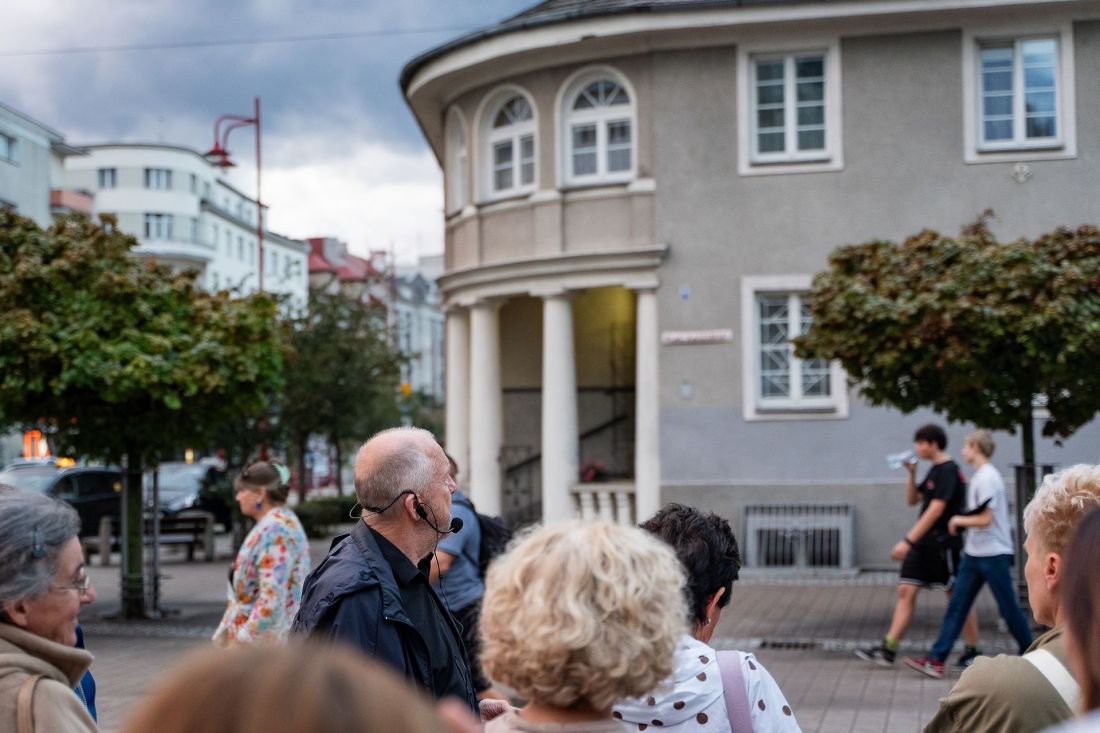
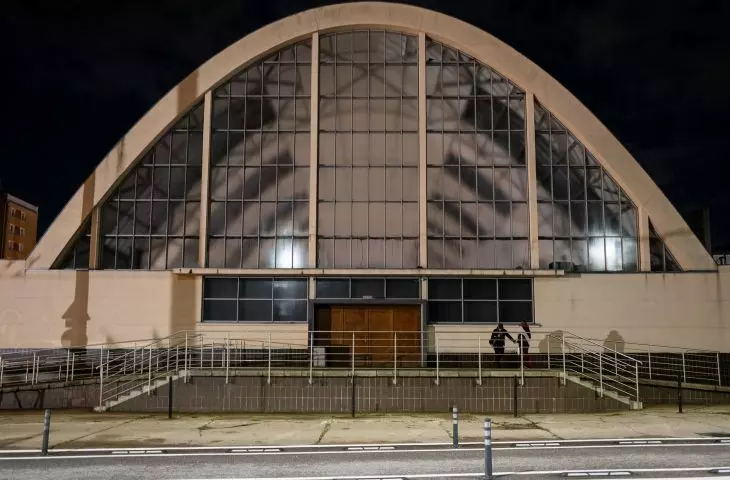
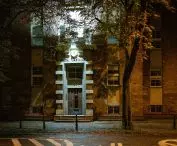
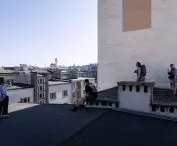
Night Walk: The Modernity of Gdynia’s City Center—From Modernism to the Present
Photo: M. Szura-Piwnik
And what dreams does Gdynia have today? International recognition of Gdynia’s modernist heritage has not caused the city to rest on its laurels. Paulina Szewczyk painted a picture of Gdynia’s future as a “city for a lifetime,” tailored to all age and social groups, but also pedestrian-friendly and green—in short, offering a high quality of life.
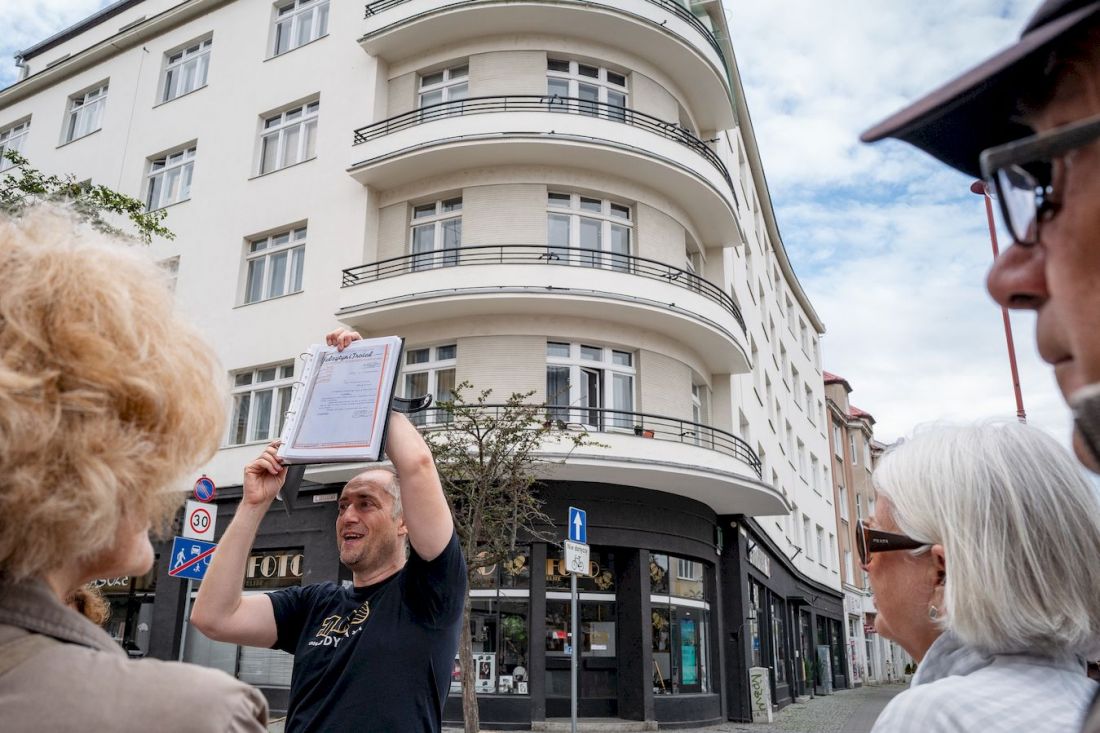
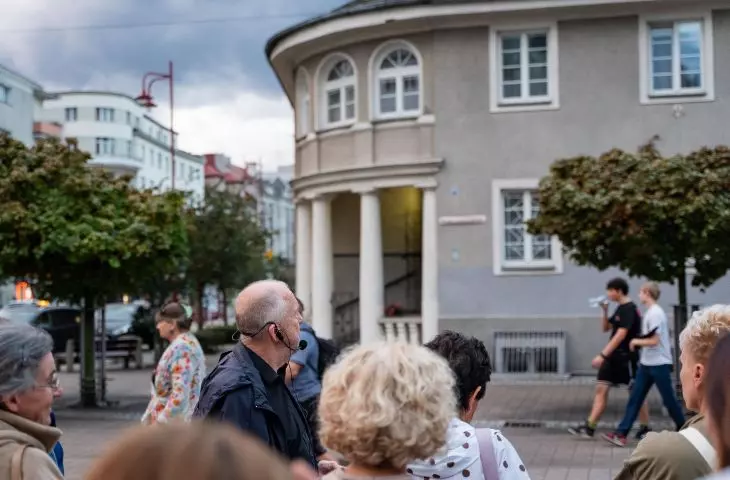
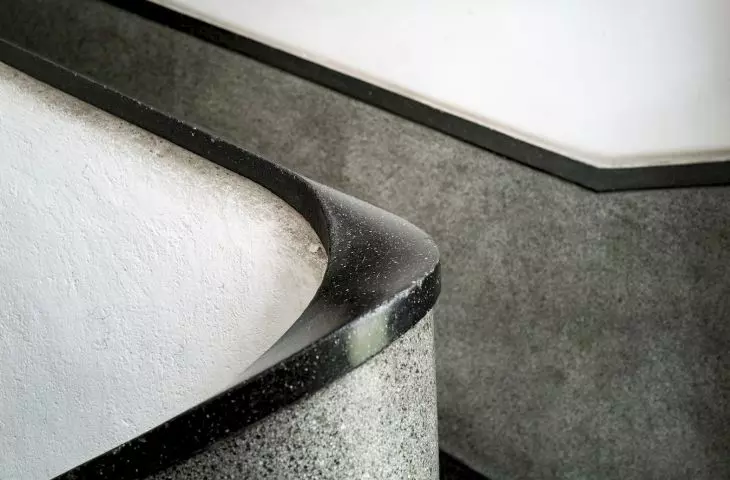
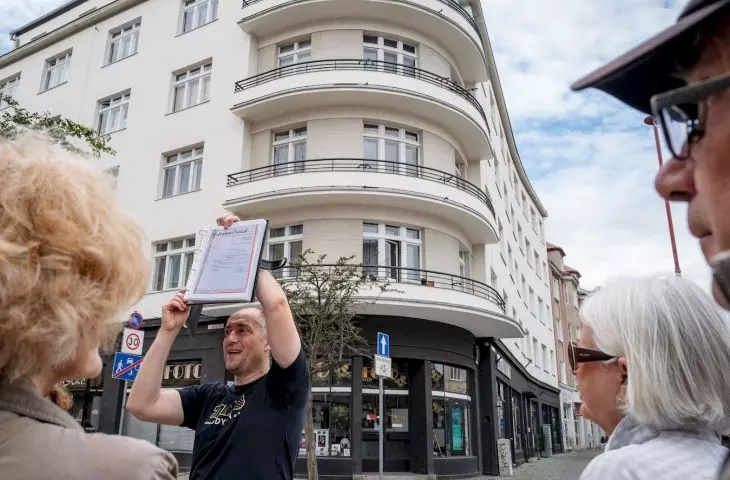
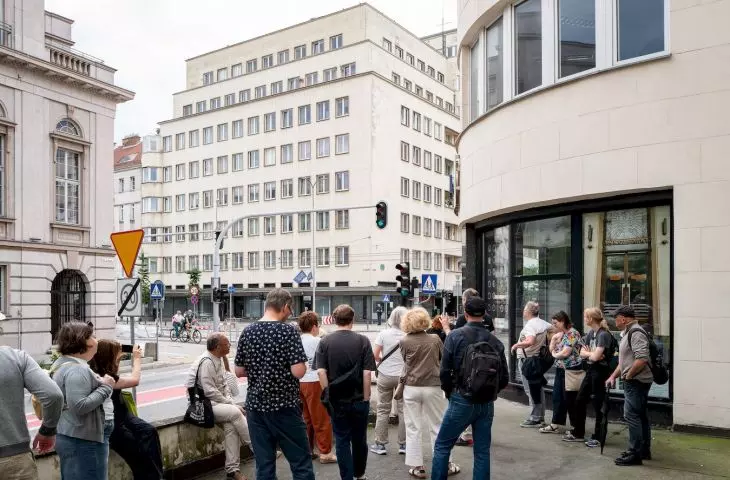
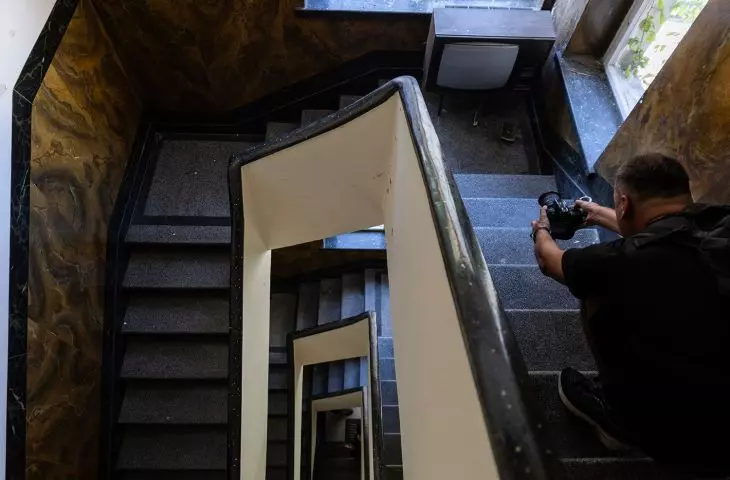
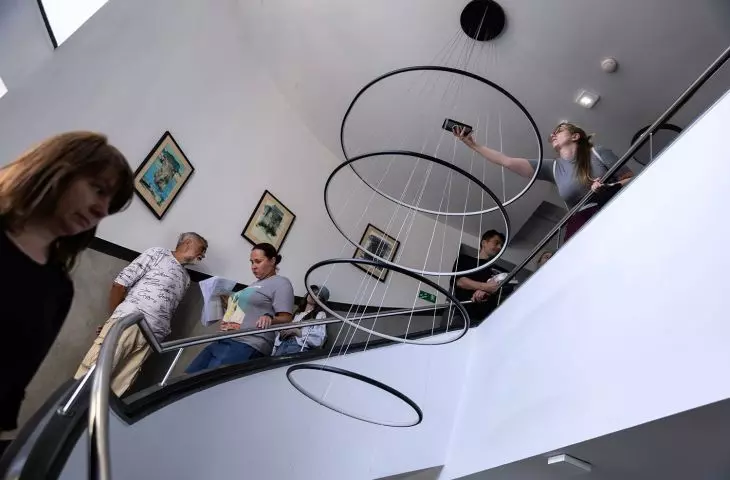
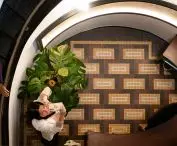
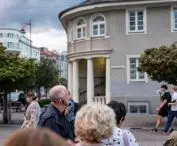
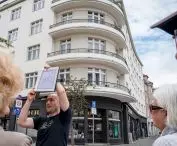
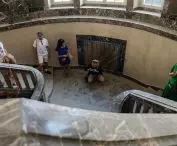
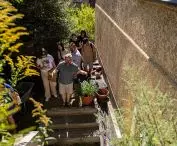
Walk: Gdynia Under Construction—Visionaries, Builders, and Artisans of Gdynia Modernism
Photo: M. Szura-Piwnik
But how can this be achieved? Urban planning turns out to be the key. Professor Sławomir Gzell, an authority in this field, spoke about the chronology of Polish planning thought. Regardless of the era in which they worked, urban planners had dreams about the future of the cities they designed. Were they always able to realize them? Not necessarily—Polish urban planners were brought back down to earth by financial and administrative realities. The protagonist of Professor Sławomir Gzell’s story—a true dreamer and urban planner—was Kazimierz Wejchert, who devoted every spare moment, as well as his comfort and financial security, to working to save small Polish towns.
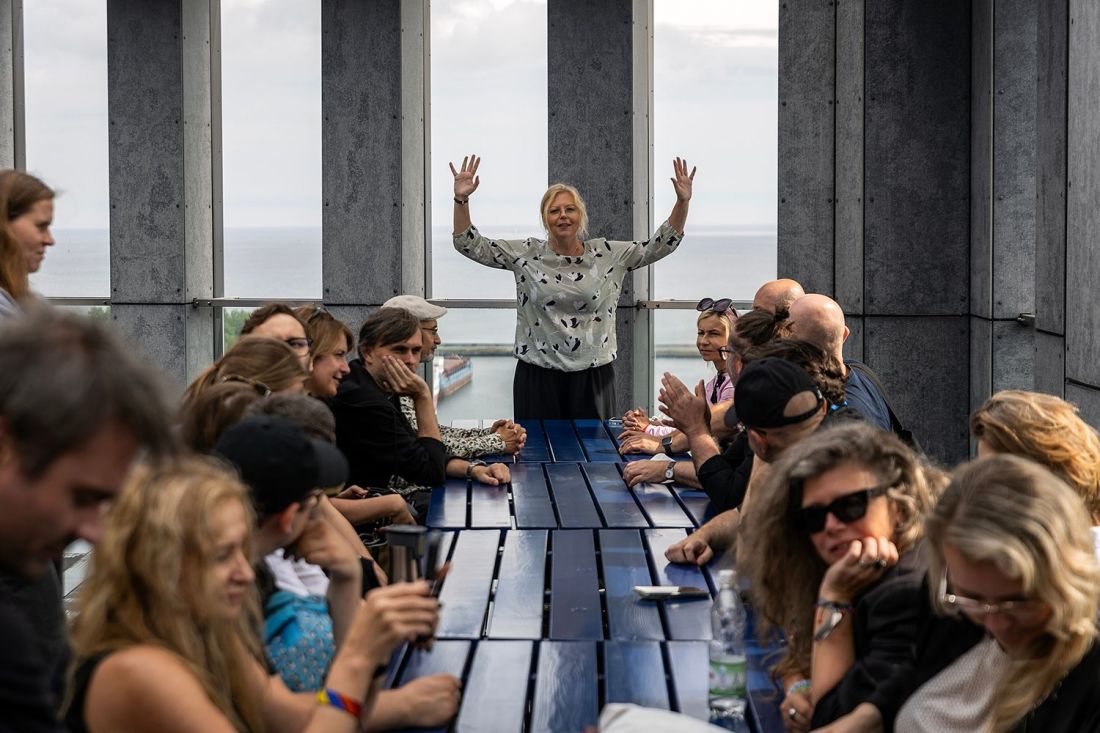
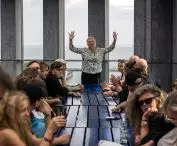
Archi-Stół: Imagined Cities—book, comic, art, film
Photo: Architecture Weekend in Gdynia
Grzegorz Piątek also spoke about big dreams concerning small things. His story continued the narrative well known from Piątek’s latest book, published last year under the title *The Temple and the Dumpster*. “We need to dream more about the ordinary,” says the architectural researcher and critic—who also happens to be a resident of the city where the billion-worth reconstruction of the Saxon Palace is beginning, while right next door, residents have been forced for years to relieve themselves in portable toilets.
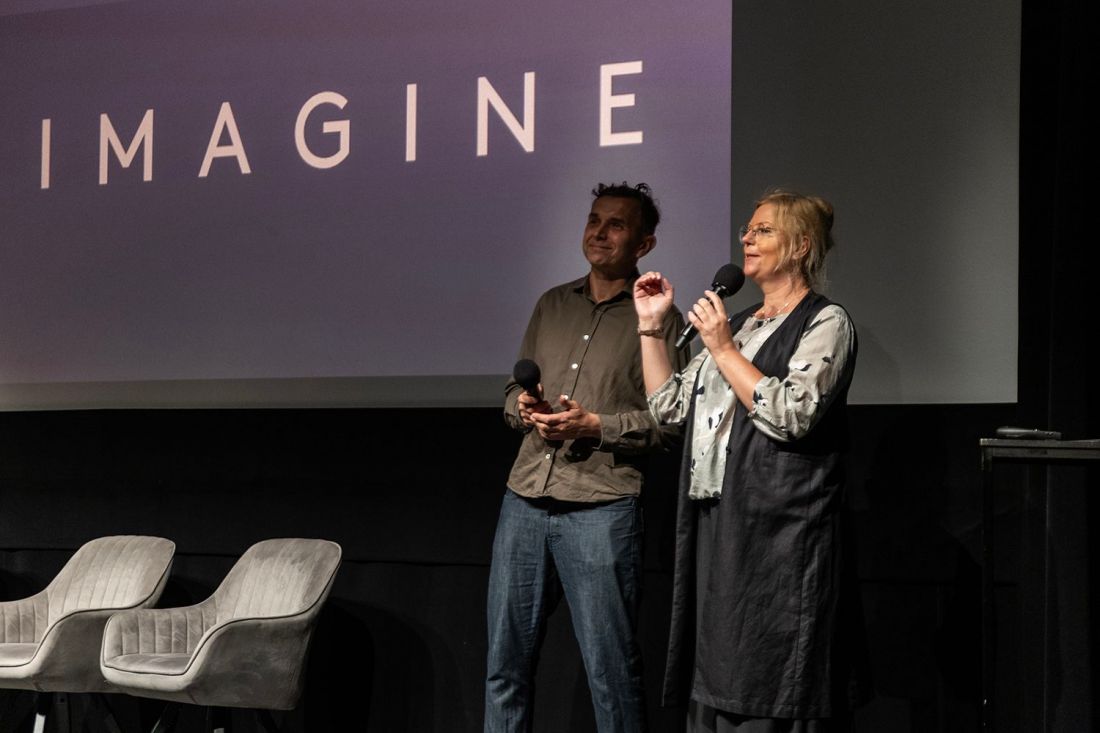
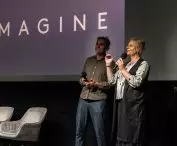
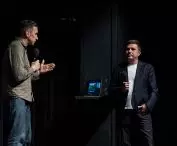
Dorota Sibińska and Jacek Debis during the 16th Architecture Weekend in Gdynia
Photo: Przemysław Kozłowski
A city built on dreams
The second block of lectures that day began with a sort of“ontology of real estate development,”in which Kuba Snopek described the grim reality of the Polish real estate market. In our country, real estate developments are primarily intended to be sold; they are not, however, treated as long-term financial assets. According to the urban planner, the blame for this state of affairs can be attributed to a lack of adequate promotion targeting investors representing so-called “patient” capital—who pursue long-term investments that develop over time, while offering complete living environments with all the services necessary for daily life. Such investments do exist in Poland, and in the Urban Land Institute report presented by Snopek, “destination” projects carried out within historic urban fabric are becoming a Polish showcase. The familiar brick of 19th- and early 20th-century industrial architecture works perfectly in such projects. Will we adapt postwar architecture with similar success? Kuba Snopek has his doubts about this.
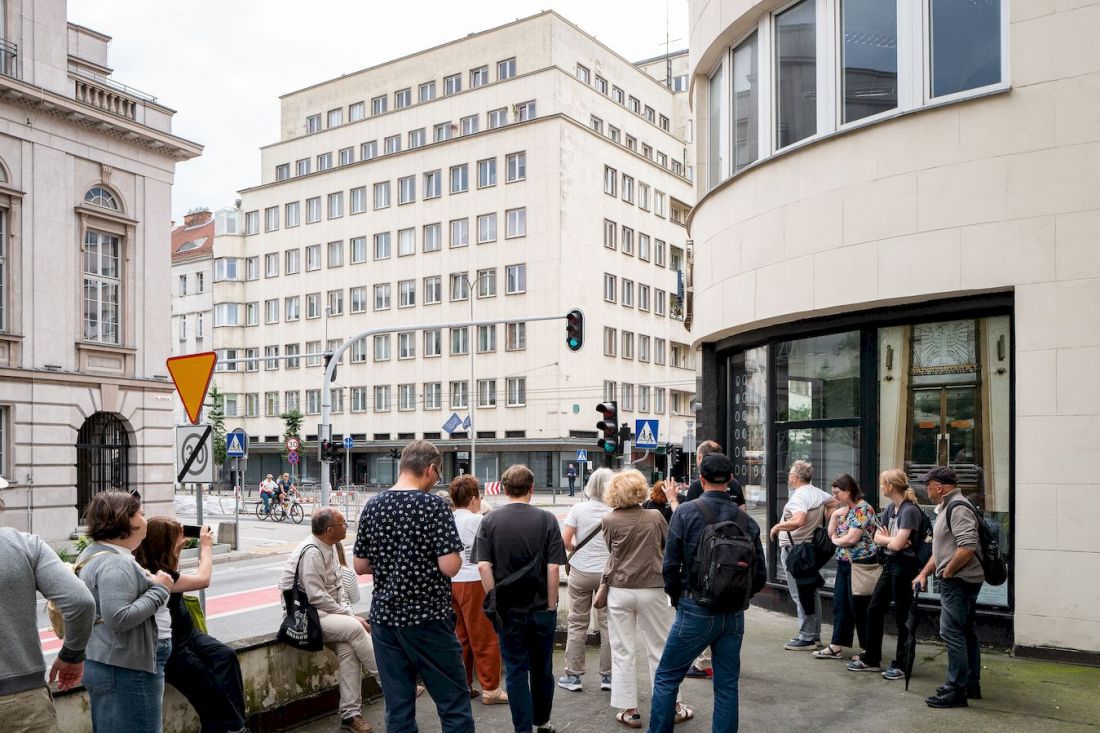
A Walk: Gdynia Under Construction—Visionaries, Builders, and Craftsmen of Gdynia Modernism
photo: M. Szura-Piwnik
Piotr Sawicki, however, seems to hold a different view. He is a non-building-oriented architect (as he describes himself) and co-founder of the SAWAWA studio, who spoke about the various scales of urban design. The largest of these was represented by the F.S.O. Park housing estate, built on the grounds—and partly within the walls—of the postwar Passenger Car Factory in Warsaw. It turns out, however, that to have an impact on a city, it’s not necessary to design entire housing estates. All it takes is to set the facade back slightly and make good use of the space right in front of it, as SAWAWA did in the building at 24 Brzeska Street in Warsaw, currently under construction near Mała PAST.
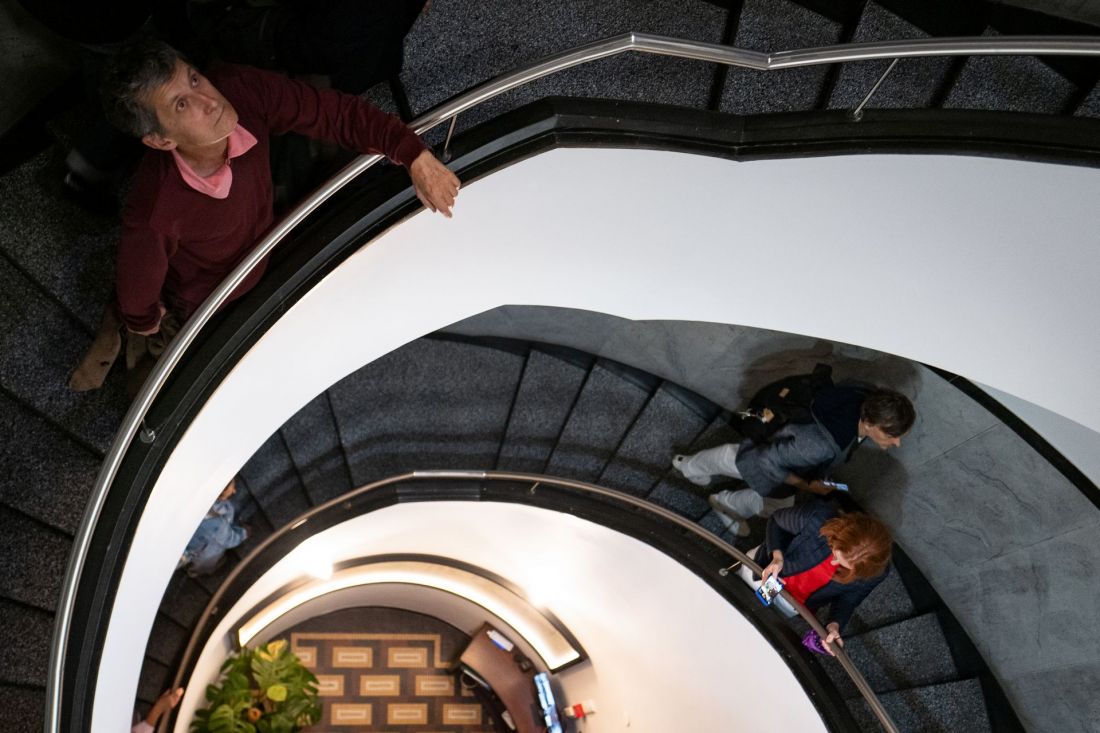
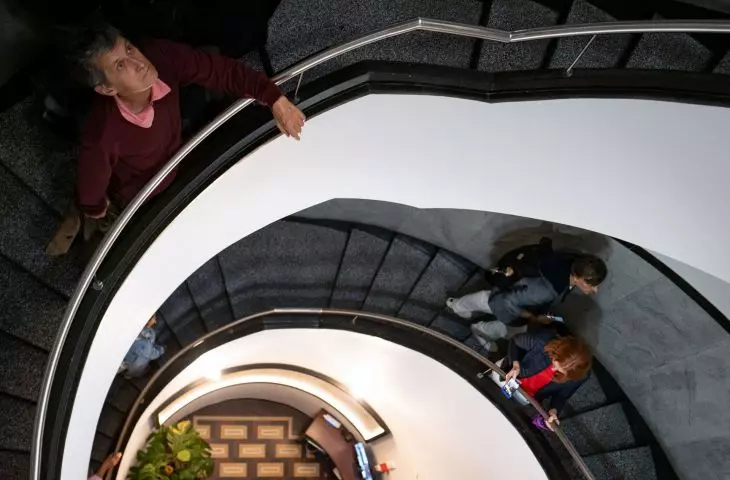
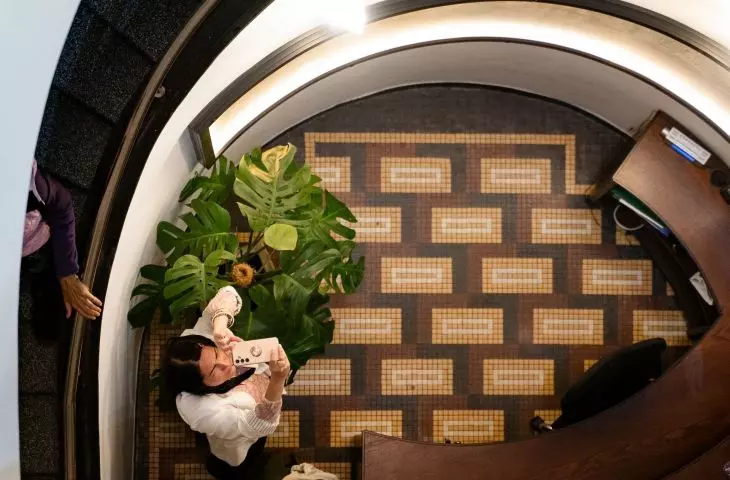
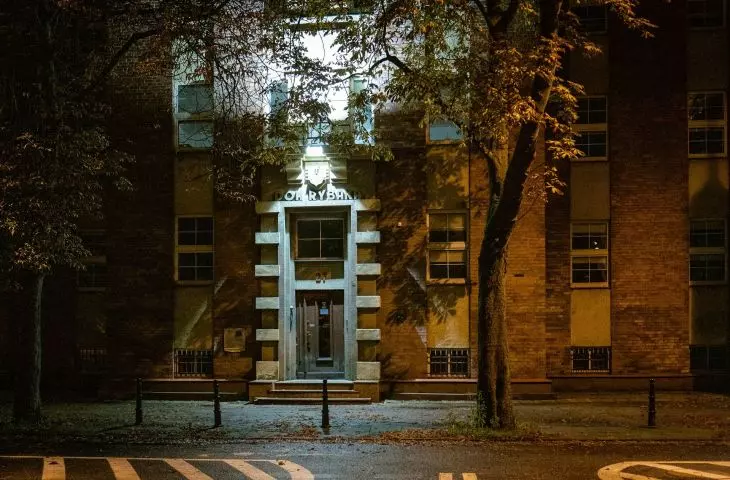
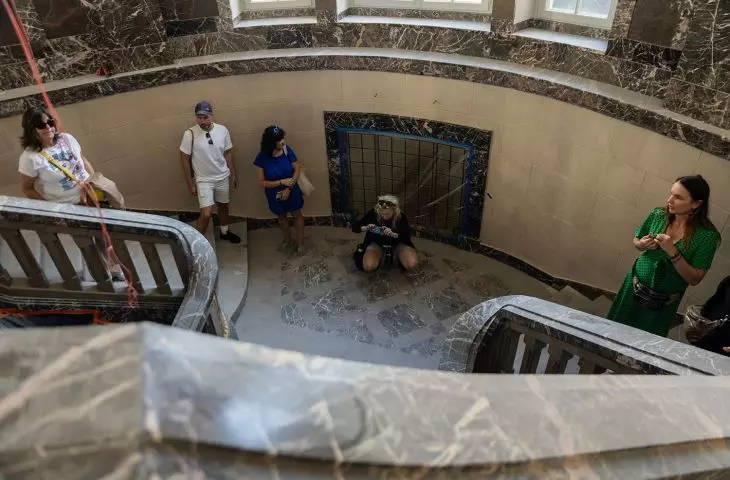
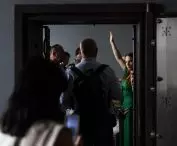
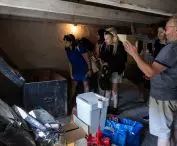
Modernism in the Glow of Stars and Streetlights / Imagine—From Concept to Completion, a Study Visit to the Renovated Bank Polski
photo: R. Konieczny
Monika Arczyńska, on the other hand, described herselfas a “pre-volumetric architect,” and she made it clear on stage that an architect’s imagination alone is not enough to design truly functional spaces. A properly conducted consultation process—such as the one practiced at A2P2 architecture & planning, which the architect co-leads with Łukasz Pancewicz—can serve as a support for the imagination. During the presentation, the spaces and buildings designed as a result of these consultations served as evidence for these theses; they would likely have taken on completely different forms without the involvement of their intended users.
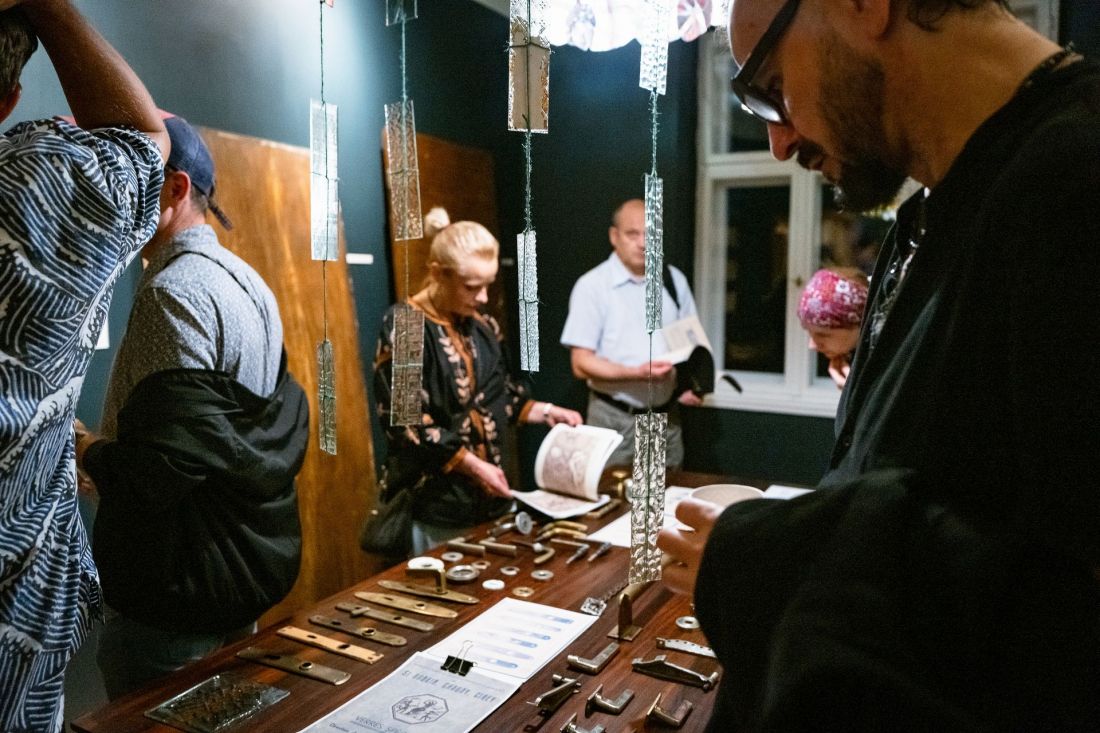
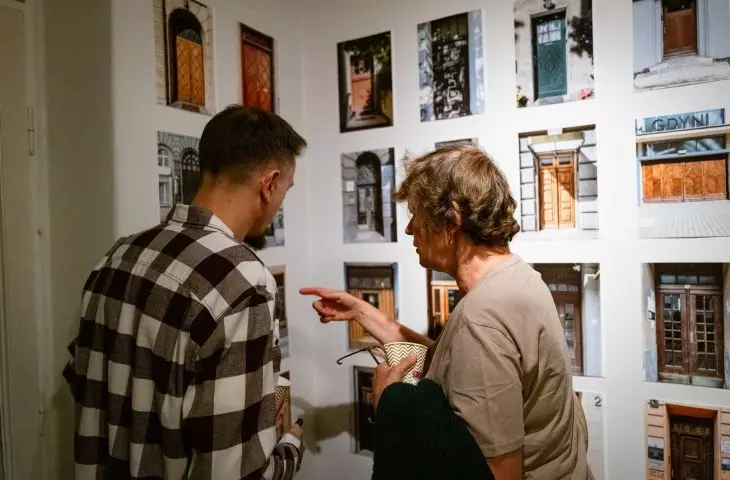
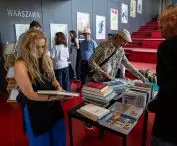
Opening of the exhibition “From Door to Door: Gdynia’s Historic Woodwork”
Photo: Radek
How do you create a city center that, just a few decades earlier, was a village? Zbigniew Maćków returned to a slightly more dreamlike narrative as he spoke about his hometown of Siechnice —a city built from the dreams of its residents and architects. His story touched on heavy industry, the dramatic consequences of the 1997 flood, and the frustrations associated with administrative procedures; yet—as it turns out— dreams and determination can become the building blocks capable of overcoming any adversity.
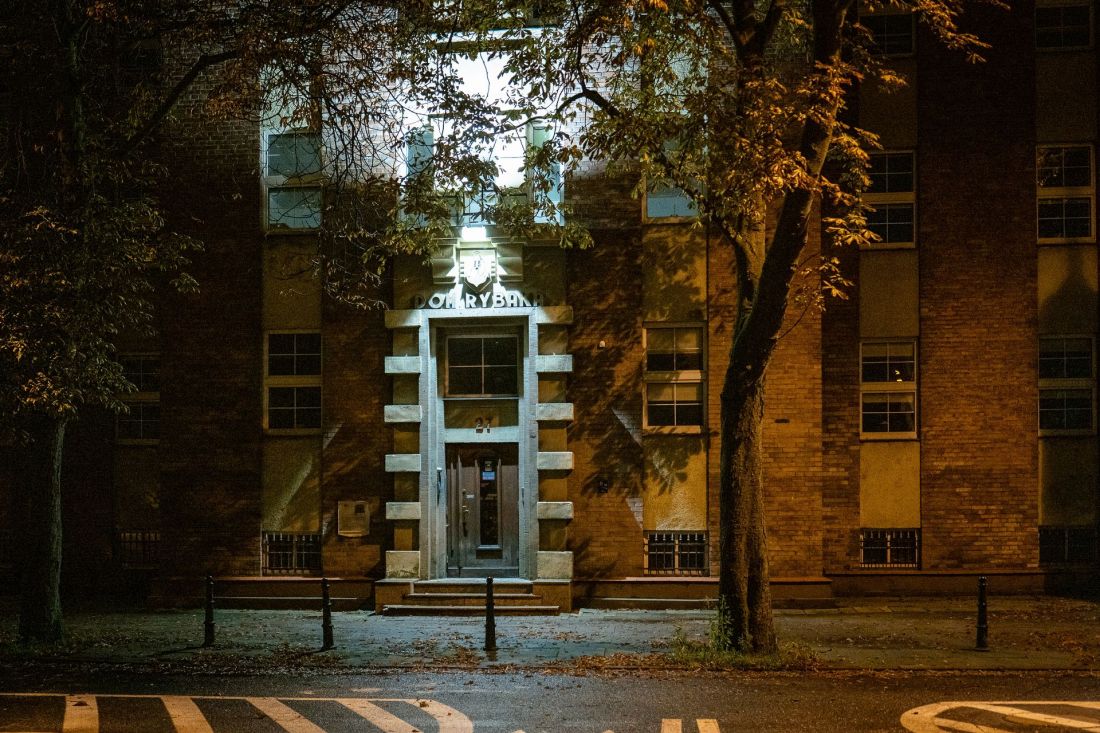
Night Walk: The Modernity of Gdynia’s City Center—From Modernism to the Present
Photo: M. Szura-Piwnik
The first day of the Archi-Lectures concluded with a series of questions from Prof. Mariusz Twardowski, posed to the speakers during the discussion. The atmosphere, brimming with positive emotions, was disrupted by a question from the audience about how contemporary urban planning prepares our cities for the dangers arising from the current multi-crisis. Professor Sławomir Gzell clearly emphasized that threats—especially those related to military actions—may far exceed the solutions offered by contemporary urban spaces, even the greenest and most pedestrian-friendly ones. Are our cities ready for conflict?
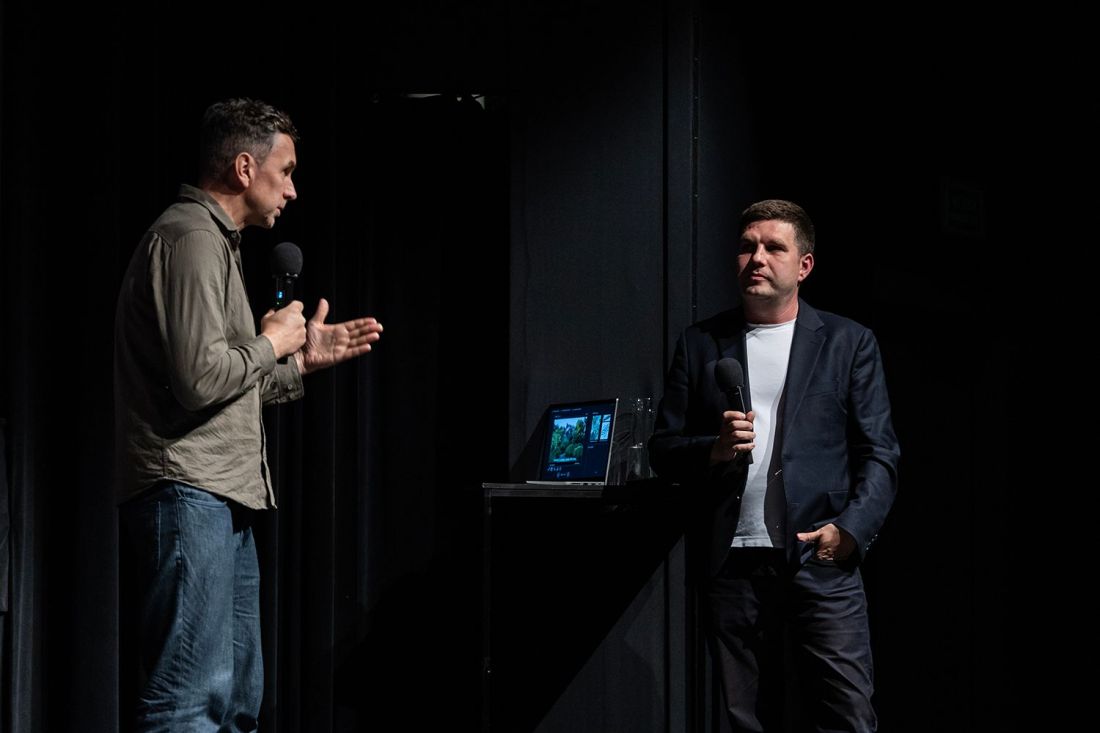
Maciej Zielonka, Vice Mayor of Gdynia, talks about Gdynia’s dreams
Photo: Przemysław Kozłowski
dream architecture
Optimism returned on the second day of the Archi-Lectures, which began with a presentation by Maciej Zielonka, Vice Mayor of Gdynia. Once again, the conversation turned to dreams, and although the topic of the day was supposed to be building architecture, the discussion was once more dominated by issues that went beyond the perspective of individual structures. Interestingly, one month after Gdynia’s modernist city center was inscribed on the UNESCO World Heritage List, the city’s vice mayor revealed that he doesn’t entirely see eye to eye with modernist urban planning—and especially with its… roads. Maciej Zielonka dreams of a pedestrian-friendly city and a green beltway, but also of public housing, the construction of which is part of Gdynia’s ambitions.
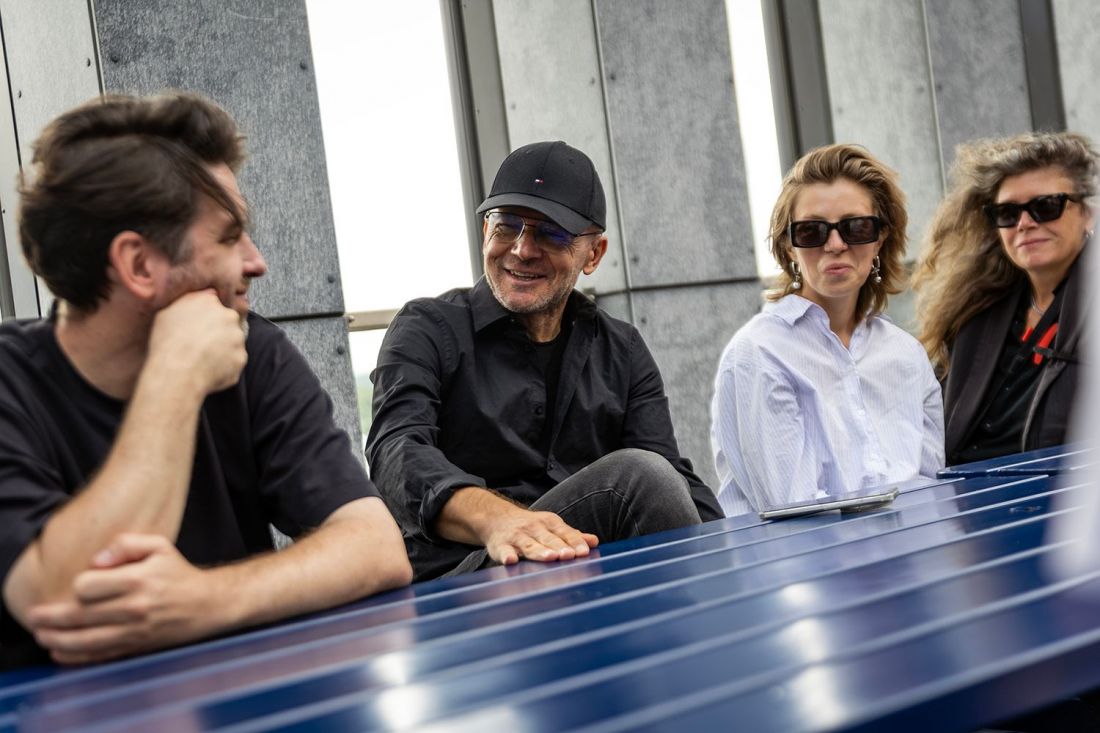
Archi-Stół: Imagined Cities – book, comic, art, film
Photo: Architecture Weekend in Gdynia
Equally positive was the presentation by Prof. Mariusz Twardowski, who spoke about the dreams of young architecture students. As it quickly became clear, the most important trait of the young generation of designers is empathy, expressed both in projects rooted in everyday life and in those offering responses to disasters, as in the case of works inspired by the war in Ukraine.
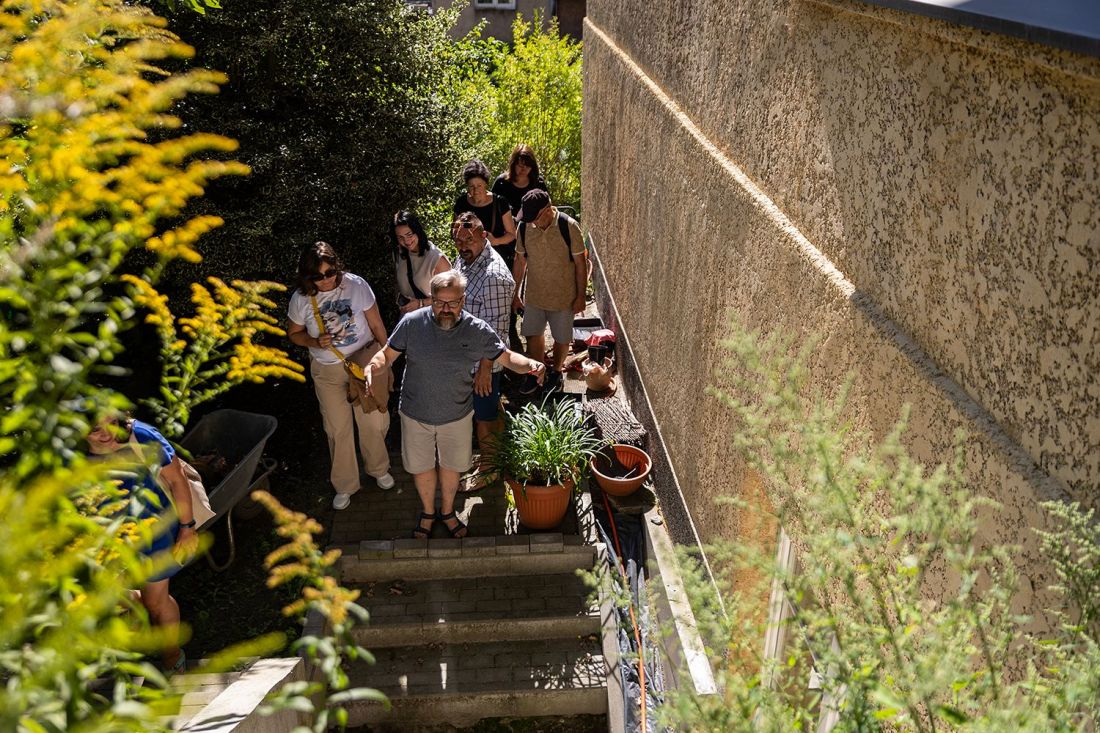
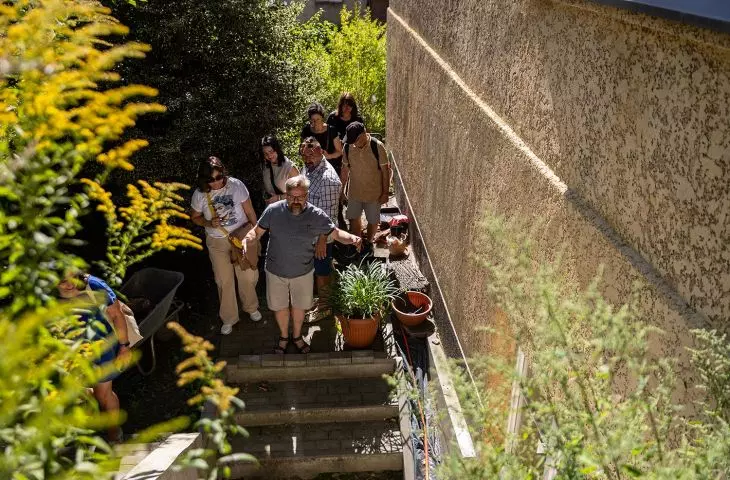
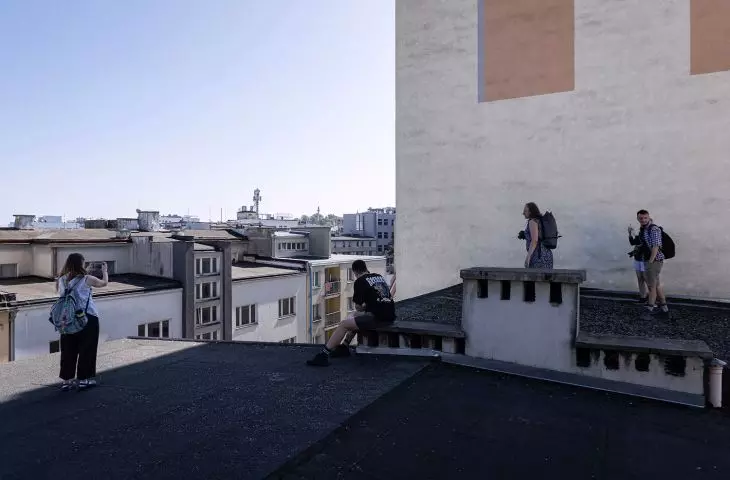
A photo walk during Architecture Weekend in Gdynia
Photo: Architecture Weekend in Gdynia
A presentation by Paweł Paradowski (ZOA Architekci), who spoke about the behind-the-scenes process of designing a school in the Ethiopian region of Tigray, also took participants of the 16th Architecture Weekend in Gdynia beyond Poland’s borders. As it turns out, the entire process was by no means met with approval from local architects, who—instead of the neo-vernacular architecture in the spirit of Hidmo construction proposed by ZOA— would have preferred a simple, functionalist building with a distinctly European heritage. Can a European architect force his African colleagues to abandon specific design solutions, even if doing so means rejecting their own heritage?
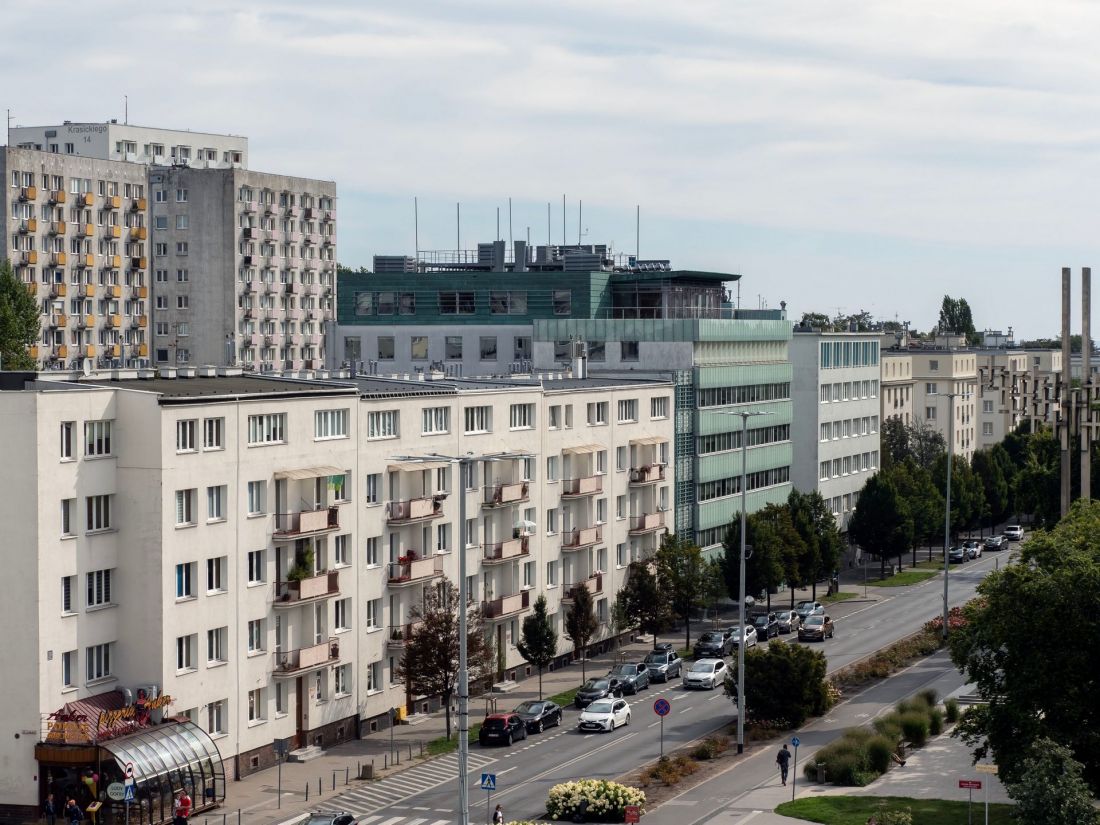
The 16th Architecture Weekend in Gdynia
Outside of Poland, though still within Europe, projects by Professor Iwona Buczkowska—arguably the biggest star of this year’s Architecture Weekend—were taking shape. The designer has captivated audiences with the housing developments she has designed in France, whose unconventional structures exemplify the Polish architect’s unparalleled spatial imagination. Housing estates such as Les Blanc-Mesnil and Cité Les Longs Sillons demonstrate that even an unfavorable location or unusual client requirements cannot withstand the power of imagination, resulting in architecture of the highest quality.
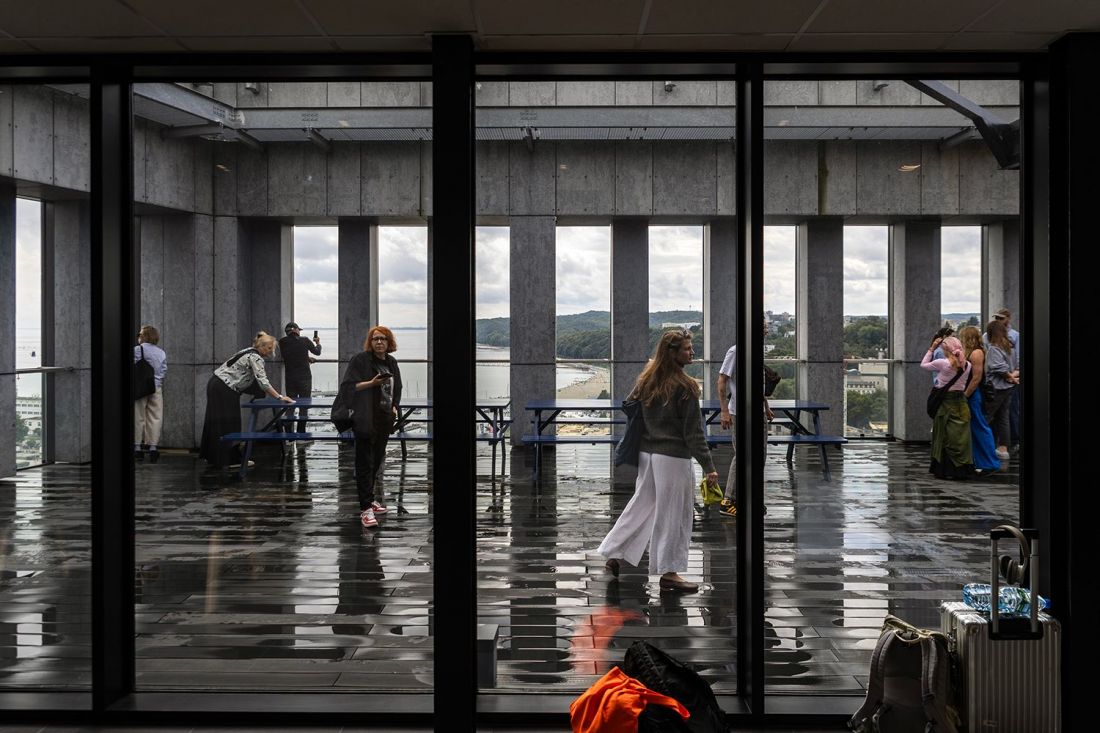
Archi-Stół: Imagined Cities—book, comic, art, feature film
Photo: Architecture Weekend in Gdynia
The presentations by Piotr Marciniak and Kazimierz Łatak brought the dream back to life. The first speaker recounted the extraordinary story of the modernization of the House of Books in Poznań, while the latter discussed the battle against the elements—specifically water—as well as investment inertia and the challenges posed by preservationists and civic organizations, a struggle the Lewicki Łatak studio is waging as it dedicates itself to designing footbridges. The Archi-Lectures that day concluded with a presentation by Robert Konieczny, whose dream— a green plaza above the “Przełomy” Dialogue Center in Szczecin —became a reality thanks to good ideas, persistence, and a little bit of ingenuity. Will Katowice’s Culture Zone become just as green?
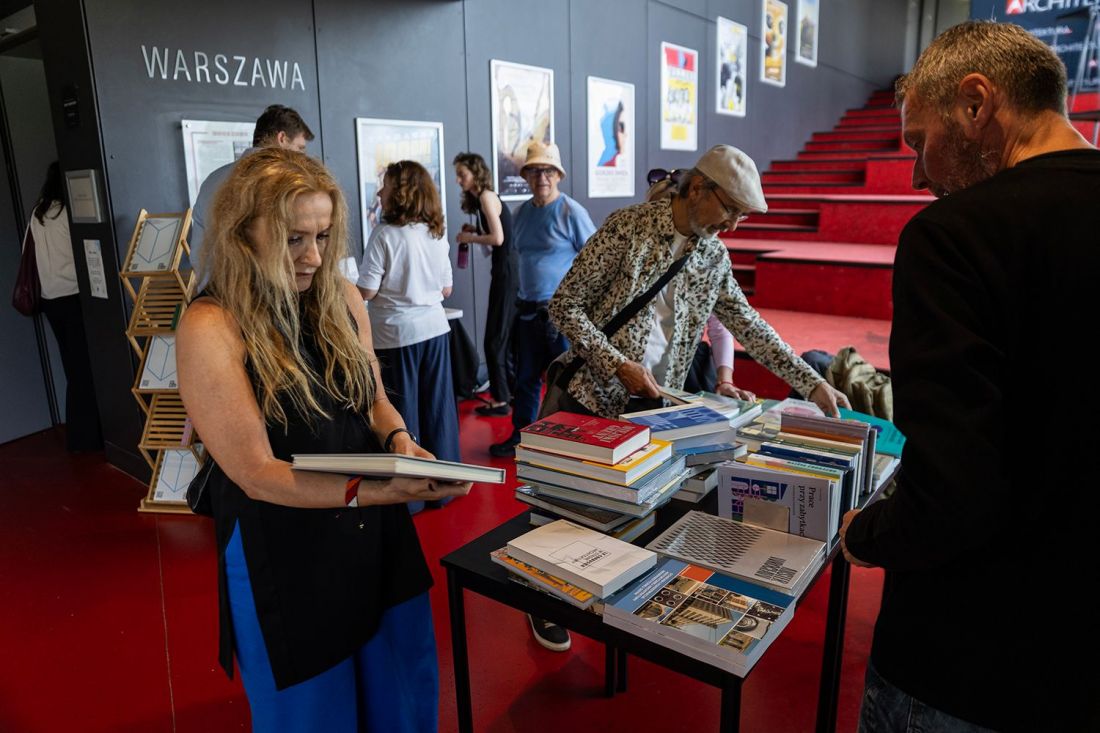
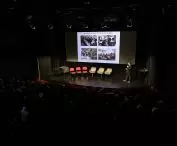
16th Architecture Weekend in Gdynia
Photo: Architecture Weekend in Gdynia
The Best Gift for a Centennial
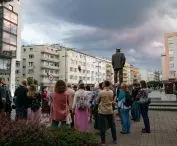
There’s no denying that the theme running—both explicitly and more subtly—through the entire Architecture Weekend was the inscription of Gdynia’s modernist center on the UNESCO World Heritage List. This topic was the focus not only of the third day of the Archi-lectures and Archi-discussions, during which, among other things, Polish modernist routes and centers (in Kraków, Łódź, and Pomerania) were presented, as well as the work of Gdynia architects — such as Maksymilian Zuske and Zbigniew Kupiec. Most of the accompanying events also revolved around modernism, starting with the opening walk, during which Prof. Maria Jolanta Sołtysik outlined the path Gdynia took to become one of the most important examples of the world’s modernist heritage, while Robert Chrzanowski demonstrated how the principles of 20th-century architecture function in Gdynia’s downtown area.
Walk: Gdynia Under Construction – Visionaries, Builders, and Craftsmen of Gdynia Modernism
Photo: M. Szura-Piwnik
Just as in the previous edition, the most important feature of this year’s Architecture Weekend in Gdynia was the atmosphere, brimming with the architectural passion of its participants—not only those involved in design. I myself inadvertently “overheard” a conversation between two people who—as they claimed—had nothing to do with architecture, at least professionally. Yet they come to Gdynia every year at the end of August because “it’s good to listen” and “you can learn a lot.” This only goes to show, once again, that the discussion about the city, its architecture, and its public spaces is worth months of effort and whatever resources are required. And since this year’s Weekend began with imagination and dreams, it’s hard not to end it with them—those that have already come true, those that are just beginning to take shape, and those that may remain mere visions for a long time to come. What will we be dreaming about in Gdynia next year?