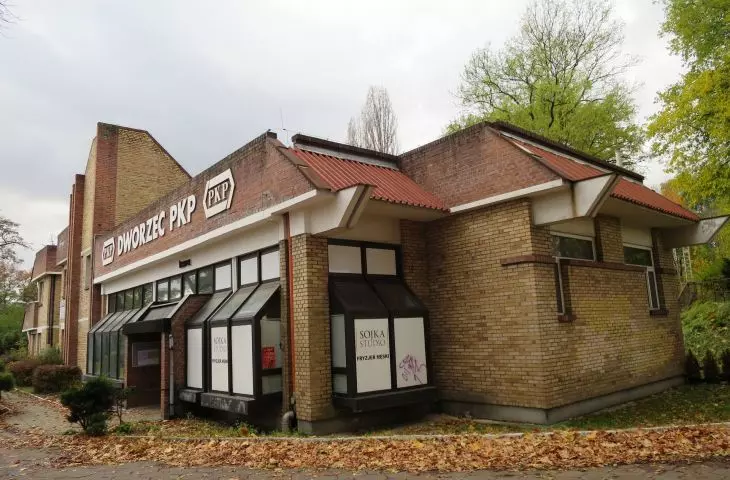







The Mikołów Railway Station has been added to the register of historic monuments! This landmark decision by Anna Ostrowska, the Silesian Provincial Conservator of Historic Monuments, sets an important precedent for the preservation of postmodern architecture. Why does the Mikołów station deserve to be designated a historic monument?
In mid-May 2026, we reported on PKP’s plans to demolish the postmodern train station in Mikołów. The building, designed by Jerzy Bierwiaczonek, was completed in 1993, and its opening was noted favorably in the local press. No wonder—after all, the new station blended perfectly into Mikołów’s urban landscape, drawing inspiration from both the historic architecture of the workers’ housing estates and the Osiedle nad Jamnem housing estate, designed by Stanisław Niemczyk and built a decade earlier. Despite the residents’ fondness for it, however, the station began to slowly fall into disrepair, prompting the city to ask PKP to renovate it. The railway company responded with a plan to demolish the thirty-year-old, postmodern building and replace it with a new station designed by the An Archi Group studio. Fortunately, the story of the Mikołów station does not end there.
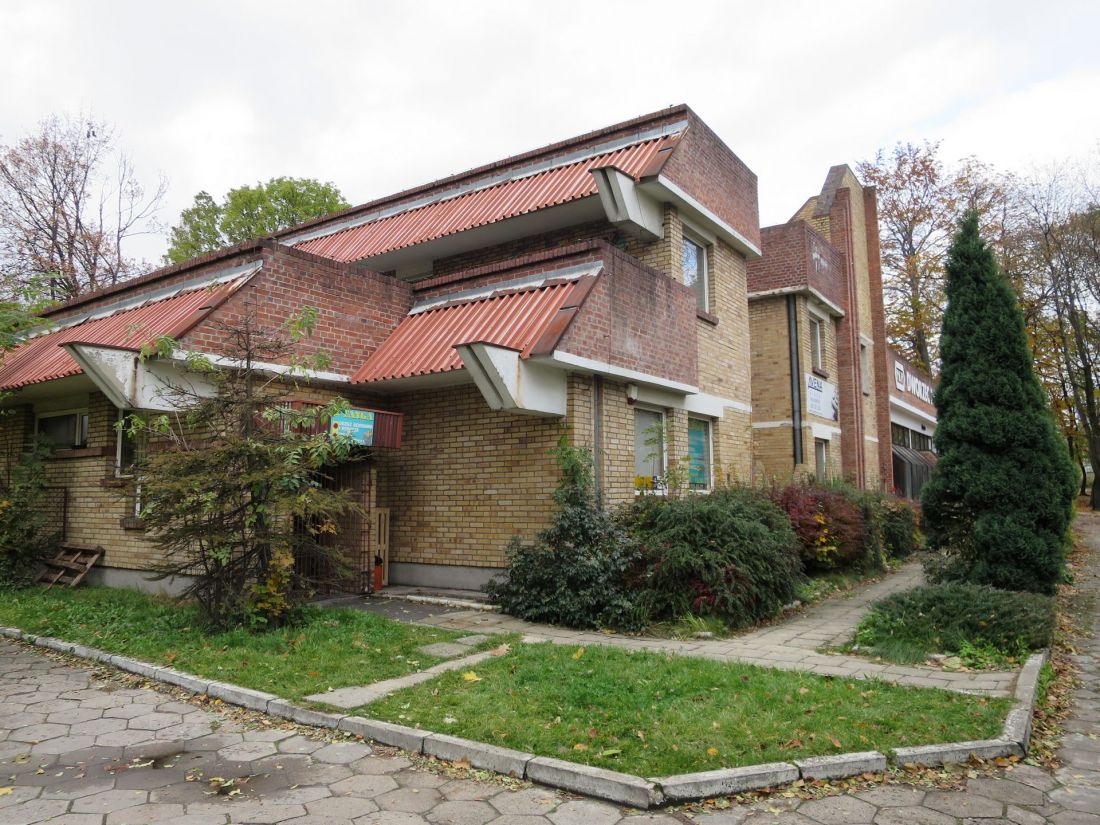
The Mikołów train station has been added to the register of historic monuments
photo: Travelarz © CC BY-SA 3.0 | Wikimedia Commons, design: Jerzy Bierwiaczonek
PKP’s plans faced widespread opposition from both Mikołów residents, who are fond of the brick station, as well as activists, including the Association for the Preservation of Postwar Architecture, which submitted a request to the Silesian Provincial Office for the Protection of Monuments (WUOZ) to place the PKP station in Mikołów under protection. Today we know that the response from Anna Ostrowska, the Silesian Provincial Conservator of Historic Monuments, has been positive— the PKP station in Mikołów has been designated a historic monument!
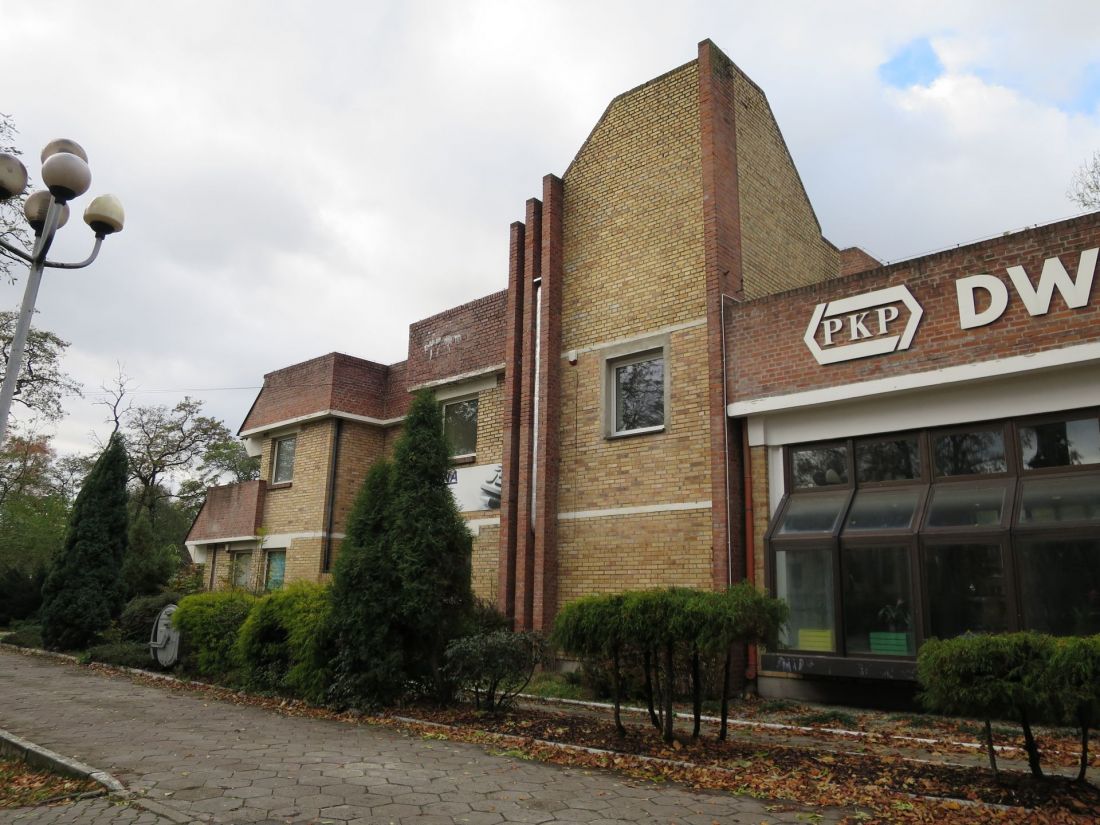
Anna Ostrowska, the Silesian Provincial Conservator of Historic Monuments, recognized the station in Mikołów as an innovative, unique, and one-of-a-kind work
Photo: Travelarz © CC BY-SA 3.0 | Wikimedia Commons, design: Jerzy Bierwiaczonek
The train station in Mikołów has been designated a historic monument!
The Association for the Preservation of Postwar Architecture, which was a party to the proceedings, announced the decision of the Silesian Provincial Conservator of Historic Monuments on social media. In her comprehensive justification , Anna Ostrowska emphasizes that the PKP train station in Mikołów is an “innovative, unique, and one-of-a-kind” work that defines the architectural landscape of downtown Mikołów.
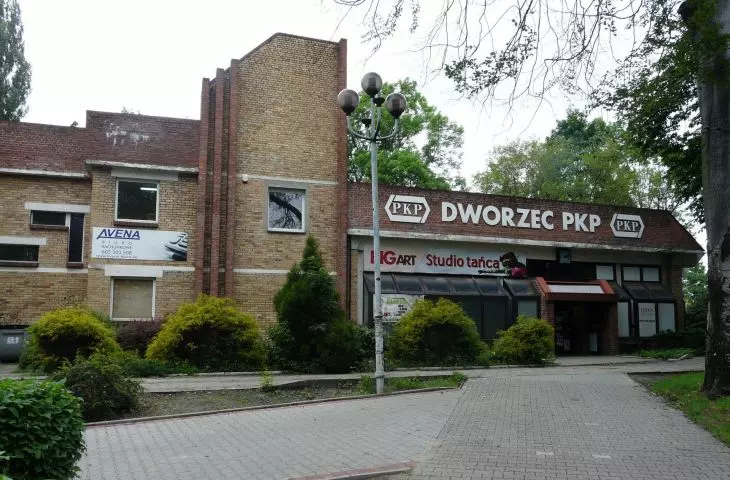
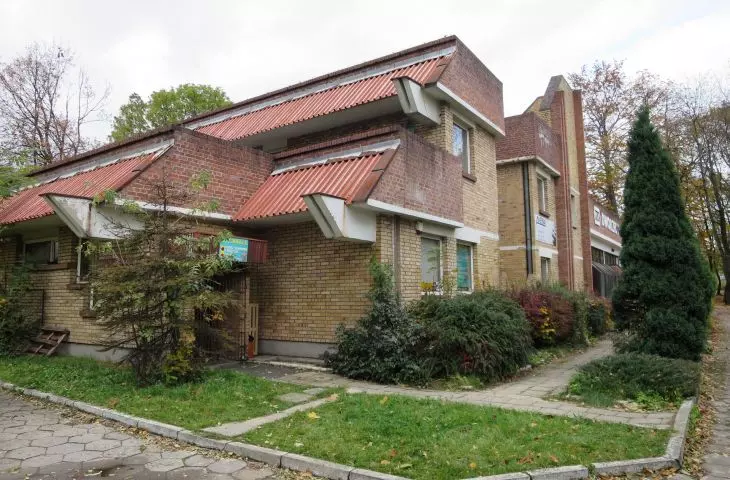
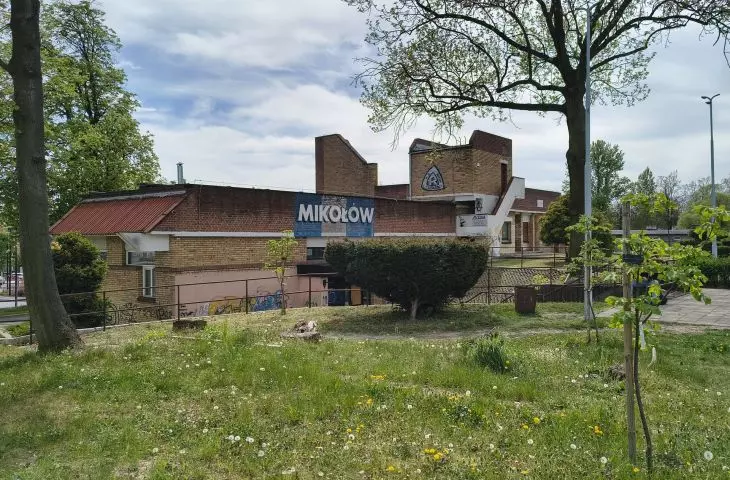
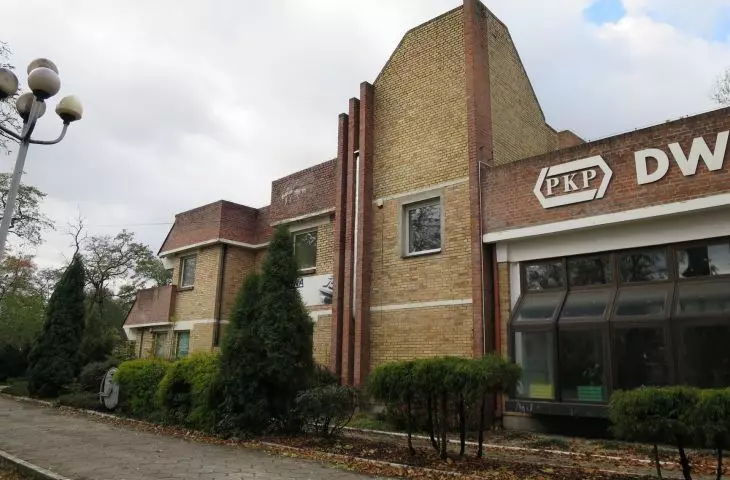
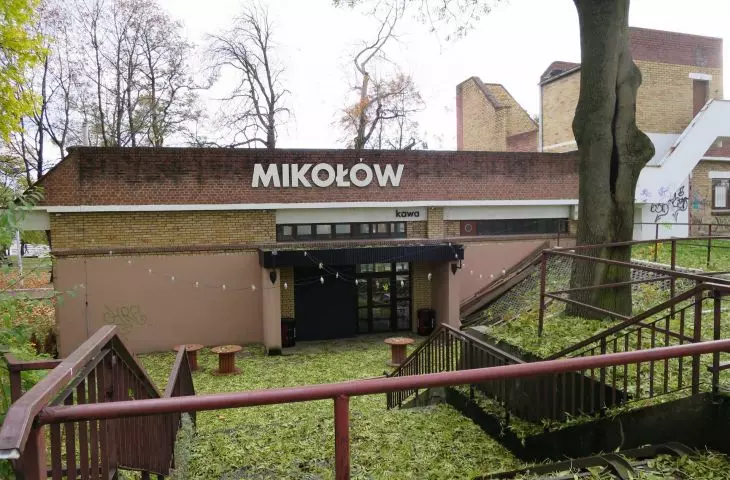
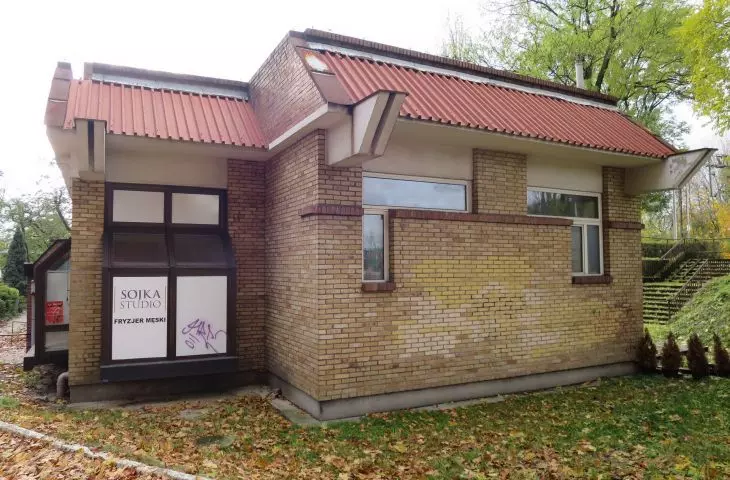
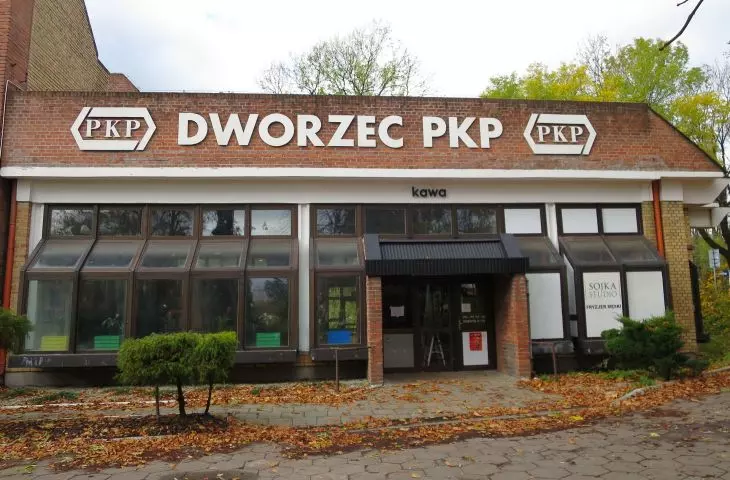
The artistic value of the station building in question stems from its originality, which reflects tendencies drawing inspiration from both local historical architecture and the architectural trends prevalent at the time. This postmodern structure, with its asymmetrical, fragmented form and geometric motifs, features unplastered brick facades, evoking the architecture of Upper Silesian workers’ housing estates from the second half of the 19th century and the first half of the 20th century. Two brick colors were used: red, which dominates the attic sections, and a sand color on the facade and side walls. The horizontal divisions of the facade were rendered, clearly marking the locations of the floor-to-floor slabs. Thanks to these measures, a contrasting compositional effect was achieved in the articulation of the building’s walls, and vertical bands were highlighted, emphasizing the center of the front facade and imitating a “central tower.”
— as stated in the justification provided by the Association for the Preservation of Postwar Architecture.
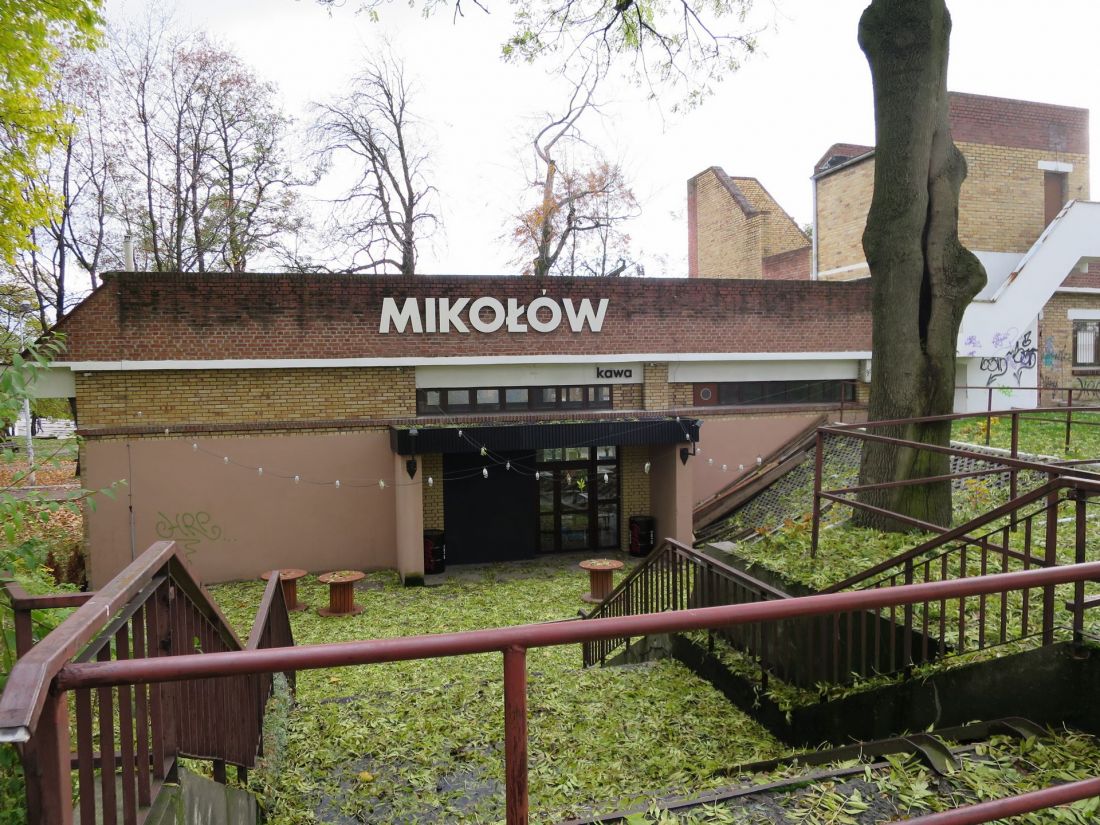
The Mikołów train station opened in 1993, following the completion of construction based on a design by Jerzy Bierwiaczonek
photo: Travelarz © CC BY-SA 3.0 | Wikimedia Commons, design: Jerzy Bierwiaczonek
As the Silesian Provincial Conservator of Monuments emphasizes, the preservation of the Mikołów train station may also contribute to the development of research on postwar architecture in Poland:
[...] the station building at 3 Kolejowa Street in Mikołów is a distinctive and representative example of a public building, constructed as part of the Polish postmodernist architectural movement. It is also one of the few public buildings constructed at the turn of the 1980s and 1990s—that is, during a difficult period of political transformation in the country. The Mikołów train station building belongs to a small group of structures representing the “contextual movement”—that is, a trend within postmodernism characterized by drawing inspiration from local architecture and sensitivity to the values of the local landscape. The Mikołów train station is therefore an important source for research on the development of railway architecture toward the end of the Polish People’s Republic. The building’s form itself, its functional and spatial divisions, and its design—which reflect the fundamental principles of railway buildings, incorporating all the facilities necessary for managing rail traffic—also hold scientific value. The building also contributes to research on construction and the impact of the railroad on the development of Mikołów.
— as stated in the justification for the entry of the PKP Station in Mikołów into the register of historic monuments.
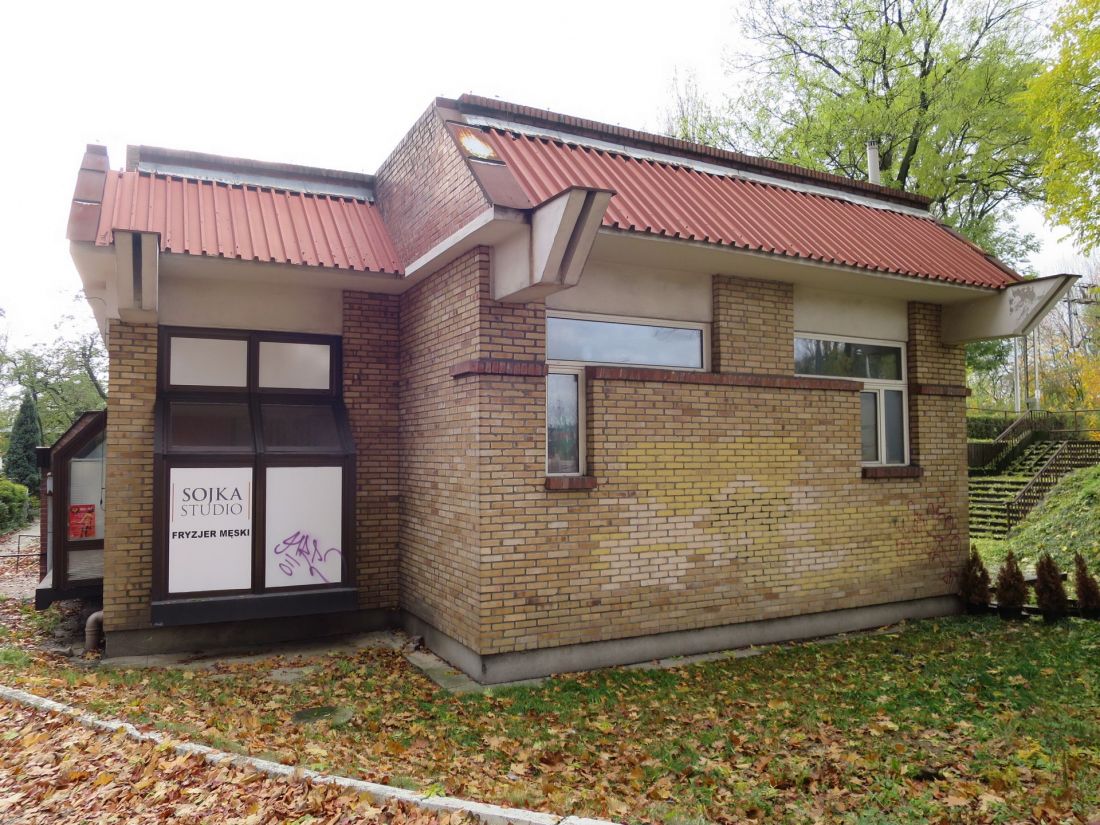
If the entry in the register of historic monuments is upheld, PKP will have to prepare a new modernization plan for the Mikołów station
Photo: Travelarz © CC BY-SA 3.0 | Wikimedia Commons, design: Jerzy Bierwiaczonek
What’s next for the renovation of the Mikołów train station?
As stated in the justification, the postmodern Mikołów train station can successfully be restored to its former glory. The Silesian Provincial Conservator of Historic Monuments maintains that “its current state of preservation allows for renovation and conservation work that will preserve its authentic historic character.” Of course, today’s accessibility standards are completely different from those of the 1980s and 1990s, when the Mikołów station was built — if PKP intends (and should) to adapt the building to the needs of people with disabilities, the modernization project will have to be coordinated with the preservation authorities.
So what will happen next with the PKP station in Mikołów? The railways can still appeal the conservator’s decision (which will likely happen, since the renovation plan is already complete), and if the conservator upholds the listing, the case may end up in administrative court.
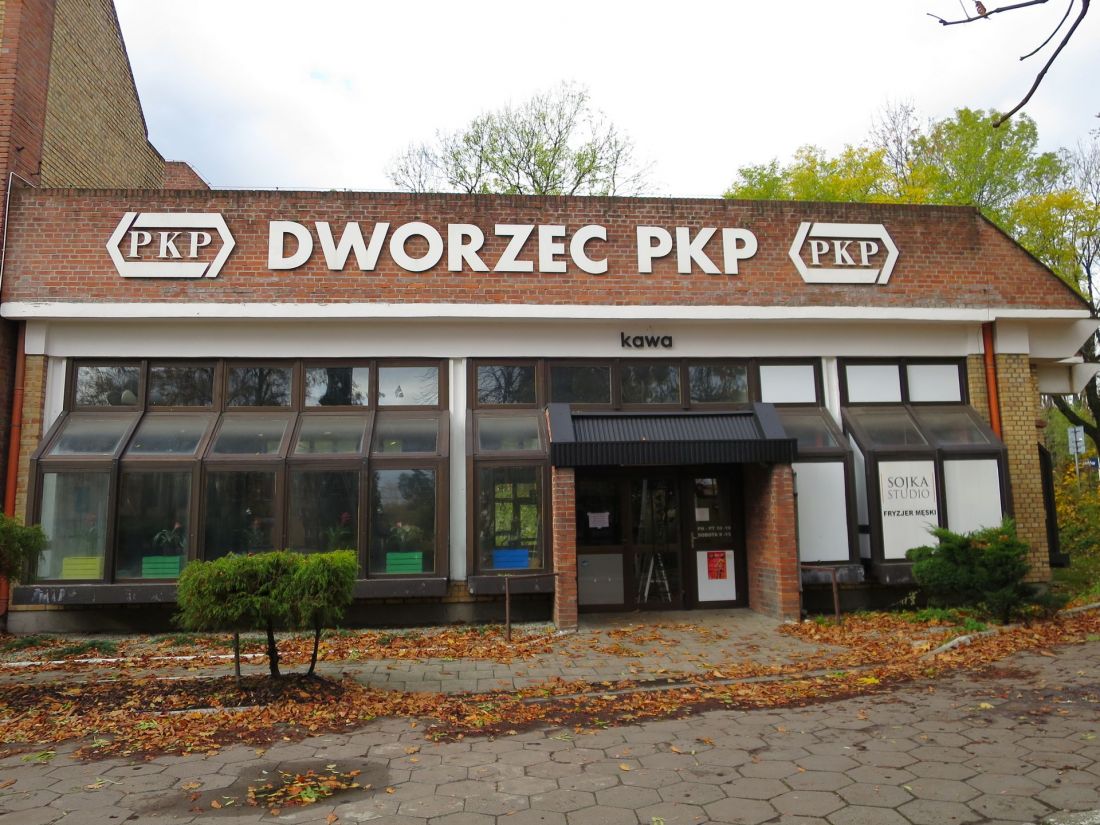
The listing of the Mikołów train station on the register of historic monuments is a landmark precedent in the protection of postmodern architecture
photo: Travelarz © CC BY-SA 3.0 | Wikimedia Commons, design: Jerzy Bierwiaczonek
A breakthrough in the protection of postmodern architecture
“This is a great day in the history of the defense of Polish postmodernism, because a breakthrough has taken place right before our eyes! ” writes the Association for the Protection of Postwar Architecture on social media—the organization responsible for securing protection for the Mikołów station. There is no exaggeration in these words. When Votum Aleksa in Tarnów was placed under the conservator’s protection in December 2022, the building designed by Marta and Lech Rowiński became Poland’s youngest historic monument, at just 11 years old at the time. The wooden chapel was removed from the register just as quickly as it had been added— in April 2024, after the listing was revoked, Votum Aleksa was demolished (although it is currently enjoying a second lease on life). Thus, one of the youngest Polish historic monuments remains the Orthodox Church of the Nativity of the Most Holy Mother of God in Biały Bór, an interdisciplinary work designed by Jerzy Nowosielski and Bogdan Kotarba and completed in 1997.
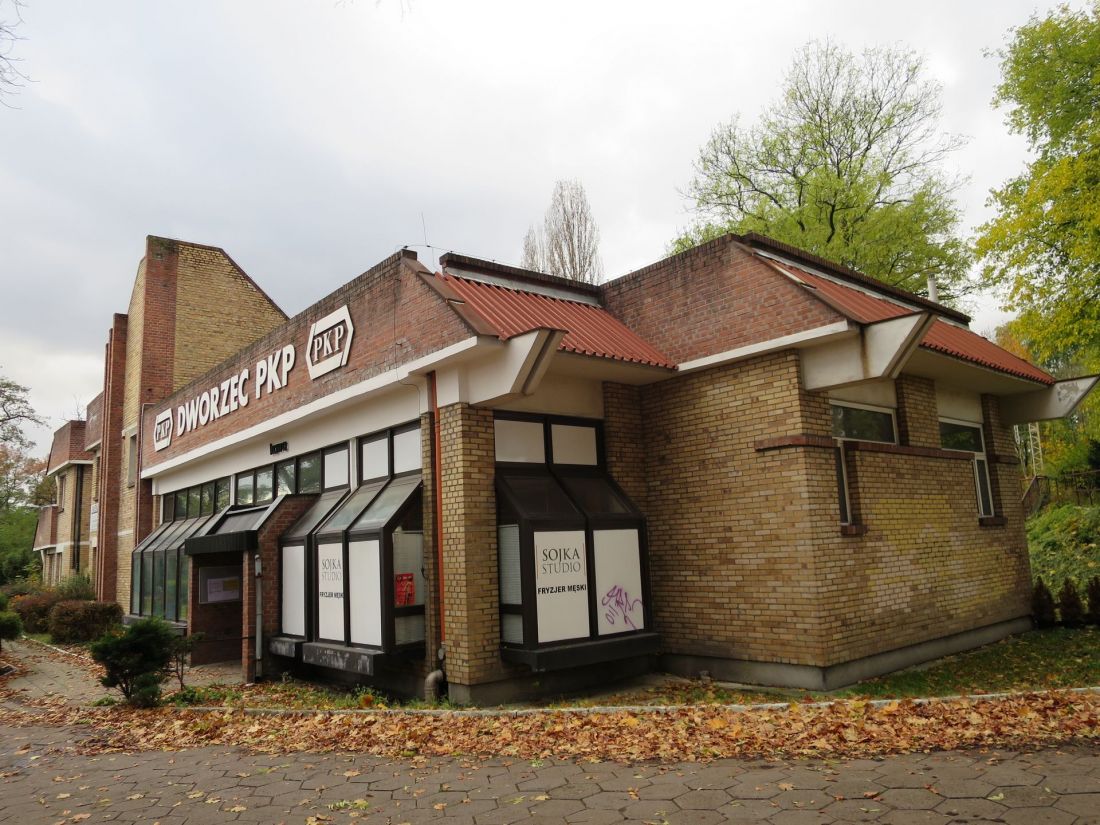
The train station in Mikołów has been added to the register of historic monuments
photo: Travelarz © CC BY-SA 3.0 | Wikimedia Commons, design: Jerzy Bierwiaczonek
The preservation of postmodern architecture in our country is still in its infancy. In Polish architecture , postmodernism constitutes a well-defined, distinct stylistic era and, at the same time, an important testament to the era of transformation, representing a substantial body of buildings. However, this stock is dwindling with each passing year, and among the numerous buildings being demolished are some characterized by a unique history or a high level of architectural quality. Why are we so reluctant to recognize specific examples of postmodern architecture as historic monuments?
Postmodern architecture currently constitutes a group at risk, as we find it difficult to appreciate for purely aesthetic reasons. Subjective judgments are decisive in this case. For many people, postmodernism is tasteless architecture and a relic of the transition period that should not be protected. But it is also a field that is too young—having emerged in our lifetime—to be considered heritage. [...] I am convinced that soon we will no longer be wondering whether postmodern architecture is worth preserving. It will be obvious, just as the value of Art Nouveau and Socialist Realism is obvious today. And yet these are examples of styles that were often not accepted by subsequent generations.
— said Michał Krasucki, acting Director of the National Heritage Institute, in an interview with A&B.
Perhaps the acceptance of postmodernism’s preservation, as mentioned by Michał Krasucki, is indeed becoming a reality? If so, the decision to list the PKP train station in Mikołów on the register of historic monuments is one of the most important pieces of evidence of this.