




We talk with Professor Ewa Kuryłowicz about a time when access to knowledge about world architecture was much more difficult than it is today, the early days of thinking about building accessibility for people with disabilities in Poland, and why architectural education is necessary for society as a whole, not just for architects.
Prof. Ewa Kuryłowicz
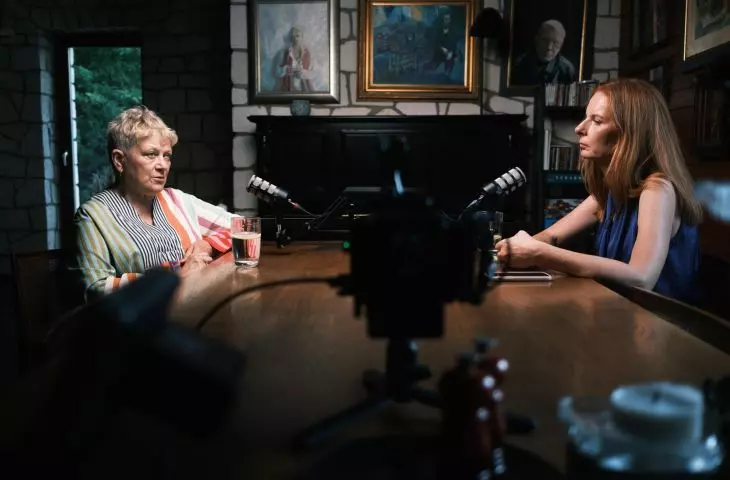
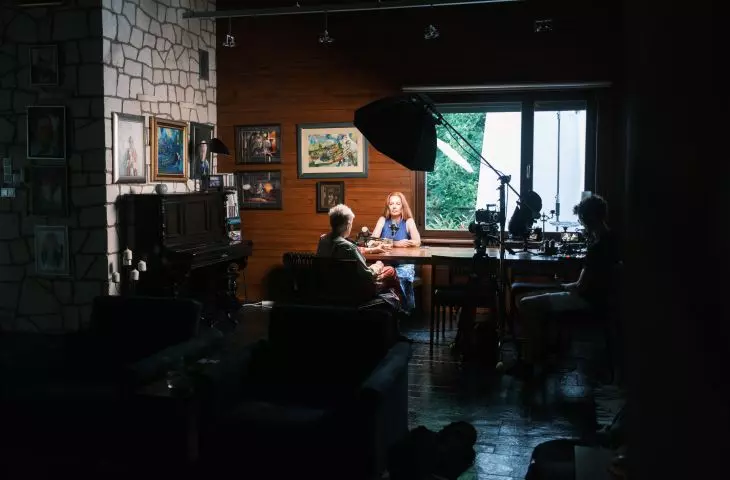
The professor invited us to her home in Kazimierz Dolny. The house has become one of the most distinctive landmarks in Kazimierz Dolny, and its design was largely created by the owner herself. It is here, in a space associated with family, relaxation, and work, that our conversation begins about the origins of architectural sensibility and the need to explore the world.
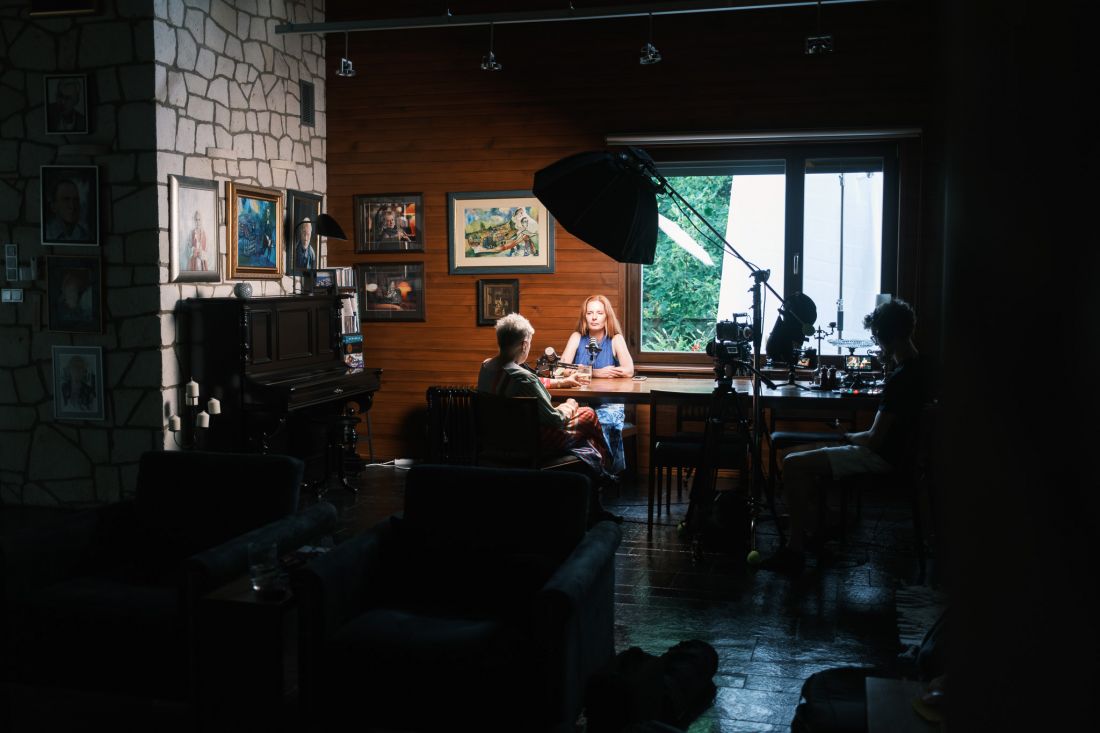
A conversation between Agnieszka Kalinowska-Sołtys and Prof. Ewa Kuryłowicz
Photo: Bartosz Kozłowski
Prof. Ewa Kuryłowicz has been combining these two perspectives for years. She is an architect, professor, co-founder of Kuryłowicz & Associates, and its lead designer since 1990. From 2011 to 2022, she served as chief designer and vice president of the Kuryłowicz + Architekci studio, and currently serves as its authorized signatory. She is also the chair of the Board of the Stefan Kuryłowicz Foundation, which since 2011 has supported the most talented young architects in Poland through competitions, lectures, and scholarship programs.
The Quest for Knowledge About World Architecture During the Polish People’s Republic
When Ewa Kuryłowicz was studying at the Faculty of Architecture at the Warsaw University of Technology, access to knowledge looked completely different than it does today. There was no internet. Traveling and trips abroad involved complicated and time-consuming procedures. Knowledge of what architecture looked like outside Poland therefore often came from books, black-and-white photo albums sent by relatives from abroad, and stories from people who had managed to leave the country. Above all, one had to yearn for world architecture and imagine it for oneself.
From dreams. Mainly from dreams, because we were, in fact, cut off from the world. As it turned out later, when that world opened up, it wasn’t quite as wonderful as one might have imagined, but the hunger for knowledge about what it was really like out there was very strong—though not that dramatic; there was always someone who had gone to Paris and brought back a copy of a book on French architecture
— replies Ewa Kuryłowicz when asked where knowledge about architecture used to come from.
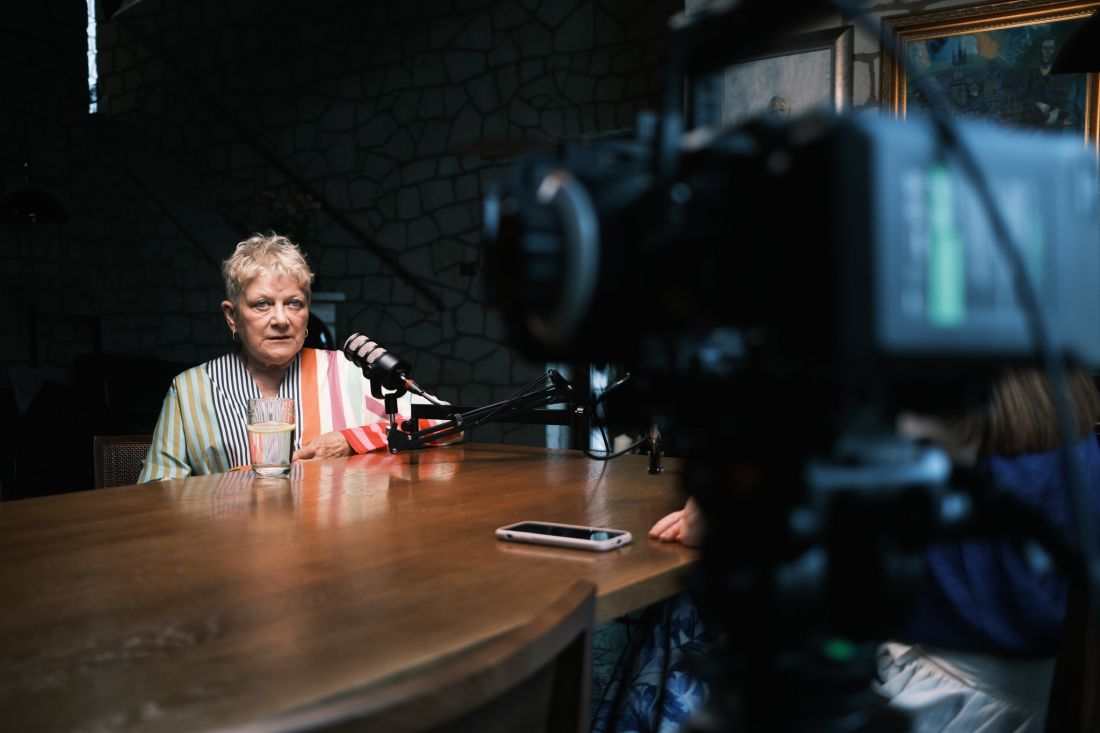
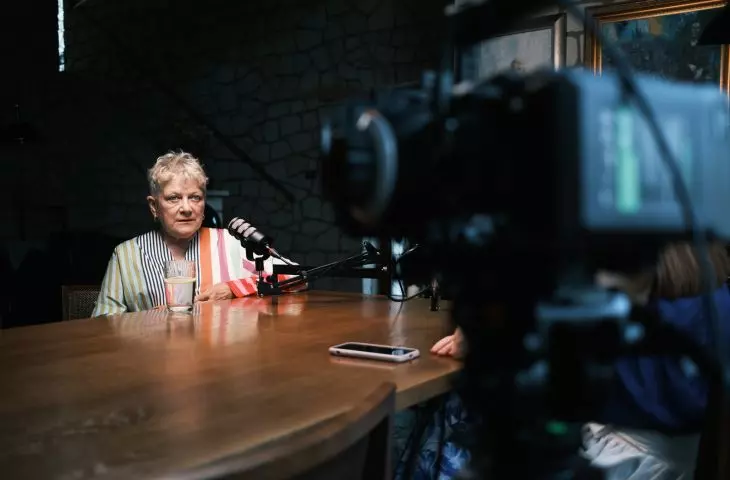
A conversation between Agnieszka Kalinowska-Sołtys and Prof. Ewa Kuryłowicz
Photo: Bartosz Kozłowski
So knowledge emerged gradually. A foreign-language book would pass from hand to hand, individual pieces of information would supplement earlier notions, and the world was discovered in fragments, slowly. The United States, Paris, and England became points of reference for young people who wanted to see what architecture looked like beyond Poland’s borders.
“In my second year of college, I went to England to work, and of course I managed to bring back some books and broaden my perspective,”
,” she admits .
A particularly memorable event was the student exchange that took place in 1975 between Warsaw and Detroit, Michigan. For the ten selected participants from Poland, it was a unique opportunity to see a world that, until then, had been known primarily through stories and publications. For young Polish students, it was a stark contrast. From the dark and gray Polish cities, they found themselves in vast, brightly lit metropolises and the world of business. This exchange was more than just a trip. It was an opportunity to see architecture from a completely different perspective and to compare their own ideas with reality.
I participated in the only student exchange that took place between the Faculty of Architecture at the Warsaw University of Technology and Iowa State University, thanks to Professor Karol Kocimski, a pre-war émigré from Poland who had gone to the United States in 1938. […] We felt as though we were in a different reality, a different world
— says the architect.
Accessibility that begins with awareness
The history of Polish architecture, however, is not just a story of catching up with the rest of the world. It is also the story of people who began to recognize problems that had previously been largely ignored. One such person was Prof. Halina Skibniewska — an architect and urban planner, as well as a highly respected social activist. It was her whom Ewa Kuryłowicz met during her studies, having been her student twice—once while writing her master’s thesis and again while working on her dissertation.
“I went to work on a housing project with her, basically without knowing who she was. I didn’t know her. I knew she was a sociologist and an architect. It quickly turned out that her classes were fantastic. She told stories in such an interesting way,”
— admits Ewa Kuryłowicz.
It was then that Ewa Kuryłowicz began to take a closer look at the issue of architectural accessibility for people with disabilities. Today, many accessibility solutions seem obvious. Back then, however, awareness of this issue was just beginning to take shape. People with disabilities were often isolated and confined to their homes.
“That really struck me—how could that be? They’re here, but they can’t go out?”
— she says.
One of the key examples illustrating the beginnings of this approach in Polish architecture is the thesis project for a housing development in Białołęka Dworska, defended at the Faculty of Architecture of the Warsaw University of Technology under the supervision of Prof. Skibniewska in 1977. It was one of the few housing estate designs adapted to the needs of people with disabilities at that time. The project required consideration of the users’ specific needs: appropriate widths for hallways and passageways, the layout of the apartments, and the provision of an elevator—regardless of the number of stories. It was a challenging project, but one that was also highly regarded and has received numerous awards. It demonstrated that it is possible to design spaces so that they are accessible to everyone.
Accessibility, after all, does not apply exclusively to people who use wheelchairs. The spectrum of needs is much broader, as temporary mobility limitations can arise as a result of an injury. Importantly, solutions created with people with special needs in mind often improve the quality of life for all users. That is why not only architecture itself but also education and raising public awareness are so crucial.
Accessibility is a process that does not end with a single project or solution. Each successive generation can be another link in raising awareness and improving our surroundings.
The first accessibility measures for people with disabilities can be traced back to Sweden in the late 19th century. Specific publications, records, and recommendations began to be formulated in various countries in the 1960s. It was—and remains—an ongoing process. […] I am just one link in a relay race that is moving forward, and I hope it will continue to move forward
— the architect emphasizes.
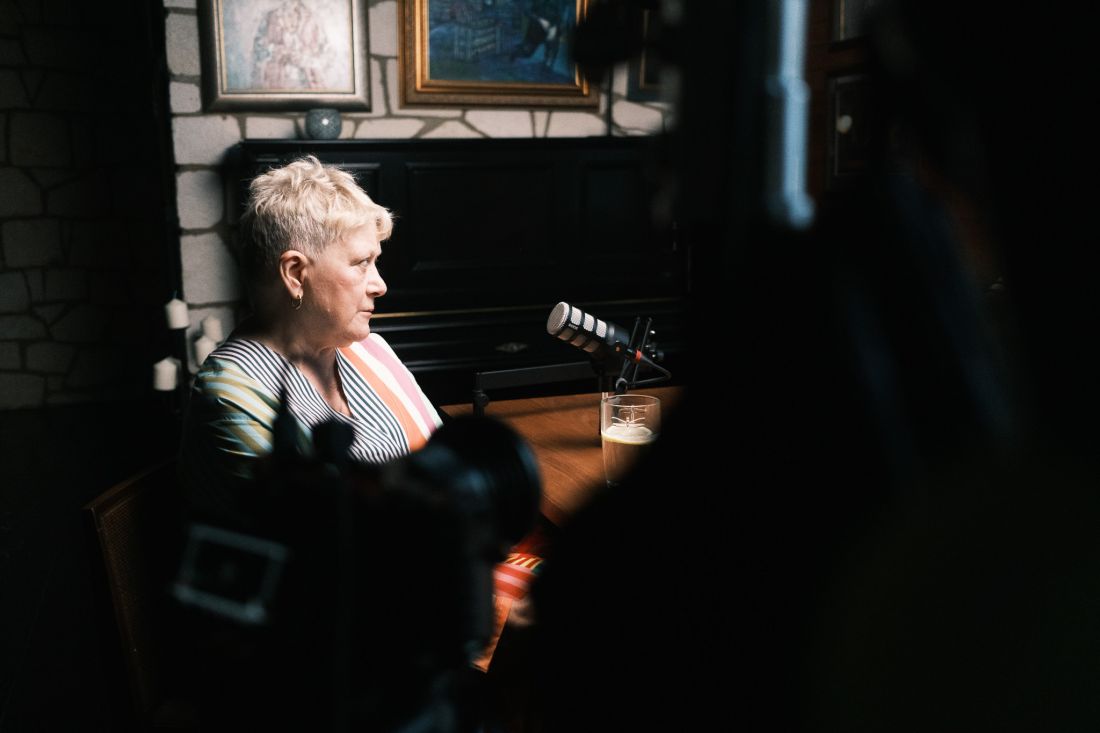
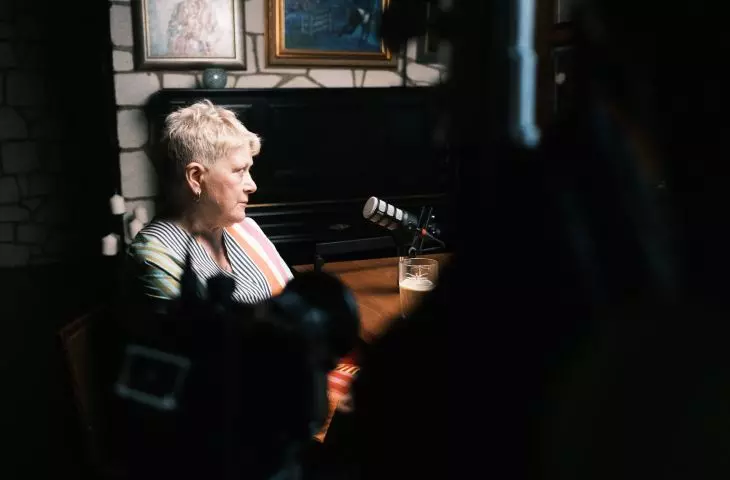
A conversation between Agnieszka Kalinowska-Sołtys and Prof. Ewa Kuryłowicz
photo: Bartosz Kozłowski
Architecture Education
Architecture affects each and every one of us, even if we don’t always realize it. A user evaluates a space differently than a critic, who in turn sees it differently than an investor, and an architect views it yet differently. Everyone looks at it through the lens of their own experiences and needs. That is why understanding architecture is so important—not only for those who design it, but also for those who will use it.
“Education is the foundation of all human activity,”
— states Prof. Kuryłowicz.
The modern world gives us access to a vast amount of information. We can find almost anything on our phones or computers. At the same time, we are increasingly recognizing the value of offline experiences—that is, direct contact with space and the opportunity to be “here and now” within it. After all, architecture cannot be experienced solely through an image on a screen. Space has its own scale, materials, light, and way of affecting people. In a world increasingly filled with technology and stimuli, such a direct experience can be of particular importance.
Architectural education should not be limited solely to learning the profession. It is also a way to build awareness among the users of a space. If an architect is to respond to human needs, they must first understand them. The key to this is communication between the designer and the user. Without mutual understanding, it is difficult to create a space that will satisfy both parties. Users’ awareness and knowledge, on the other hand, can facilitate this communication. A person who understands space can better define their needs, and an architect can respond to them more effectively.
Everyone has the right to demand that architecture meet their basic needs. […] People aren’t passive; they want to understand the world
— adds the architect.
Ewa Kuryłowicz for Archisens
A conversation with Professor Ewa Kuryłowicz is a story about architecture seen from the perspective of experience, but also about the responsibility that comes with it. About a world that was once explored through dreams and books. About the first journeys that completely changed one’s perspective. About accessibility, a concept that has only relatively recently entered the consciousness of our society. And finally, about education, without which it is difficult to build an informed society and shape space wisely.
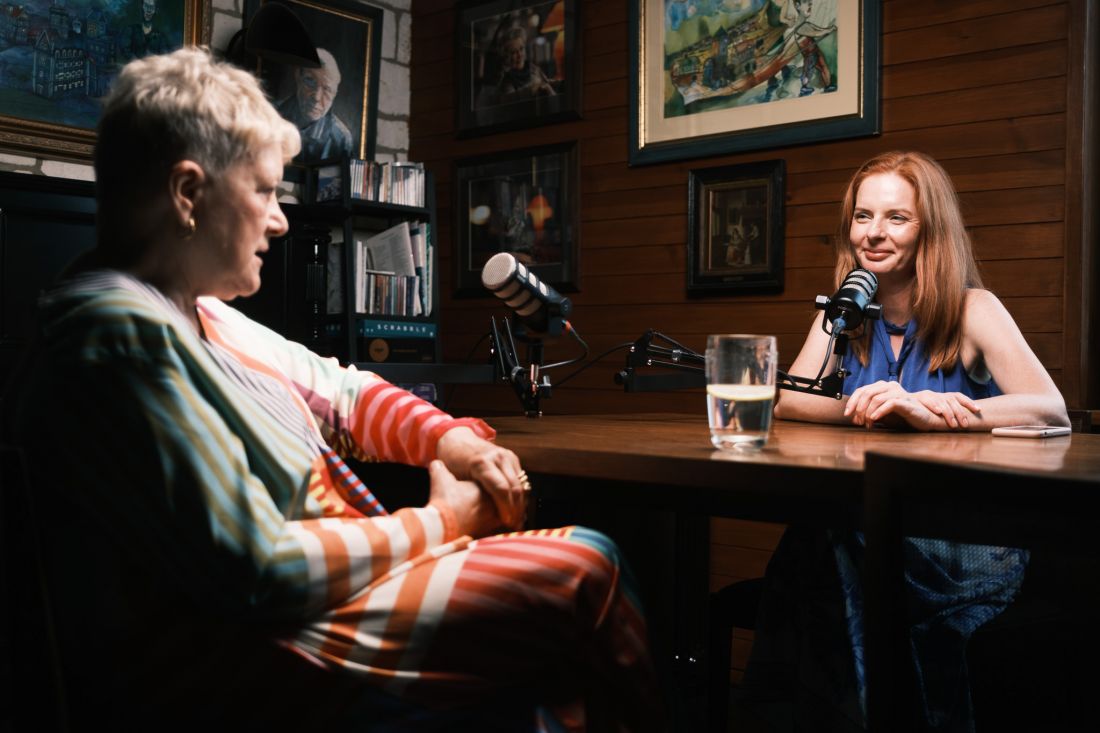
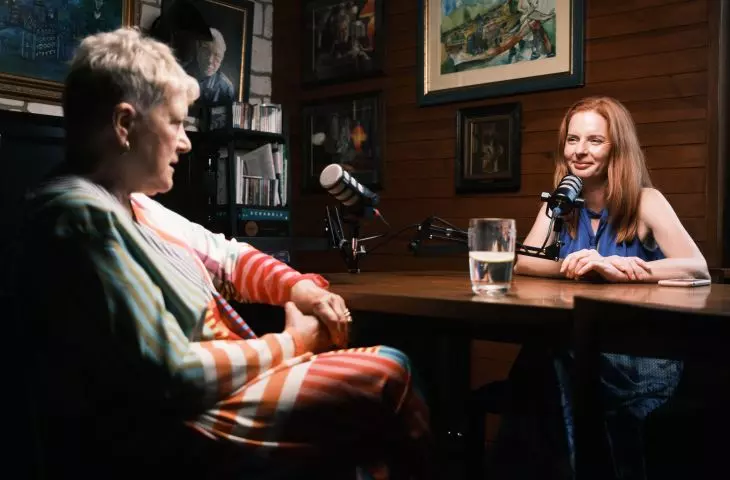
A conversation between Agnieszka Kalinowska-Sołtys and Prof. Ewa Kuryłowicz
Photo: Bartosz Kozłowski
We invite you to listen to the eighth episode of the “Conversations on Architecture” podcast, in which Agnieszka Kalinowska-Sołtys speaks with Professor Ewa Kuryłowicz. The conversation is available as a video podcast on the Archisens YouTube channel and on Spotify.