








Natalia Stateczna —"
" podcast #67 from the "Fundamenty" series
This episode and the entire series are also available on SoundCloud and Spotify:


In the next episode of the “Fundamenty” podcast, we hear the story of Natalia Stateczna, a graduate of the bachelor’s program in architecture at the Lublin University of Technology, who is currently pursuing her master’s degree. Natalia talks about choosing her major, preparing for the admissions process, her experiences in college, and how photography, her family, and the people she’s met along the way have shaped her perspective on architecture.
© Natalia Stateczna
Architecture as a Way of Organizing Space
Natalia isn’t one of those people who knew from childhood that they would become architects. She didn’t build scale models, nor was there a single event that determined her choice of major. She didn’t start thinking seriously about architecture until the end of high school.
She was primarily interested in organizing space and influencing the way people use it. She was fascinated by the fact that a well-designed place can foster rest, work, learning, or socializing, and that space can affect the well-being of its users.
So the decision wasn’t the result of a long-term plan. Rather, a simple question arose: why not give it a try? Once Natalia sets a specific goal for herself, however, she strives consistently to achieve it. That’s how her journey into architecture began.
© Natalia Stateczna
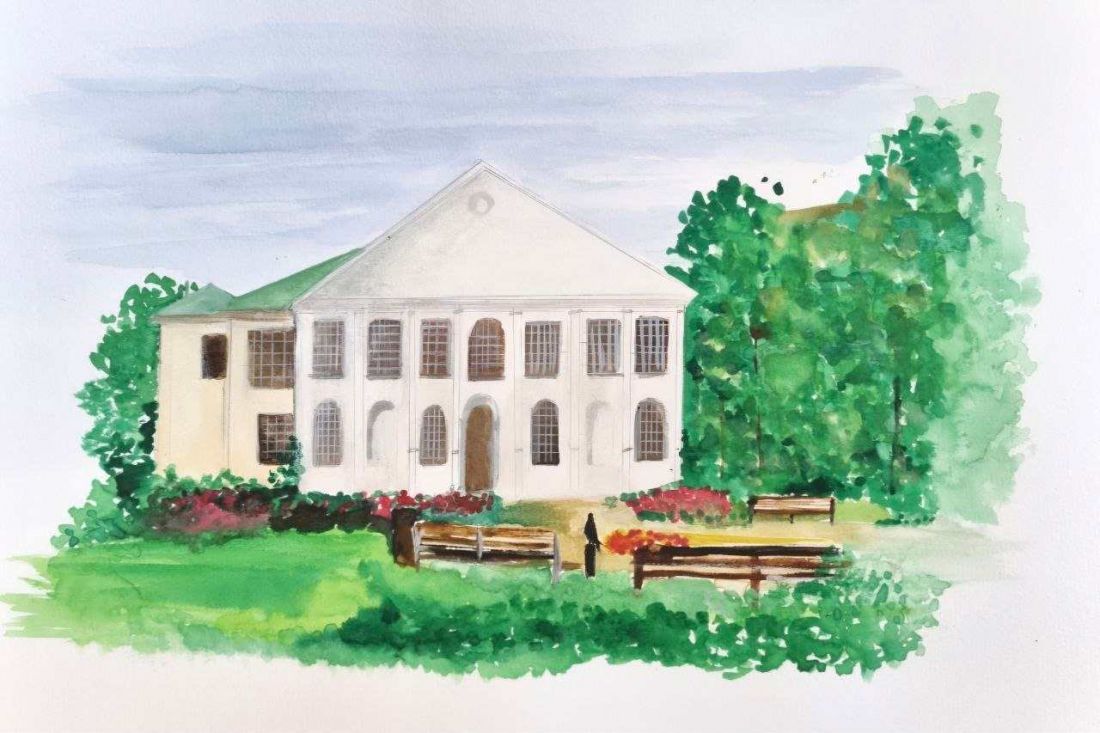
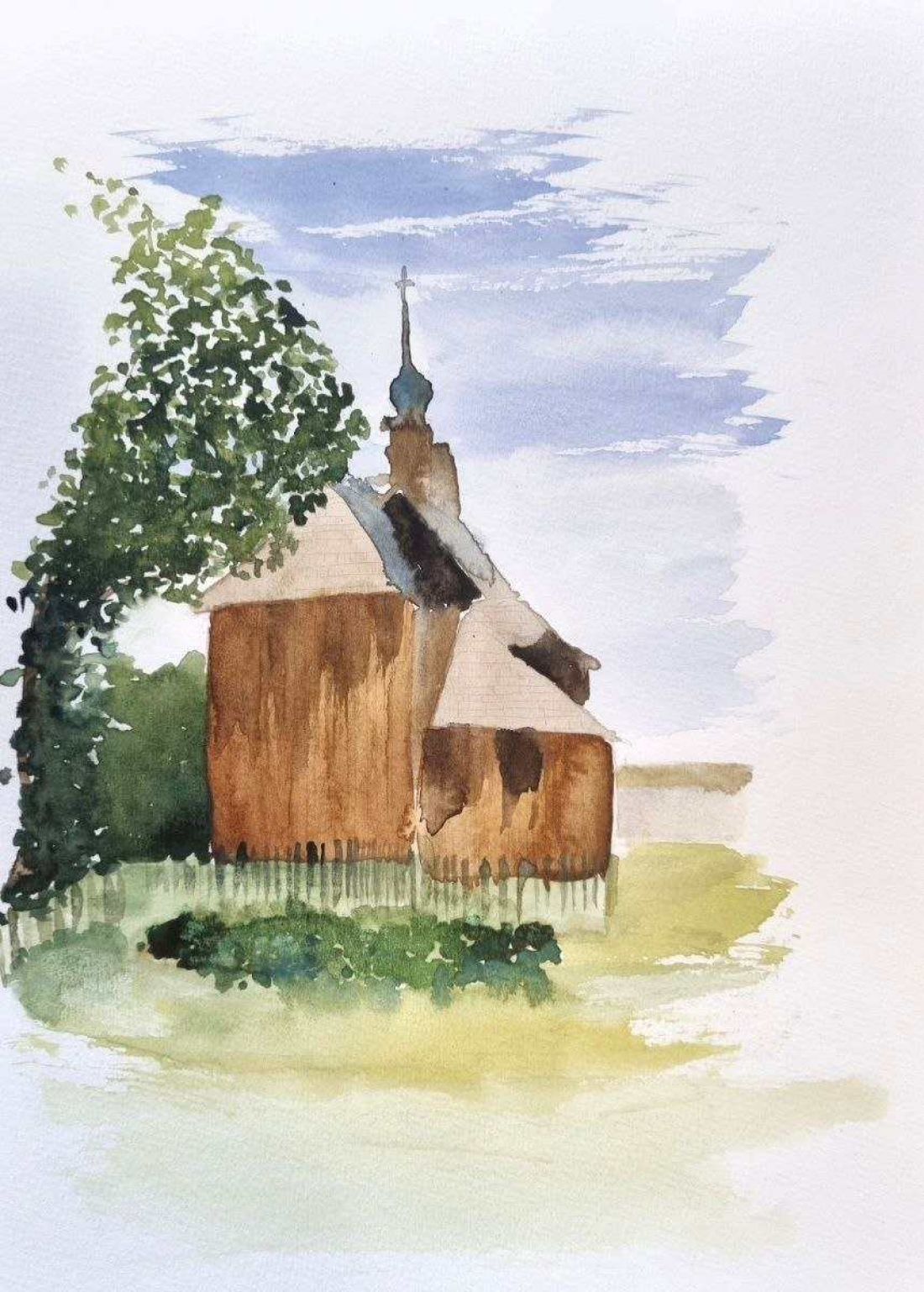
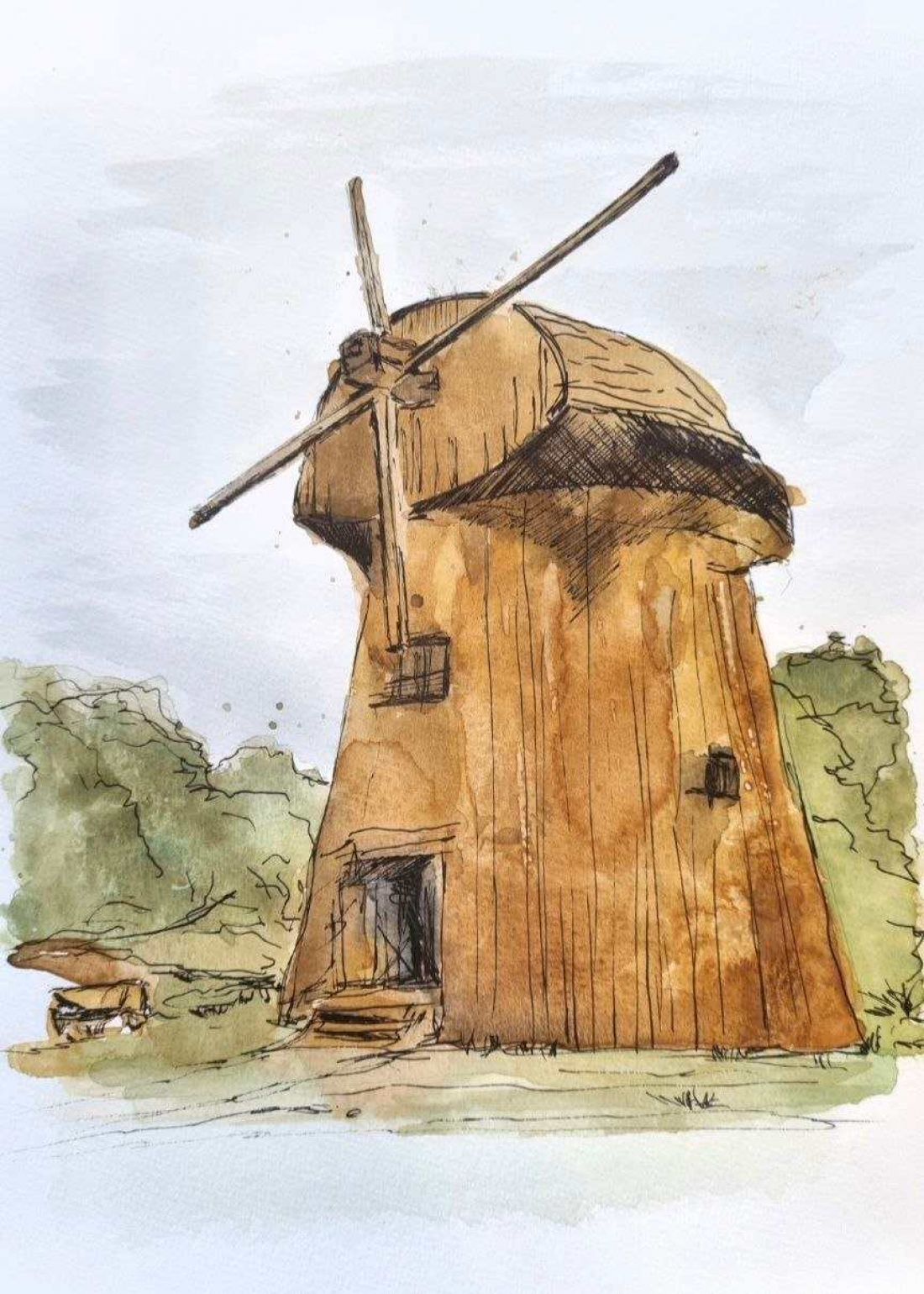
Drawing School and the First Important Encounters
One of the most important stages of her preparation was art school. It was there that Natalia met people who—as she herself emphasizes—gave her not only knowledge but also a great deal of support and self-confidence.
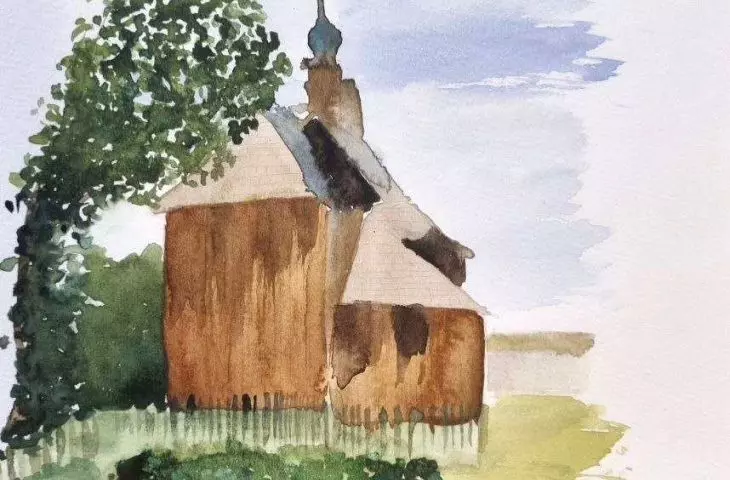
The curriculum naturally included perspective, proportions, and composition, but learning to observe reality closely was just as important. Natalia began paying closer attention to light, shadow, structure, and the relationships between individual elements.
This experience also showed her that the path to architecture doesn’t have to be solely about preparing for an exam. The people she met at the beginning of this journey can remain an important part of her life long afterward.
© Natalia Stateczna
Admissions and the Decision to Stay in Lublin
The admissions process was a major organizational challenge for Natalia. She researched the requirements of various universities, including those in Warsaw, Wrocław, Gdańsk, and Lublin. Different rules, deadlines, required documents, and exams made it difficult to navigate the flood of information.
At first, she assumed she would leave the Lublin region. She was accepted to Warsaw, among other places, and was convinced that she would begin her studies there. Her moving plans were almost finalized.
Ultimately, however, she stayed at the Lublin University of Technology. In hindsight, she considers this decision one of the best unexpected turns of events in her life. It was at this university that she found a community where she could develop both as a designer and as an artist.
© Natalia Stateczna
From the drawing board to various software programs
One of the biggest surprises for Natalia at the beginning of her studies was the extent to which digital tools were used.
Before starting her studies, she had imagined mainly hand-drawing, working at a drafting table, with pencils and rulers. Drawing did indeed remain an important part of her education, but it quickly became clear that contemporary architecture also requires a very good knowledge of computer software.
During her studies, Natalia worked with programs such as ArchiCAD, AutoCAD, Revit, SketchUp, Twinmotion, Lumion, Photoshop, and QGIS. The beginning wasn’t always easy. She often knew what effect she wanted to achieve but didn’t yet know how to get there.
Over time, these tools became increasingly intuitive. As she emphasizes, practice is particularly important when learning these programs. You learn the most when a specific design problem forces you to find a solution on your own.
What do architecture studies really teach?
For Natalia, architecture is a field that combines creativity, technique, and analysis. A good design cannot be merely visually striking. It must respond to the needs of its users and take into account function, communication, structure, materials, the surroundings, and the character of the place.
That’s why the design process begins even before the first building form takes shape. First, you have to get to know the site—its history, scale, landscape, and challenges—and consider who will use the space being designed.
Natalia describes her approach with a phrase that also appears in her portfolio: “Good architecture begins with mindfulness.” For her, design is a search for balance between function, form, and emotions.
© Natalia Stateczna
The biggest challenge is time
One of the most difficult aspects of her studies turned out to be the number of projects she had to complete in a short period of time. Analyses, concepts, floor plans, sections, elevations, visualizations, and drawings all had to be prepared alongside other classes, exams, and presentations.
Thus, her studies taught Natalia, above all, how to organize her work and set priorities. Design also requires making decisions. There are many possibilities, but at some point, you have to choose a specific direction and consistently develop it.
Another important lesson was learning to accept criticism. Consultations and feedback from instructors can be difficult at first, especially when the designer is deeply attached to their idea. Over time, Natalia learned to view them as an opportunity to identify problems she might not have noticed on her own.
A thesis rooted in personal history
Her engineering thesis, “Lubelska Hop Cone, ” dedicated to the Lublin Hop Cone Center in Kazimierz Dolny, holds a special place in her academic journey.
The topic was not chosen at random. Hop cultivation and the traditions associated with it are part of Natalia’s family life, which is why the project also had a personal dimension for her.
The concept involved creating a multifunctional complex tied to the hop-growing and brewing heritage of the Lublin region. The project combined production, educational, cultural, hospitality, and wellness functions, while also reflecting the local landscape, history, and identity of the region.
It was particularly important to Natalia to create a place that would tell the region’s story and help shape its identity. Her personal connection to the subject did not make the work any easier. On the contrary—it entailed greater responsibility for how the topic was presented.
Award for Best Thesis Project
The project was also recognized with the Solaris Foundation Award for the best engineering thesis. For Natalia, this was a particularly important distinction because it concerned a project into which she had poured a great deal of work and emotion.
As she emphasizes, the award is more than just another item on her resume. It’s confirmation that it’s worth consistently developing one’s own ideas, even if bringing them to life requires many months of work, revisions, and making difficult decisions.
At the same time, Natalia hopes that this recognition will lead to further developments and that the idea behind the project can one day be turned into something tangible.
Photography Teaches You to See
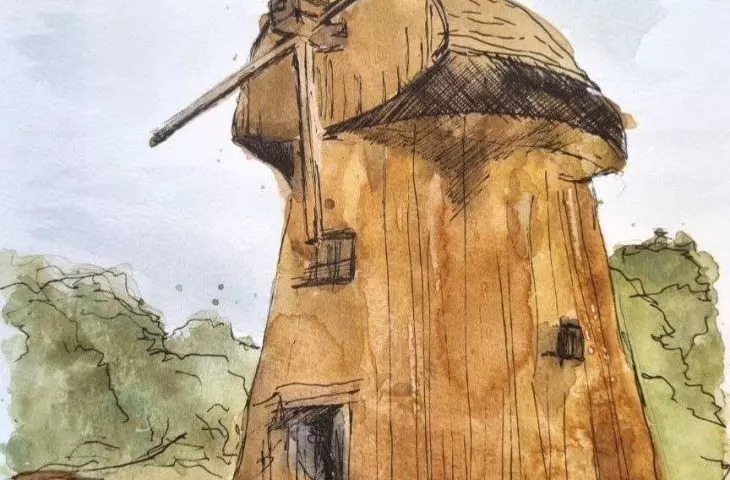
Alongside architecture, architectural photography is another important field in Natalia’s life. She views it primarily as a way of observing reality.
The camera allows her to focus on light, proportions, rhythm, textures, shadows, and the relationships between elements. Every frame requires a decision—what to show, what to leave out of the frame, and from what perspective to view the space.
These skills also translate into design. Photography has taught Natalia not to settle for the first solution and to seek out other possibilities. Just as a photographer chooses a frame, so does an architect decide what experience to offer the user of a space.
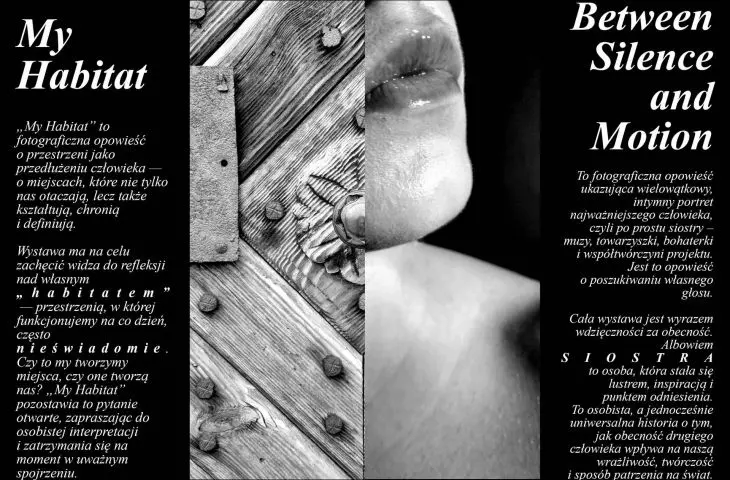
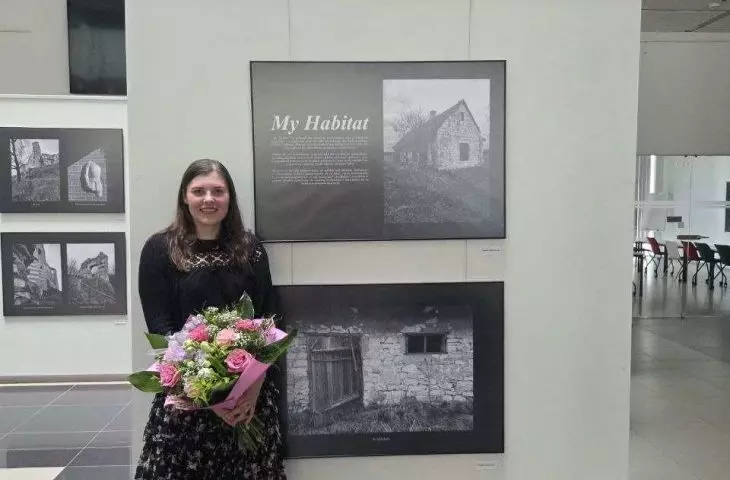
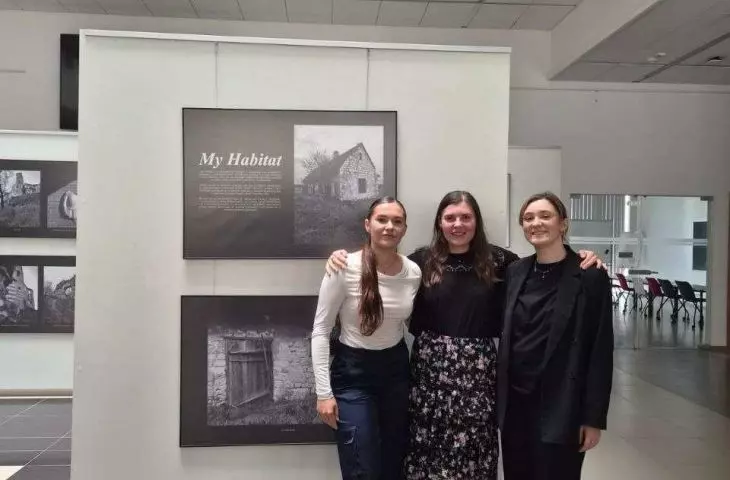
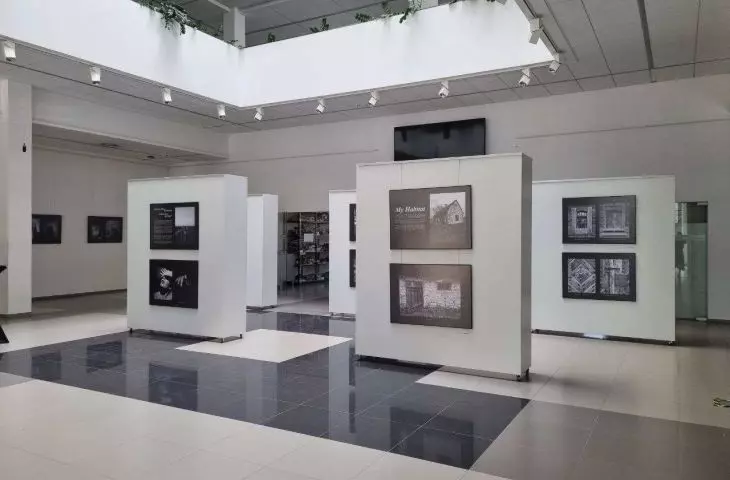
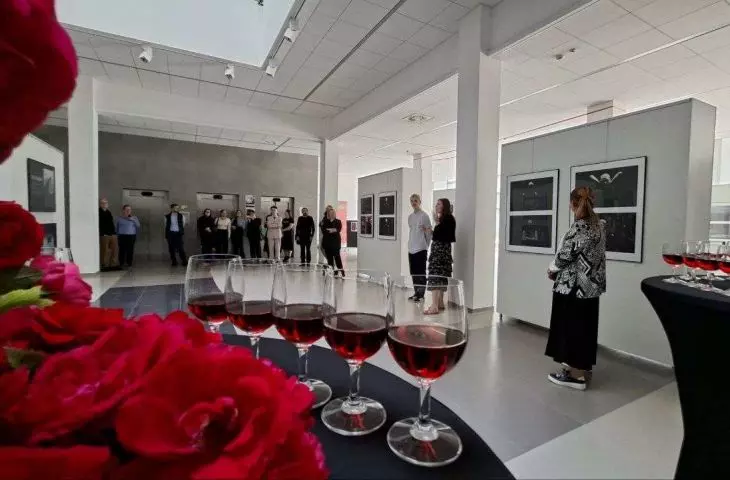
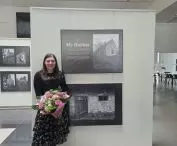
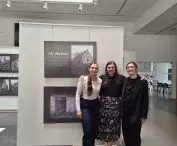
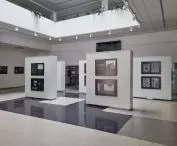
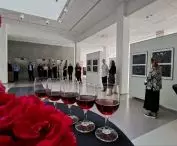
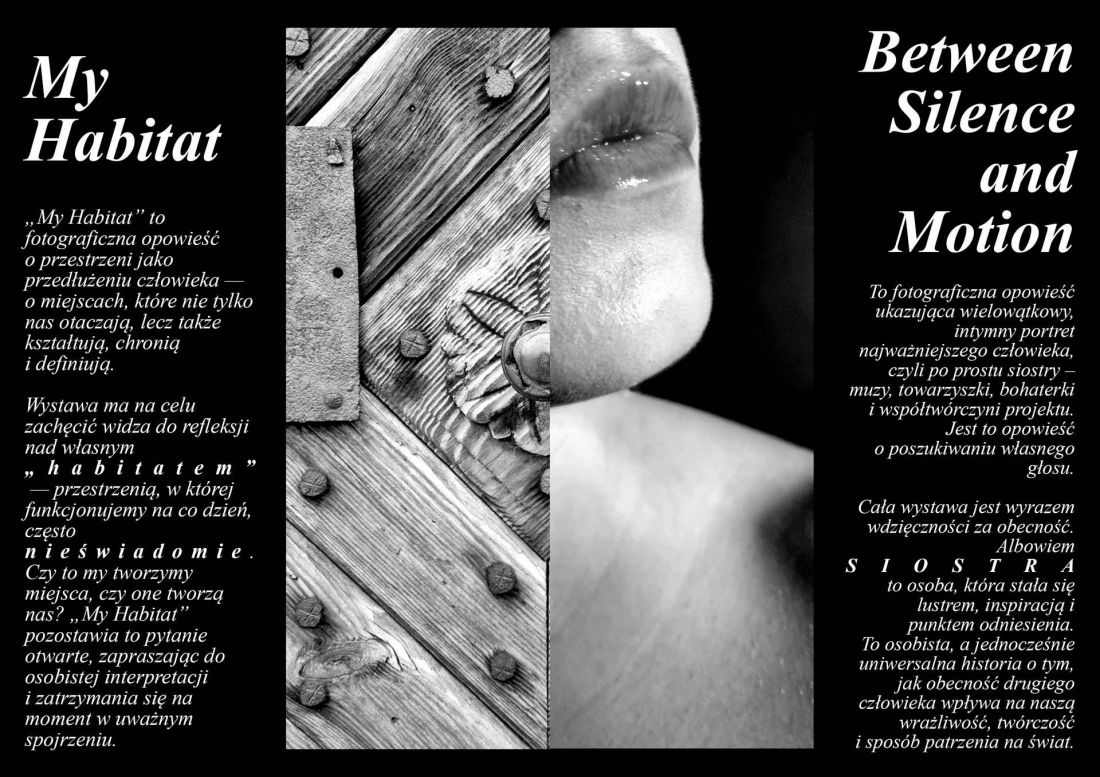
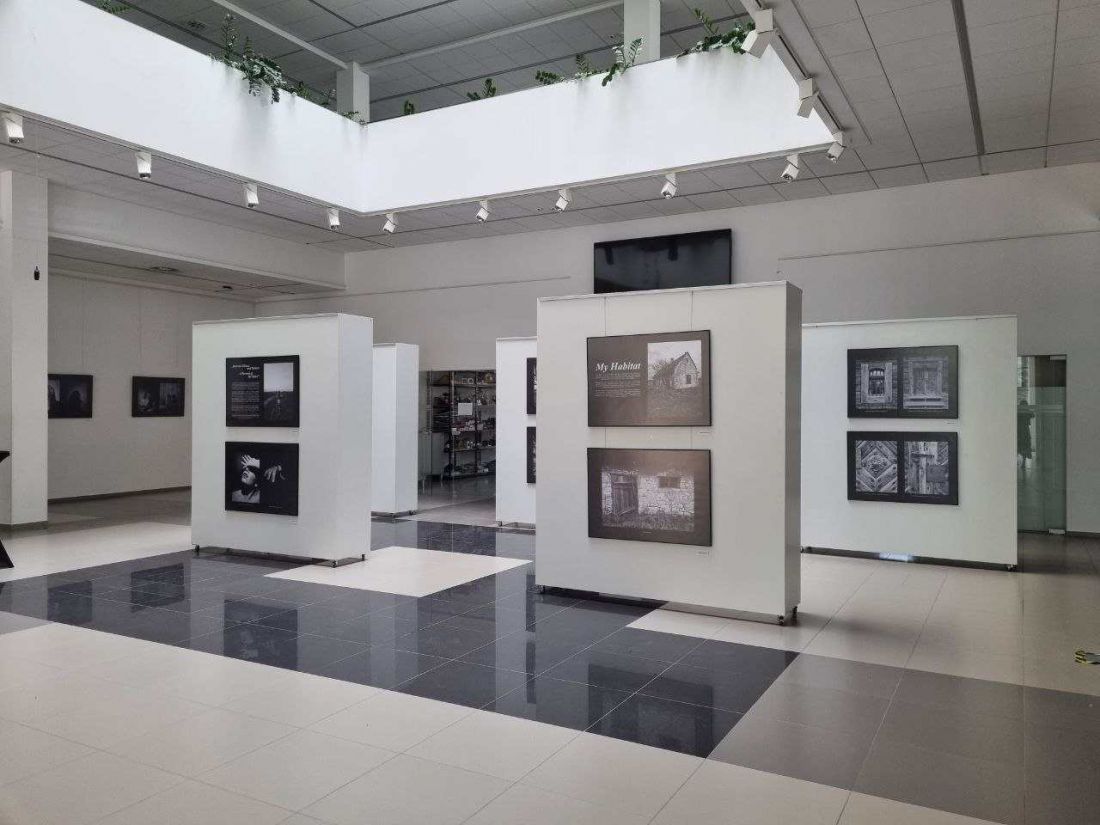
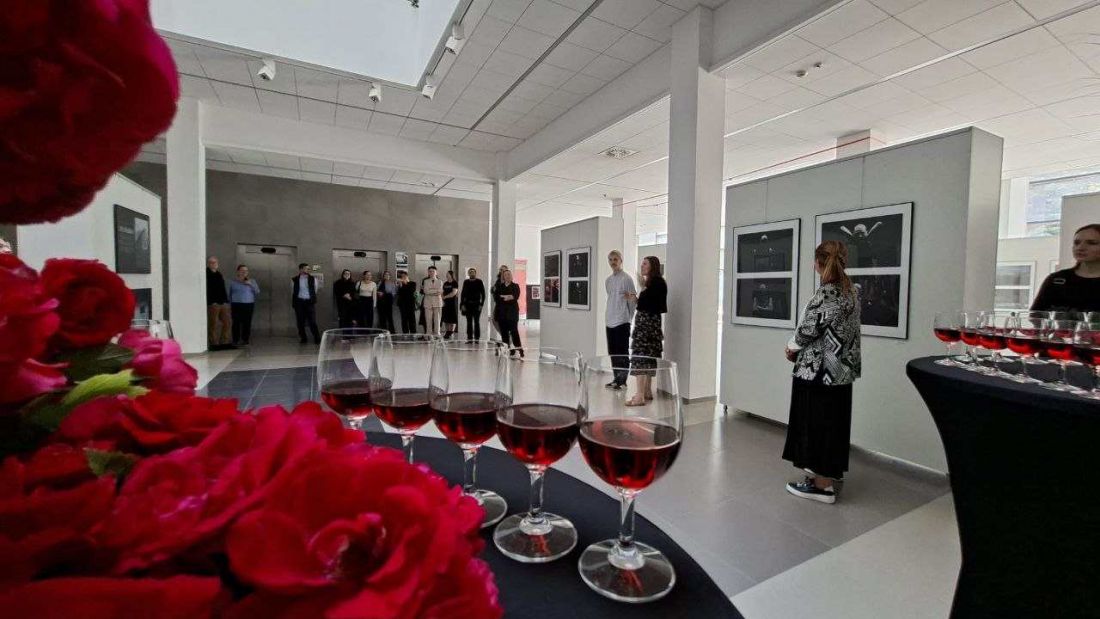
This year, Natalia also organized her own photography exhibition, “Subspaces,” at the Faculty of Civil Engineering and Architecture at the Lublin University of Technology.
People Are the Most Important
In Natalia’s story, the people she has met along the way hold a special place. She recalls her instructors, advisors, and people she met back in art school.
Her greatest support, however, comes from her sisters, who have been by her side during the most important moments. The “Subspaces” exhibition was created specifically for them, as a personal thank-you for their presence and support.
This story also shows that college can be more than just a place for classes and exams. It can become a space for developing passions, organizing events, and discovering one’s own potential.
© Natalia Stateczna
You don’t have to know everything from the start
Today, Natalia is continuing her studies in a master’s program and developing her own approach to architecture. Her main advice to future students is not to be afraid to try, even if they aren’t yet sure whether architecture is the right path for them.
You don’t have to be a perfect draftsman from the start or know all the software programs. You can learn them during your studies. Curiosity, patience, a willingness to work hard, and an openness to growth are far more important.
It’s also important not to constantly compare yourself to others. Every student has different strengths and their own pace of development. Some are better at drawing, while others excel at using software, analyzing structural functions, or presenting a project.
For Natalia, it’s also important to seek inspiration outside of architecture. Photography, music, painting, literature, nature, and travel can broaden your perspective on design.
One question that changed her decision
There’s another important moment in Natalia’s story. When she was accepted to a university in Warsaw, she was almost certain that’s where she would begin her studies. Ultimately, however, she stayed in Lublin.
Her aunt Ania had a major influence on this decision. She didn’t compare universities or rankings. She asked Natalia just one question: “What is your dream?”
It was that question that made her pause and start thinking not about what seemed most obvious, but about what she really wanted.
Today, she considers staying at the Lublin University of Technology one of the best decisions of her life. Her story shows that the path to architecture doesn’t always have to be meticulously planned in advance. Sometimes all it takes is giving it a try, trusting yourself, and finding people who will help you believe in your own potential.
Aleksandra Skorupa
Check out other podcasts
from the “Fundamentals” series
59. From Design to Construction. Michalina Frątczak on working as an architect in Portugal
62. Daria Jachimczak on her path to architecture. From first sketches to conscious design
63. Ewa Tomczyk on her master’s studies in Milan. Is it worth studying at POLIMI?
64. Katarzyna Nowak on architecture in the Netherlands, studying in Rotterdam, and working at MVRDV
66. Piotr Litwiński on the evolution of architecture and the functionalism of the future