







Piotr Litwiński —"
" podcast #66 from the "Fundamenty" series
This episode and the entire series are also available on SoundCloud and Spotify:


In the next episode of the “Fundamenty” podcast, we speak with Piotr Litwiński, a graduate of the architecture program at the Kraków University of Technology, who plans to continue his academic career in a doctoral program. The starting point for our conversation is the question of what actually shapes architecture and where contemporary design is headed.
Piotr views architecture primarily through the lens of the evolution of human needs. Rather than treating it solely as a field concerned with form and aesthetics, he sees it as a record of civilizational changes and a tool that can tangibly improve quality of life. In the podcast, he discusses the journey from humanity’s first shelters to smart buildings, as well as what the next stage of this evolution should look like.
From the Cave to the Smart Home
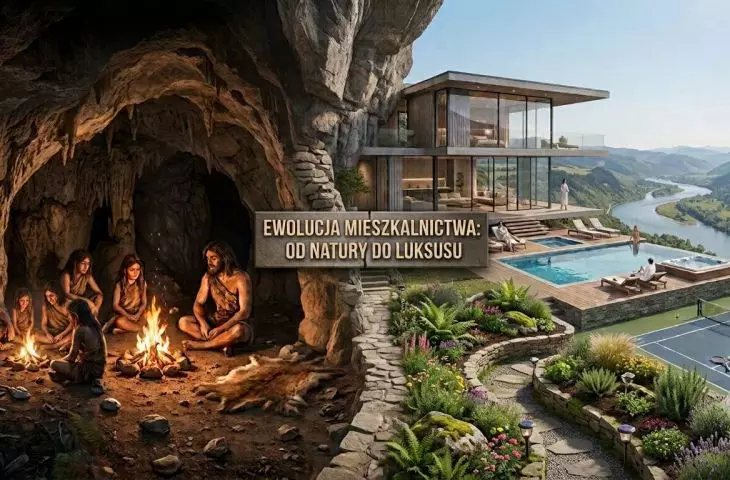
According to Piotr, the history of architecture can be interpreted as a history of responding to humanity’s evolving needs. Initially, survival itself was the most important concern. Caves provided protection from rain, cold, wind, and threats from animals.
Over time, humans began to shape their environment on their own. Structures made of wood, clay, and stone emerged, and technological advancements gradually improved the durability and safety of buildings.
Today, the situation is completely different. A modern home can be a complex system that automatically controls temperature, lighting, and other features. A building no longer needs to merely protect people from the elements. It is meant to provide comfort, entertainment, safety, and well-being.
Piotr therefore asks what the next step should be. Should the further development of architecture mean even more technology and luxury, or should it rather focus on solving the real problems facing modern society?\
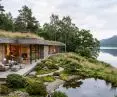
The Evolution from Cave to Villa © Piotr Litwiński 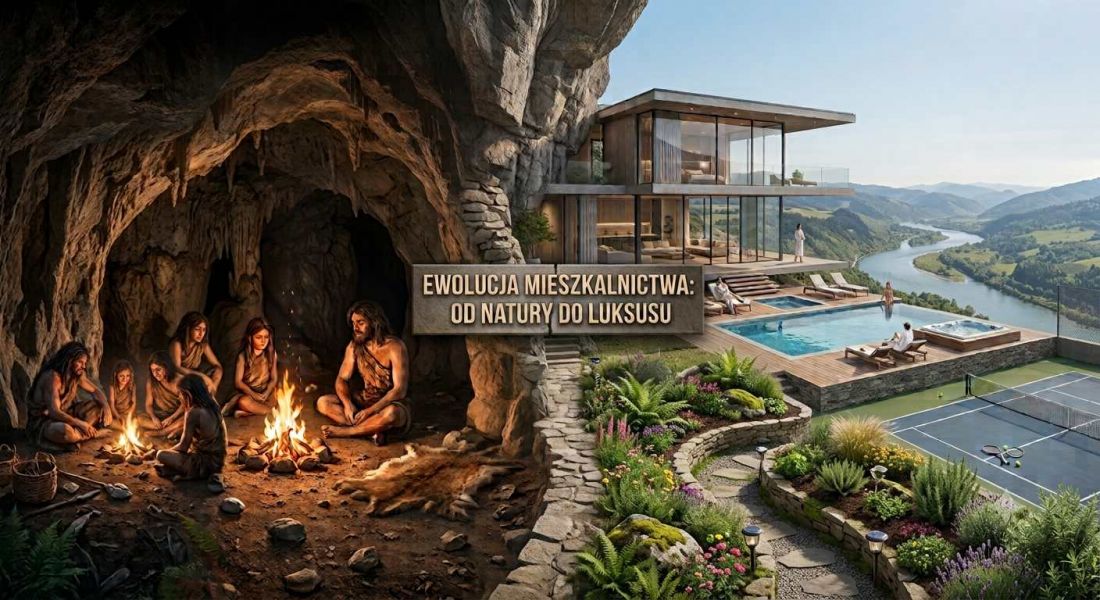
Functionalism: Designing for People
One of the most important concepts that comes up in the conversation is functionalism. Piotr, however, does not view it as the creation of cold, emotionless buildings.
In his view, functionalism means, above all , designing for people. After all, a building’s function encompasses not only practical considerations but also emotions, comfort, and the way people experience space.
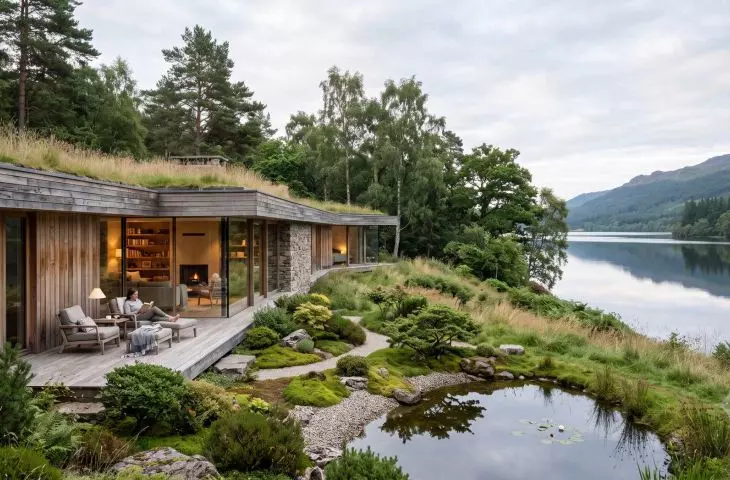
Architecture influences us constantly. A well-designed interior can help with concentration, promote calm, or inspire action. A well-functioning building allows people to intuitively find their way, provides appropriate lighting, acoustics, and comfort of use.
That is why design should begin not with a striking form, but with an understanding of how the space is meant to function and how it should support people.
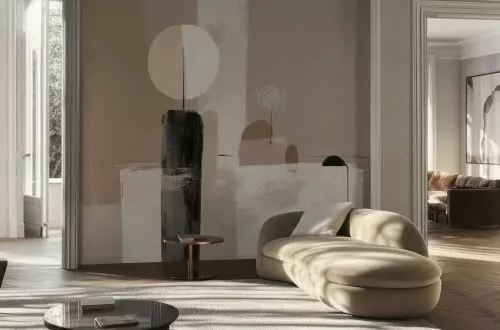
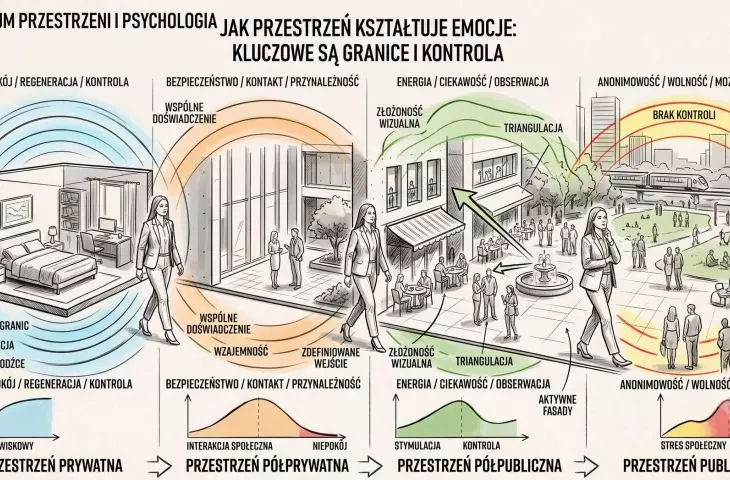
architecture tranquility © Piotr Litwiński 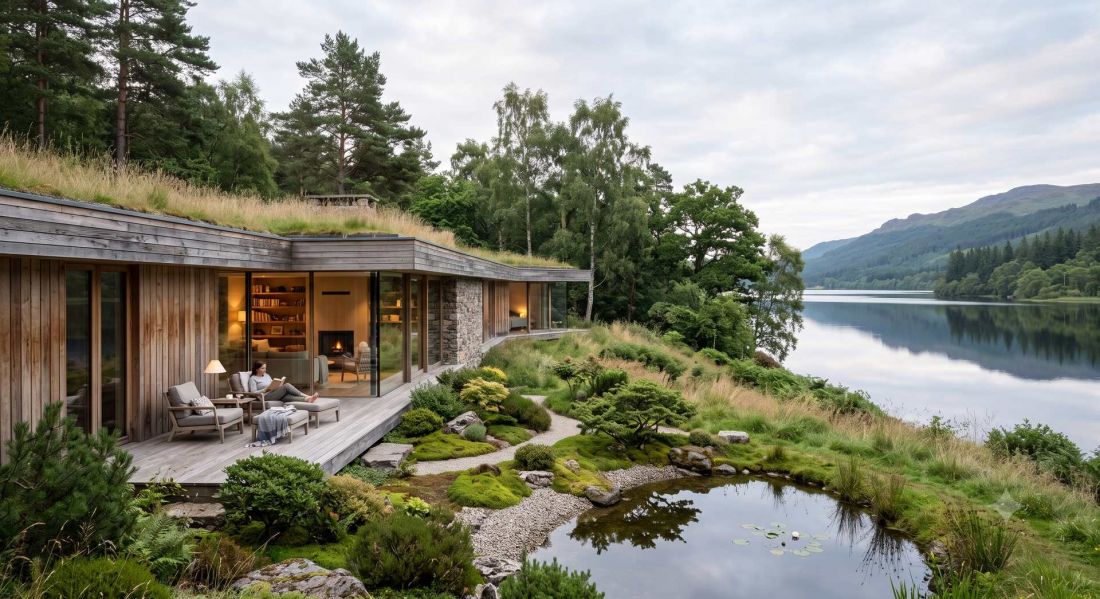
Architecture in the Face of the Crisis of Loneliness
The first area in which Piotr sees particular potential for contemporary architecture is the problem of loneliness.
Modern technologies allow people to stay in touch almost constantly, yet residents of large cities may experience increasing isolation. According to Piotr, residential architecture should also address this problem.
One solution is “third places”—spaces that lie between home and work. These can include semi-private courtyards, green spaces free of car traffic, shared studios, workshops, rooftops accessible to residents, or areas designated for relaxation.
Seemingly minor elements, such as well-designed circulation routes, are also important. Wide, well-lit spaces with seating areas can encourage chance encounters and conversations among residents.
In this way, architecture can not only organize space but also create the conditions for building a local community.
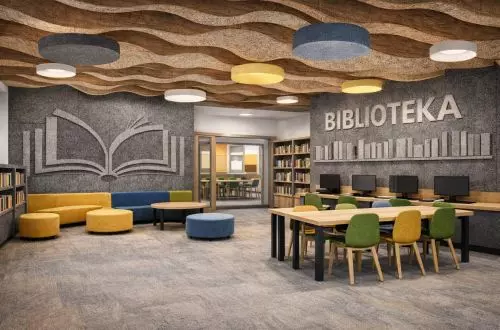
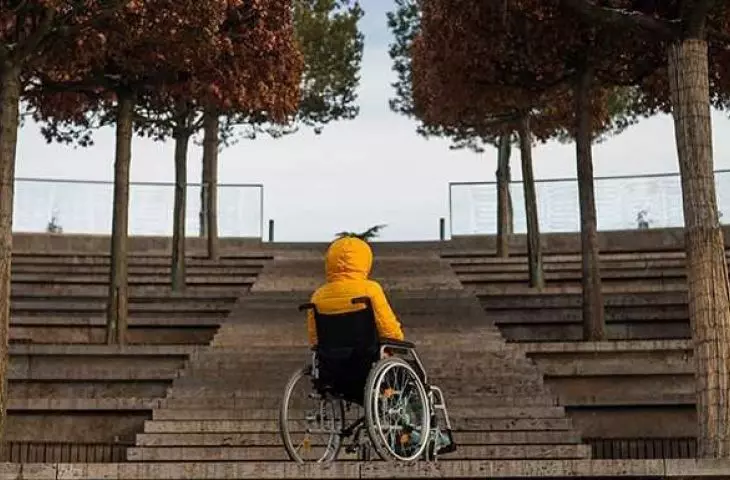
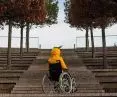
Issues Faced by People with Disabilities © Piotr Litwiński 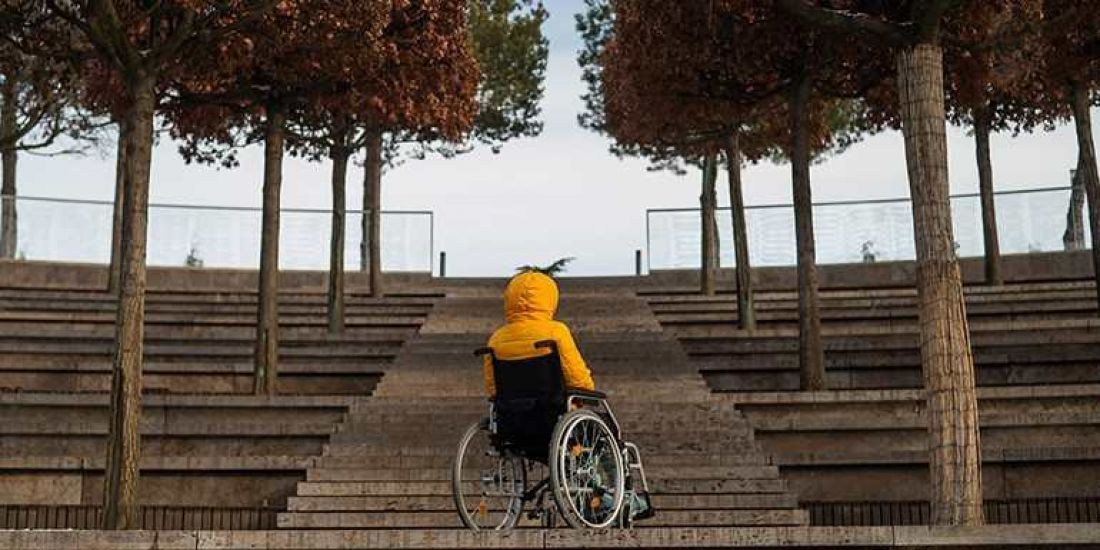
Sustainability Without Technological Overload
Another challenge is sustainability. Piotr points out that a sustainable building should not be equated solely with a large number of technological systems, sensors, or devices.
Technology can become obsolete, and replacing it generates more waste. That is why it is important to design in a way that minimizes the building’s energy and resource needs from the very first sketch.
Piotr highlights, among other things, the appropriate use of sunlight, proper orientation of the building relative to the cardinal directions, the design of roof overhangs, and the use of materials with good thermal properties.
Another key element is designing with future dismantling in mind. The individual layers of the building should be separable and suitable for reuse or recycling.
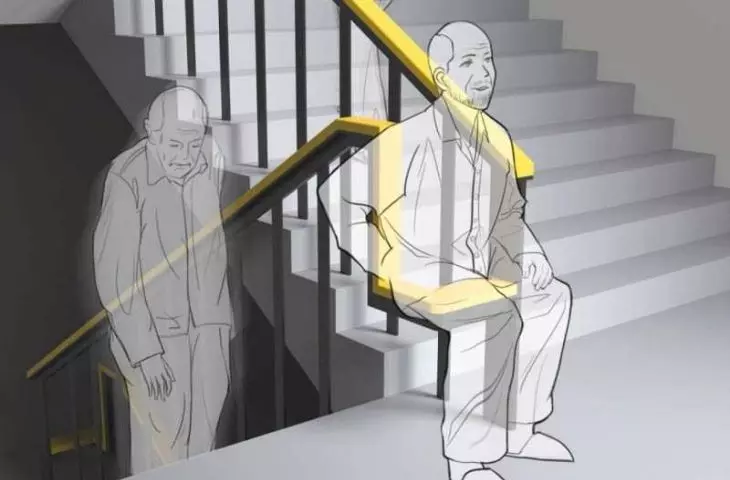
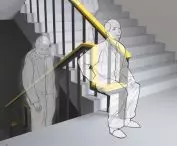
Issues Facing Seniors © Piotr Litwiński 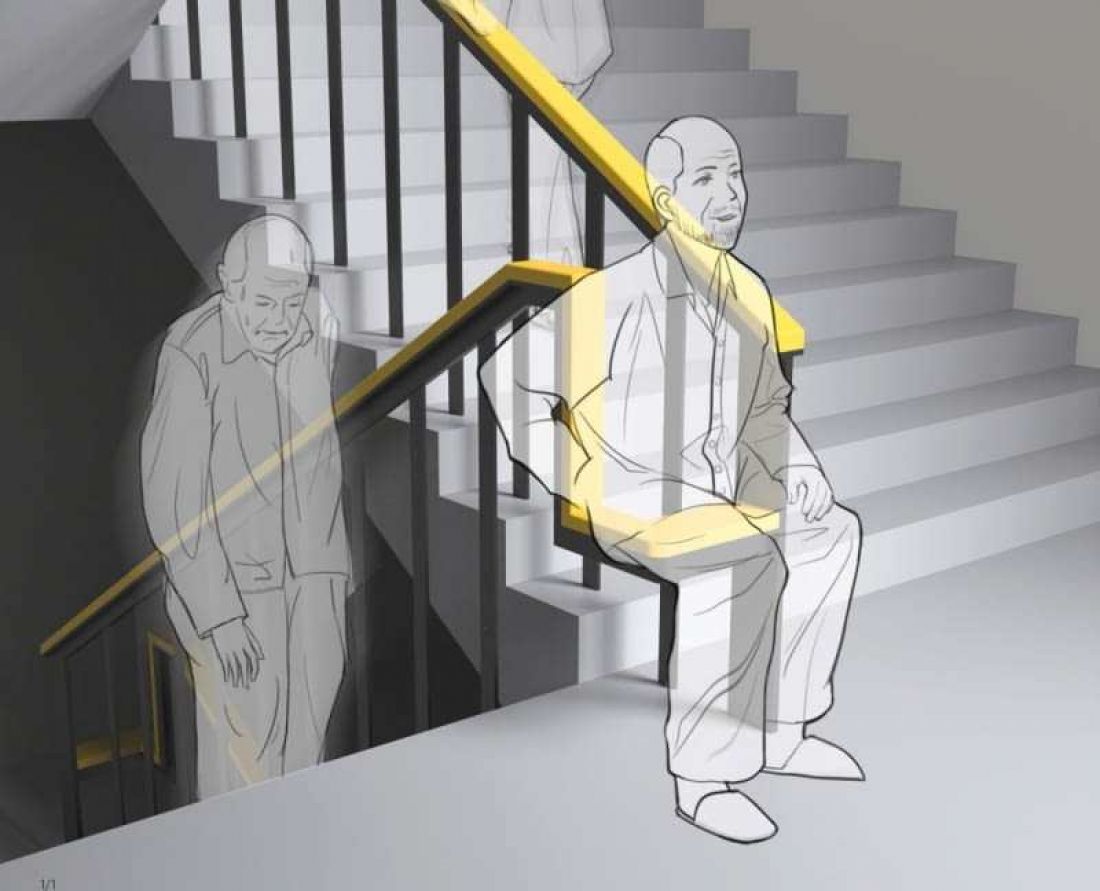
Buildings That Can Adapt
The pace of social change means that buildings are becoming obsolete more quickly in terms of how we live. Remote work, hybrid models, and changes in family structures mean that users’ needs can change within a few years.
That is why Piotr emphasizes the flexibility and adaptabilityof architecture.
Column-based layouts and open floor plans play an important role in his designs, as they help minimize the number of fixed interior partitions. Lightweight partition walls can be moved as residents’ needs change.
A home should be able to evolve alongside its inhabitants. An open space can eventually be divided into children’s rooms and later reconfigured into a larger space or a workspace.
A similar principle can apply to entire buildings. A structure designed with change in mind can shift its function in the future without having to demolish the existing structure.
spaces © Piotr Litwiński 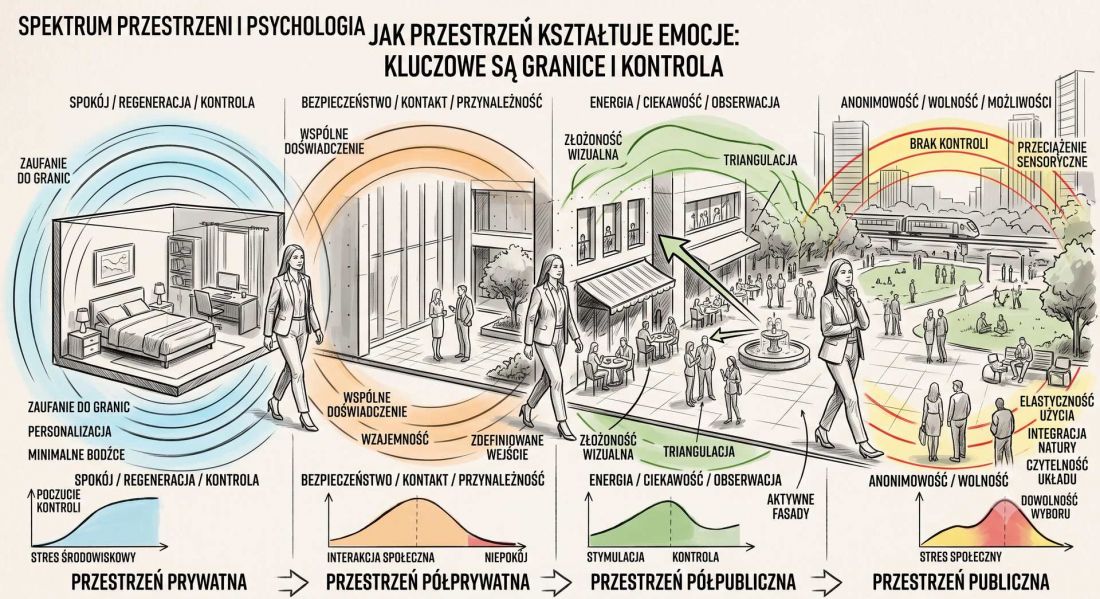
Neuroarchitecture and the Impact of Space on People
Piotr’s fourth area of interest is neuroarchitecture, a field he intends to further explore in his academic career.
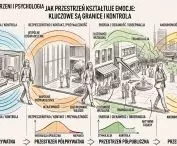
This approach lies at the intersection of architecture, psychology, and neurobiology and focuses on how space affects people. In this context, design goes beyond function and aesthetics. Factors such as stress, concentration, a sense of security, and psychological comfort also become important.
Dark hallways, noise, a lack of natural light, or inappropriate room proportions can negatively affect well-being. Conversely, access to greenery, appropriate lighting, acoustics, materials, and spatial proportions can promote calmness and concentration.
The concept of universal designis also linked to neuroarchitecture . A space should be accessible to as wide a group of users as possible—including people with disabilities, seniors, and parents using strollers.
Architecture as a Responsibility
For Piotr, design is first and foremost about responsibility. Every design decision ultimately translates into specific materials, energy consumption, how the building functions, and the experiences of its users.
That is why this graduate of the Kraków University of Technology wants to develop his expertise in both new technologies and the psychology of space. His planned doctoral studies are intended to be the next step on this path.
His perspective on architecture can be summed up by the belief that the best building does not have to constantly draw attention to itself. On the contrary—a well-designed space can operate almost imperceptibly, allowing people to intuitively know where to go and feel safe and comfortable.
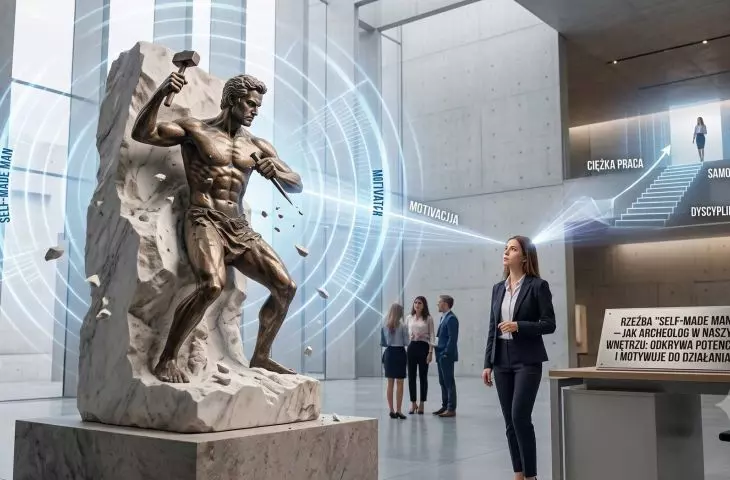
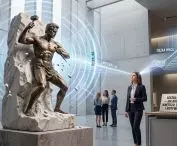
Sculpture as Motivation © Piotr Litwiński 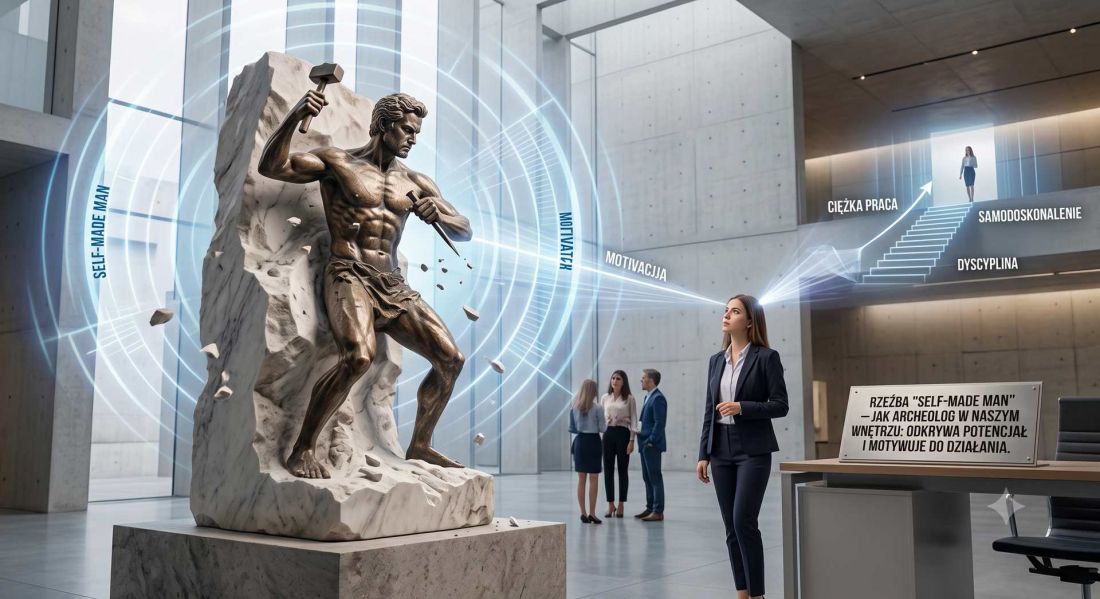
What should the next stage in the evolution of architecture look like?
The story Piotr tells leads from the cave, which protected humans from the outside world, to the contemporary building, which can address far more complex needs.
The next stage, however, does not necessarily mean even greater technological advancement. It could be smarter design —one that addresses the crisis of loneliness, reduces the environmental impact of construction, allows buildings to adapt to change, and consciously enhances human well-being.
Piotr Litwiński views architecture as a never-ending process. His ambition is to contribute his own part to this evolution and to create spaces that will simply serve people well for decades to come.
Aleksandra Skorupa
Listen to other podcasts
from the “Fundamentals” series
58. Natalia Pośnik on studying architecture at an art university in The Hague
59. From design to construction. Michalina Frątczak on working as an architect in Portugal
62. Daria Jachimczak on her path to architecture. From first sketches to conscious design
63. Ewa Tomczyk on her master’s studies in Milan. Is it worth studying at POLIMI?
64. Katarzyna Nowak on architecture in the Netherlands, studying in Rotterdam, and working at MVRDV