



Become an A&B portal user and receive giveaways!
maximize

Sleepless nights and endless projects. Julianna Masalska about studying architecture at Bialystok Technical University

Ola Skorupa
03 of June '26

Julianna Masalska -
podcast #56 of the series "Foundations"

The episode and the entire series are also available on Soundcloud and Spotify:

Soundcloud Spotify

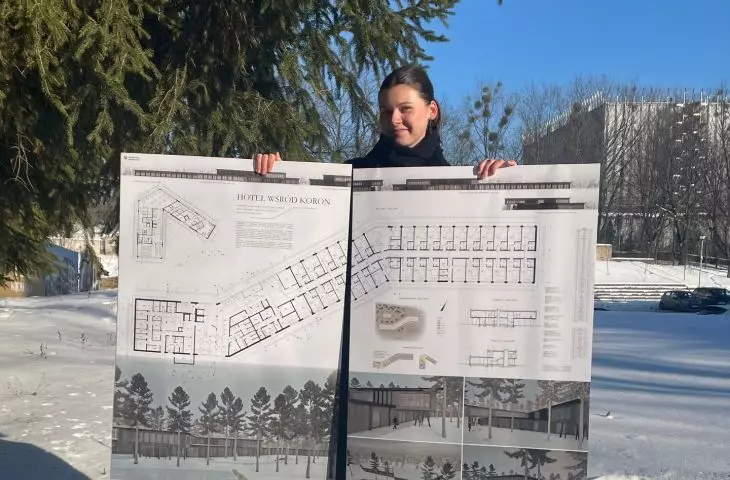
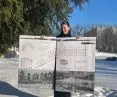
In the next episode of the "Foundations" podcast, we meet Julianna Masalska - a third-year architecture student at Bialystok Technical University. Julianna talks about her path to choosing a major, her first educational decisions, and what the everyday life of studying architecture looks like as seen from the perspective of several years of experience.

© Julianna Masalska

why architecture?

From an early age, Julianna was involved in drawing and creative activities. As she says, all manual and artistic activities always came naturally to her and gave her the greatest satisfaction. In parallel, a huge role was played by joint activities with her dad - tinkering, building and creating small projects, which over time began to shape her way of thinking about space.

At some point there was a need to combine the two worlds: artistic and technical. Architecture turned out to be the answer - a direction that combines creativity with precision and logical thinking. From that decision, everything began to fall into place naturally.

© Julianna Masalska

the road to college

Preparations for college were intense and multi-stage. A drawing course, a high school diploma in mathematics, physics and Polish, plus additional extended languages "so that it wasn't too easy". - as Julianna herself recalls.

It was a time of great effort, but also a time of gradual familiarization with what architecture is in practice and how demanding the admissions process and subsequent study can be.

first years of study

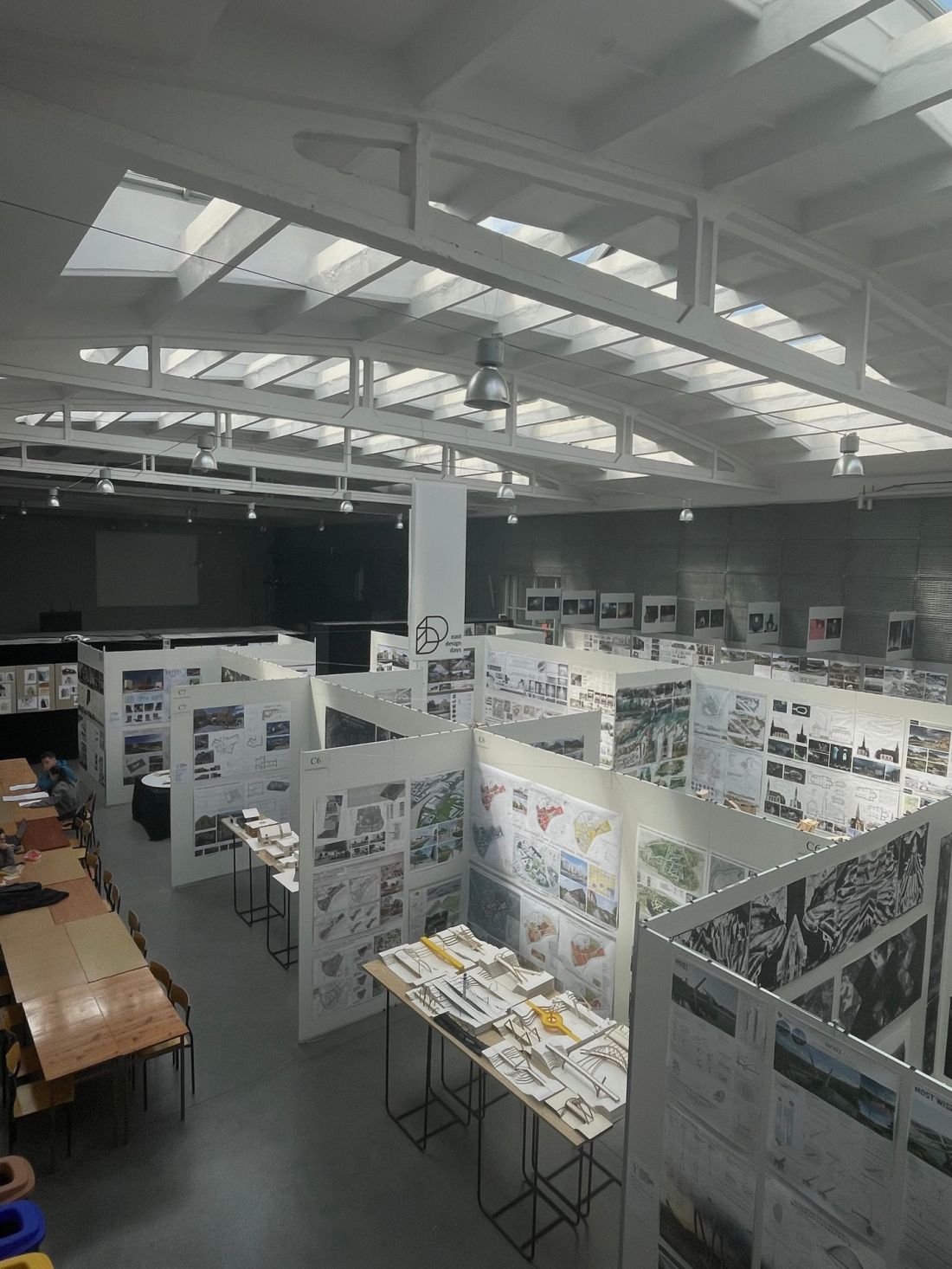
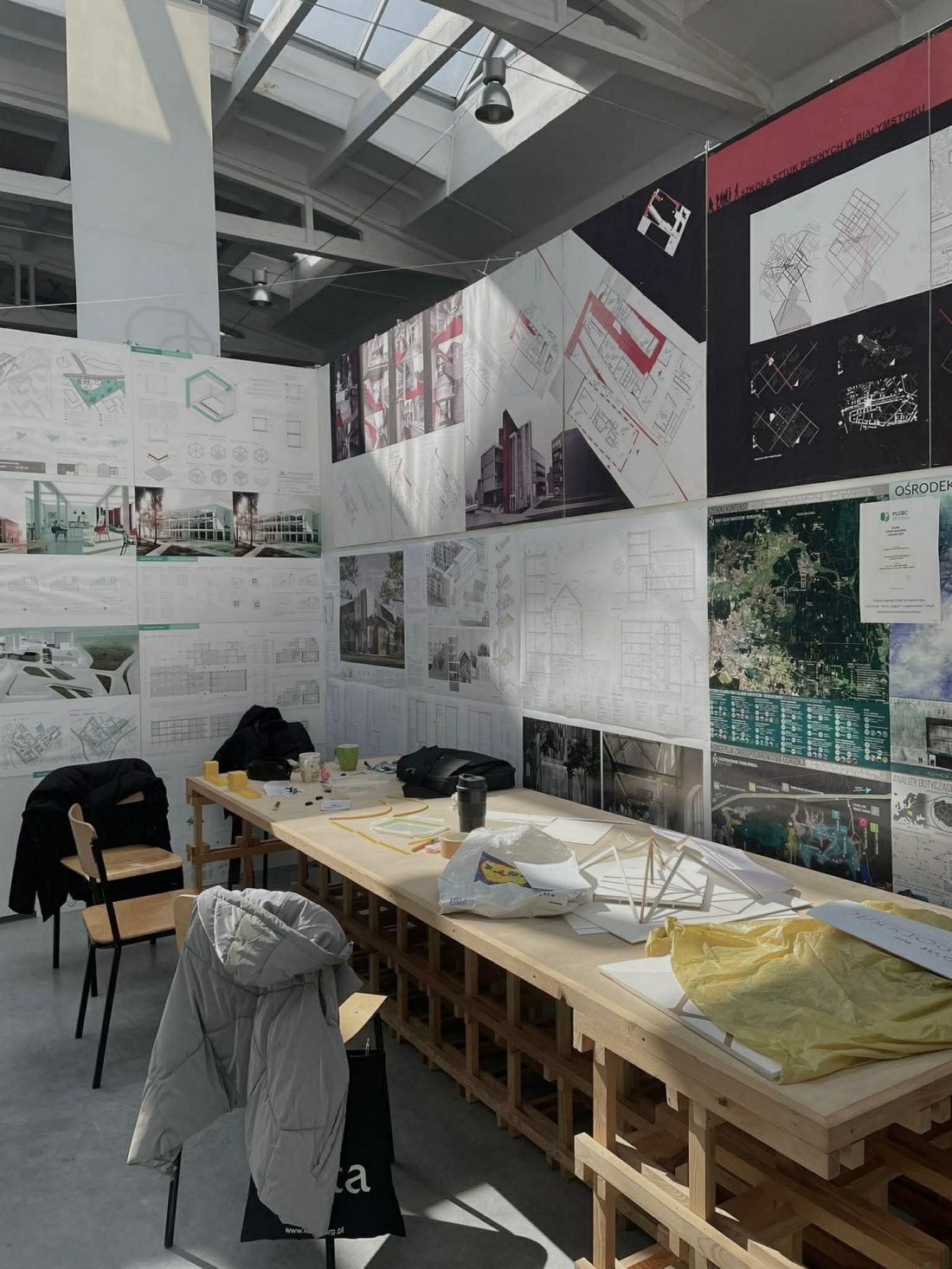
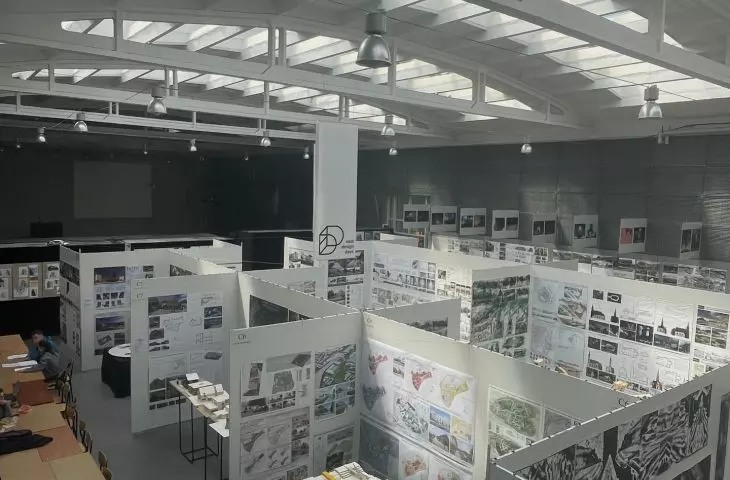
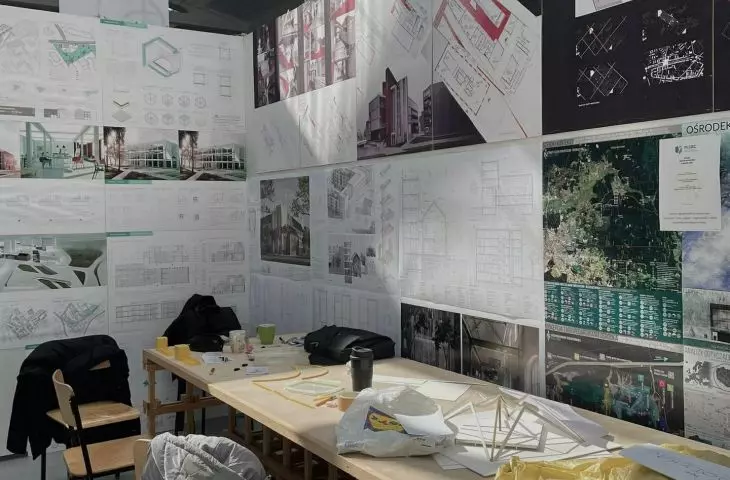
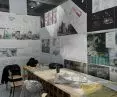
Studying quickly showed that architecture is not only about creativity, but also a lot of work and time. Projects can take up entire nights, and when several of them overlap, time organization becomes a key skill.

Over time, however, there is more than just responsibilities - the way of looking at the world changes. Everyday space begins to be analyzed differently: through the prism of light, proportions, materials and the emotions it evokes. The city and its surroundings cease to be a neutral background and become a consciously read structure.

© Julianna Masalska

design process and development

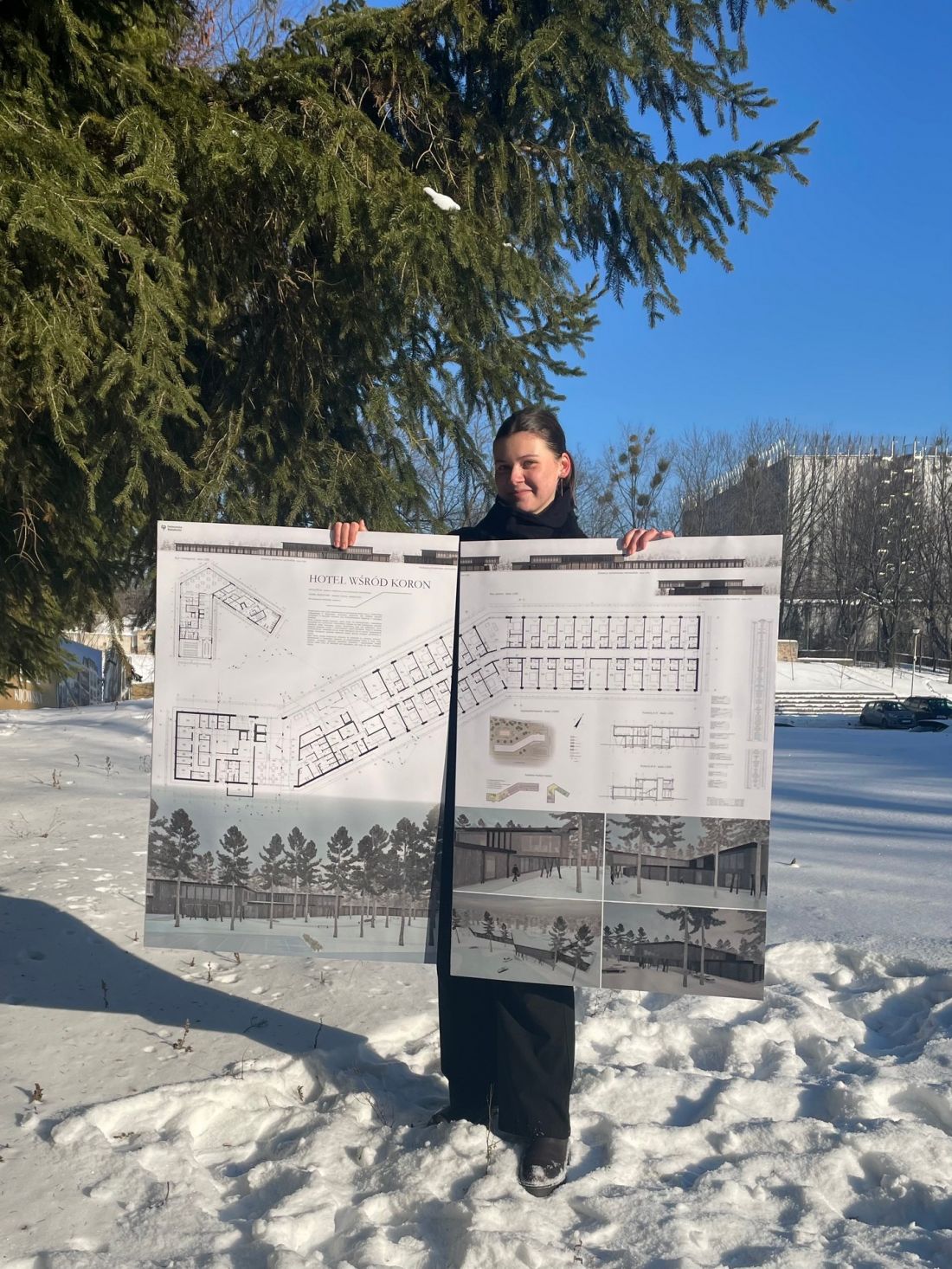
As Julianna emphasizes, architectural studies teach patience and humility. Designs are constantly revised, consulted and changed. This cycle - of drawing, revising and redesigning - can be demanding, but at the same time extremely developing.

Over time, one begins to understand that a design is never fully "finished," and that revisions are not a failure, but a natural part of the creative process.

© Julianna Masalska

architect's responsibility

An important thread in Julianna's experience is a growing awareness of the architect's responsibility. Architecture is not just about buildings - it is first and foremost about people and their daily functioning.

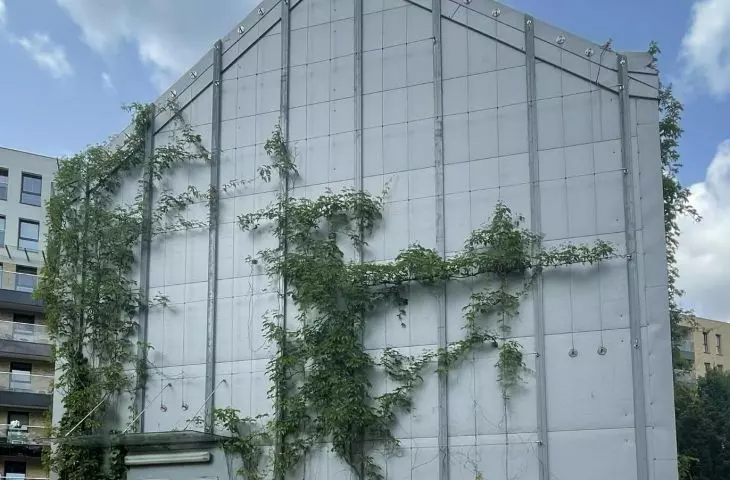
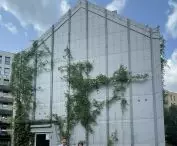
Space can affect mood, concentration and emotions. Light, greenery, proportions or room layout have a real impact on the quality of life. That's why an architect doesn't just design the form, but also the user experience.

Aleksandra Skorupa

Listen also to other podcasts
From the series "Foundations"

48 Architecture from the inside: everyday life and challenges of a student at the Warsaw University of Technology

49. is it worth studying architecture in Switzerland? About Marta Lata's experience

50. Erasmus or studying in Poland? Architecture through the eyes of Krzysztof Jędrzejewski.

51. studying in Berlin or in Poland? Architecture through the eyes of Karolina Gula

52 Does architecture begin with an idea? Experiences of Wiktoria Sitko

53 How international experiences change architects and female architects?

54 Between sketch and screen. What does studying architecture really look like?

55. what is the work of a young architect abroad? Emilia Plichta on life and design in Tirana

The vote has already been cast

INSPIRATIONS