



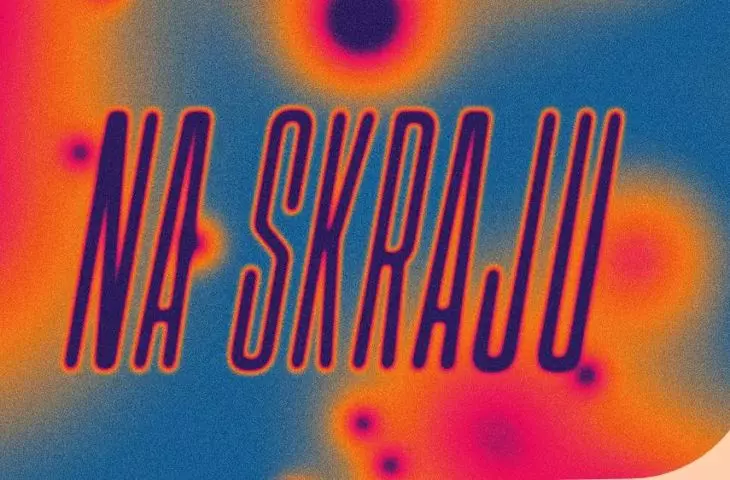
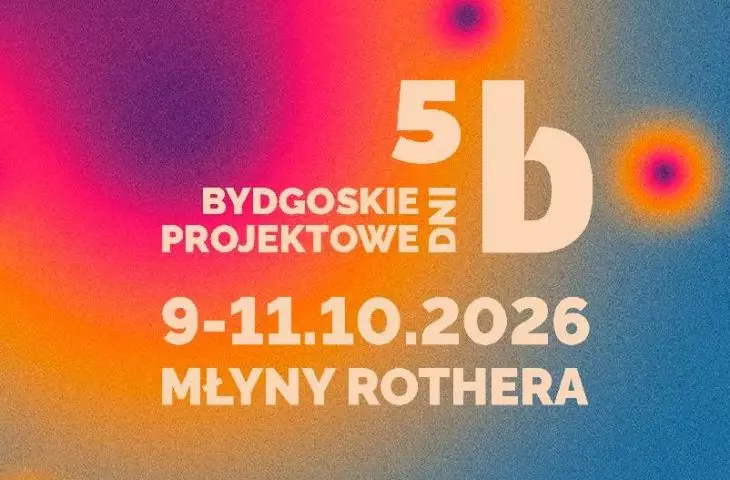


From October 9 to 11, Rother’s Mills in Bydgoszcz will host the 5th edition of Bydgoszcz Design Days, a city festival of design thought under the theme “On the Brink.” We talk with Marta Franka Magalska, one of the curators of the Bydgoszcz Design Days, about this rather unsettling theme, the program for the upcoming edition, and what it means to be on the edge of one’s endurance.
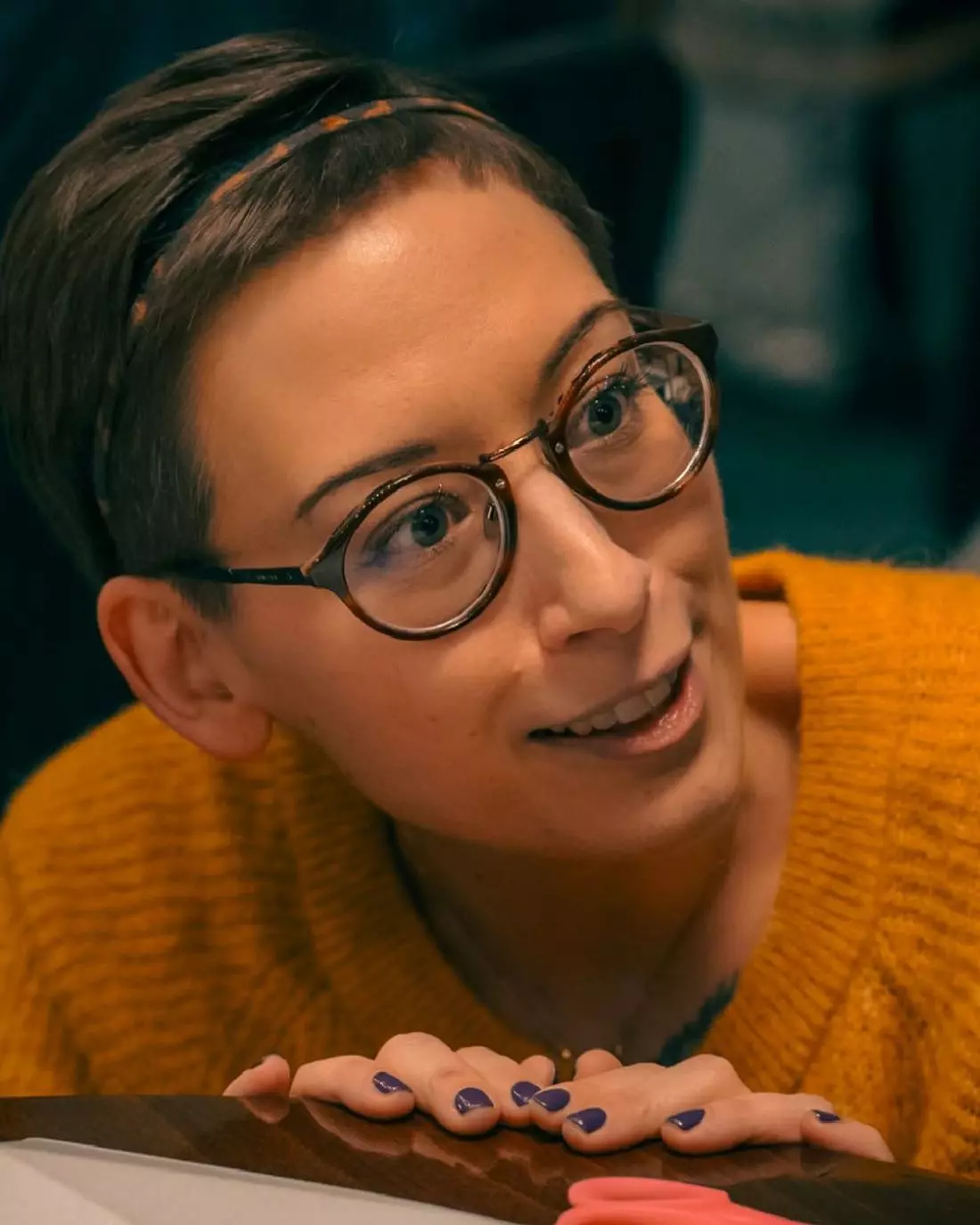
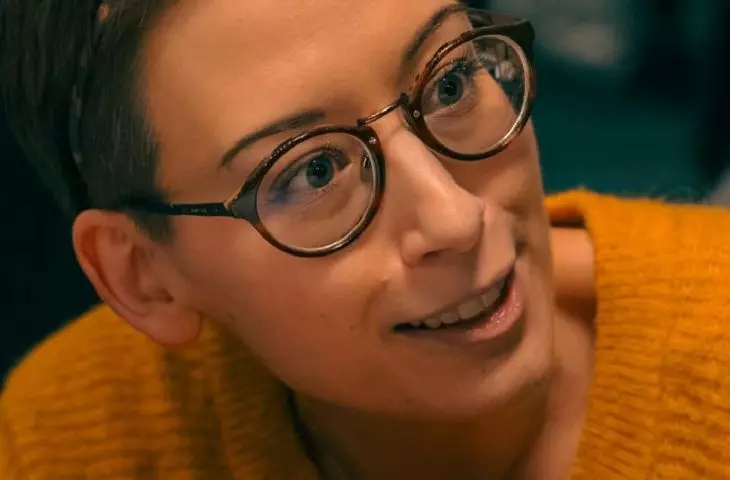
Marta Franka MAGALSKA — theater scholar, art therapist, cultural organizer, theater and vocal instructor, and author of theatrical productions and song lyrics for children and adults. She holds a degree in theater studies from Jagiellonian University and in art therapy from the Humanitas University of Applied Sciences in Sosnowiec. She is a former student of dramaturgy at the State Higher School of Theater in Kraków and is currently studying olfactory sensory science and perfume composition at SKK. From 2018 to 2025, she served as the coordinator for education and literary quality at the Pinokio Theater in Łódź, and since 2026 she has been working at Młyny Rothera as the chief program specialist. For many years, either independently or in collaboration with others, she has led a variety of workshops for children, youth, adults, and seniors, and she takes great pleasure and feels deeply grateful to work with people at risk of social exclusion and those with disabilities. She has collaborated primarily with cultural centers in Toruń, Kraków, and Łódź. She served as an assistant director on the production of the Wrocław Actor’s Song Festival (galas concert directed by Agata Duda-Gracz). In April 2018, the Wilam Horzyca Theater in Toruń hosted the premiere of the play “9 x John L.” Under the pseudonym Aga Jun, Marta Magalska was responsible for the dramaturgy and poster design for the production. Since then, she has been regularly writing, crossing out, adding, dramatizing, and playing with literature. Sometimes she gets paid for it. Favorite and most frequently used word: tenderness.
Ola Kloc: The slogan “On the Edge” brings to mind a rather precarious situation—being close to the edge of an abyss, crossing which often bodes ill. How does that apply here?
Marta Franka Magalska: We realize that the theme of this year’s Bydgoszcz Design Days sounds unsettling at first listen—perhaps even fatalistic. However, we hope that ultimately, the audience will recognize its multidimensional nature. Over the three days of the festival, we want to examine “the edges” from various angles. Not only through the lens of what—being on the edges—we might potentially lose, but also (and perhaps above all) what we might gain there. We believe that through conversations and collaborative activities, we’ll be able to examine together where we stand on these edges; and above all: what views of the future we have from these edges.
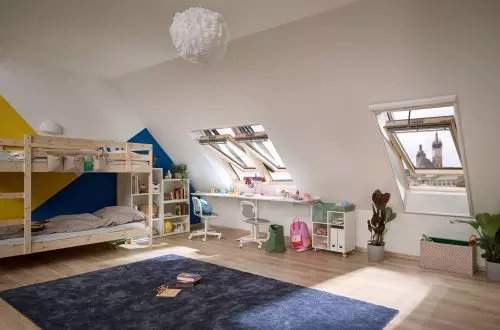
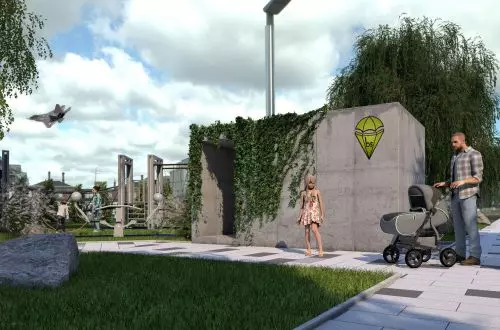
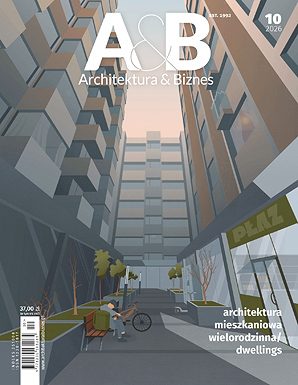
The 2026 Bydgoszcz Design Days, themed “On the Edge,” will take place from October 9 to 11
© Organizers’ archives
Ola Kloc: This year’s edition is meant to serve as a starting point for conversations about the city—what topics and issues will be at the center of these debates?
Marta Franka Magalska: That question alone immediately brings me to the first panel opening this year’s Festival— “Bydgoszcz: Center/Periphery.” It will be moderated by one of our curators, Bogna Świątkowska, and guests will include Błażej Bembnista, Artur Jerzy Filip, and Dariusz Markowski. The description of this event begins with a question that is very important from my perspective: Where does Bydgoszcz really end? Following this line of thought, I myself carry the question: Where does the city really end? And further: Who builds it?
We will, of course, address issues related to architecture, urban planning, and spatial design. However, I want to clearly emphasize that when we were putting together the festival program, people were—and still are—at the center of our focus at all times. So there are not—and will not be—any talks, workshops, walks, or even accompanying events conducted in isolation from the relationships between the city and its people, and between people themselves. I feel that, in this sense, we are the most important architects—building our shared urban existence day by day.
Ola Kloc: Questions about who feels at home in the city and who doesn’t, why we feel comfortable there and why we don’t, require a look from many perspectives—what are your thoughts on this?
Marta Franka Magalska: Extreme! That is to say: we’re putting all extremes—and thus all perspectives as well—at the center, at least for the duration of the festival. Our curatorial team consists of four people: the aforementioned Bogna Świątkowska, Taras Gembik, Mila Burchart, and myself as representatives of Młyny Rothera. Each of us brings different questions, doubts, experiences, and expertise to the table. This has ensured that we give the topics we address the attention they deserve, while also guaranteeing diversity among our invited guests and the communities they come from. The common thread, however , is always the need to talk about what lies on the fringes of public interest. I don’t want to say that we’re giving someone a voice—that sounds too grandiose. Rather, we’re passing the microphone to those who, in everyday life, find themselves somewhere on the fringes of our hearing range.
Ola Kloc: From these extreme perspectives, what kind of city is Bydgoszcz today? What challenges does it face?
Marta Franka Magalska: For me—someone who commutes here every day from another city— Bydgoszcz lies somewhere on the fringes of identity. Please don’t get me wrong—I think that’s fantastic. I remember this city from many years ago, and back then it would never have occurred to me to tie my life—even my professional life—to it. I didn’t associate it with any particular prospects; in fact, it had no… shape for me. Now, in conversations, I often compare it to a blend of Toruń and Łódź—it’s well-maintained and livable, but it also offers opportunities for personal growth on a truly satisfying level. Does that mean it’s perfect? Not quite. As I said, it’s a kind of identity in transition. Bydgoszcz is no longer the vague version of itself from a dozen or so years ago, but it isn’t a completely new version of itself either—not enough that I wouldn’t have to compare it to the other two cities. It’s still changing, still taking on its final character, still deciding on its own narrative. In this liminal state, however, I see the potential I’ve been talking about from the start—and I’m looking forward to seeing what view of Bydgoszcz’s future it offers.
Ola Kloc: What events are planned for this year’s edition?
Marta Franka Magalska: Panel discussions, author meet-and-greets, workshops for children, teens, and adults, walking tours, and even a concert by the band Mikromusic, an evening Craft Party, and a screening of the film *All Our Fears* — there really will be plenty to choose from. We operate with both vigilance and sensitivity—addressing what’s important, but also making room for activities that offer a breather and those meant to be pure fun. After all… it’s good not to be pushed to the limit.
Ola Kloc: Thank you for the interview. We invite you to Bydgoszcz!
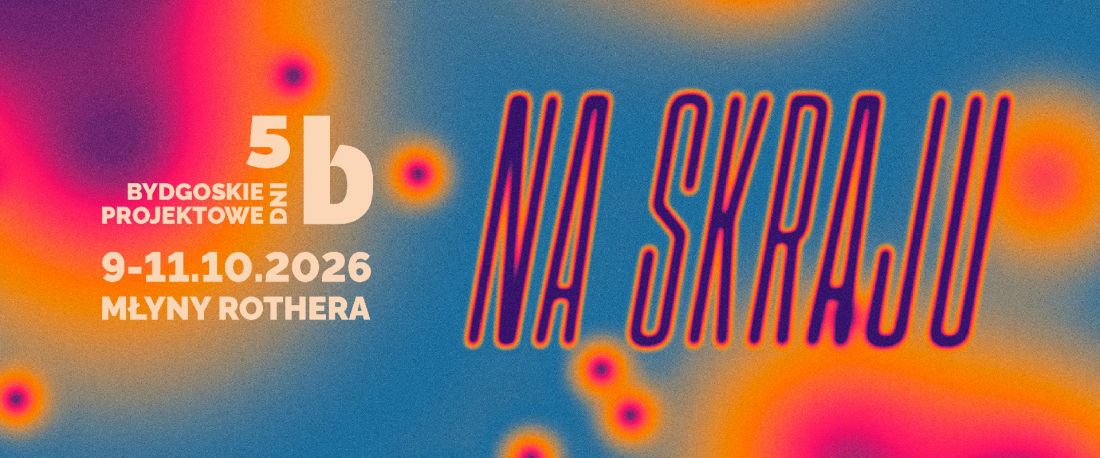
The 2026 Bydgoszcz Design Days, themed “On the Edge,” will take place October 9–11
© organizers’ archive