





"A&B Conversations" Podcast, Episode 1
The episode is available on YouTube and Spotify:


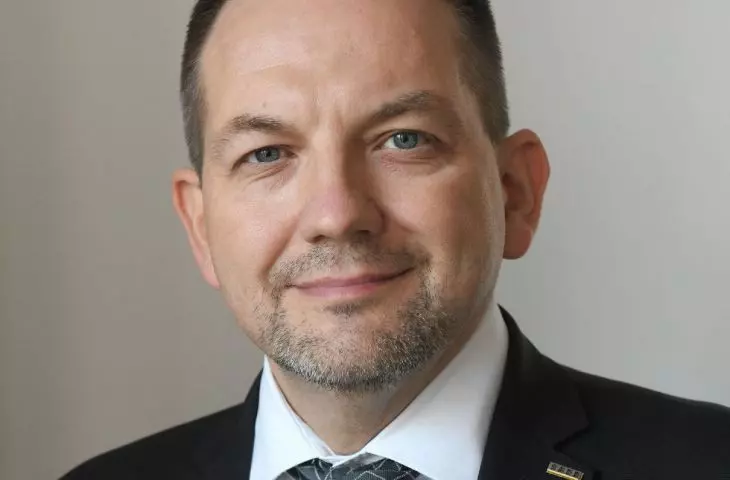
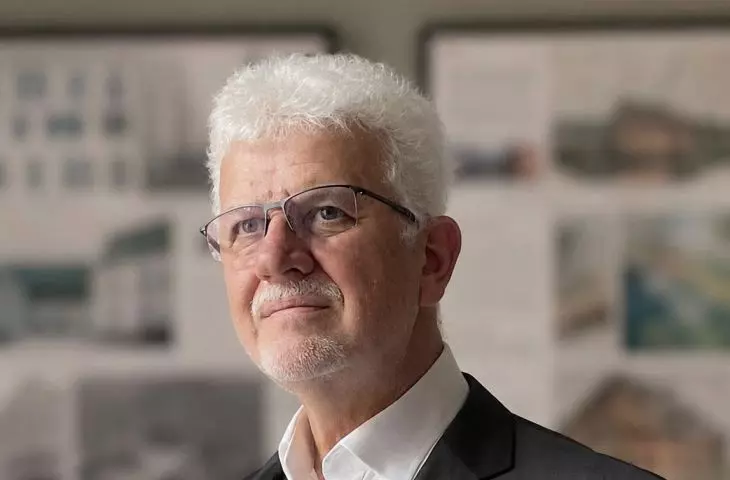
Work has been underway for months on the Polish Architectural Policy —a document being prepared by a team appointed by the Ministry of Development and Technology, which is intended to shape the future of Polish architecture and the quality of the spaces around us. Will this actually happen? Will the efforts of so many people truly translate into concrete actions, or will this be yet another strategy that ends up at the bottom of a drawer? Małgorzata discusses this, as well as the challenges currently facing the architectural community and the Chamber of Architects of the Republic of Poland, in the first episode of the podcast “A&B Conversations,” Małgorzata Tomczak, editor-in-chief of A&B, speaks with Bohdan Bis Lisowski and Borys Czarakcziew, architects involved in the development of the Polish Architectural Policy.
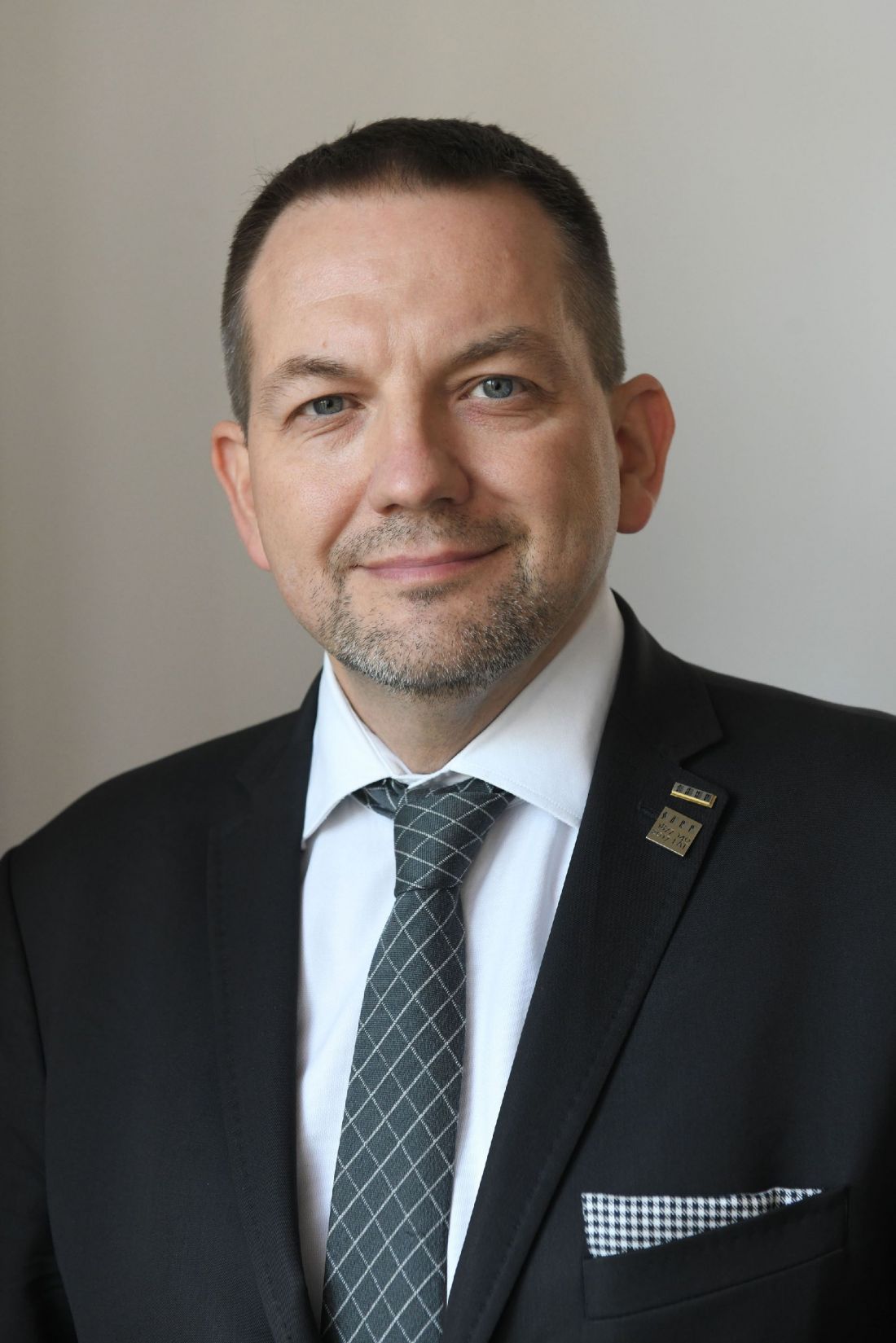
Bohdan Biś LISOWSKI — Chairman of the Polish Council of Architecture and Coordinator of the Advisory Team at the Ministry of Development and Housing (MRiT) for the development of the National Architectural Policy. A graduate of the Faculty of Architecture at the Kraków University of Technology (1994), he also studied at Bauhaus University Weimar, IUAV in Venice, and ETH Zurich. Since 1996, he has been an academic lecturer (Kraków University of Technology, the Academy of Fine Arts in Kraków, and Andrzej Frycz Modrzewski University), and owner of Biś Computers (an Authorized Autodesk Training and Certification Center), which provides training in CAD and BIM as well as ICDL and Autodesk certification. Member of the Association of Polish Architects, the Association of Art Historians, the Polish Informatics Society, and the BIM Working Group at the Ministry of Development and Technology (MRiT); signatory of the BIM Standard PL Declaration. Involved in activities supporting the architectural community since 1999, he has, among other things, co-organized exhibitions on the architecture of Małopolska, including one presented on the Esplanade of Solidarity in front of the European Parliament in Brussels (2014), organizing the Kraków International Architecture Biennale in 2015, 2017, and 2019, as well as co-organizing over a dozen architectural competitions. President of the Kraków Branch of SARP (2013–2019), Secretary of the SARP Board of Presidents (2015–2019), and President of SARP (2019–2022). Member of the Public Committee for the Restoration of Kraków’s Historic Monuments, the Council of the National Museum in Kraków, and the Council of the International Union of Architects (UIA) (2021–2022).
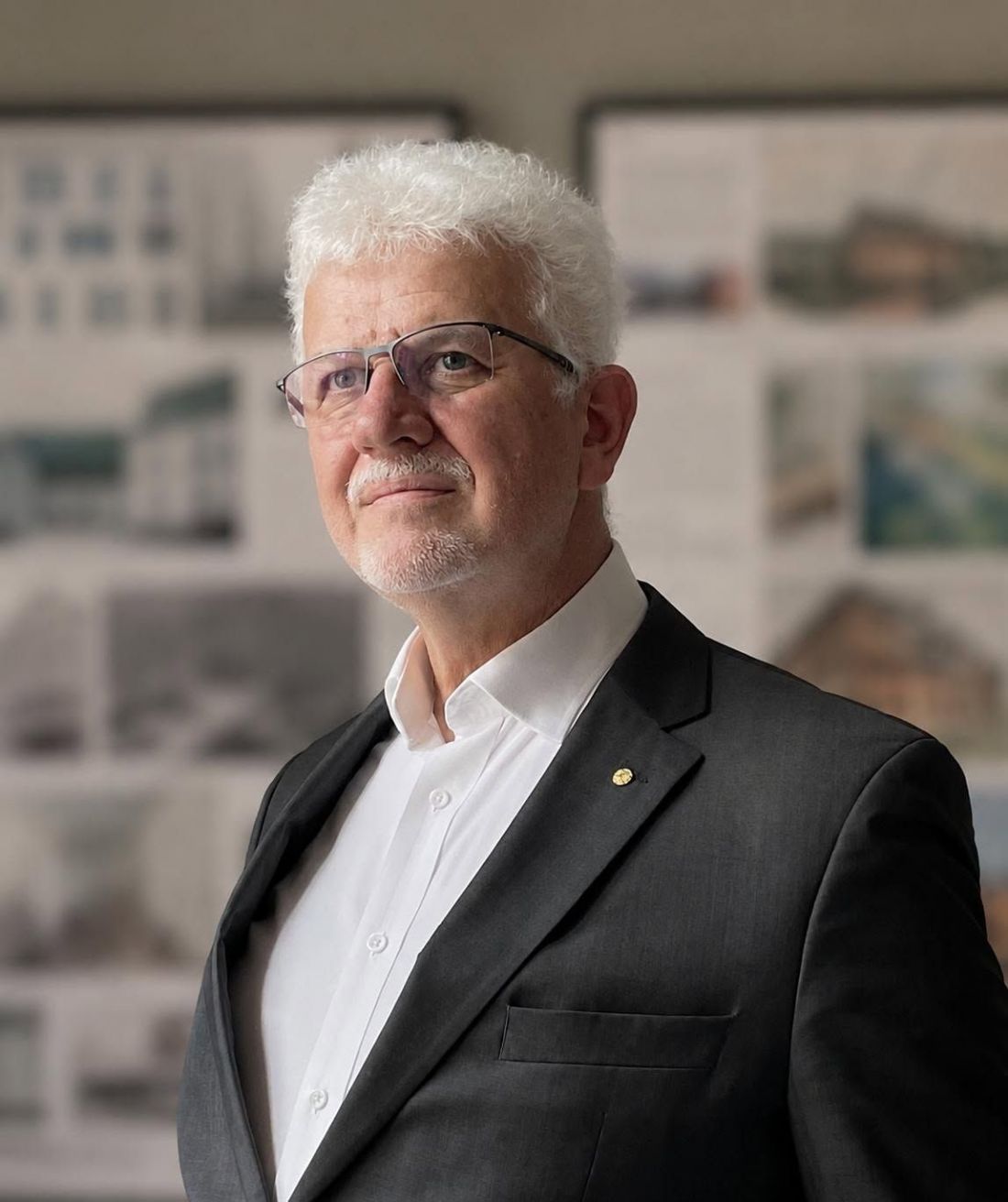
Borys CZARAKCZIEW — a practicing architect with over thirty years of professional experience. He was the owner of a small design studio, co-owner of a design firm, and President of Miastoprojekt Kraków from 1999 to 2005. He has participated in residential, public, urban planning, and conservation projects, winning numerous awards and distinctions with his teams in national and international architectural and urban planning competitions, including the SARP Award of the Year. From the very beginning, he was involved in establishing the professional association of architects. From 2002 to 2014, he served as the first President of the Małopolska Regional Chamber of Architects of the Republic of Poland. He subsequently served as a member of the National Council of the Chamber of Architects of the Republic of Poland and as Vice President of the National Council responsible for international cooperation. He co-created the programs “Shaping Space,” “Designer’s Handbook,” and “Architect’s Workshop,” which for many years supported the development of the architectural community. For over fifteen years, he has represented Poland on the European stage in the work of the Architects’ Council of Europe (ACE) and the European Network of Architects’ Competent Authorities (ENACA). From 2020 to 2025, he served on the Board of the Architects’ Council of Europe, an organization representing over half a million architects. For one and a half terms, he served as ACE Treasurer. From 2024 to 2025, he coordinated the area responsible for the quality of the built environment, housing, cultural heritage, and the future of the architectural profession. He actively participates in work related to Poland’s Architectural Policy, the activities of the Polish Council of Architecture, and initiatives concerning the quality of architecture, housing, cultural heritage, and quality of life in the built environment.
“A&B Conversations” is a new podcast series focusing on what matters most for the spaces around us and the architects who design them.
In the first episode, we take a closer look at the Polish Architectural Policy currently being developed—we ask about the origins of this initiative and the various stages of the work, as well as who is deliberating on its form and what gap this document is intended to fill.
Will it be possible to finalize the Polish Architectural Policy during this government’s term?
“We’ve reached a point where, on the one hand, we’re a professional group, but we’re also citizens deeply involved in a certain process. And now , essentially , it’s entirely up to us to see this through to a successful conclusion and draft this document,”
— says Bohdan Biś Lisowski, the coordinator of the work on the document.
In the second part of the podcast [00:52:23], about the professional self-governance of architects —on the eve of the election for president of the Chamber of Architects of the Republic of Poland, we discuss the everyday problems faced by practicing architects, ideas for combating price dumping, and support for young professionals entering the field. Borys Czarakcziew, a candidate for the position, shares his vision for the IARP’s future.
What challenges does the Chamber of Architects, as the representative body of the architectural community, face today?
The Chamber itself, which we established at the beginning of the 21st century, was meant to be our response to this lack of recognition and the devaluation of architecture. It turned out that, in essence, the state would prefer the Chamber to be merely an agency that protects the state from architects’ mistakes, yet our mission is to create dignified conditions for practicing this profession —and these dignified conditions, in turn, influence the quality of architecture. So I believe these are the fundamental issues we should be focusing on again
— says Czarakcziew.
10 Commitments to Architects
by Borys Czarakcziew
1. The architect will return to the center of the investment process
I will work to strengthen the architect’s position as the coordinator of the investment process and will oppose any actions that limit the architect’s authority and responsibility. The architect must return to where decisions are made.
2. Improving working conditions for architects will become KRIA’s primary goal
I will launch the Architect’s Professional Economics Program, which will include an analysis of the costs of running a practice, training in the economics of the profession, and initiatives to improve architects’ salaries. Architects must earn more.
3. We will curb price dumping
I will develop a standard scope of architectural services, promote the use of the Design Work Cost Calculator, and launch a platform for monitoring design service prices, available to Chamber members.
4. We will change public procurement rules
I will advocate for a greater emphasis on quality criteria, regular payments for design services, and a reduction in the obligation for design firms to provide financing for projects.
5. We will strengthen small architectural firms
Ninety percent of architects work in small firms. I will prepare a package of model contracts, documents, guides, and training programs to support the operation of design practices.
6. Members’ funds will work for the members
I will present an analysis of KRIA’s financial policy and increase funding allocated to activities supporting the practice of architecture and initiatives carried out by Regional Chambers of Architects.
7. Protecting the profession will become one of KRIA’s priorities
I will support efforts to combat the practice of “sign-off architects,” monitor changes that limit architects’ professional authority, and work to reclaim areas of practice lost by the architectural community.
8. Architects will receive tangible support in the practice of their profession
I will create a nationwide system for expert support, knowledge sharing, legal interpretations, document templates, and practical tools to assist architects in their daily work.
9. For the first time, we will develop a Strategy for the Development of the Architectural Profession
I will begin work on a document outlining the direction of the profession’s development, new competencies, new areas of practice, new sources of revenue, and the position of architects over the next ten years. I will also continue to implement the Strategy for the Image of the Architectural Profession.
10. KRIA Will Be Held Accountable for Its Results
After the first year of my term, I will present a Report on the State of the Architectural Profession and a report on the implementation of the program. Chamber members will be able to evaluate not mere declarations, but actual results achieved.