






An interview by Marta Kulawik with Prof. Agata Twardoch about her path to becoming the city planner of Gliwice and about acquiring the skills needed to fulfill this role. In the interview, we discuss the formal and informal influence of city planners on the development and functioning of the urban organism, as well as various models of operation—depending on how local government functions. We’ll also discuss inspiring others with ideas and long-term initiatives that are crucial for residents’ quality of life.
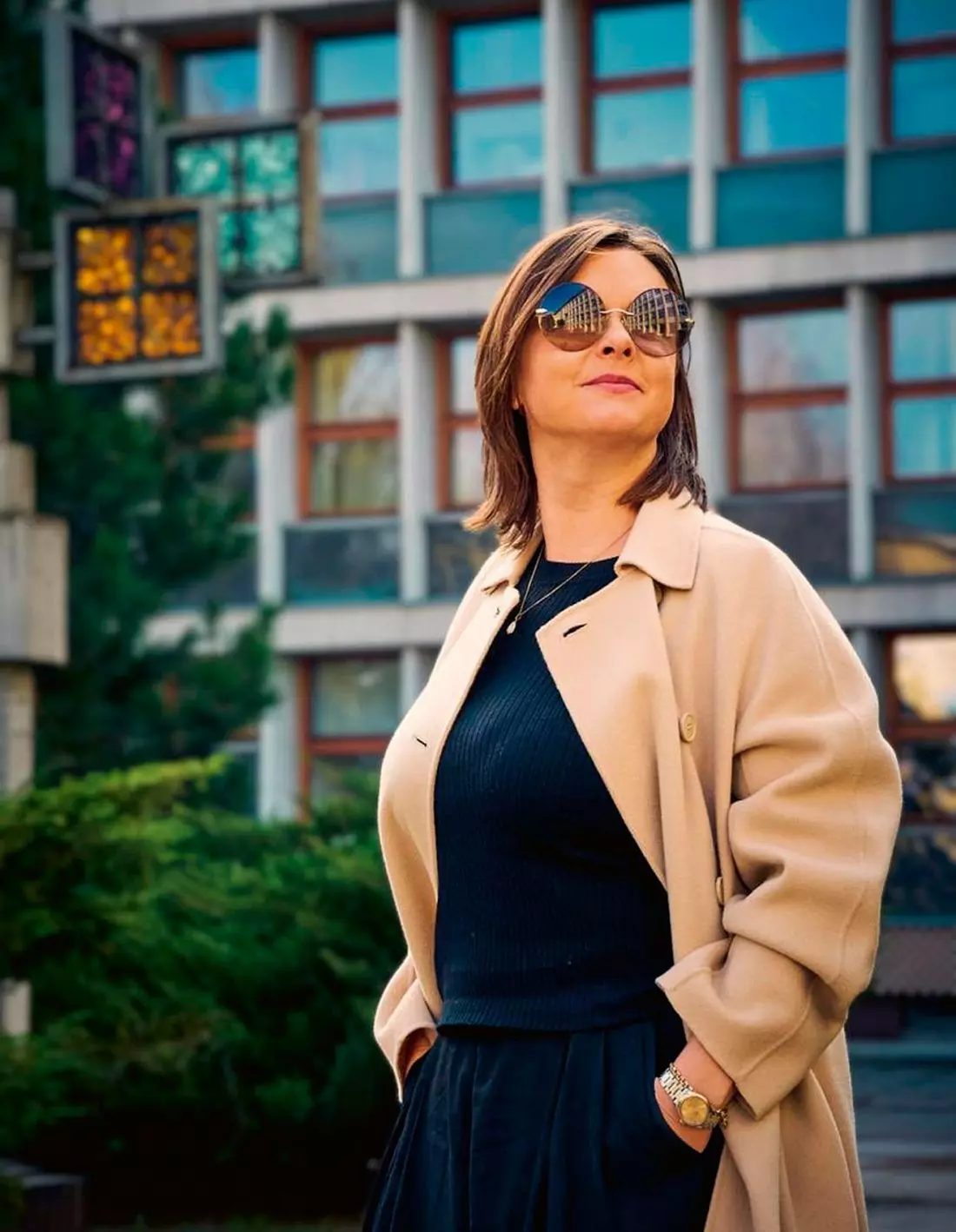
Prof. Agata TWARDOCH — Architect and urban planner, professor at the Silesian University of Technology, affiliated with the Department of Urban Planning and Spatial Planning in the Faculty of Architecture. Since 2024, she has served as the city planner and architect of Gliwice, where her responsibilities include spatial development strategies, public consultations, and the organization of architectural and urban planning competitions. In her research and teaching, she focuses on housing: accessibility, public policies, and alternative forms of living. She is the author of the books *A System for Living: Perspectives on the Development of Accessible Housing* (2019) and “Women Architects: Will Women Design Better Cities?” (2022), as well as numerous academic and popular science articles.
Marta Kulawik: You have been the city planner for Gliwice since 2024. Not every city has such a position. How can we ensure that the roles of architect and city planner are legally mandated?
Prof. Agata Twardoch: First and foremost, we need pressure from our professional community. I know that during the Polish Architecture Congress, which will take place on May 14–15 of this year, this topic will be discussed, and recommendations in this direction will likely emerge at the end. I have the impression that the public demand to involve architects and urban planners in city management has already emerged, and more and more cities are deciding to appoint a city architect or urban planner. This raises a dilemma: architect or urban planner.
I decided to call this position in Gliwice “city urban planner” because the work I do is closer to urban planning than to architecture. This title better reflects the broad spectrum of activities we undertake. But to answer your question directly: what we as the architectural community can do is lobbying in the broadest sense, including reaching out to members of parliament—our representatives in politics.
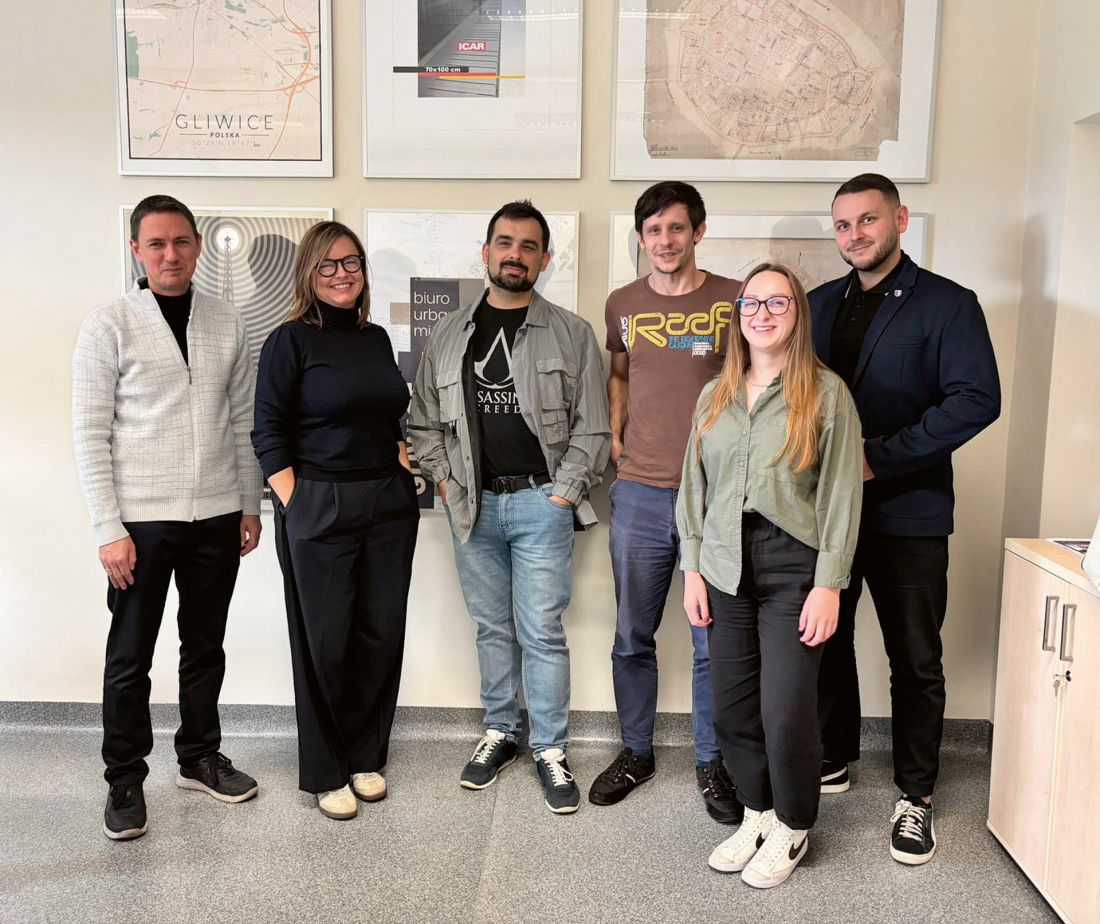
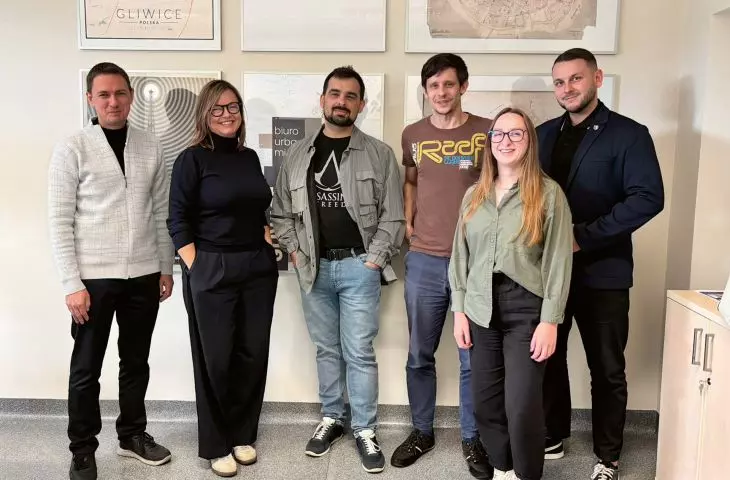
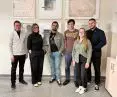
The team at the Gliwice City Urban Planning Office—from left: Marek Malcharczyk, Prof. Agata Twardoch, Roman Kuboś, Piotr Kasprzyk, Judyta Wiśniewska, Michał Gałuszka
Illustrations courtesy of the Gliwice City Urban Planning Office
Marta Kulawik: How can you exert this influence on politicians? Do they even ask for advice in this area?
Prof. Agata Twardoch: There are times when they do. I have repeatedly participated in meetings organized or co-organized by the Department of Housing, the Ministry of Development and Technology (or its predecessors), the Chancellery of the Prime Minister, as well as in Sejm committees, forums, and conferences to which ministry representatives were invited.
I also have a story to share. For many years, I’ve been involved in issues related to housing and housing policy; among other things, I’ve been interested in housing cooperatives. In 2018, I gave a public lecture on this topic at Zachęta, and some time afterward, a representative from the Department of Housing contacted me to invite me to participate in the drafting of a bill concerning housing cooperatives. It turned out that the deputy director of the Department, Alicja Ogonowska, had attended my lecture, and the topic interested her enough that she decided to pursue it. In March 2023, the law on housing cooperatives went into effect.
Of course, the mechanism is much more complex. It’s important to find the right people who are passionate about the subject. The general atmosphere surrounding a given topic—the spirit of the times, so to speak—also matters. When I began speaking publicly about housing issues twenty years ago, what I was saying was very often treated as “communism” or, at best, a curiosity. Today, we have restrictions on the sale of municipal housing, new apartments for municipal rental, we’re starting to build multigenerational housing complexes, and we’re moving away from mortgage subsidies. I believe this change is largely due to the efforts of many people—researchers, advocates, activists, and local government officials—who have been engaged for years in studying the issue and identifying the best paths for change.
Marta Kulawik: Could you say that “constant dripping wears away the stone”?
Prof. Agata Twardoch: Yes, because it’s about spreading an idea. If we’re able to inspire the right group of people, it may turn out that change will eventually come about.
Marta Kulawik: Working in the Department of Urban Planning and Spatial Planning at the Faculty of Architecture of the Silesian University of Technology, you’re in contact with young people. Do you also see positive changes in the core curriculum?
Prof. Agata Twardoch: For the architecture program, there is a ministerial “educational standard preparing students for the profession of architect,” which defines learning outcomes and mandatory subject groups—design, contextual studies, internships, and the capstone project. Based on this, each university designs its own curriculum. So what we might call the core curriculum is defined quite loosely. Soft skills have been part of this framework for many years. The question remains as to how these subjects are taught and how they are presented. At the Silesian University of Technology in Gliwice, there has long been a division such that in the Department of Urban Planning and Spatial Planning, of which I am a member, we do not formally teach visionary architecture, but rather focus on social relations and the impact on people’s lives.
For many years, I led an experimental housing course (“Housing Areas: History, Trends, Contemporary Challenges”), in which, together with my students, we introduced many innovative ideas into the discourse. There was even a lengthy article about it in the quarterly “RZUT” (RZUT +35: “Education,” 3–4/2023). It was a truly discussion-based course, in which students were required, as part of their course requirements, to present a paper that addressed a non-obvious housing issue in an inspiring way. We emphasized holistic thinking, combining many topics—for example, social issues with environmental ones, or historical with contemporary ones. Currently, I have fewer classes at the university because I’m devoting more time to urban development, but I’ll definitely return to a similar format someday. I’ll change the subject matter, because what was once innovative has now entered the mainstream, and I’m very keen not to keep repeating the same thing over and over.
Marta Kulawik: What range of competencies should an effective architect or urban planner have?
Prof. Agata Twardoch: I’ll say this as a joke, but I feel a bit as if my entire professional career has been leading me to the position of city planner. Over the years, I’ve built up a set of skills that I now put to use. On the one hand, you need some practical experience working as an architect and urban planner. I’ve worked on several architectural projects—from the early days of my career—as well as urban planning projects, and I’ve also served on the municipal architectural and urban planning commission.
Marta Kulawik: You’ve successfully participated in competitions.
Prof. Agata Twardoch: Yes, that was also part of acquiring knowledge, gaining experience, and testing ideas.
The second aspect is my background in outreach and public engagement, which helps me communicate my ideas and engage with people, including those without an architectural education. Practicing architects aren’t always good at this, because they tend to assume the role of a demiurge, which makes collaboration with the public very difficult. I try to remember that a city is made up of people and is an incredibly complex mechanism. I listen to differing opinions and invite specialists to collaborate—I don’t claim the absolute right to have the final say.
I find my years of working with students extremely valuable, because I also consult on concepts and projects within the city. As the City Planning Office, we are required to consult on all projects commissioned by municipal units and departments—to ensure the highest quality and functionality of city investments. However, we also invite private investors to consult with us. Because we have a deep understanding of the urban context and a coherent vision for the city’s development, we are able to suggest solutions that will ultimately yield better results from the perspective of both the city and the investor. The City Department of Architecture and Construction, which issues administrative decisions regarding building permits, must focus on ensuring that projects comply with local zoning plans and building codes, but our firm can afford to engage in a more informal discussion using “soft” arguments. Hence, social skills are crucial, and working with students undoubtedly helps develop them.
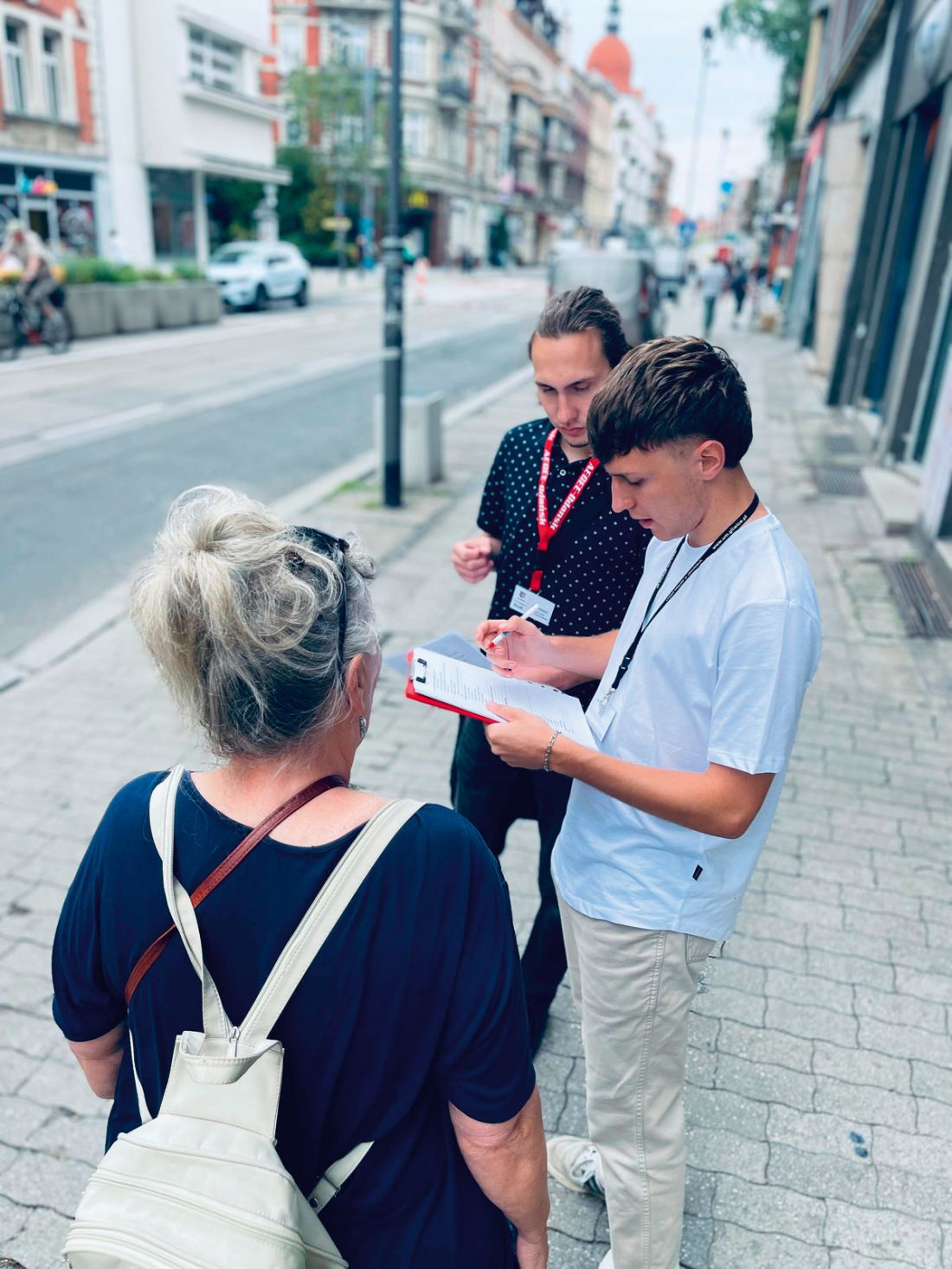
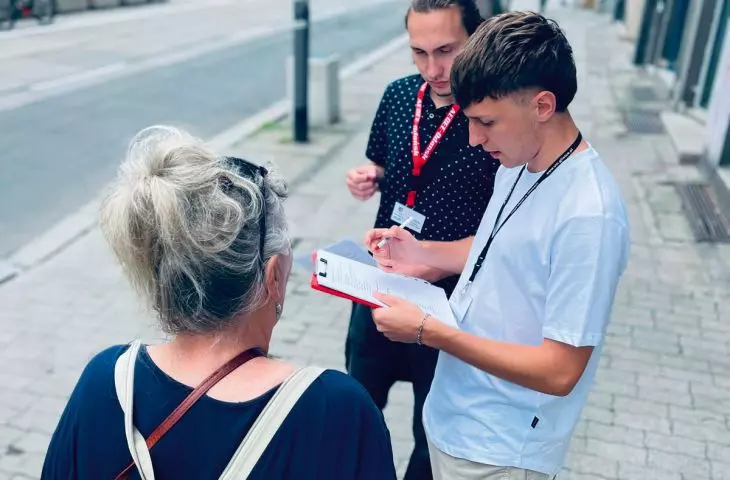
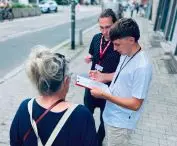
Surveyors during the participatory process for the Zwycięstwa Street prototyping project in Gliwice
Illustrations courtesy of the Office of the City Planner of Gliwice
What matters are skills related to synthesis and analytical thinking—the very foundation of academic work. I also built my team based on this diversity: it includes both younger and slightly older individuals, with varied educational backgrounds and career paths. I try to draw on their expertise on an ongoing basis, because a perspective from multiple angles is always better than a single person’s viewpoint.
Marta Kulawik: As an urban planner, what kind of formal and informal influence do you have on the city?
Prof. Agata Twardoch: Since this role isn’t mandated by law, all of our influence is, in a sense, informal. That is to say, our greatest influence stems from the support of city authorities and the trust placed in us by Mayor Katarzyna Kuczyńska-Budka, who decided to establish my position and the City Planner’s Office. At the moment, we are, in a sense, a think tank working for the city. We participate in strategic decision-making and provide input on the work of other departments where it touches on spatial issues, but we do not make administrative decisions ourselves, nor do we manage projects, so our role is always purely advisory.
Let me try to illustrate this. For example, we’re working on a better method for selecting contractors for conceptual and design work—one that, in addition to ensuring a reasonable price and an impartial selection process, guarantees high-quality projects. After all, we know that a good design—above all else—can yield significant savings in the long run. Where there is scope for it, we therefore encourage the holding of design competitions, and we are piloting some of them. Where conditions do not permit this, we propose introducing quality criteria into tenders—which is neither simple nor obvious. We are therefore developing requirements that will unambiguously help assess a contractor’s potential to execute a project well.
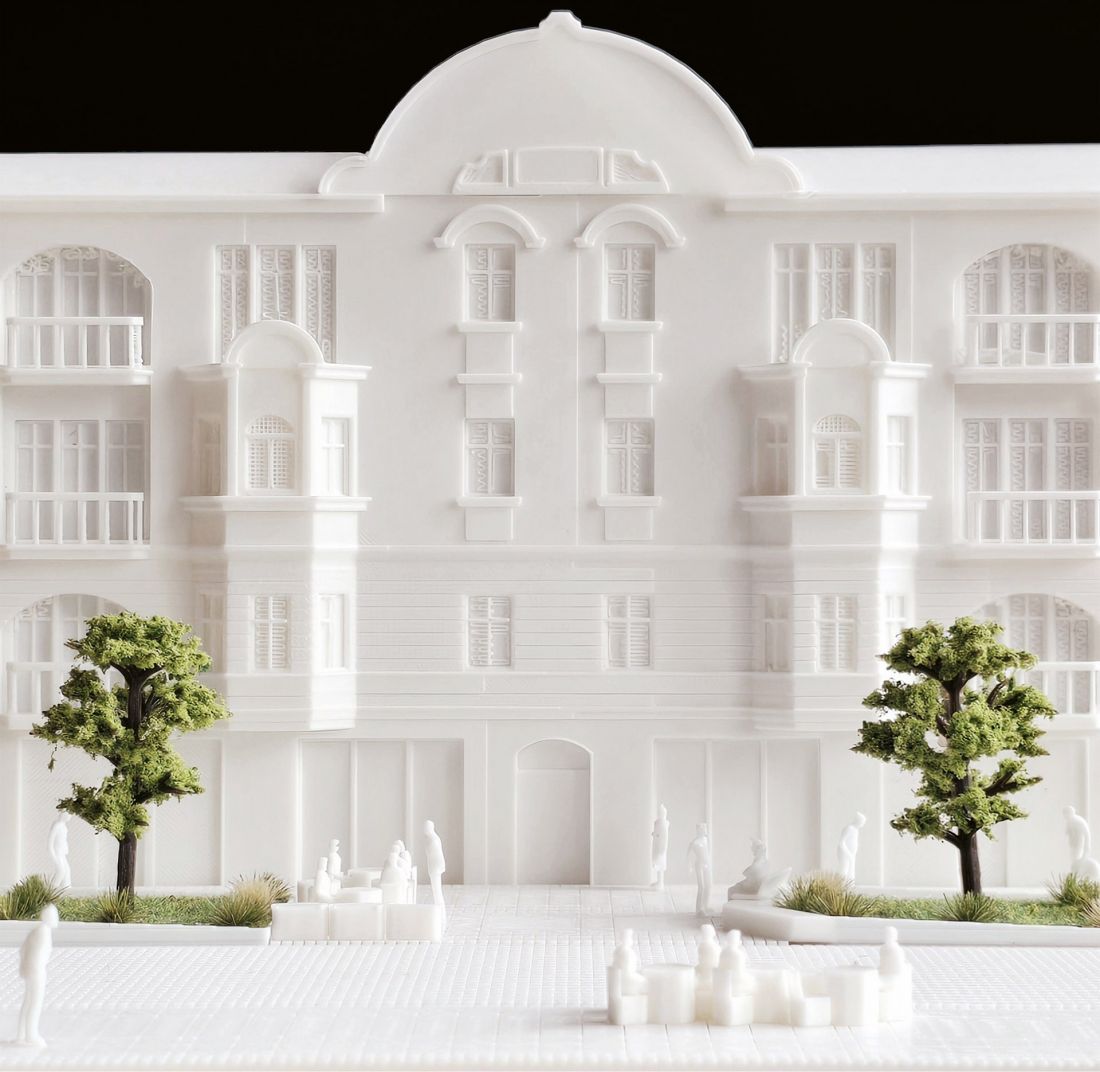
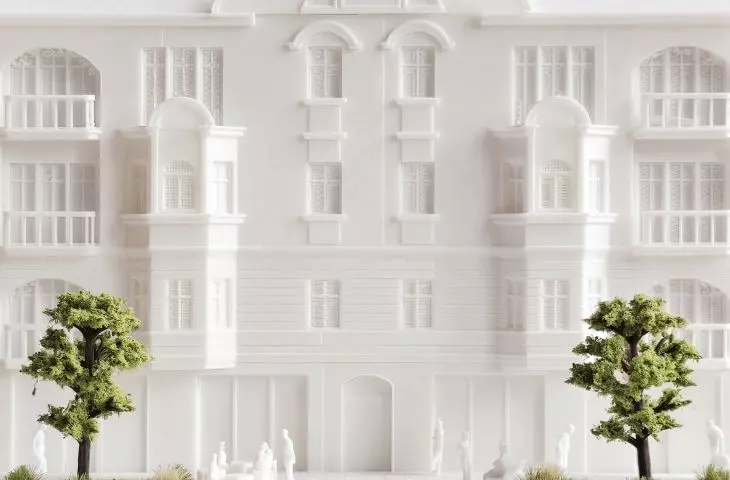
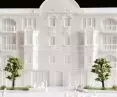
3D print of the concept for the redevelopment of Zwycięstwa Street in Gliwice
Illustrations courtesy of the Gliwice City Planning Office
To improve the quality of all municipal projects, we are working on universal standards—for example, for landscaping work and green space design, as well as for municipal buildings. These standards are being introduced via an order from the mayor and will take on formal legal force from that point forward.
Our greatest—in the long term—impact on changing the way the office operates stems from the fact that people with backgrounds in architecture and urban planning have become part of it. We focus on quality, sustainability, and subtle connections, and after every cross-sectoral meeting, we slightly shift the overall mindset of the office and the individual staff members. So, once again: constant dripping wears away the stone.
Marta Kulawik: Could one also say that you serve as a bridge between residents’ expectations and the interests of administrators and authorities?
Prof. Agata Twardoch: It’s difficult to answer that question because, on the one hand, we listen closely to residents, meet and talk with them, conduct and commission public consultations, and take a keen interest in their needs. On the other hand, when making decisions, we also try to take a broader view and consider the long-term perspective rather than just the here and now.
In addition, the city departments very often respond directly to the needs reported by residents, and we sometimes have to put the brakes on, pointing out that while a need may seem urgent at the moment, addressing it in the long run will cause more harm than good. A good example here is the parking problem. New parking spaces are the most frequently reported need. Sometimes it seems that residents expect all undeveloped spaces in the city—including green spaces—to be converted into parking lots. This is a very difficult issue: on the one hand, we understand that the need for parking is a pressing everyday problem; on the other hand, we have confirmation from many examples that a greater number of parking spaces does not translate into an improvement in quality of life or satisfaction with city life. So we often try to find alternative solutions that address residents’ needs in a slightly different way than the one that seems simplest at first glance.
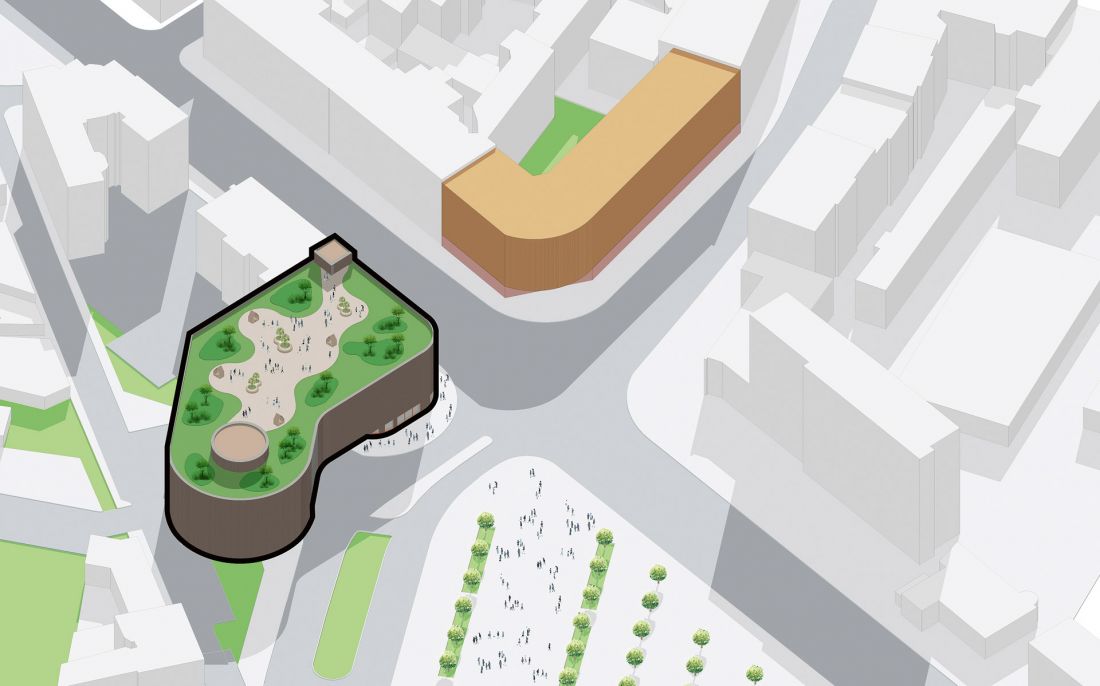
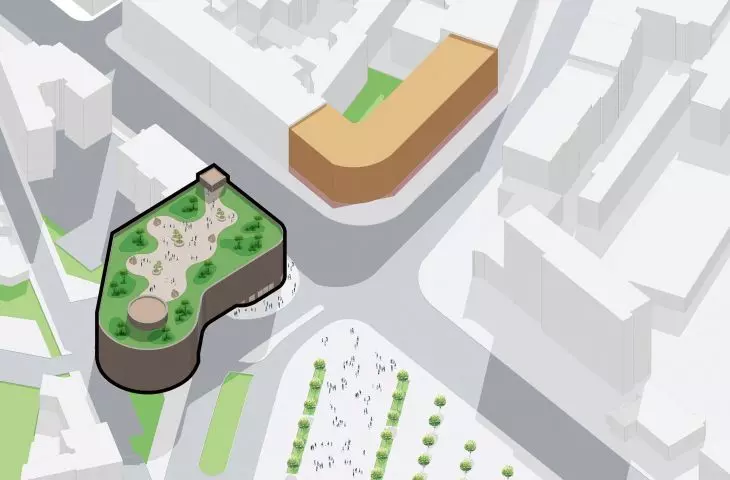
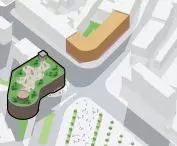
Axonometric view of the multi-level parking garage at the Gliwice train station—excerpt from architectural analyses
Illustrations courtesy of the Gliwice City Planning Office
Marta Kulawik: Every city has a slightly different operating model. You, in particular, report directly to the mayor. In your opinion, which operating model is the most effective?
Prof. Agata Twardoch: Yes, there are indeed different models. On the one hand, there is the “Warsaw” system, where there is a single Office of Architecture and Spatial Planning, and the city architect served as its director. This is a role that the wonderful Marlena Happach held for several years. In this arrangement, the city architect does indeed have a very broad range of responsibilities and tools for shaping spatial policy. However, there are also drawbacks to this arrangement, because the city architect, burdened with the responsibility of issuing administrative decisions regarding building permits and preparing local development plans, loses some of her freedom of action. There is also a second, radically different model, such as the one currently in place in Gliwice, where the City Urban Planning Office operates alongside the Departments of Architecture and Construction and of Spatial Planning, and serves as a think tank. This allows us to think “outside the box” and provide an external perspective on the activities of the city’s departments. Since we aren’t the authors of the local plan ourselves, we see things that the authors may no longer notice, and we propose solutions that have never been considered before. We can prepare opinions for the Department of Architecture regarding the flexible provisions in local plans, which they can use to support their decisions. I find this model more appealing. In the Warsaw model, the city architect does indeed have significantly greater responsibility and formal influence over reality. Although I greatly value the fact that here we make most key decisions collectively, within task forces composed of all the departments involved in a given issue. I do not claim the right for our team to make key decisions regarding the city’s development in an authoritarian manner. The expertise and experience of other departments are equally valuable, and through collaboration, we can make better and more informed decisions. I appreciate this democratic management model.
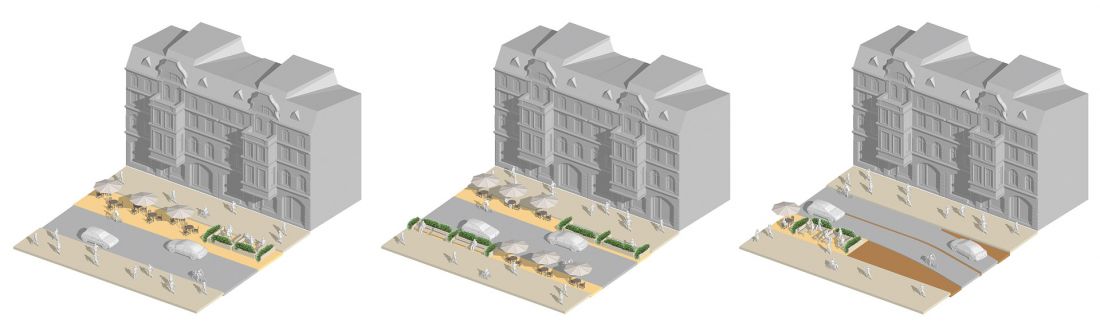
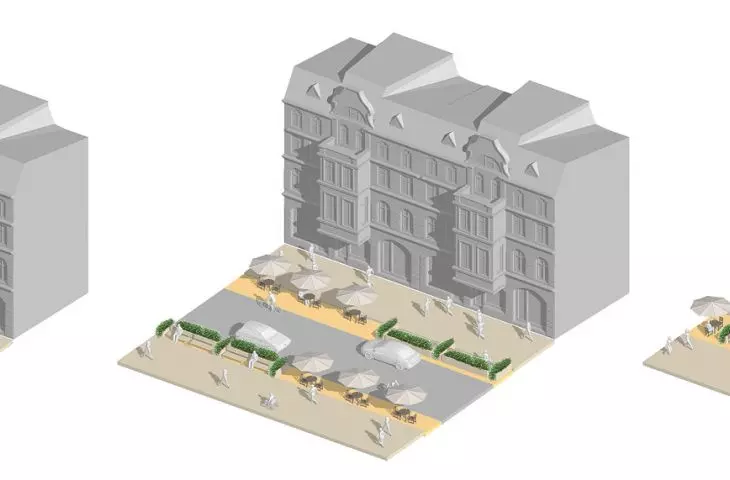
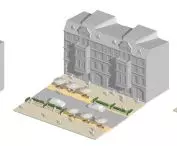
axonometric projections of three urban space prototyping variants
Illustrations courtesy of the Office of the City Planner of Gliwice
Because I report directly to the mayor, I also have the ability to, so to speak, exercise a veto—which, of course, is not always taken into account, but which guarantees me additional independence in my work, and this is extremely important to me. I have decided that I will remain in this position as long as I am able to act in accordance with my convictions and my conscience, in the best interests of the city and its residents.
Marta Kulawik: What is currently the toughest nut to crack for the city of Gliwice? Are there any heated discussions going on right now?
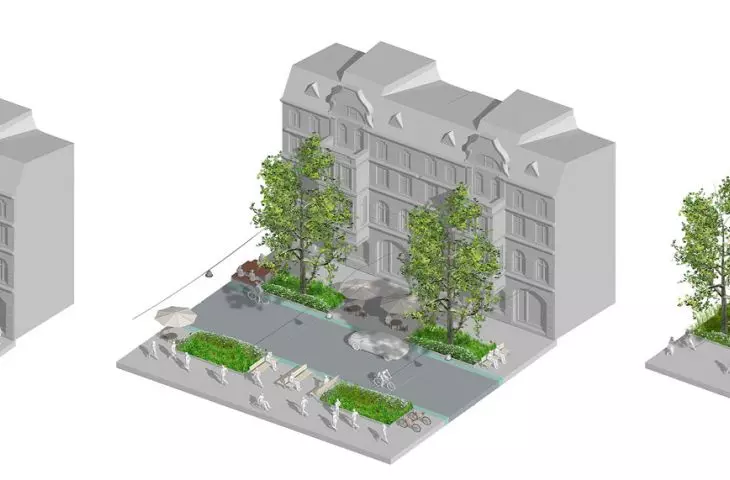
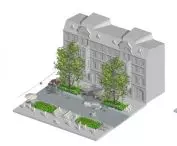
Prof. Agata Twardoch: The city is actually made up entirely of such “challenges.” One of them right now is the redevelopment of Zwycięstwa Street —the most prestigious thoroughfare connecting the market square with the train station. Especially since we approached it in an exemplary manner, which is, however, unconventional by Polish standards. Before making any design decisions, we conducted urban prototyping—that is, we implemented temporary solutions intended to give residents an idea of what the street might look like after the redevelopment. Only after implementing these changes did we ask them what kind of street they expected. Since this was a temporary change, we had to use low-cost solutions that wouldn’t expose the city to financial losses. And this turned out to be a problem that, in the eyes of some residents, overshadowed the true purpose of the changes we’d made. Some found it very difficult to understand why we were introducing such unsightly elements into this prominent space. There was also a significant group of people who appreciated this initiative, but the conflict surrounding the prototyping process somewhat overshadowed the substantive discussion. This year, we intend to begin work on the first phase of the street realignment. We made our design decisions based on residents’ opinions and feedback, and we ourselves are convinced of their merit. This will be the first test of our decision to involve residents so extensively in decisions regarding the street’s design.
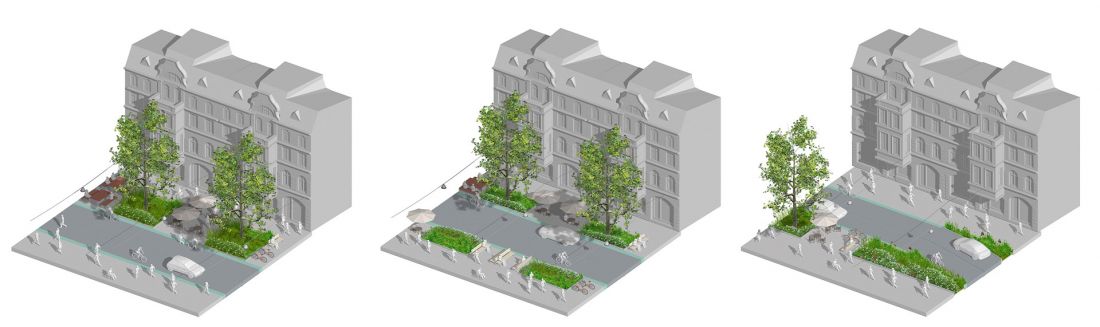
axonometric projections of the three final variants following the prototyping process
Illustrations courtesy of the Gliwice City Planning Office
For our office, it’s certainly a tough challenge to convince residents and city council members that the additional research and analyses we’re conducting are worth the delay in certain projects. Normally, a decision would be made, followed immediately by a bid process and implementation, but now we’re saying, “Wait a minute—let’s think about whether we really need this; maybe we should verify that need first?” At first glance, we’re also slowing down the very process of selecting contractors for design work: we’ve introduced an internal requirement to hold architectural competitions for the most important public spaces and the largest municipal projects, as well as quality criteria for design tenders. That, too, takes more time. I hope that once the first results of our efforts become visible, we’ll be able to dispel any doubts. Although we’ll have to wait a little while for some of our plans to come to fruition.
Marta Kulawik: Which ones?
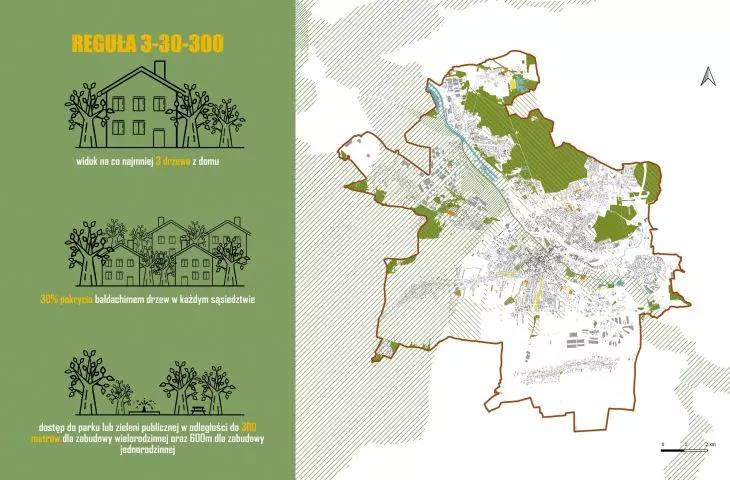
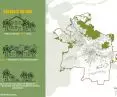
Prof. Agata Twardoch: For example, we’re trying to develop and implement a system of green spaces in a way that adheres to the 3–30–300 principle. According to this principle, every resident should be able to see at least three trees from their window; 30 percent of residential areas should be shaded by a canopy of tree crowns, and, most importantly, every resident of a multi-family housing complex should live no more than 300 meters from the nearest green space. These can even be modest pocket parks and small squares; what’s key is contact with nature. At first glance, it may seem like we’ve been pointlessly staring at a map and merely analyzing it for three months. But the purpose of this effort is long-term and crucial for the future quality of life in our city. By precisely designating these areas, we’ll be able to preserve the appropriate spaces within the city’s resources and gradually adapt them to current recreational needs—without losing their natural potential.
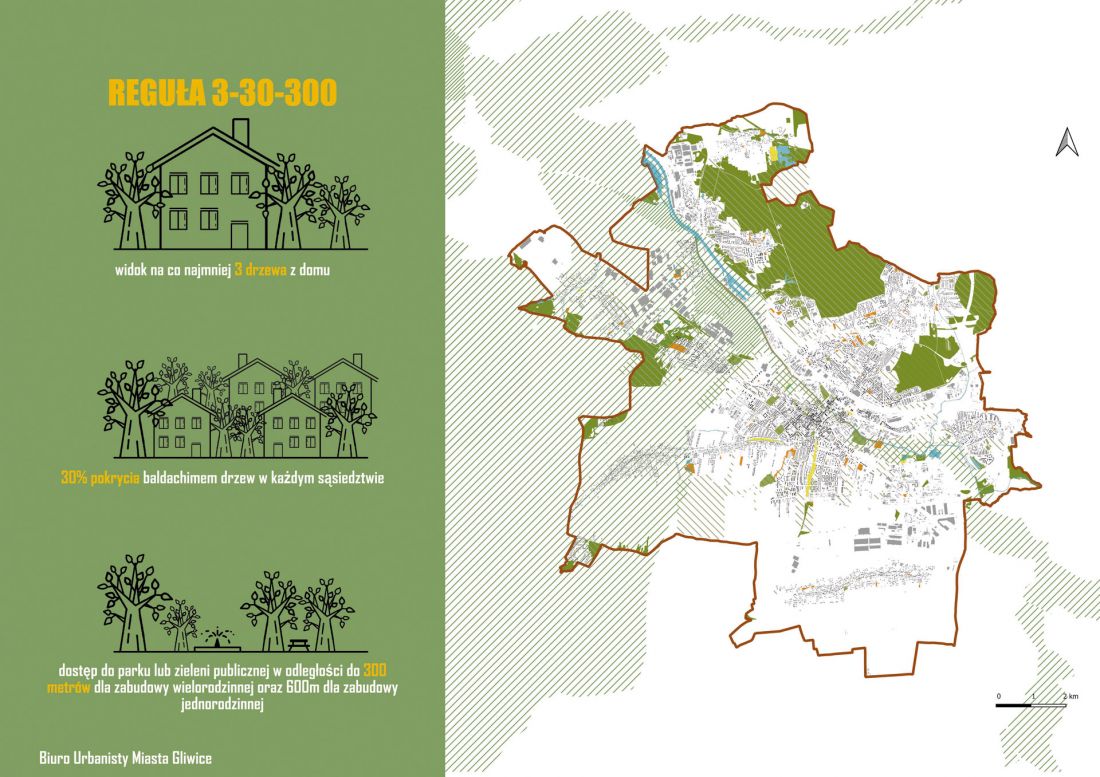
Analysis of Green Space Availability for the City of Gliwice
Source: BUR materials / Judyta Wiśniewska
Parking lots, which I’ve already mentioned, are also a controversial and difficult issue. We managed to convince the City to limit the number of new surface parking lots—in exchange for the construction of multi-level parking structures supplemented with additional functions. We have identified sites for their construction and are planning three projects. Although the issue of multi-level parking garages is also controversial—one prevailing narrative argues that we should eliminate parking in the city altogether and switch to public transportation and bicycles, in another narrative, parking lots should be located right outside one’s window and must be free—which, of course, cannot be the case with parking in multi-story structures. We must navigate between these two narratives and find compromise solutions, which, of course, will not fully satisfy anyone.
Marta Kulawik: Finally, I’ll ask the title question from your book: “Will women design better cities?”
Prof. Agata Twardoch: Well, yes, I’ve always believed that involving more female professionals in the fields of architecture and urban planning is necessary and beneficial for the development of cities. In fact, even looking back, my favorite projects from the communist era were designed by women—Helena Syrkus, Barbara Brukalska, Halina Skibniewska, and Jadwiga Grabowska-Hawrylak—and they continue to inspire me to this day. It’s good to look at what happened in Tychy thanks to the Wejcherts—not only thanks to Kazimierz, but also thanks to Hanna. I still believe that getting women interested in issues related to housing, construction, and urban development—and allowing us to work in professions related to these fields—has brought about many positive changes.
Marta Kulawik: Thank you for the interview.
Interviewed by: Marta Kulawik
more: A&B 4/2026 – City Architect,
download free digital issues of A&B