
Although they are architects by training, professionally they have focused on “soft” interventions in public spaces—for years they have been creating large-scale murals, engaging in a dialogue with the urban environment. A year ago, they launched the Mural Festival in Poznań, transforming the city into an open-air art gallery. We spoke with Karol Dadon and Jan Jakubowski about what this year’s edition has in store.
Ola Kloc: I get the impression that murals are like urban tattoos—painted traces of events and changes, an addition to the urban landscape. In your opinion, what role do murals play in urban spaces?
Karol Dadon: I think that analogy is spot-on. Murals are tattoos on the urban fabric—something permanent that gives character, emphasizes a place’s identity, and enhances its visual impact. They also have a very emotional effect on people.
Jan Jakubowski: In an apartment or a house, we hang artwork and paintings on the walls and arrange plants so that a given space suits us as much as possible, so that we can identify with it. A city is like our big shared apartment, our shared home, so everyone has the right to decide what can be created within it—which is why there are so many discussions about murals.
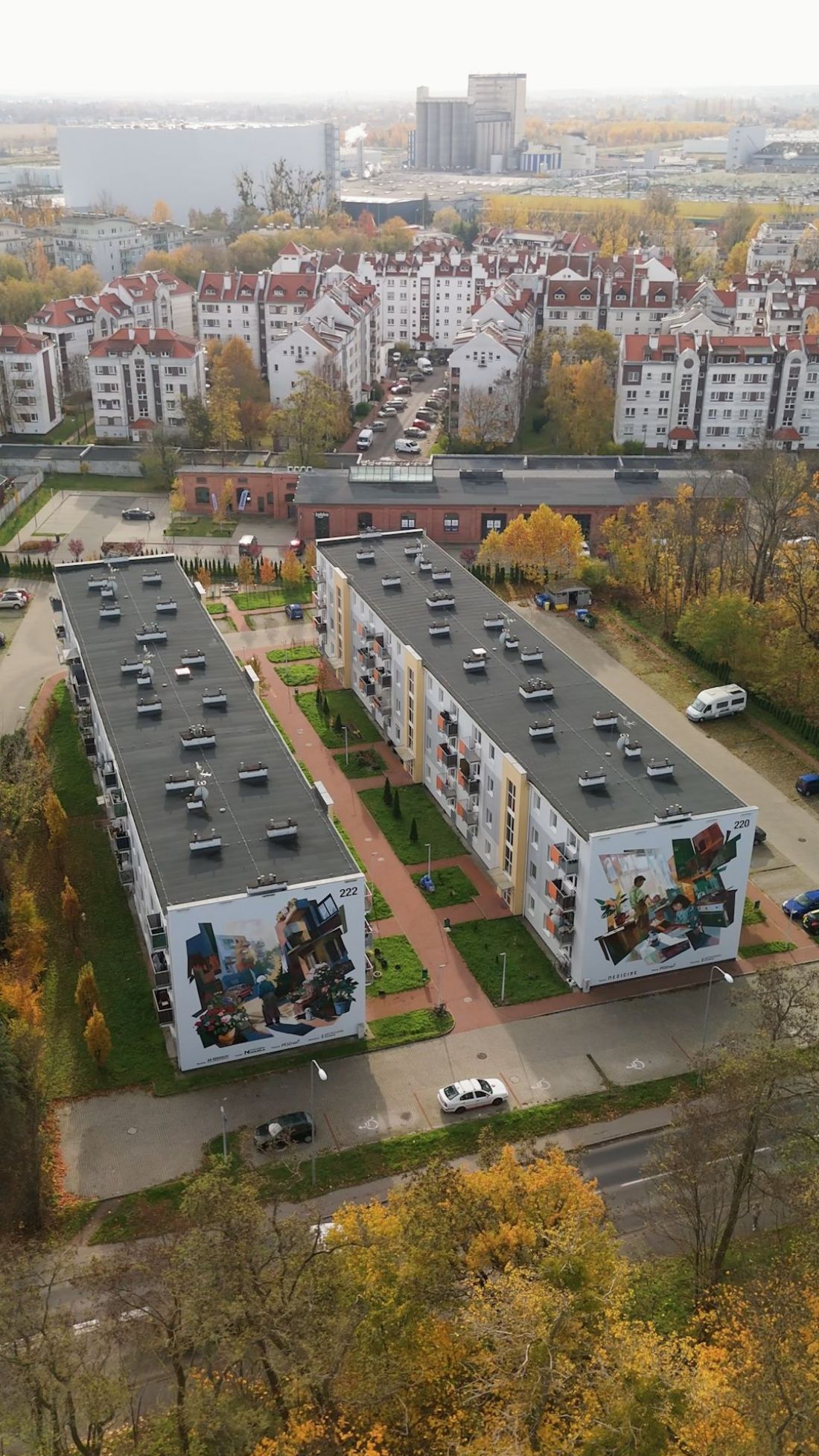
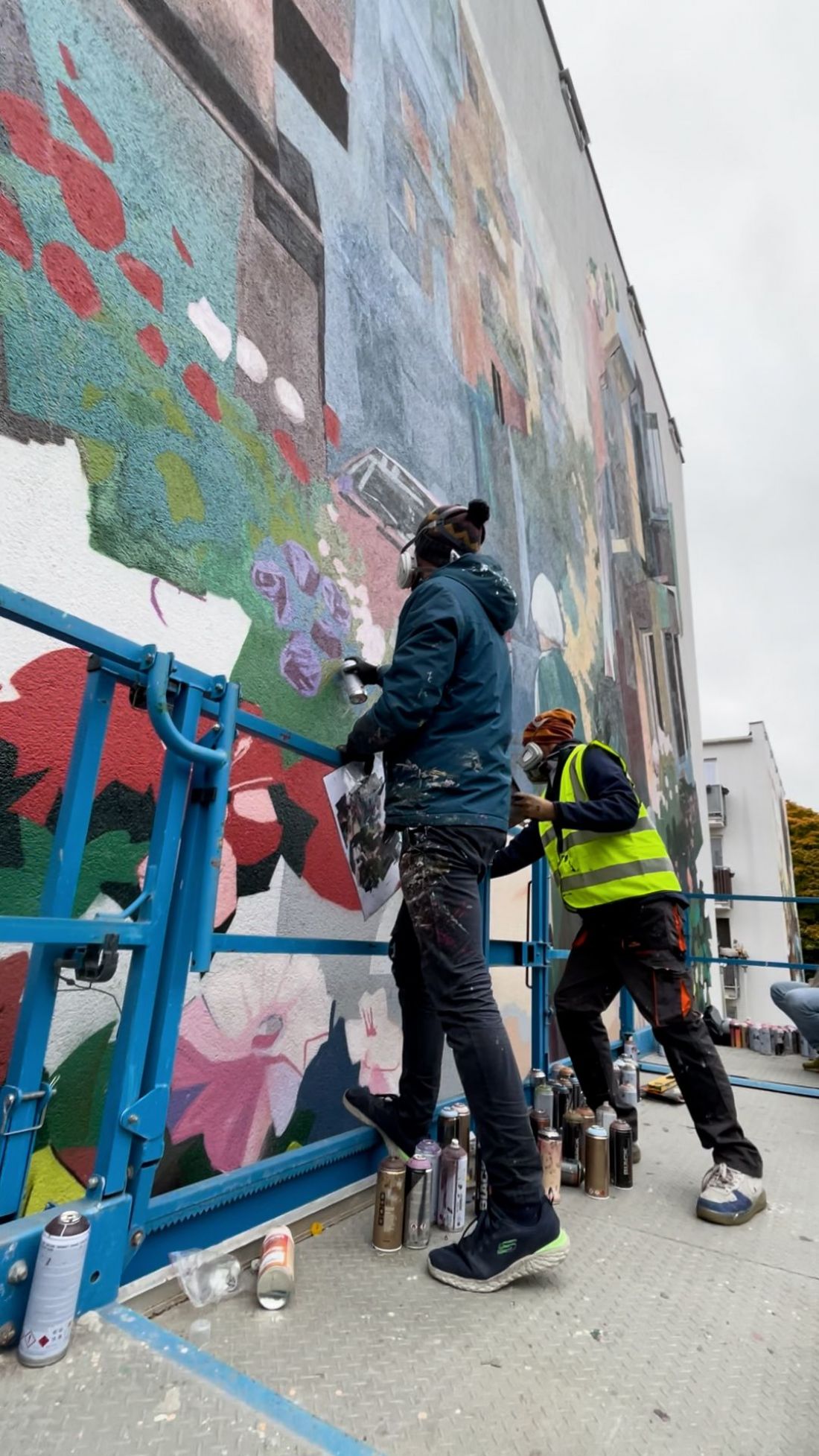
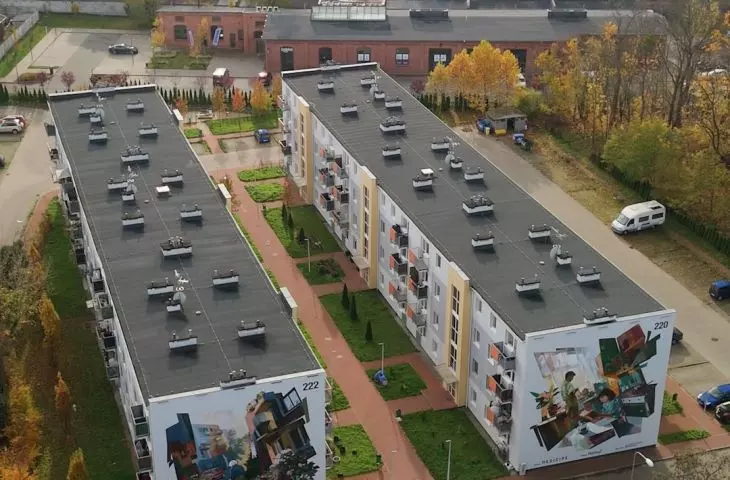
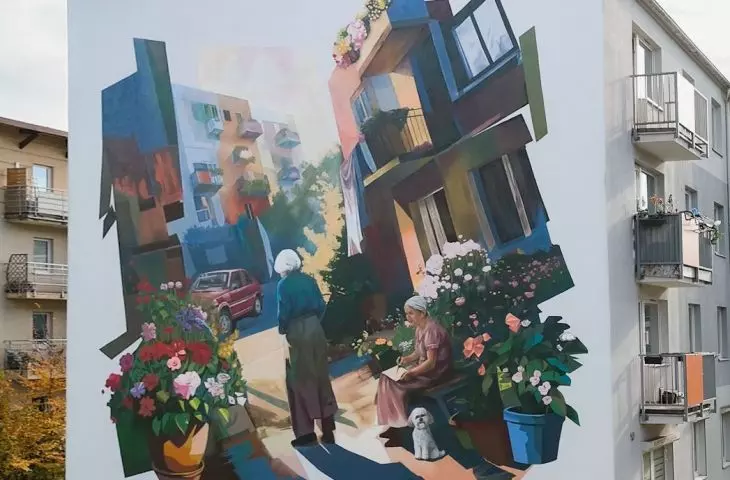
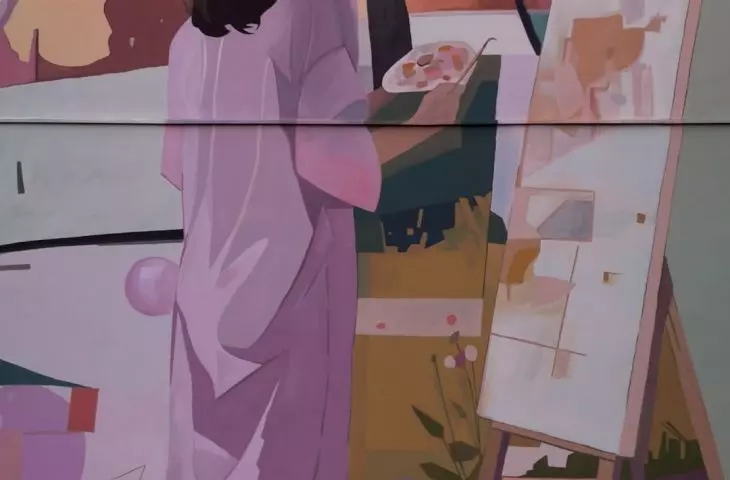
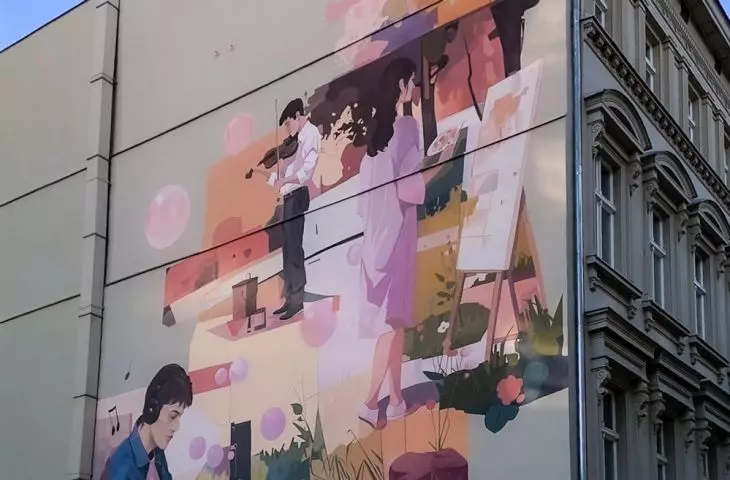
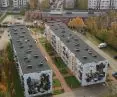
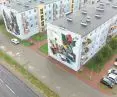
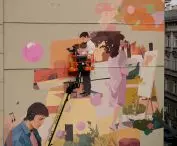
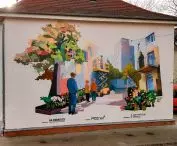
Murals at 220 and 222 Archbishop Walenty Dymek Street in Poznań
© organizers’ archive
Ola Kloc: Some time ago in Wrocław, a major public debate erupted during a competition for a new mural in the Nadodrze neighborhood — residents wanted the wall to continue to be adorned by the artwork that had been created there over 13 years ago; as a result, the existing mural was restored, and the new proposal from the competition didn’t get a chance to be displayed in that space. Why do you think murals spark such heated public debate?
Jan Jakubowski: In urban spaces, we treat murals much like historical monuments—we want to preserve history, values, and memories. We also want to revitalize places that are characteristic of the city. And that’s exactly what happened in this case.
© Wrocław Institute of Culture
Karol Dadon: This example shows how murals become an important part of our shared home, give a place its character, strengthen the identity of the local community, and how much emotion is tied to them.
Jan Jakubowski: We live in a time when we want to replace things we’ve used for a year or a few years with new ones, even though it’s worth simply repairing or restoring them. I believe this mural exemplifies that kind of approach to life.
Ola Kloc: Murals are often created in important urban spaces—what are your negotiations with institutions and government agencies like?
Jan Jakubowski: In our discussions with various institutions, we’ve received confirmation that we’re not just muralists, but also urban planners. Although we work on flat surfaces, we create large-format images that don’t function solely on a single plane but interact with the entire space, which corresponds to a given location and shapes its character. The mural becomes a kind of anchor for the residents.
Karol Dadon: The value of a mural in a given location lies in the dialogue it establishes with the surrounding architecture, the history of that place, and the local community. All these elements interact with one another and influence the value that the mural brings.
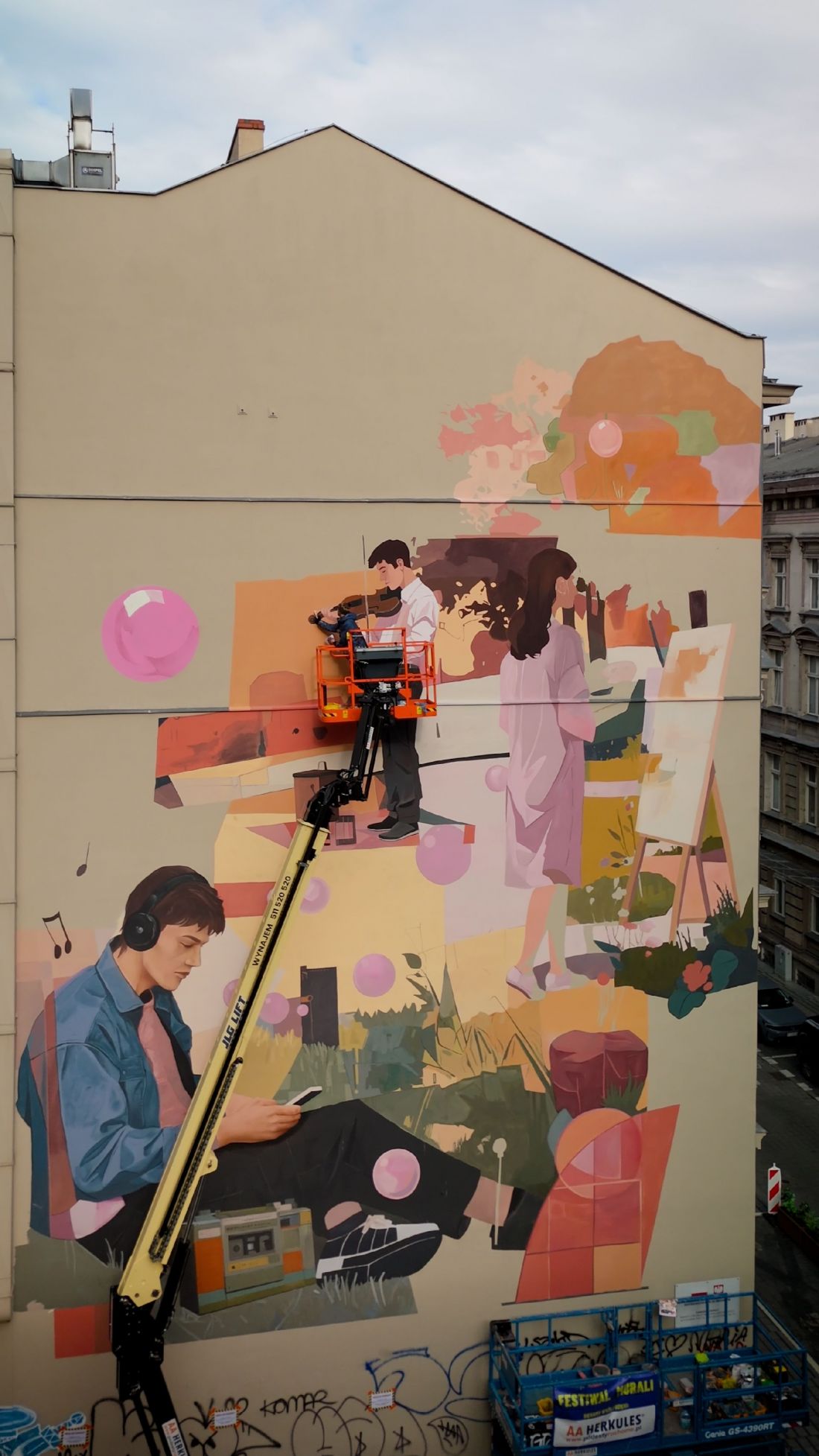
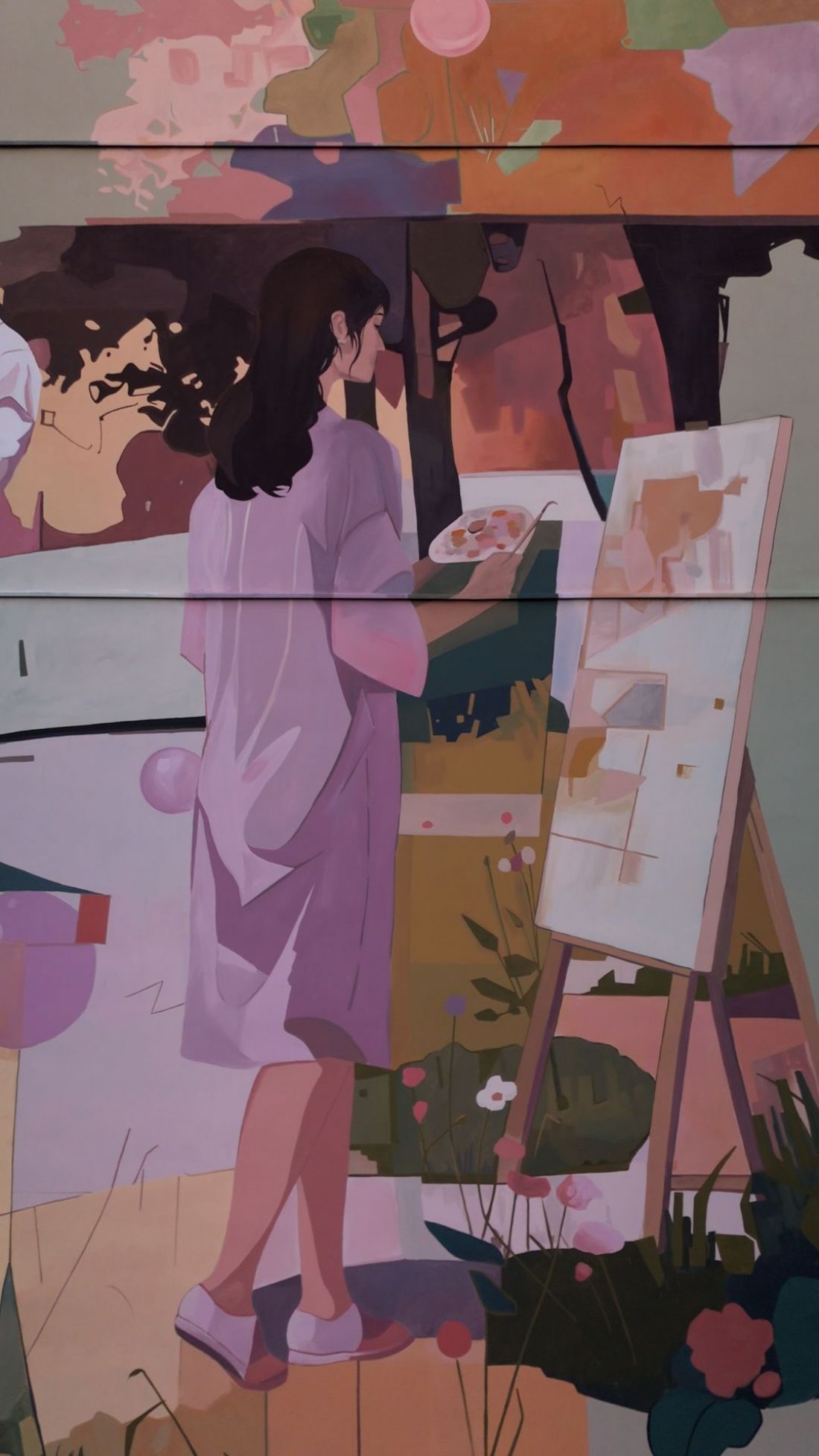
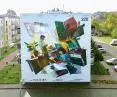
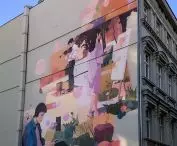
Mural at 8 Kantaka Street in Poznań
© organizers’ archive
Ola Kloc: Murals are often created on blank facades of older buildings—have you ever worked on brand-new structures? Are architects open to such interventions?
Jan Jakubowski: Last year, as Artystyczne Murale, we created a mural in Łódź on a newly constructed residential building. The balconies faced the interior of the lot, overlooking a massive wall with an area of 550 square meters. Our task was to design and create a mural that residents would look at every day without it becoming tiresome. Before undertaking such a project, in-depth analysis and careful consideration are necessary to ensure the most pleasant experience for the residents. The goal is to create something that, on the one hand, is visible, but on the other, does not dominate the space.
Karol Dadon: When it comes to new buildings, murals are more often created indoors. I think this has to do with the fact that the building itself—and how it will interact with the space—takes precedence. Only later do the individual themes begin to unfold. Murals appear at the final stage; their purpose is to “beautify” the space.
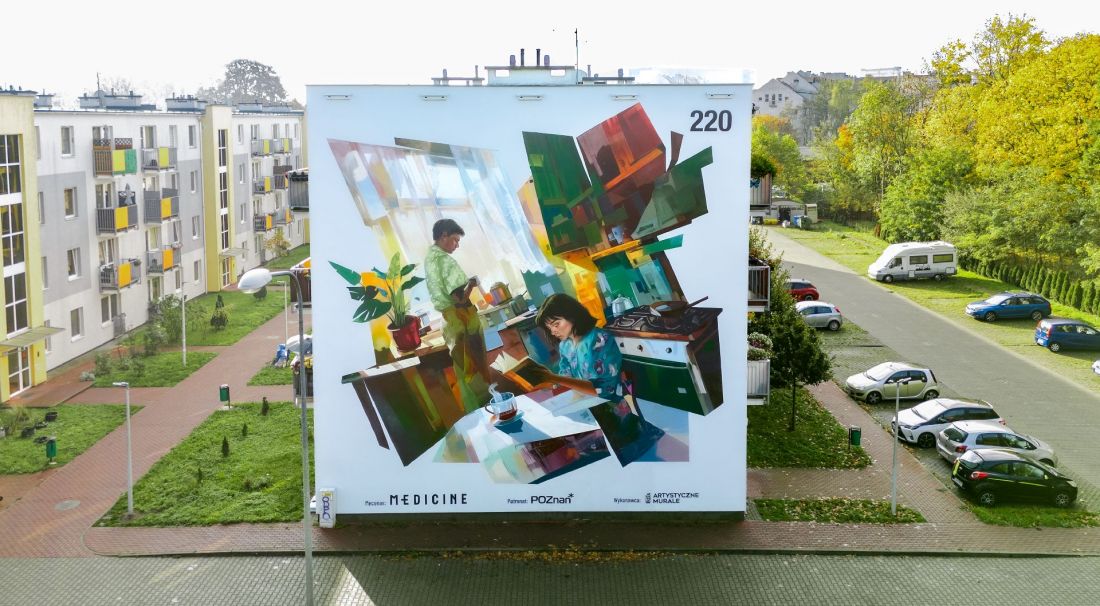
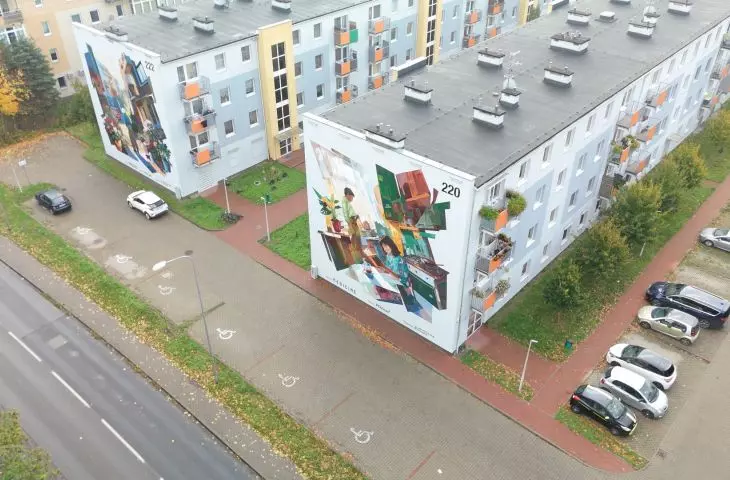
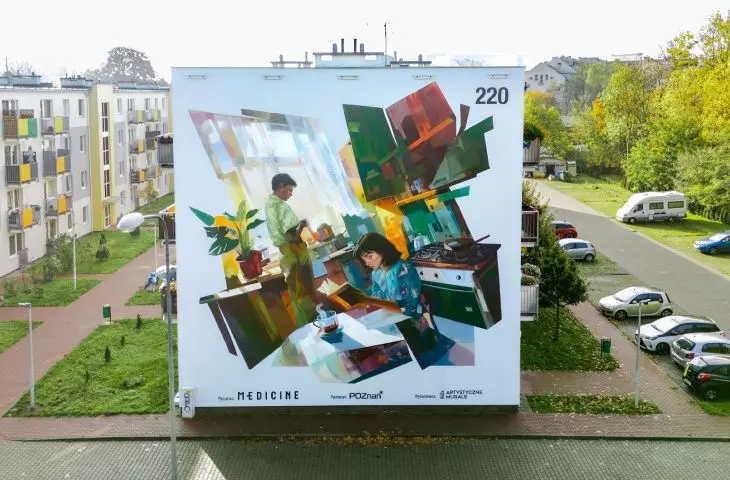
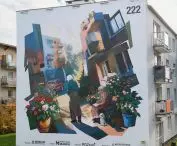
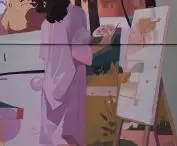
Mural at 220 Archbishop Walenty Dymek Street in Poznań
© organizers’ archive
Jan Jakubowski: I studied architecture at the Poznań University of Technology; during my studies, there was a lack of integration between design thinking and a painterly approach. We focused mainly on materials and the space we were designing, but I think that adding the right colors, shapes, and painterly elements to that can be a very interesting and effective solution.
Karol Dadon: A mural is often treated as just a painted wall or a picture, but it’s worth thinking of it as part of a larger whole or as a motif that runs throughout the entire building, giving it a certain character.
Ola Kloc: A competition for a mural in the Dębniki district of Kraków was recently decided, and there were accusations that the creator of the winning entry used AI—how does this tool affect the murals being created? Does it pose any risks to this type of art?
Karol Dadon: Every new tool is like setting out into uncharted waters. On the one hand, it carries many dangers; on the other, it’s simply another tool.
Jan Jakubowski: Today, any of us can open ChatGPT or some other graphics-generation program, enter a few keywords, and design whatever we want. However, each artist individually defines the boundary of conscious design—whether using prompts or their own sketches, for example. They must, however, be aware that the use of AI may be noticed by the audience. Overreliance on artificial intelligence robs the work of its authenticity and individuality; it ceases to be something that flows from the artist’s imagination and the craft they’ve honed over the years. In numerous conversations with various artists, I’ve heard that they log out of Instagram, for example, for fear that seeing something that sells well will subconsciously inspire them. I’m in favor of creating true art by trusting oneself as a creator. And if a creator uses AI in their design process, it can be viewed as just one of many available tools.
Karol Dadon: Every tool throughout history has sparked debate—whether it’s a camera or software like Photoshop — and they all caused a lot of controversy at first. Over time, however, they became just another tool. So I think we need to be mindful and cautious, but at the same time not completely shut ourselves off from this technology; we need to engage with it, because it’s already part of our world.
Jan Jakubowski: The topic of murals is particularly sensitive and important in this regard. With paintings or designer furniture, people can choose whether they want them in their home or not. With murals, in a sense, we’re forcing viewers to encounter a given work. They should therefore be treated with particular sensitivity, and artists, if they use artificial intelligence, should do so consciously, because using these tools carries the risk of losing authenticity—that deeper value we care about. Murals are a form of creativity that straddles the line between craft and art; they bring together worlds associated with authenticity, experience, and years of work.
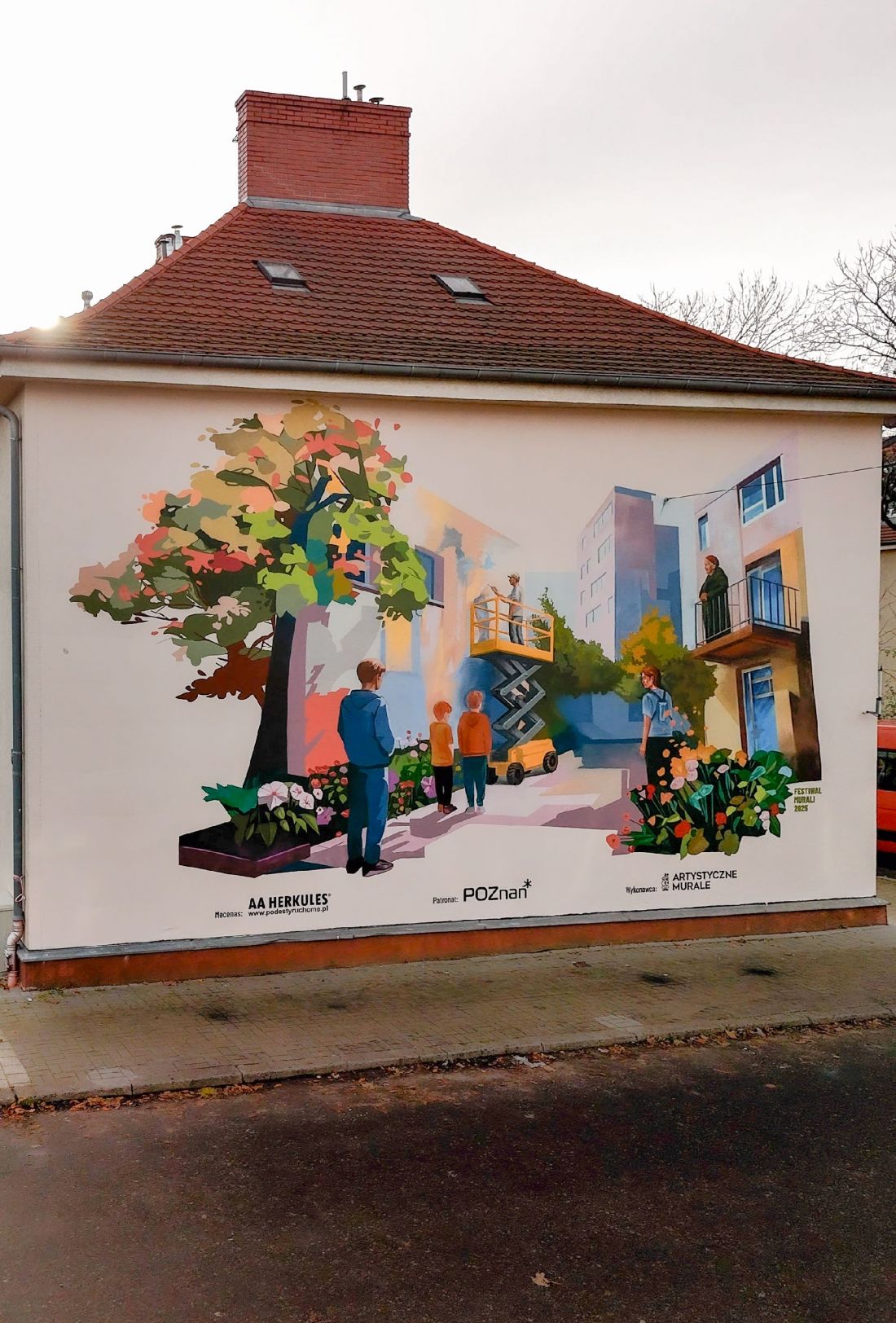
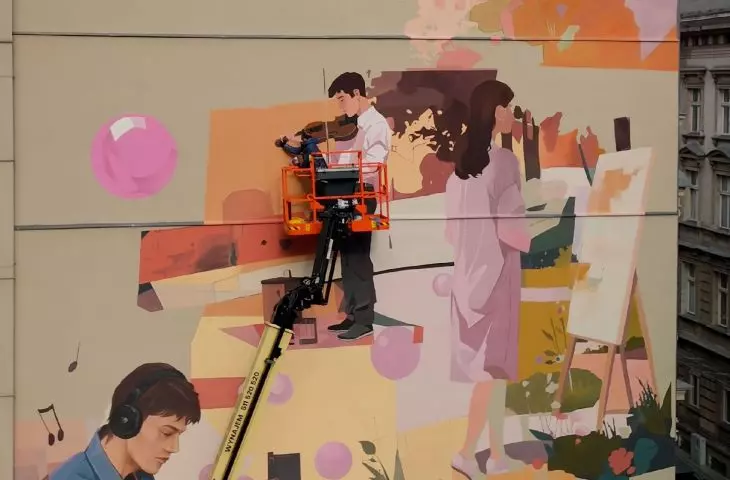
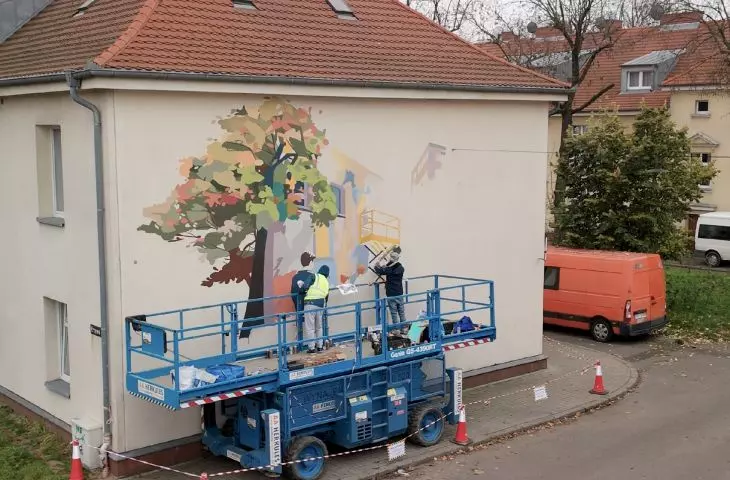
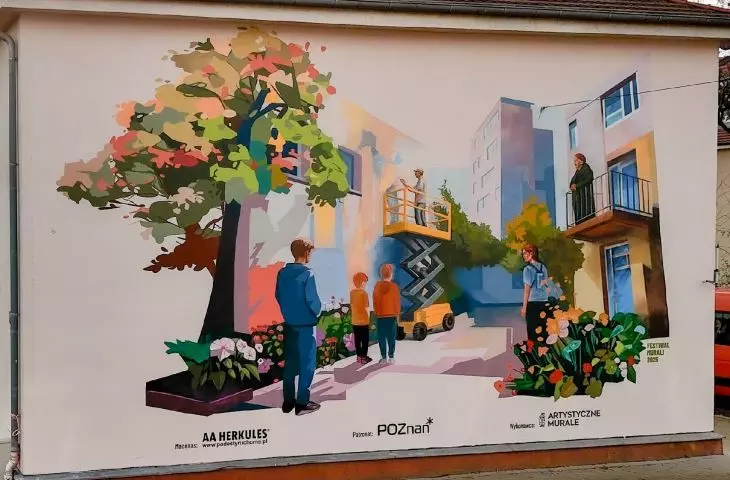
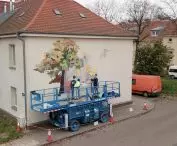
mural at 4 Krzywa Street in Poznań; Mural Festival 2025
© organizers’ archive
Ola Kloc: This is the second edition of the festival. How will it differ from the previous one?
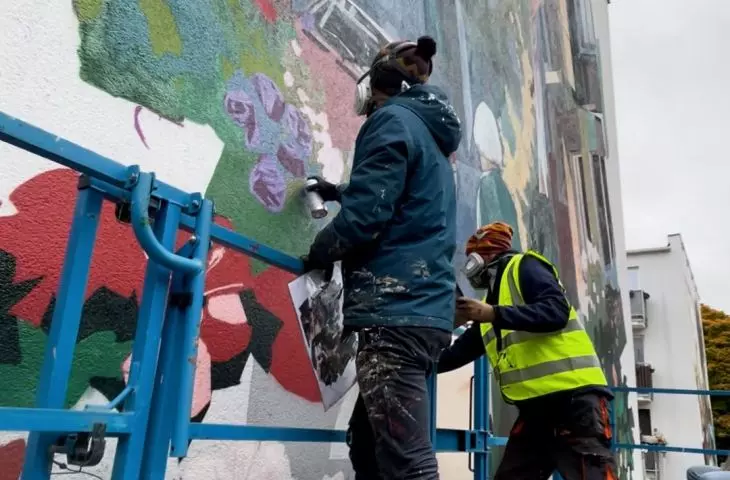
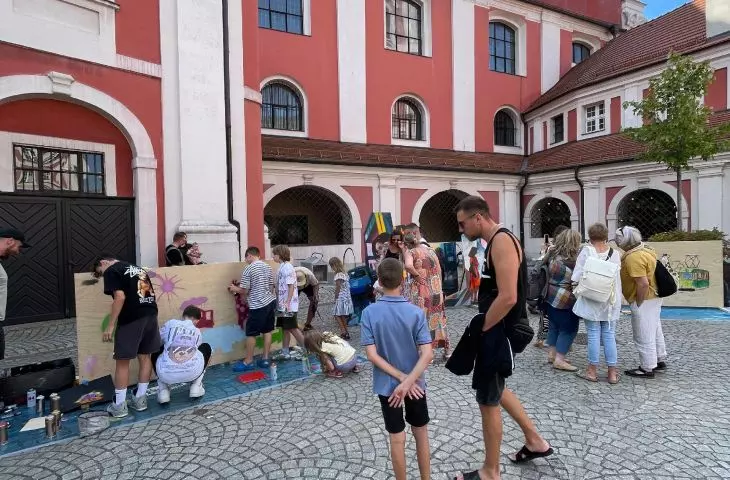
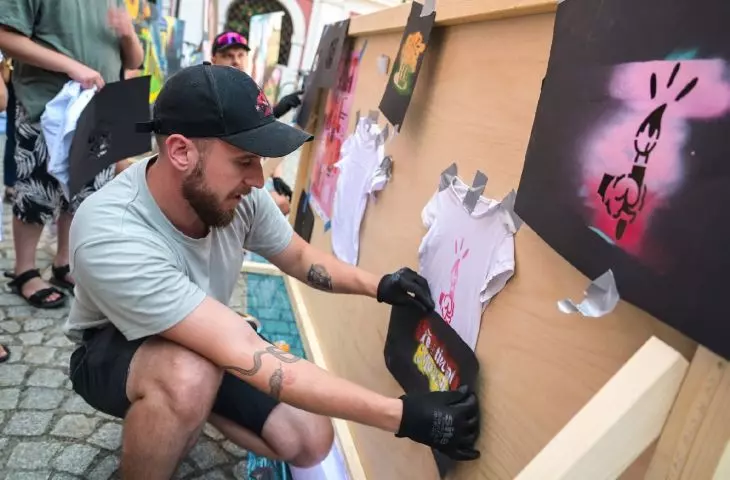
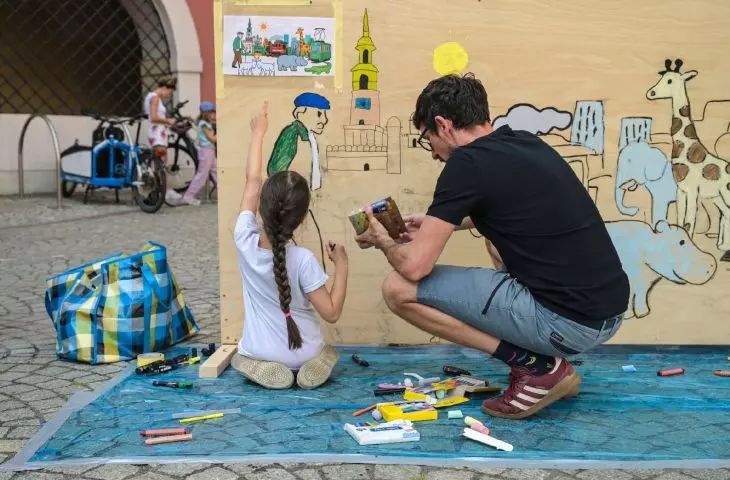
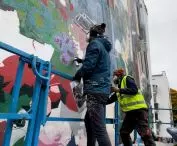
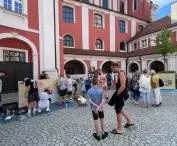
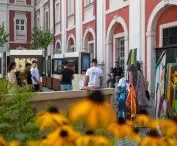
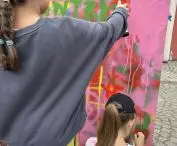
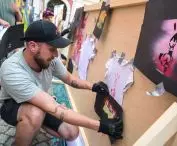
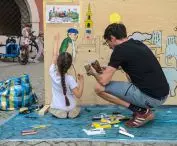
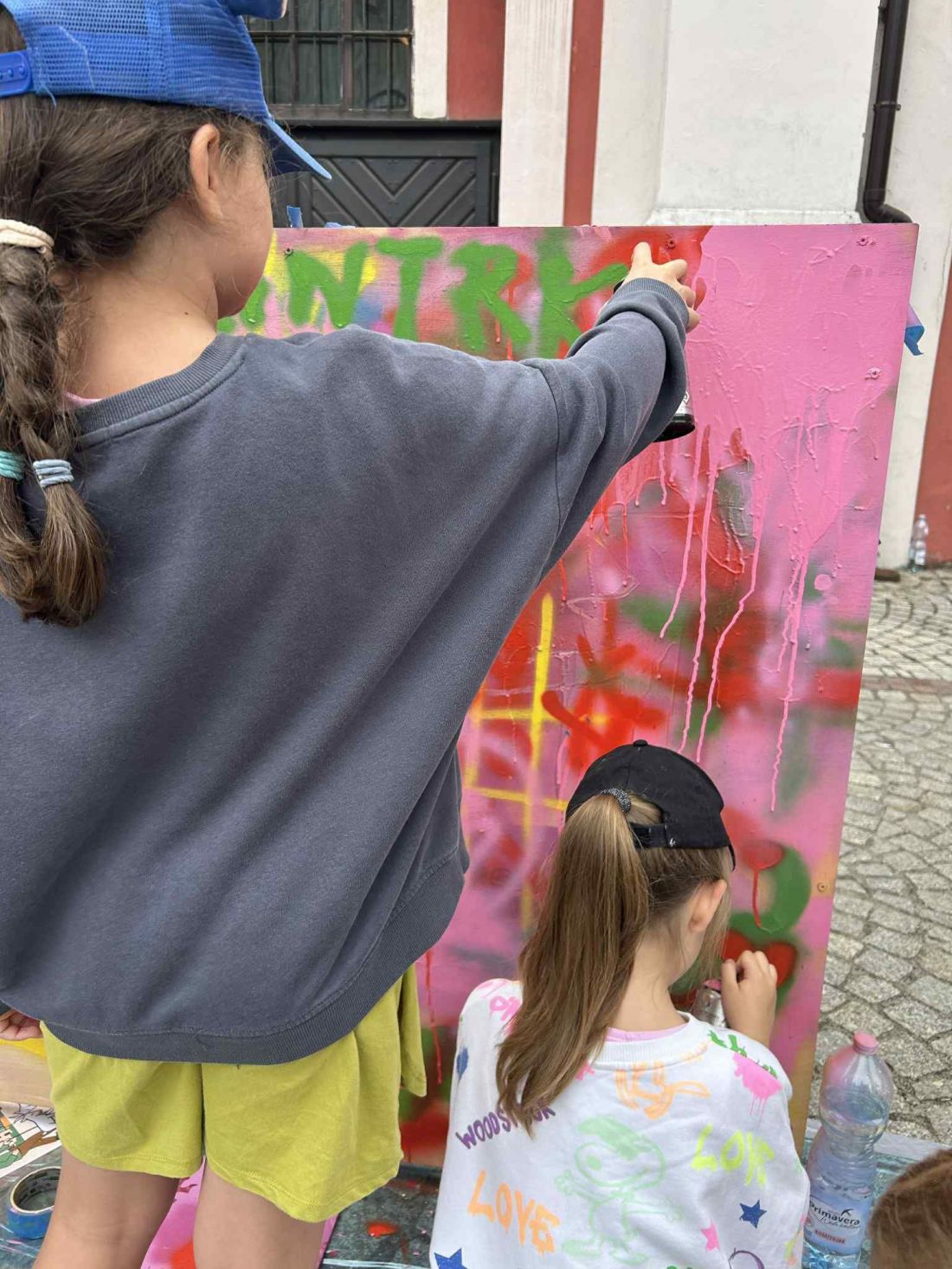
Karol Dadon: This year, we’re focusing much more on activities that directly engage the local community. An important element of this year’s edition will be the festival village at the Nurt club on the Warta River, where we’ve planned a host of artistic events and attractions—there will be workshops on screen printing, painting, drawing, ceramics, as well as an art fair where our artist friends will showcase their work. We’ll also be painting live; since it’s hard to talk to us when we’re up on the scaffolding, we wanted to reach out to people.
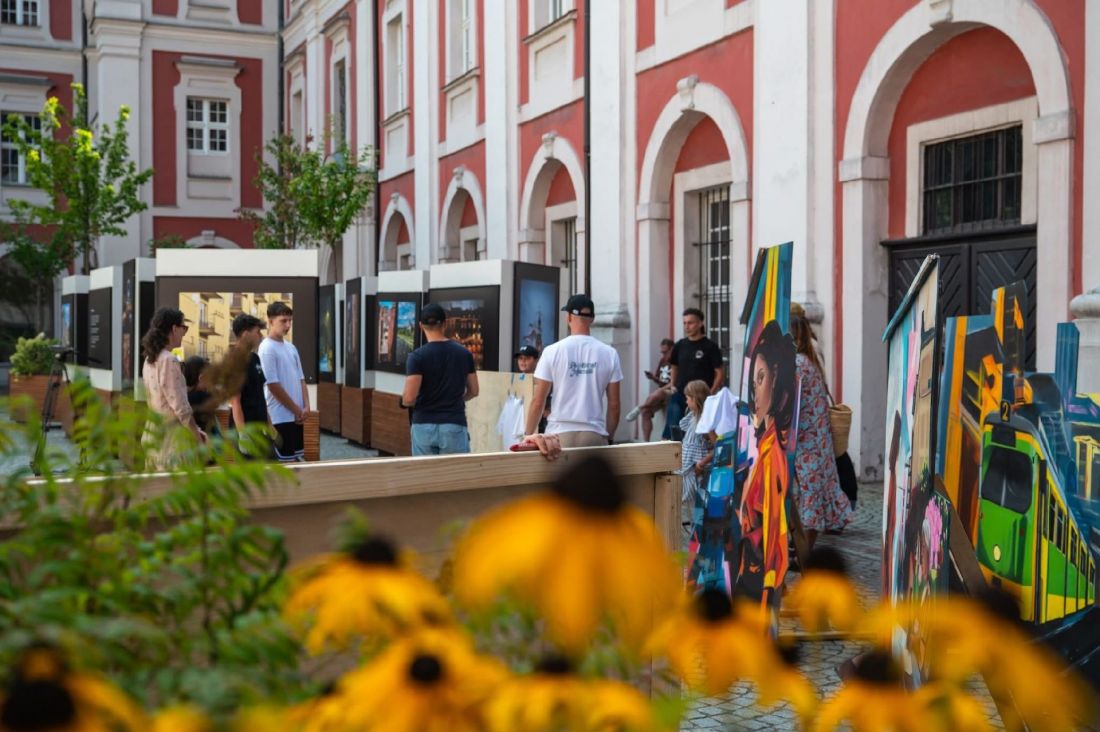
Murals Festival 2025
© organizers’ archive
Ola Kloc: Where will the festival murals be located? Is there a theme you’re suggesting to the artists?
Jan Jakubowski: Four murals will be created for this edition. The addresses are: Górna Wilda 80, 28 Czerwca 131, Konfederacka 4, and Grochowska 83. Last year, the festival’s theme was “From the Life of the City,” and we depicted various scenes of urban life through our murals. This year, some of the murals will also fit within this theme, while others will be more historical, tied to a very distinctive element of our city; there will also be a more abstract, painterly mural.
Karol Dadon: Last year’s first edition was a pilot project. The festival originated from a desire to permanently integrate art into the daily life of the city and its residents, hence the theme of the first edition. This year, we want to take it a step further—continuing to draw on urban life while also opening up to other themes and styles. We have plans for future editions, so let’s look to the future and not limit ourselves to a single theme.
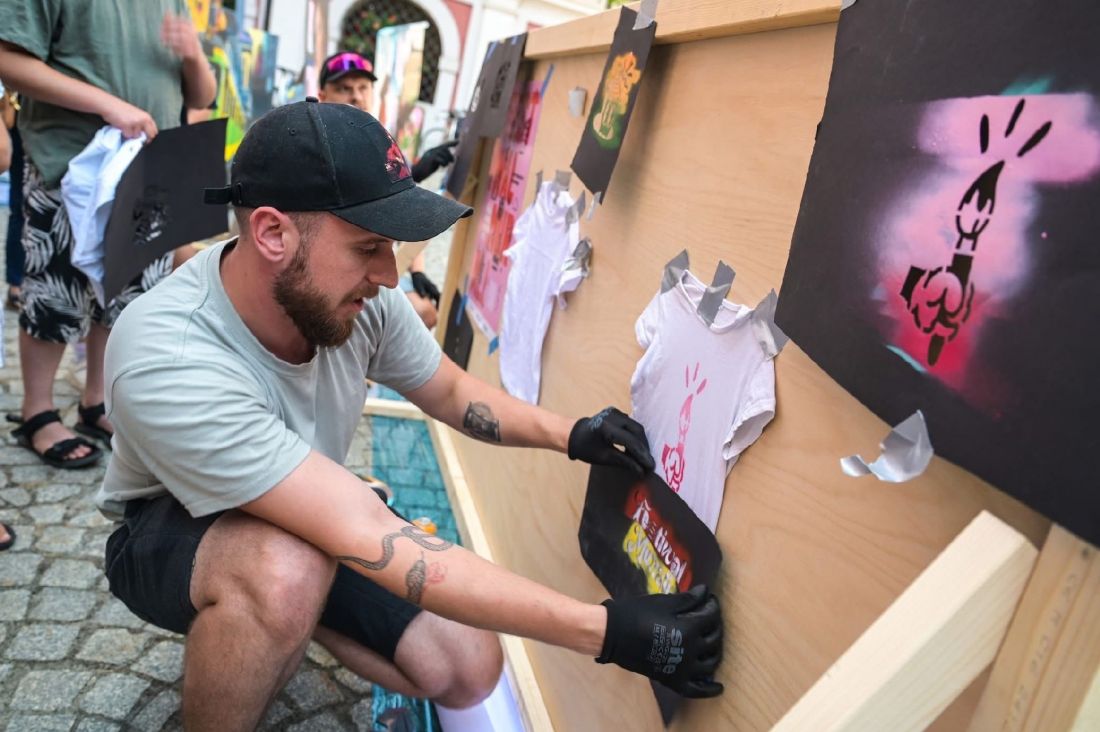
Murali Festival 2025
© organizers’ archive
Ola Kloc: How long will the festival murals adorn the streets of Poznań?
Jan Jakubowski: The murals will remain visible on the walls for at least two years.
Karol Dadon: This depends on the development plans for each location; we don’t know when something new will be built there or if something in the future might obscure our mural.
Ola Kloc: Thank you for the interview.