



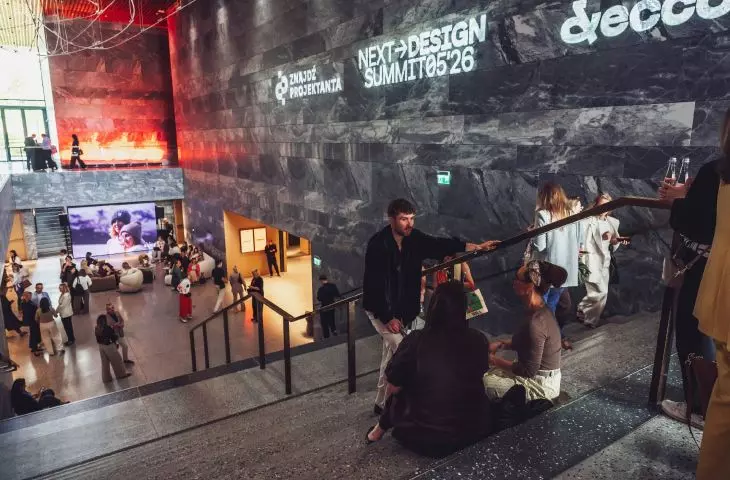
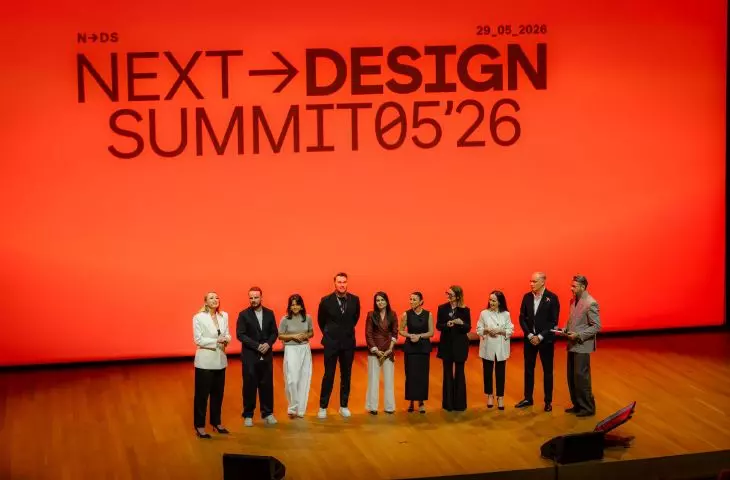
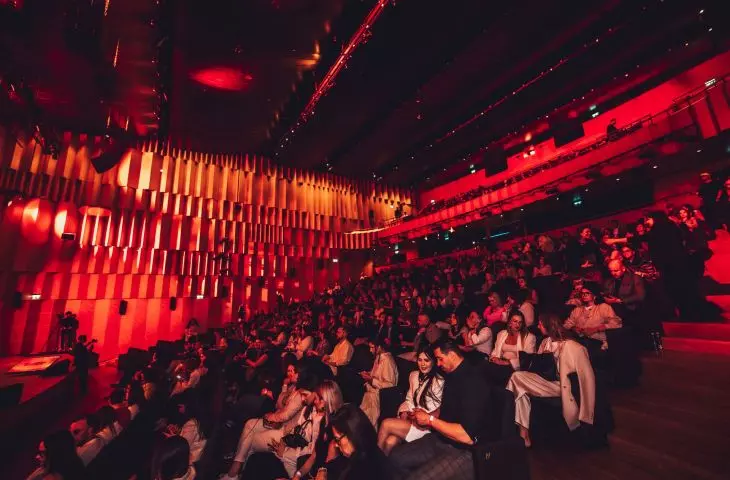

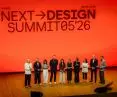


On the last Friday of May, the Polish History Museum hosted the second edition of the Next Design Summit , an event that once again showed that today's modern interior designer needs much more than a sense of aesthetics, a good portfolio and talent. The success of the second edition of the Next Design Summit consisted of three elements: the courage to raise topics that the industry rarely talks about in public, knowledge coming from outside the architectural bubble and the exceptional energy of the participants.
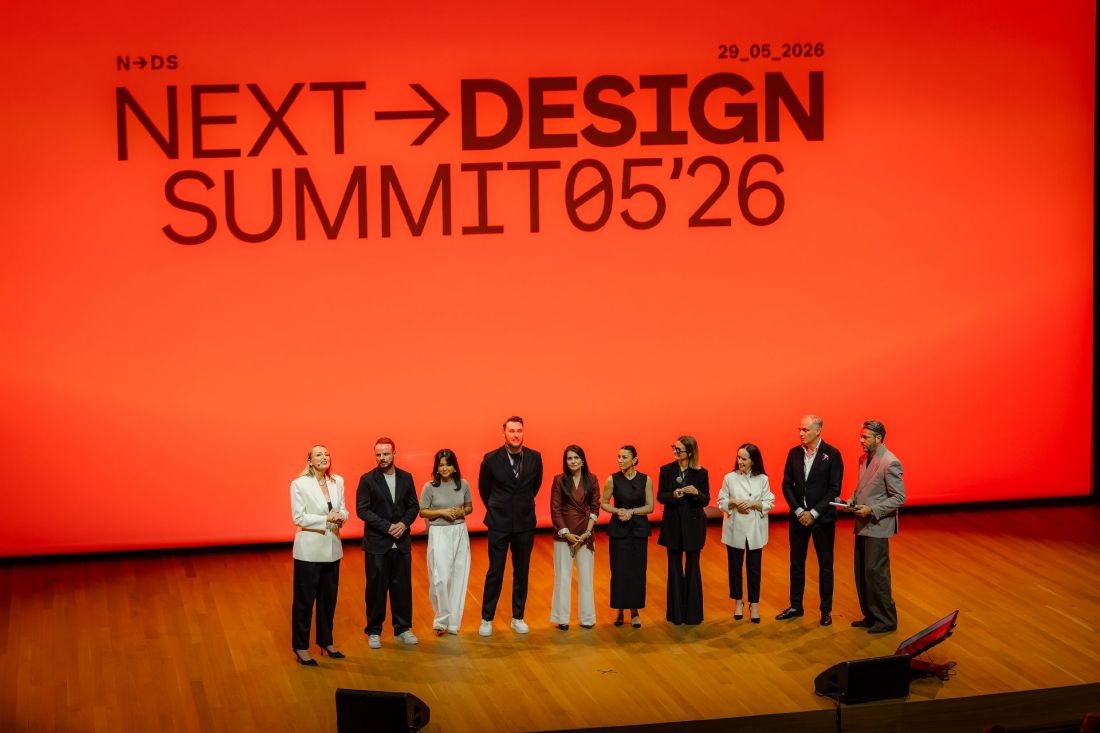
Program Council - Katarzyna Kraszewska, Agnieszka Przewoźna, Anna Kuk-Dutka, Piotr Łucyan, Ola Ziarek, Nastazja Kropidłowska-Słaboszewska, Agnieszka Wójtowicz, Łukasz Michalski, Bartosz Deka
Photo: Tomasz Ginter | Illustrations provided courtesy of the event organizers
The Next Design Summit was not another conference about trends, colors or new collections. It was a conversation about how to build a profitable studio, protect your own interests, effectively communicate the value of your work and find your way in the new reality. Nor was NDS an event where architects instruct architects. The Program Council, composed of designers, identified the problems they face every day, but the answers were sought outside the architectural world.
Specialists in the fields of management, sales, communication, psychology, neuromarketing and new technologies - areas that today largely determine whether a design studio operates professionally, profitably and has room for further growth - were invited to the program.
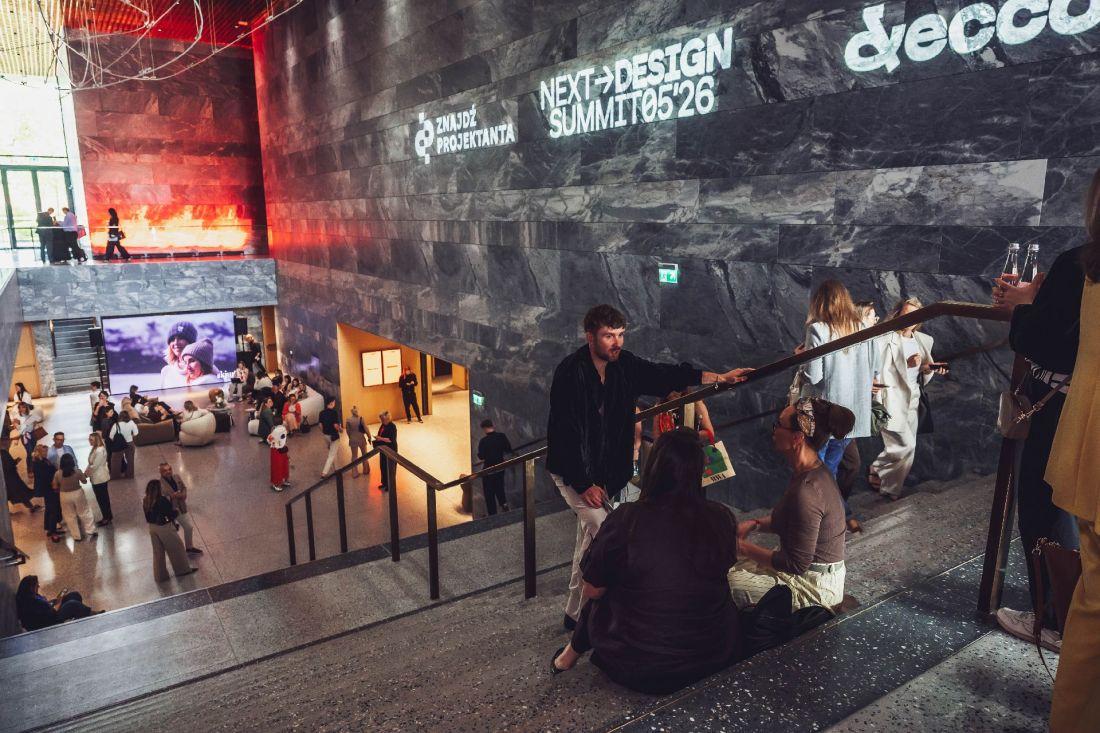
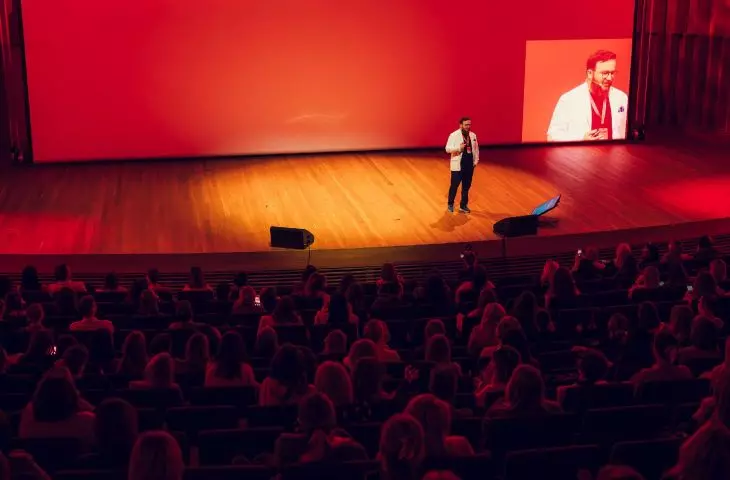
The event was held at the Polish History Museum in Warsaw
Photo: Tomasz Ginter | Illustrations provided courtesy of the event organizers
The speakers' presentations often featured numbers. However, these were not numbers of likes, followers or shades of beige. They were numbers describing everyday life: margins and commissions, hours wasted on inefficient processes, choice options overloading working memory, the scale of professional burnout in the creative industry, demographic projections showing how many people will have to relocate in the coming years, or noise levels affecting the comfort of space users. It was the numbers - sometimes inconvenient, sometimes surprising, and often changing the way we think about the profession - that evoked some of the strongest emotions in the auditorium of the Polish History Museum.
Architects today don't need more inspiration, they need tools for action
The interior design industry is undergoing one of the biggest transformations in its history. Processes are becoming more complicated, the choice of products wide and their technical specifications elaborate. Customers expect more, developers are coming out with turnkey offers, new sales channels are emerging. The responsibility of the designer is increasing, and with it the need to professionalize the profession.
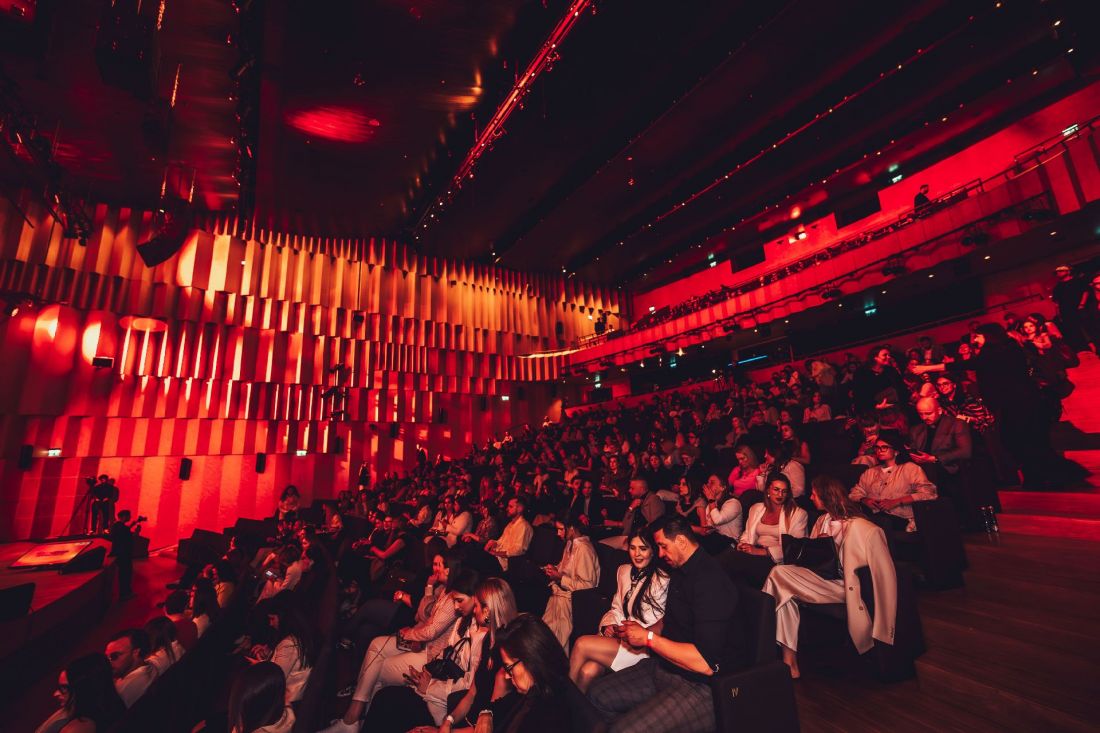
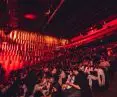
participants and attendees of the event
Photo: Tomasz Ginter | Illustrations provided courtesy of the event organizers
In times of increasing competition, price pressure, automation and AI, the success of a design studio depends on business, strategic and communication competencies. A designer is no longer solely a creator of aesthetic spaces. Increasingly, he is becoming a negotiator, planner, organizer of the investment process, advisor and business partner to the client. You need to be able to price your work, talk to the client, secure interests with a contract, manage your team and time, control the process and build your brand.
The courage to talk about taboo topics
One of the main goals of the event was to open up discussion on topics that are still too often kept quiet in the industry. Designers still rarely talk about money or securing their own business. Many of these issues remain in a gray zone of understatement, which encourages unethical behavior and makes it difficult to build a mature business culture. The Next Design Summit created a space to talk about these issues in an open, substantive and professional manner.
Speakers talked about difficult problems, not perfect pictures
The event was hosted by Olivier Janiak (editor-in-chief of GQ Poland), and the speakers included experts and practitioners. Wojciech Plona - business advisor and financial strategist - focused on valuations, negotiations, discounts and building project profitability. Katarzyna Kraszewska gave a motivating lecture on one of the most discussed topics - sales commissions. She spoke about the formalization of brokerage services, relationships with suppliers and the need for greater respect for the designer's role in the client's purchasing process.
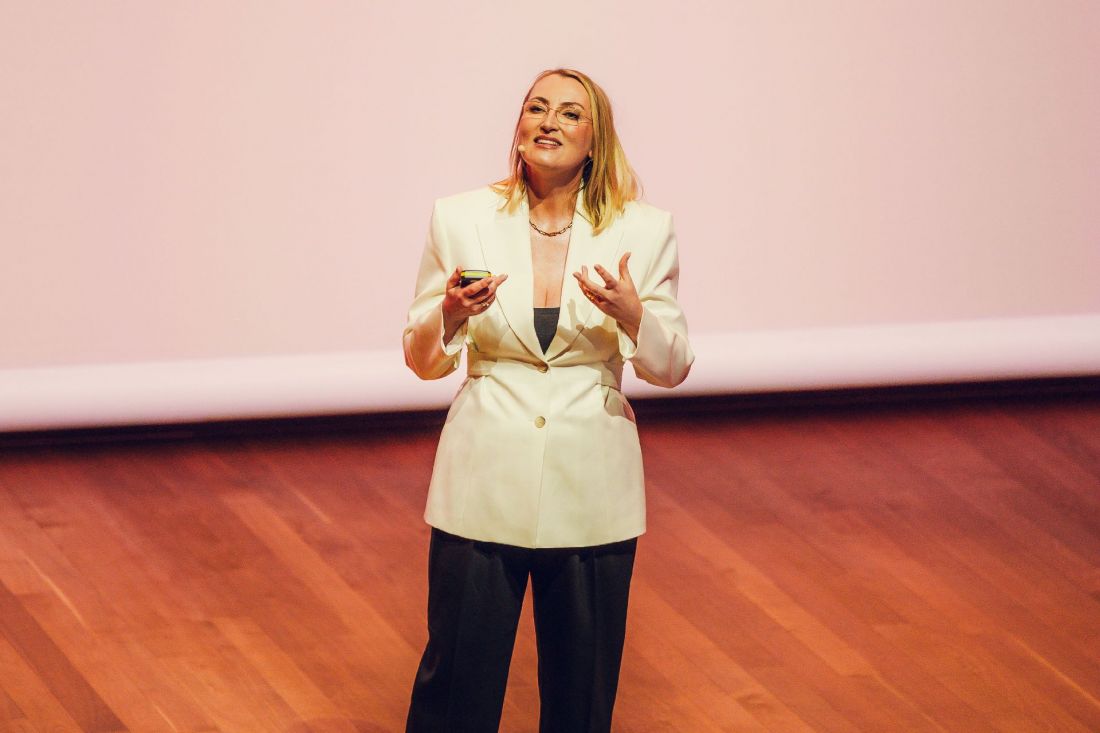
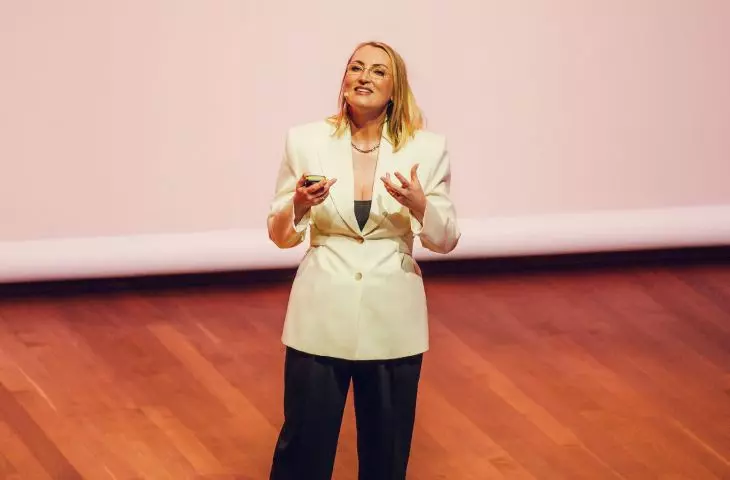
Katarzyna Kraszewska spoke about sales commissions
Photo: Tomasz Ginter | Illustrations provided courtesy of the event organizers
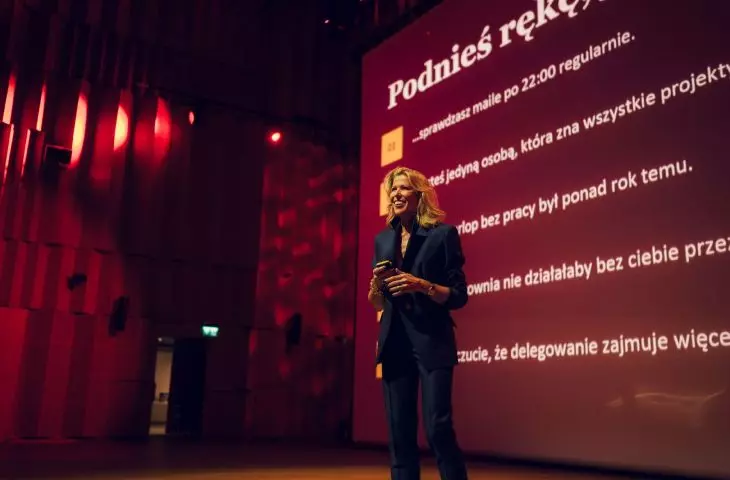
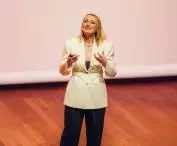
Dagmara Brzezinska drew attention to the organizational problems that many studios face. She showed why companies do not grow despite the growing number of orders, and how delegation of responsibilities, proper organizational structure, work culture and clearly defined brand DNA are key to scaling. She stressed that one of the most common barriers to the growth of studios is the way they are managed, and very often the owner himself becomes the limitation. Pawel Tkaczyk uncompromisingly dealt with the most common marketing mistakes made by designers. In simple and blunt language, he explained how a brand should be built to win orders. And he suggested to stop saying that in this industry only Instagram sells.
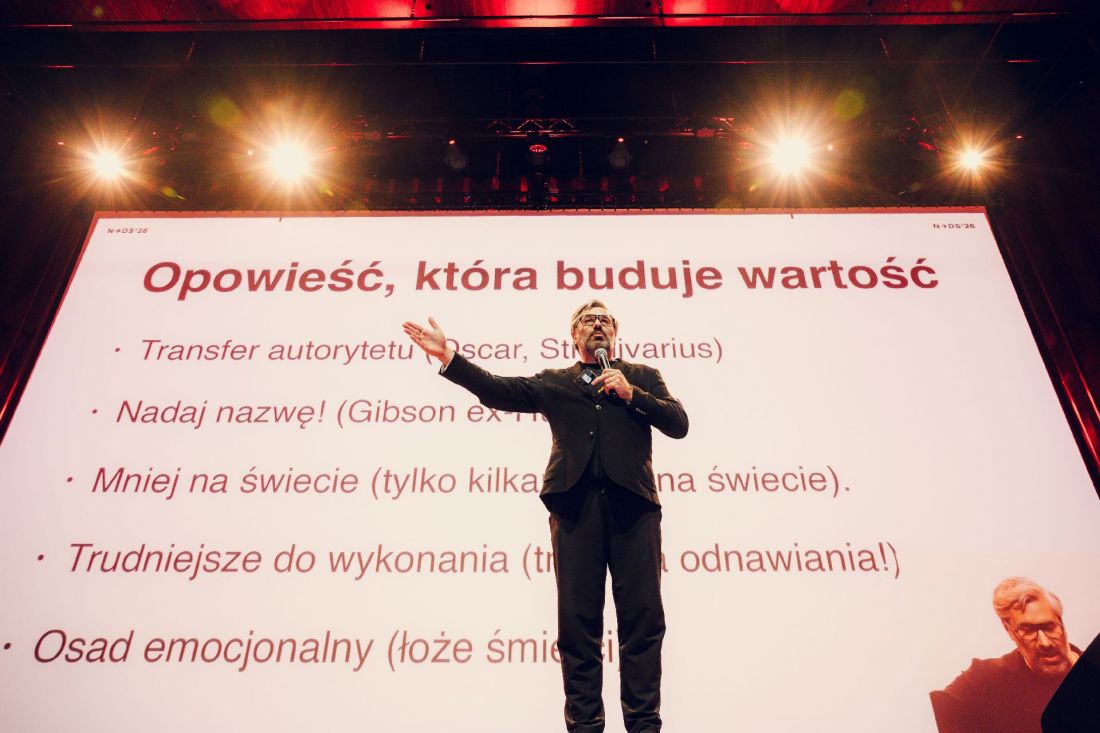
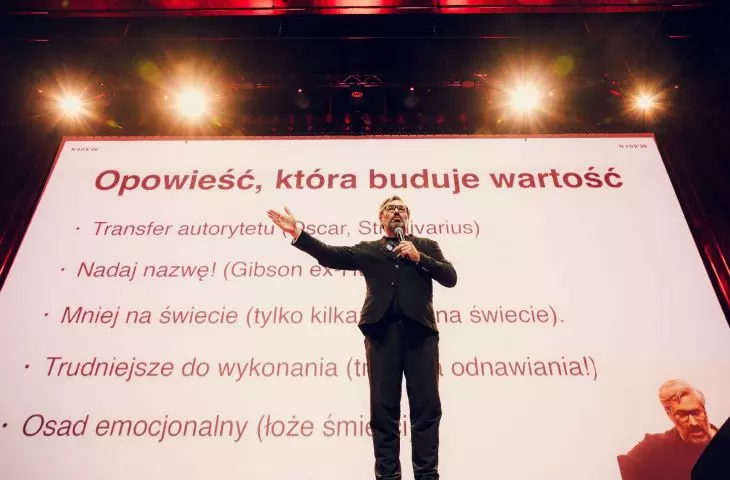
Pawel Tkaczyk explained how a brand should be built to win orders
Photo: Tomasz Ginter | Illustrations provided courtesy of the event organizers
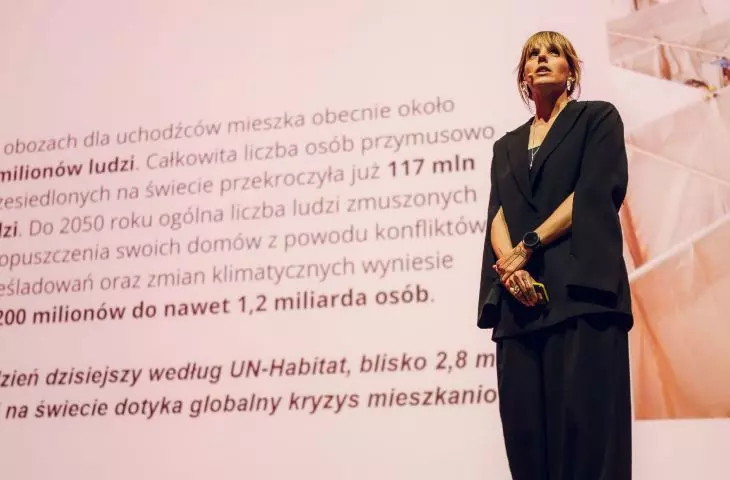
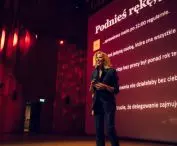
Marcin P. Stopa talked about the decision-making mechanisms of the customer and ourselves, the cognitive security of users and the impact of the way offers are presented on customer decisions. Joanna Jurga took participants into the future of neuroarchitecture, urban planning and design responding to demographic and social challenges, as well as anticipated crises. She spoke about the need for a sense of security and useful solutions for architecture users.
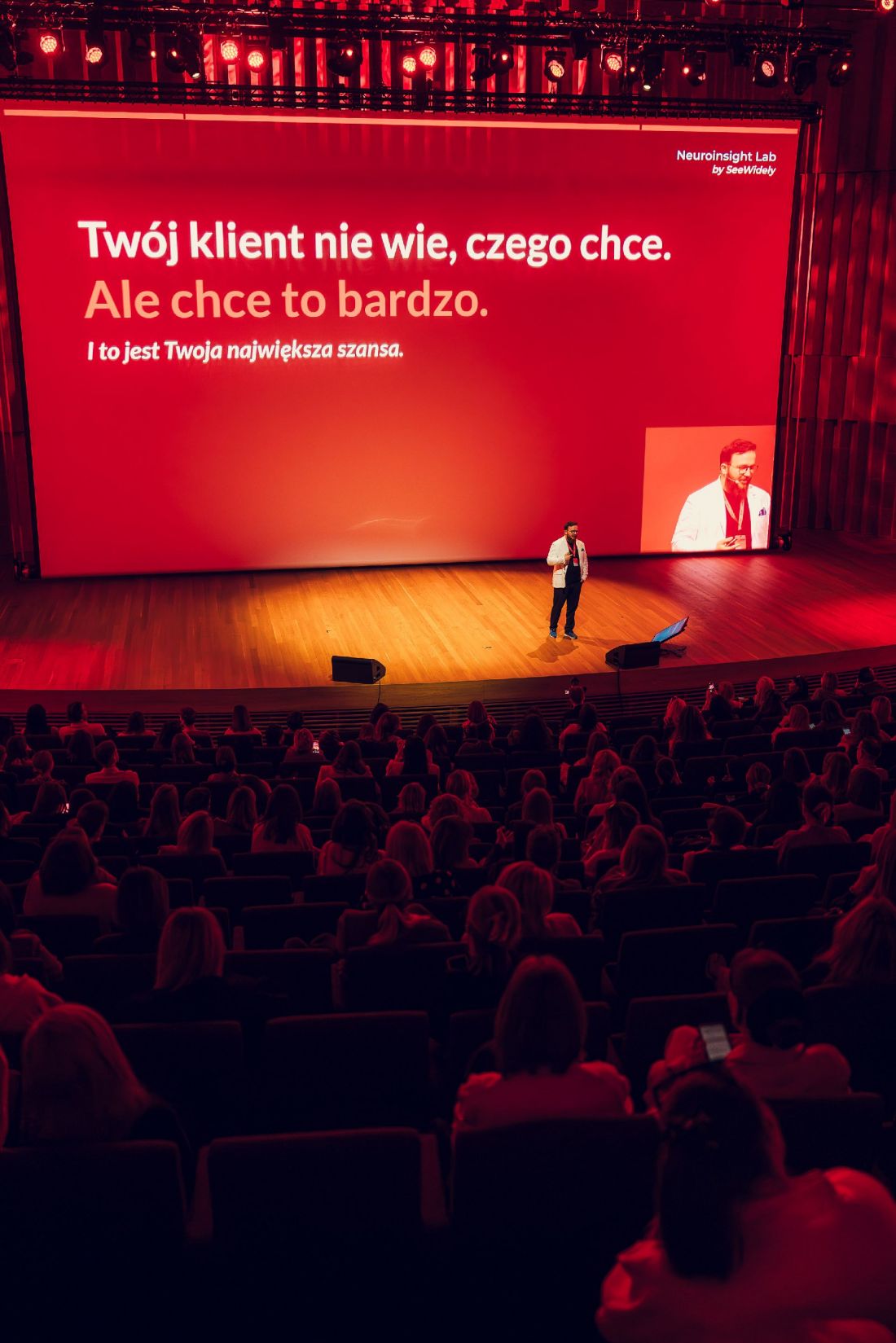
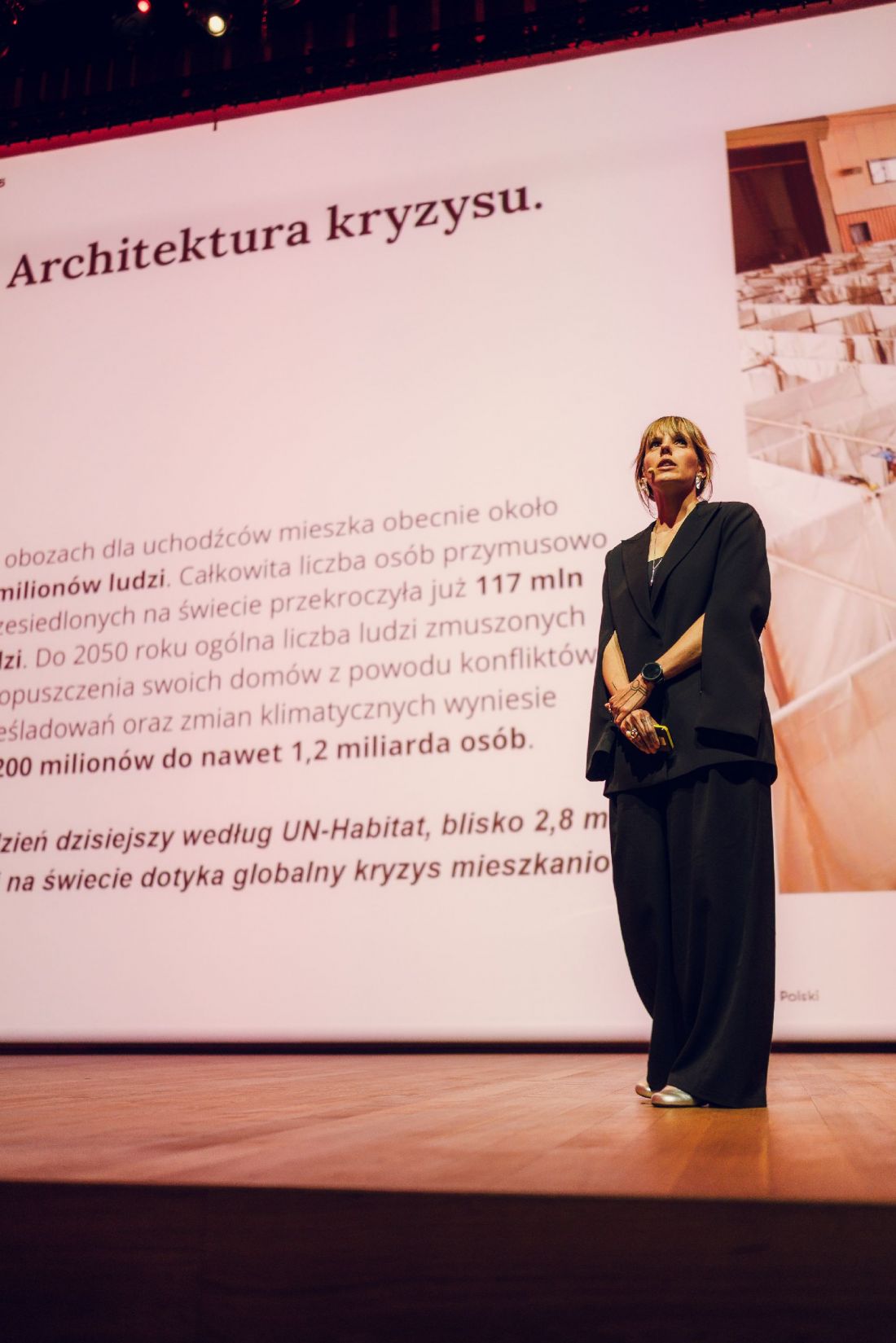
Marcin P. Stopa talked about the mechanisms of client decision-making, and Joanna Jurga took participants to the future of neuroarchitecture
Photo: Tomasz Ginter | Illustrations provided courtesy of the event organizers
Henryk Kwapisz presented the topic of the impact of acoustic smog on the quality of life of space users. He discussed the sources of noise in modern buildings, the mechanisms of sound propagation and ways to reduce its negative impact through appropriate design solutions and material selection. Pawel Pilarczyk showed basic and quick applications of artificial intelligence in the daily work of a designer - the use of AI applications to create visualizations, build prompts and speed up conceptual processes.
industry wants change
The tremendous interest of attendees, the record-breaking activity on social media and the discussions held long after the conference ended show that the design industry wants change. A change in the way we think about the profession, its professionalization, bolder and more transparent conversations about the business. The future of interior design does not depend solely on aesthetics. It depends on whether people want to develop themselves, their companies and the industry as a whole.
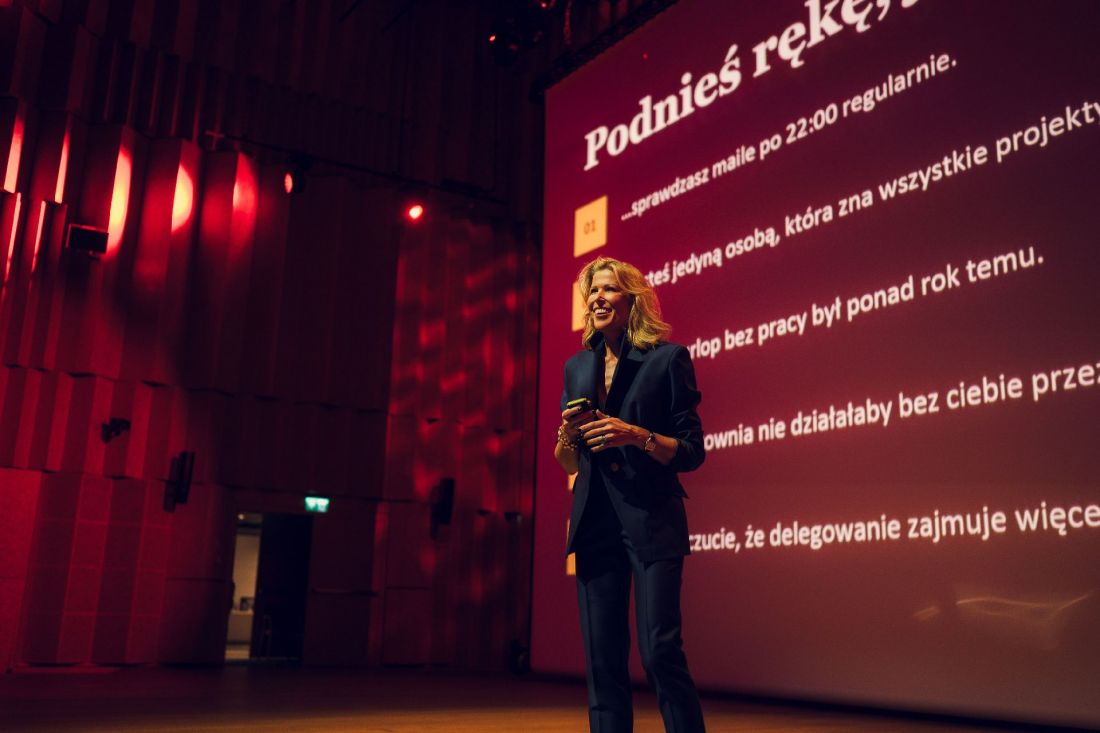
Dagmara Brzezinska showed why companies are not growing despite the increasing number of orders
Photo: Tomasz Ginter | Illustrations provided courtesy of the event organizers
The scale of participants' involvement shows that the Next Design Summit formula has been well thought out. Already today one can see the first attempts by other market players to be inspired by this model. However, the organizers make no secret of the fact that their ambition from the beginning was to create a new category of events for architects - focused not on trends, but on business development, professionalization of the profession and preparing the industry for the challenges of the future.
Next Design Summit will return next year. The next iteration of the event will once again bring together designers, architects, business experts, partners and media, continuing the conversation on how to build a stronger, more informed and modern design industry in Poland.