



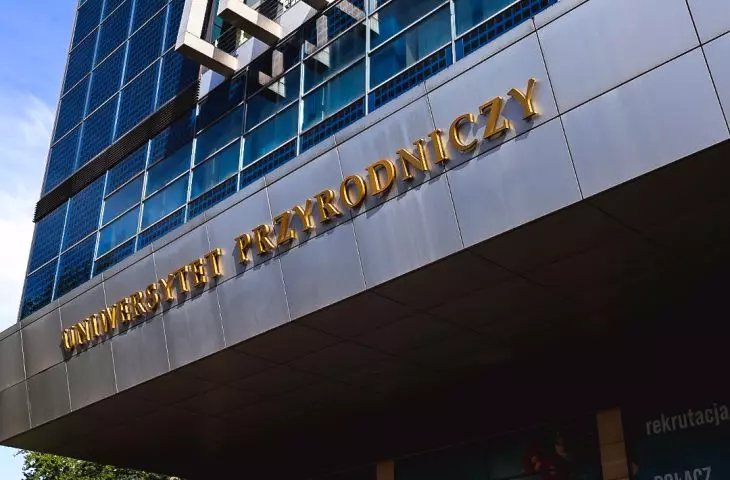
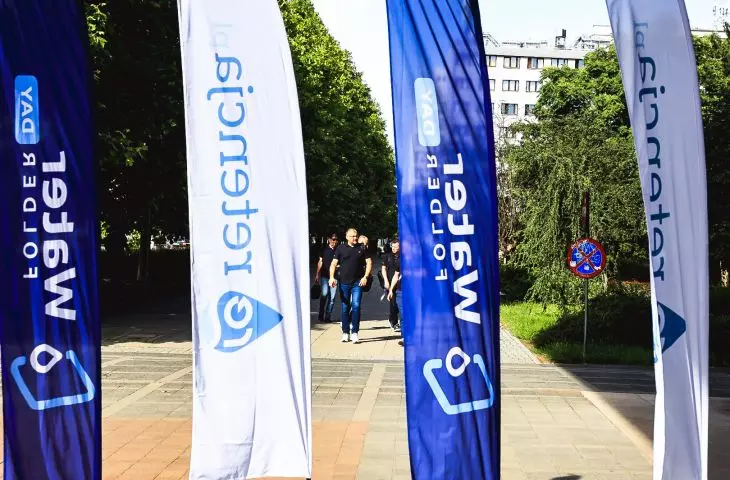
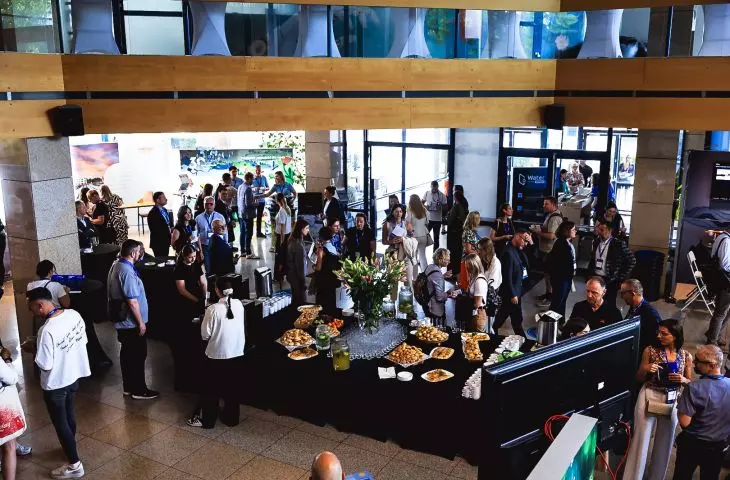
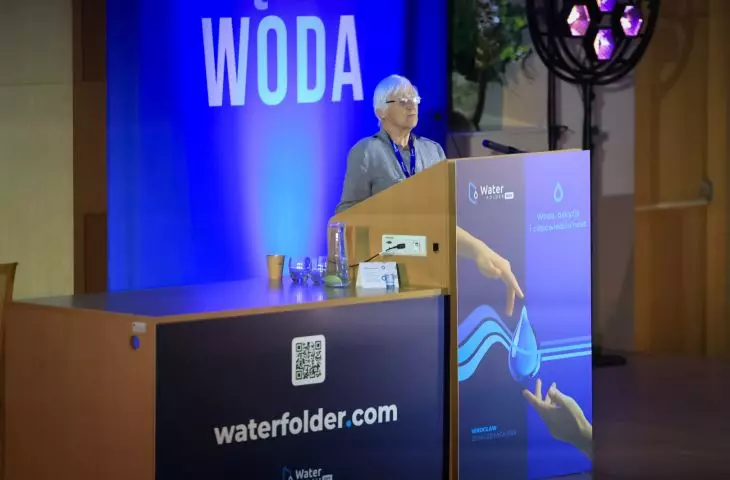
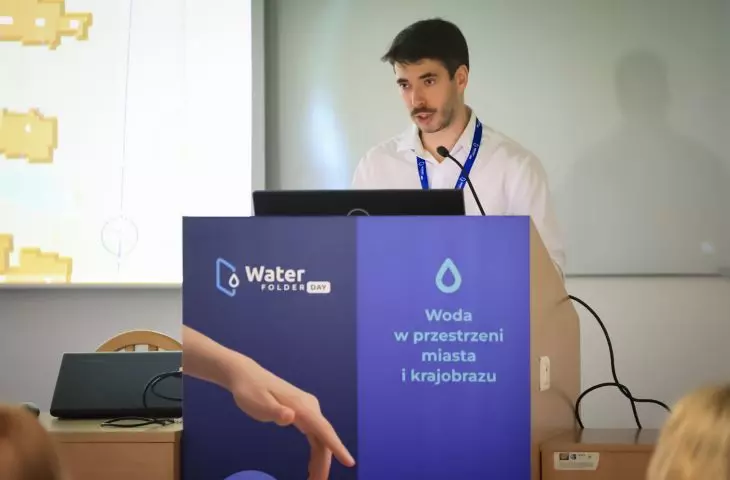



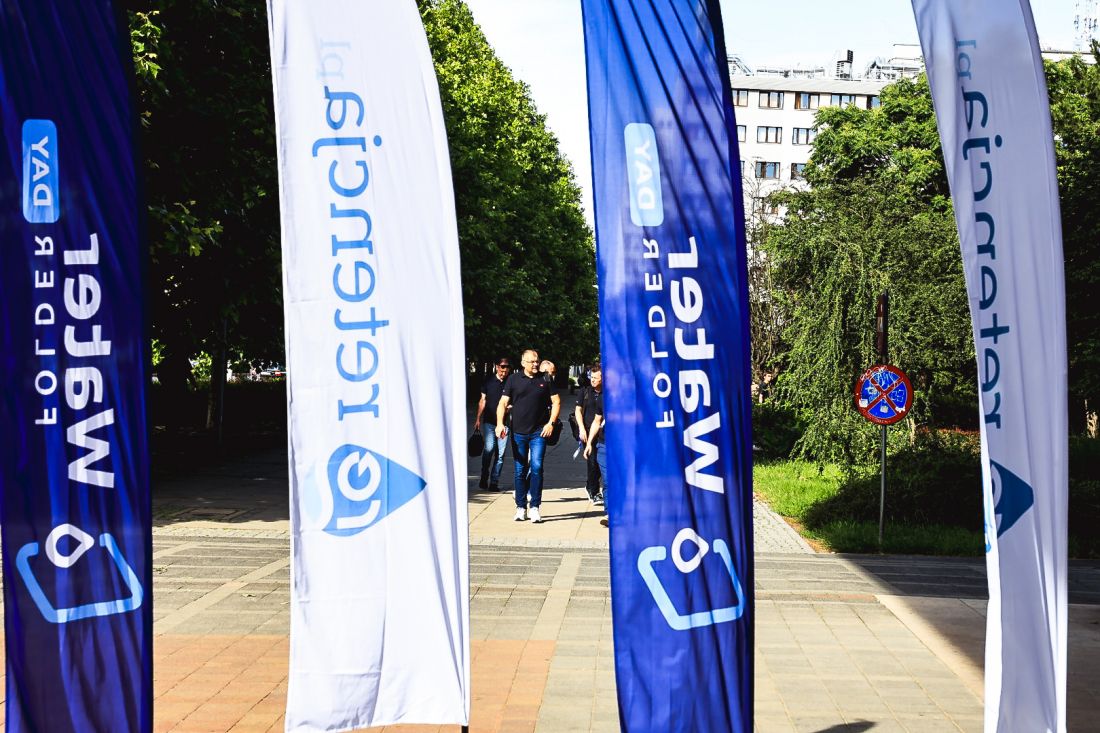
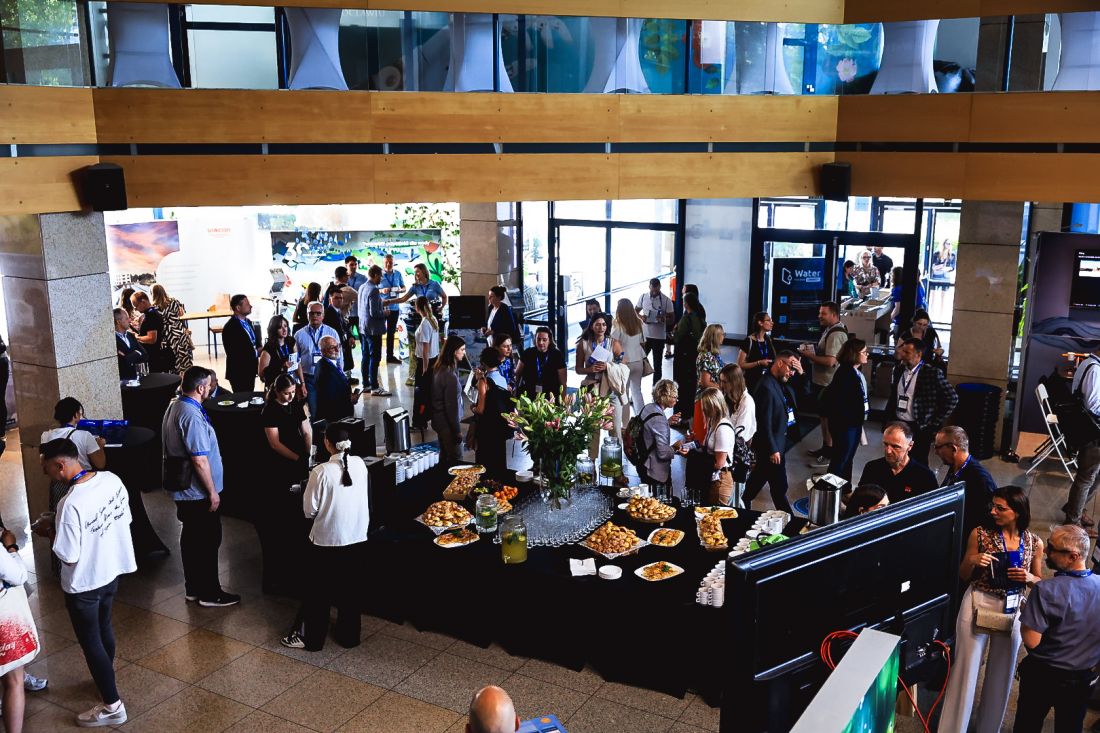
The 5th edition of the WaterFolderDay conference took place at the University of Life Sciences in Wrocław under the theme: “Where Water Brings People Together.” The conference focuses on the topics of water, responsibility, investments, technology, and green spaces.
WaterFolderDay 2026
© Organizers’ archive
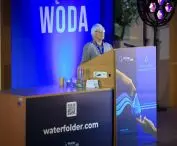
The conference was opened by Tomasz Grochowski, president of RetencjaPL, who spoke about how water also brings people together around projects, equipment, and new tools—including new calculators on the WaterFolder platform, which have set the platform on a green-and-blue path of development. Among the new tools were a rain garden calculator and a calculator for swales and infiltration areas.
WaterFolderDay 2026
© Organizers’ archive
Renata Woźniak-Vecchie discussed the importance of water in the investment process in her opening lecture: “Water as a Common Good in the Investment Process.”
Water management should be one of the key elements of investment planning today. Proper management of stormwater in cities requires collaboration with, among others, urban planners, road engineers, landscape architects, and crisis management teams. How can we initiate and shape such collaboration to improve the quality of life in cities? Is this even possible—and… in compliance with current law? — The speaker addressed these questions as she opened the fifth edition of the conference.
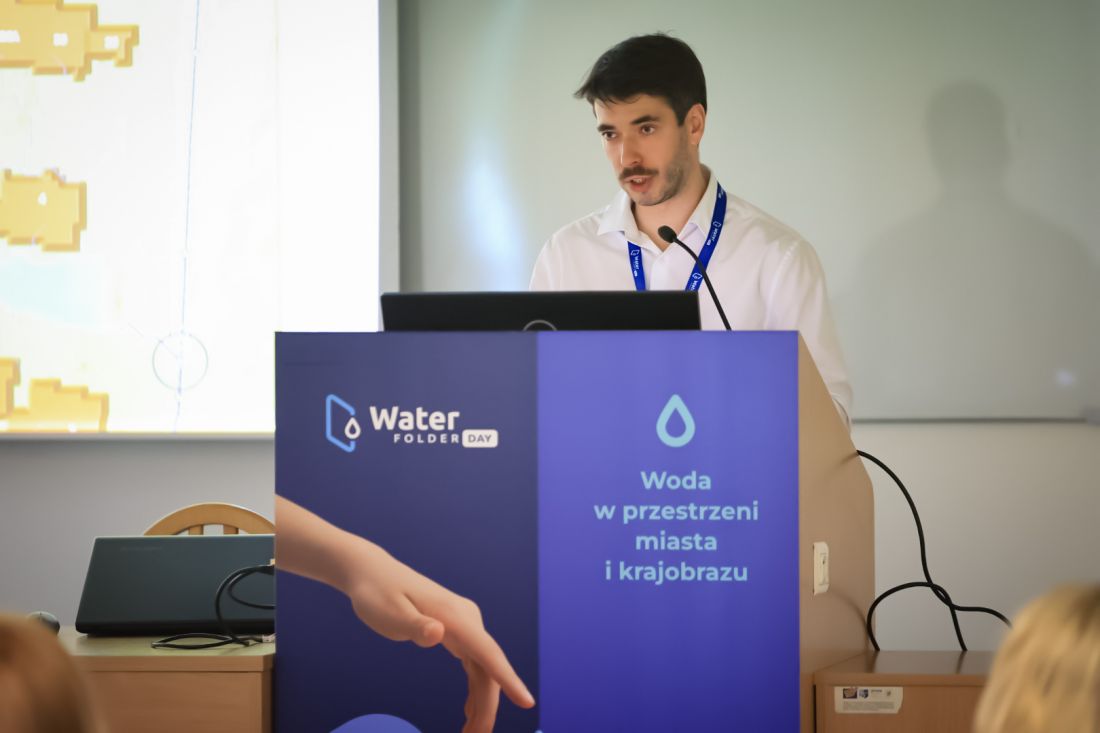
The event featured workshops and three panel discussions. The first debate focused on the role of local government in translating urban water policy into concrete planning, investment, and organizational decisions: from retention and drainage standards to collaboration with designers, infrastructure managers, water utilities, and investors. We learned how this process works in Szczecin, Kraków, Warsaw, and Wrocław. Agnieszka Hobot from Wodne Sprawy began by asking what is needed for a smart urban water policy. The panelists listed funding for investments, a planning document, time for implementation, and enforcement of the resulting policy among the most important factors.
WaterFolderDay 2026, Michał Pancewicz
© organizers’ archive
In light of problems with droughts and floods, local land-use plans seem to be an insufficient tool for creating policies to help cities adapt to climate change. Their role is increasingly—and effectively—being taken over by what drainage and retention system managers refer to as “rainwater discharge conditions.” What can be limited, and what cannot? In the second debate, we learned how Gdańsk, Poznań, Kraków, and Wrocław are faring. What restrictions are managers imposing to protect the network from overload? Does this stimulate the development of green-blue infrastructure, and if so, how? Are designers able to cope with the new conditions, and how are developers responding? Who verifies compliance with these conditions, and what does implementation look like on construction sites? And what about politicians and local government? Do they understand the importance of these changes, or do they “manually” influence decisions? In this debate, we sought effective tools for implementing climate adaptation policies and scaling up actions citywide.
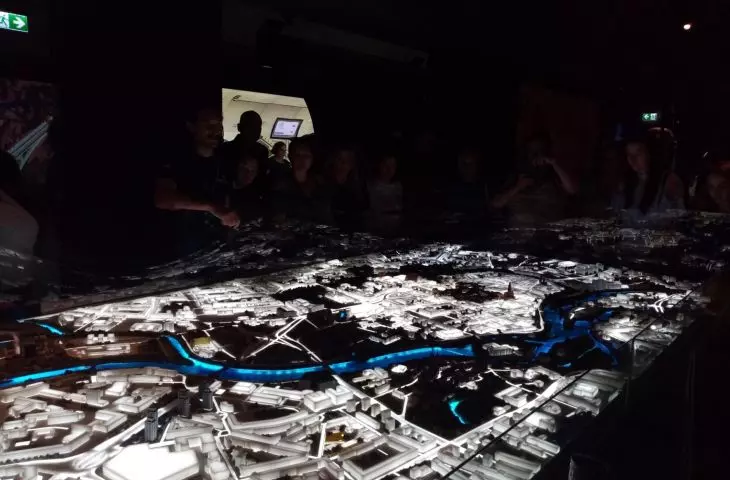
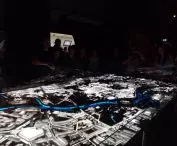
WaterFolderDay 2026, a model of Wrocław at Hydropolis
© organizers’ archive
The third debate, “Inter-sectoral Dialogue — Barriers and Best Practices in Collaboration,” focused on analyzing the current state of cooperation among key stakeholders in the city’s investment and water management processes. Participants discussed the most common organizational, formal, and communication challenges, as well as best practices and examples of effective partnerships that have enabled the implementation of solutions to increase water retention and water safety. The debate provided an opportunity to exchange experiences and examine the investment process from various perspectives — from planning and design, through administrative arrangements, to the implementation and maintenance of infrastructure. The discussion focused on how to build an effective dialogue between industries and what actions are necessary to ensure that more retention projects and nature-based solutions are developed in Polish cities, thereby improving the safety and quality of life for residents.
WaterFolderDay 2026, Lucyna Osuch-Chacińska
© organizers’ archive
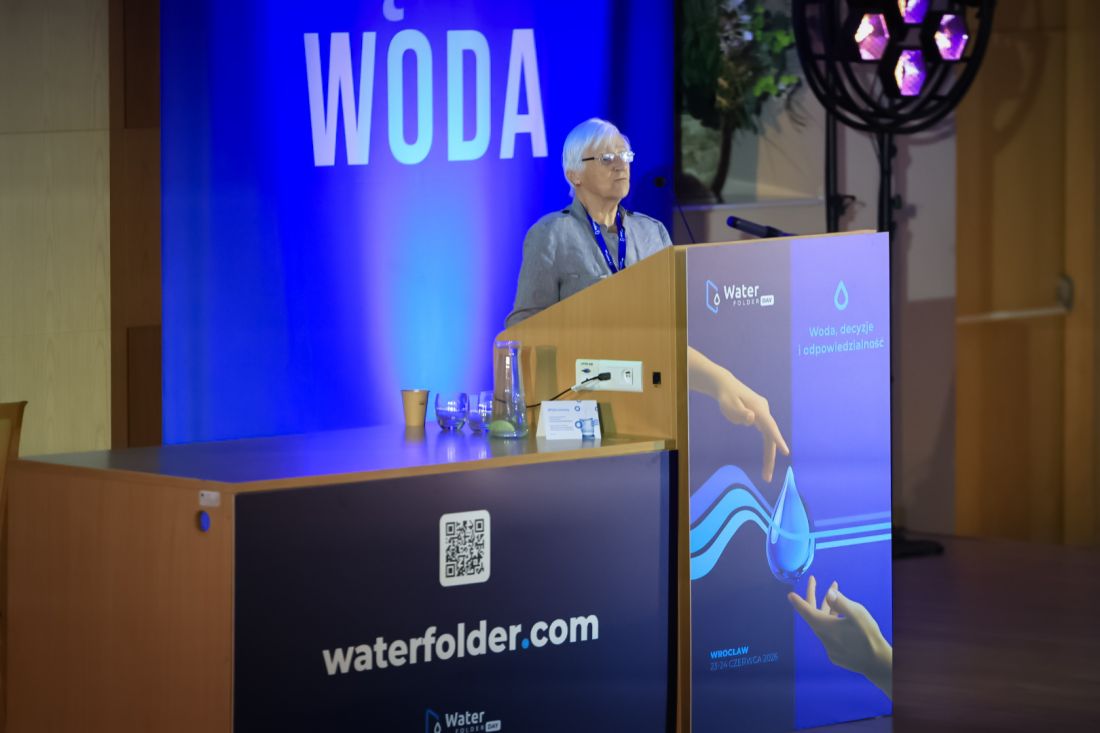
The debates were interspersed with lectures on formal and legal matters. We discussed water law permits, PFU, and legal liability. Lucyna Osuch-Chacińska, Adam Stępkowski, and Jędrzej Bujny shared their experiences.
The second room was dominated by green-and-blue infrastructure, where the session was opened by Monika Pec-Święcicka from the Wrocław Greenery Authority, which co-hosted the conference this year. The speaker discussed how to manage water before (or if at all) it enters the storm sewer system. Ewa Burszty-Adamik’s lecture drew significant interest as she sought to answer the question of whether green-blue infrastructure actually works.
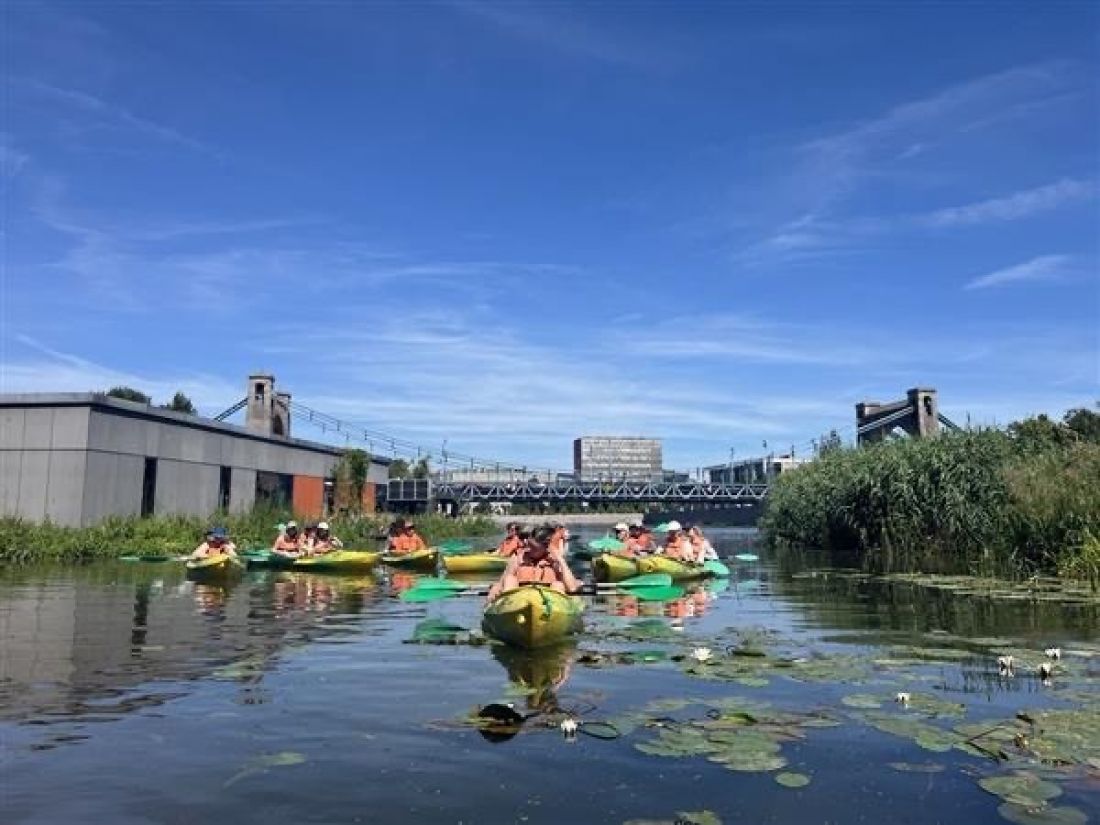
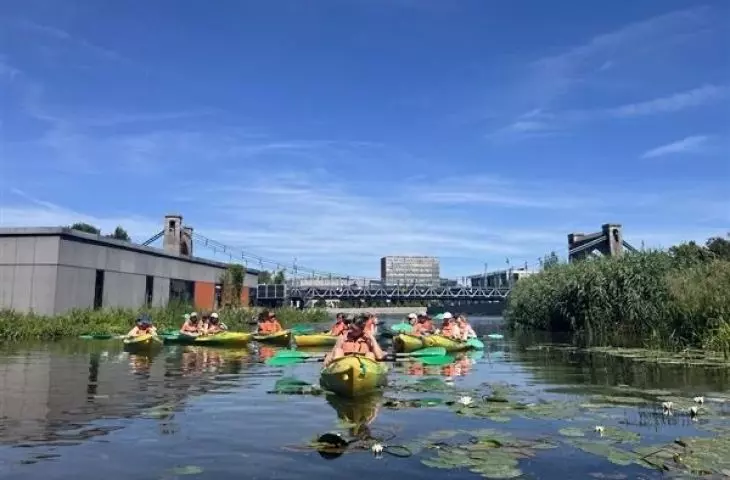
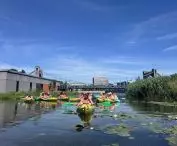
WaterFolderDay 2026, kayaking trip
© organizers’ archive
In the third workshop room, training sessions focused on infrastructure: we discussed pumping stations, retention basins, and linear drainage systems.
In the fourth room, discussions focused on new technologies, including the need for hydrodynamic modeling. The WaterFolderConnect platform was presented. This solution not only streamlines the design process but also accelerates key calculations, the selection of specific network components, and simulations using various rainfall scenarios, while generating optimal solution options. The COOLCITY Design software was also among the technologies presented.
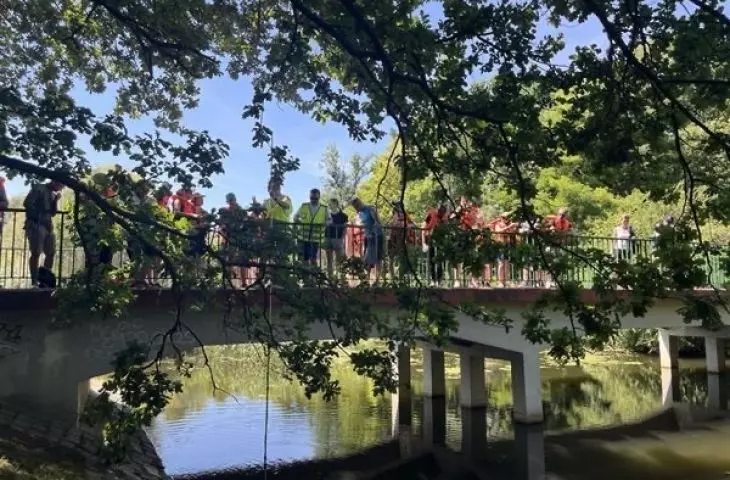
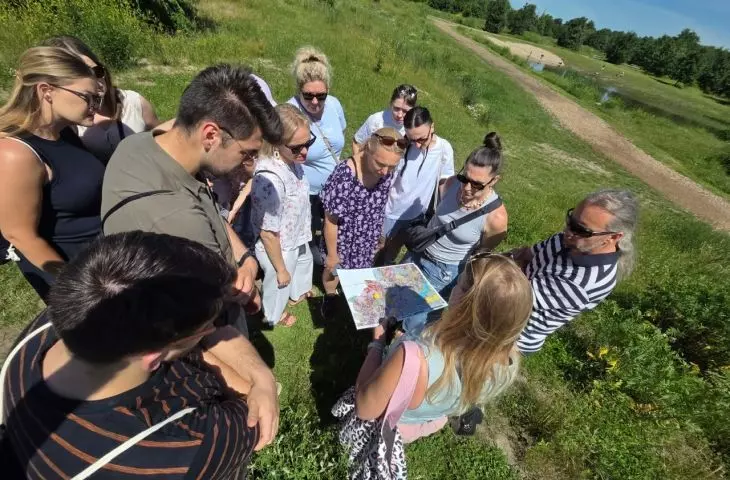
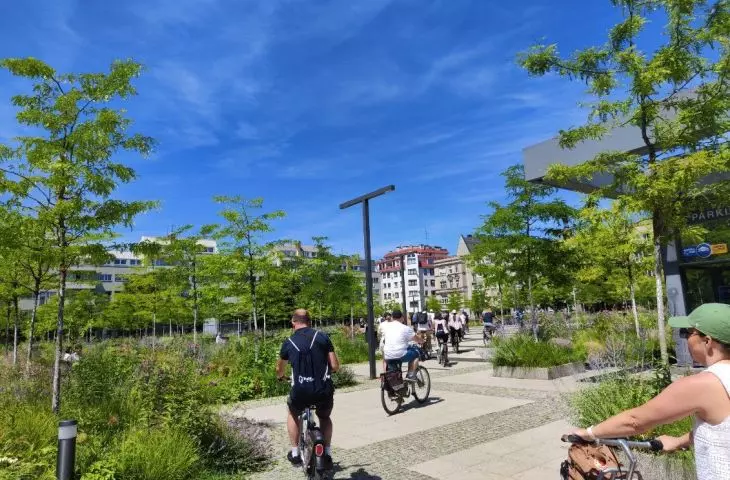
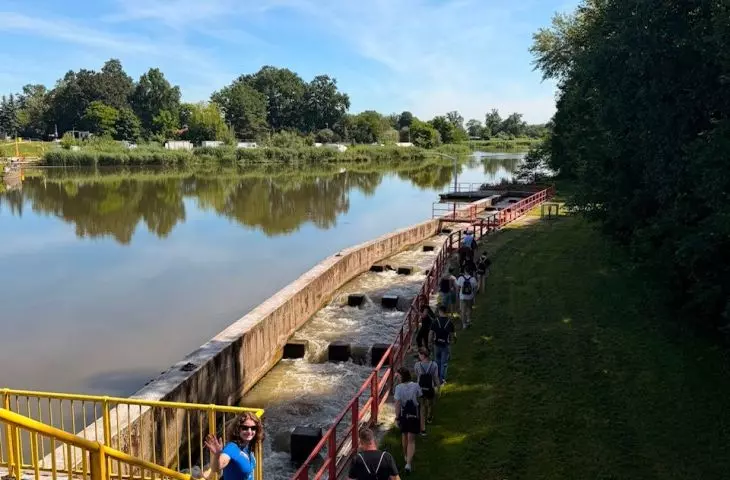
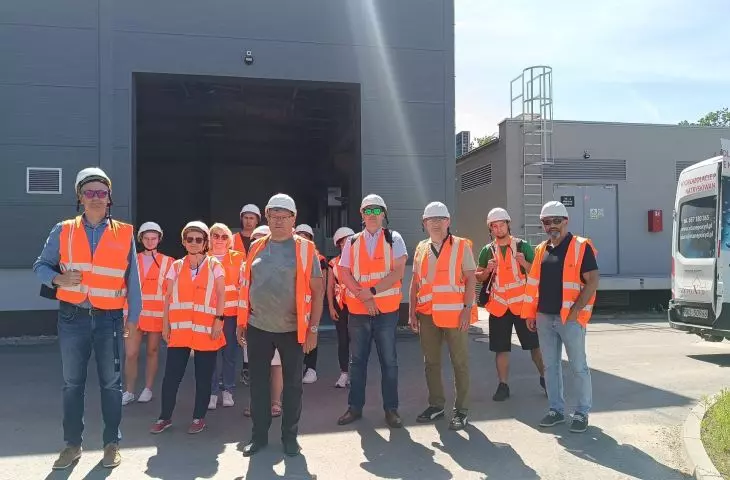
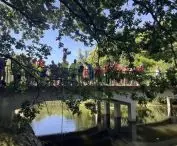
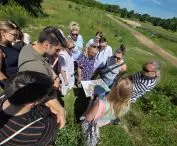
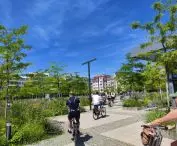
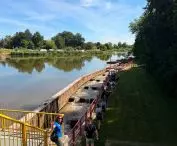
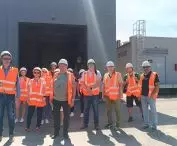
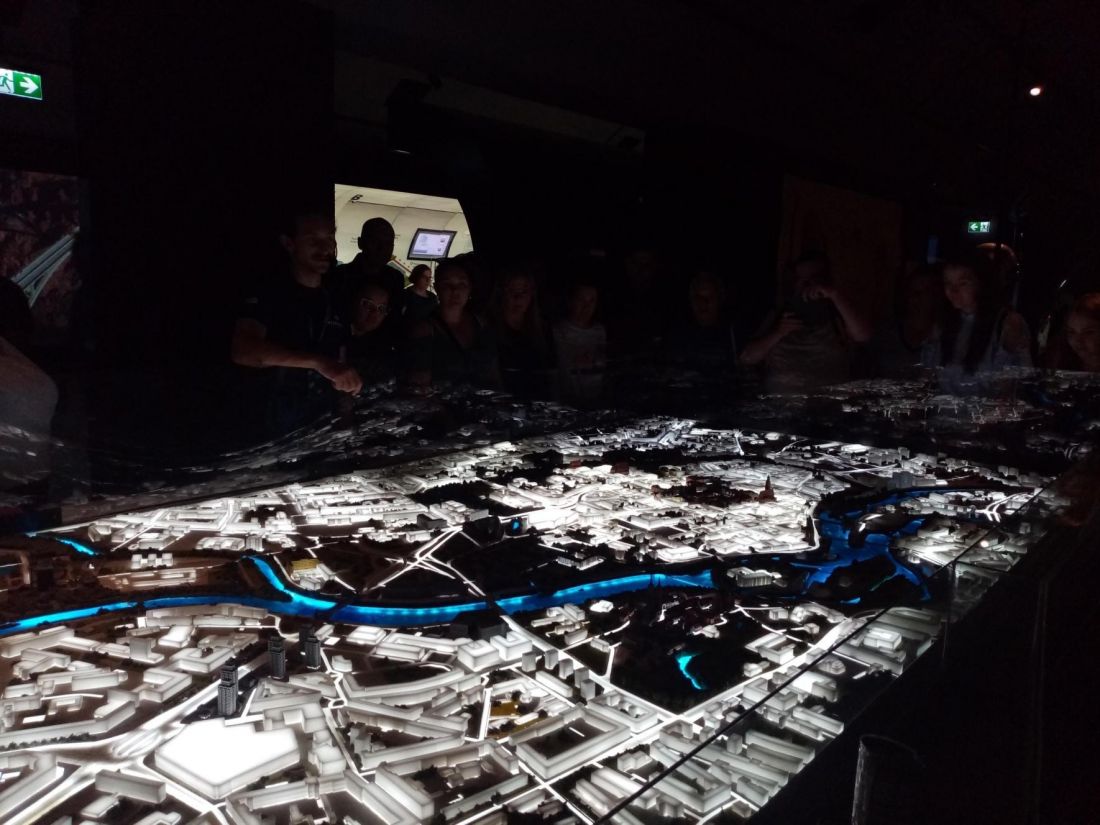
The second day of the conference was devoted to practical field workshops. Participants had the opportunity to choose between Hydropolis—a water knowledge center—where they could explore the river and learn about solutions for studying its flow, hydrotechnical solutions, and green-blue infrastructure in the city and parks.
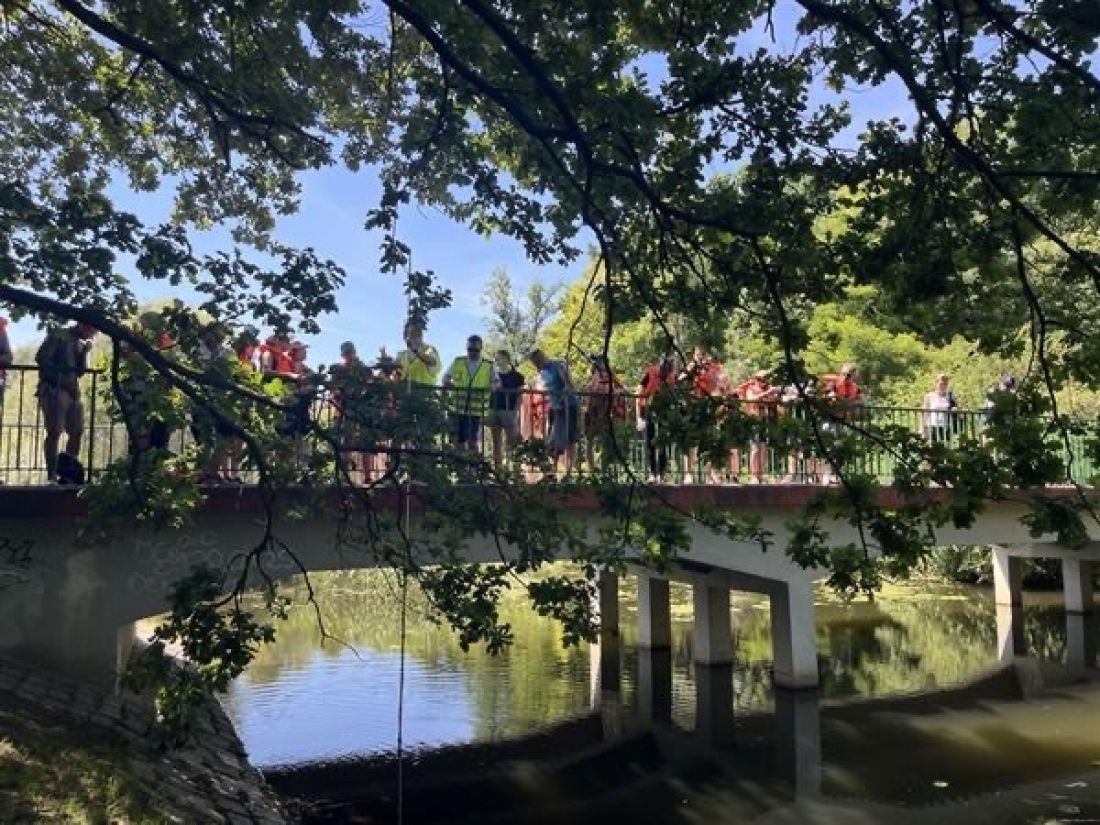
WaterFolderDay 2026, the second day of the conference
© organizers’ archive