




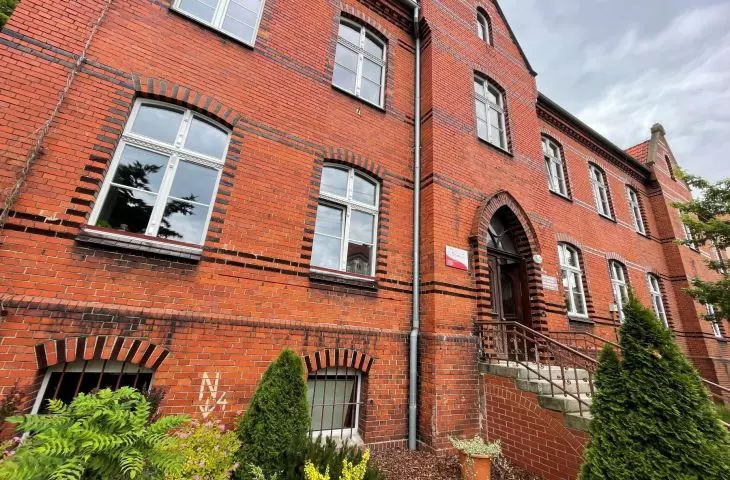
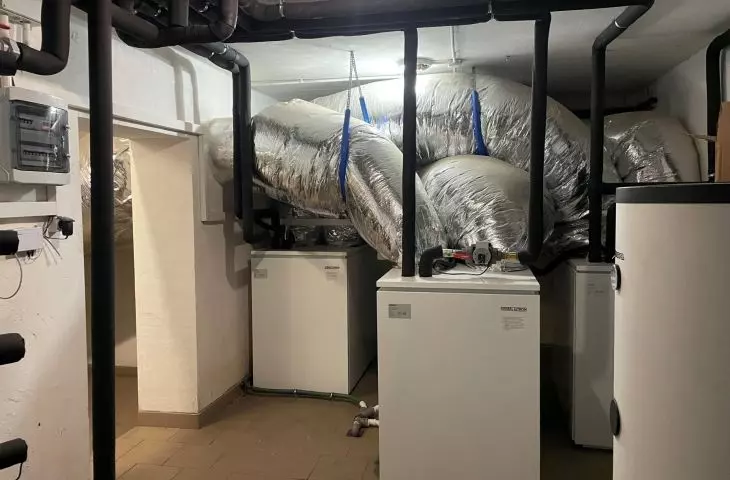
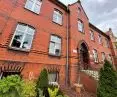
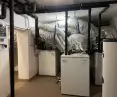

In the 19th-century building that houses a care and education facility, air-source heat pumps were installed to replace coal, and because the building is a historic landmark, they were installed indoors. This change resulted in an eightfold reduction in expenses. In another building, nearly 150 years old and with an area of 900 m², which houses a hotel, annual heating costs amount to approximately 16,000 zlotys.
Such results are possible thanks to heat pumps. “I invite you to see for yourselves the solutions we design and install in Poland, in defiance of the coal and gas lobby,” says Przemysław Babiński, owner of Green Energy, the company that carried out the installations.
The antidote to the projected rise in energy resource costs is savings and the optimization of heating systems. “With an investment that ensures greater stability and security, you can get ready before the next winter,” emphasizes the heating industry expert.
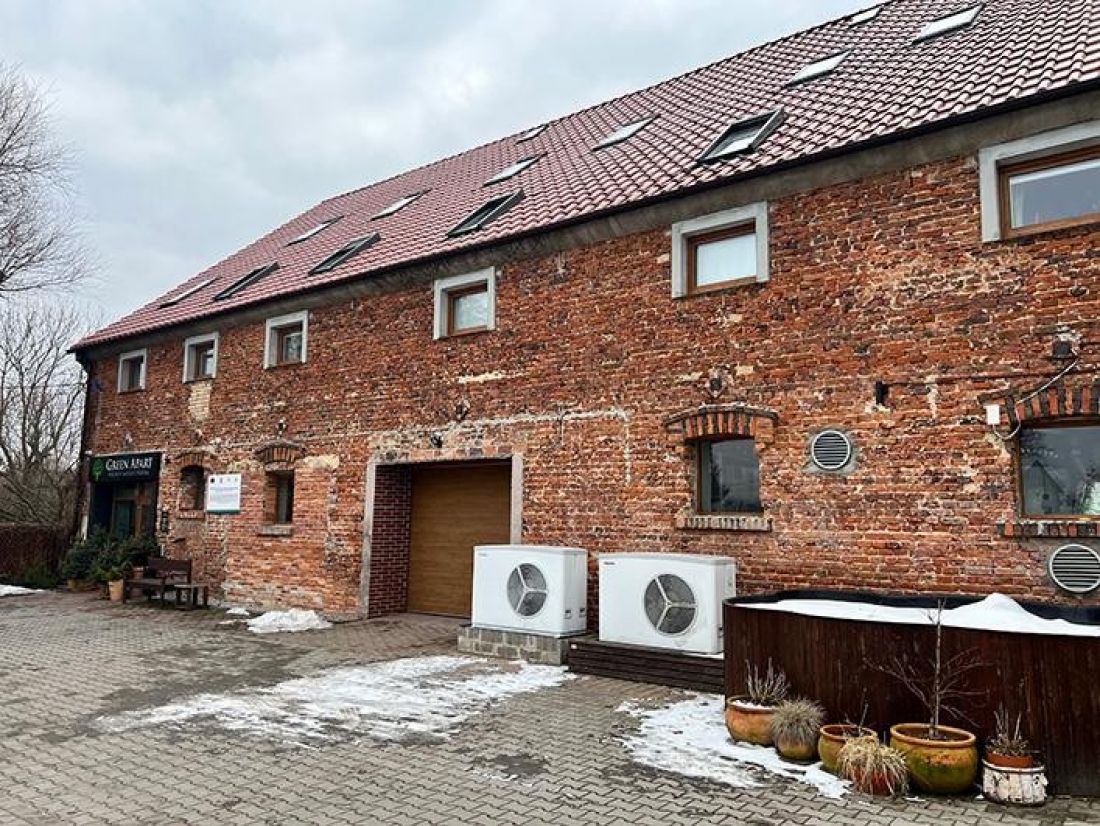
Hotel in Środa Śląska Heated by Heat Pumps
© STIEBEL ELTRON
The care facility, office, and hotel—all under one roof—have a new heating system
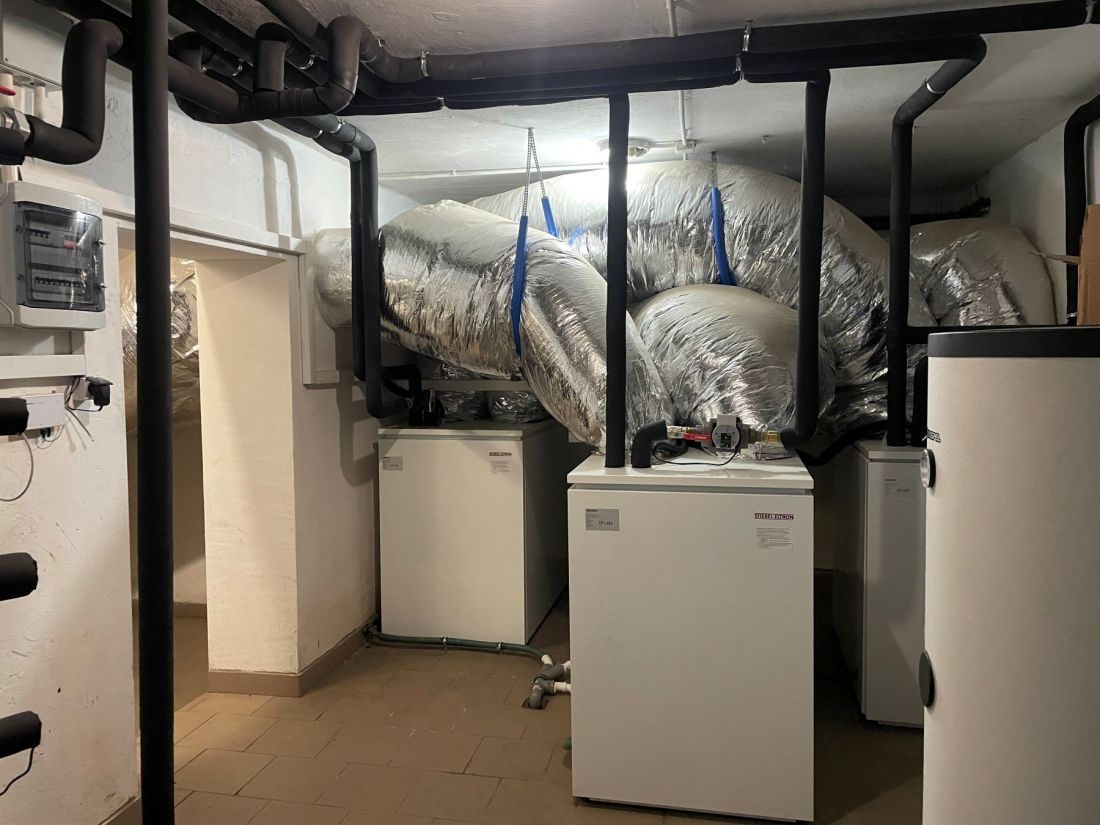
In 2022, the heating system at the care and educational facility on Kilińskiego Street in Środa Śląska was modernized, with air-source heat pumps serving as the foundation of the new system. The heating system consists of two cascades—one comprising three Stiebel Eltron heat pumps and the other two. These are the sole peak-load heat sources in the four-story brick building, which has a floor area of approximately 1,800 m². They were installed inside the boiler room, and air is supplied to them through ducts from outside. This solution was approved by the historic preservation officer, who, due to the nature of the building, did not agree to the installation of outdoor units next to it. Following the conversion, energy consumption for central heating and domestic hot water stands at approximately 35,000 kWh per year. The two solid-fuel furnaces previously in operation consumed approximately 140 metric tons of coal annually.
Assuming a price of 2,000 zlotys per metric ton of coal, the annual cost of fuel amounted to 280,000 zlotys. To this amount must be added the cost of maintenance, estimated at several tens of thousands. Thanks to this change, annual heating costs have decreased eightfold and now range from 35,000 to 40,000, instead of 320,000 PLN,” explains Przemysław Babiński, the contractor and originator of the installed solutions. “Thus, five years of operation of the new heating system have yielded savings of approximately 1.4 mln zlotys, undoubtedly a significant amount for the facility’s budget,” he emphasizes.
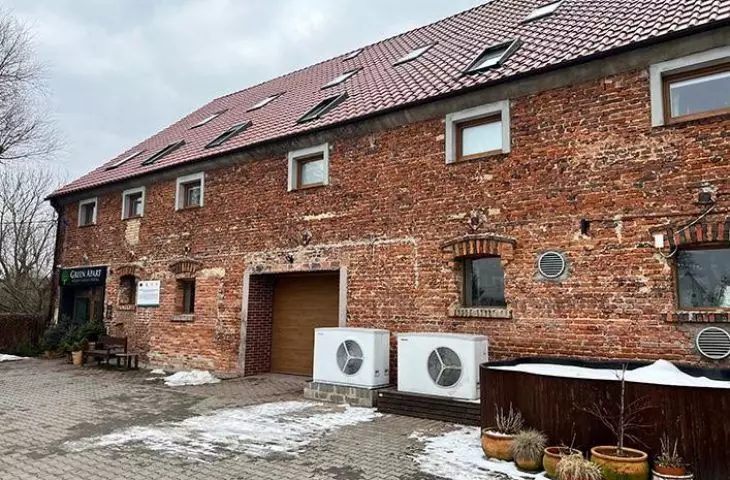
Another installation is in operation in Komorniki, near Środa Śląska. The site features a building constructed in 1880, which initially served as a farm building (a so-called “folwark” or barn) and had not undergone any renovations since World War II. In April 2016, as part of a comprehensive modernization project combined with a change in the building’s function, heat pumps were installed there.
Currently, the facility consists of two sections—an office section and a hotel section. In total, this amounts to approximately 900 m² spread over three floors. The installed renewable energy systems—including heat pumps, solar systems, and photovoltaics—generate more energy than the building consumes, making it energy self-sufficient. Interestingly, the exterior walls were not insulated; only the roof was insulated using traditional mineral wool between the rafters. This solution stems from the construction technology used to build the facility.
The 70-cm-thick brick walls provide natural insulation. This layer of insulation is entirely sufficient, and there was no need to clad the building with expanded polystyrene. “The heating systems installed in the building serve as an active exhibition and showcase the most advanced solutions currently available on the market,” says Przemysław Babiński.
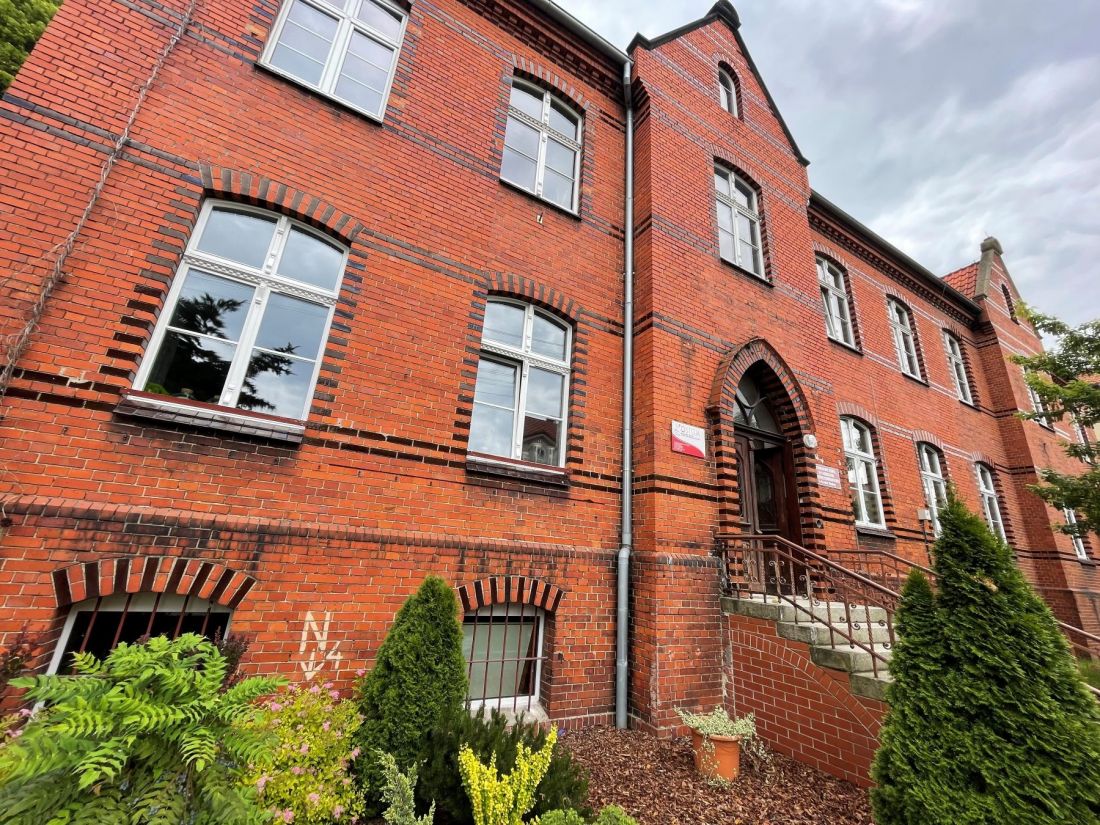
19th-century buildings in Środa Śląska heated by heat pumps (4m)
© STIEBEL ELTRON
The system operates in a cascade configuration consisting of two outdoor heat pumps and one indoor unit serving the hotel, as well as one outdoor heat pump heating the office section. The office section, covering an area of 140 m2, houses the company’s headquarters. In addition to the Stiebel Eltron HPA-O 10 Premium air-source heat pump, heating for the office section is provided by an HSBC hydraulic tower and an LWZ 370 Plus heat recovery unit, with the system complemented by a buffer-solar system.
The total electricity consumption for the office, showroom, and warehouse at Green Energy, across all these devices over a 10-year period, amounted to approximately 35,000 kWh. This translates to an annual average of 3,500 kWh, which, combined with the facility’s photovoltaic system, results in monthly costs of several hundred zlotys. Not even a cold winter had an impact on the cost of the bills. Importantly, the facility has high ceilings over 3.5 m, and the exterior doors are frequently opened, which of course means a greater influx of cooler air,” comments Przemysław Babiński.
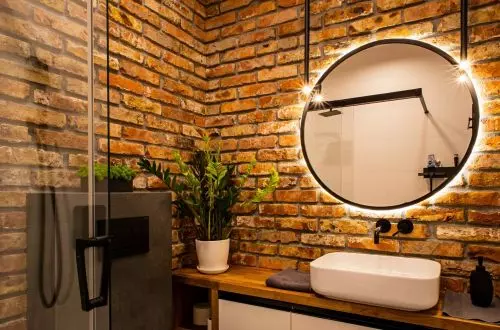
The hotel section, which currently features 21 rooms equipped with underfloor heating and bathroom radiators, is heated by an LWZ unit (4-in-1—heating, cooling, heat recovery, and DHW) with a DHW storage tank 1,500-liter (SBS) tank, supported by a cascade of two Stiebel Eltron HPA-O 10 Premium air-source heat pumps and a VRC 450 heat recovery unit.
Since the installation of a new meter that monitors energy consumption at the facility—i.e., during the period from November 4, 2024, until April 28, 2026, the equipment providing heating and hot water at the hotel has drawn 37,000 kWh of electricity from the grid. This means that the average monthly consumption was approximately 2,000 kWh, with one-third of that energy used to provide hot water.
19th-century buildings in Środa Śląska heated by heat pumps (5m)
© STIEBEL ELTRON
Our annual bills amount to 16,000 zlotys, and given this situation, it’s impossible to dispute the conclusion that heat pump heating is the most economical way to heat buildings. The technology has been developed on an industrial scale since 1976—that is, for half a century—which, in my opinion, is also a strong recommendation,” says Przemysław Babiński.
As the investor points out, using heat pumps ensures maximum comfort while optimizing costs.
The temperature in the hotel is maintained at 23°C. This contributes to positive feedback from our guests, which is another argument in favor of using heat pumps. We see the system’s effectiveness and efficiency in our facility, and in addition to guest feedback, another clear proof of this is our low heating bills, which remain a significant item in the cost structure of any hotel business. From my own experience, I’d add that the higher the quality of the equipment, the greater the benefits,” adds Przemysław Babiński.
It’s worth seeking out savings and investing in efficient heating systems
This year’s winter, due to persistently low temperatures, was significantly more demanding on heating systems compared to previous years. The World Bank forecasts that average global energy prices—primarily for energy commodities (oil, gas, coal), will be approximately 24 percent higher in 2026. While this does not mean that individual bills—including heating bills—will rise by that much, it is undoubtedly a sign that fossil fuels may become significantly more expensive. Our wallets and the economy will certainly feel the impact of this change.
Next winter, we will most likely not be able to avoid price increases for common fuels—namely, natural gas, coal, and wood pellets, which were also hard to come by this past winter. And if the weather pattern repeats itself, these two factors will compound, driving costs even higher. Therefore, a sensible step is to seek savings by reducing demand through thermal retrofitting and opting for the most efficient systems, among which heat pumps lead the way. They can be used to heat both residential homes and buildings for other purposes, regardless of size or function. And their ease of installation means there’s nothing standing in the way of completing such an investment this year, financing it even with the savings it will generate,” emphasizes Adam Korpalski, an expert at Stiebel Eltron.
For more information, visit the STIEBEL ELTRON company’s page on the A&B portal.