




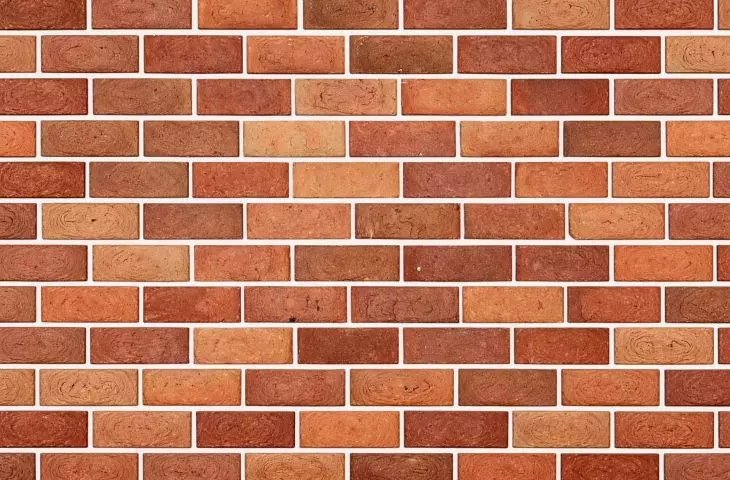
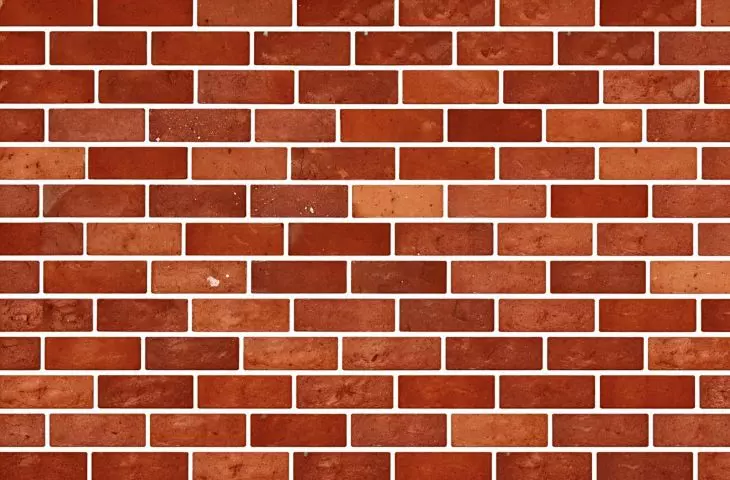
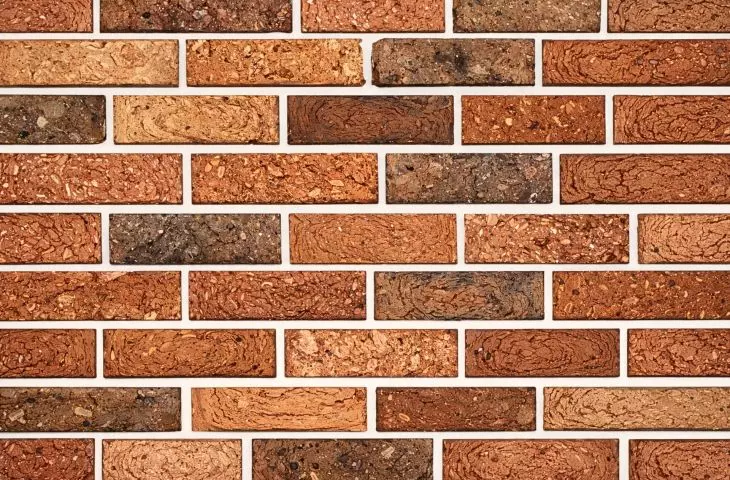
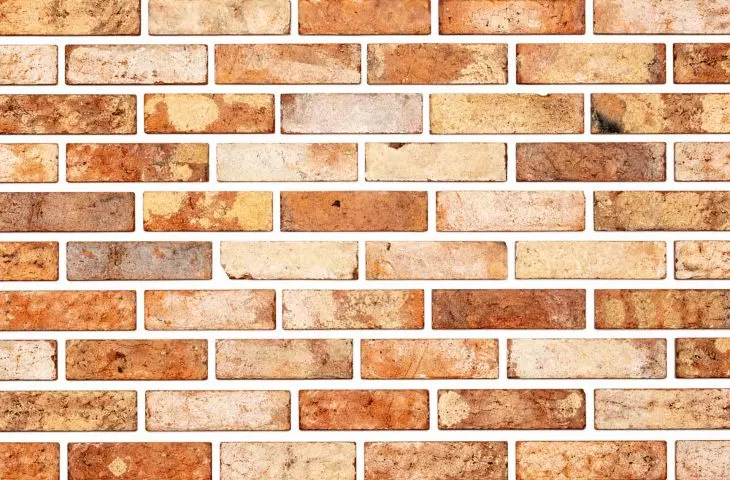






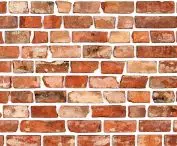


from the series "Acoustics, ceilings, wall coverings - TRENDS 2026"
In recent years, interior design has increasingly seen a return to materials that don't try to fake anything. Increasingly, instead of perfectly smooth surfaces and repetitive patterns, there is texture, unevenness and natural patina. Designers are increasingly turning to materials that have their own character and do not need to be stylized. One of them is old brick.
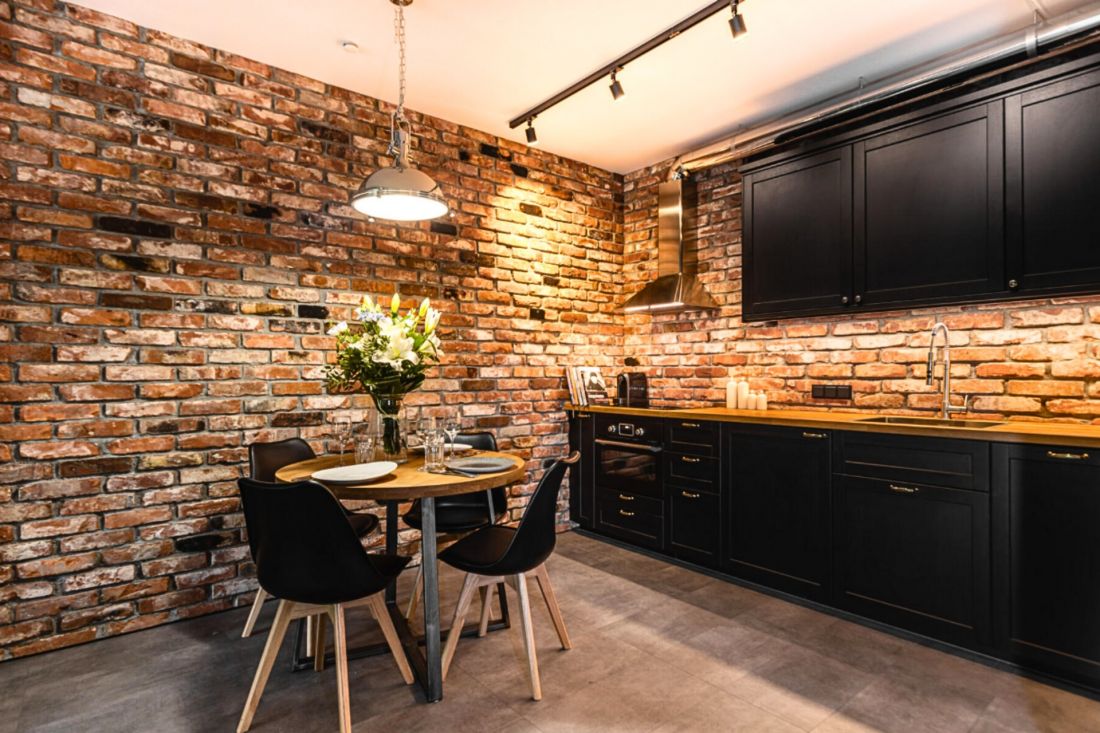
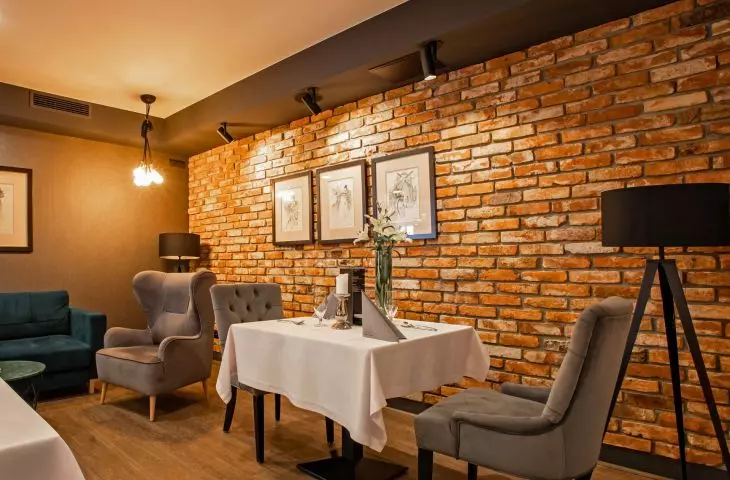
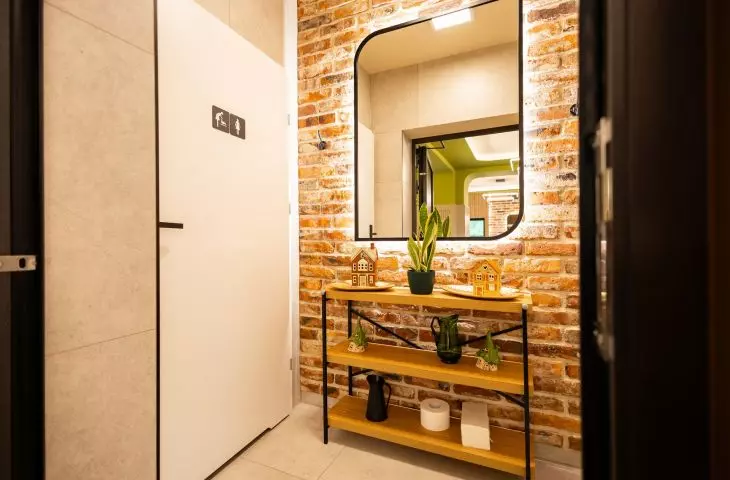
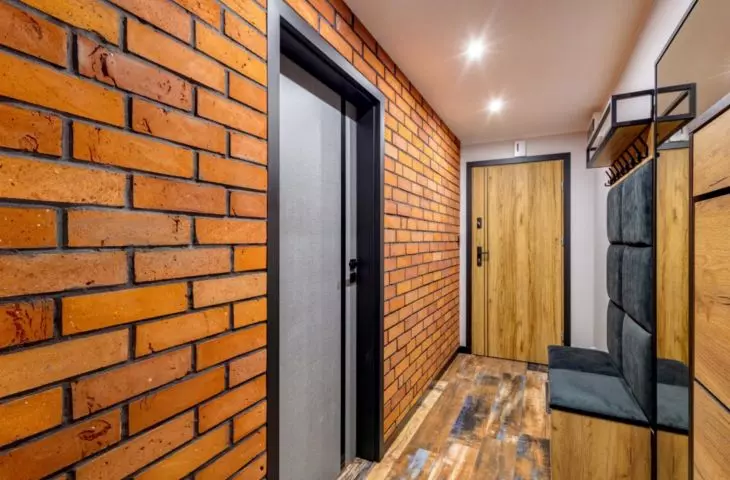
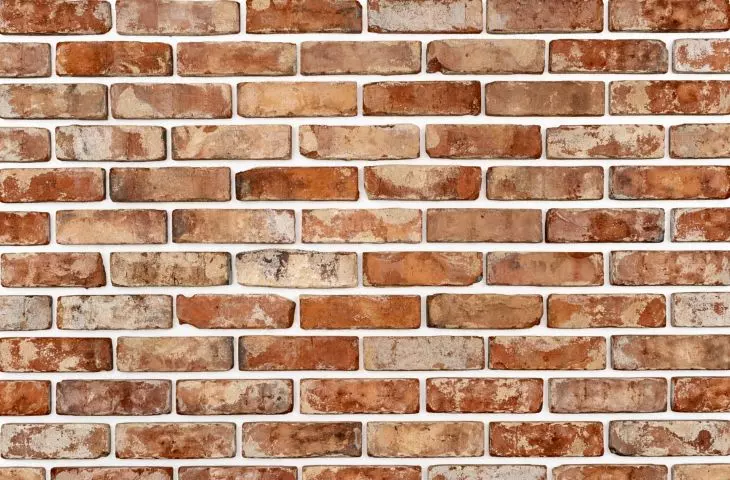
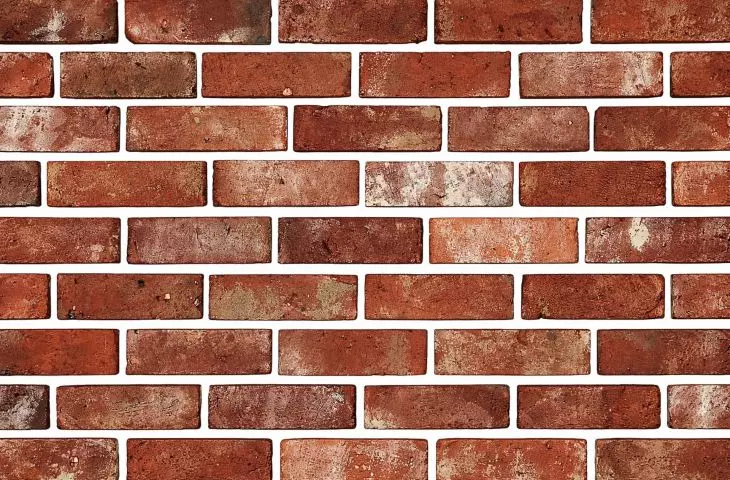
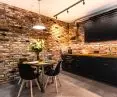
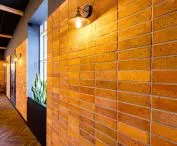
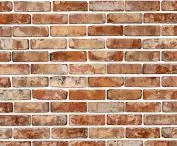
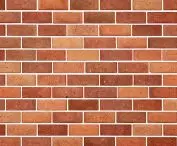
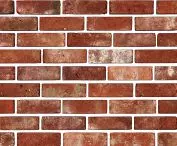
Lico Classic Lubliniec
© Ceglana Fantazja
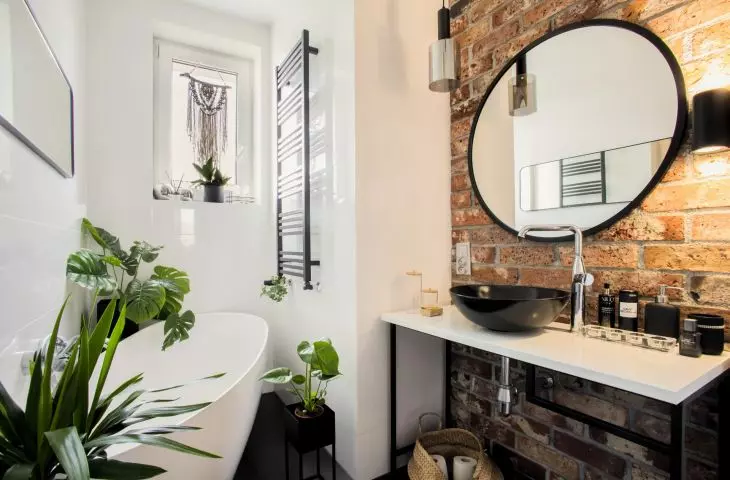
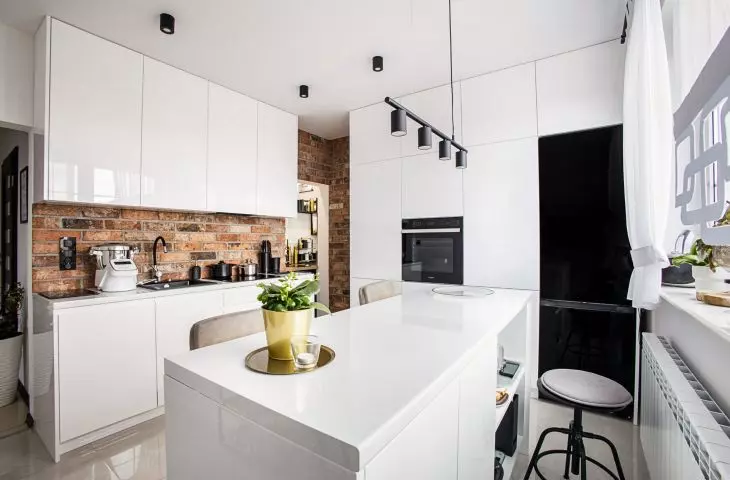
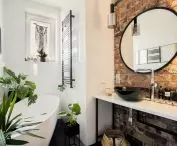
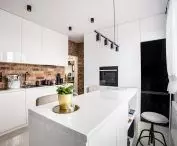
For a long time, brick walls were mainly associated with loft interiors. Today they appear in a much broader context - in apartments, restaurants, hotels or office spaces. Increasingly, brick is no longer treated as a decorative motif of industrial style. It is returning to its original role - a real architectural material that builds the character of a space.
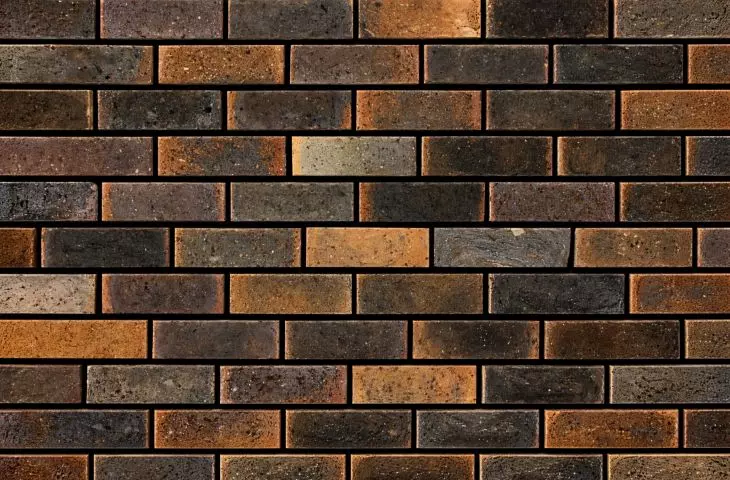
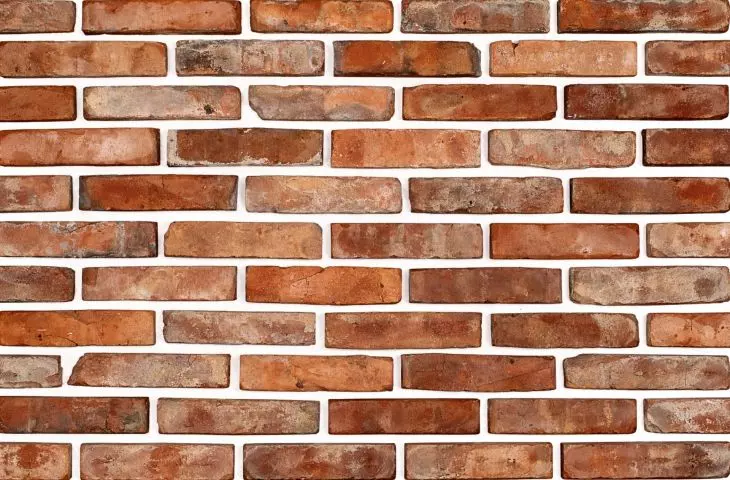
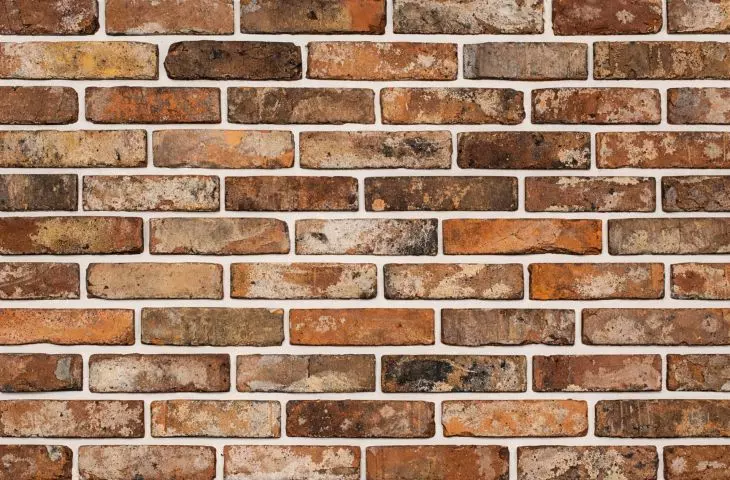
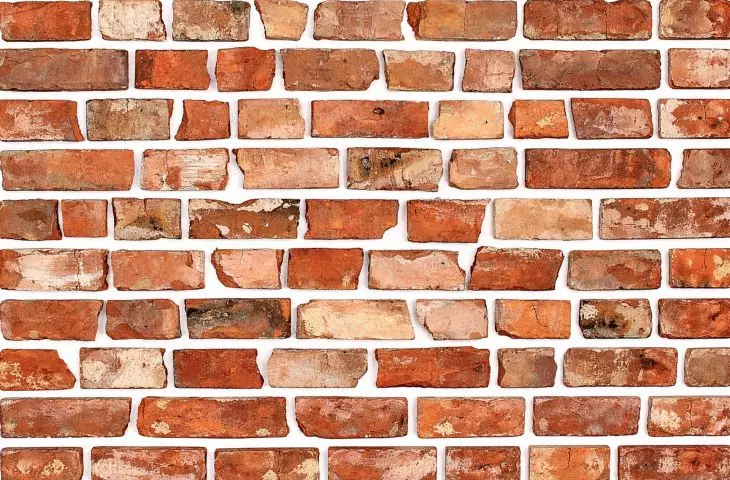
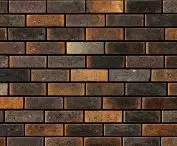
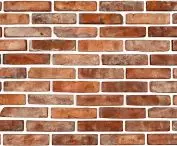
What distinguishes old brick is, first of all, its uniqueness. Bricks fired in old brick factories were created under completely different conditions than modern materials. Differences in firing temperatures, the composition of the clay or the way it was formed meant that each brick had a slightly different color, texture and traces of use. As a result, a brick wall is not a homogeneous surface, but an arrangement of many subtle differences, which together create a natural, living structure.
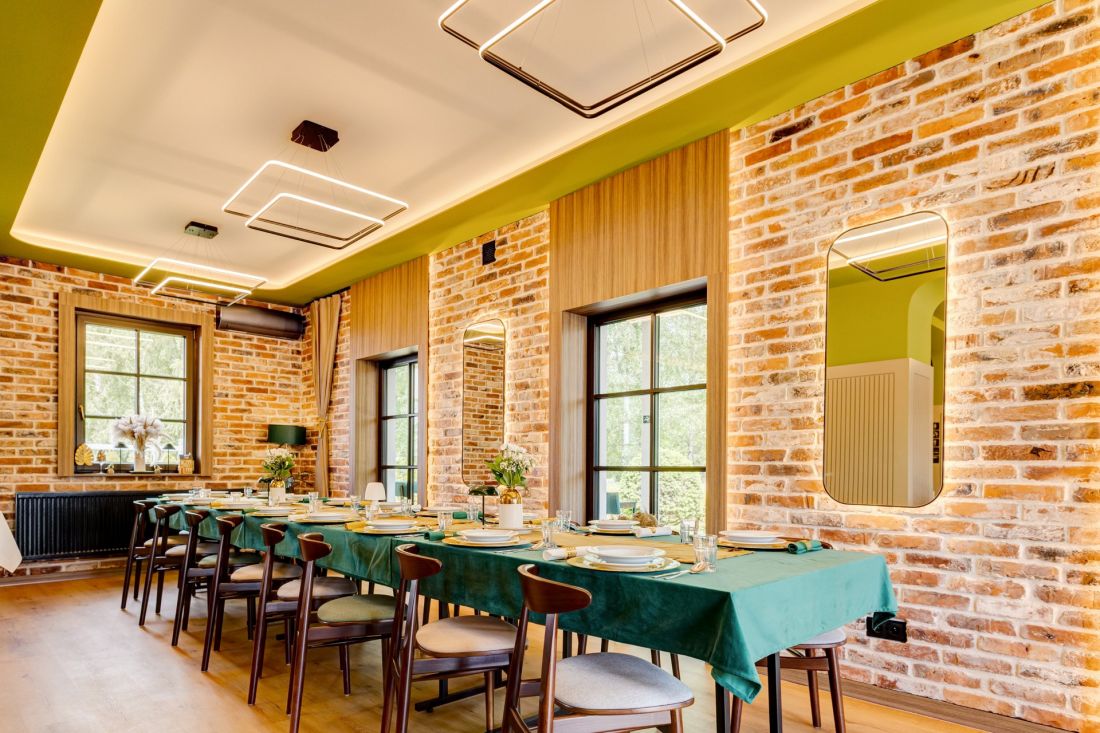
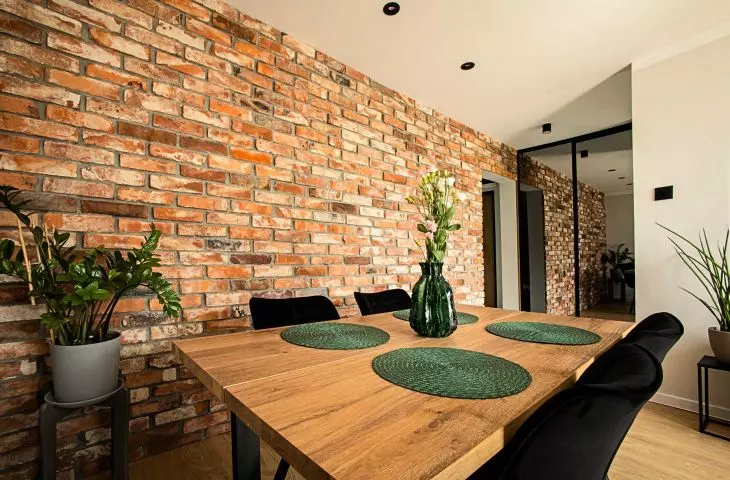
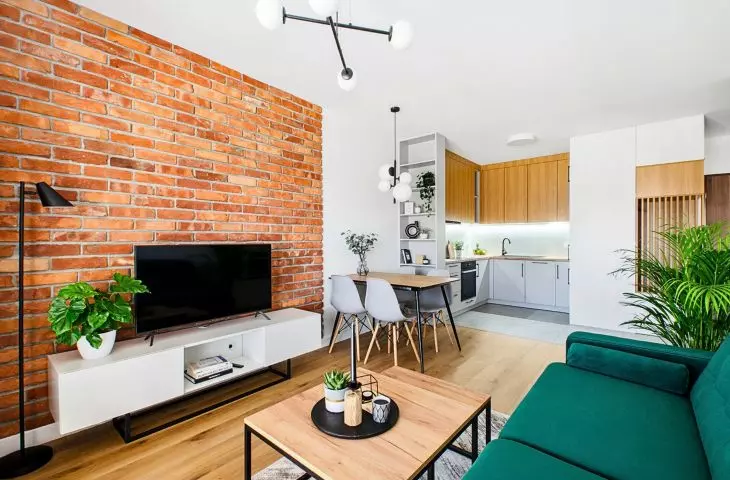
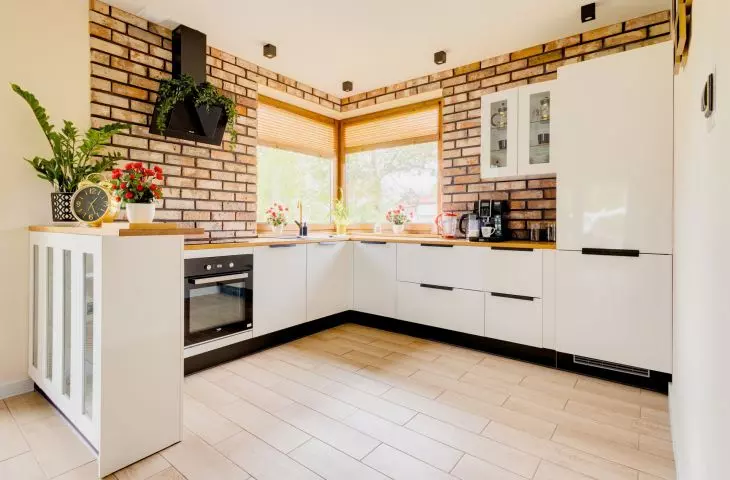
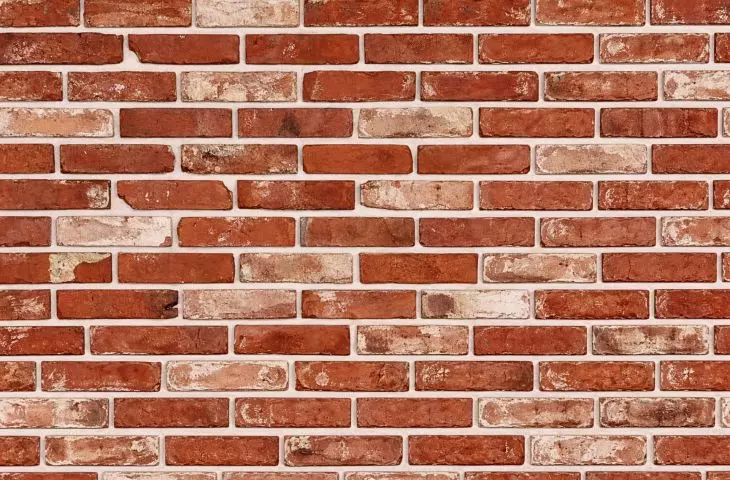
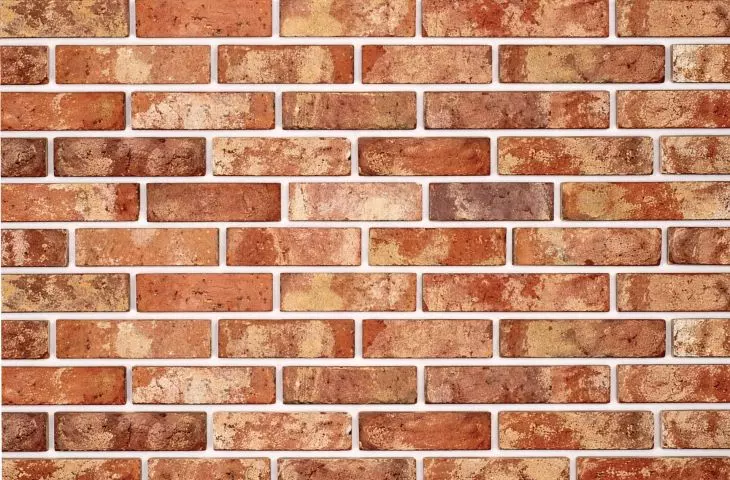
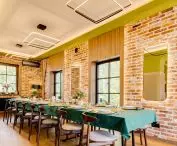
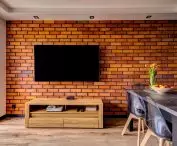
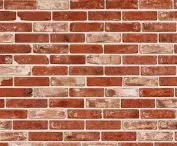
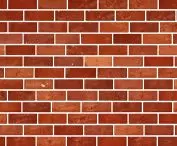
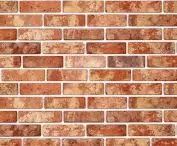
Lico Classic Silesia
© Ceglana Fantazja
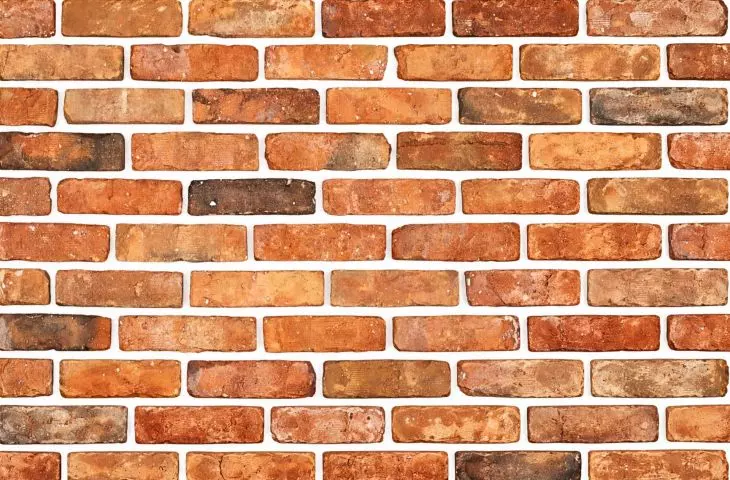
For this reason, real brick is increasingly replacing imitations of various kinds. Tiles prepared from old bricks preserve the natural structure of the material - small irregularities, discolorations or remnants of mortar. It is these details that make the wall look authentic and age well over time. Unlike many decorative materials that lose their freshness over time, brick gains even more character over the years.
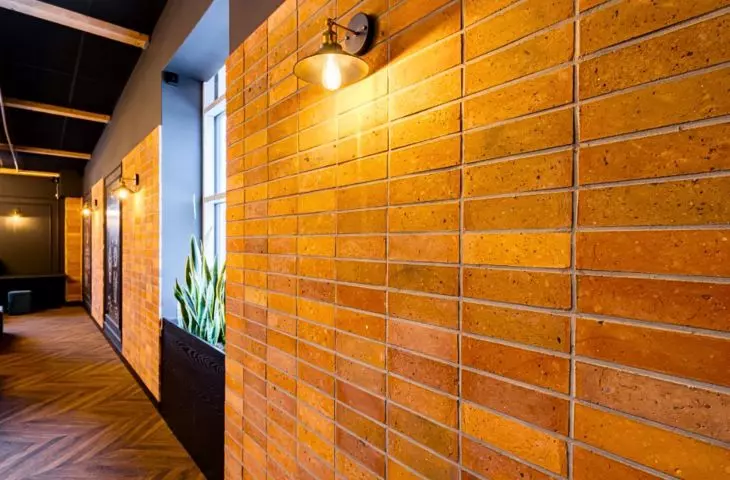
Brick also has very good acoustic properties. Its irregular surface does not create a perfectly smooth plane that reflects sound. The structure of the brickwork disperses acoustic waves, making the space more acoustically friendly. In restaurants, hotels or offices this is of great importance - a brick wall acts not only as an aesthetic element, but also improves the comfort of staying in the interior.
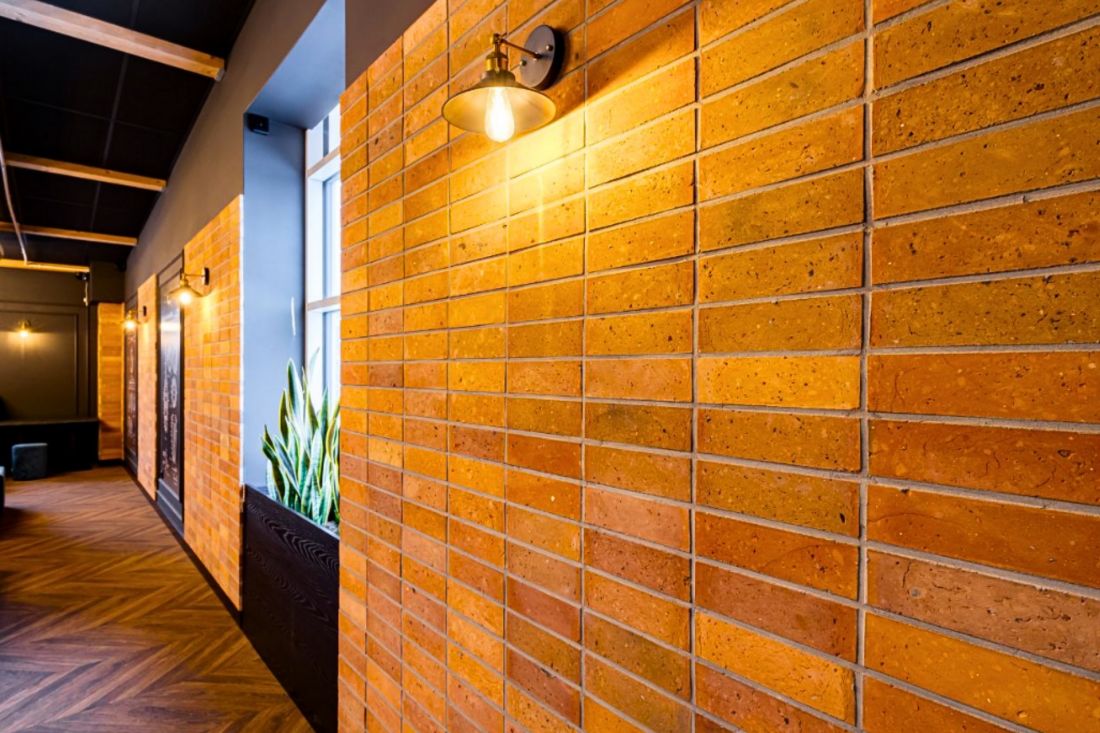
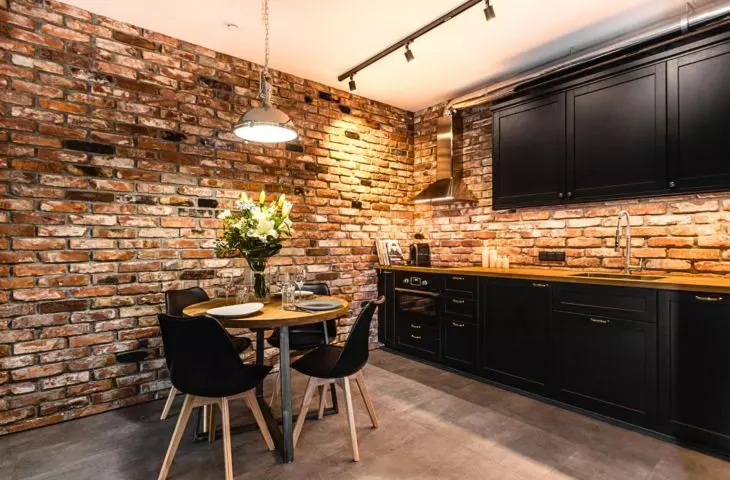
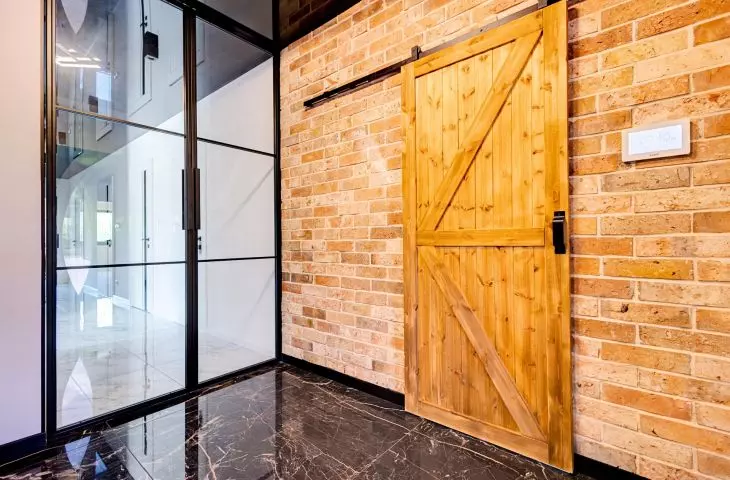
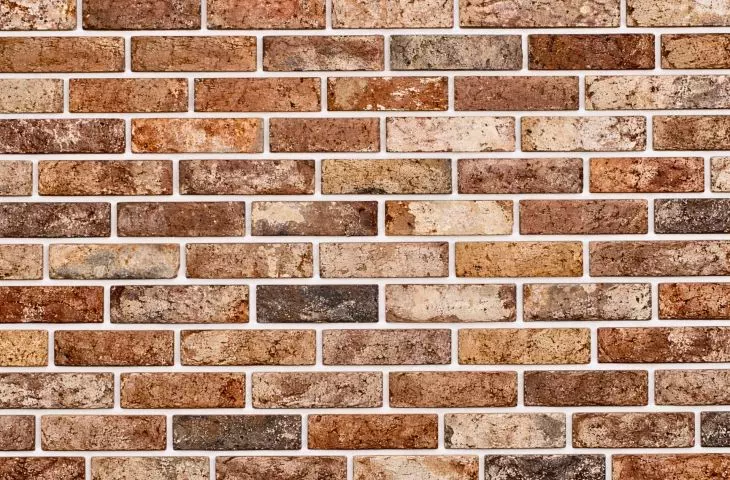
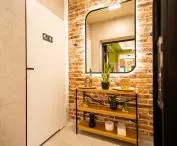
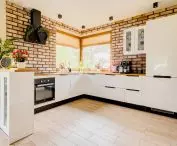
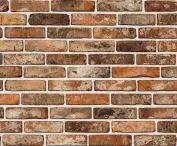
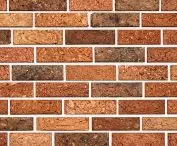
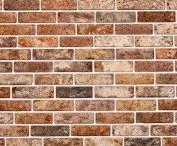
Lico Gothic Częstochowa
© Ceglana Fantazja
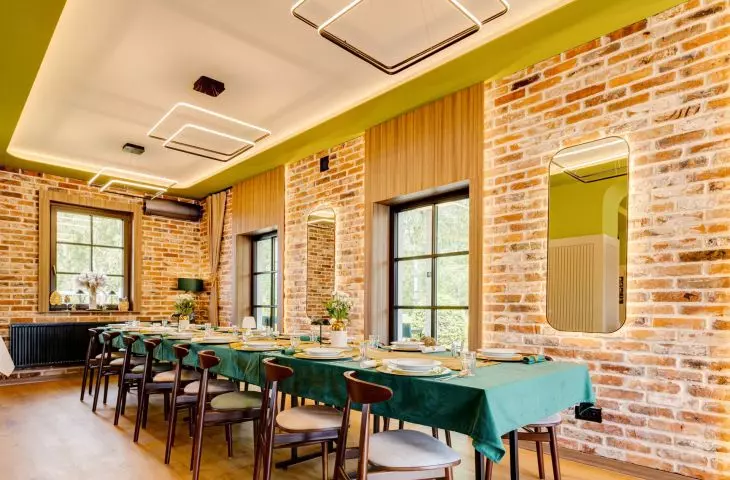
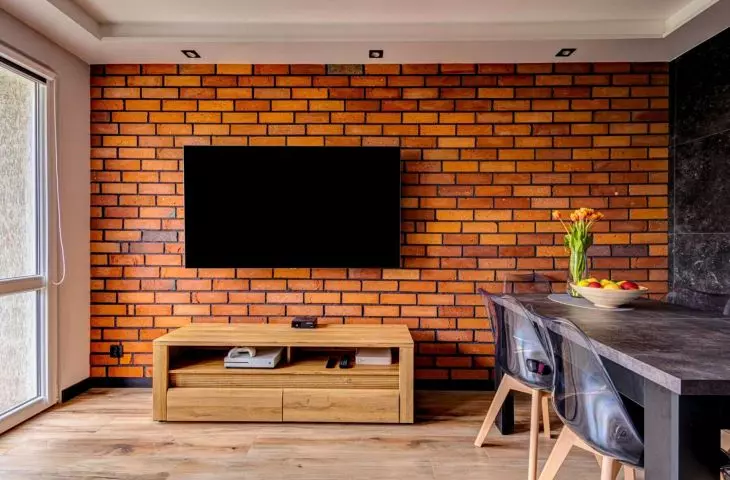
Contemporary designs increasingly juxtapose brick with materials of a completely different nature. It blends well with wood, architectural concrete or steel. In calmer arrangements, it also appears in juxtaposition with light plaster, natural fabrics and simple forms of furniture. As a result, brick can function both in raw, industrial interiors and in more subdued living spaces.
The way the material is prepared also plays an important role. Brick tiles arising from old walls require careful selection, cleaning and proper cutting. Only then can they be safely used in contemporary interiors, while retaining their original character and structure.
At a time when many materials are mass-produced and look almost identical, brick remains one of the few elements of interior design that really makes a difference. Each wall has a slightly different texture, different color transitions and traces of time written into the material. Perhaps this is why designers are increasingly returning to brick - not as a stylization, but as an authentic piece of architecture.
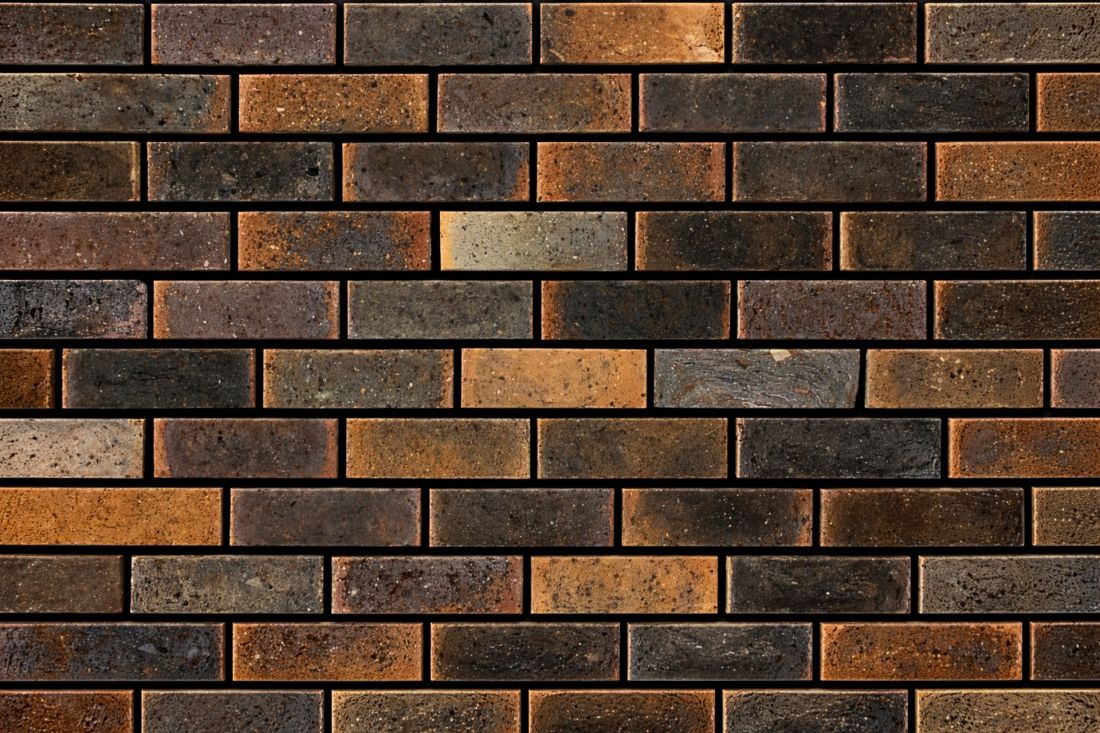
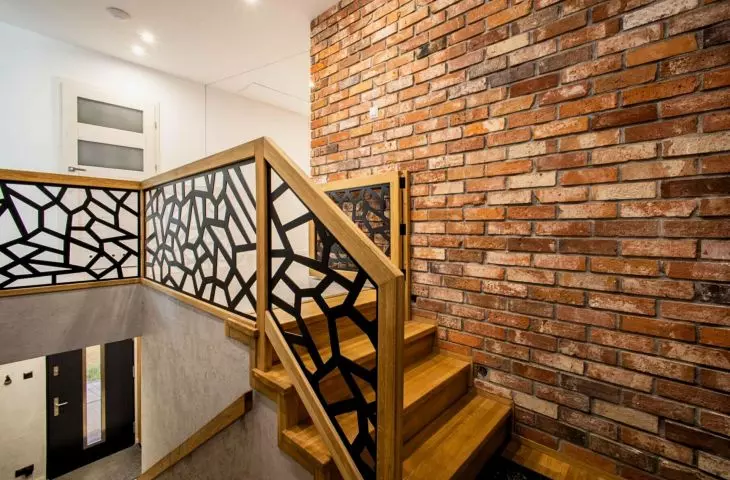
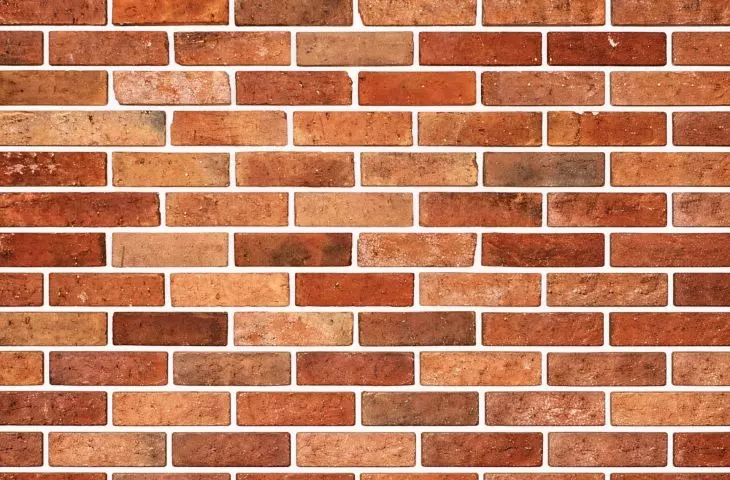
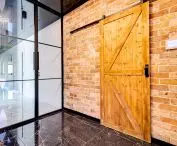
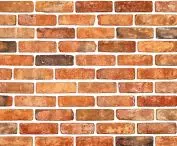
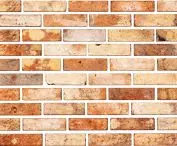
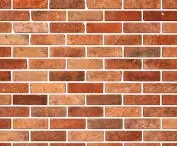
Lico Black Silesia
© Ceglana Fantazja
For more information, visit the company's Ceglana Fantazja page on PdA.