




From the series “Lighting and Fixtures—Trends for 2026”
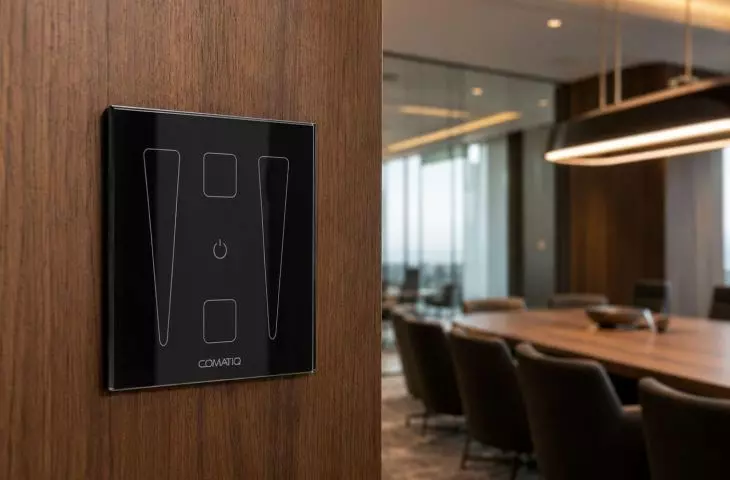
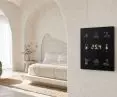
Good lighting design goes beyond simply selecting fixtures. Equally important is how the user interacts with the light. COMATIQ glass touch panels, operating on the DALI-2 standard, combine advanced control functions with a minimalist, elegant design that blends harmoniously into the interior architecture. They are not only a functional element of the installation but also a refined detail that underscores the high quality and prestigious character of the design.
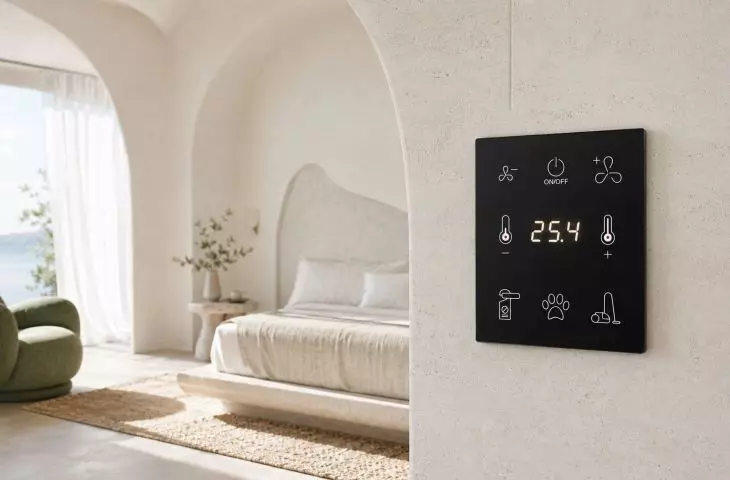
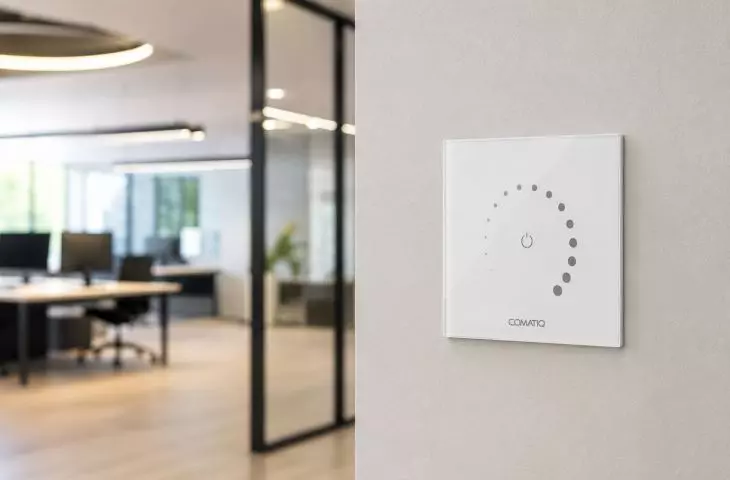
The smooth glass front, compact 86 × 86 mm format, and a fingerprint-resistant coating help maintain the DALI-2 panel’s aesthetic appearance during everyday use. As standard, the devices are available in white or black; however, other color options can be custom-made to match the color scheme and character of the interior.
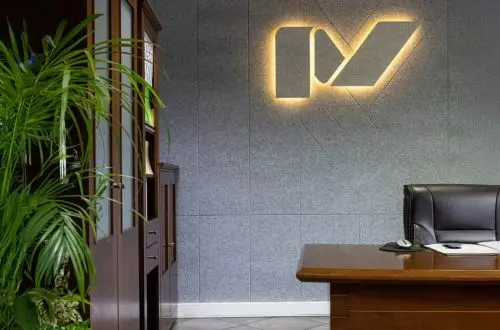
A key advantage of this solution is the ability to develop a customized control panel design for a specific project. The layout of the touch fields, symbols, labels, and functions can be adapted to the room’s purpose and the project’s requirements. The front panel can also be branded with the logo of the investor, facility operator, or hotel brand.
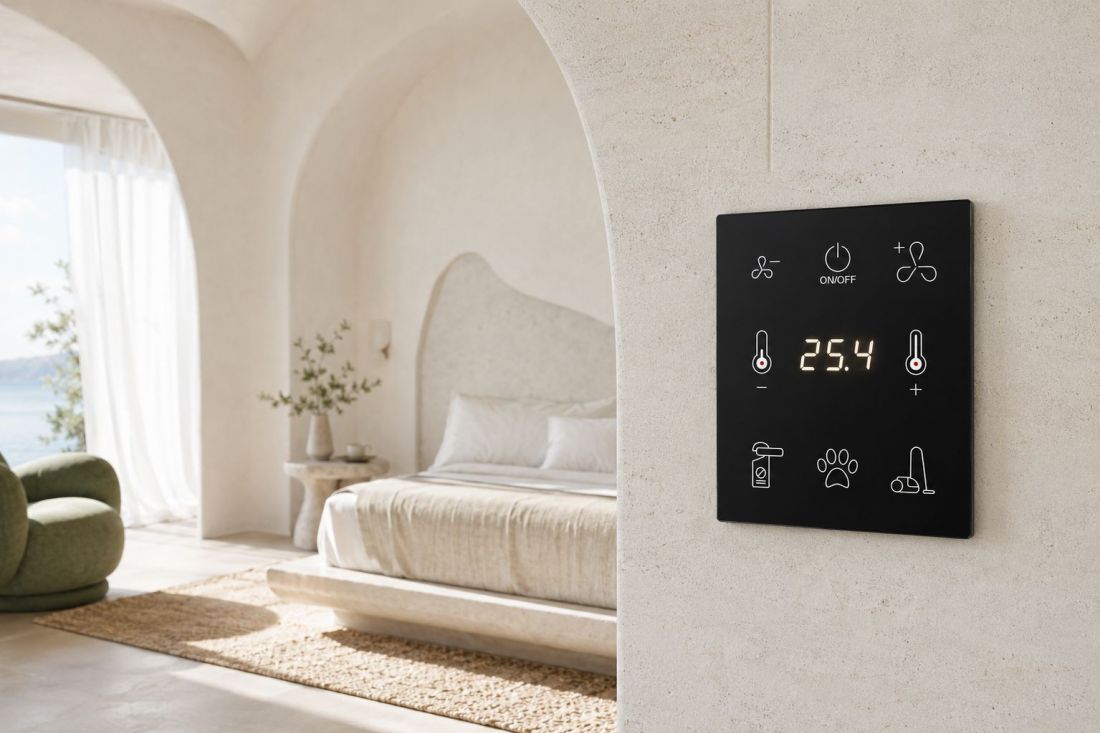
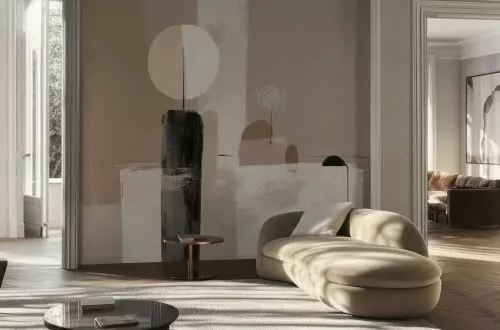
DALI-2 panels allow users to turn the lighting on and off, control groups of fixtures, activate pre-programmed lighting scenes, and smoothly adjust brightness and color temperature
© COMATIQ
One panel, many possibilities
Depending on the selected variant, DALI-2 panels allow you to turn the lights on and off, control groups of fixtures, activate pre-programmed lighting scenes, and smoothly adjust brightness and color temperature. Clear symbols and intuitive operation ensure that this advanced technology remains user-friendly.
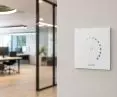
COMATIQ solutions can be used in offices, schools, conference rooms, commercial facilities, and public buildings. For hotel facilities, custom-designed panels based on the Modbus RTU protocol are also available, integrating control of air conditioning and other room functions. In industrial and warehouse spaces, the DALI-2 control panel is used; it is equipped with classic buttons and visual confirmation of the actual lighting status, combining simple operation with a durable design adapted to the facility’s technical conditions.
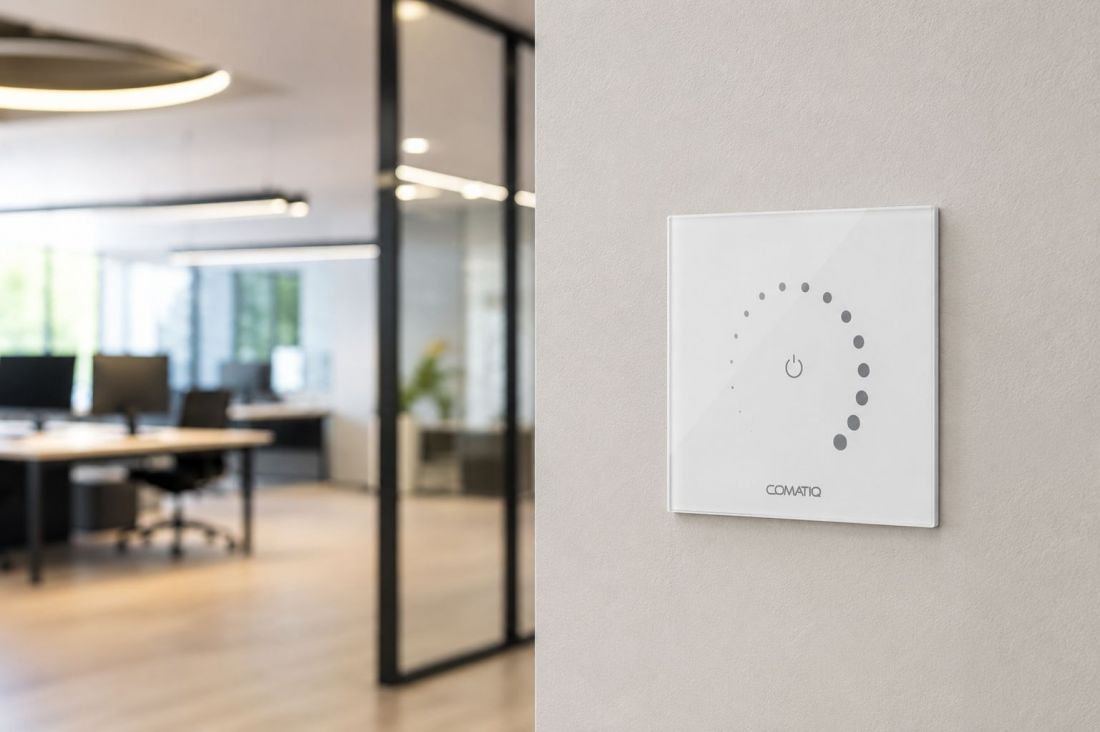
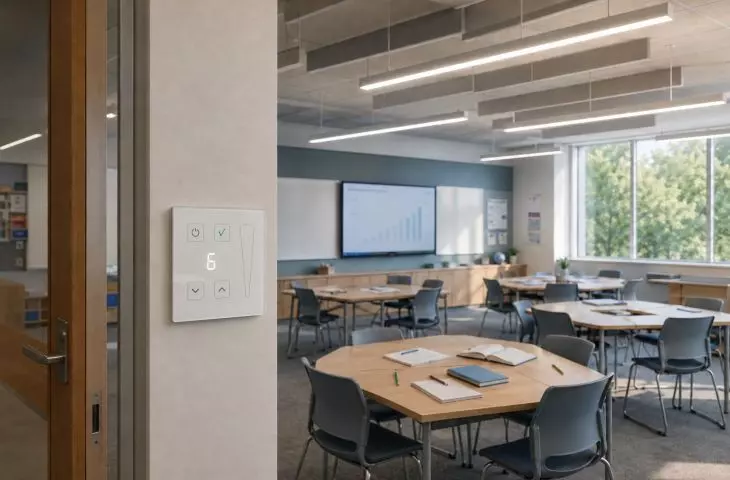
DALI-2 lighting control panels allow the design to be tailored to the customer’s individual needs
© COMATIQ
DALI-2 — Tailor-Made Technology
COMATIQ control panels allow you to design not only how the lighting operates but also the interface itself. This technology is tailored to the interior, the building’s function, and the individual architectural concept.
We offer architects and designers not only products but also the support of an experienced team of engineers throughout the various stages of the project. We help tailor the system’s functionality, control methods, and the appearance of the panels to the character of the interior and the needs of its users. We can develop a custom layout of functions, labels, and color schemes, and then take the solution from concept and prototype through testing and production.
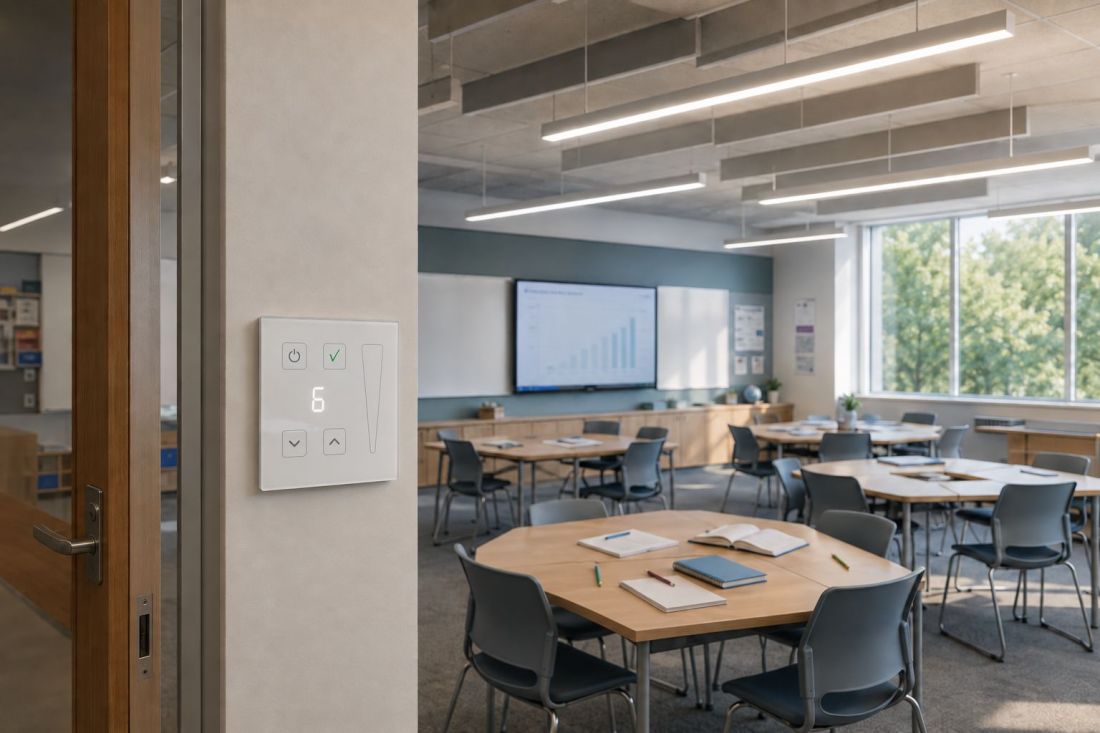
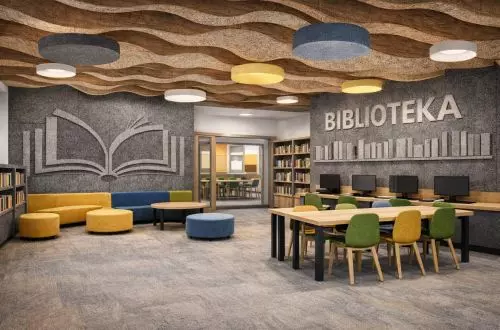
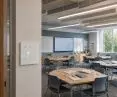
COMATIQ solutions are suitable for offices, schools, and libraries, as well as for warehouses and production facilities
© COMATIQ
COMATIQ — the new standard in lighting control
COMATIQ is a brand owned by SIM Engineers — an independent Polish technology company that has been in continuous operation since 1992. With over 30 years of experience, collaboration with more than 300 partners, and in-house expertise in electronics design, software development, testing, and production, we are able to implement both standard control systems and solutions tailored to individual projects.
Our core business focuses on professional DALI-2 lighting control systems manufactured in Poland, designed for use in offices, schools, hotels, commercial facilities, public buildings, and industrial spaces, among others. For hotel facilities, we also develop custom control panels based on the Modbus RTU protocol, which integrate air conditioning and other room functions.
We invite you to collaborate on projects where technology must not only function reliably but also remain a seamless part of the architecture.
For more information, visit the {tag:Manufacturer} company page on the PdA portal.