





From the series “Lighting, Fixtures — Trends 2026”
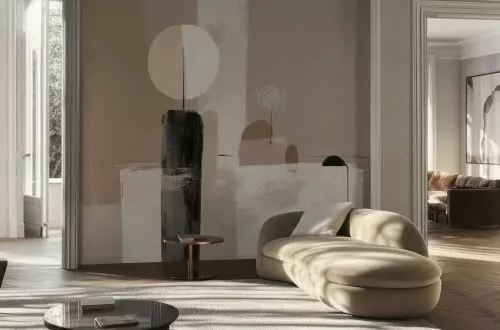
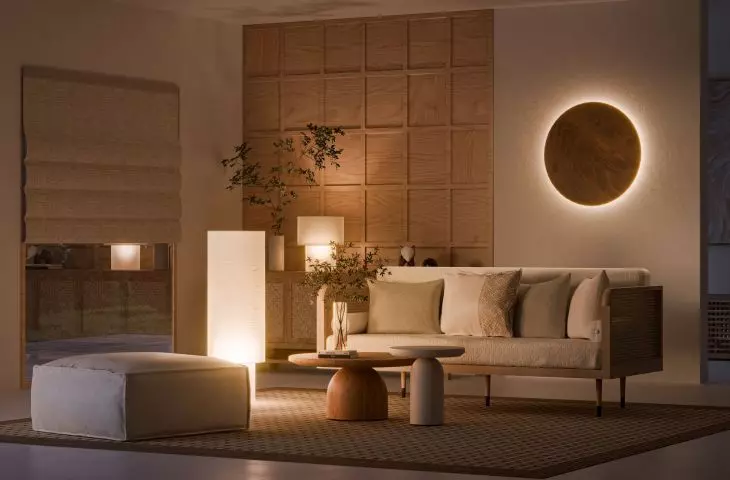
The same room can serve several functions throughout the day. In the morning, the open living area is used for preparing meals; later, it becomes a place to spend time; and in the evening, it transforms into a space for relaxation. Lighting scenes— carefully planned combinations of light sources activated based on the activity being performed, the amount of daylight, and the desired mood—are the answer to these changing needs.
All the solutions presented in this article are from the Nowodvorski collection.
The starting point for planning lighting scenes should be an analysis of how the space is used. Preparing meals and working require different lighting than reading or relaxing.
General lighting, which illuminates most of the room, usually forms the basis of the design. It is complemented by task lighting directed at a countertop, desk, or reading area, as well as mood lighting, such as a glow on the wall or a small lamp positioned below eye level. The right combination of these layers allows you to change the character of the space without replacing the lamps.
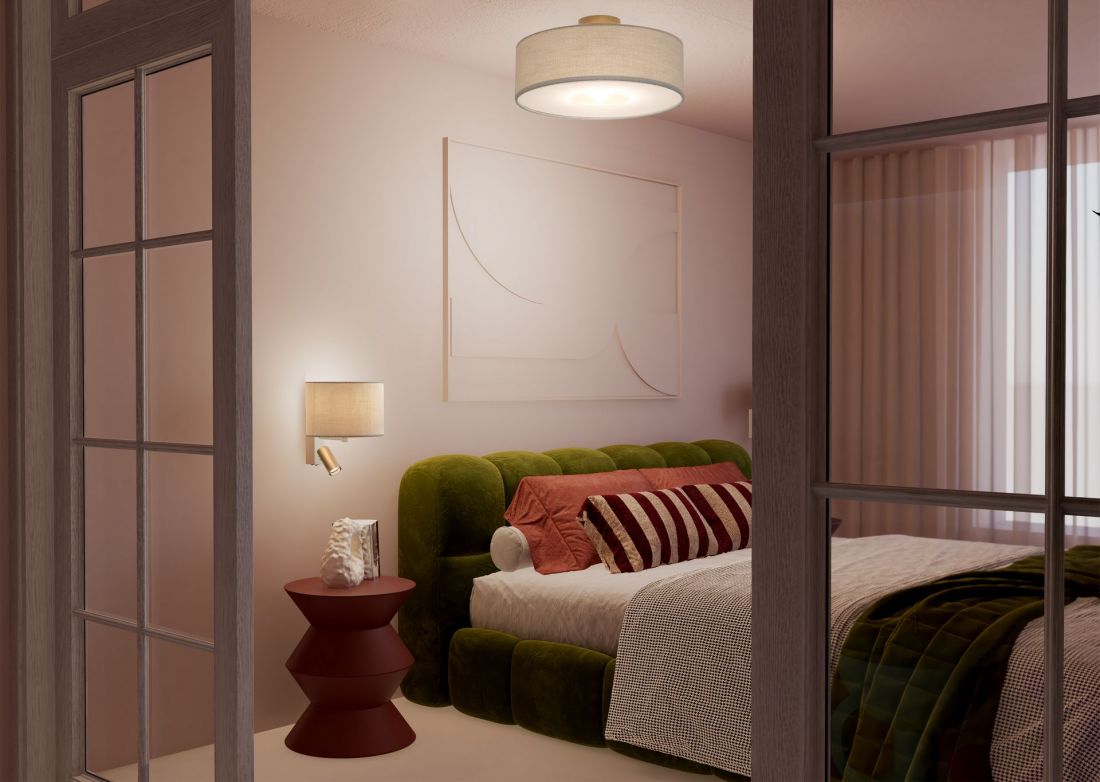
Santana
photo: Nowodvorski
A Bright Start to the Day
Morning lighting should make it easier to perform daily activities, but it’s best to increase the amount of light gradually: starting with mood lighting, moving on to task lighting, and finally general lighting.
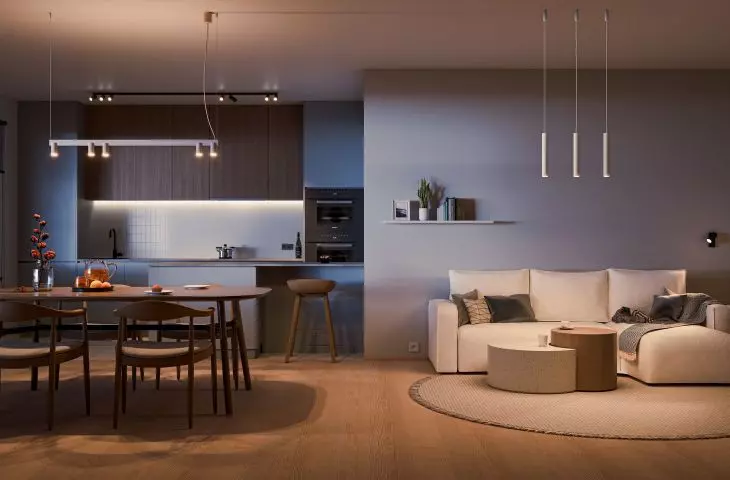
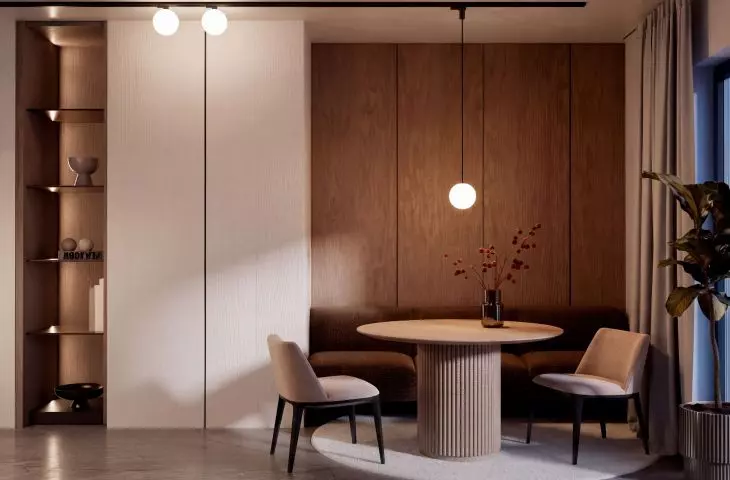
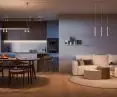
In an open space connecting the kitchen to the living room, general lighting should cover most of the room. The Santana collection—which includes pendant lights, ceiling lights, wall sconces, and table and floor lamps—enables a cohesive design across different zones. A ceiling light or pendant light can serve as the foundation of the lighting, while the other models can complement it in the living area, dining area, or around selected pieces of furniture.
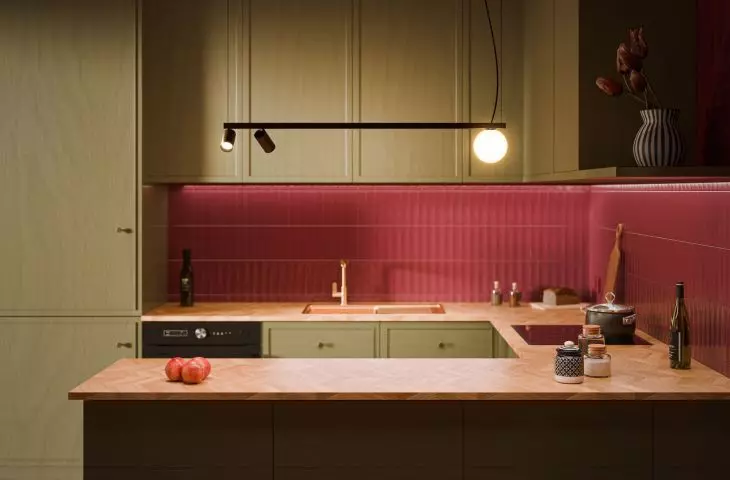
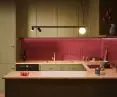
In the kitchen, a person standing at the countertop may block the light coming from behind them, so the work surface requires separate lighting. Directional spotlights from the Fourty collection can be arranged along the countertop and positioned to cover its entire depth. This creates a dedicated space for meal preparation.
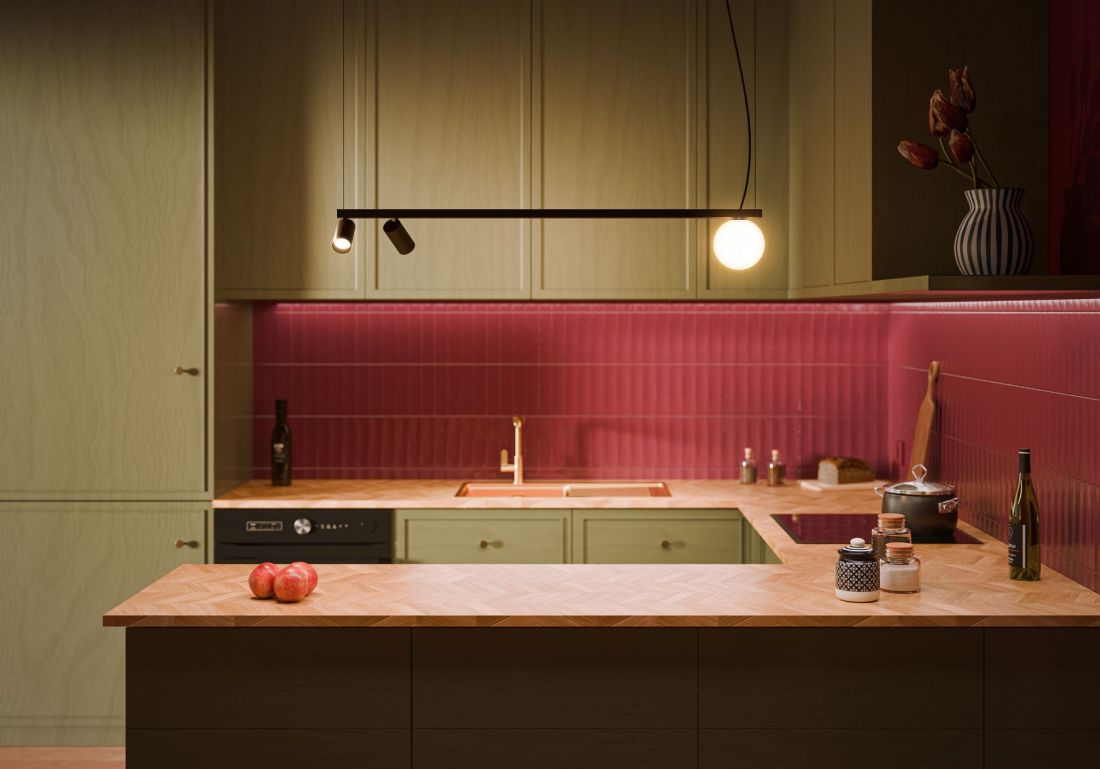
Fourty III
Photo: Nowodvorski
In the dining area, a separate lighting zone can be planned above the table. The Fourty Line pendant lamp features two independent lighting zones. The lower downlight tubes provide precise, spot lighting of the surface, while the upper, integrated LED source emits soft, diffused light directed upward. Depending on your needs, the lamp can therefore illuminate the table or create a softer atmosphere in the room. The option to use a dimmer allows you to further adjust the light intensity.
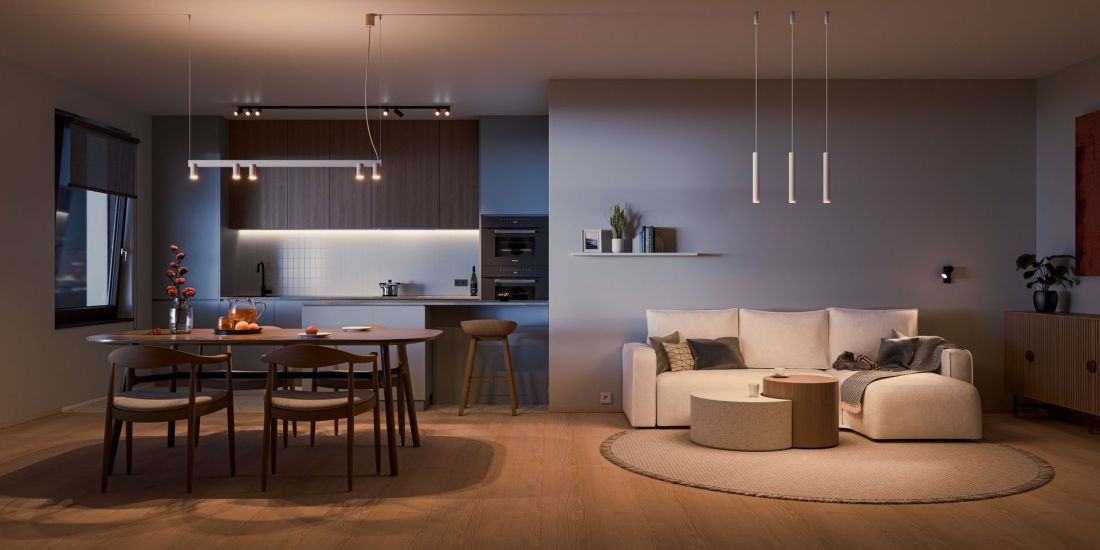
Fourty
Photo: Nowodvorski
Work Lighting Adapted to Conditions
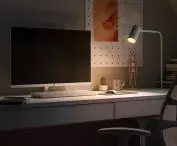
During the day, natural light should remain the primary source. However, the amount of natural light varies with the weather, the season, and the sun’s position, so even a desk placed near a window may require additional lighting. Ideally, daylight should come from the side and not reflect off the screen.
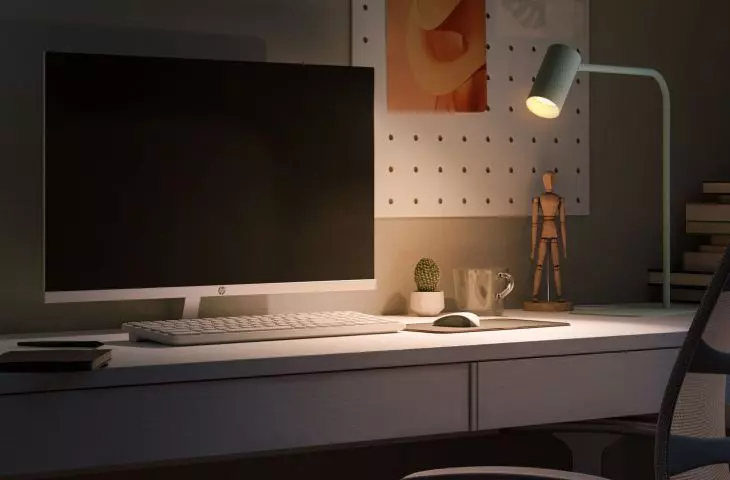
Artificial lighting should complement the current conditions and even out the brightness on the desk surface. A lamp with an adjustable beam direction, such as the Mono desk lamp, will be useful. The adjustable reflector allows you to direct the light onto documents, the keyboard, or a specific area of the workspace.
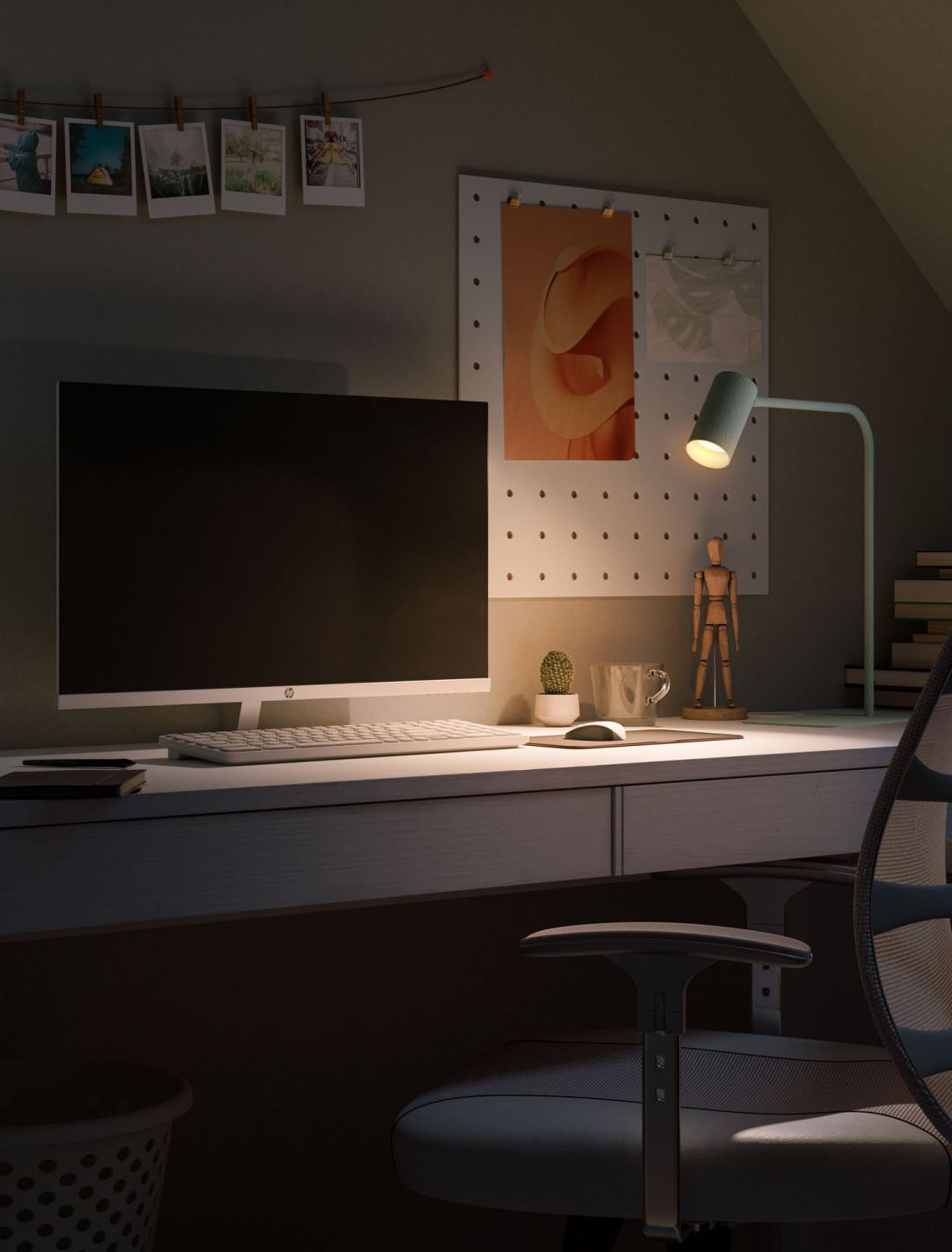
Mono
Photo: Nowodvorski
An Evening Shaped by Light and Shadow
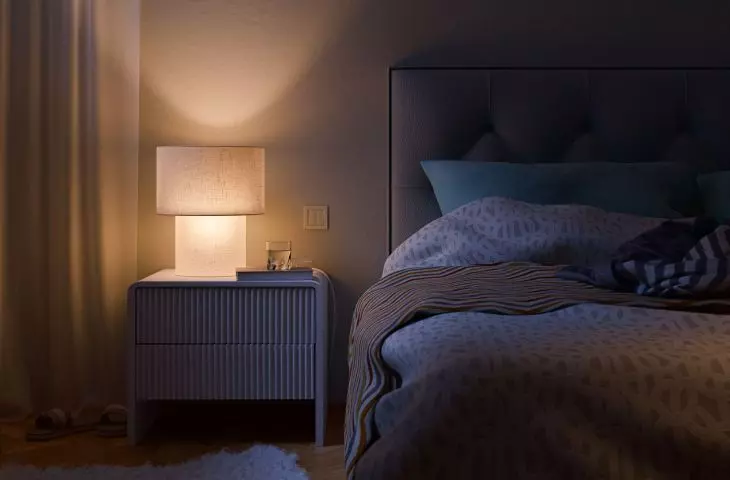
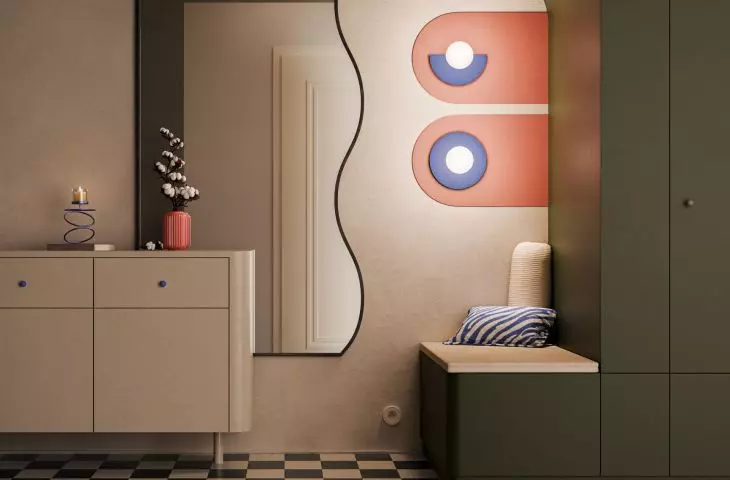
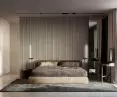
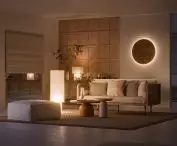
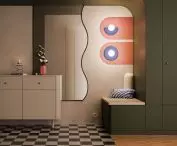
In the evening, general lighting can give way to sources with a smaller range. Table lamps, floor lamps, and wall sconces allow you to create depth, highlight textures, and leave part of the room in semi-shade. Warm color temperatures, such as 2700–3000 K, work well, as do lampshades that limit direct visibility of the bulb. In the Aura LED lamps, light passes through fluted glass; the Saturn wall sconces feature a frosted shade; and the Ring Timber LED creates a soft glow on the wall. The ensemble can be complemented by a table or floor lamp from the Santana collection.
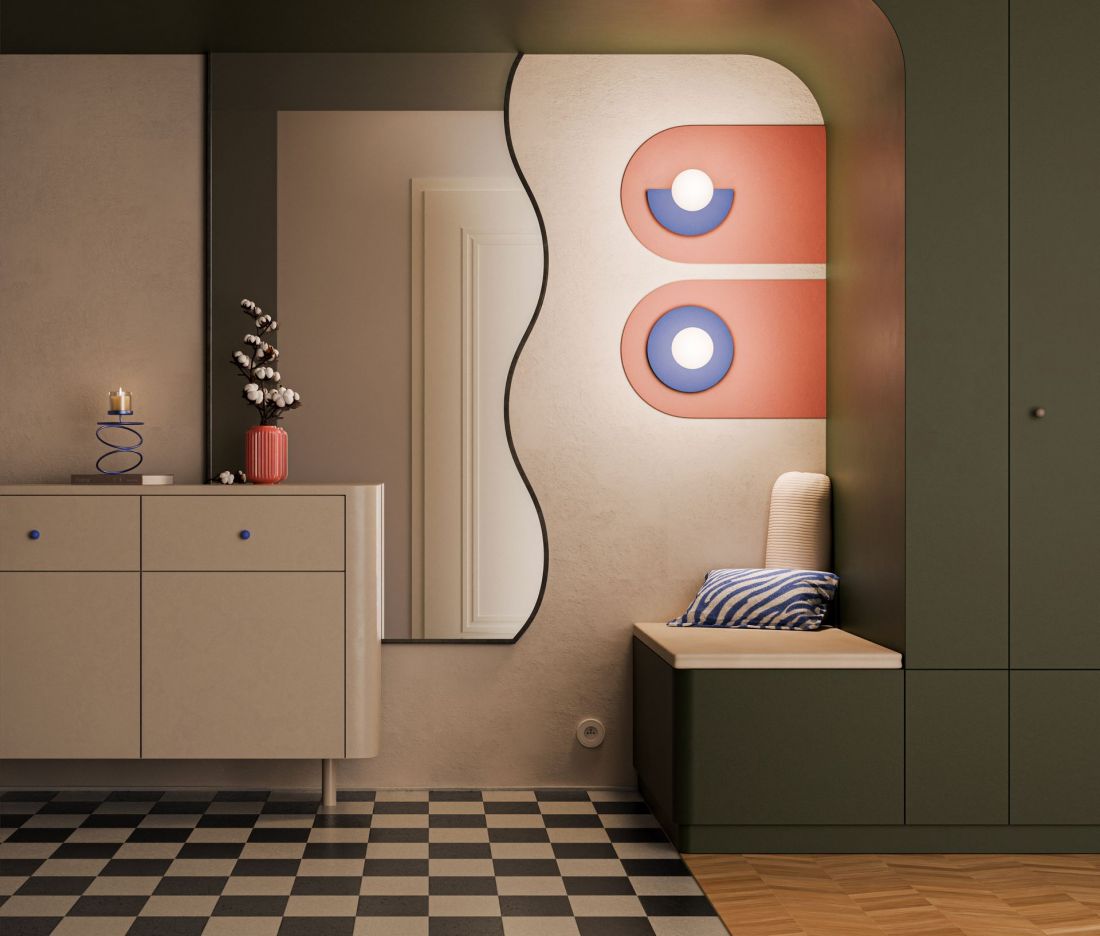
Saturn
Photo: Nowodvorski
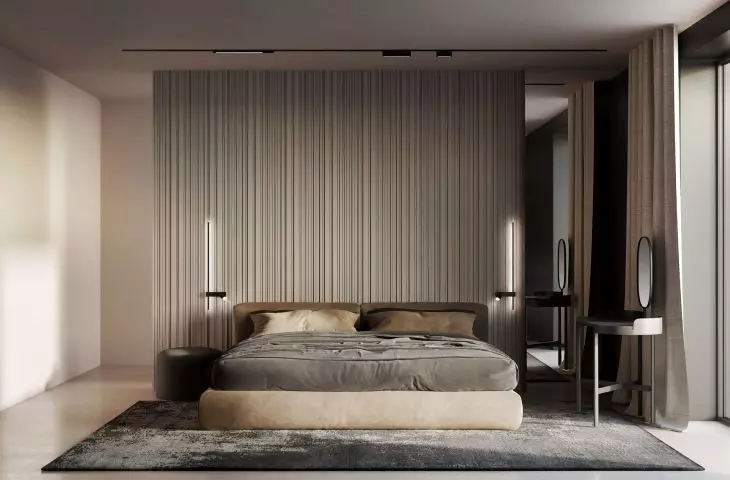
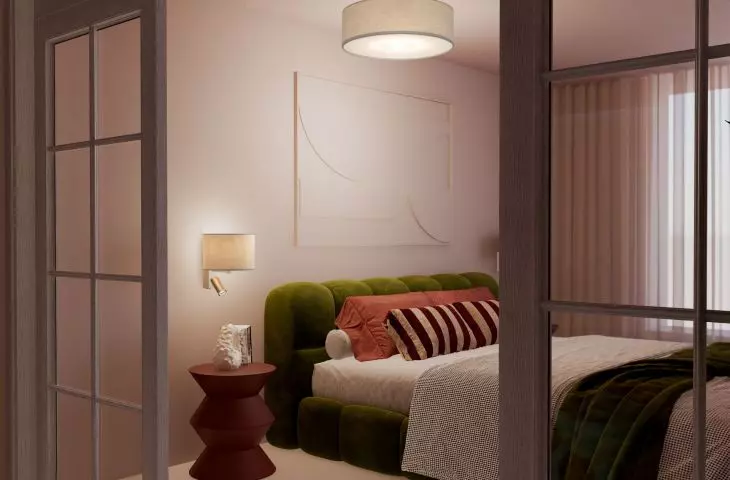
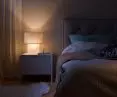
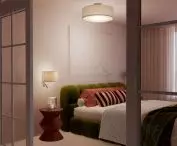
The Easy LED wall sconce, which combines a directional tube with a linear LED module, works well next to the bed. The spotlight can be directed at a book, providing precise reading light, while the linear LED source creates softer ambient lighting. As a result, a single lamp can meet various needs and create two complementary layers of light.
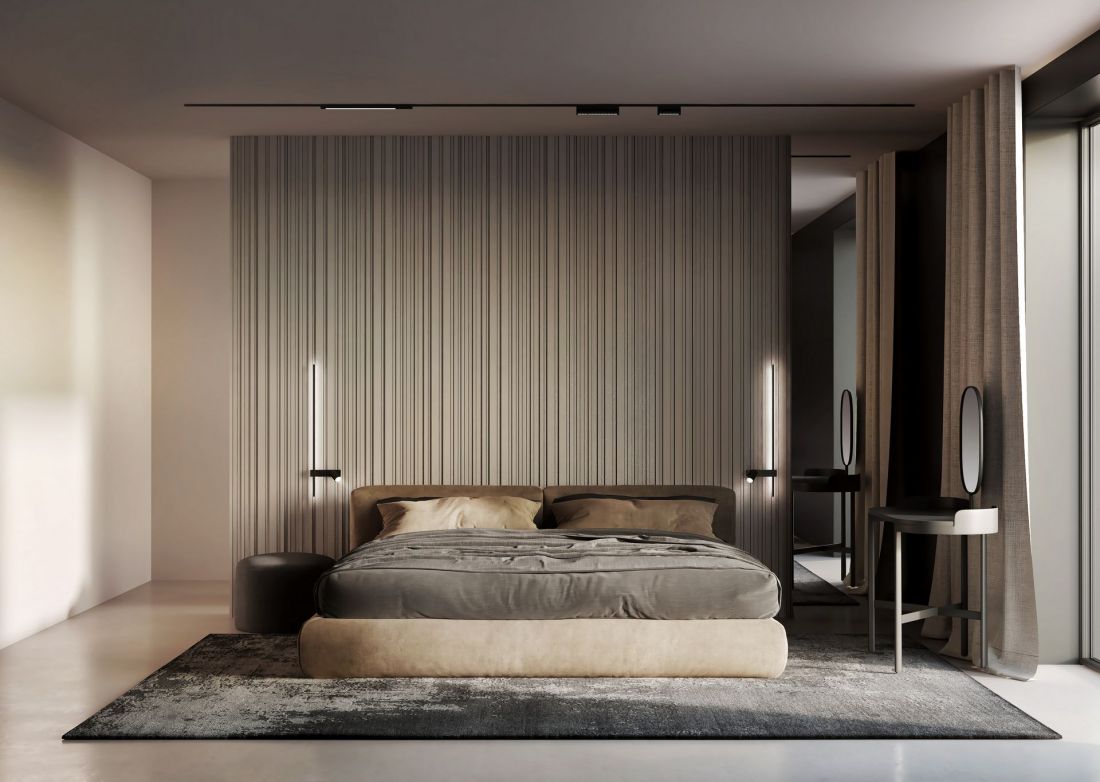
Easy LED
Photo: Nowodvorski
Scene-Based Control
The Nowodvorski CTLS track system allows lamps to be assigned to three independent circuits, responsible, for example, for general lighting, task lighting over a table, and workstation lighting. The groups can operate separately or simultaneously. After turning off the power, compatible models can be moved along the track and assigned to a different circuit, adapting the layout to changes in the room’s arrangement. The maximum length of the system is 100 meters.
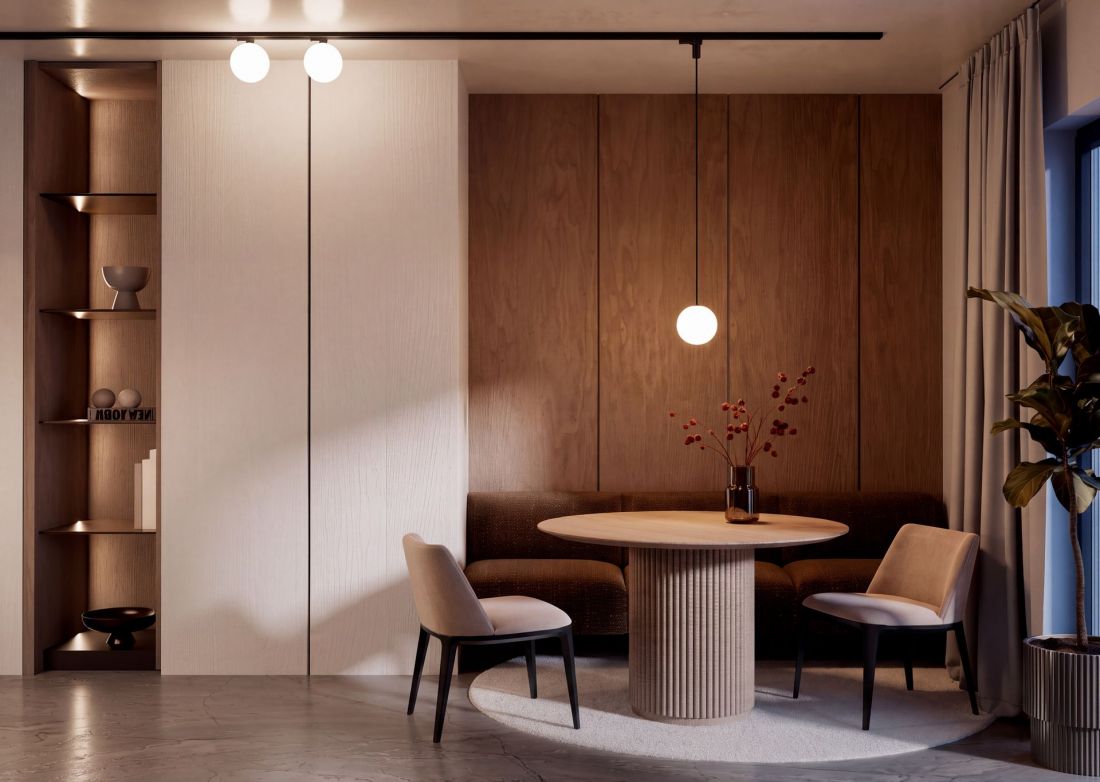
CTLS Snowball Track System
Photo: Nowodvorski
In the low-voltage LVM system, all light sources turn on simultaneously, but the track can be routed along the ceiling and wall. The LVM Spot LED thus allows light to be directed toward an element located away from a traditional ceiling fixture.
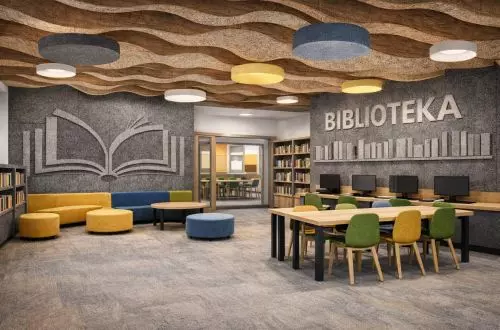
Well-planned lighting should respond to changing needs and different ways of using a space. That is why the Design Lab Nowodvorski team designs lamps with careful consideration of their form, light distribution, adjustability, and user comfort. As a result, a single space can feature multiple lighting scenarios tailored to the rhythm of the day and the daily activities of the household members.
For more information, visit the {tag:Manufacturer} company page on the PdA portal.