





From the series “Eco-Friendly Solutions — Trends and Technologies 2026”
How does Kontakt-Simon’s technology support eco-friendly construction in 2026? Just a few years ago, discussions about eco-friendly construction focused mainly on materials, insulation thickness, and heating sources. Today, attention is increasingly turning to what happens to a building after construction is complete. Even the best-designed home can generate unnecessary energy losses if its use doesn’t keep pace with the actual needs of its residents.
In 2026, conscious energy management is becoming one of the most important trends. It’s no longer just about producing energy in a more environmentally friendly way, but also about reducing waste. Solutions that help adapt a building’s operation to the daily routines of its residents, weather conditions, and actual needs for light, heat, or cooling are playing an increasingly important role.
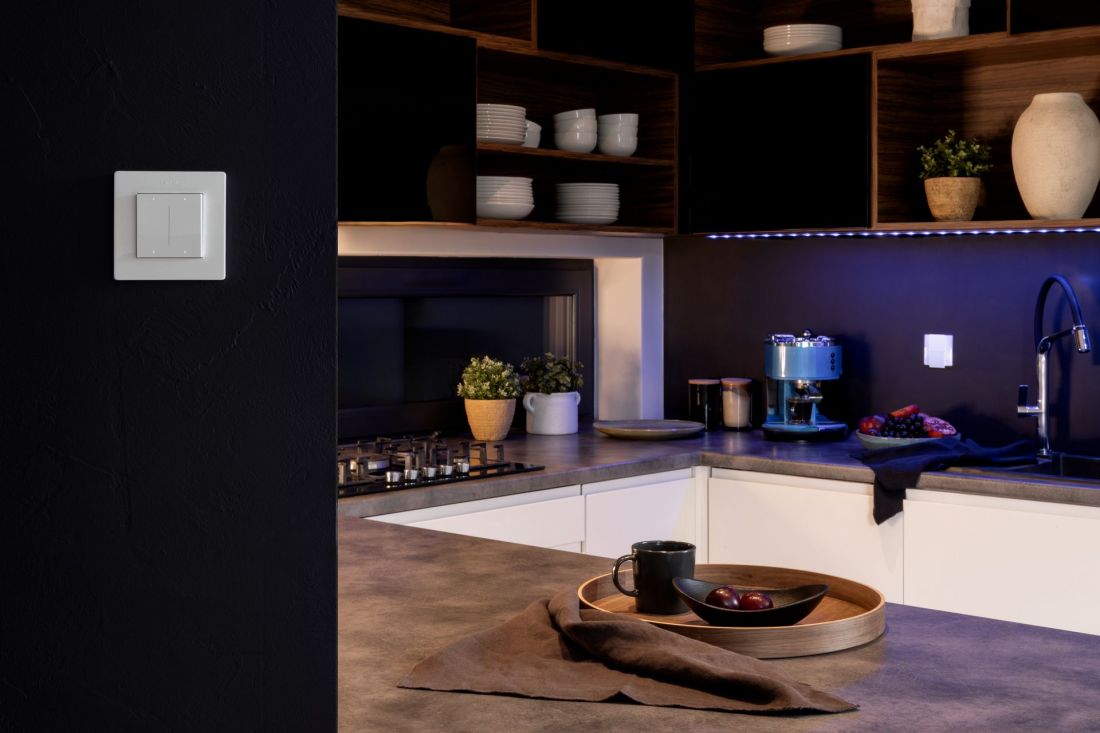
Simon GO – Less Waste, More Control
© Kontakt-Simon
A building that responds to its surroundings
Contemporary architecture increasingly makes use of large glazed areas, which provide access to natural light and allow interiors to better integrate with their surroundings. At the same time, it is through these windows that a significant portion of heat loss occurs in winter and rooms overheat in summer.
That is why automatic control of roller shades, blinds, and other window coverings is becoming increasingly important. On sunny days, they can limit interior heating, reducing the need for air conditioning. In winter, closing them after dark helps minimize heat loss and improve the building’s energy efficiency.
These seemingly small actions can yield measurable benefits for both the environment and your household budget over the course of an entire heating or cooling season.
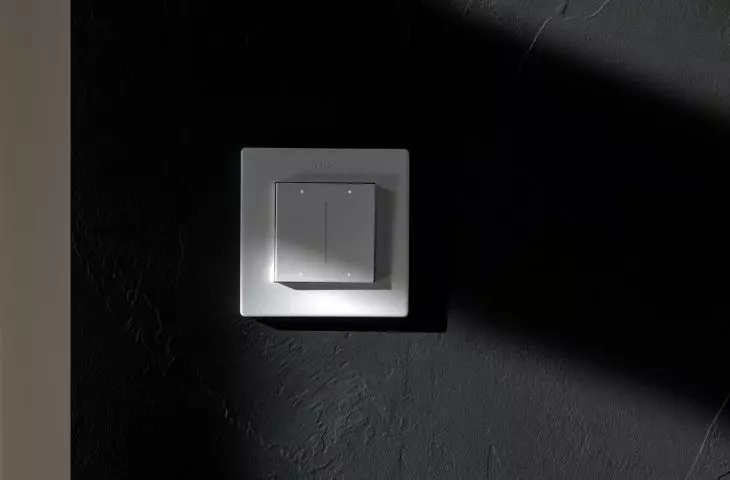
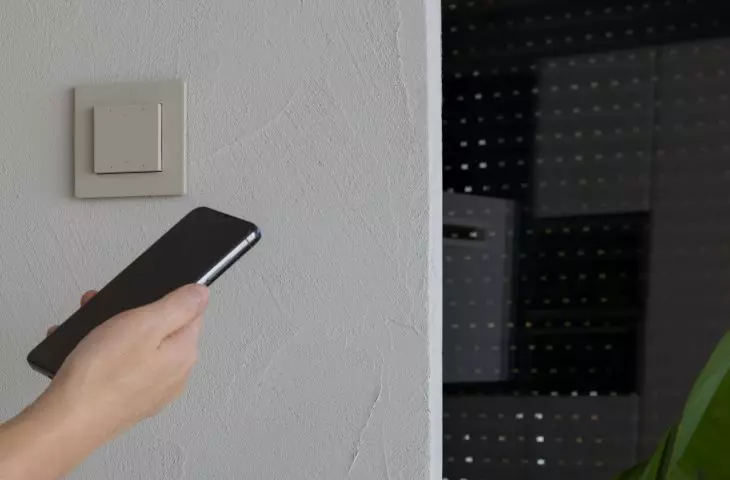
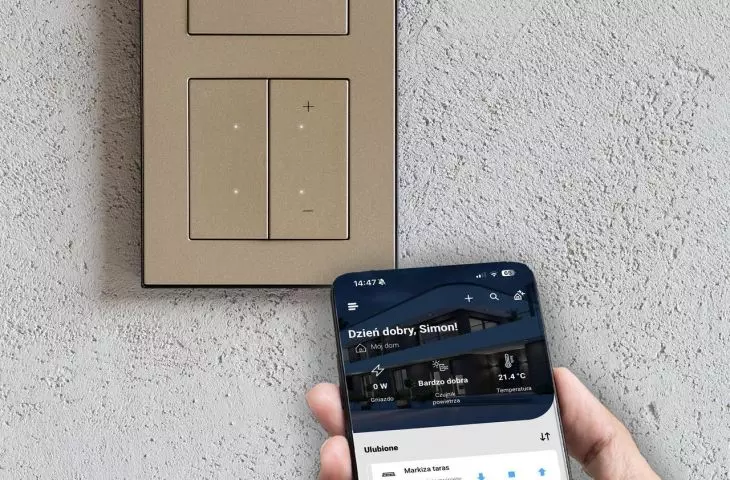
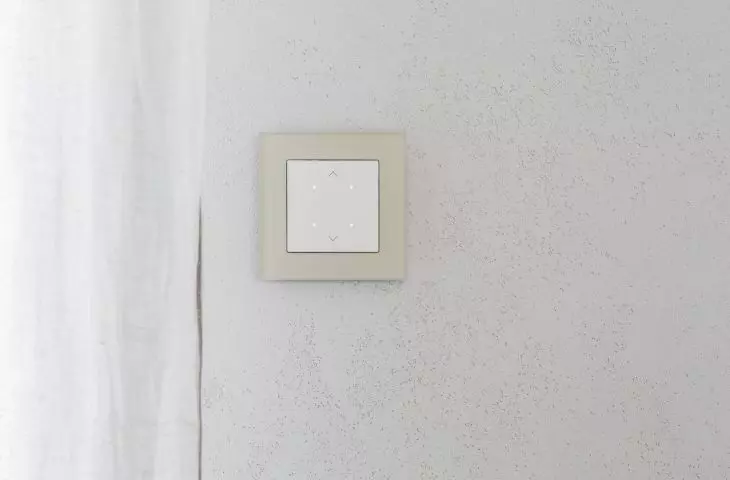
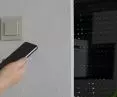
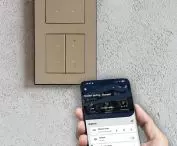
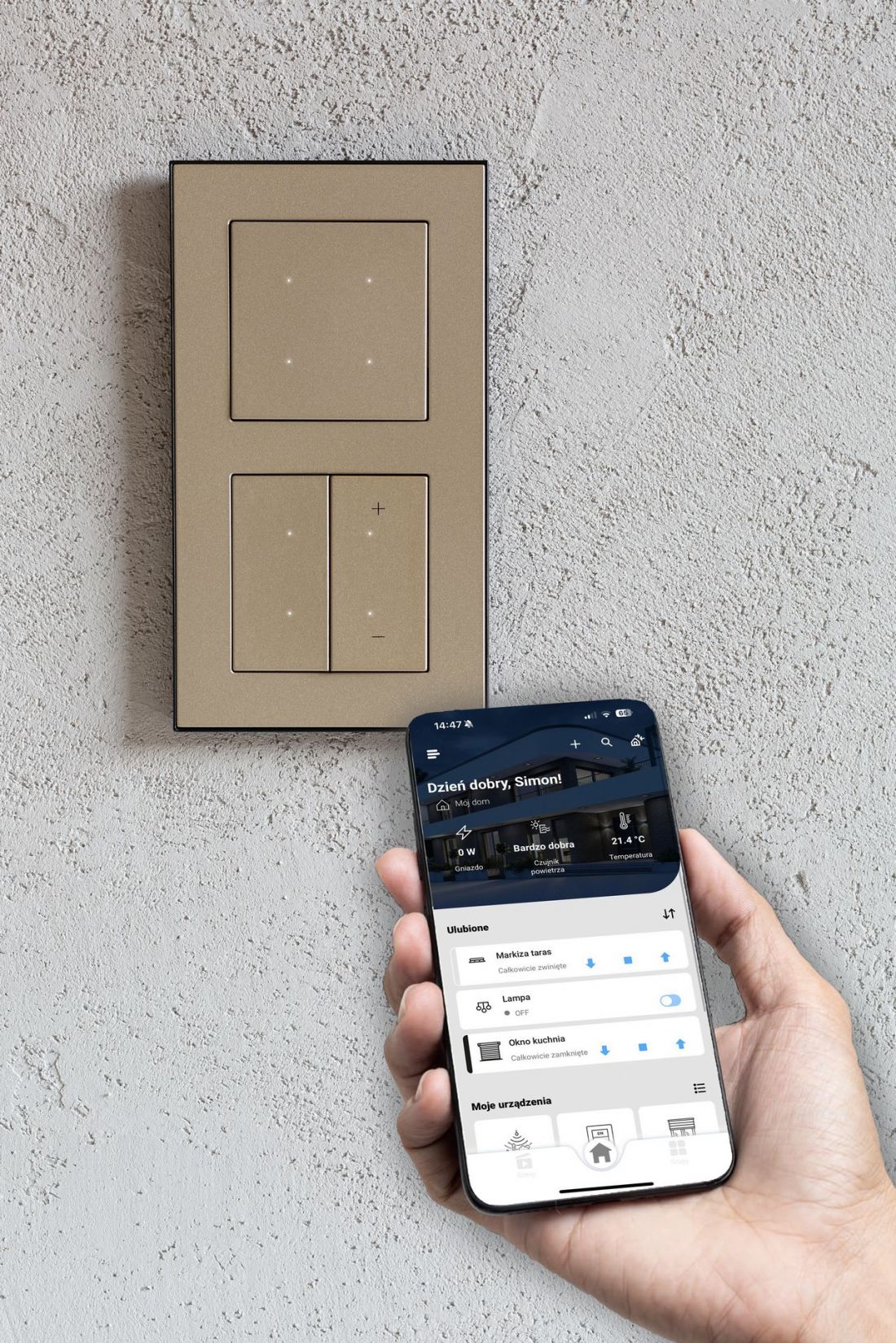
These features are offered, among others, by Simon GO solutions, which allow you to control roller shades and blinds manually via the SimonGO app or automatically when connected to weather sensors. This allows the building to respond to changing weather conditions without requiring user intervention.
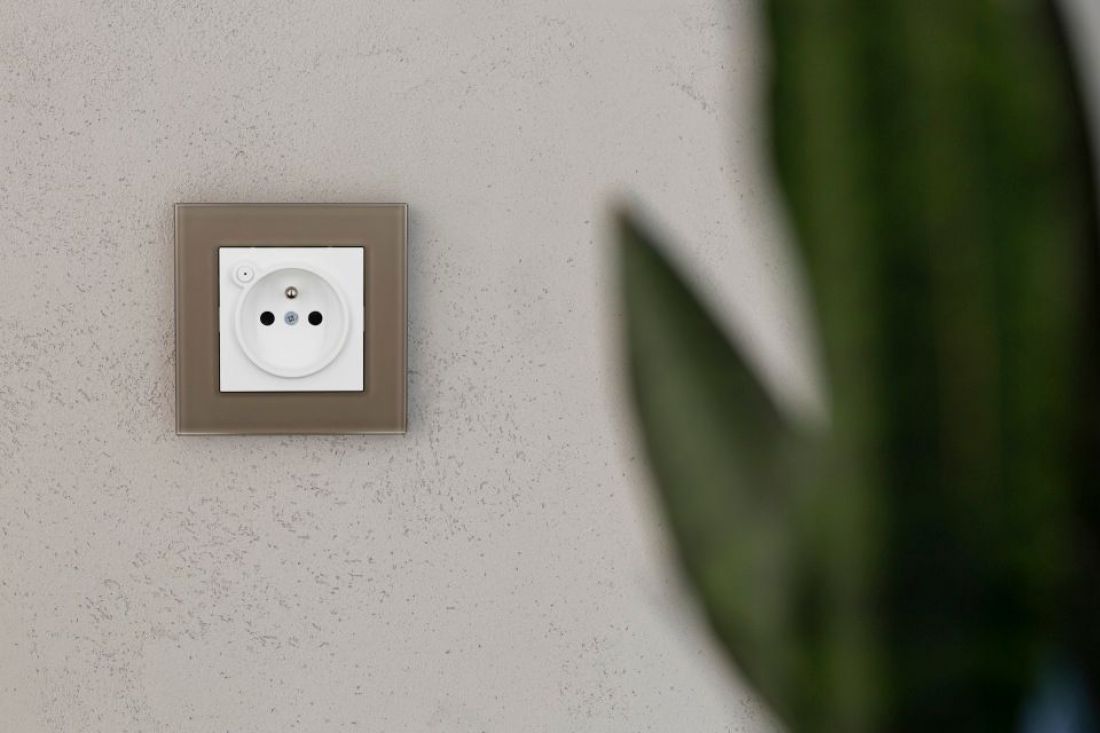
Simon GO – Less Waste, More Control
© Kontakt-Simon
Energy When You Need It
The situation is similar with lighting. In many buildings, lights stay on longer than necessary. Lighting for gardens, driveways, or hallways often remains on all night, even though no one uses it most of the time.
The solution lies in schedules and operating scenarios that allow the system to adapt to residents’ actual lifestyles. Lights can turn on after dark and turn off at a specific time, or respond to the presence of occupants. This approach does not compromise comfort while helping to reduce unnecessary energy consumption.
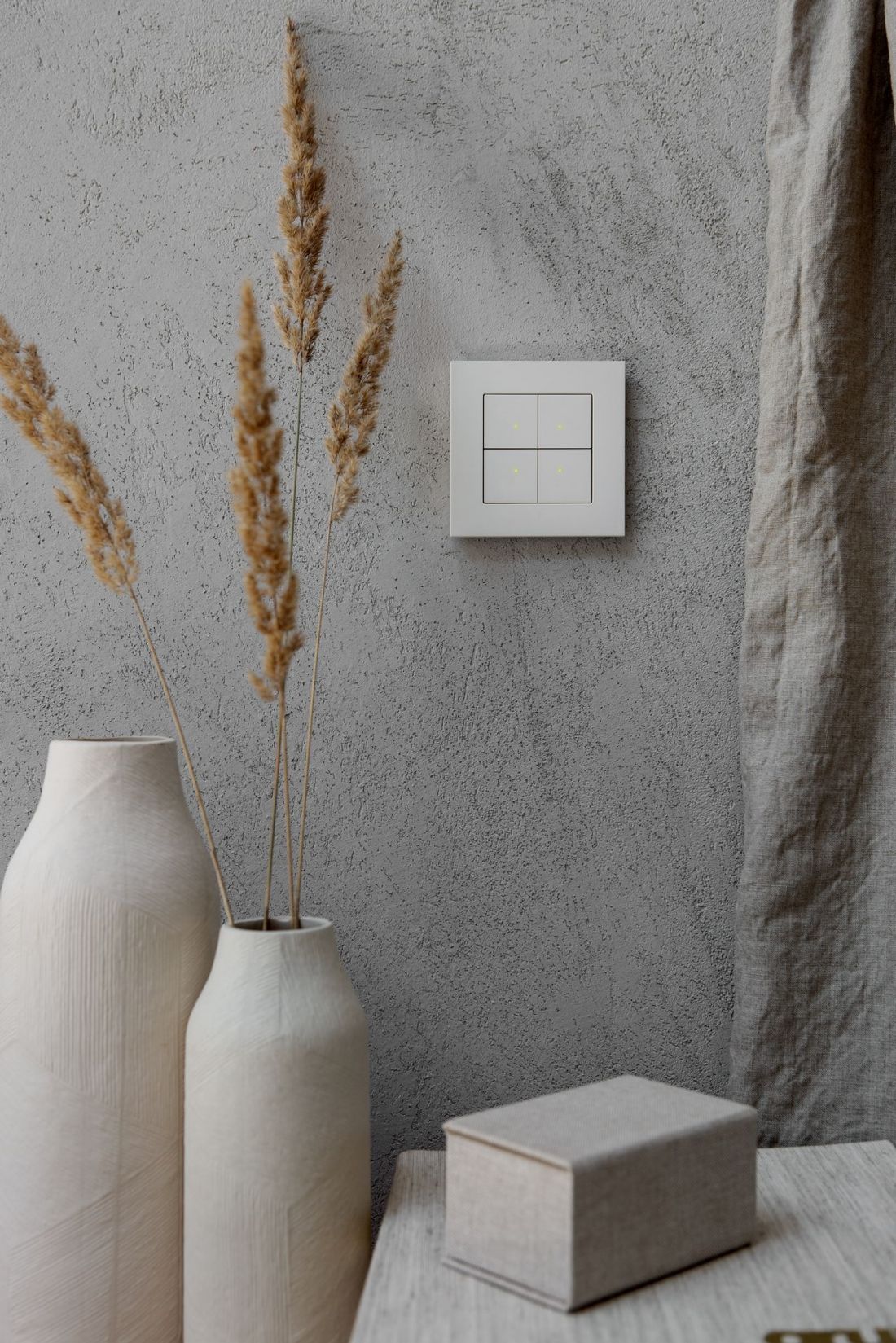
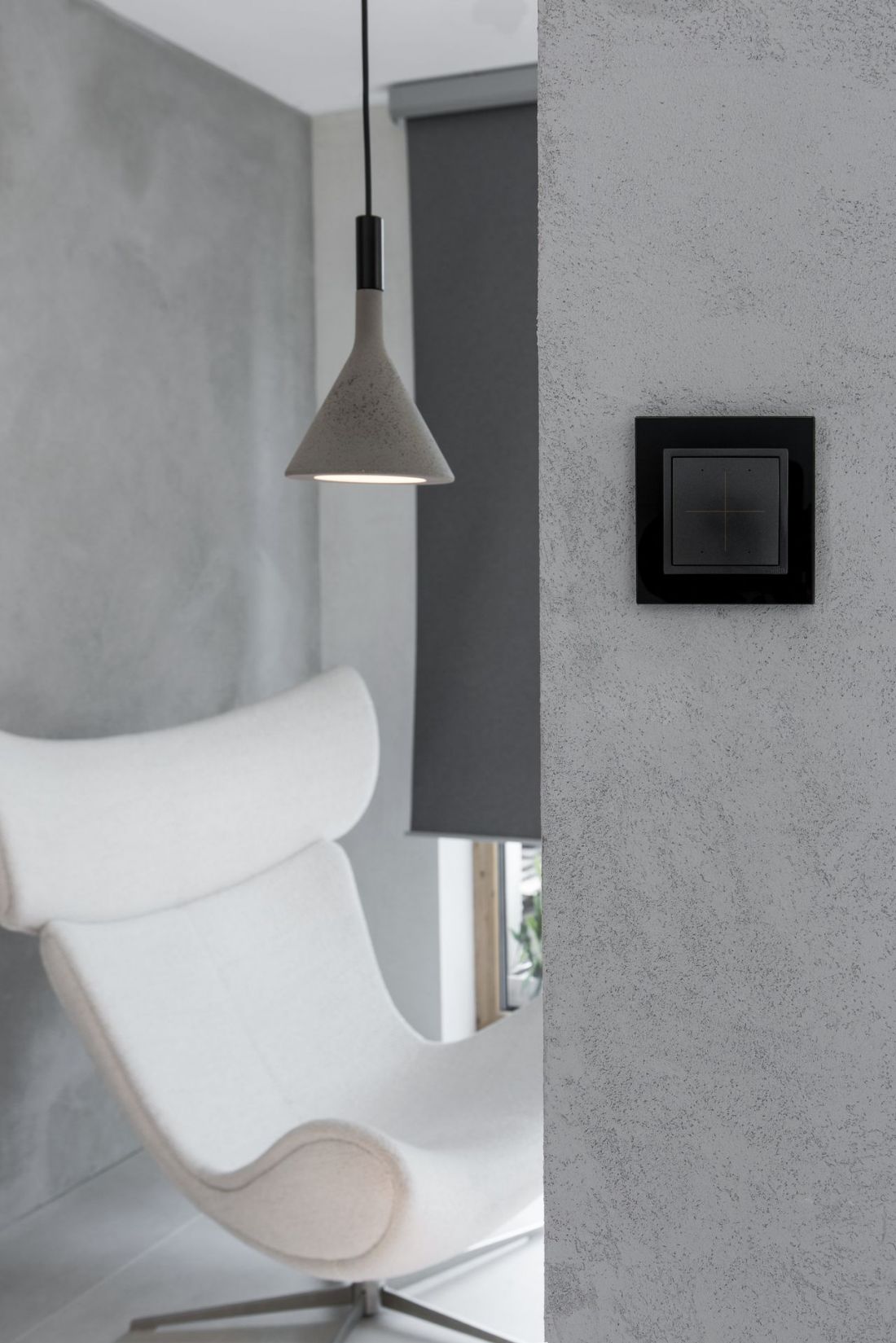
Simon GO – Less Waste, More Control
© Kontakt-Simon
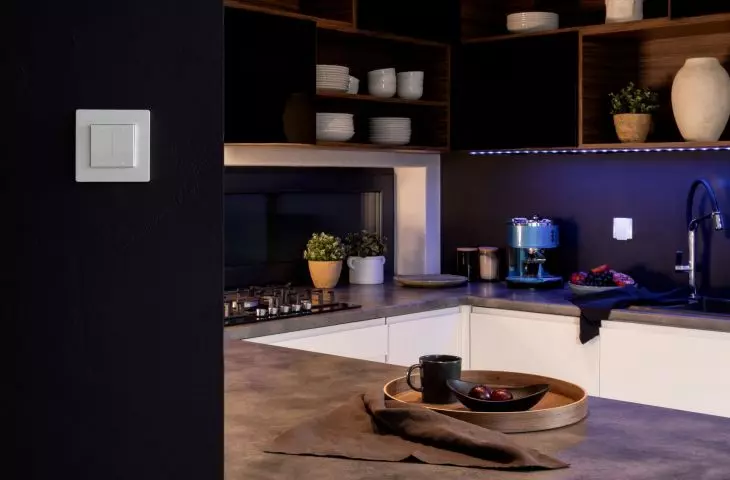
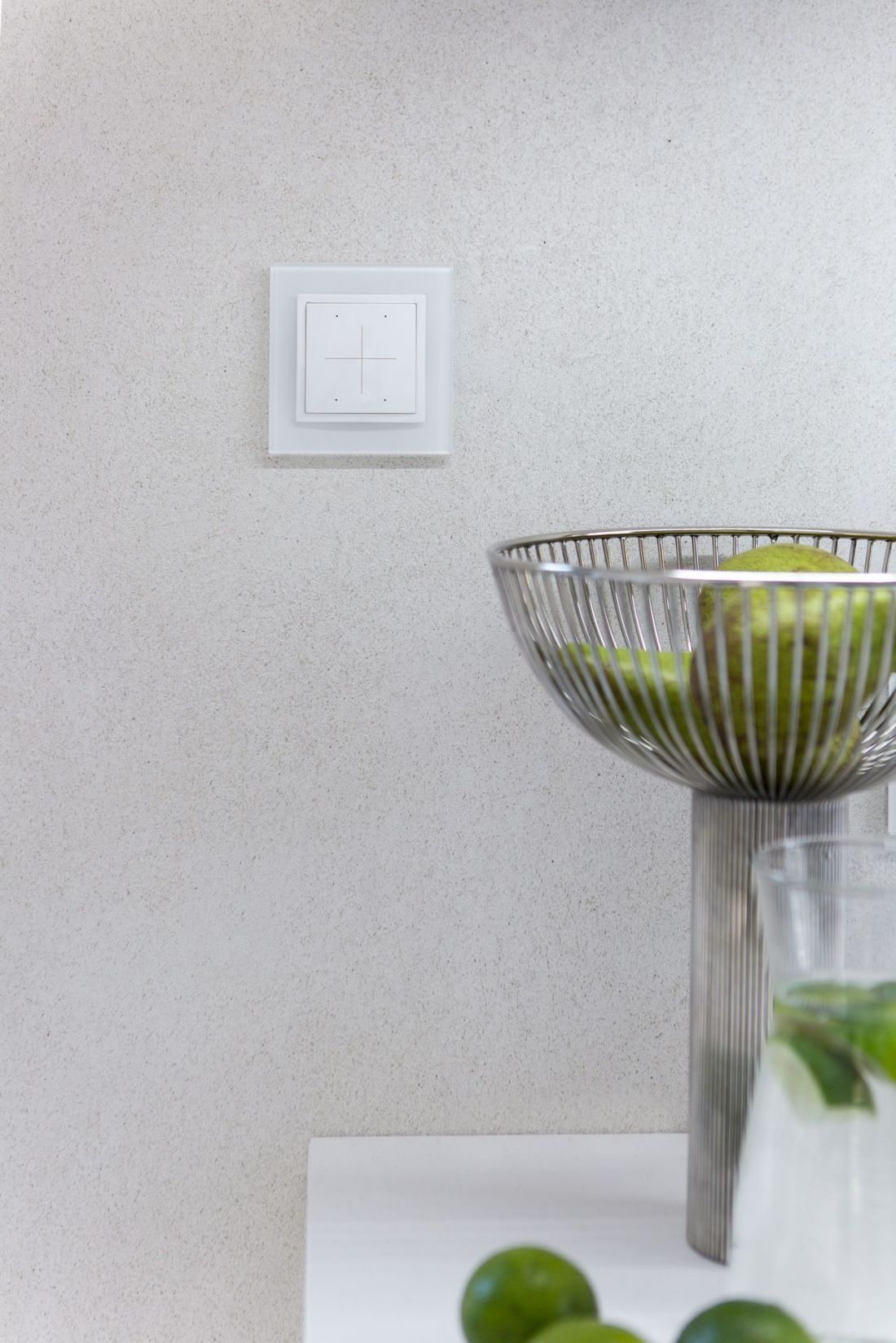
The Simon GO lighting controllers are an example of this approach. They allow users to create schedules, lighting scenes, and remotely manage lighting in the home and its surroundings. Users can schedule the system’s operation to match their daily routine, reducing energy consumption without sacrificing comfort.
The ability to monitor energy consumption by individual devices is also becoming increasingly important. Knowing which home appliances consume the most electricity allows users to make more informed decisions about the building’s daily use.
Simon GO – Less Waste, More Control
© Kontakt-Simon
Comfort without excessive energy consumption
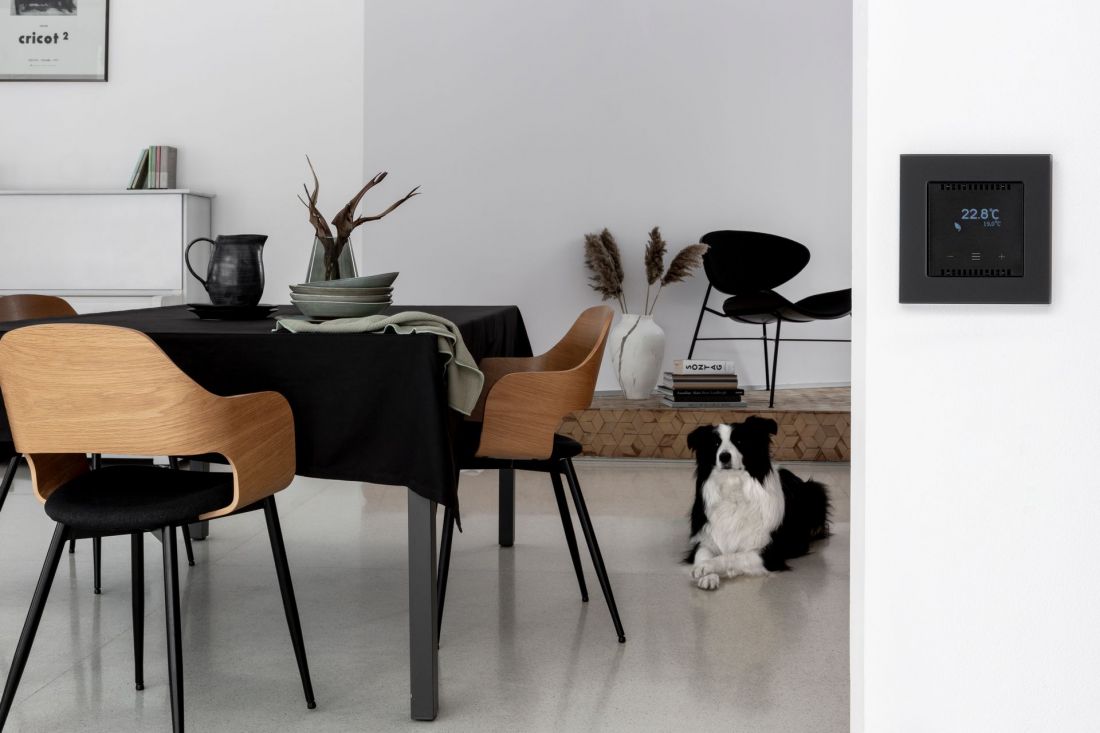
Heating and cooling remain among the largest consumers of energy in residential buildings. The traditional practice of setting a single temperature for the entire home around the clock is increasingly giving way to solutions that allow system settings to be adjusted based on the residents’ presence.
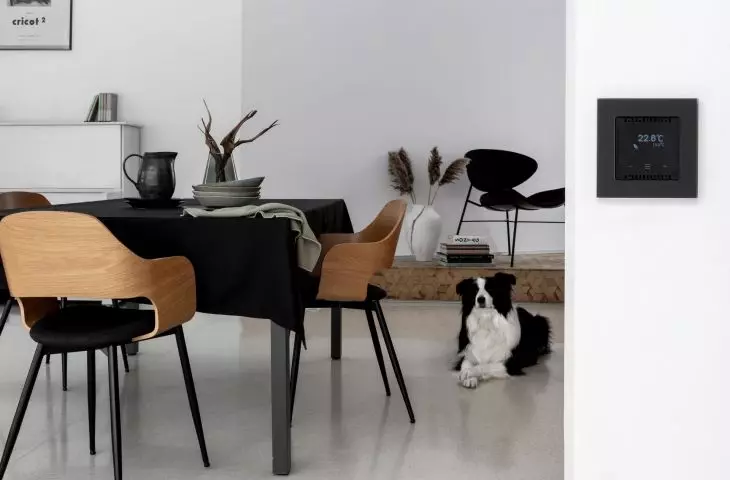
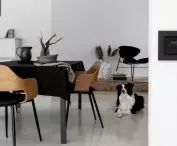
These functions are increasingly implemented using smart thermostats. The Simon GO thermostat allows you to manage heating and cooling via the SimonGO app, adjusting the temperature based on the presence of household members and the daily schedule. This ensures that energy is used only when it is actually needed.
Modern control systems enable the temperature to be automatically lowered when residents are away and raised before their return. As a result, the building does not consume energy when it is not needed, while maintaining a high level of comfort.
This approach is particularly important in light of rising energy costs and increasingly stringent requirements for building energy efficiency.
Simon GO – Less Waste, More Control
© Kontakt-Simon
Retrofit Instead of Replacement
One of the most interesting trends observed in 2026 is the development of solutions that improve the energy efficiency of existing buildings without the need for costly renovations.
In practice, this means the ability to gradually implement smart control functions for lighting, temperature, and window coverings based on the existing electrical system. This approach aligns with the concept of sustainable development not only because of energy savings but also because it reduces the amount of building materials and waste associated with interior remodeling.
Simon GO – Less Waste, More Control
© Kontakt-Simon
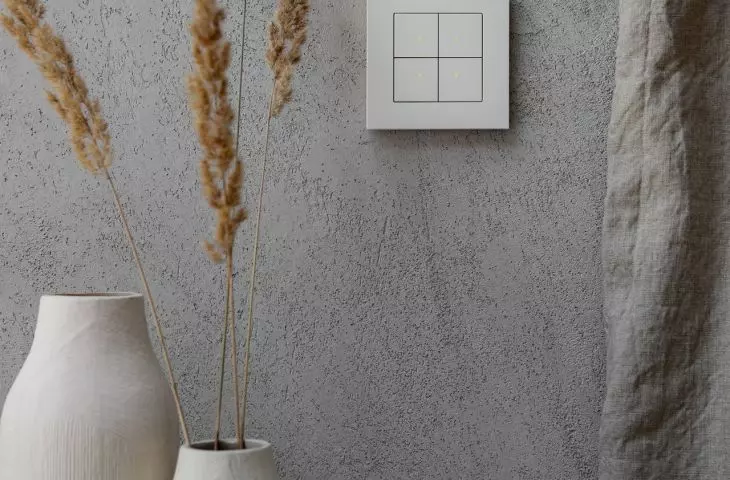
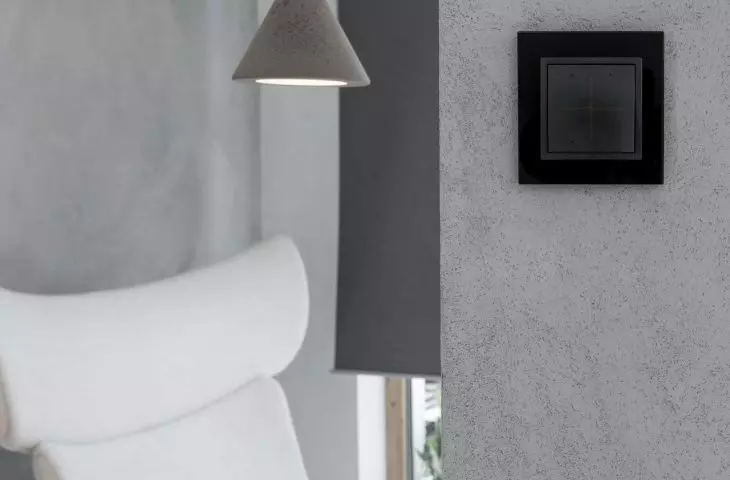
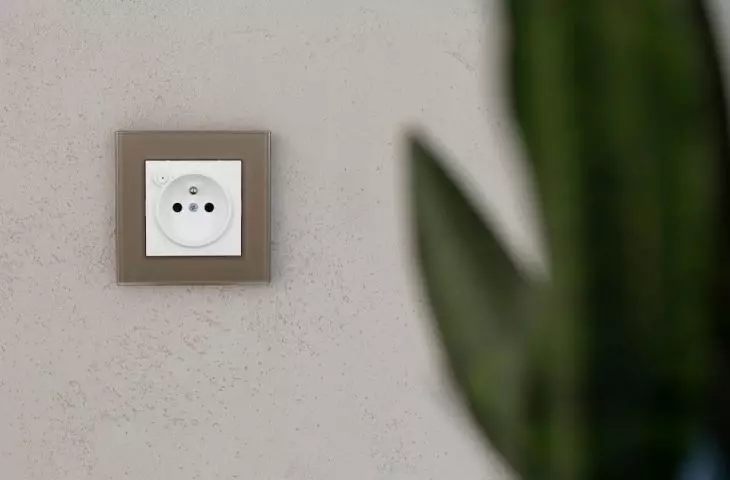
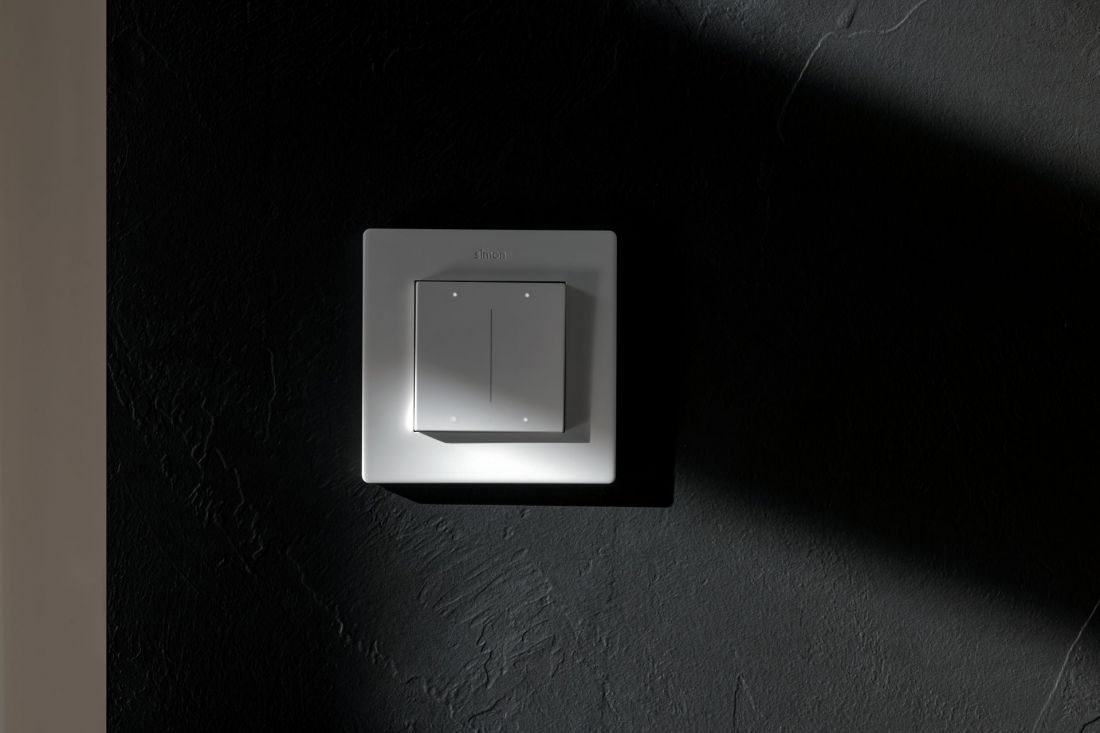
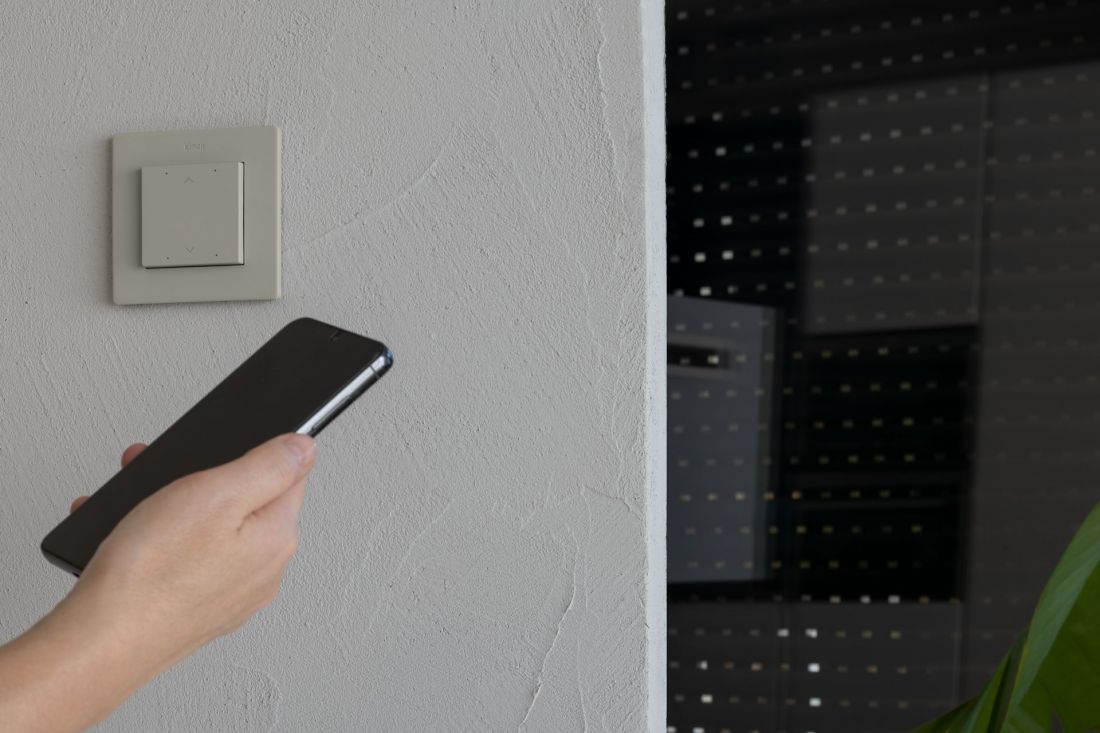
A good example of this trend is Simon GO— a series of remotely controlled devices that enables the management of lighting, roller shades, blinds, temperature, and selected electrical appliances. The solution is available as part of the Simon 55, Simon 54, and Simon 24 series, allowing it to be implemented in phases in both new construction projects and during the modernization of existing buildings. Importantly, it does not require additional wiring or a major renovation.
Examples include solutions that allow for remote control of lighting, heating, and roller shutters via a mobile app and schedules. This enables users to tailor their home’s operations to their own needs while reducing unnecessary energy consumption without altering the building’s structure.
Simon GO – Less Waste, More Control
© Kontakt-Simon
The Ecology of Everyday Decisions
Modern eco-friendly construction is increasingly less reliant on single, spectacular solutions. Hundreds of everyday decisions that influence energy usage are far more significant. Automated blinds, smart temperature control, and lighting schedules do not change the building’s appearance, but they can effectively reduce its energy footprint.
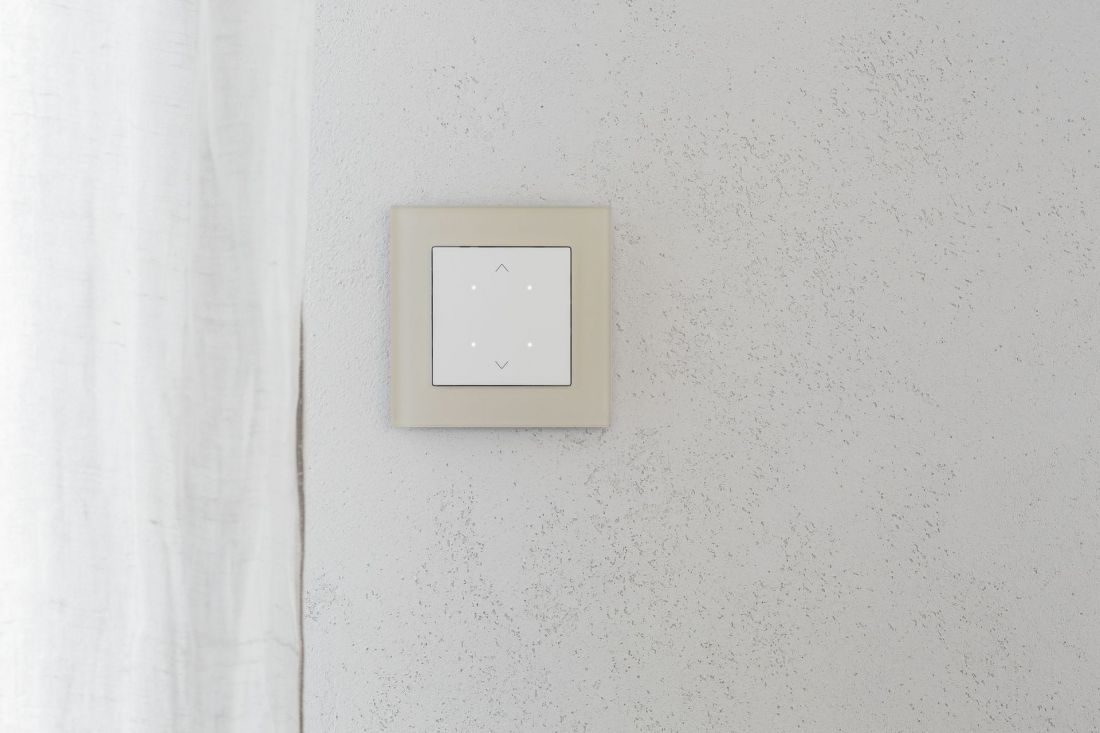
Solutions such as Simon GO demonstrate that reducing energy loss does not have to mean a costly building renovation. More and more often, all it takes is better management of what’s already in the home—lighting, temperature, or window coverings.
Simon GO – Less Waste, More Control
© Kontakt-Simon
That is precisely why, in 2026, technology is becoming one of the key tools supporting sustainable construction. It does not replace good architecture or efficient materials, but it allows for better utilization of the potential that already exists within a building. And in an era of rising energy costs and growing environmental awareness among users, this means less waste, greater control, and a more responsible use of resources.
For more information, visit the KONTAKT-SIMON company page on the PdA portal.