



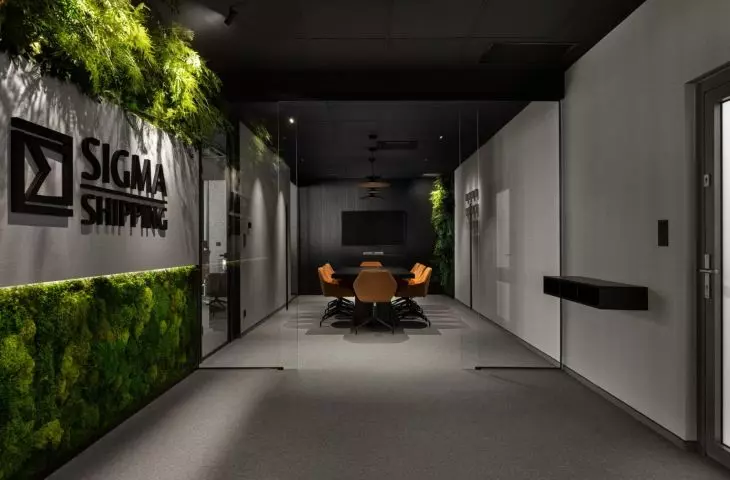




from the series “Furniture, Lighting, and Accessories—Trends for 2026”
Rafał Rostkowski – Lighting Designer, ATRIA Sztuka Światła
A good interior design can be refined down to the last detail, yet still tell a different story after dark than the architect intended. Where, between concept and execution, might the project’s intention, human needs, and the actual effect of light get lost? Here are seven moments when it’s worth checking whether the project is still heading in the intended direction.
The architect controls function, proportions, materials, color, and detail. After dark, however, the way we perceive the same space depends to a great extent on light.
A material may lose its depth. A detail may disappear. A wall that was meant to define the character of the interior may become flat. An interior may look good, yet still fail to provide people with light appropriate for what they are actually doing in that space.
Because light affects more than just architecture. It also affects people.
Before we design lighting, we must understand people
We live, work, meet, rest, fall asleep, and wake up in these spaces. Light can influence visual comfort, concentration, rest, a sense of security, emotions, and how we perceive space.
This is one of the reasons why lighting also features in the broader discussion of neuroarchitecture and the human experience of space.
When working with architects, I usually start with different questions: Who are we designing for? What will people be doing in this space? And what outcome do we want to achieve for people, architecture, and the project?
A house or apartment will have different needs than an office, and a hotel, restaurant, or retail space will have yet other needs. Lighting should respond to how the space is used and support the project’s objectives.
Lighting Design should combine three perspectives: people, architecture, and the project.
Lighting Design does not begin with the selection of a luminaire
A light fixture is a tool, not a starting point. First, you must understand human needs, the function of the space, the architecture, and the purpose of the project. Next, determine what lighting effect you want to achieve and how the light should function. Only then do specific technical and product solutions come into play.
The architect remains the creator of the architecture. The lighting designer contributes expertise on the relationship between people, light, and architecture, and helps translate the design intent into the actual experience of the space after dark.
Seven points where a project can lose its original intent
The loss of the original intent rarely stems from a single major decision. More often, it occurs in several seemingly minor moments during the process.
1. Lighting is introduced too late
If decisions regarding lighting are made only after the architecture is practically finalized, some possibilities may already be out of reach. Is it still possible at this stage to make changes to the architecture and details if the intended lighting effect requires it?
2. We design light points instead of the effect
It’s easy to see light points on a floor plan. It’s much harder to visualize what will actually happen in the space.
The location of a light fixture is technical information. The lighting effect is a design decision.
Before a specific product is created, it’s worth asking: what should a person see and feel when the light is turned on?
3. Interior visualizations do not always predict the actual lighting effect
An interior visualization can very effectively convey the concept, materials, and intended character of a space. However, this does not mean that it equally accurately depicts the actual lighting effect. That is why, in the design process, we also use Real-Light Visualization—as a tool that allows us to assess the future effect even before implementation.
Does the visualization primarily show the intended character of the interior, or does it also allow for a reliable prediction of the actual lighting effect?
Sol Marina Apartment — Lighting Design: ATRIA Sztuka Światła. Interior Design: F-Studio Architectural Studio.
4. The budget begins to dictate the outcome
Budget optimization is a natural part of any project. Changing a product in and of itself is not a problem. The problem arises when, along with the product, we unknowingly alter the intended effect.
Two luminaires may look similar and have comparable specifications, yet still shape the light differently. Factors such as optics, light quality, mounting method, and adjustability all play a role.
Good optimization doesn’t look for a luminaire that looks similar. It looks for a solution that still achieves the agreed-upon design goal.
5. We design how the light functions too late
The same space may require different lighting in the morning, during work, at the table, and during rest. It’s not enough to simply design where the light is located; you must also design how it should function in various situations.
6. Architectural details and lighting are no longer designed together
Ceilings, recesses, built-in furniture, textures, light-reflecting surfaces, and fixture integration points are all part of the final effect. If lighting and architectural details aren’t developed together, the process of adapting one to the other begins during the implementation phase.
7. The project takes on a life of its own
Moving a fixture. Changing a product. A different beam angle. Lack of the intended adjustment. Changing the installation method. Each of these decisions may seem minor, yet they can significantly alter the result.
That’s why, during implementation, someone must ensure that subsequent decisions don’t alter the agreed-upon effect.
The lighting designer does not take control away; they help maintain it
The collaboration between an architect and a lighting designer should not be a battle over project authorship. The architect remains the author of the architecture, while the lighting designer specializes in the relationship between people, light, and architecture.
A well-managed process helps preserve the architect’s vision, the user’s needs, and the project’s objective—from the initial decisions all the way through to completion.
ATRIA Sztuka Światła collaborates with architects, interior designers, and developers on private and commercial projects throughout Poland. We have systematized the entire lighting design process within LightON7— our proprietary methodology for conscious lighting design.
The process does not end with the design. It includes the selection of appropriate lighting solutions and control systems, their delivery to the project site, and support for implementation, so that the intended effect can actually be achieved. Solutions are selected with consideration for the project’s specifications, the desired effect, and the investor’s agreed-upon budget.
MAN Energy Solutions Gdańsk — Lighting Design: ATRIA Sztuka Światła
The way light functions also requires design
Human needs change depending on the time of day, activity level, and how the space is used. Therefore, lighting design should encompass not only the visual effect but also how light functions in various situations.
Lighting design and the way light functions should form a cohesive whole. Li.SE —a proprietary methodology for the conscious design of lighting behavior—organizes how light functions in various situations and responds to people’s changing needs.
Scenes, controls, and technology are tools. The goal remains the way people experience architecture.
Li.SE Lighting Scenes — Lighting Design: ATRIA Art of Light. Interior Design: M19 Architekci
Knowledge of light should be part of the design process
That is why at ATRIA Art of Light, we are developing the Art of Light Academy—a space for sharing knowledge and experiences with architects and interior designers.
Because ultimately, we don’t design light for the ceiling, the floor plan, or the fixture. We design it for the people who will live and function within the architecture.
Light should serve people, fulfill the purpose of the project, and preserve the architect’s vision even when daylight fades.
That is why the conversation about lighting design does not begin with the selection of a fixture. It begins when we ask: for whom are we designing, what purpose should this space serve, and how will it be used?
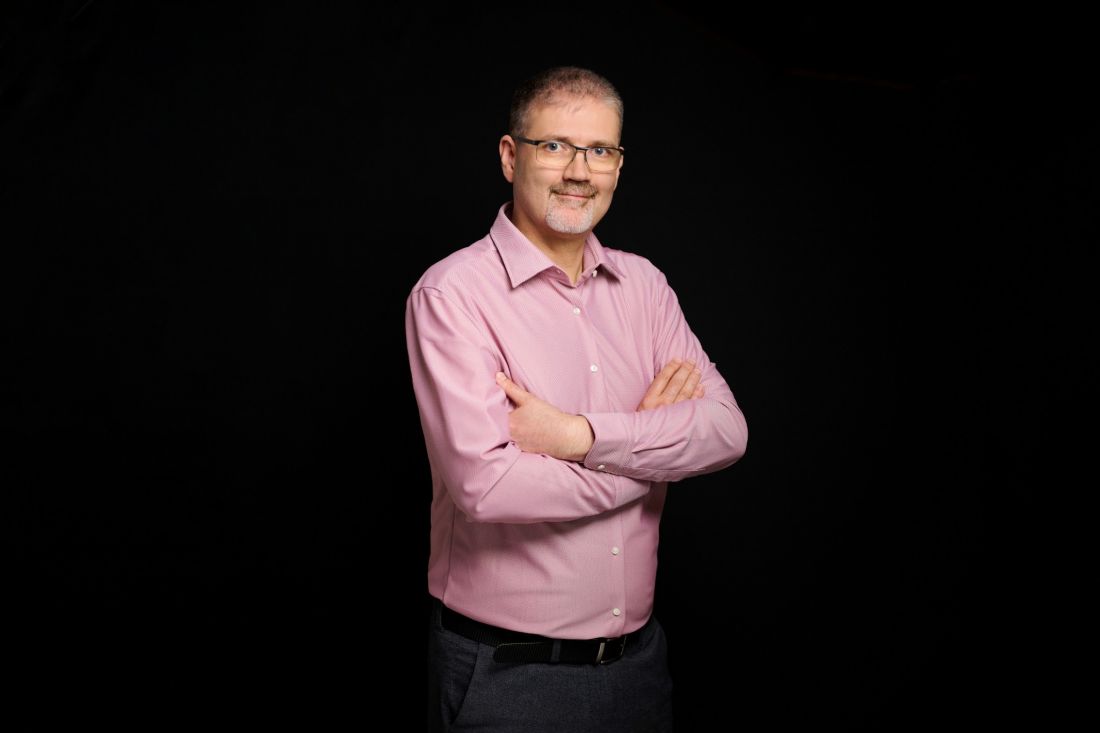
Rafał Rostkowski – Lighting Designer, ATRIA Art of Light. Co-author of the Art of Light philosophy and the proprietary methodologies of ATRIA Art of Light. He designs lighting and its functionality for private and commercial projects, collaborating with architects, interior designers, and developers. He also leads educational initiatives as part of the Academy of the Art of Light.
For more information, visit the ATRIA Sztuka Światła – Lighting Design company page on the PdA portal.