




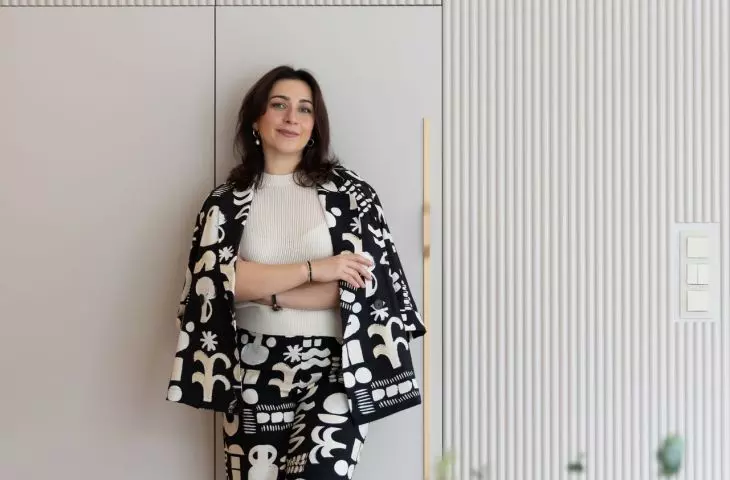
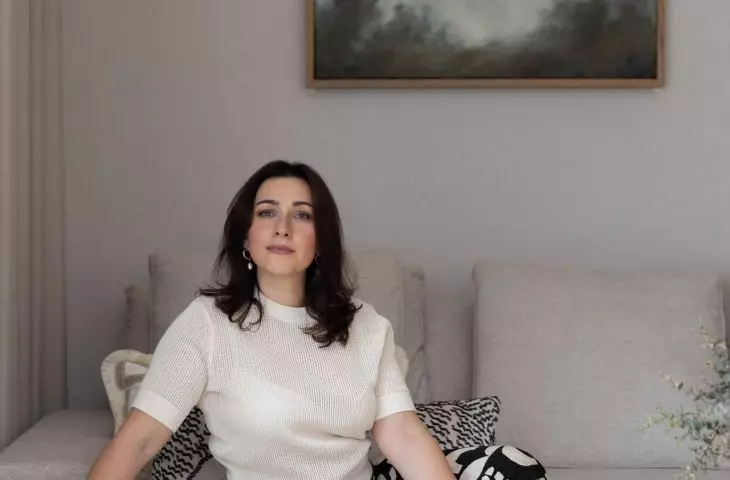
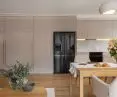



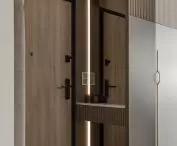
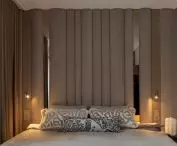
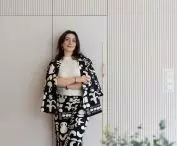
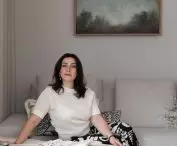


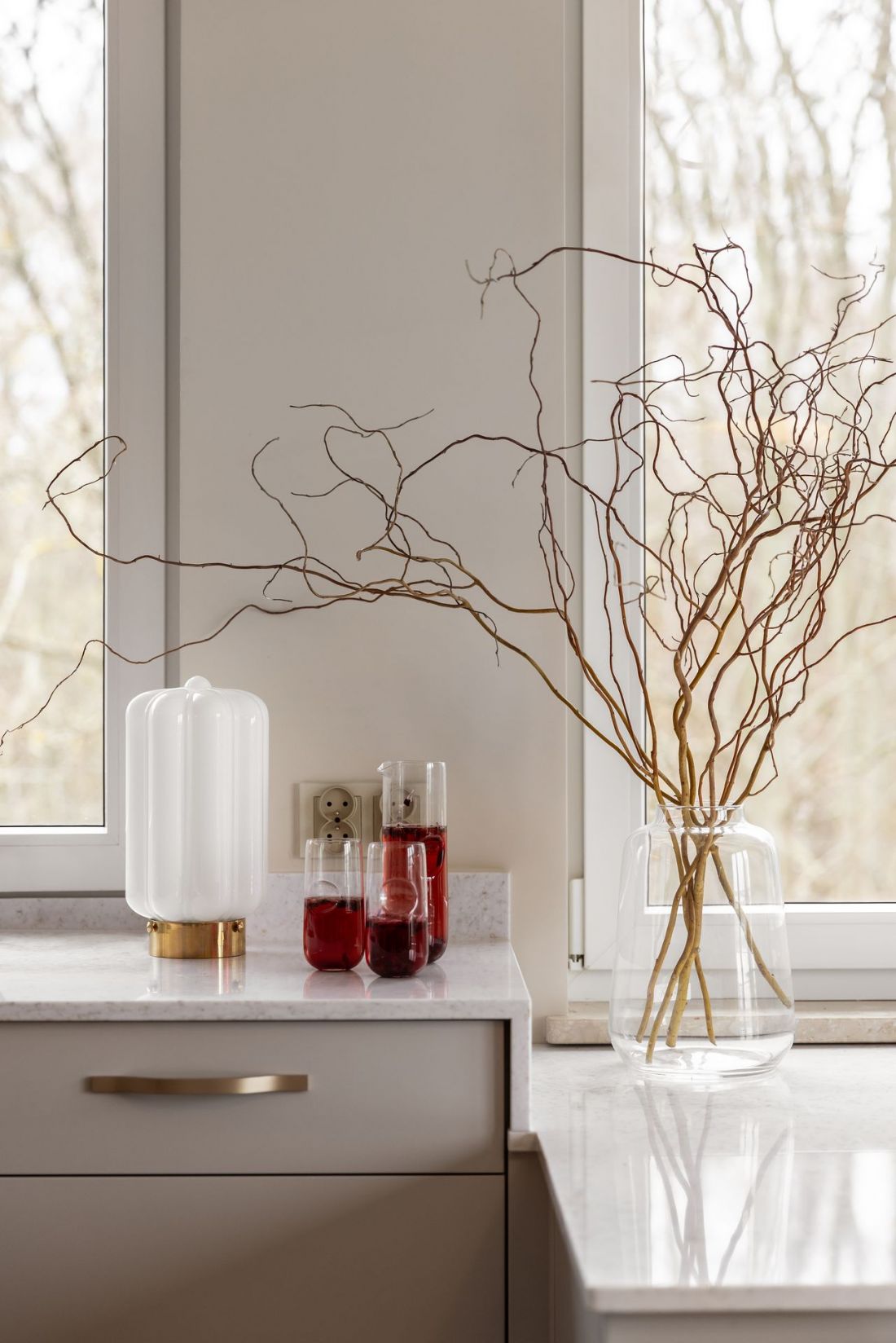
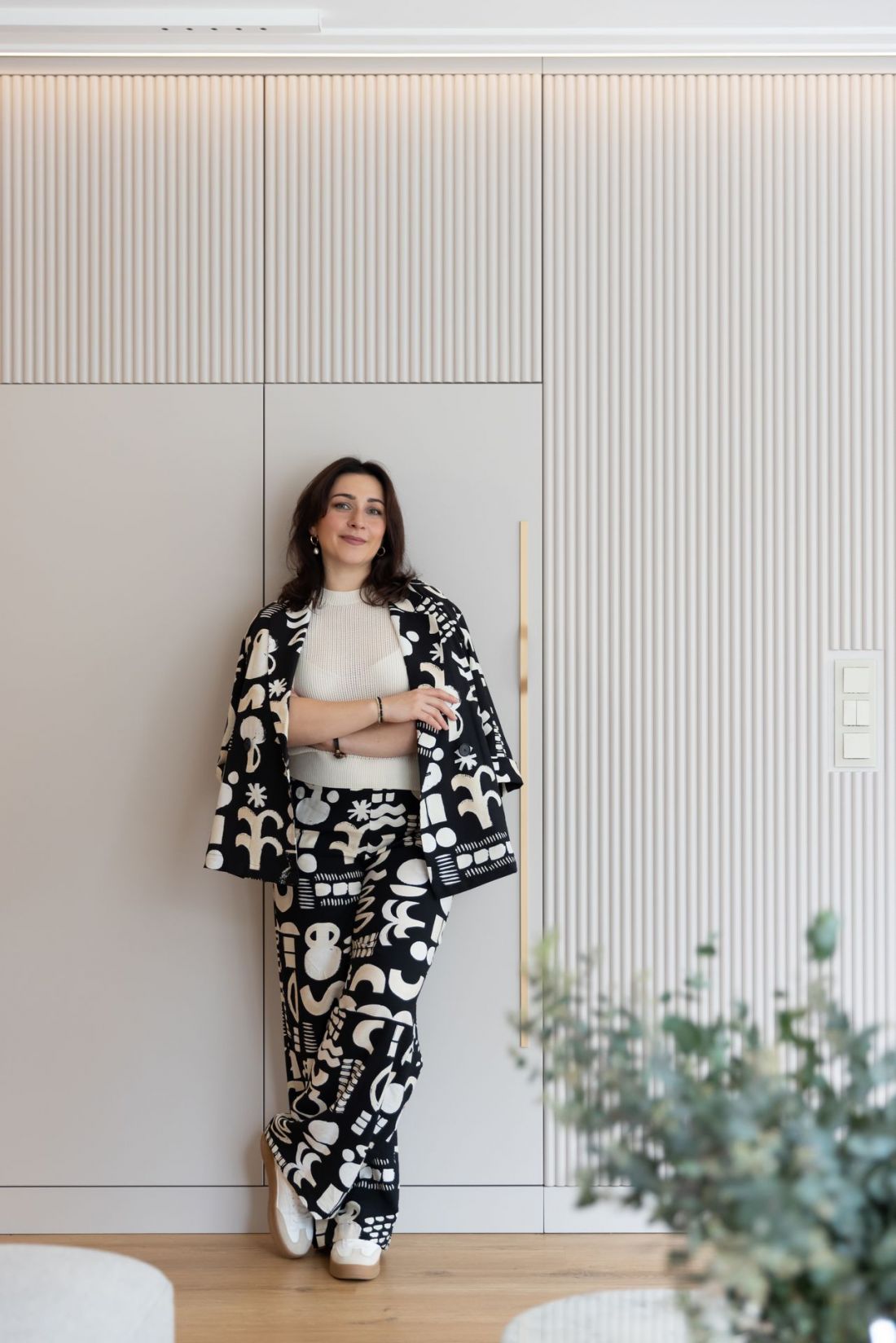
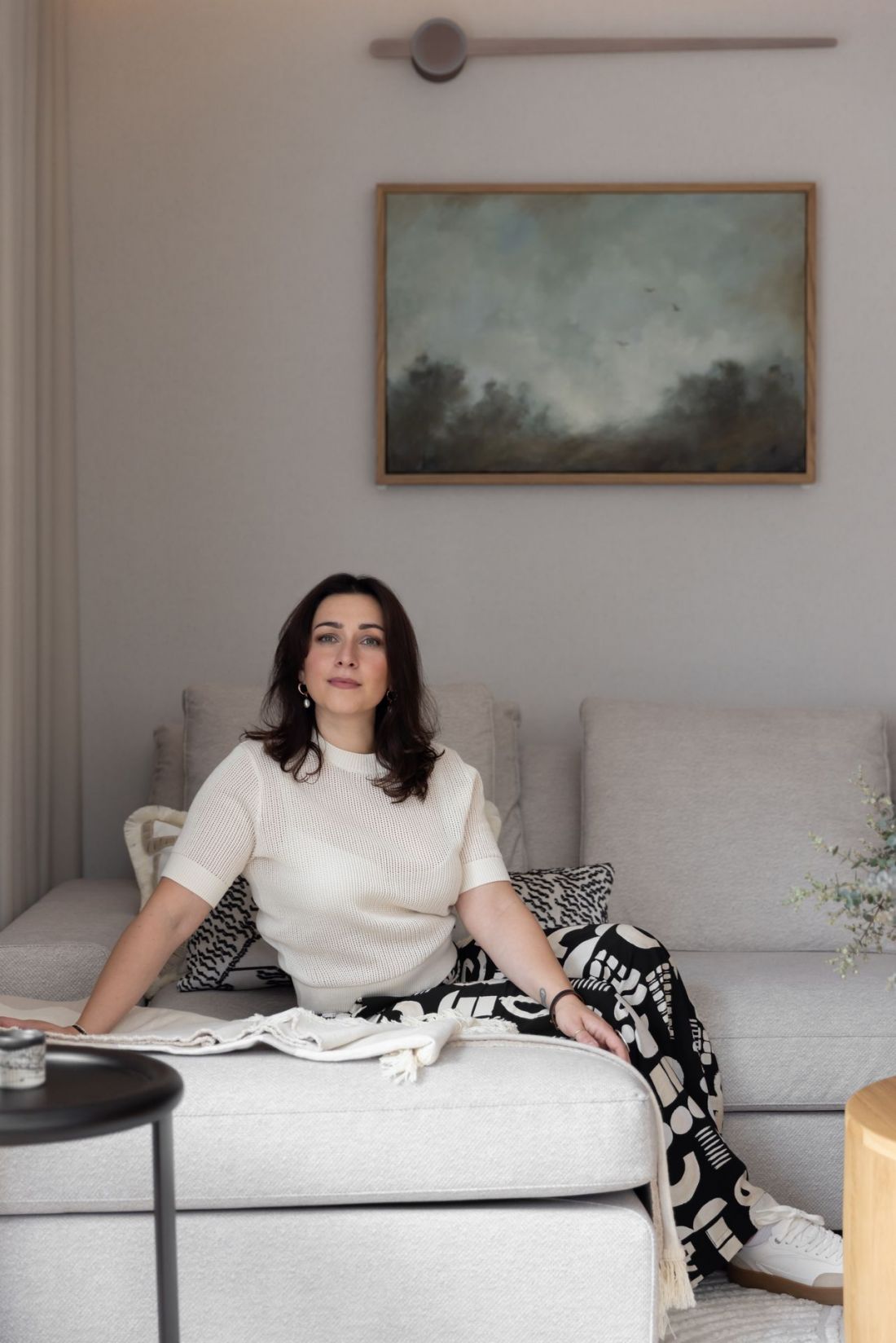
Tetevik Caturova is an interior designer who combines international experience with artistic sensitivity and a conscious approach to design. For her, interiors are not just an aesthetic setting for everyday life, but a space that has a real impact on the quality of life and relationships. As a brand ambassador for Kontakt-Simon, a manufacturer of electrical fixtures, she pays great attention to the importance of detail and new technologies.
How do you define interiors in the context of today's design challenges?
Tetevik Caturova: As an interior designer, I define space much more broadly than just as an aesthetically designed environment. In the context of contemporary functional, aesthetic and social challenges, interiors are becoming a viable tool for influencing the quality of life, daily behavior and relationships between users. We are living in an extremely interesting moment for interior architecture. I started my professional path when I was still in college, around 2010, when interior design in Poland was just taking shape. The market was much poorer, there was a lack of materials, technology, lighting and carpentry solutions, and the choice of products was very limited. The appearance of glossy MDF kitchens or the later wave of loft interiors with concrete and raw walls quickly turned into massively duplicated patterns. They gave a sense of security because they were already familiar and tame, even if seen hundreds of times. Today, the role of the interior designer is much broader. More and more often we become educators and sometimes pioneers of change. We design bold, creative and authoritative interiors, the kind that have been missing from the Polish market for years. We regularly participate in exhibitions and the most important trade fairs, such as in Milan, from where we bring new materials, furniture and ideas, which we then adapt to the local context and the real needs of users. My responsibility is to skillfully translate these needs into a coherent space concept. One that works for everyday use while responding to changing living, working and leisure conditions.
Interiors as the language of everyday life. Interview with Tetevik Caturowa
© Kontakt-Simon
One of the key roles of an interior designer today is also to educate investors and show them a wide range of possibilities, often solutions they had not heard of or considered before. On a social level, interiors have a real impact on the way people function with each other. When designing, I pay attention to inclusivity, the needs of different user groups and how the space shapes human relationships. A well-designed interior should be inclusive and provide a sense of security.
What professional, design or business directions do you consider the most important in the coming years?
Tetevik Caturova: The most significant direction of development in the work of an interior designer was and remains openness to the new. To new technologies, ideas, but also to the freshness of outlook that increasingly comes from the younger generation. I highly value working with young people; their way of thinking about the world, design and relationships is clearly different from the perspective of the millenial generation and is a real source of inspiration for me. Equally important to me is the openness to relationships. In the daily hustle and bustle, I make a conscious effort to find space for conversation, meeting and attentive contact, because these are what build quality cooperation and long-term trust. I regularly invest in courses, participate in webinars, attend networking meetings where I meet other entrepreneurs. They are often my clients, and at the same time the people who motivate me to continue and give me valuable feedback: they tell me directly what is important to them in cooperation with me. I do not persist in what is well known. I consciously reach for new technologies and use advanced AI tools in the studio on a daily basis. I invest in new software, making sure to stay up-to-date and offer clients a premium service. The real estate and construction market is changing dynamically and it is happening right now. Increasingly, developers are offering turnkey apartments, and individual clients are choosing to work with an architect not because they don't know what tiles to choose. They do so because they value their time, which they prefer to devote to their families and private lives, rather than another "full-time" job after work. When they hire an architect, they are aware that they don't need to know everything. They prefer to entrust the process to professionals, and it is in this role that I see my greatest value.
Interiors as the language of everyday life. Interview with Tetevik Caturowa
© Kontakt-Simon
Which aspects of everyday design work do you consider crucial to maintaining high quality execution, and which aspects require the most flexibility from architects today?
Tetevik Caturova: Maintaining high quality of realizations starts with a sound, broad knowledge, both of materials and products, as well as of their technical properties and application possibilities. An interior designer must have a thorough understanding of the technologies he or she is using, so as not to be misled or succumb to apparent "substitute solutions," which in practice often mean a reduction in the quality of the project.
The second key aspect is consistency in decision-making, willpower, persistence and confidence in one's own competence. Each project involves hundreds of choices, which no one counts anymore at the end. Only the end result remains visible. That's why it's so important not to undermine one's own decisions or sabotage the project through excessive compromises. Changes dictated by the budget, agreeing to substitutions or concessions, which architects are regularly urged to make, always affect the final result. If the project is to maintain its consistency and quality, it must be consistently defended, so that the interior remains as "ours" as possible, authoritative.
The greatest flexibility today requires working with a budget. It is a daily balancing act as to whether we will fit into the financial assumptions, while meeting the investor's expectations and striving for the "wow" effect. Equally important is the ability to compromise in the relationship with the client and to look for solutions that are satisfactory to both parties. The client does not always feel the same admiration for materials or details as the architect. The role of the designer is therefore to consciously balance between the investor's taste and his own experience and knowledge.
There are also situations in which it is simply impossible to fit in the budget without compromising quality. Then the ability to search wisely for substitutes becomes crucial. At the same time, material changes are the area where I try to interfere as little as possible, because it is the materials that most define the character and durability of the interior.
Interiors as the language of everyday life. Interview with Tetevik Caturowa
© Kontakt-Simon
How do you perceive your role as a brand ambassador for Kontakt-Simon, and how does your design experience translate into informed cooperation with the manufacturer of wiring accessories?
Tetevik Caturova: Being a Kontakt-Simon Brand Ambassador is an extremely valuable and natural stage of professional development for me. I appreciate even more the fact that I was chosen as the first brand ambassador from Pomerania. For me, this is both an honor and a confirmation of the trust we have built over the years of cooperation.
Regular trainings and constant contact with the brand have translated into a very in-depth, practical knowledge, not only about the collections themselves, but above all about where, when and how to apply specific solutions. I know the brand's offer in a holistic way, which allows me to consciously choose accessories according to the nature of the interior, its function and the investor's budget.
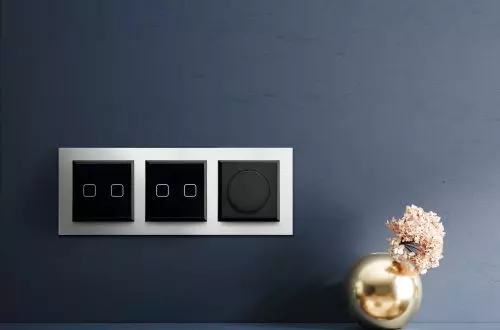
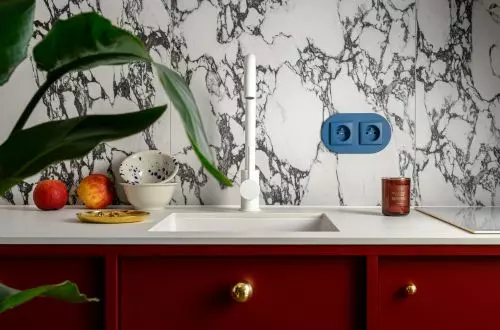
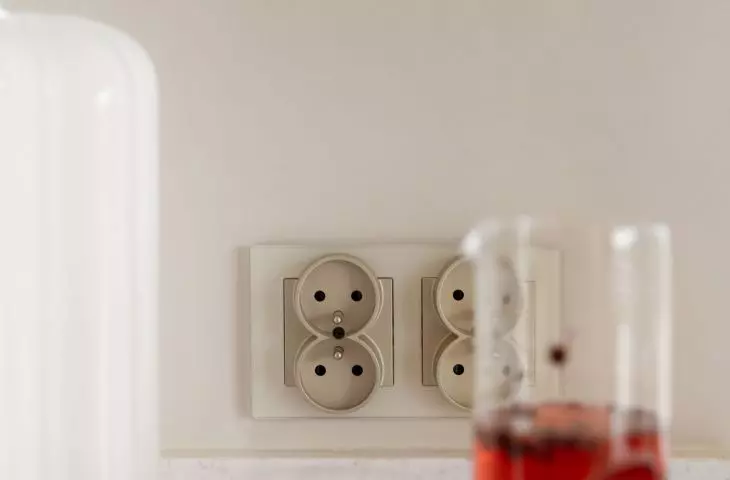
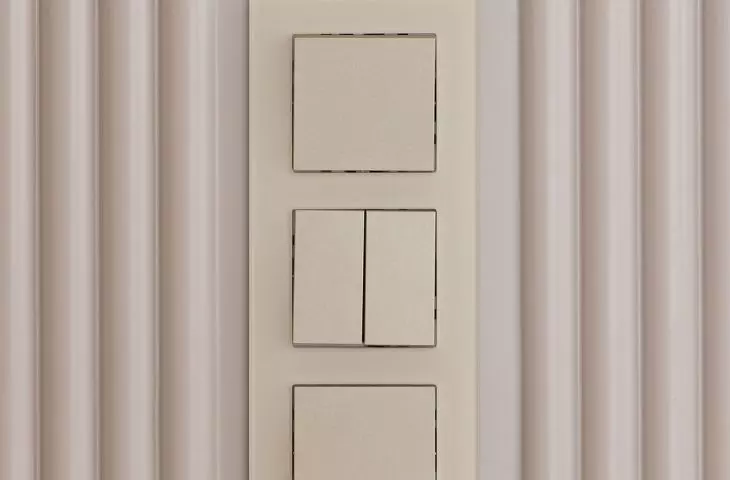
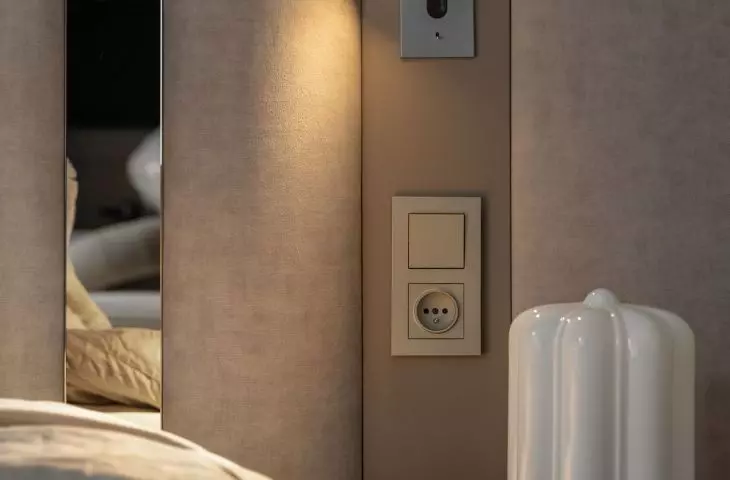
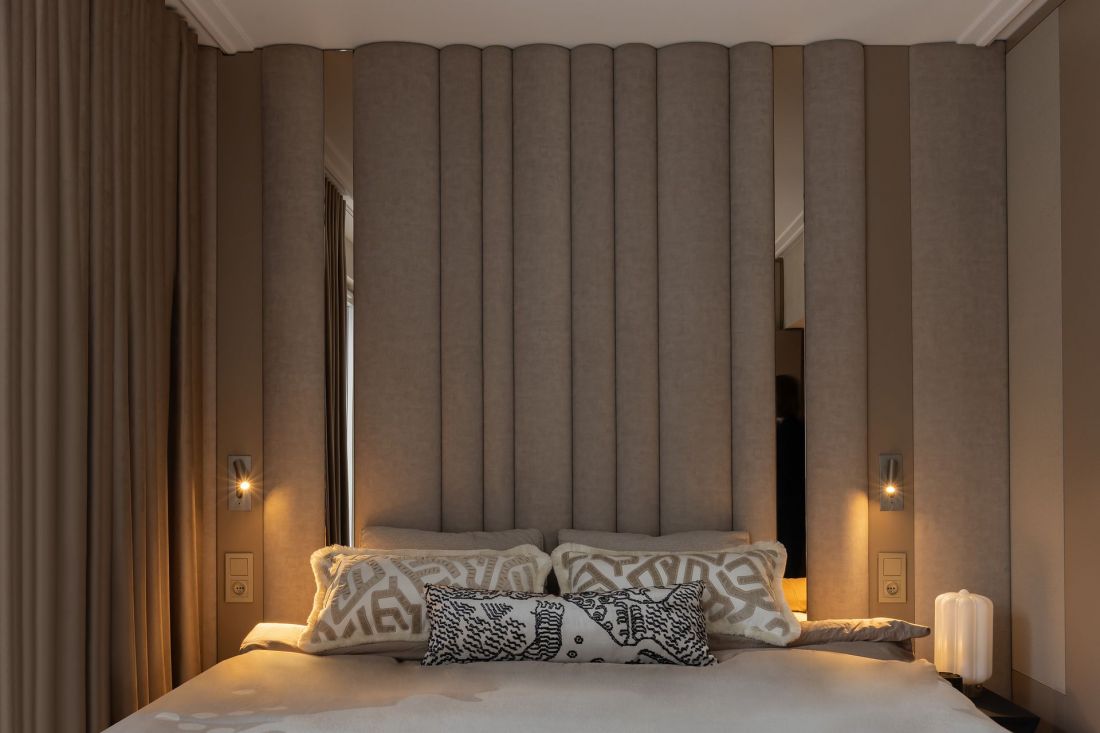
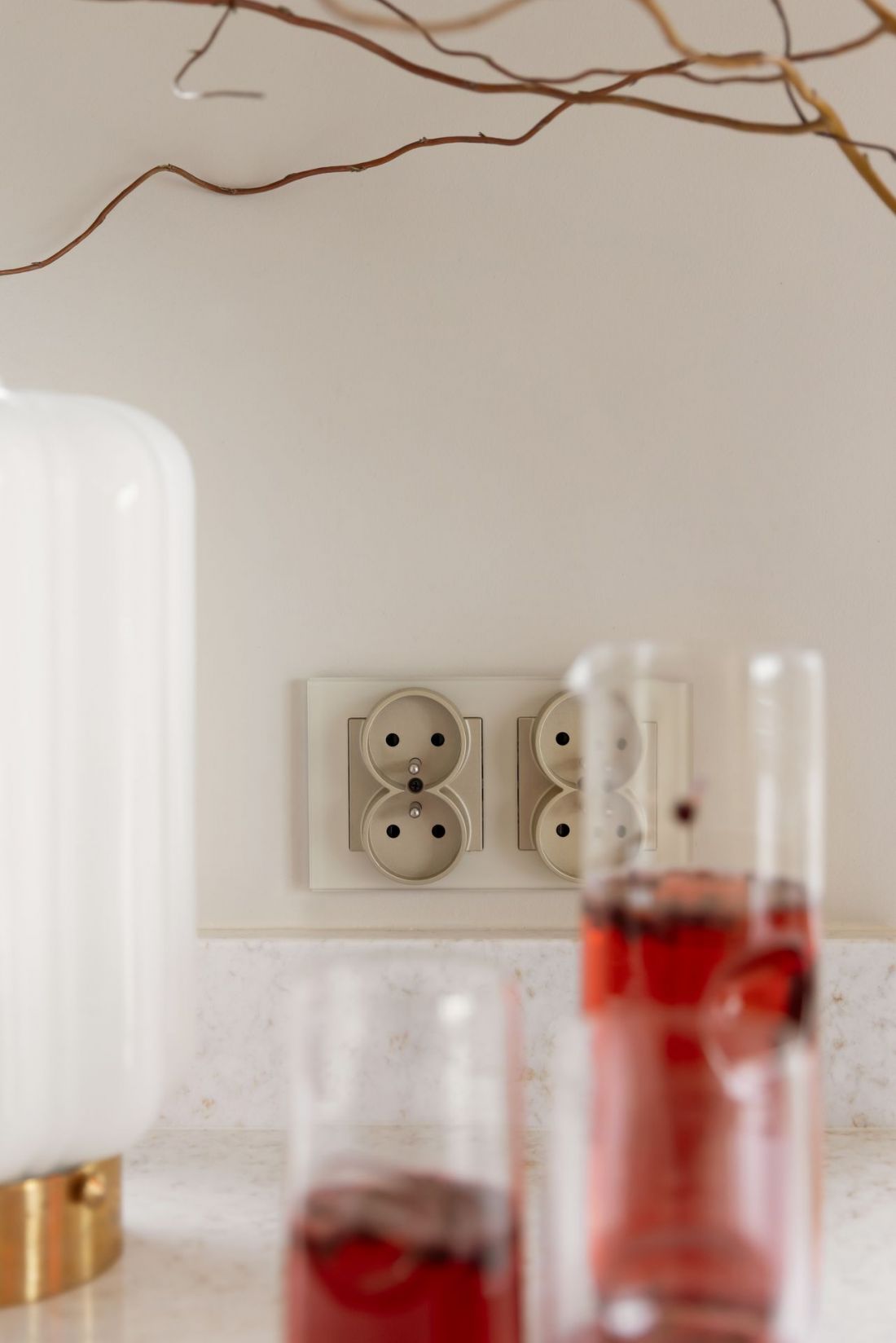
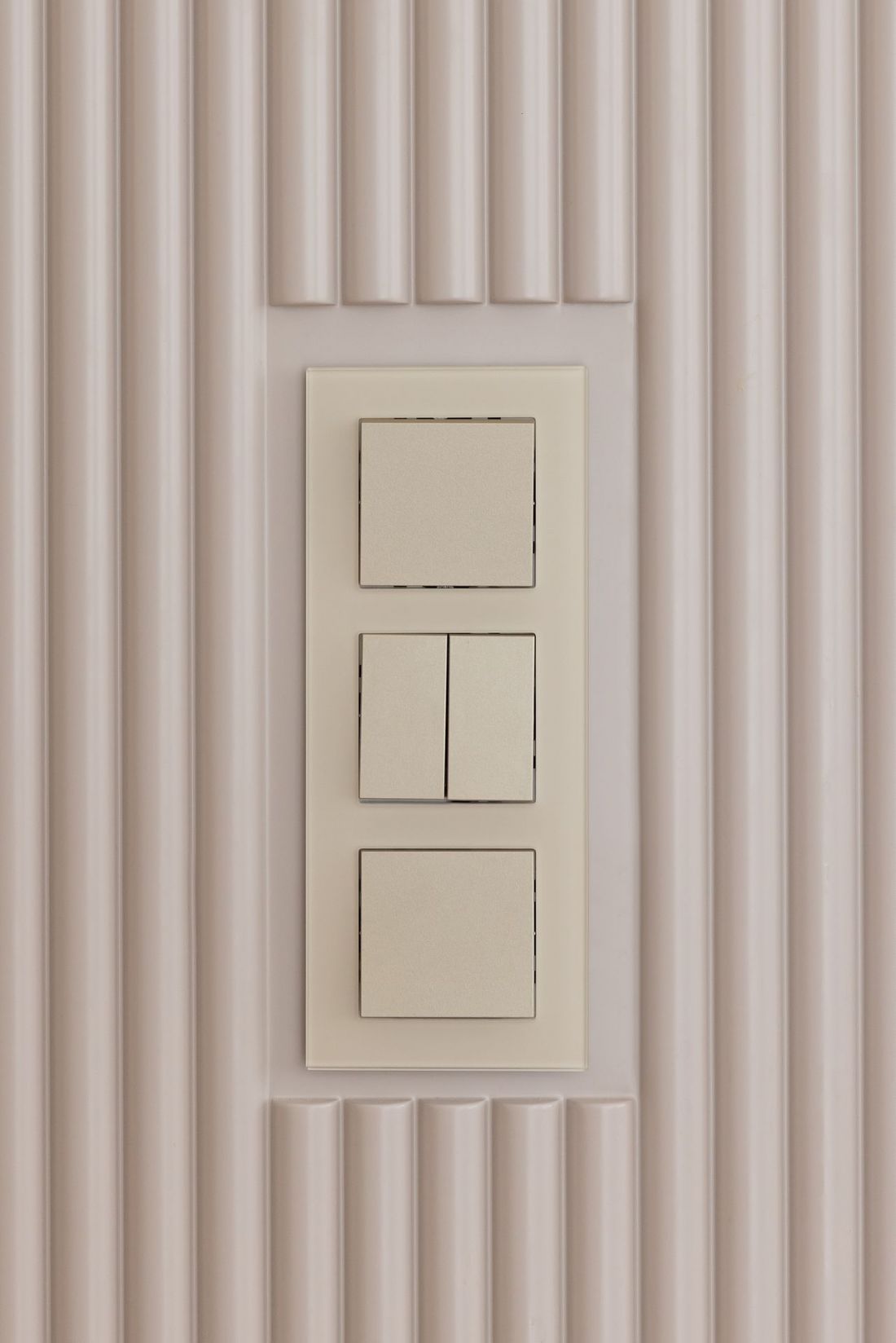
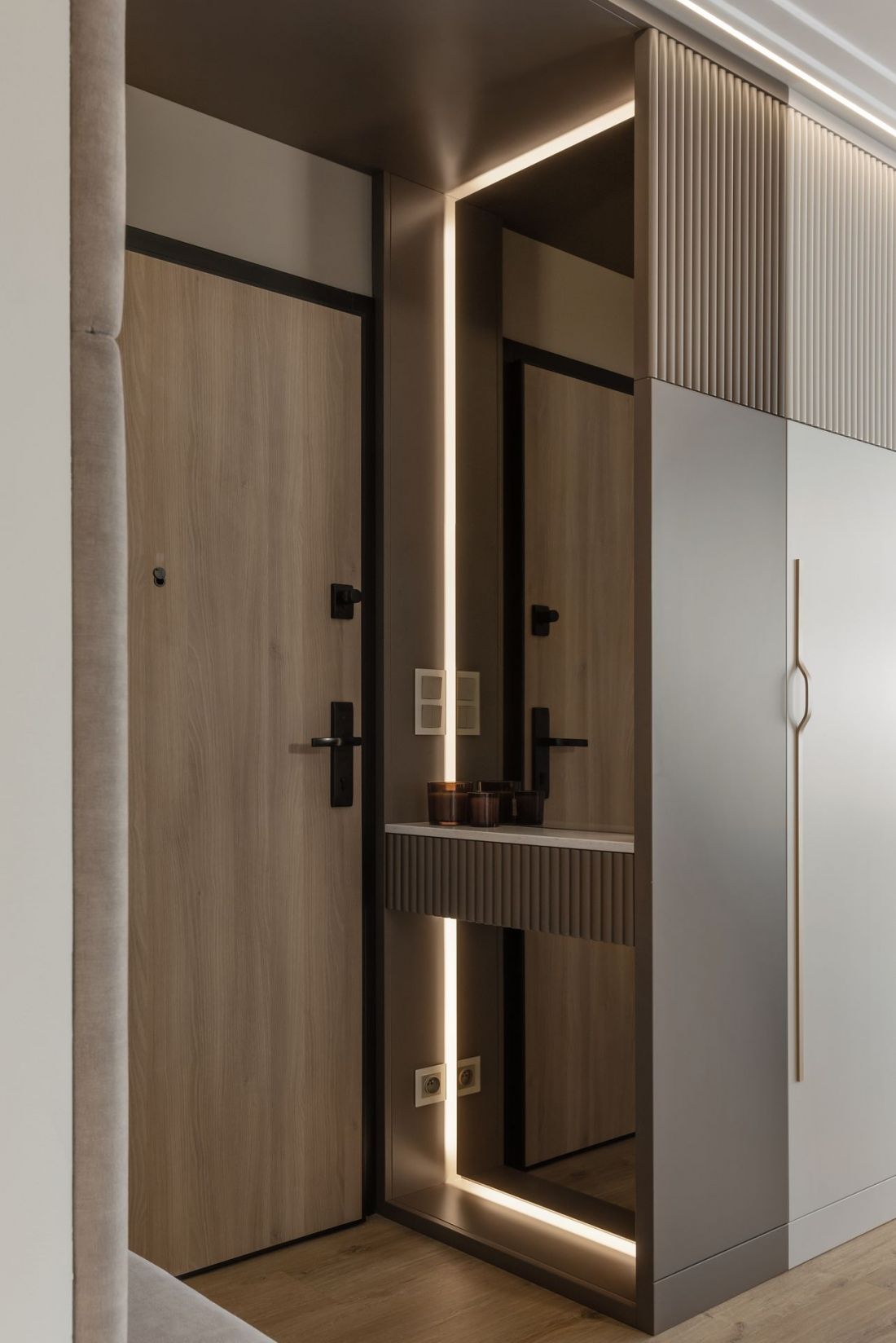
The richness of the collection makes Kontakt-Simon products I successfully use both in high-budget realizations, in classic, art déco or modern classic interiors, as well as in projects of a completely different nature. I also do not exclude them when working on apartments for rent, the market for which in the Tri-City is still growing rapidly. This shows the flexibility and versatility of the brand's offer. Importantly, I use Kontakt-Simon solutions in both private and public spaces. Thanks to my design experience, I am able to translate the language of the product into the real needs of interior architecture, so that Kontakt-Simon sockets, switches or smart home systems are not just an aesthetic detail, but an integral part of a well-designed, functional space.
Interiors as the language of everyday life. Interview with Tetevik Caturowa
© Kontakt-Simon
Do and how do your experiences outside of work influence your design sensibilities and creative decisions?
Tetevik Caturova: Non-professional experiences have a huge impact on my design sensibility and decisions. A rich personal life, numerous travels, studying in Paris and working abroad, including Dublin and Tenerife, have added up to the sum of aesthetic experiences that I translate into the essence of my designs today. I love observing people and how they function in space. Each country offers a different view of the world and a different approach to objects and surroundings. I gained completely different experiences from working in Stockholm, others from France or England. These differences relate not only to aesthetics, but also to awareness and responsibility. I have a special respect for Swedes who, before getting rid of a piece of furniture, think about its future fate or find it a new home. This is not due to financial constraints, but out of concern for the environment. Sweden has companies that clearly communicate the carbon footprint of their products, something that in Poland is still just building its presence in the public consciousness. When we buy a chair for the office, we rarely consider how it was designed and manufactured, yet every piece of furniture has a story. I feel a clear mission in this area to educate customers, to explain to them where specific materials, quality and price differences come from. Some furniture is an iconic piece of design and a real investment in a work of art, so much so in applied art. I feel that we still have a lot of catching up to do as an environment in this regard.
Interiors as the language of everyday life. Interview with Tetevik Caturowa
© Kontakt-Simon
What determined your choice to become an interior designer, and was there a mentor on your professional path who had a significant influence on your way of thinking about design and creative work?
Tetevik Caturova: For me, choosing the profession of interior designer was a natural consequence of who I have always been. I have been creating, inventing and tinkering since I was a child. In the beginning there was music and playing the violin, which taught me sensitivity, rhythm and working with emotion. Later came art, which completely absorbed me. As a child I was able to rearrange my bedroom several times a year, twisting furniture and painting fronts, intuitively treating the space as a field for experimentation.
I discovered interior design while studying in Paris. Initially, I was interested in transportation design and car design, but over time I realized that I was most attracted to being able to see the results of my work quickly and having direct contact with the viewer. I cared about real customer satisfaction; face-to-face meeting, conversation, emotion, not results captured in Excel tables or sales columns. This determined my change of direction and choice of interior design.
When I ask myself about mentors, I have to honestly admit that it was not one particular person. While studying art and architectural history, I regularly came across artists who fascinated me, primarily because they went against the grain of their time. Such as Antoni Gaudí, whose courage and visionary spirit still impress me today. I was also enthralled by Oscar Niemeyer's vision. The creation of Brasília, a modern capital in the middle of the jungle, was proof to me that architecture can change the scale of thinking about the world. The work of Tadao Andō, on the other hand, taught me that the simplicity and silence of form can be as moving as monumental gestures. And Santiago Calatrava's designs made me realize that what one often hears on a construction site as "it can't be done" is sometimes possible after all.
Interiors as the language of everyday life. A conversation with Tetevik Caturowa
In the world of interiors, for a long time India Mahdavi was a huge inspiration for me, for her courage, unconventional thinking and masterful work with color. Later, Philippe Starck and his creative humor, narrative and lightness. I was also fascinated by the forms designed by Karim Rashid, sensual and ahead of their time. Kelly Wearstler and her uncompromising approach to form and material also became an important reference point.
In addition to the interiors themselves, I greatly appreciate the creators of industrial design, especially in the area of lighting. The projects of Ronan and Erwan Bouroullec, as well as the subtle, intellectual work of Michael Anastassiades,especially his realizations for Flos, show me how great a role detail, proportion and light play in design.All this makes my thinking about design is not based on a single authority, but the observation of many creators, eras and attitudes. And it is this diversity that is the greatest value for me.
We invite you to learn more about Kontakt-Simon and the work of Tetevik Caturow.
For more information, visit the Kontakt-Simon company page on the A&B portal.