












Wood, linen, natural materials, and forms that transcend seasonal trends—the trend toward nature-inspired interiors is increasingly making its mark on lighting as well. Today, a lamp is not only meant to provide light but also to create the atmosphere and character of a space. How do you choose one that works well in everyday life and won’t go out of style after a few years? Brinova, a Polish manufacturer of wooden lamps, explores this issue through the lens of four interior architects for whom high-quality materials and thoughtful design are more important today than fleeting trends.
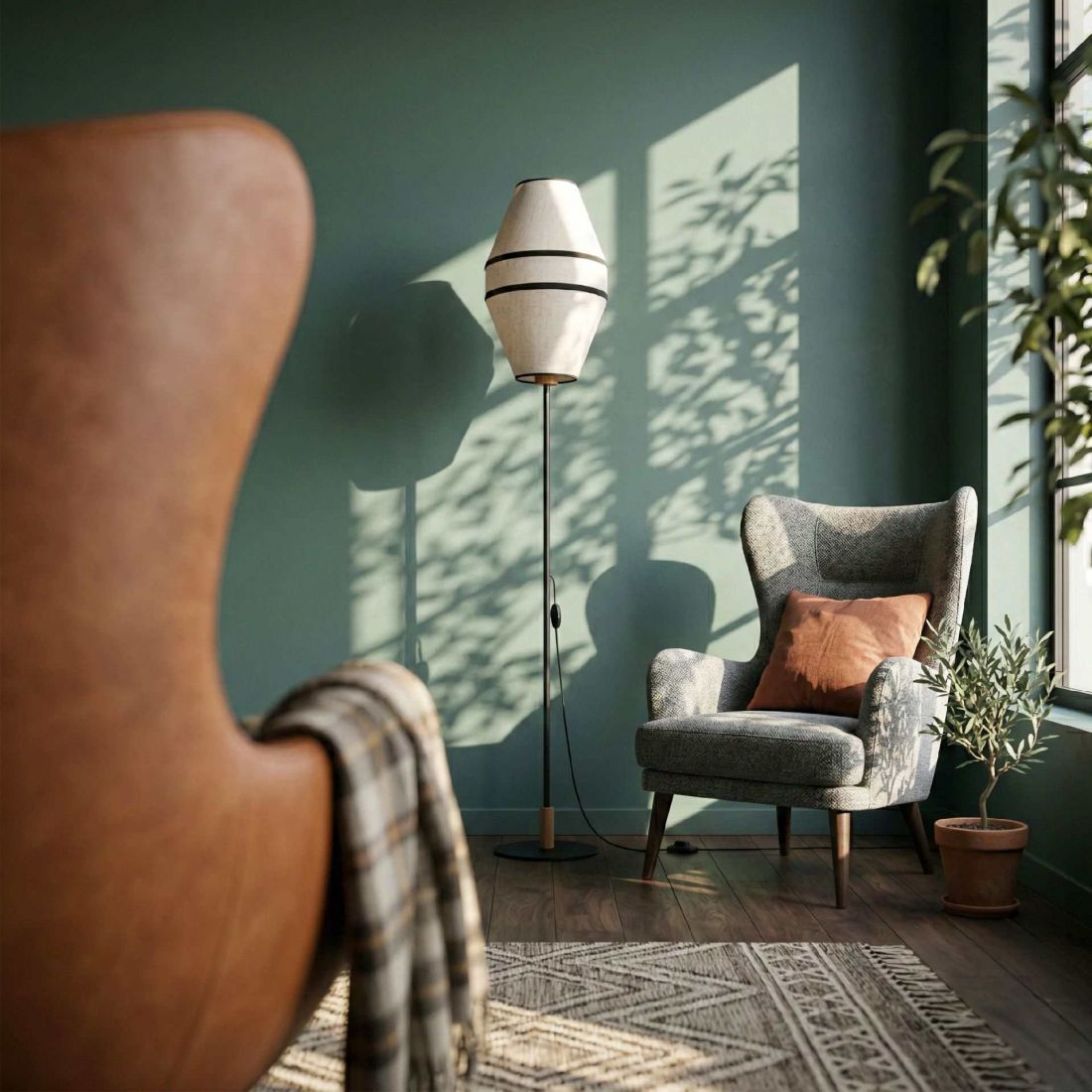
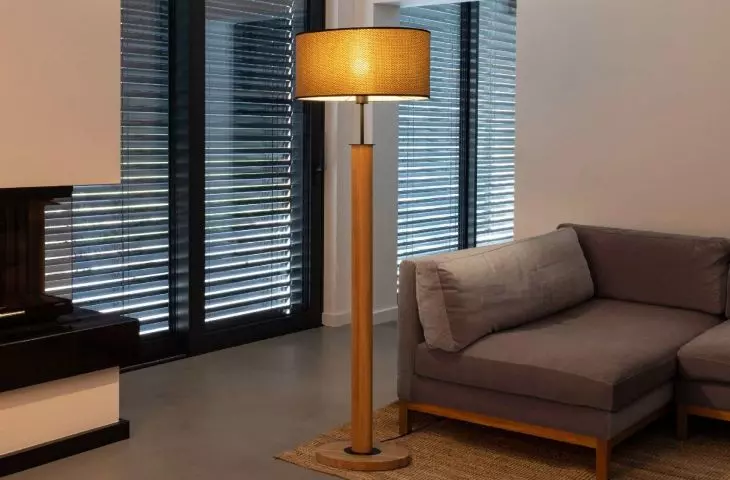
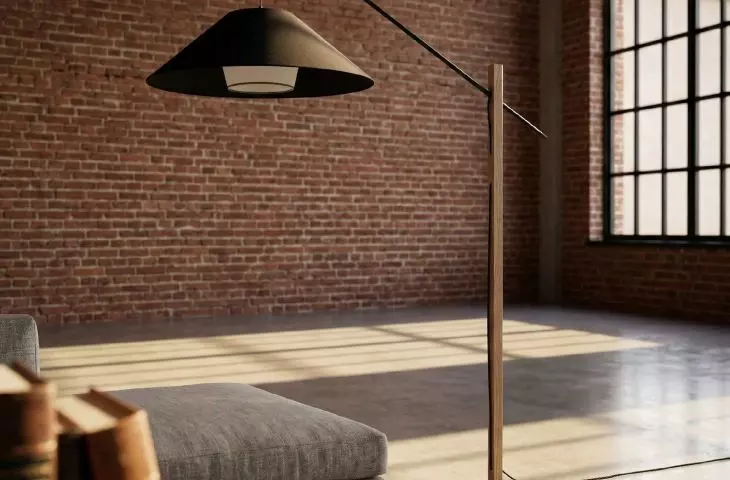
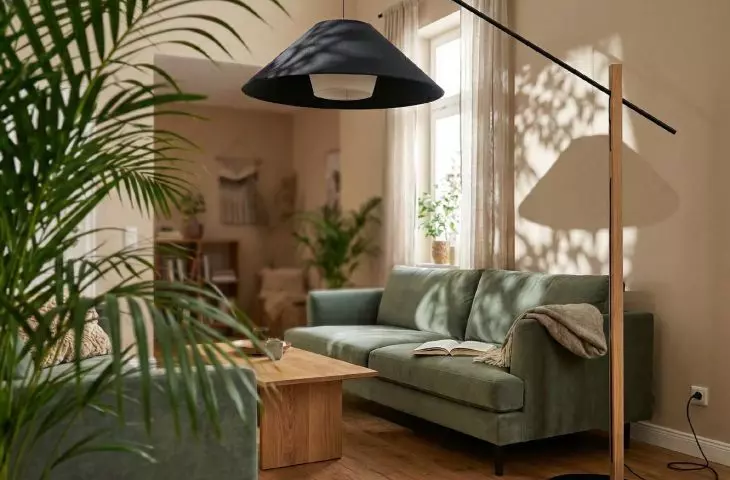
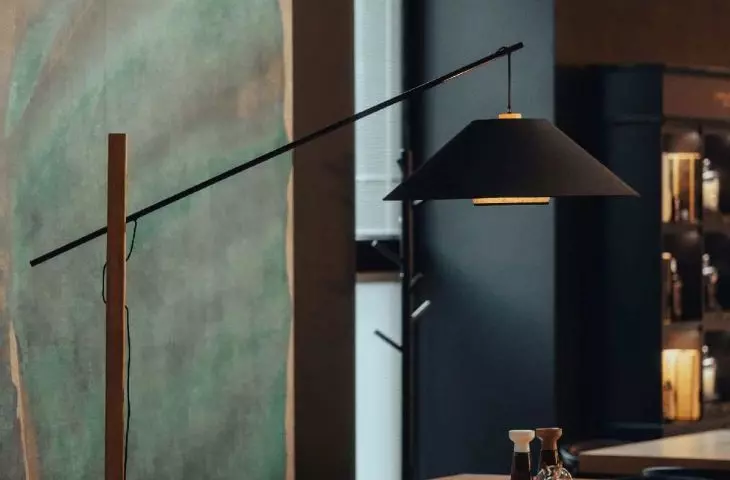
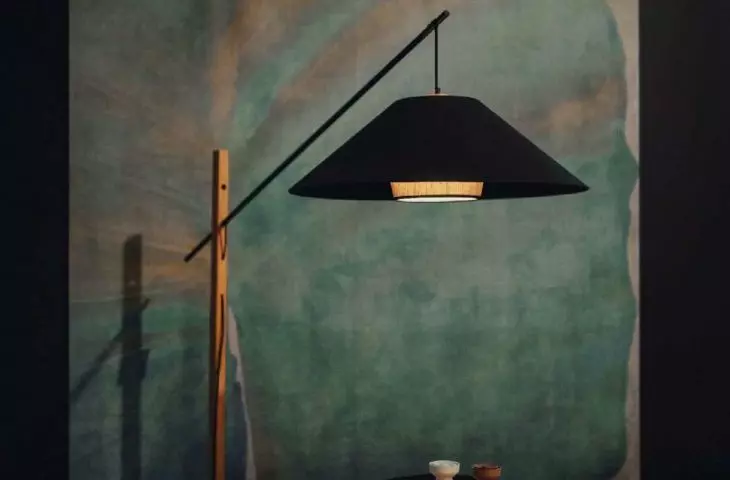
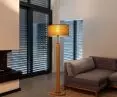
Brinova Amigo Lamp
© OKK
When decorating an apartment, we can spend a long time choosing a sofa, a table, or the color of the walls. We often treat lighting more practically, as an element that can be easily replaced when a new trend emerges. Yet light not only allows us to see a space but also influences how we use it. It can define the boundaries of privacy, set the mood, encourage socializing, or create a more intimate atmosphere.
At home, it’s particularly evident that well-designed lighting should adapt to different situations and needs, and a lamp itself can be more than just a source of light. How do designers view this topic?
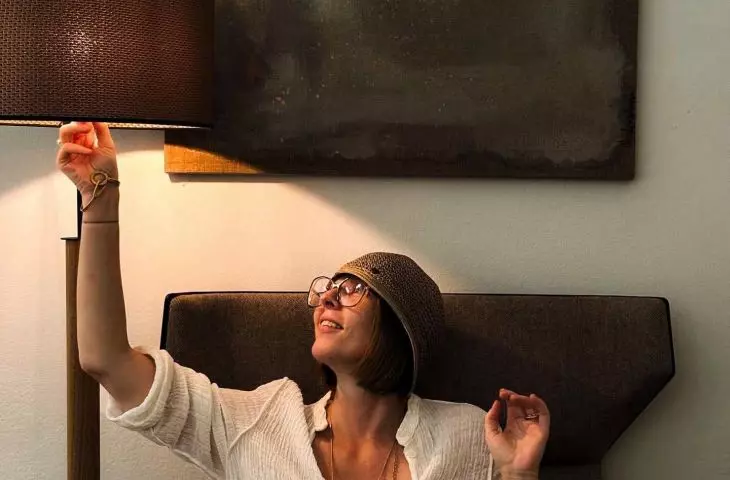
Brinova, a Polish brand specializing in lighting that combines natural, fine wood with a craftsmanship-driven approach, took a closer look at how interior designers approach lighting planning and lamp selection in their projects. Marta Zajdel (Zajdel Interiors), Karolina Michałkiewicz-Kasina (Lume Design Studio), Marta Eljasiak-Dziki (Beautiful Minds), and Sylwia Kowalczyk (Silvia Art Interior Design Studio) had the opportunity to test selected Brinova fixtures, paying attention to their form, materials, and the way they interact with light in a space.
How do they plan lighting in their projects? What do they look for in lamps, and how important is the material from which the lamp is made?
The architects also examine how wooden fixtures fit into various interior designs and whether a well-designed lamp can remain relevant despite changing trends.
Light First, Then the Lamp
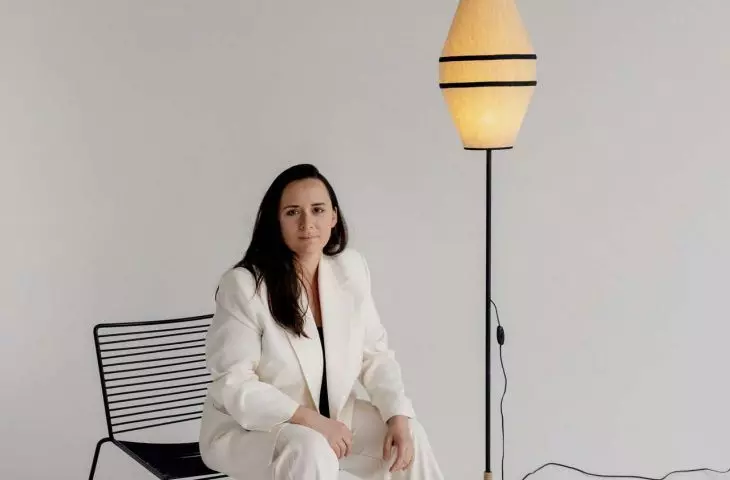
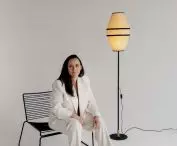
“First, I determine where the light should go and what its purpose is, and only then do I decide what to put it in. Doing it the other way around results in a beautiful pendant light hanging in the wrong place,” says Marta Zajdel, an architect and founder of the Zajdel Interiors studio, creator of functional and timeless interiors, whose interior design advice on Instagram is followed by over 130,000 people.
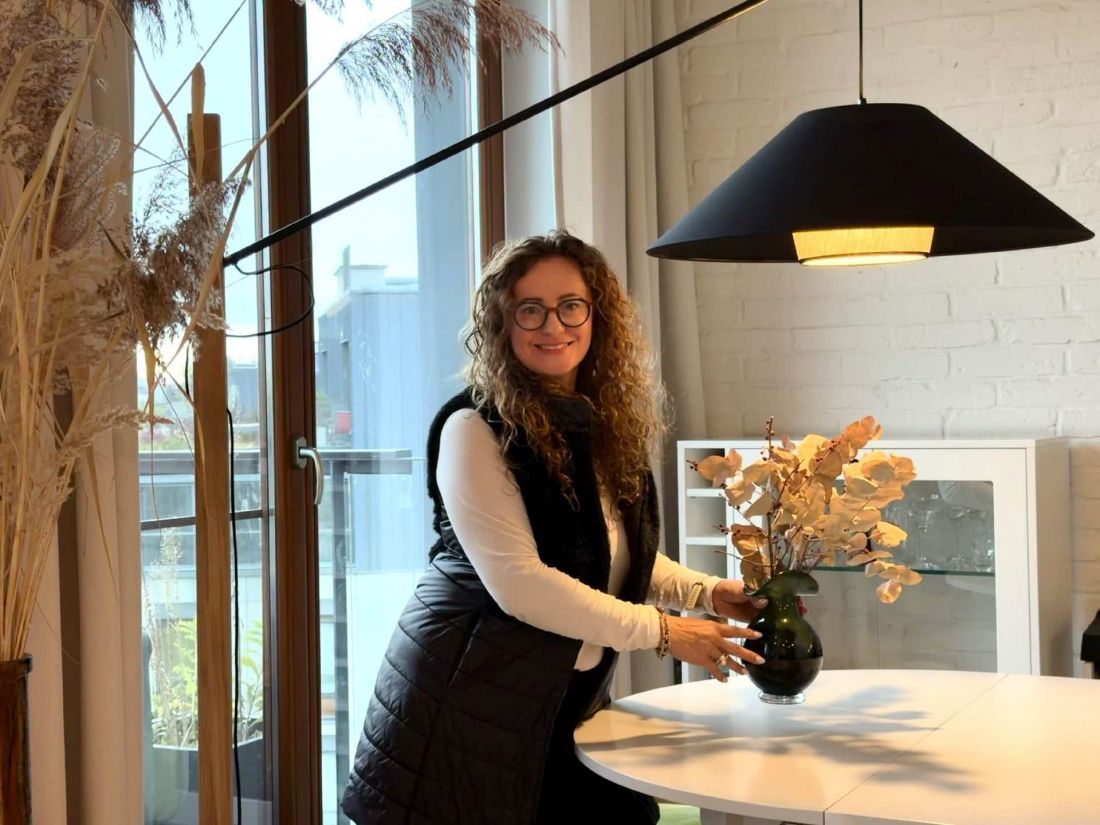
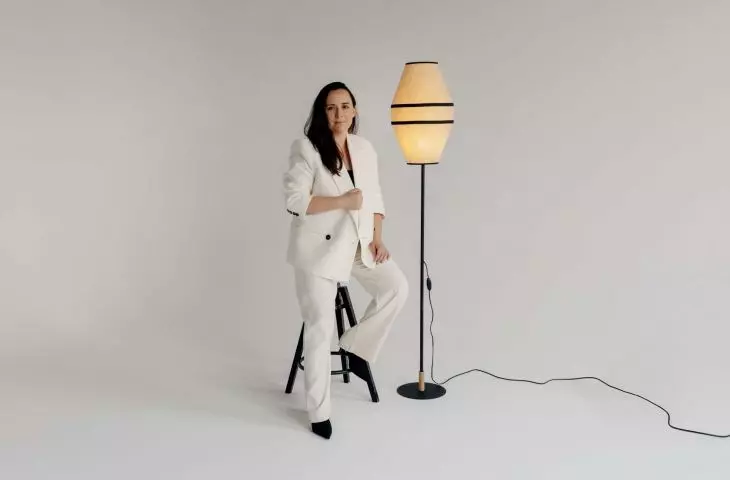
Marta Zajdel, Zajdel Interiors
© OKK
It’s worth remembering this before you step into a lighting showroom. Because intuition suggests the opposite: first, you spot a lamp, then you choose the right spot for it. However, good lighting starts with the question of function, not appearance. Zajdel sketches out lighting scenarios as early as the installation design phase, before selecting specific models.
This way of thinking gives rise to an approach that is less and less likely to boil down to a single point on the ceiling. “These days, I rarely have to convince clients that a single light fixture in the center of the ceiling isn’t a good lighting solution,” says Karolina Michałkiewicz-Kasina, an architect with over 15 years of experience and the founder of Lume Design Studio. In her designs, entire lighting scenes are playing an increasingly important role, allowing the lighting to be adapted to different situations and times of day.
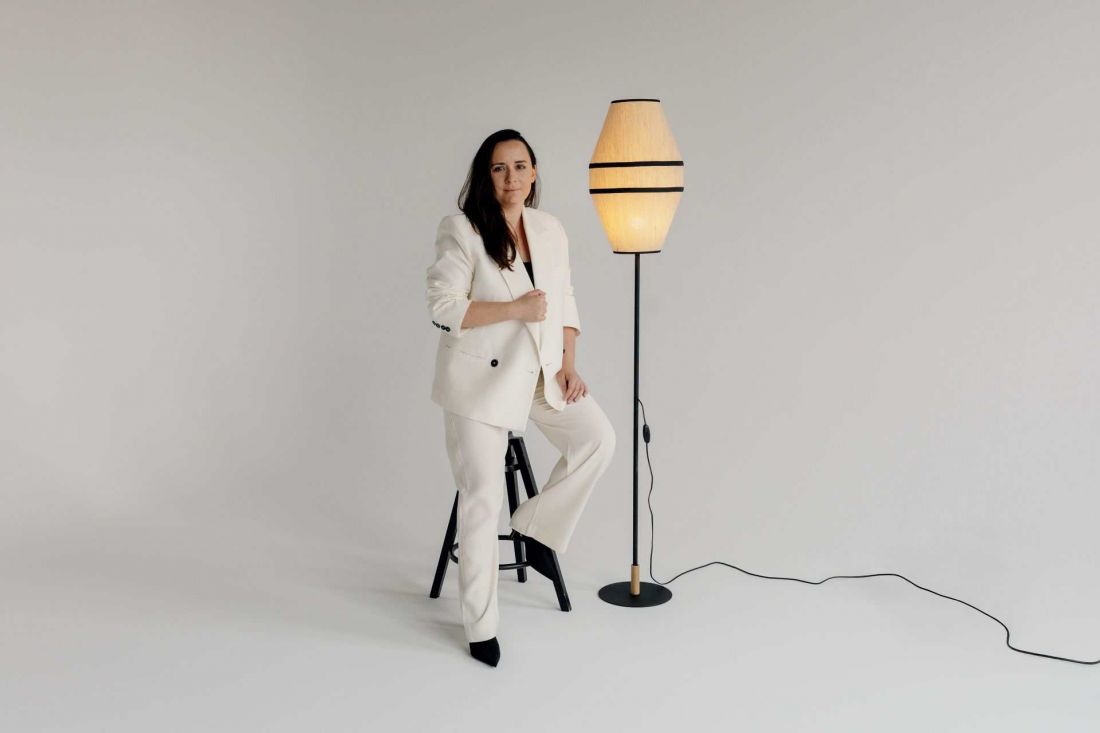
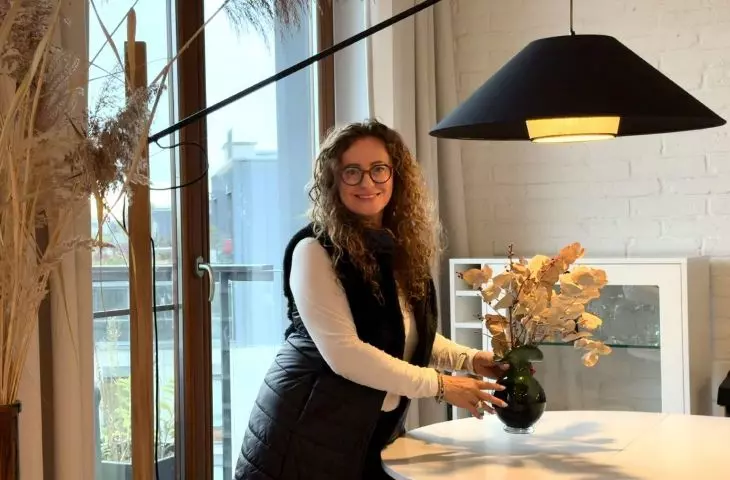
Karolina Michałkiewicz-Kasina, Lume Design Studio
Photo: Joanna Krowiranda
In practice, this means using several light sources instead of just one, placed in different locations and activated as needed. As Marta Eljasiak-Dziki explains, this approach allows for the creation of several layers: general lighting, functional lighting, decorative lighting, and accent lighting.
Only once these layers have been planned is it time to choose specific fixtures. “The brand has such a wide variety of collections that you can find a lamp to suit very different styles, from calm and subdued to highly architectural,” says Marta Zajdel about Brinova. Her favorite collection is Amigo: It fits perfectly with the Japandi style, but it also breaks up and warms up modern interiors that lack softness.
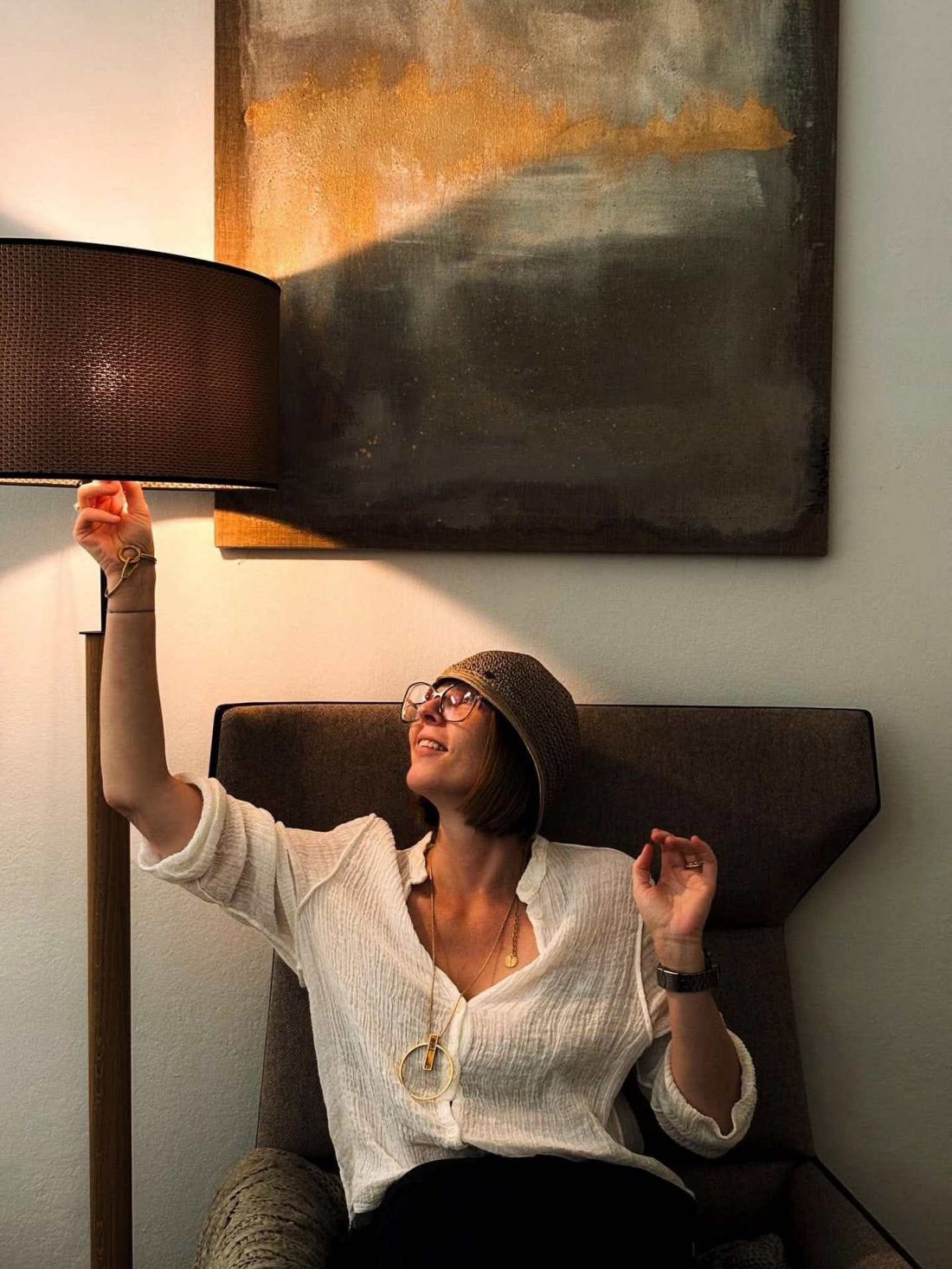
Marta Eljasiak-Dziki Beautiful Minds
© OKK
Form or function?
A striking lamp can function like a sculpture. It can serve as the focal point of a room, establish its scale, or even organize the entire composition — says Marta Eljasiak-Dziki, owner of Beautiful Minds, who designs premium interiors in both Poland and Spain and also serves as an interior design expert on the show “Halo tu Polsat.”
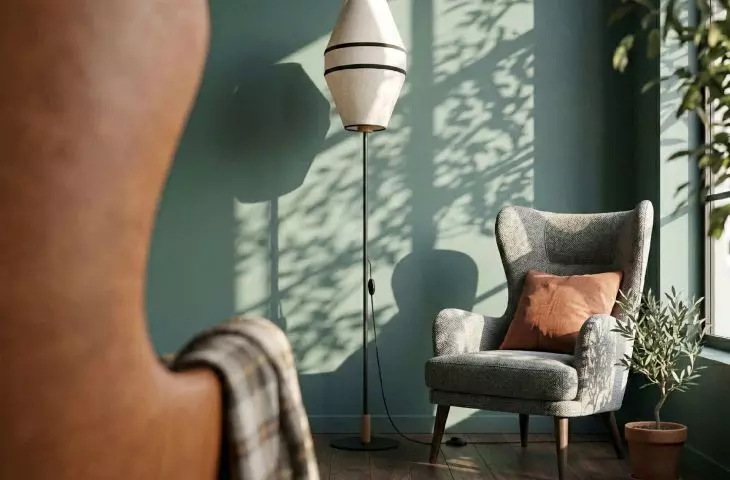
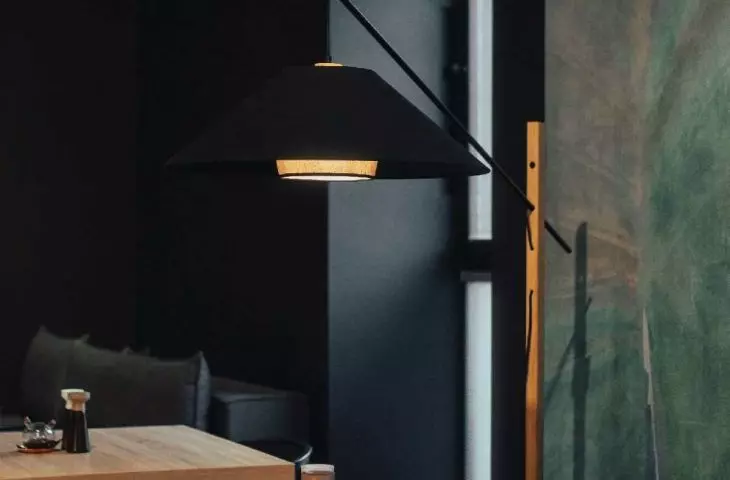
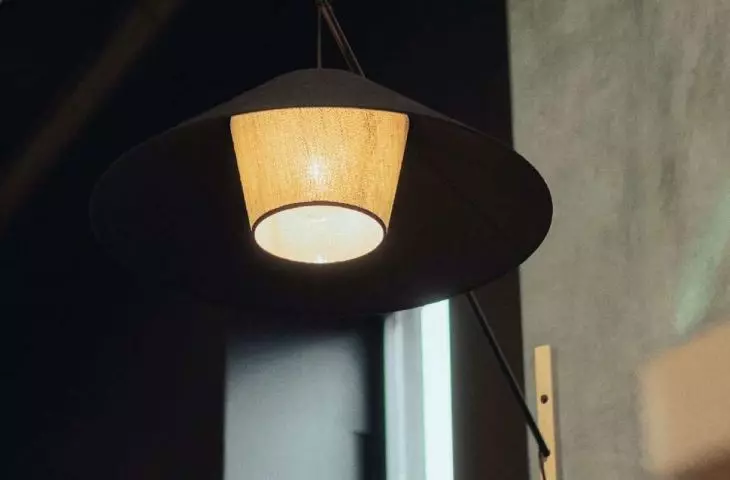
Because a lamp doesn’t have to hide. More and more often, it’s the lamp that defines the character of the entire interior, rather than simply accompanying it discreetly. Karolina Michałkiewicz-Kasina highly values such solutions. “I like bold forms in decorative lighting because, as the name suggests, decorative lamps should be a kind of sculpture within the interior,” she says. She had the opportunity to see this in action with the Amigo lamp, whose bright, geometric shade immediately creates a distinct, architectural accent in the room, even though the form itself remains simple and elegant.
However, a bold design has its own rules. I like bold designs, but under certain conditions. Such a fixture needs space, and it must also look good when turned off, because you see it all day long, yet it’s only lit for a few hours,” notes Marta Zajdel. In her opinion, the most interesting lamps are those in which the form stems from the construction itself, rather than from decoration added as an afterthought.
With a bold form, you also need to maintain discipline. As Eljasiak-Dziki notes, if a lamp is to be a strong element of the interior, it doesn’t need another five objects that will compete with it.
If you’re choosing a lamp with character, it’s worth giving it space so it can take center stage, and treating the rest of the interior as a complement to it, not a competitor.
What Makes a Good Lamp?
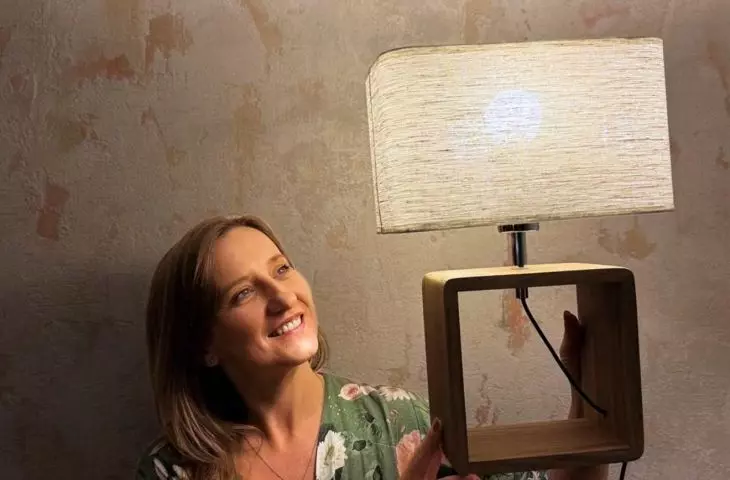
Lamps made of wood, glass, precious stones, and high-quality fabrics will be an investment that lasts for many years —notes Sylwia Kowalczyk, founder of the Silvia Art Interior Design Studio, which designs interiors for homes and apartments in both Poland and Cyprus.
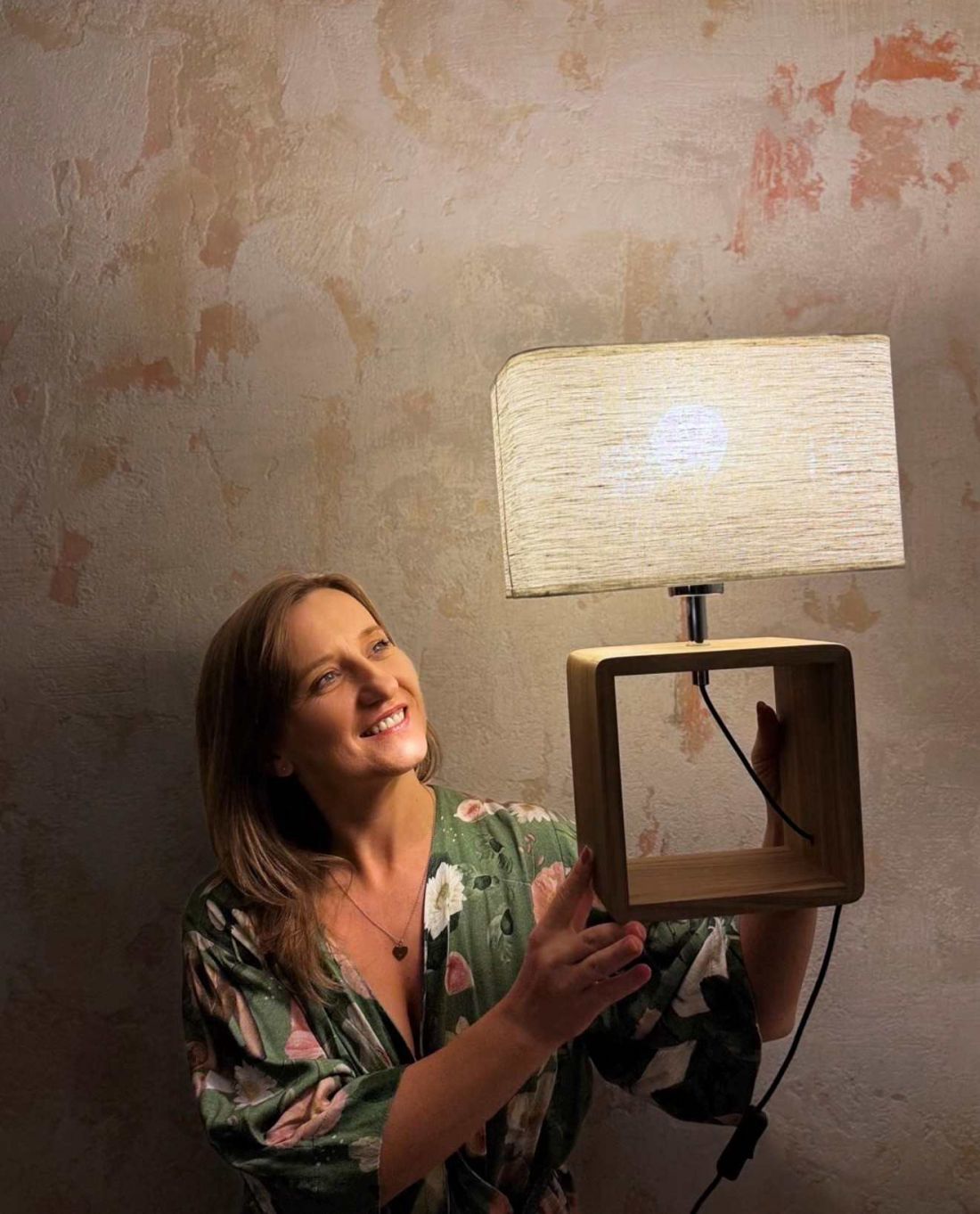
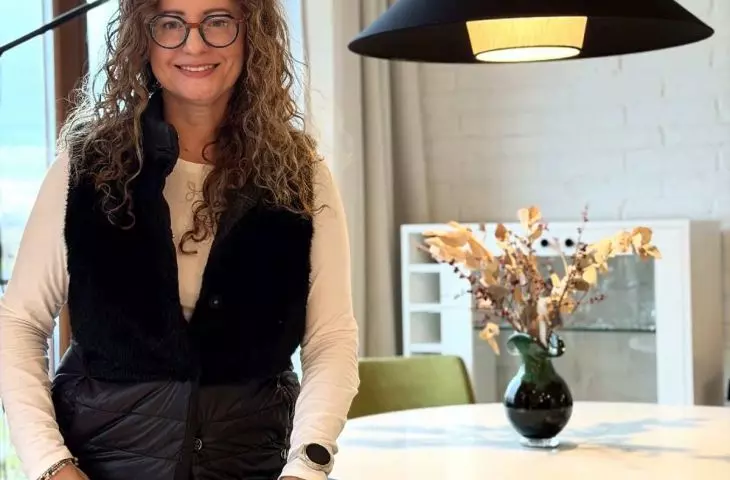
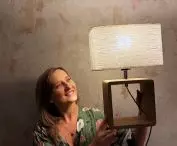
Sylwia Kowalska, Silvia Art
© OKK
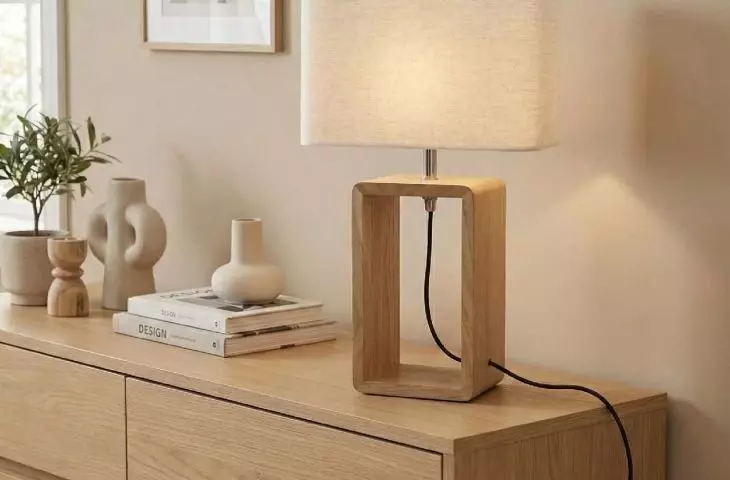
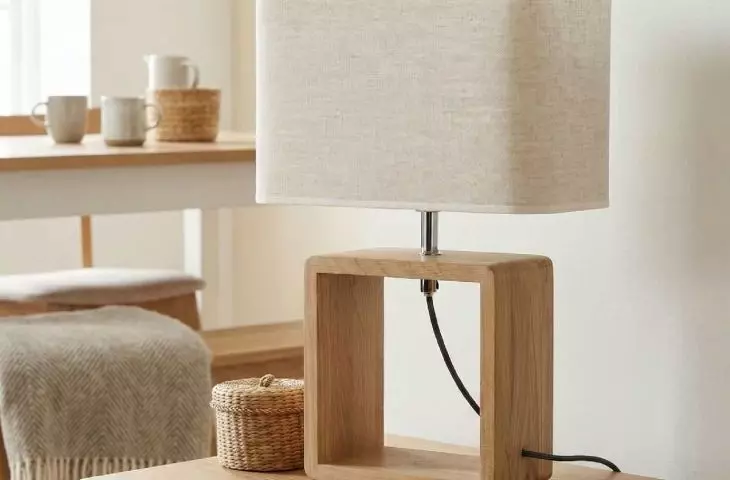
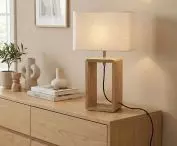
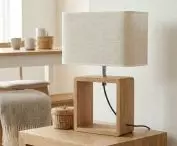
While testing the Silva Brinova table lamp, she noted the precisely finished oak base and the linen lampshade fabric, which give the whole piece a warm, subdued look.
The lampshade plays a similar role in the brand’s other models. “I like floor and pendant lamps made of natural materials the most: wood, natural fabrics, and handcrafted glass shades,” says Karolina Michałkiewicz-Kasina. It is the lampshade fabric that determines whether the light will be harsh or gently diffused, creating a softer, cozier effect.
Michałkiewicz-Kasina points out one more aspect: the fixture should harmonize well with the overall design, not compete with the interior architecture, but rather complement it. “Above all, timeless, simple solutions and the use of high-quality materials,” she says.
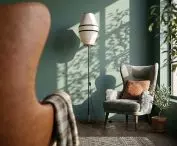
Marta Eljasiak-Dziki shares this view. In her opinion, a good lamp should have its own character but not be dependent on fleeting trends. With the Mercedes floor lamp, she appreciated precisely this combination: a jacquard lampshade featuring a fabric pattern designed by a Moroccan artist gives the fixture its own distinct look, while remaining subdued enough that the lamp won’t go out of style as interior design trends change.
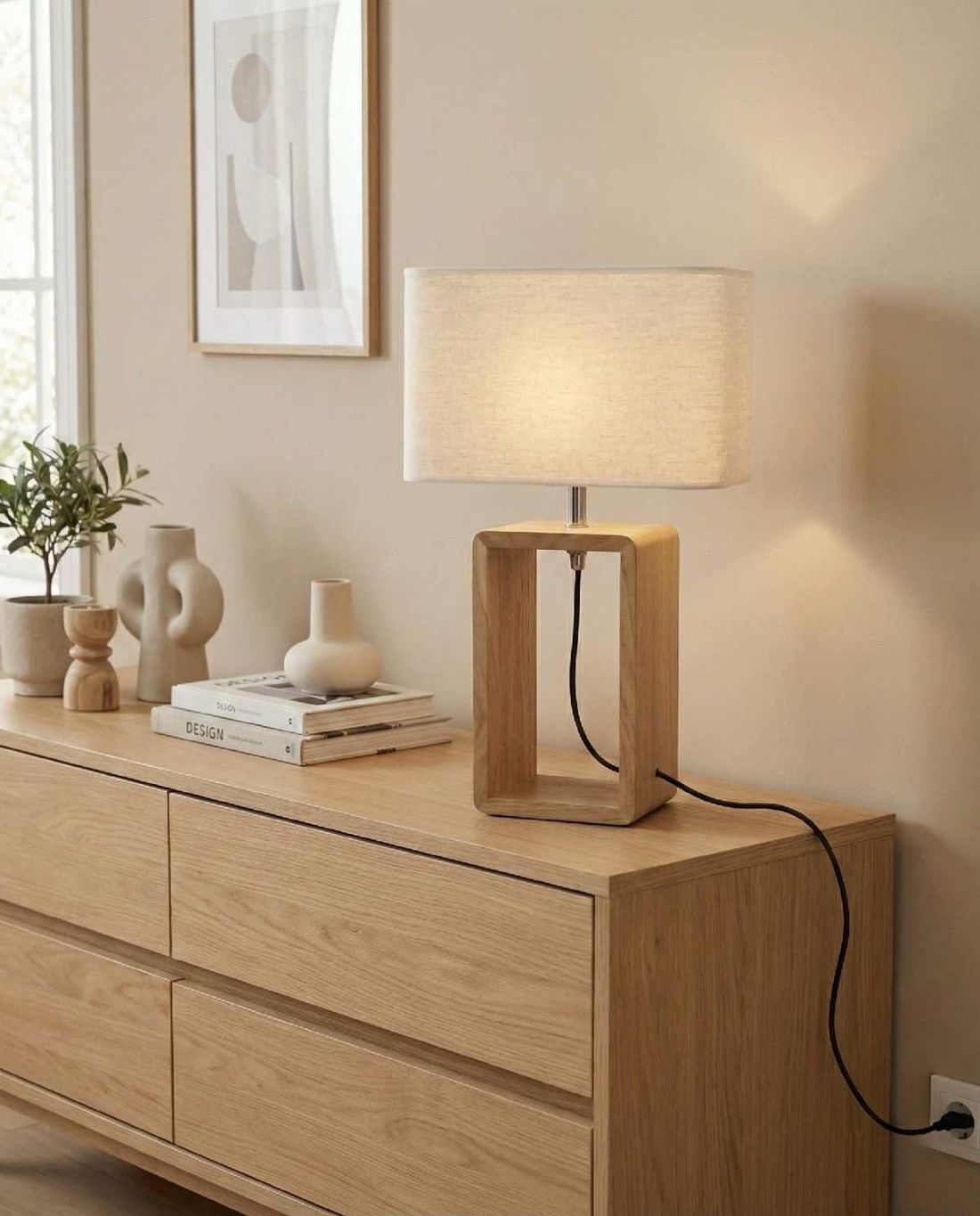
Brinova Silva Lamp
© OKK
This Is How Well-Designed Lighting Works
Well-designed lighting doesn’t draw attention to itself; it works in the background. “I believe that light should harmonize with the natural rhythm of the household, sculpt the space with shadow and glow, and bring out the beauty of textures, colors, and lines,” says Karolina Michałkiewicz-Kasina. The Amigo lamps mentioned earlier are a good example of this: their linen shades diffuse warm light, creating a soft atmosphere in the interior,” says the designer about the Brinova lamps.
Equally important is the comfort of everyday use. Marta Zajdel points out details that are easy to overlook when making a purchase but which later determine comfort: “I appreciate the adjustable suspension height and the touch dimmer,” she says, referring to the features available in select wooden fixtures from Brinova’s Premium collection. Thanks to these, the light can be adjusted to the time of day with a single gesture, without any unnecessary movements.
It’s also important whether the fixtures can be combined with one another. “The collections are designed so that the fixtures complement each other, allowing you to create multiple layers of light in a single room,” adds the founder of Lume Design Studio, once again referring to Brinova’s wooden fixtures.
Good lighting, then, is not a single lamp, but a system in which each fixture knows when to shine brighter and when to give way to another.
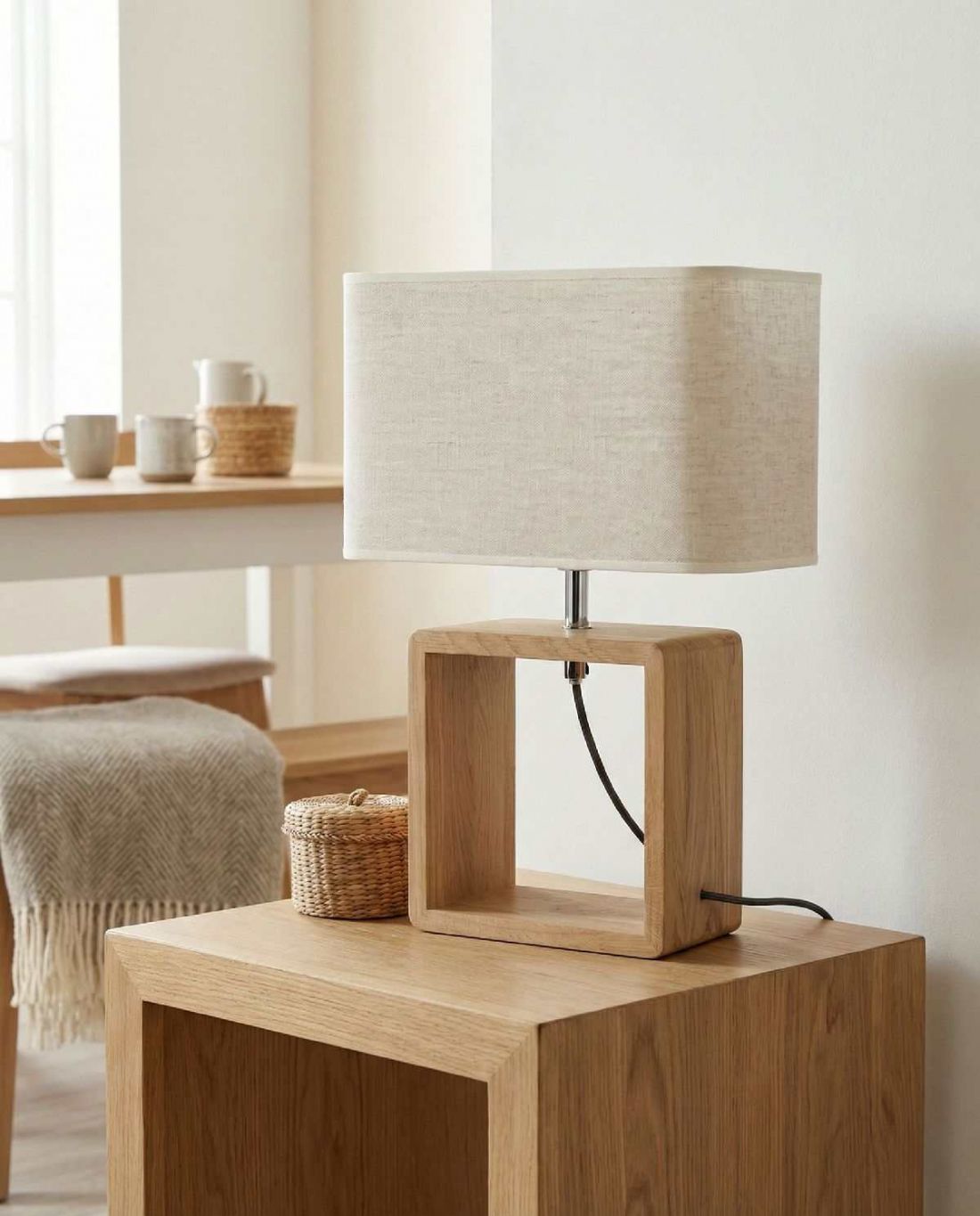
Brinova Silva Lamp
© OKK
Five Years Later
Solutions that succumb to fleeting trends and are made of poor-quality materials—as well as mass-produced fixtures without a well-thought-out design—quickly become outdated —says Karolina Michałkiewicz-Kasina, who has been designing private and commercial interiors throughout Poland for over 15 years. In her opinion, what truly lasts is what actually serves us well: simple, minimalist forms that don’t compete with the interior architecture but rather complement it.
The owner of Zajdel Interiors uses a simple test when choosing a lamp. “I ask myself: will this model survive a color scheme change in five years?” “If I know it won’t, I tell my clients so they can make informed purchasing decisions,” she says. What remains are simple geometries and natural materials—versatile enough that the lamp doesn’t need to be replaced every time the decor changes.
Sylwia Kowalczyk adds one more, less obvious category of durability. Lighting that’s proverbially “out of this world” in terms of functionality can last for decades, even if it doesn’t fully satisfy users’ tastes.
A lamp that ages well, therefore, combines both of these qualities: a timeless form and practical functionality.
And how has the approach to lighting design itself changed? We’re thinking less and less of lighting solely as a technical element. Customers today are much more aware,” notes Marta Eljasiak-Dziki, an interior design expert on the “Halo tu Polsat” program.
They’re also increasingly asking about the lamp’s materials and origin, not just its appearance.
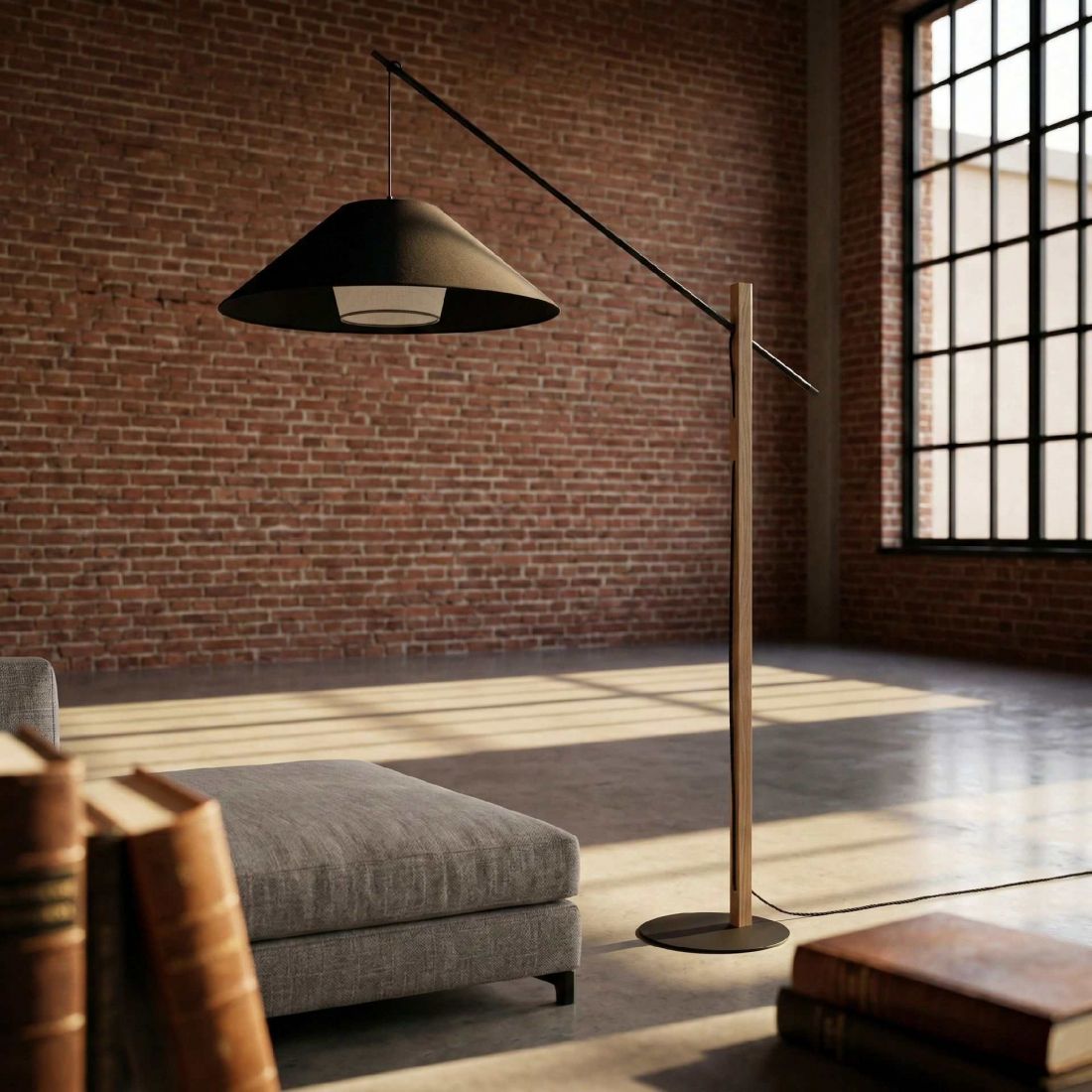
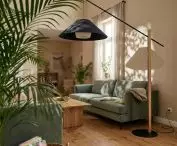
Amigo Brinova Floor Lamp
© OKK
Who made this lamp?
Questions about a product’s origin increasingly concern not only where it was manufactured, but also what happens to the lamp when it needs repair after a few years. For Marta Zajdel, locality has a very practical dimension in this case. A shorter supply chain means easier contact with the manufacturer and faster access to the necessary parts.
“A Polish manufacturer will send a missing part within a week, not a quarter,” says the designer. That’s why, when choosing light fixtures, she pays attention to the place of manufacture, the availability of replacement parts, the length of the warranty, and the ability to replace LED modules—and, in the case of wooden components, also to FSC certification.
Brinova manufactures lamps in Poland and guarantees that they can be serviced and that their components are replaceable.
Sylwia Kowalczyk, founder of the Silvia Art Interior Design Studio, shares this perspective. “I think I’ve often made a name for myself in the industry as a designer who favors natural and Polish elements,” she says, adding that she checks the origin of raw materials and the place of manufacture just as consistently as she does the quality of the craftsmanship itself.
The founder of the Beautiful Minds studio also emphasizes the importance of locality. “If there’s a person behind the product—with experience and attention to detail—it shows later on in the interior,” she says, highlighting her interest in local production and craftsmanship.
In the case of lighting, this also means the possibility of continuing to use a lamp when it requires servicing. Available parts and the ability to replace a module mean that a single component doesn’t have to determine the fate of the entire fixture.
The architects are clear: we’re returning to what’s natural
Natural materials are making a comeback; after years of black metal’s dominance, we’re now seeing wood, linen, and paper,” notes Marta Zajdel, describing the changes that have taken place in recent years in the approach to interior lighting. Wood holds a special place among materials: its texture, color, and surface finish allow it to harmonize well with light, giving it a softer and cozier character. This is one of the reasons why wooden fixtures work so well in interiors where natural materials and a calm atmosphere are key—a fact confirmed by architects testing lamps from the Polish brand Brinova.
Marta Zajdel draws attention first and foremost to the form of the Amigo model. This lamp brings a softness to the interior that is often missing in modern, minimalist designs. “The combination of a slender oak base with a cotton-linen shade achieves this very naturally,” she says, adding that it is precisely the shade—its geometric shape and the way it diffuses light—that defines the character of the entire lamp. She also appreciated that the brand’s consistency is evident even in places few people notice: “I appreciate the plastic-free packaging, because consistency in matters that no one pays attention to says the most about a brand.”
Karolina Michałkiewicz-Kasina takes a broader view, seeing it as versatility that allows a single collection to fit into very different interiors. “I can see Brinova lamps in both modern homes and cozy apartments inspired by the Japandi style or understated minimalism—anywhere a space needs a touch of warmth,” she says.
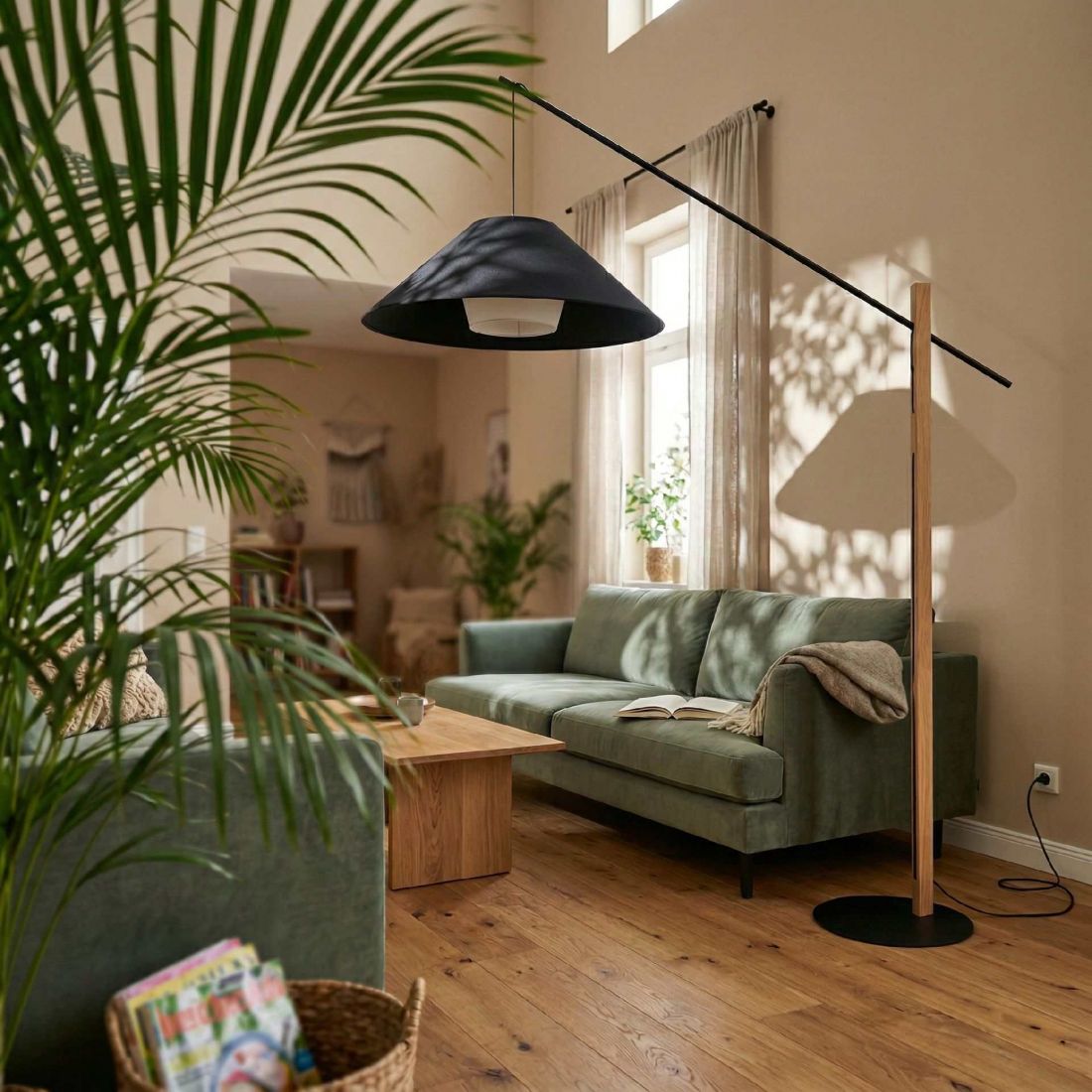
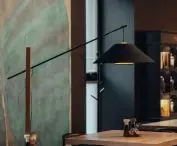
Brinova Amigo Floor Lamp
© OKK
Marta Eljasiak-Dziki speaks similarly about the Mercedes lamp; for her, form and material matter more than a fleeting effect: She likes it when a lamp is a bit like a well-designed piece of furniture or an art object and doesn’t have to scream to be noticed, and the jacquard lampshade with its original pattern gives it just that—a discreet character.
The founder of the Silvia Art studio also appreciates the use of wood in the Silva table lamp she tested.
“I really like the wood of the base: it’s perfectly and precisely crafted, beautifully sanded to its natural color.” I also really like the fabric of the lampshade,” she says. She adds with a smile: “I didn’t get to enjoy it for very long: the delivery person hadn’t even reached the car yet, and my daughter had already taken it to her room.”
More information: www.brinovalighting.com