




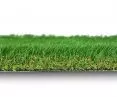
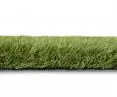
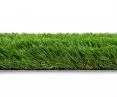
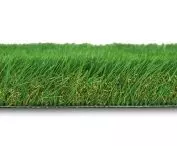


Greenery in the design of interiors and spaces around buildings has undergone a significant evolution in recent years. There is a growing awareness in office, hotel and residential architecture that natural components affect not only aesthetics, but also the quality of the user experience. There is an emerging need to create places that promote relaxation, concentration and informal social interaction. Hence the growing popularity of green accents in usable spaces, including in the form of synthetic solutions that offer visual and functional stability over the long term.
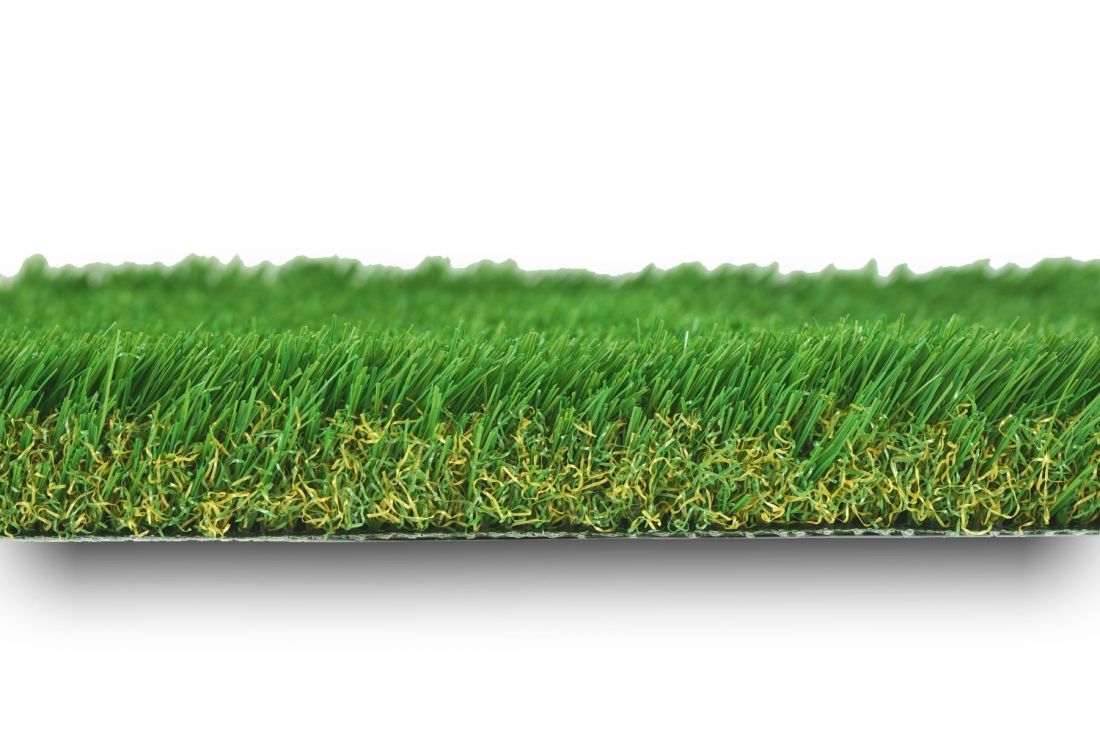
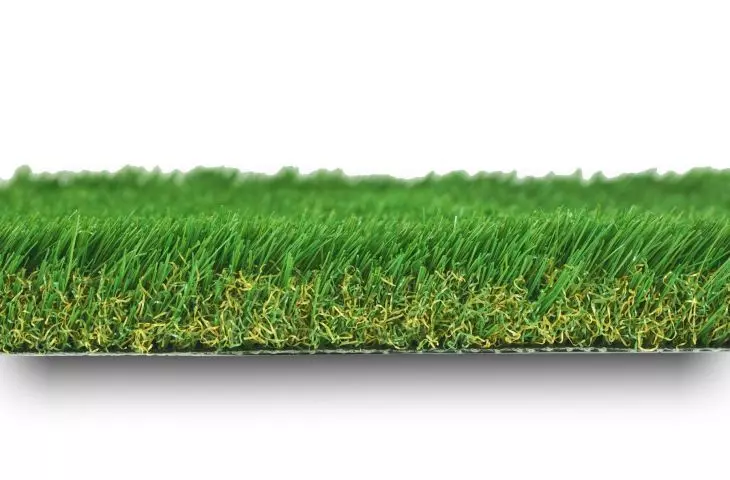
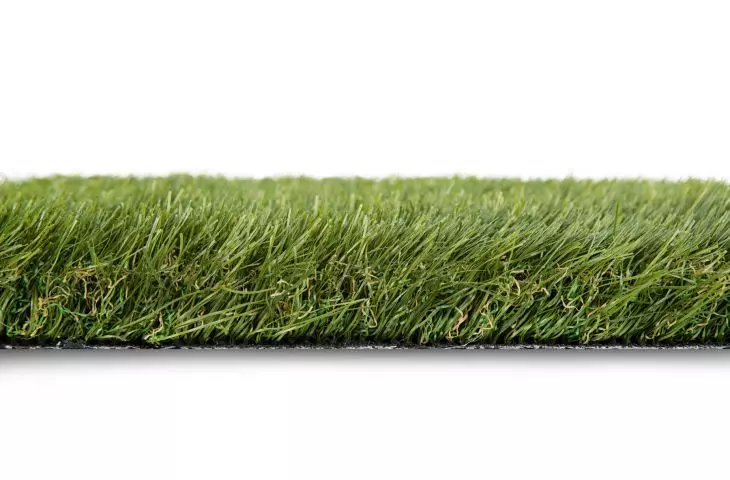
EPUFLOOR Cici 38mm artificial grass
© EPUFLOOR
Functional potential of synthetic greenery
Artificial landscape grass is an example of a material that facilitates the introduction of greenery in previously difficult-to-implement areas. The systems used in EPUGRASS products from Epufloor use polyethylene and polypropylene fibers with high resistance to UV radiation and changing weather conditions, so they retain their color and texture regardless of the season. This eliminates the need for watering, mowing or fertilizing, which in commercial projects reduces maintenance costs and in private projects increases predictability of use.
Unlike natural turf, which requires adequate lighting, a permeable substrate and regular maintenance, synthetic turf can appear on roofs, balconies, terraces and interiors alike. This expands the spectrum of possible design concepts, which is important when working with structural or functional constraints.
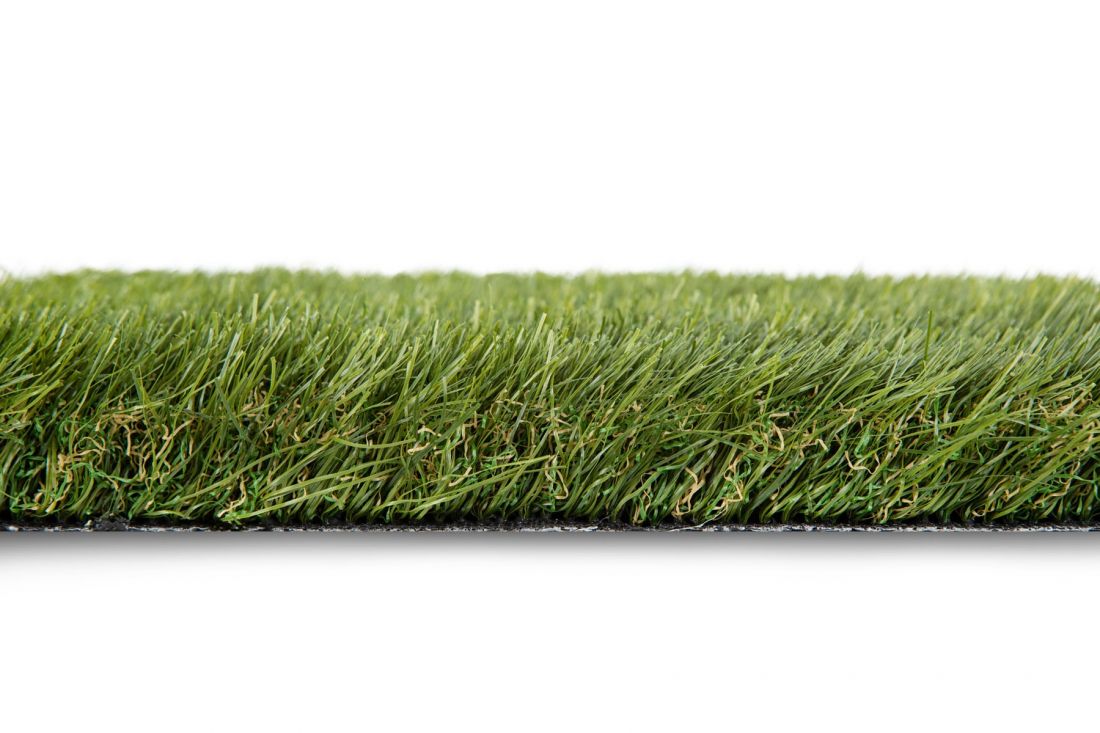
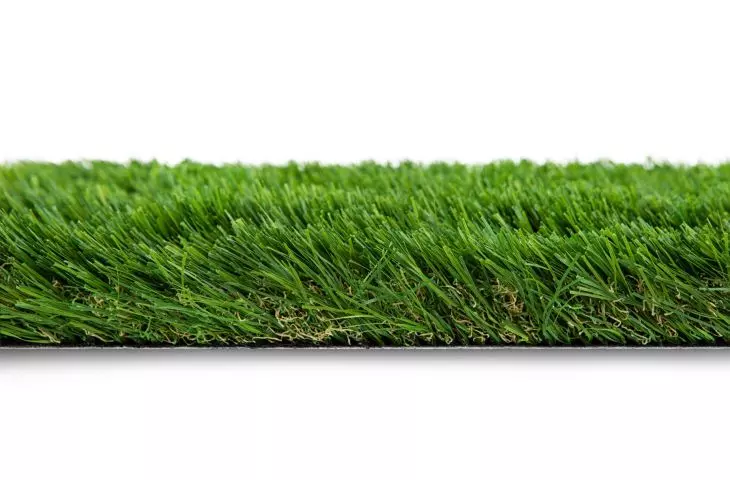
EPUFLOOR Superior 40mm artificial grass
© EPUFLOOR
Applications in commercial and institutional spaces
In offices, hotels and coworking facilities, landscape grass plays an important function in the area of user experience design. It provides a soft element in the material composition that softens the expression of concrete, glass or metal and opens up the possibility of organizing recreational and informal zones without changing their programmatic function. The most common implementations include chillout and relaxation zones, lobbies and semi-public spaces, exhibition and event spaces, conference rooms and meeting areas, as well as office courtyards and terraces accessible to employees.
EPUGRASS offers grass variants of varying density, texture and resilience to match the intensity and nature of use. Models with higher density and longer fiber work well in recreational and soft seating areas, while shorter and more compact variants are more beneficial in traffic areas.
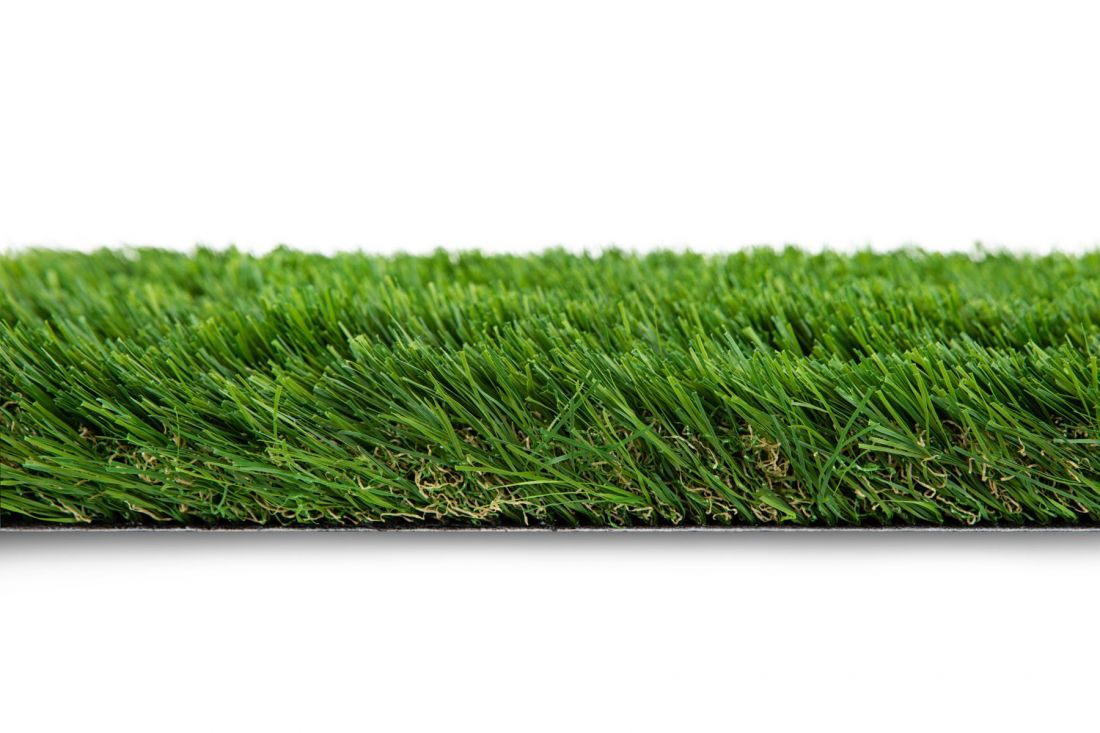
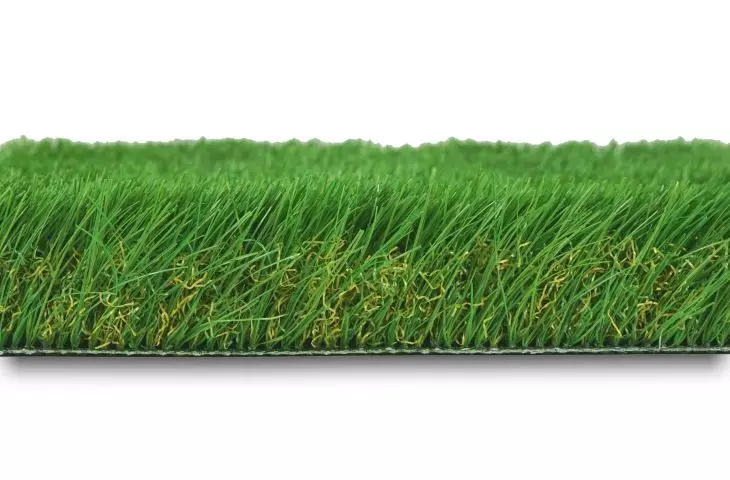
EPUFLOOR Forest 45mm artificial grass
© EPUFLOOR
Architecture of experience
In a design context, green accents serve several important functions. First, they stimulate sensory perception. The color green influences the regulation of psychophysiological processes and is associated with calmness and regeneration. Secondly, they improve the acoustics of the space, especially in large open-space interiors. Synthetic grass absorbs some of the sound, which reduces reverberation and improves acoustic comfort. Third, they allow functional zones to be defined without the use of walls or structural divisions.
In offices and coworking spaces, synthetic turf performs a function analogous to structural carpets, but offers a softer and more natural perception. In hotels and conference venues, it enhances intuitive navigation by indicating common areas and rest areas to users.
Expanding the function of spaces through synthetic greenery
Contemporary commercial projects assume flexible use of space. Hotel lobbies also serve as coworking spaces, while office terraces become places for integration or relaxation. Conference spaces, on the other hand, are increasingly being expanded to include semi-formal areas where the user can relax, work or hold a short meeting. Artificial grass supports these assumptions, creating friendly zones with soft visual dominance that intuitively signal a change in the function of the space and encourage people to stay longer.
These types of solutions work well with mobile architecture and modular furniture, which increases the programmatic flexibility of interiors. In hotels and coworking spaces, synthetic grass is becoming an alternative to standard carpeting, especially in areas designed for informal work, relaxation or information sharing.
Outdoor projects and home gardens
In private gardens, synthetic grass makes it possible to design surfaces with natural aesthetics with minimal maintenance requirements. The solution is attractive in roof terraces, patios and balconies. In such areas, traditional turf often cannot function due to lack of soil, sunlight or structural limitations. The EPUGRASS range includes models with varying fiber heights to match the visual effect to the scale and character of the garden. Variants with a lower pile work well on small terraces and balconies, while grasses with a varied texture in larger landscaping create a relaxed green effect.
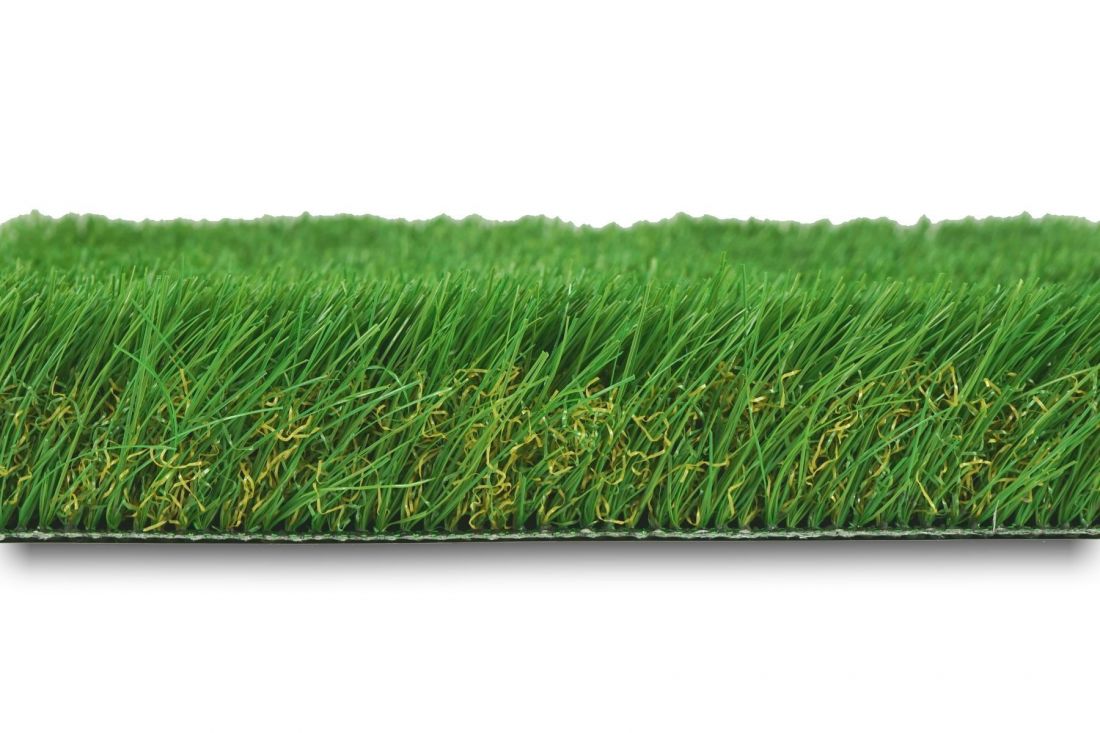
EPUFLOOR Cici 50mm artificial grass.
© EPUFLOOR
Durability and performance
From the point of view of commercial architecture, resistance to intensive use is particularly important. Synthetic fibers do not soften when exposed to rain and do not form muddy surfaces, which is typical of natural turf in public areas. The lack of the need to take surfaces out of service during reclamation adds investment value to commercial, hotel and event projects.
Material compositions
In modern architecture, the role of artificial turf is not just to be a replacement in gardens, but to act as a component that visually warms up the space and improves the comfort of being in it. This material can be treated as a scenographic element, organizing the space or accentuating its soft zones. Combined with transparent partitions, elegant steel detailing or modular furniture, it fits into the biophilic design trend, but in a more controlled and predictable edition than natural vegetation.
Summary
Artificial landscape grass is becoming a tool that enables green design regardless of the technical context, climate and intensity of use. Its role is not limited to decoration. It supports the creation of atmosphere, organizes functions and reduces maintenance costs. The diverse range of EPUGRASS from Epufloor makes it possible to select grass for specific typologies of spaces, increasing the flexibility of the design process.
For more information, visit the company's Epufloor page on the A&B portal.