







Modern urban infrastructure should be designed as part of an integrated ecological system that supports stormwater retention, improves the microclimate, and enhances biodiversity. This means increasing biologically active areas, developing blue-green infrastructure, and implementing nature-based solutions that help mitigate the effects of flooding and heat waves.
The modernization of downtown spaces is an investment in cities’ resilience to climate change and in improving residents’ quality of life. Integrating environmental, hydrological, and social aspects into infrastructure design allows for better water management, enhances the comfort of space users, and increases the attractiveness of urban areas.
The transformation of downtown infrastructure is becoming one of the key elements in realizing the concept of a resilient city, where technical solutions coexist harmoniously with natural processes, creating a safe, functional, and sustainable living environment.
Polish Cities Are Changing Their Approach
An increasing number of Polish cities are implementing solutions that enhance the resilience of urban spaces to the effects of climate change. In modernized streets, squares, and public spaces, the proportion of greenery, permeable surfaces, rain gardens, and other elements of blue-green infrastructure is increasing.
This trend aligns with global concepts that incorporate natural processes as an integral part of urban infrastructure. There is a growing shift away from traditional spatial design toward solutions that combine environmental, social, and technical objectives.
Examples of projects already underway confirm that the transformation of downtown infrastructure is not merely a component of strategies and planning documents, but is becoming an everyday design practice for local governments. Warsaw is developing a system of rain gardens, green bus stops, and streets equipped with stormwater retention features. Gdańsk has been implementing a comprehensive stormwater management policy for years, integrating retention basins with urban green spaces. Łódź is carrying out a wide-ranging program to remove concrete from public spaces and create pocket parks, while Wrocław and Kraków are developing green tram tracks, increasing the number of tree plantings, and implementing solutions that improve water retention and residents’ thermal comfort. Gdynia, too, is increasingly incorporating elements of blue-green infrastructure into its road and urban revitalization projects.
In practice, these solutions move away from the traditional model of rapid stormwater runoff in favor of local stormwater management. Rain gardens, infiltration basins, green roofs and walls, permeable pavements, retention basins, and street tree systems integrated with water management are being used more and more frequently.
The Sponge City strategy, which was initially developed in China and is now also being implemented in many European countries, involves designing cities capable of retaining, storing, treating, and gradually releasing stormwater back into the environment. In turn, the Blue-Green Infrastructure concept, promoted by the European Commission, integrates water systems with green spaces, creating a network of multifunctional areas that support both climate change adaptation and the protection of natural resources. Both approaches are founded on Nature-based Solutions—solutions that utilize natural processes to address environmental, social, and infrastructure challenges.
This direction is reflected in European Union policies, including the European Green Deal, the EU Biodiversity Strategy for 2030, and the Climate Change Adaptation Strategy. These documents indicate that the future of urban infrastructure should be based on multifunctional solutions that simultaneously improve climate resilience, support biodiversity, increase stormwater retention, and enhance residents’ quality of life.
Colas’ Role in Infrastructure Transformation
© COLAS
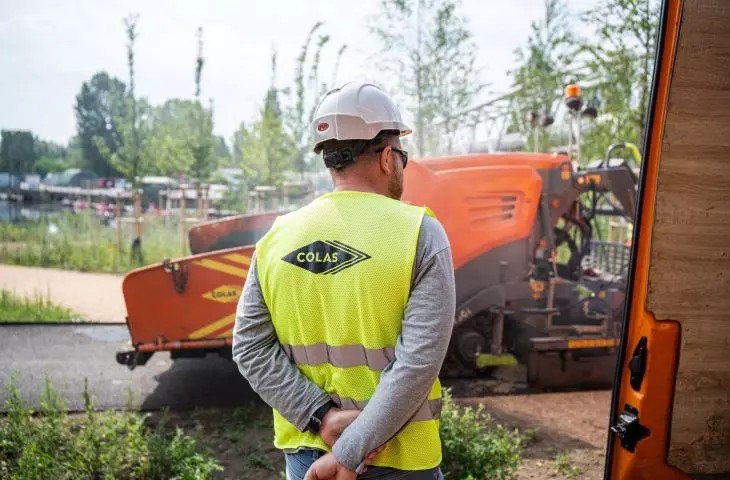
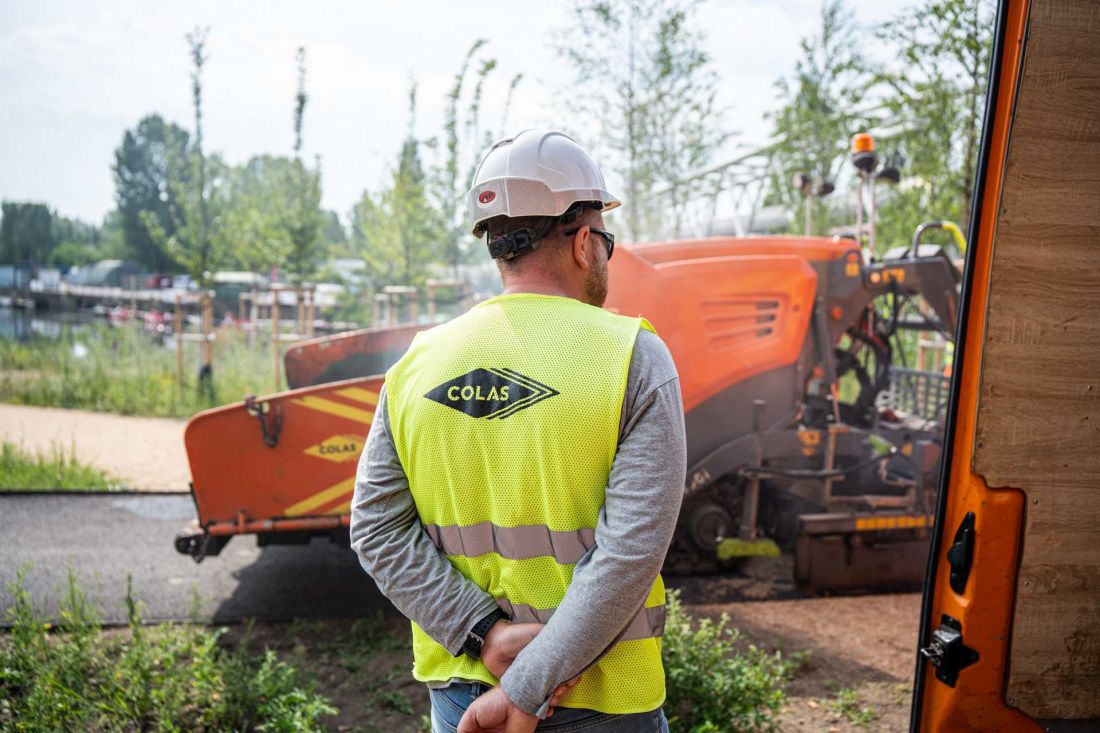
In response to growing investor expectations and the direction of modern urban infrastructure development, the Colas Group is developing solutions that support cities’ adaptation to climate change. It combines its experience in infrastructure construction and modernization with innovative materials technologies.
Colas’ portfolio of solutions includes permeable pavement technologies, innovative mineral-asphalt mixtures, solutions that increase the use of recycled materials, and systems that support sustainable stormwater management. As a result, road infrastructure can actively contribute to improving the water balance, mitigating the urban heat island effect, and creating more resilient and environmentally friendly urban spaces.
Among the range of solutions, three technologies that address these challenges are particularly noteworthy.
Raincol – Pavements That Support Stormwater Retention
Progressive urbanization is leading to a systematic increase in impervious surfaces, which limits the natural infiltration of stormwater and increases the risk of localized flooding during heavy rainfall. Traditional stormwater drainage systems are increasingly proving inadequate in the face of changing climatic conditions.
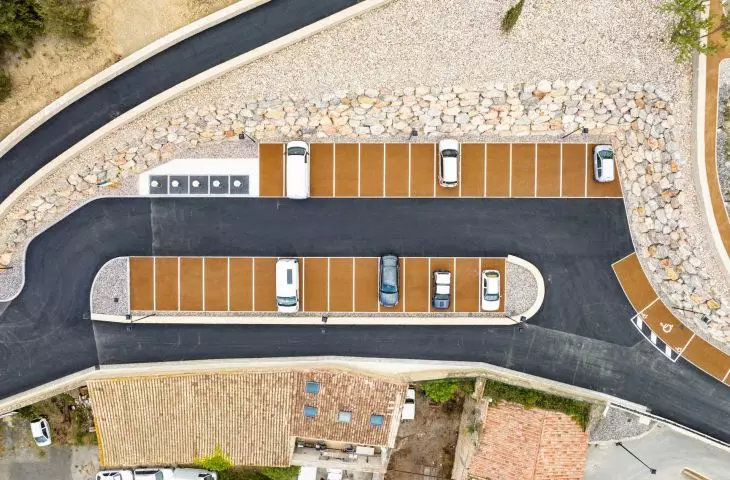
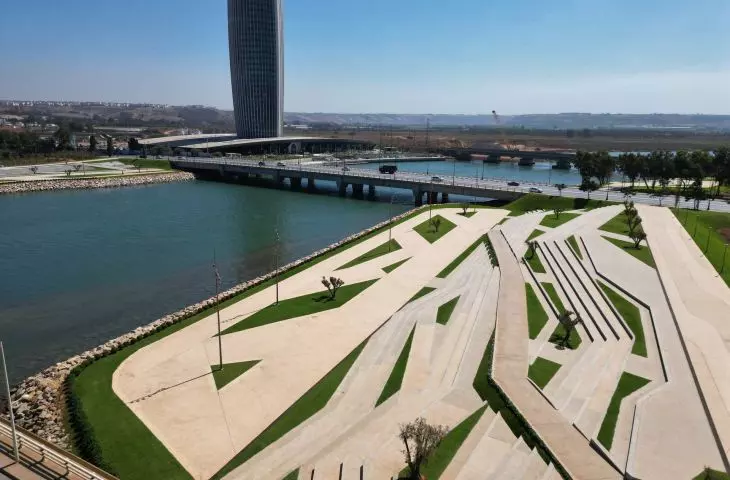
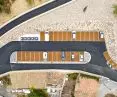
Raincol technology addresses these challenges. Thanks to its specially designed structure, the surface allows rainwater to permeate into the structural layers and the soil, reducing surface runoff and relieving the burden on the stormwater drainage system. This solution supports local retention, improves the water balance, and aligns with the “sponge city” concept. The technology is used, among other places, in parking lots, bike paths, pedestrian walkways, city squares, and streets with moderate traffic volumes.
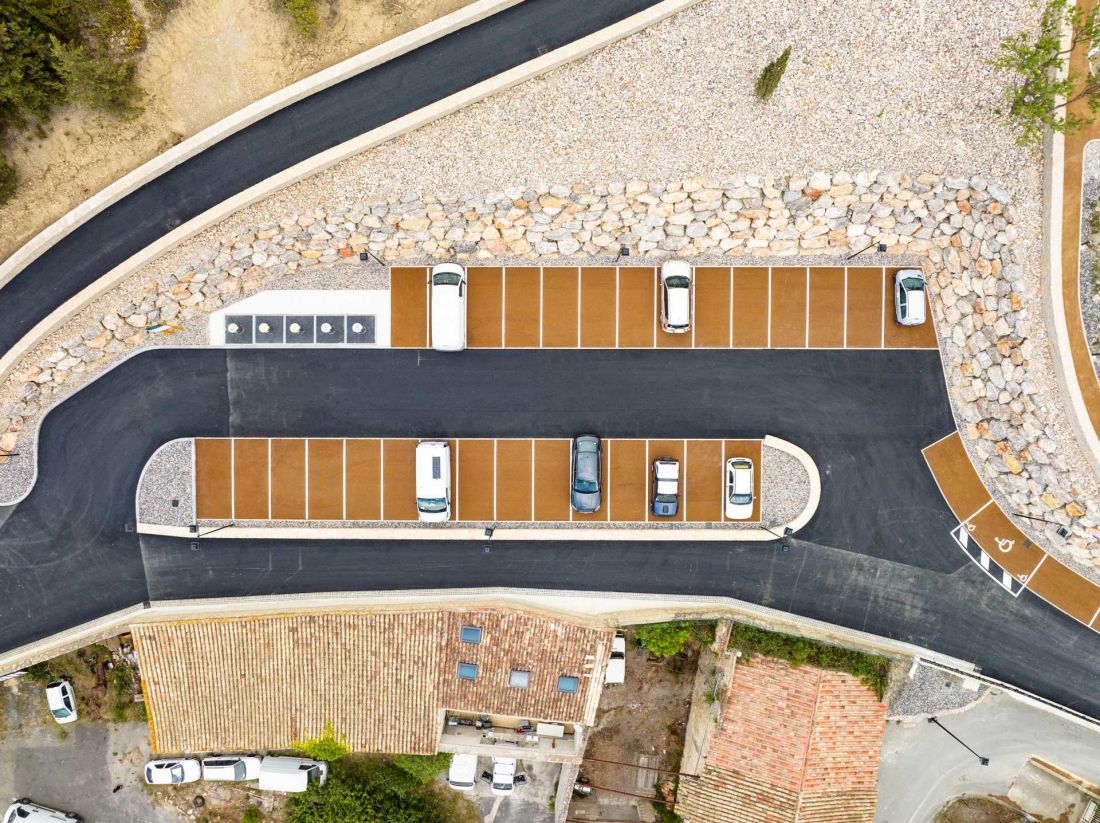
Raincol
© COLAS
Vegecol – Reducing the Environmental Footprint of Infrastructure
One of the most important trends in road construction is reducing the environmental impact of projects throughout the entire life cycle of materials. Achieving climate goals requires not only reducing emissions during project implementation but also increasing the share of renewable raw materials in the production of road materials.
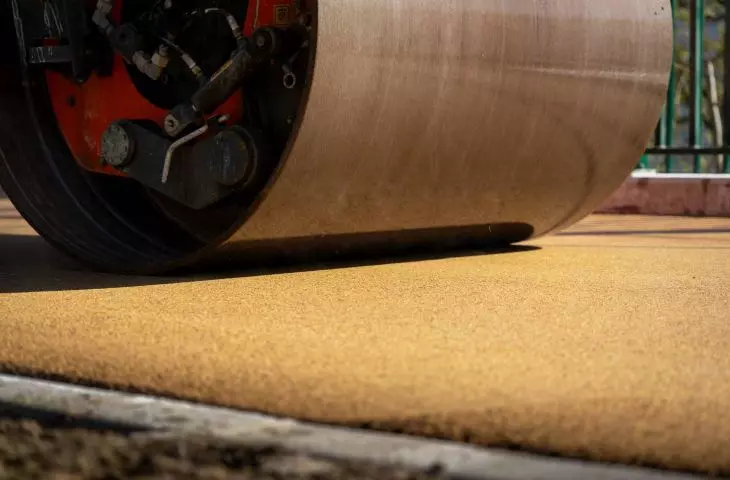
Vegecol technology uses plant-based components as a partial substitute for traditional binders, reducing the use of non-renewable raw materials in the pavement production process. This solution aligns with the principles of the circular economy and the decarbonization strategy for the construction sector, enabling a reduction in the environmental footprint of projects while maintaining the required performance parameters.
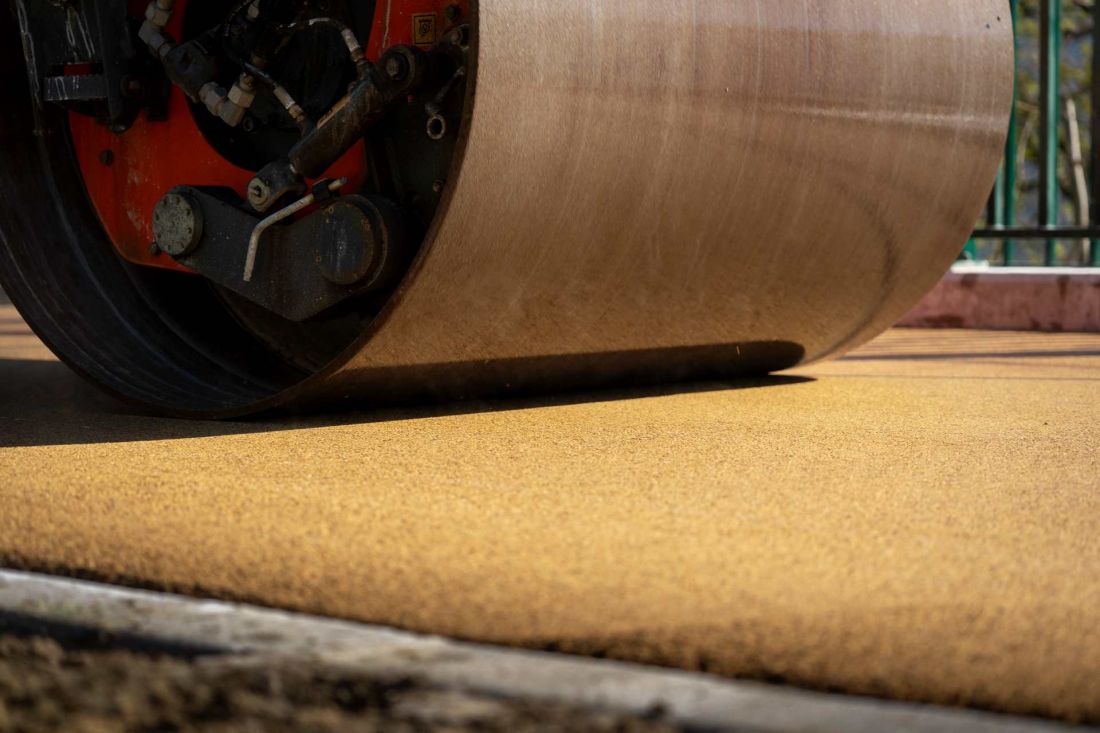
Vegecol
© COLAS
Colclair Light-Colored Pavements – Reducing the Urban Heat Island Effect
Asphalt pavements and other dark urban surfaces are characterized by a high capacity to absorb solar radiation, which leads to an increase in temperature in urban areas. This effect intensifies the urban heat island phenomenon, reducing residents’ comfort.
One way to counteract this phenomenon is to use pavements with a higher solar reflectance. The light-colored mineral pavements developed by the Colas Group absorb less thermal energy than traditional dark-colored pavements, resulting in lower surface temperatures during intense sunlight. This solution improves comfort for users of public spaces, reduces the heating of the surrounding environment, and supports cities’ efforts to mitigate the effects of climate change.
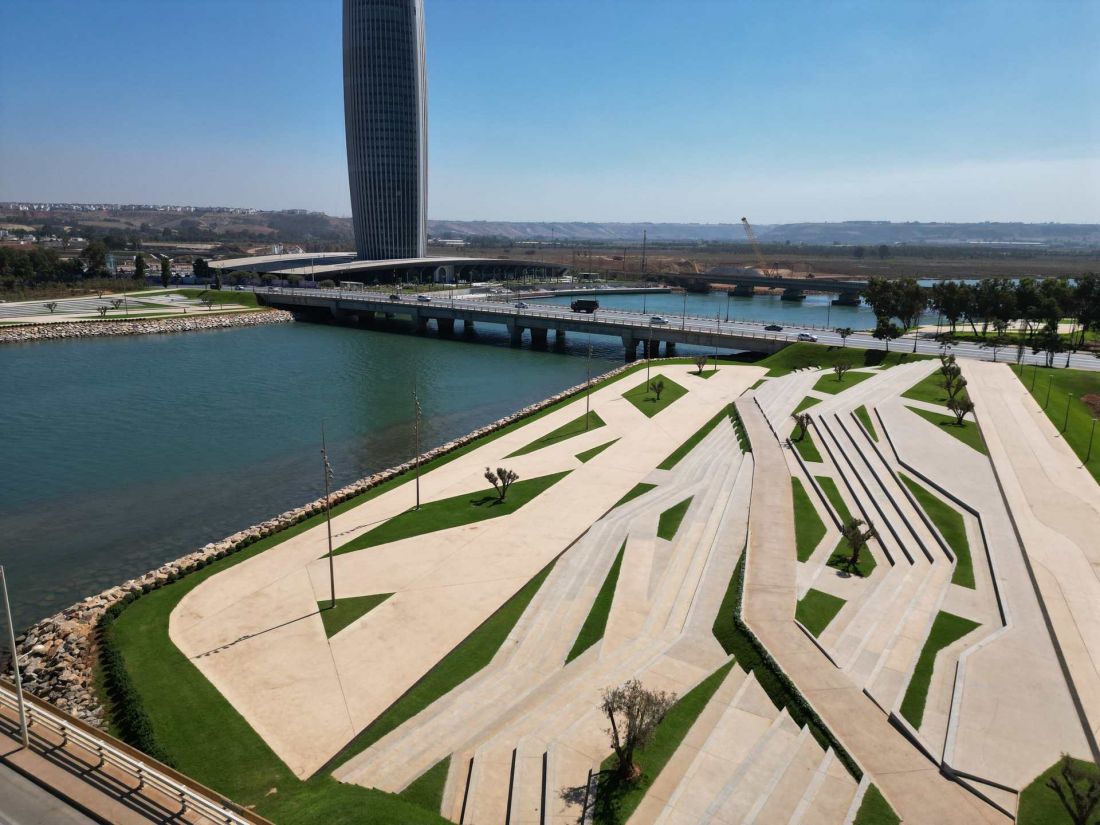
Colclair
© COLAS
Examples of projects in Poland
Creating modern recreational and leisure spaces is becoming a key element of cities’ adaptation to climate change. To fully harness the potential of such spaces, it is essential to use materials that blend harmoniously with the surroundings while ensuring durability, safety, and user comfort.
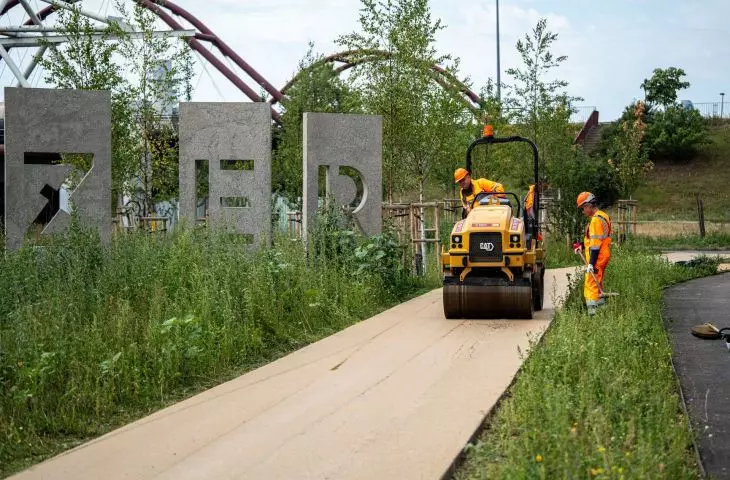
An example of the practical use of light-colored mineral-asphalt pavements is the project in Żerański Park on Krzyżówki Street in Warsaw. As part of the revitalization of this more than 13-hectare post-industrial site, a network of bicycle paths and a service road were constructed using Colclair technology.
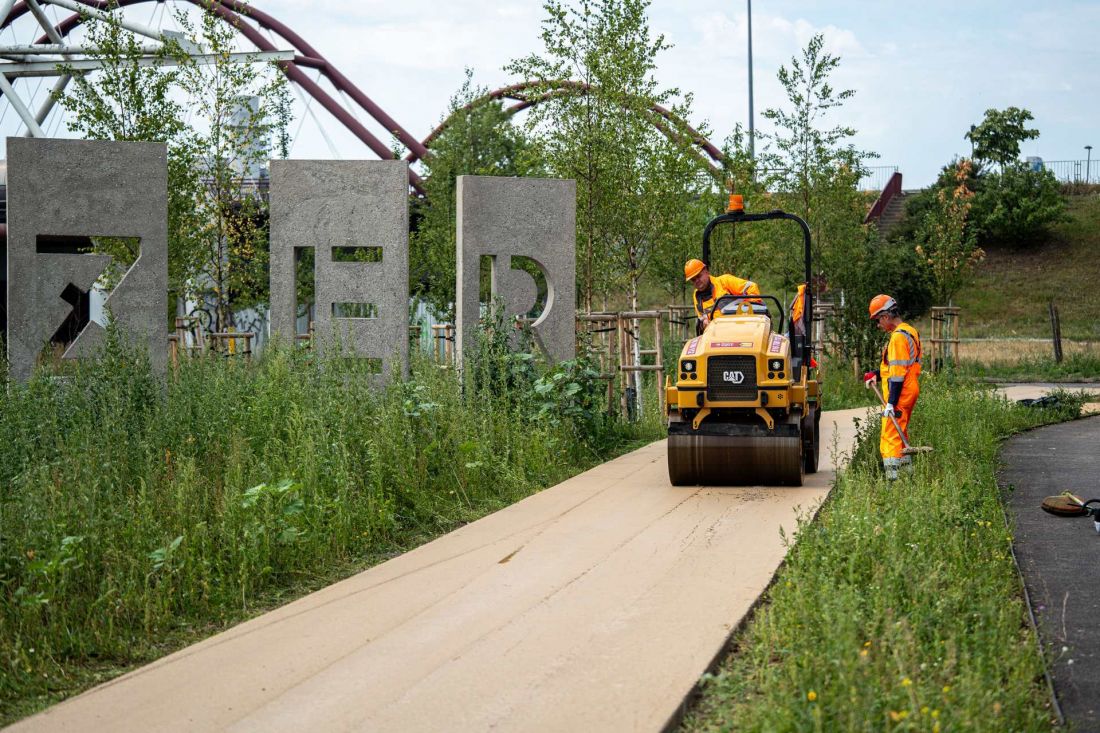
© COLAS
The beige wearing course used was developed using a special binder, light-colored aggregate, and carefully selected pigments, resulting in a durable surface with a natural appearance. The light color scheme not only enhances the aesthetic appeal of public spaces but also reduces surface heating during periods of intense sunlight.
The applications of Colclair technology are not limited to park areas. It works equally well in riverside and recreational spaces, where pedestrian and bicycle infrastructure is an integral part of the urban landscape.
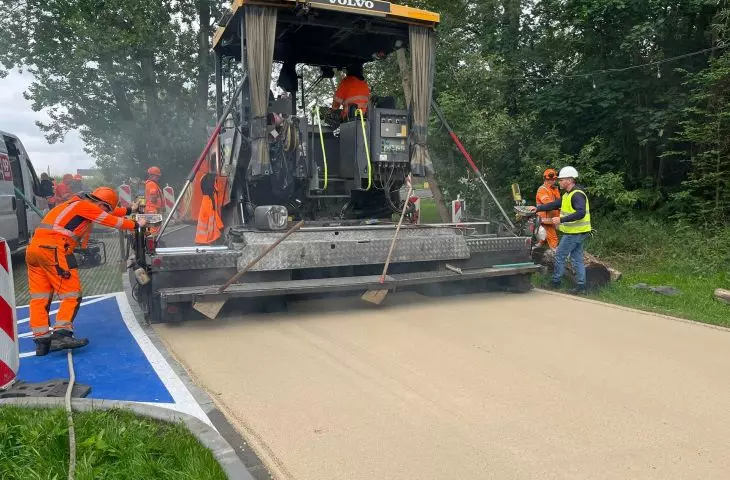
An example of such a project is Port Czerniakowski in Warsaw, where the light-colored Colclair surface was used in the construction of a prominent access road to a restaurant on the Vistula River. The use of this technology resulted in a durable surface with a natural, subdued color scheme that blends well with the character of the surroundings and helps create a pedestrian- and cyclist-friendly space.
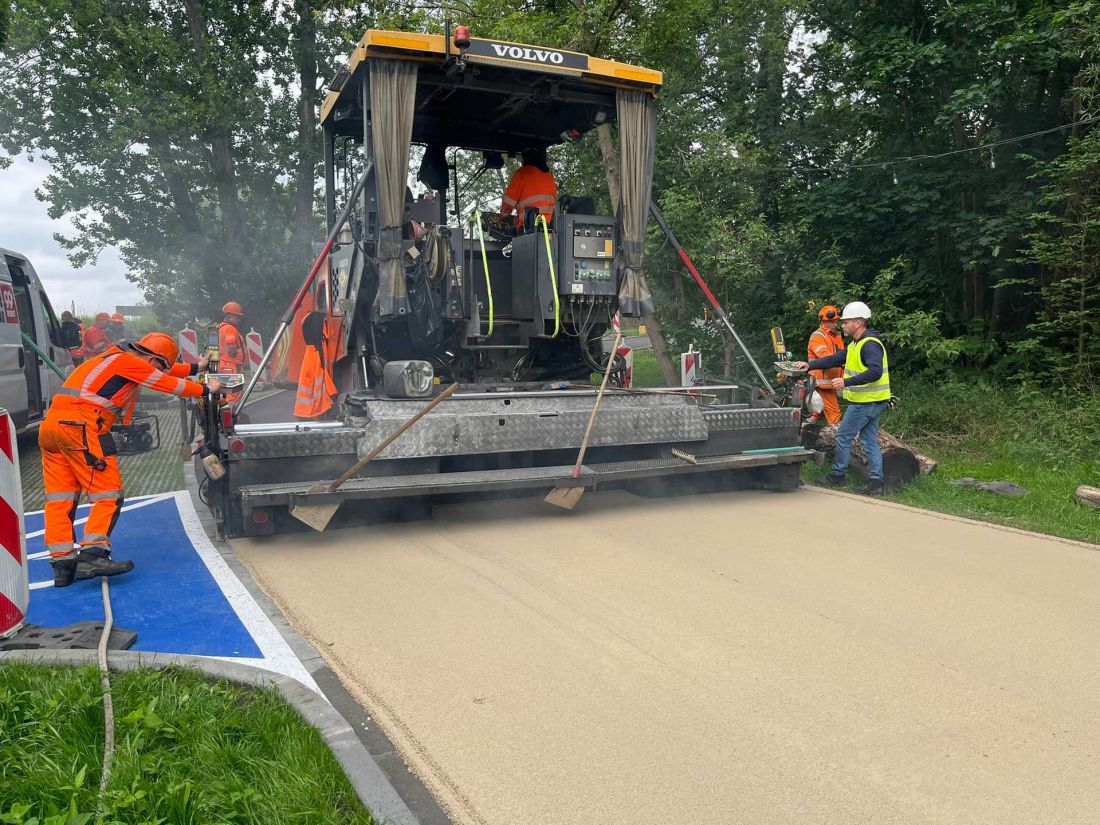
Czerniakowski Port
© COLAS
Infrastructure of the Future
Just a dozen or so years ago, road infrastructure was expected above all to be durable, safe, and have high capacity. Today, the expectations placed on designers and contractors are much greater. A road, city square, or bike path has become part of a system that influences water management, the local microclimate, user comfort, and greenhouse gas emissions.
The transformation of urban infrastructure is no longer a concept for the future, but a process that is changing the way public spaces are designed and built. The growing importance of adapting to climate change means that road projects are increasingly becoming part of systems designed to enhance water retention, improve biodiversity, and mitigate the urban heat island effect.
The solutions developed by the Colas Group demonstrate that modern materials technologies can effectively support the achievement of these goals. Raincol enables effective stormwater management; Vegecol helps reduce the environmental footprint through the use of renewable raw materials; and Colclair improves user comfort and reduces the heating of public spaces.
In the coming years, the importance of technologies supporting adaptation to climate change will steadily increase. Public investors will increasingly expect not only durability and cost-effectiveness but also measurable environmental and social benefits. Companies developing innovative road materials will play a key role in shaping the infrastructure of the future—infrastructure that not only connects places but also improves residents’ quality of life and increases cities’ resilience to climate challenges.
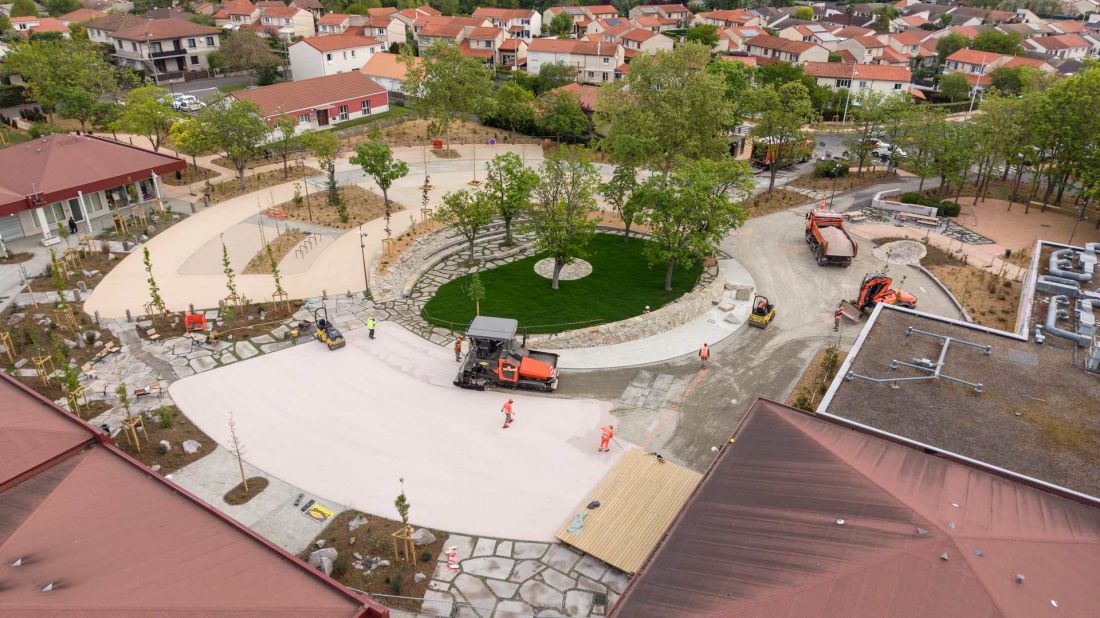
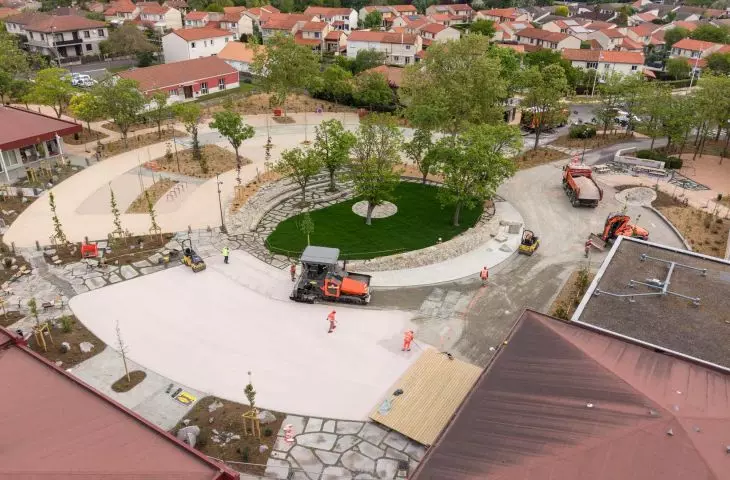
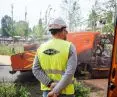
Reconditioning Work – Place Joseph Moron, Riom
© COLAS
For more information, visit the COLAS Polska Sp. z o.o. company page on the A&B portal.