





In a world where architecture is often measured in square meters, speed of execution and showy forms, the work of Gion Antoni Caminada reminds us of something very different - attentiveness, respect and silence.
© GEBERIT
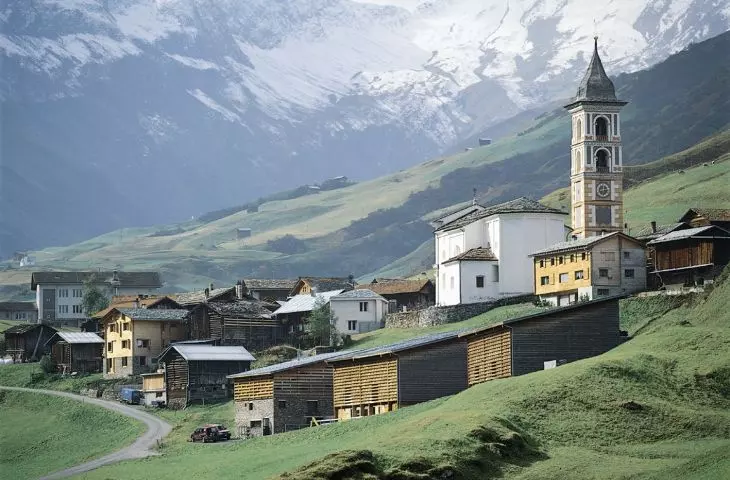
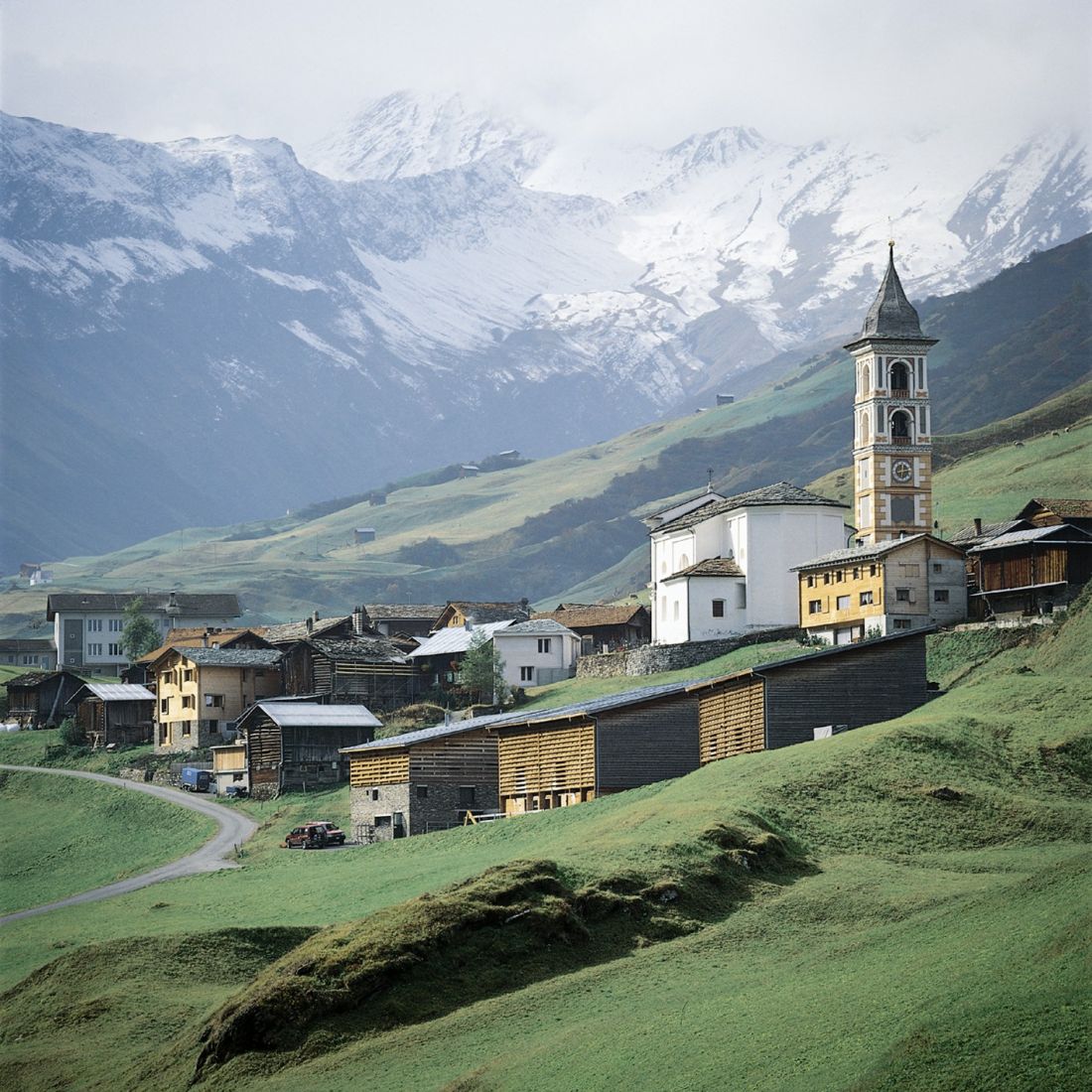
Born in 1957 in the Alpine village of Vrin in the canton of Grisons, Caminada has never shied away from his place of origin. It was in this small mountain community that he began his journey as a journeyman carpenter, and later - after studying and teaching at ETH Zurich - he returned to design architecture that grows out of the landscape and people's lives.
architecture rooted in culture
For Caminada, "before there is form - there is place." This means that his designs are not imposed from the outside, but are born from observation and conversation - from the rhythm of the residents' daily life, their needs and traditions. Hence, Vrin has produced buildings as diverse as a community slaughterhouse, a sports and multi-purpose hall, apartment houses and a telephone booth. They all have one thing in common: they are fully part of the local fabric.
Caminada often speaks of the silence from which space is born. In his understanding, it is not the absence of sound, but an act of attentiveness - letting the place speak first. As a result, his architecture does not dominate, but coexists, offering a space for living and reflection
master woodworker and innovator
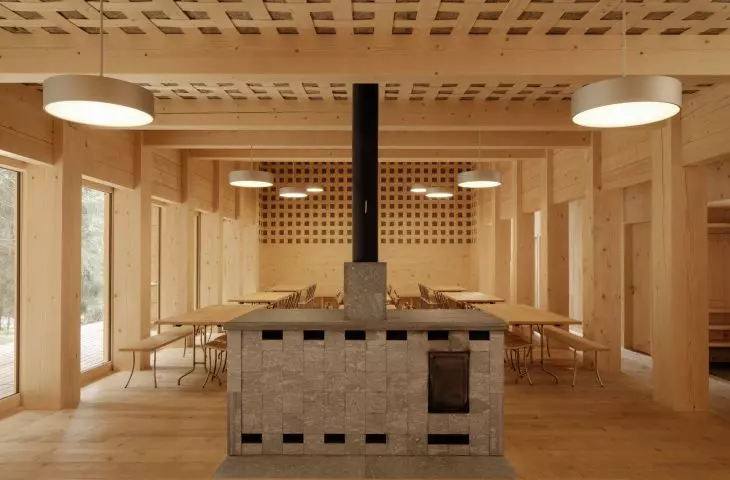
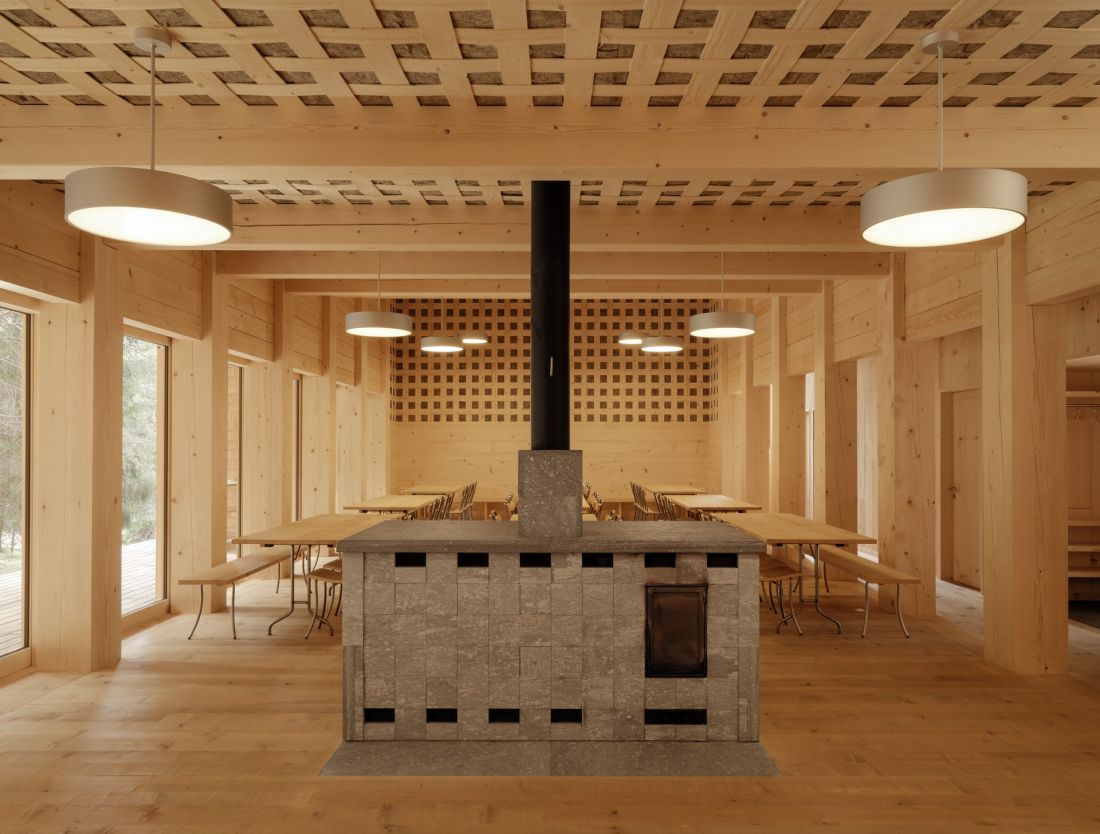
He is known for his extraordinary ability to handle wood - a material that has been with him since the beginning of his career. Working with engineers like bridge builder Jürg Conzett, he created, among other things, the innovative roof structure of the hall in Vrin-Cons. In this way, he combines traditional craftsmanship with modernity, staying ahead of current trends in sustainable construction.
© GEBERIT
architect-philosopher
Although seen primarily as a practitioner, Caminada is also a thinker. He is critical of the marginalization of the countryside in favor of the metropolis, emphasizing the importance of local communities. He does not want to "build more," but to "build smarter."
He has received numerous awards for his work, including the Swiss Arc Award, the Global Award for Sustainable Architecture and the Swiss art prize Prix Meret Oppenheim. His projects have been showcased at the Venice Architecture Biennale, and the architect himself has lectured in many countries, inspiring generations of designers.