






















Oiled wood floors have been popular for years due to their naturalness, durability and ability to be easily refinished. Properly cared for, they retain their stability, moisture resistance and aesthetic appearance for many years. However, it is crucial to use proper cleaning and maintenance methods. Experts explain the principles of care, point out the most common mistakes and debunk popular myths related to wood floors.
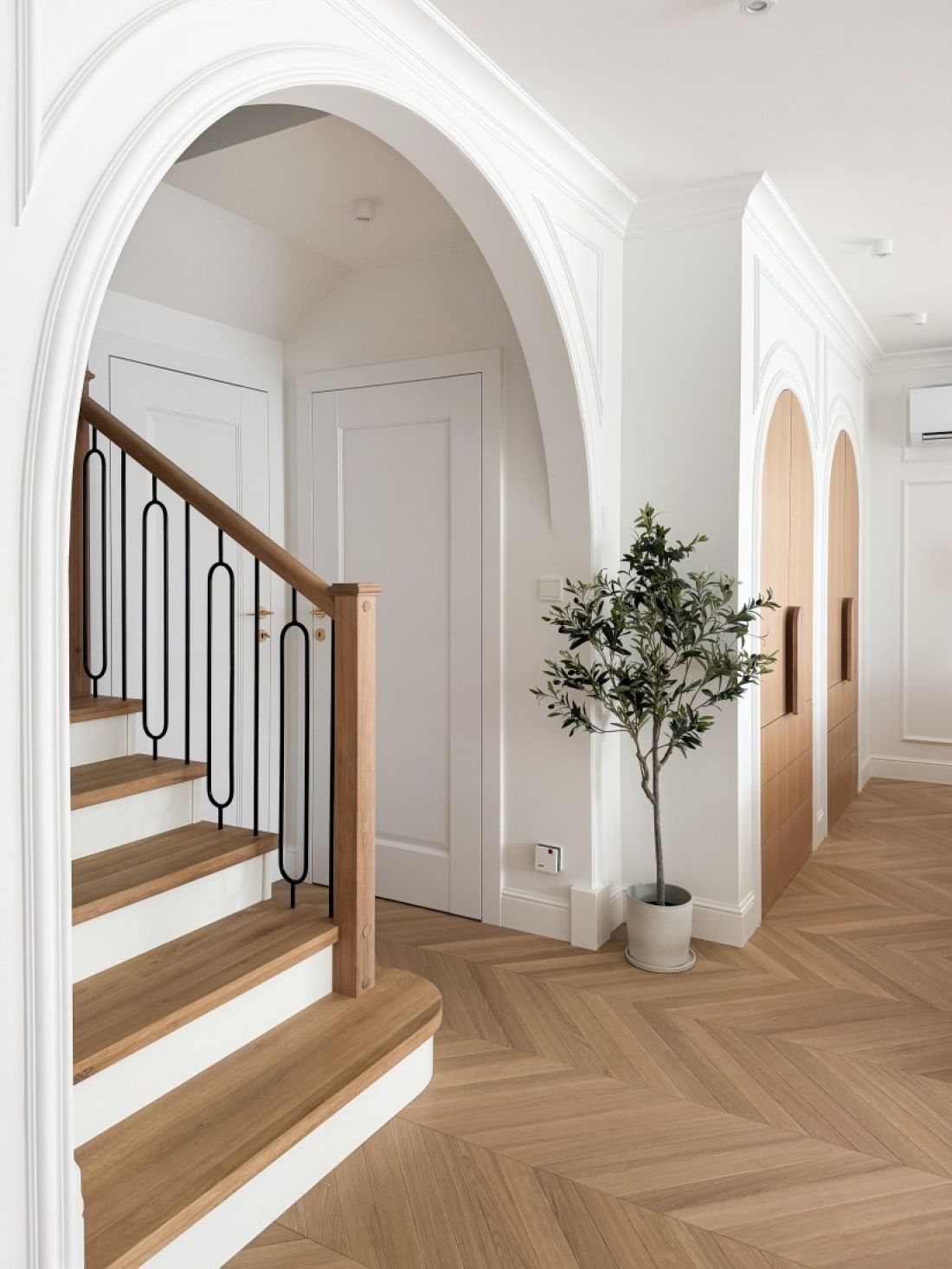
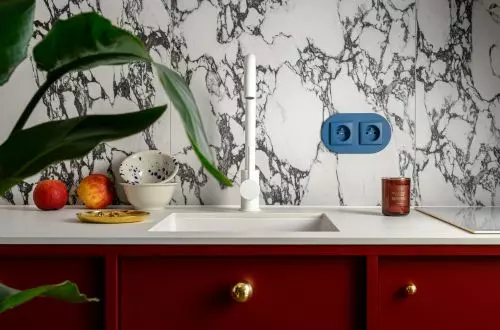
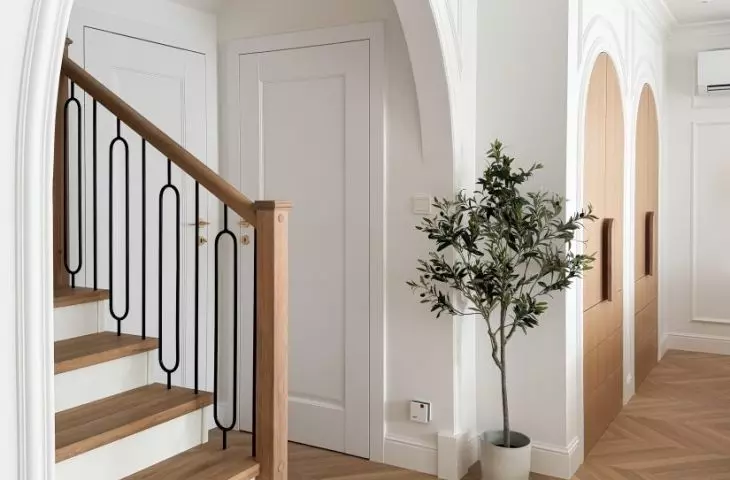
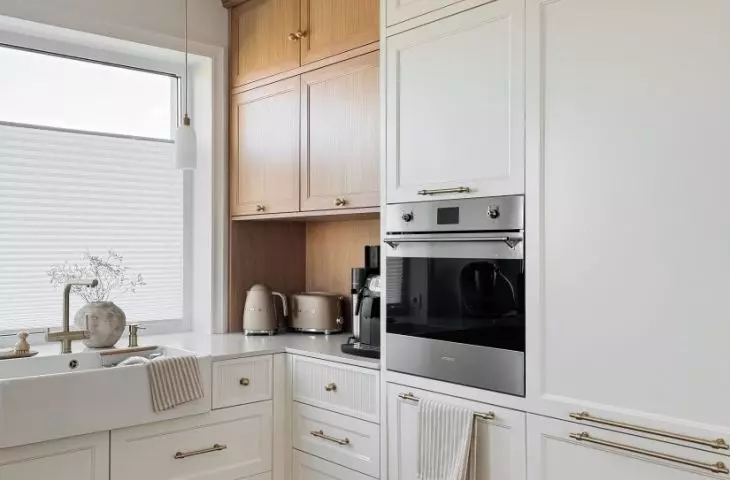
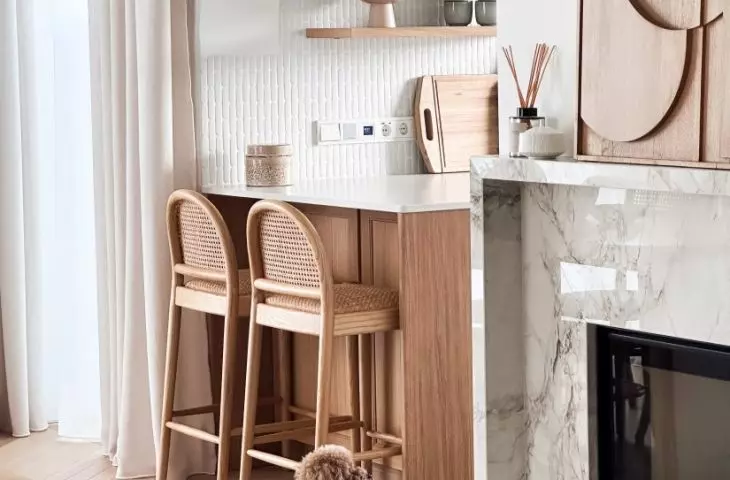
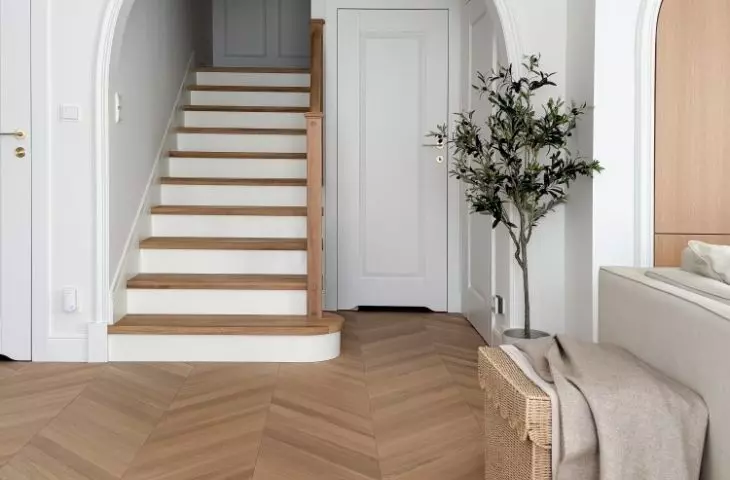
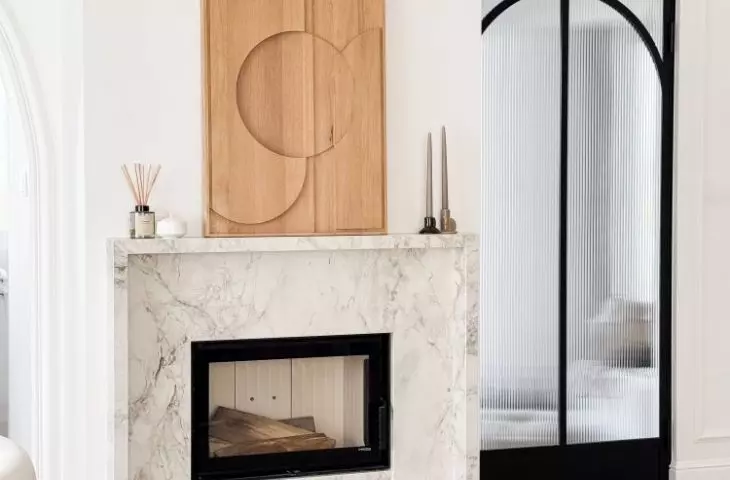
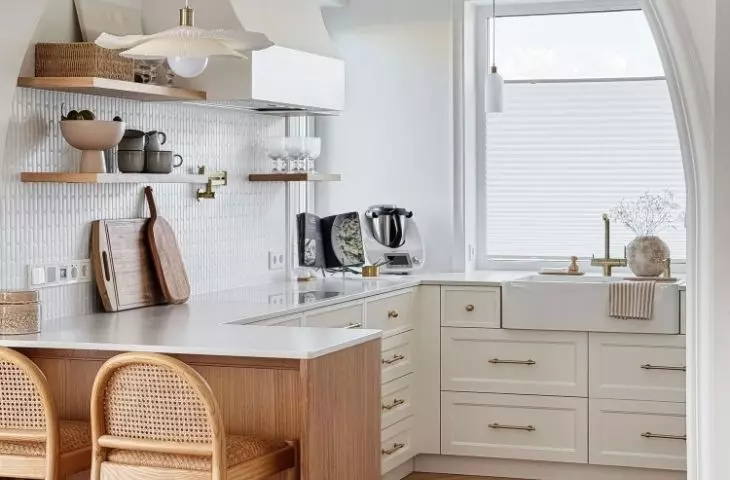
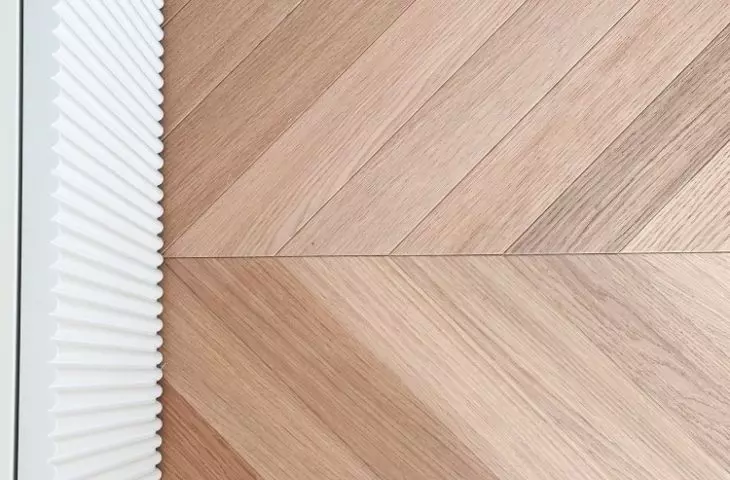
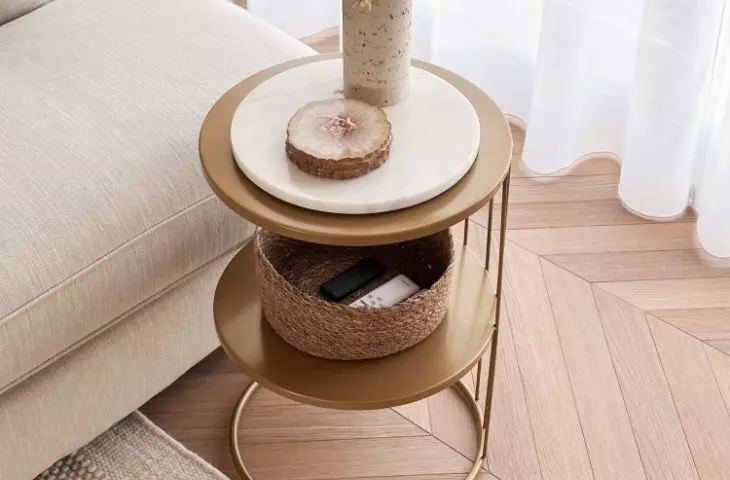
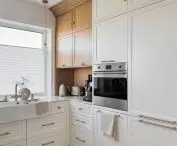
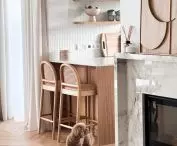
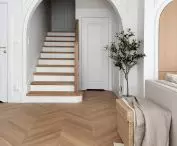
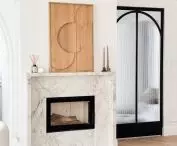
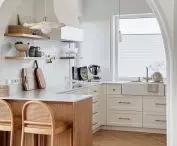
Dabex floor, Rubio Monocoat wax oil, design by Karolina Zagrodzka HouseLoves
© RUBIO
Natural protection and full functionality in modern interiors
Floors protected with oil are distinguished primarily by the construction of the protective layer. Unlike varnishes, which form a hard, impermeable layer on the surface of the wood, oil penetrates deep into the material and permanently connects with the fiber structure. Such a method of protection does not disturb the natural properties of the wood, allows it to breathe and maintain dimensional stability.
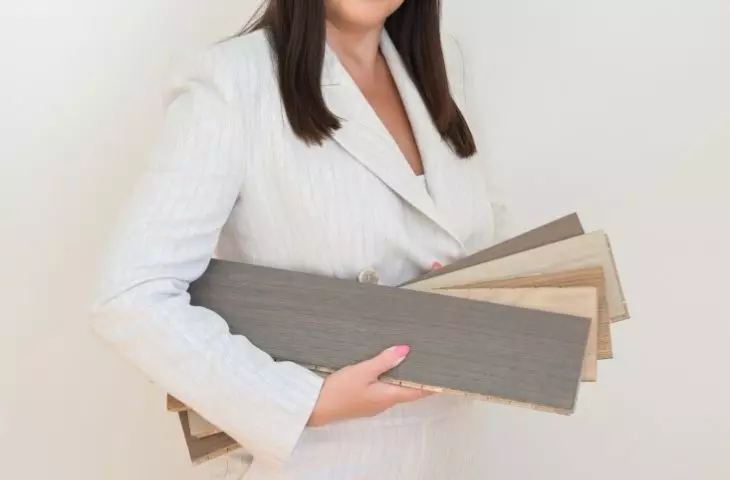
Wood protected with oil works predictably, maintaining dimensional stability even with changes in temperature or humidity. This is why oiled oak planks perform so well on underfloor heating and in intensively used spaces," explains Marta Neumann, Showrooms Performance Manager at Dąbex.
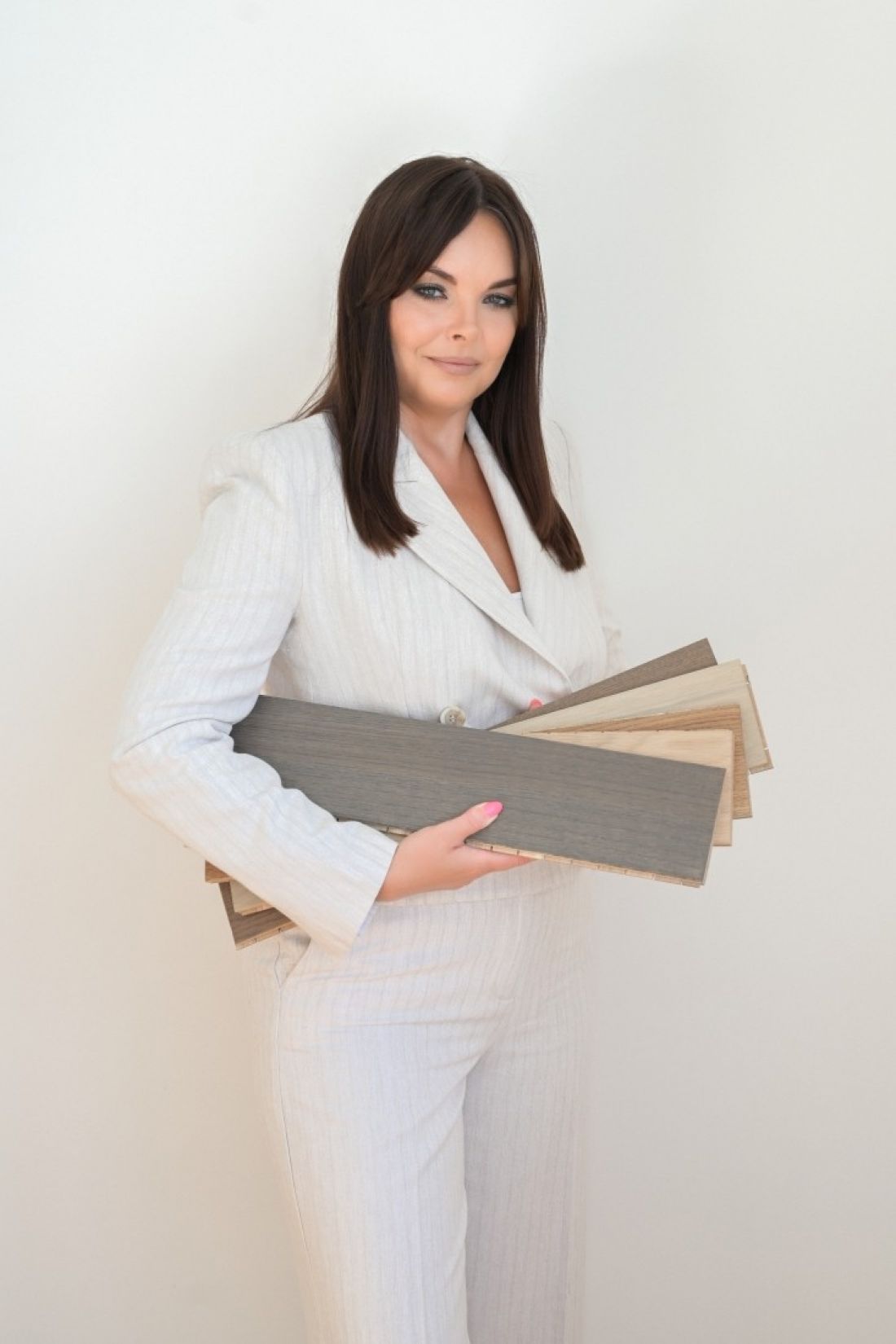
Marta Neumann
© RUBIO
An oiled surface is warmer, pleasant to the touch and visually more natural. The oil emphasizes the grain and structure of the wood, giving the floor an aesthetic appreciated by architects - both in minimalist and classic spaces.
True durability begins in the structure of the wood
The oil penetrates the structure of the wood, saturating its fibers and strengthening their resistance to dirt and moisture. This gives protection that is much more durable and natural than a surface coating of varnish.
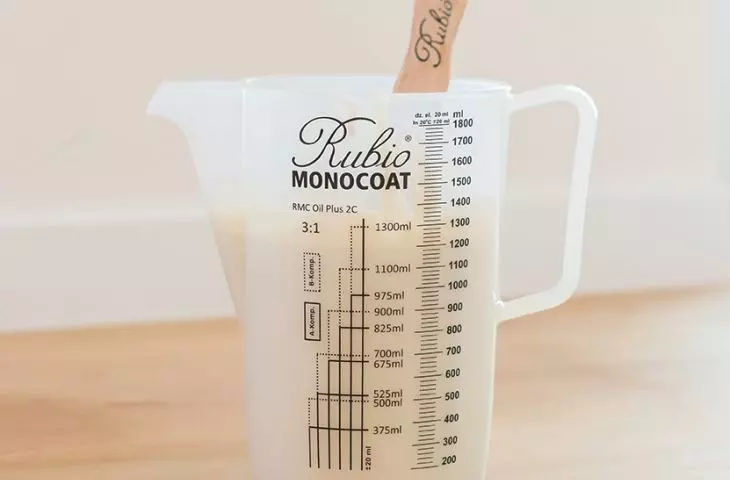
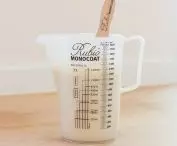
Rubio Monocoat Oil Plus 2C bonds molecularly to the wood fibers, making the protective coating permanently integrated into the material. As a result, it is single-layer and extremely resistant, while being completely free of solvents or VOCs. Thus, the user receives an ecological and extremely durable solution, which additionally emphasizes the natural structure of the wood," explains Ewelina Przybysławska, Managing Director of Rubio Monocoat Poland.

Ewelina Przybysławska
© RUBIO
This approach ensures that the oiled floor retains full resistance to daily use, while remaining visually natural and warm.
Stability for years begins with the right habits
An oiled floor does not require complicated care, but consistency and the use of the right measures are crucial. The most important is regular vacuuming, which reduces the formation of micro-scratches, as well as washing the surface with a slightly damp mop. Wood does not tolerate excess water, so after washing it should dry within a few minutes.
The most serious mistakes are the use of detergents not intended for oiled surfaces and the use of preparations with alcohol or wax. Such agents can destroy the protective coating, lead to dulling of the floor or change its color. Only neutral, dedicated preparations - such as Rubio Monocoat soap - guarantee safe care and preserve the full properties of the oil," Ewelina Przybysławska stresses.
Regular, gentle care keeps the wood protected and delays the need for later oil maintenance.
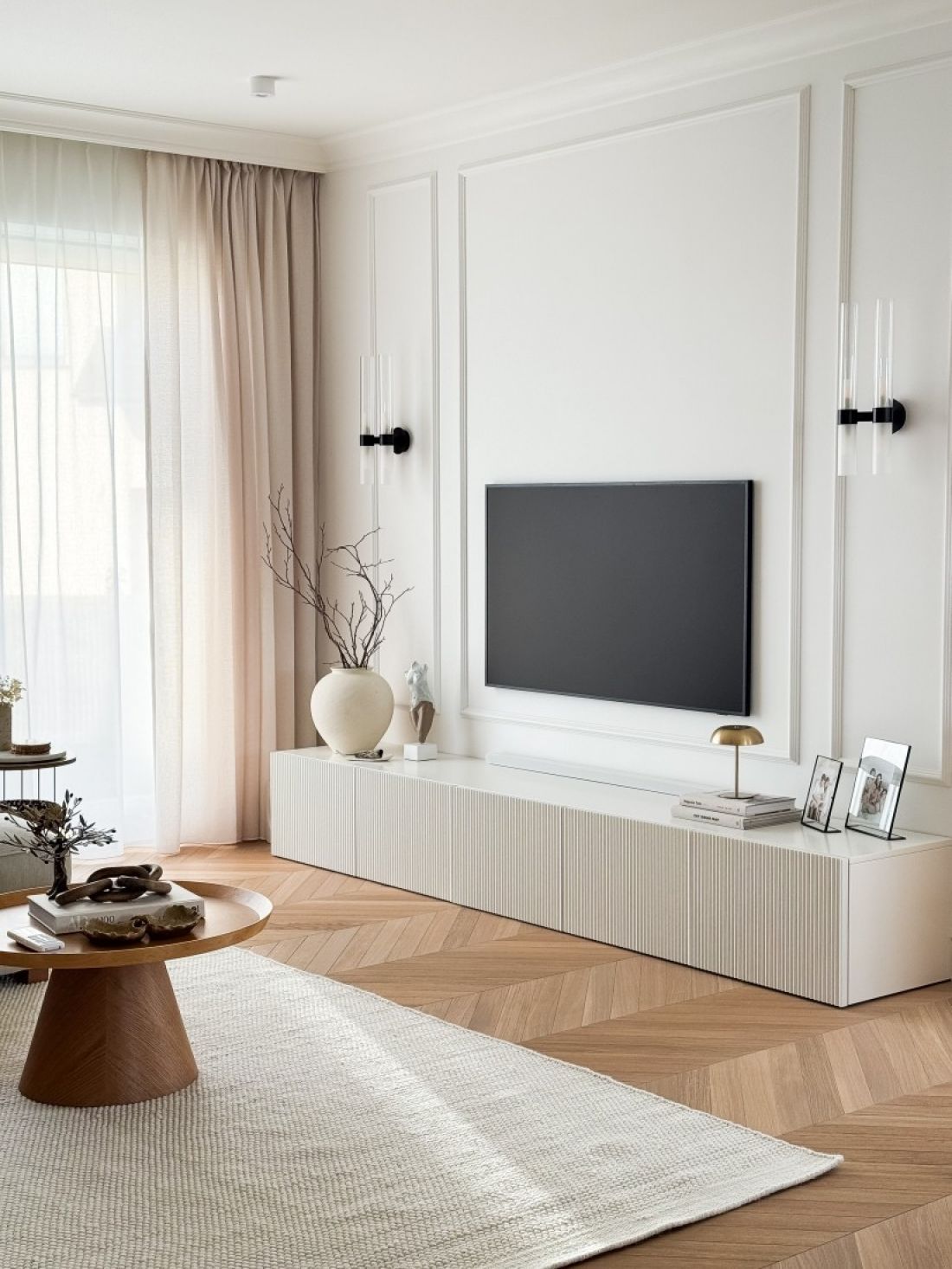
Dabex floor, Rubio Monocoat wax oil, design by Karolina Zagrodzka HouseLoves
© RUBIO
Response to moisture and dirt: how to protect the floor from damage?
Moisture remains one of wood's greatest adversaries, regardless of how it is finished. Exposure to water for too long can lead to darkening of the surface, tannin stains or warping of the boards.
Properly applied oil significantly reduces wood absorption, but no product will guarantee full resistance to prolonged flooding. If stains or discoloration appear, it's worth reaching for spot remedies that allow you to repair the problem on the spot. This is one of the biggest advantages of oiled surfaces - they can be effectively repaired without disturbing the entire floor," explains Ewelina Przybysławska.
Commercially available agents make it possible to remove both water and metal stains, as well as lime deposits or greasy stains. As a result, renovation remains quick and minimally invasive.
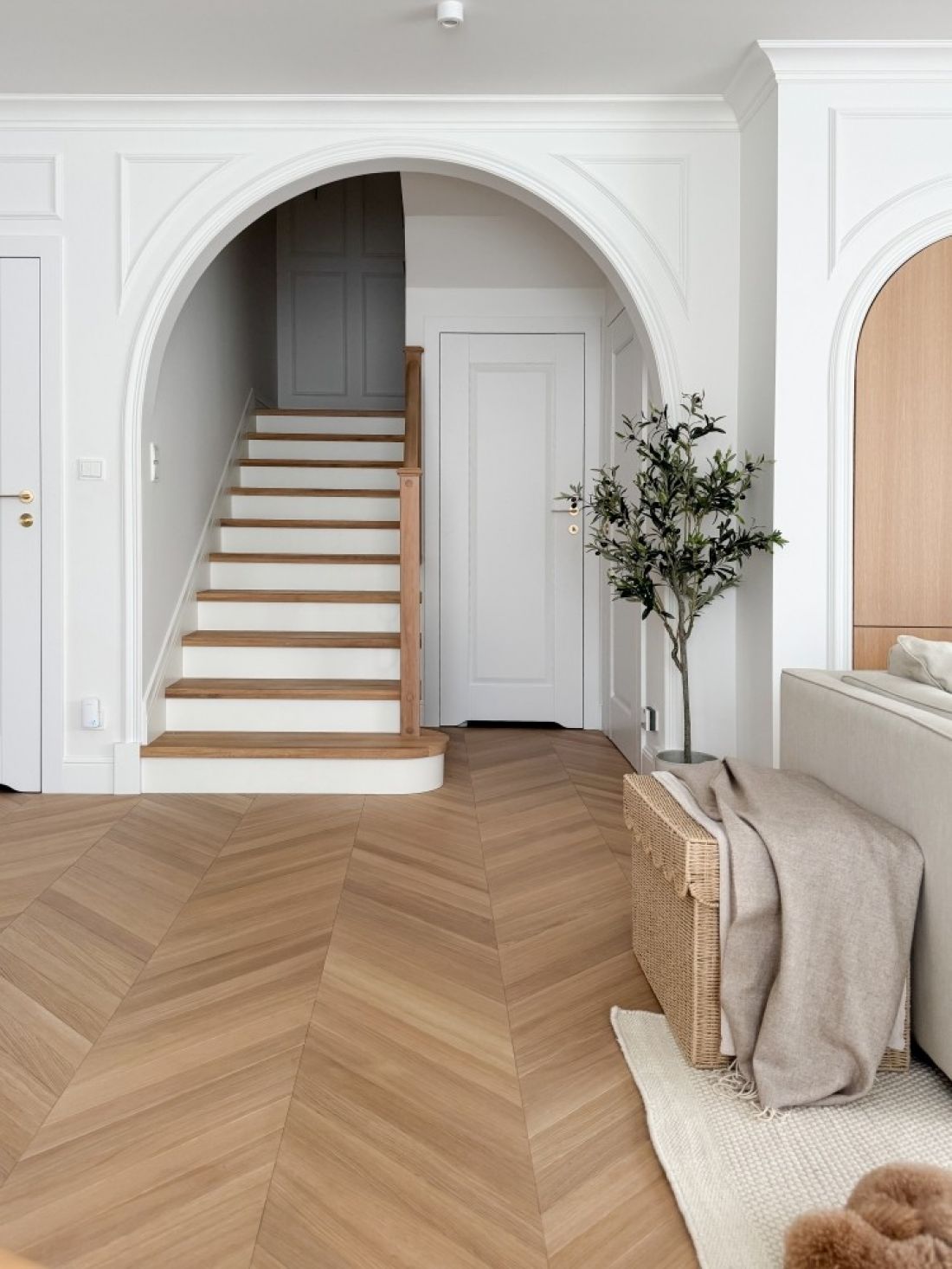
Dabex floor, Rubio Monocoat wax oil, design by Karolina Zagrodzka HouseLoves
© RUBIO
A practical approach to the long-term durability of wood
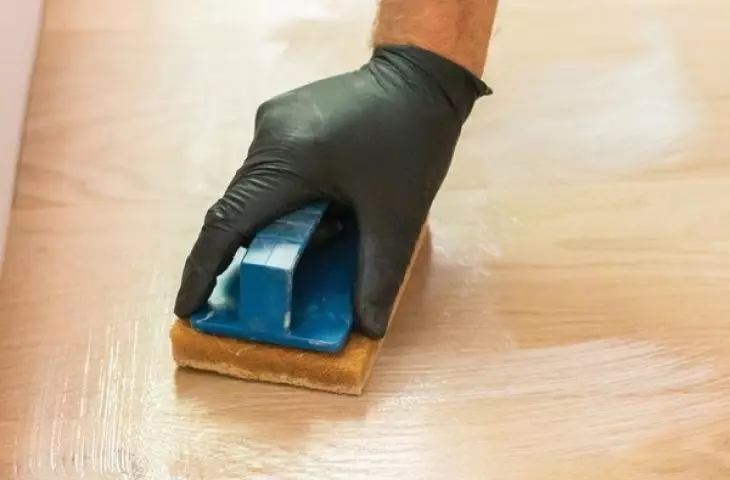
Oiled floors do not require frequent maintenance, but it is worth refreshing them from time to time. This is most often done by applying a thin layer of maintenance oil, which strengthens the protection and refreshes the appearance of the wood. It can be applied spot or surface.
Renovation of an oiled floor is not a complicated or expensive process. It can be done on your own, in stages, without taking the entire house out of service. Maintenance oil restores protection and helps even out the color of the floor, especially if it contains a pigment that matches the color of the boards, Marta Neumann points out.
This allows users to keep the floor in excellent condition for many years, avoiding sanding.
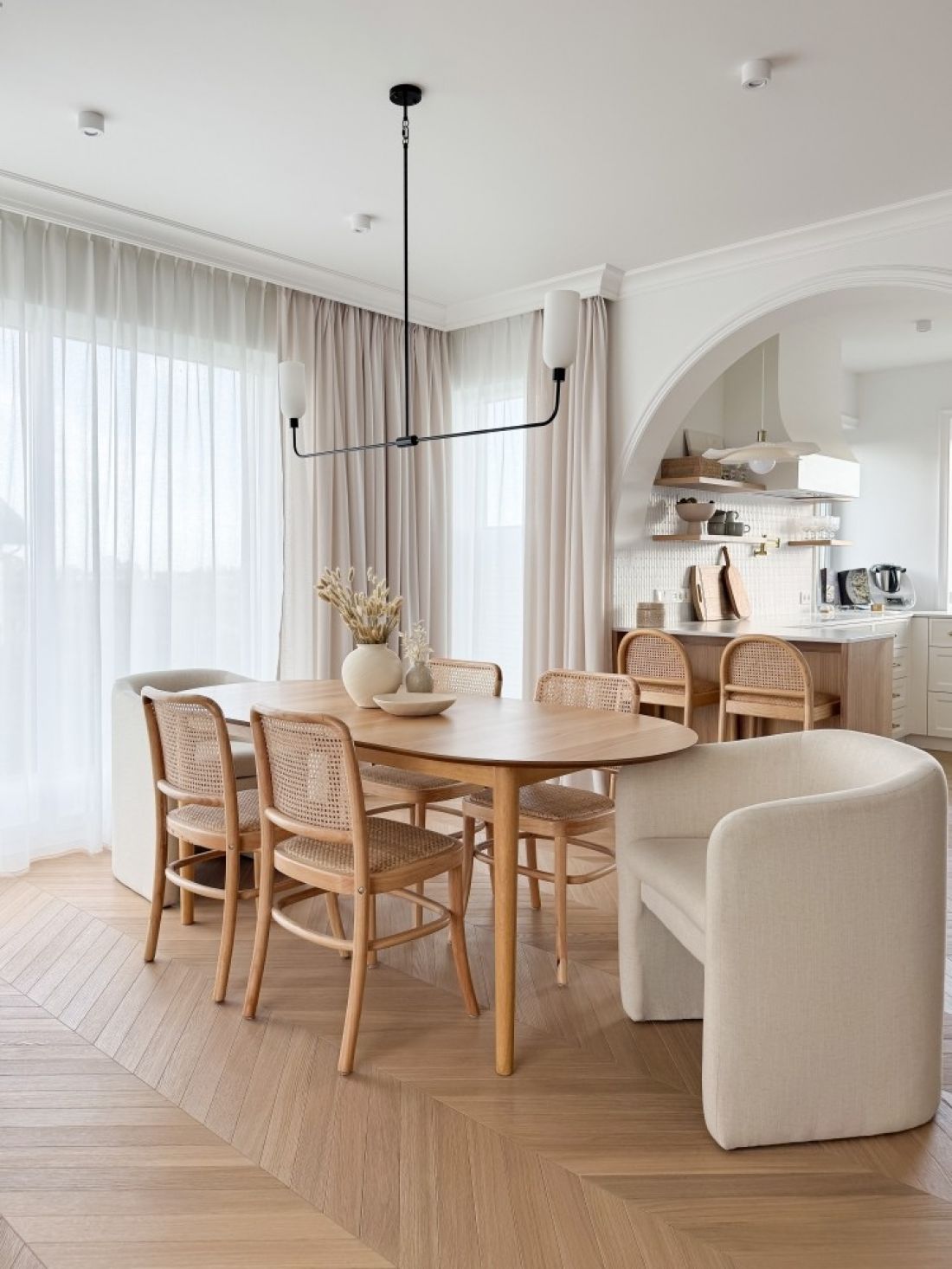
Dabex flooring, Rubio Monocoat wax oil, design by Karolina Zagrodzka HouseLoves
© RUBIO
Wood responds to its surroundings
Wood flooring remains stable and aesthetically pleasing only under the right conditions. The optimal humidity should oscillate between 40 and 60%, and the temperature should be kept within 18-23°C. Such a microclimate helps prevent both drying and swelling of the wood.
Control of air parameters is particularly important during the heating period, when humidity in buildings decreases. Adequate indoor humidification protects the material and prolongs the life of the oil coating.
Myths about oiled floors - facts instead of fears
Many circulating opinions about oiled floors are not confirmed in practice. It is not true that they require very frequent maintenance or that they are more susceptible to damage than varnished floors. Modern hard oils create an exceptionally durable and resistant surface, so they work well even in heavily used rooms such as kitchens and hallways.
Oiled floors are also successfully used in bathrooms, as long as they are properly protected and used in proper ventilation conditions. What's more, it is oiled floors that allow for spot repairs - significantly reducing the cost of long-term use.
Why is wood still the best material for interiors?
Wood remains a material that harmoniously combines naturalness, durability and beauty. Wood flooring brings a unique character to an interior with its unique grain pattern and subtle texture.
Oiled flooring matures with the interior and can serve for decades without losing its qualities. The possibility of easy refinishing makes its care predictable and accessible to everyone. This approach is particularly close to our heart at Dąbex, where we create floors with many years of use in mind, offering, among other things, boards and parquets that work perfectly with oil systems," Marta Neumann concludes.
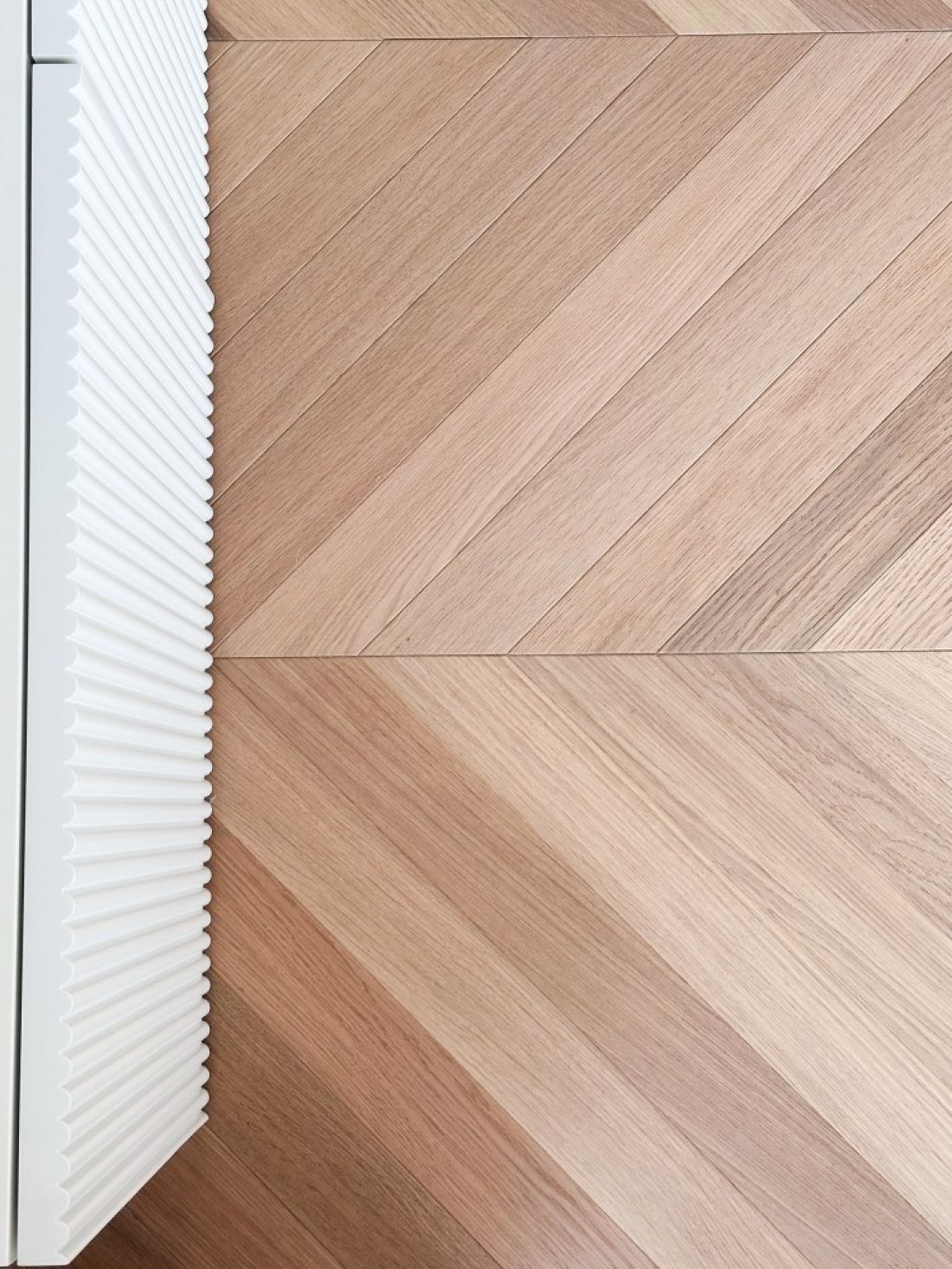
Dbex floor, Rubio Monocoat wax oil, design by Karolina Zagrodzka HouseLoves
© RUBIO
Maintenance that you can do yourself - quickly, safely and effectively
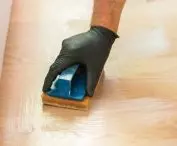
The maintenance process for oiled floors is so simple that it does not require specialized knowledge or equipment. All you need to do is clean the surface, apply a thin layer of maintenance oil, polish it and remove the excess. After a few hours, the floor is ready for use.
The absence of volatile organic compounds and the single-layer technology make the refinishing safe even for sensitive people, children or pets. This is an ecological solution that realistically extends the life of the wood," adds Ewelina Przybysławska.
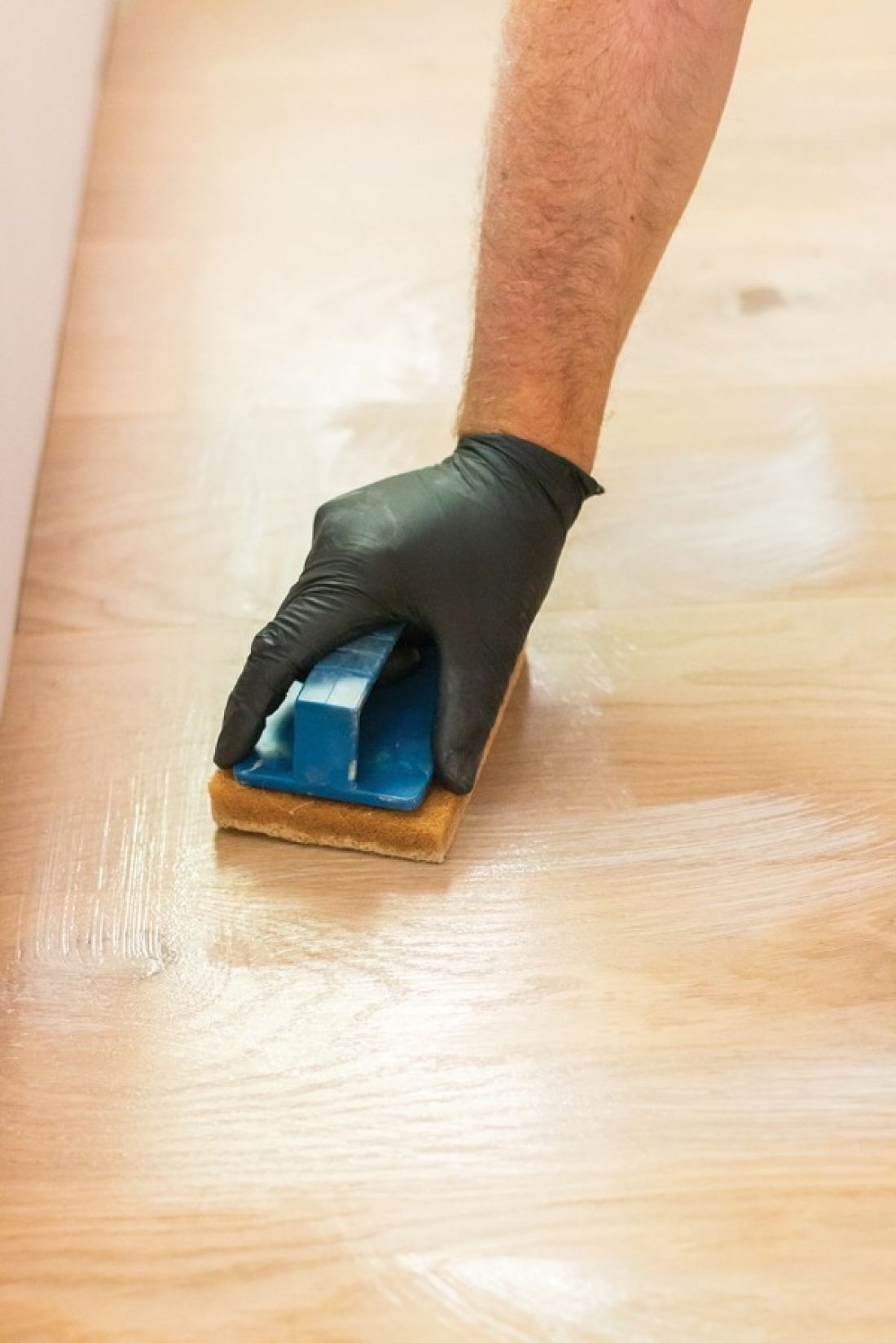
Dabex flooring, Rubio Monocoat wax oil, design by Karolina Zagrodzka HouseLoves
© RUBIO
Proper care and regular maintenance make it possible to fully exploit the potential of wood and maintain its functionality for many years. The combination of high-quality flooring with properly selected oil creates a protection system that is at once durable, healthy and aesthetically pleasing. Users who consciously care for wood gain not only a beautiful and resistant surface, but also an investment that matures with the interior.
For more information, visit the company's {tag:Producent} page on the A&B portal.