




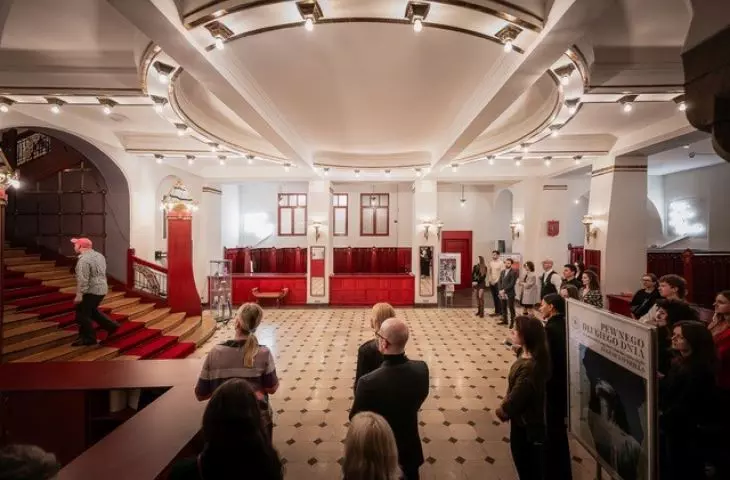
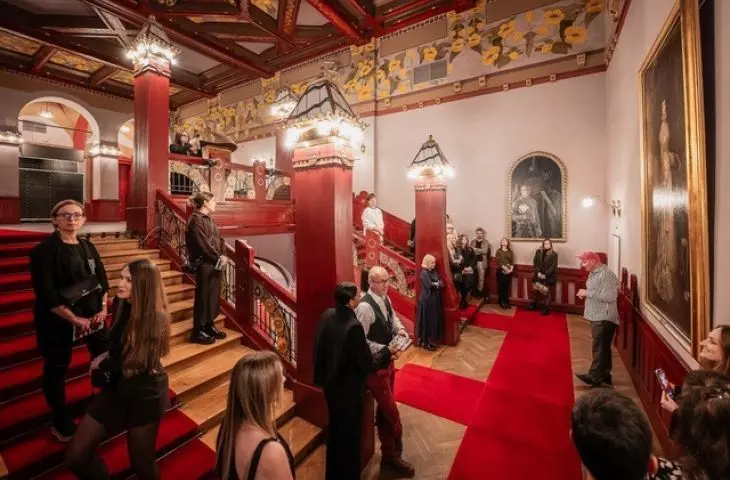


When Susan Sontag was writing "In America," a famous novel based on the life of actress Helena Modrzejewska, she came to the H. Modrzejewska Old Theater in Krakow in search of the spirit of the great artist. She was shown around all the corridors and backstreets of the theater, which is connected to several residential buildings, including two 14th-century buildings, and when she finally got to the hall with the main stage she asked exasperatedly: "All right, but where are the boards on which Modjeska stepped?" In response, she heard: "Ma'am, since then the theater has already undergone five renovations and many reconstructions, the stages are today in completely different places, the one on which Modjeska played has long since been dismantled. And the boards? The boards were most likely burned." Outraged, Sontag quickly left Krakow. However, there is a moral to this story: on the unique body of Poland's oldest theater building, architecture students could certainly study eras and styles and draw a lot of inspiration.
© OKK
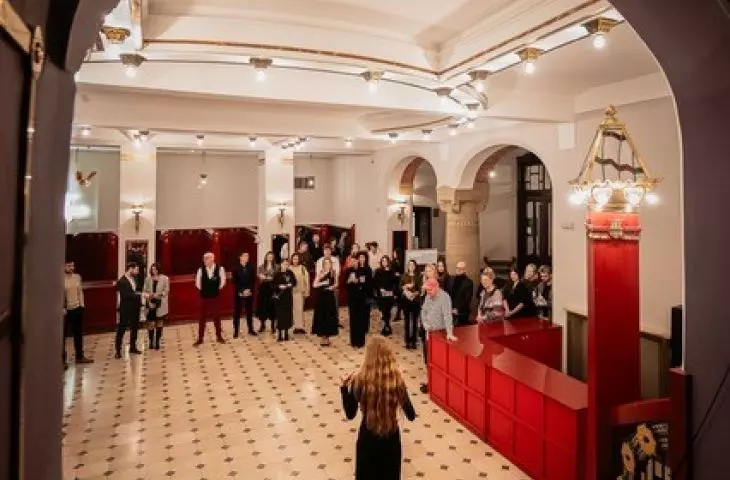
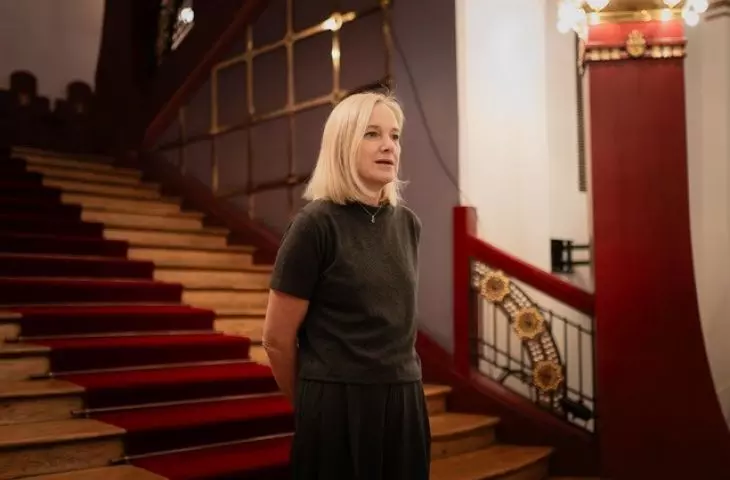
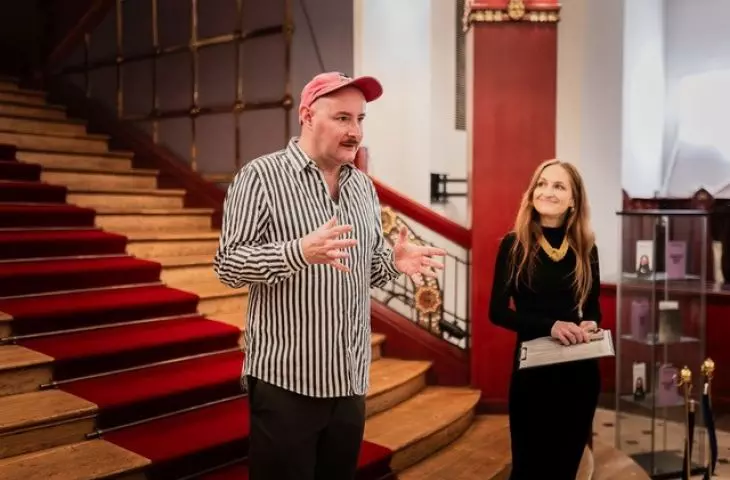
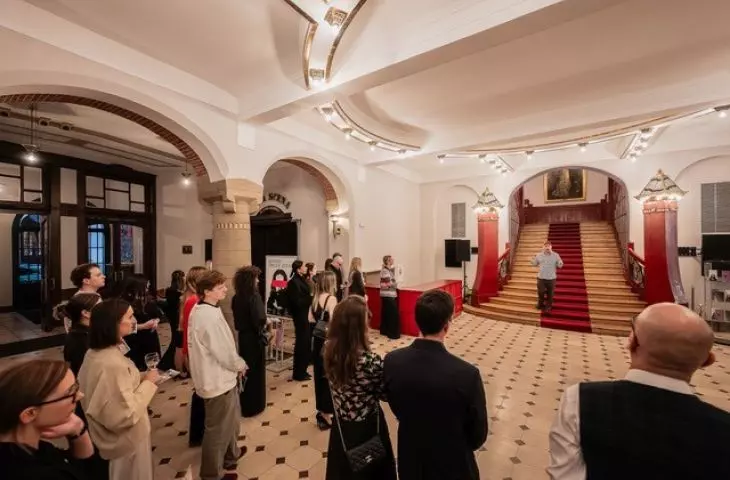
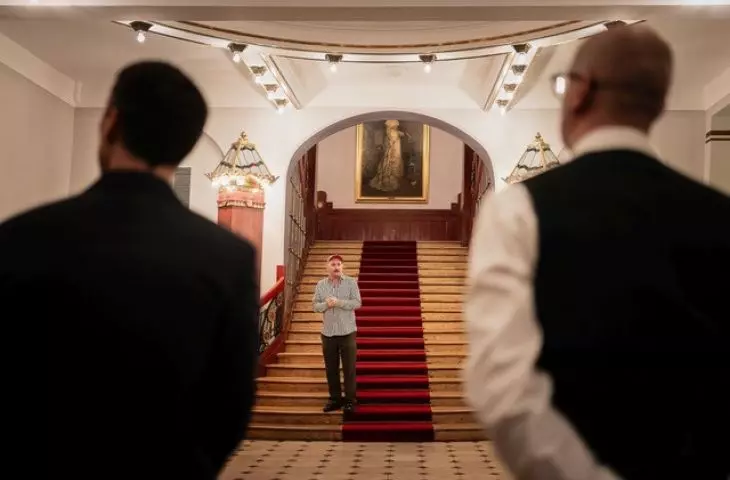
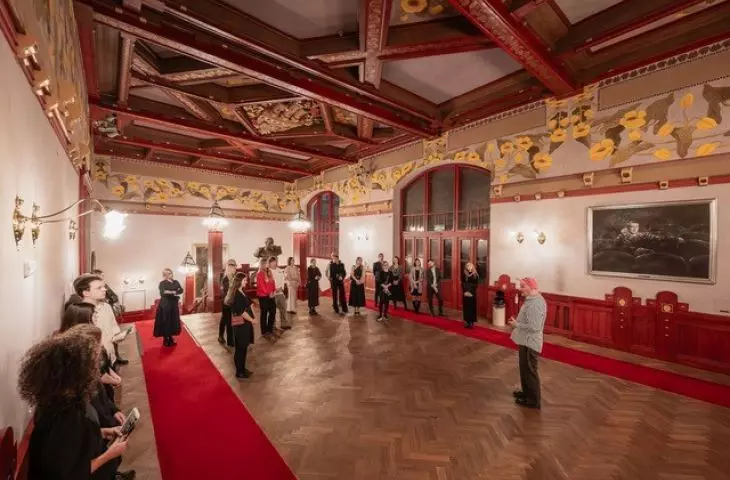
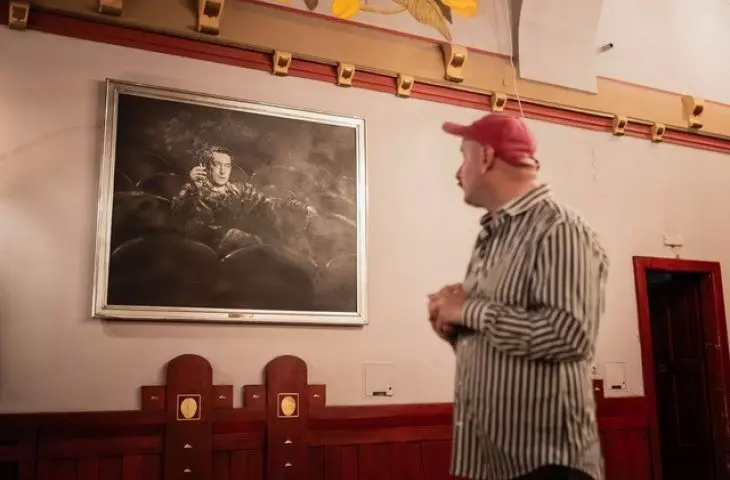
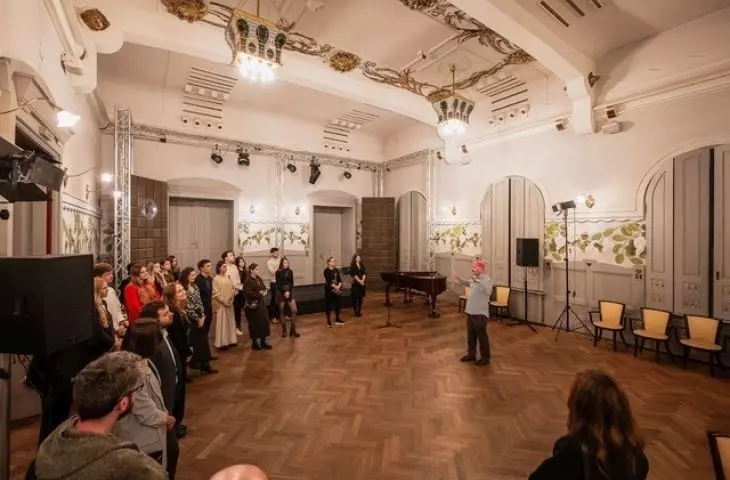
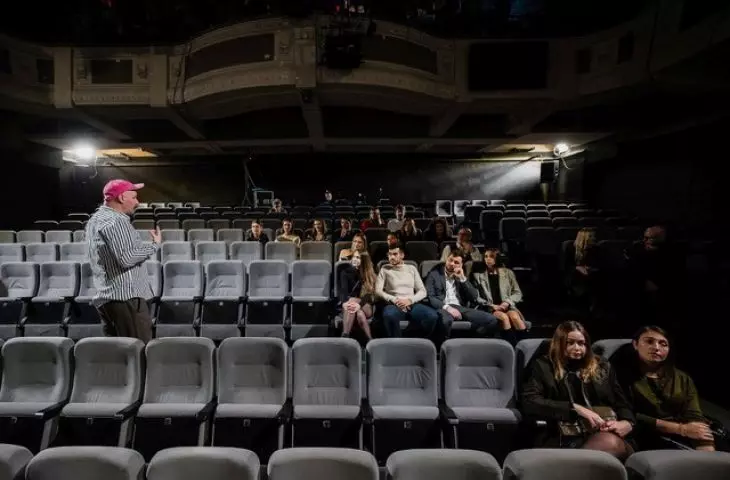
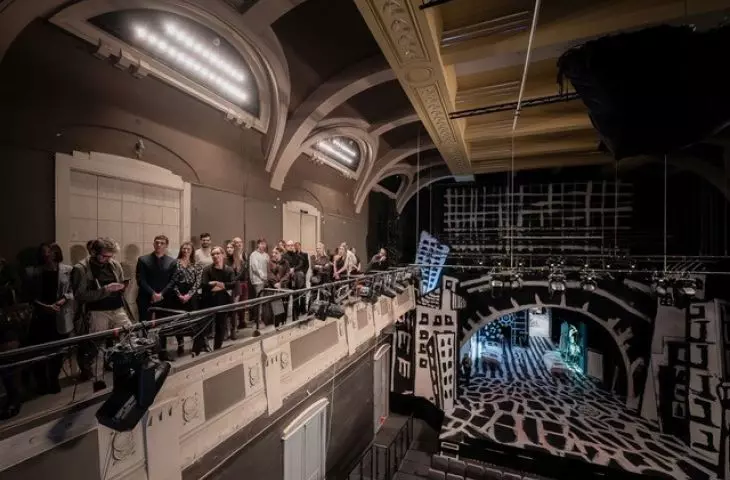
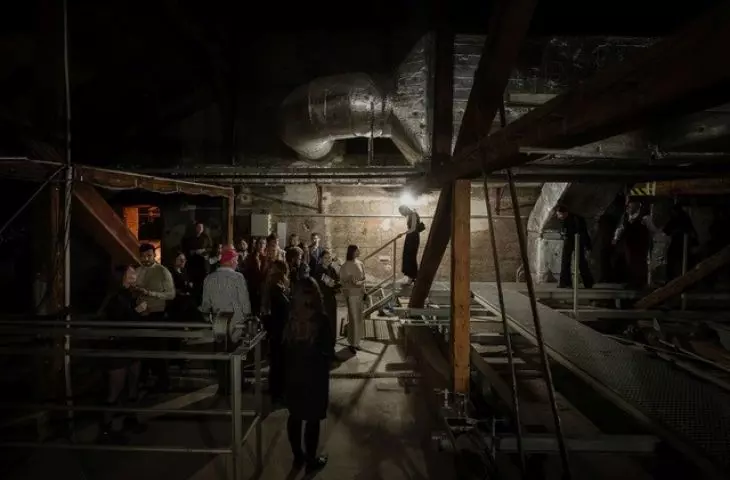
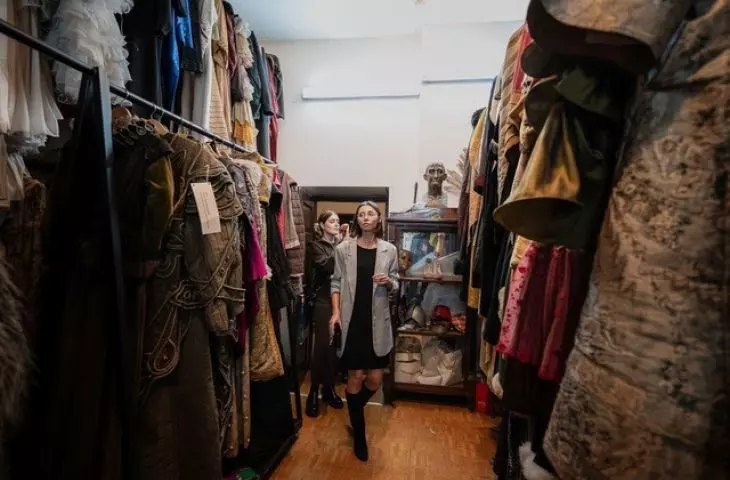
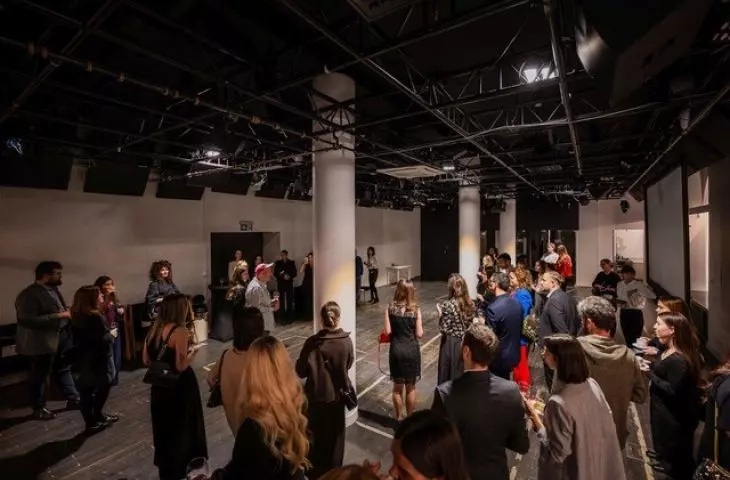
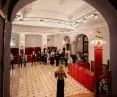
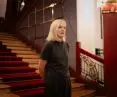
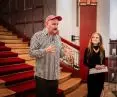
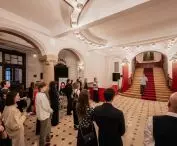
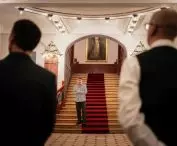
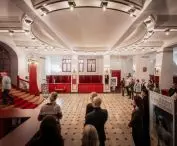
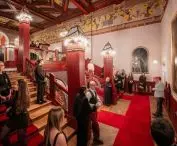
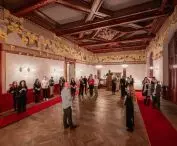
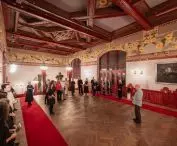
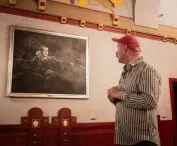
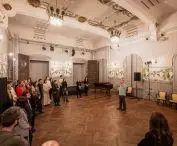
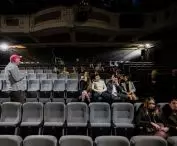
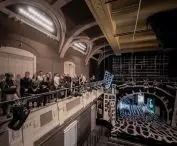
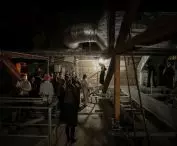
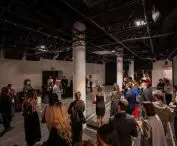
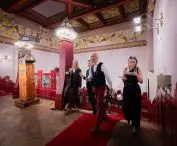
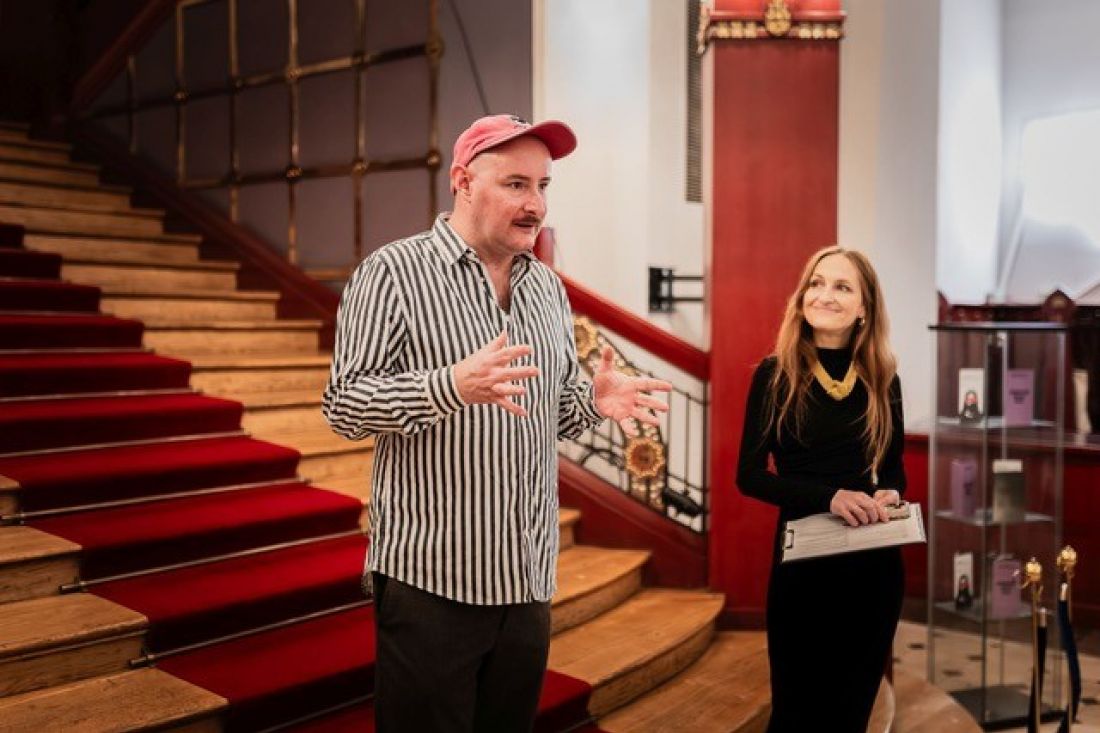
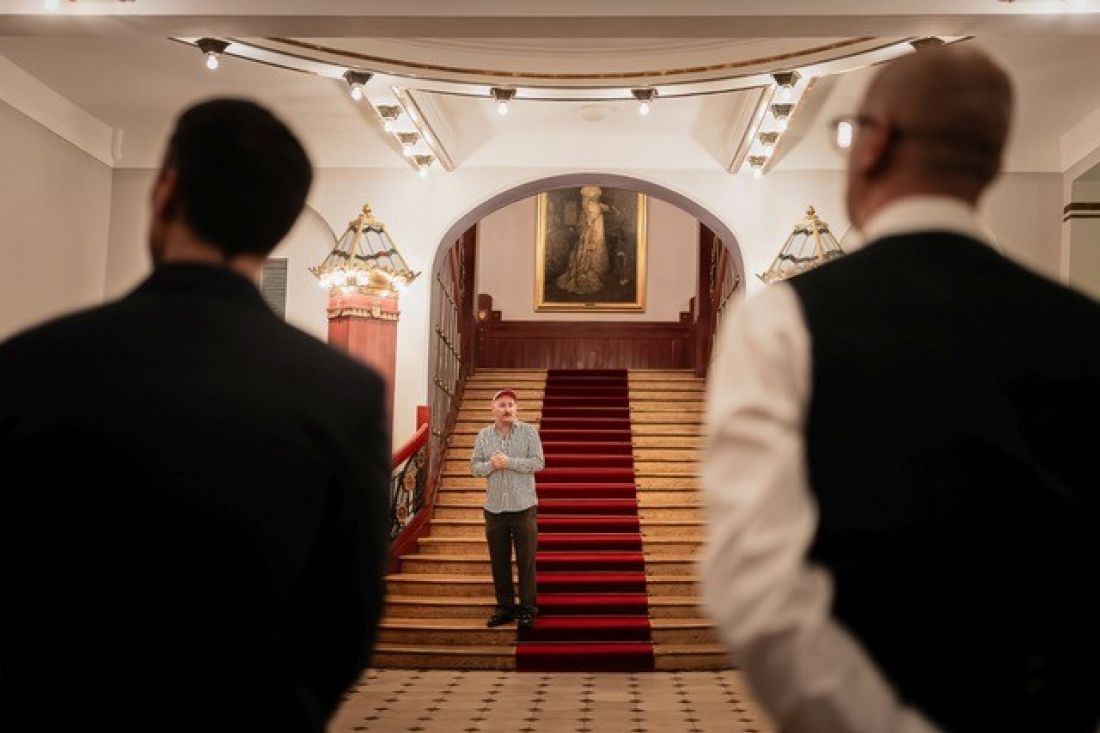
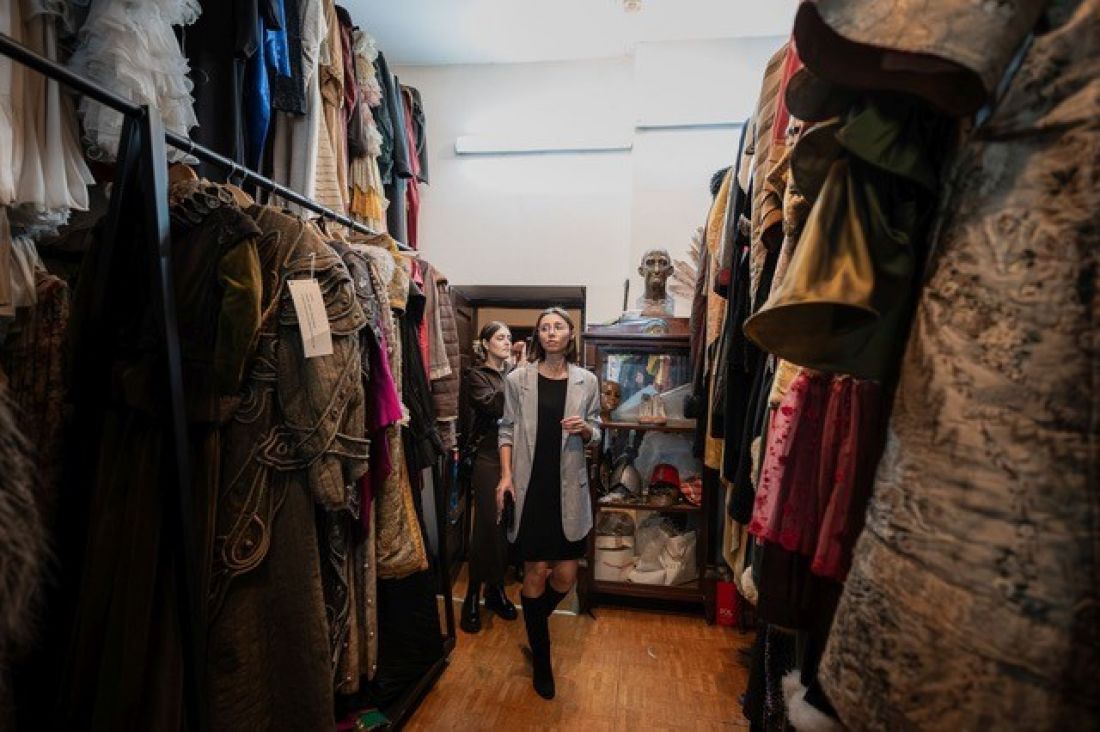
The architects could experience this on October 26, 2025, when Lukasz Zaleski opened the theater curtains for them, giving them a tour of the backstage of the place where the magic of the stage intertwines with the artistry of the space. This extraordinary evening, initiated by Olga Kisiel-Konopka and her agency OKK! PR, was created like a carefully tailored show - for those who create a world of beauty and detail.
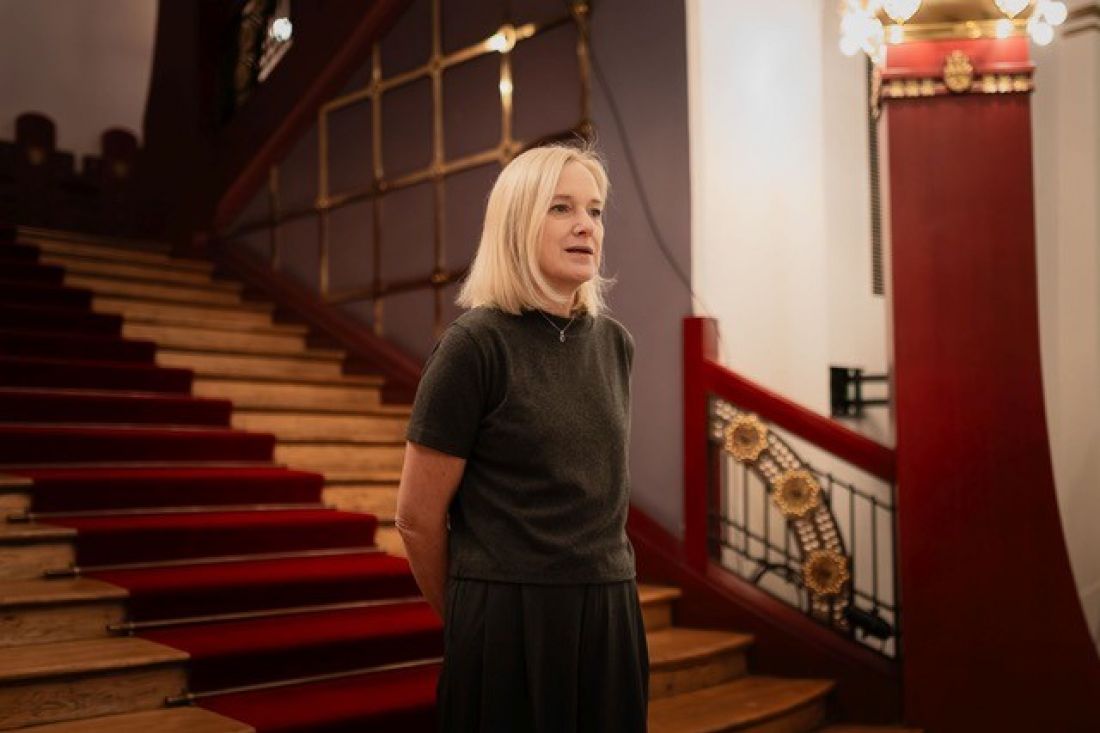
"Architects in the Front Row" was an event that combined experiencing architecture with theatrical glamour and subtle networking among people for whom aesthetics is an everyday reality. The evening was opened by the theater's director, Dorota Ignatjew, and in keeping with the motto of the current artistic season, everyone who came could feel that they truly "ARE AT HOME" in a place where art, emotion and space speak one language.
© OKK
Poland's oldest theater scene was founded in 1781 on the initiative of Warsaw actor Mateusz Witkowski. The first performances were held in the nearby Spiski Palace at 34 Market Square, which now houses... a Biedronka store. In 1799, Jacek Kluszewski, the founder and visionary, acquires a permanent building for the theater (buying two tenements at the intersection of Szczepanski Square and Jagiellonska Street), where the theater has its seat to this day. Kluszewski accomplishes a remarkable thing, in less than a year, with round-the-clock renovations, he transforms the residential buildings into a city theater with a first floor auditorium seating 900 people (today the main stage is on the second floor, the auditorium is designed for 350 people, and it took its shape in 1943).
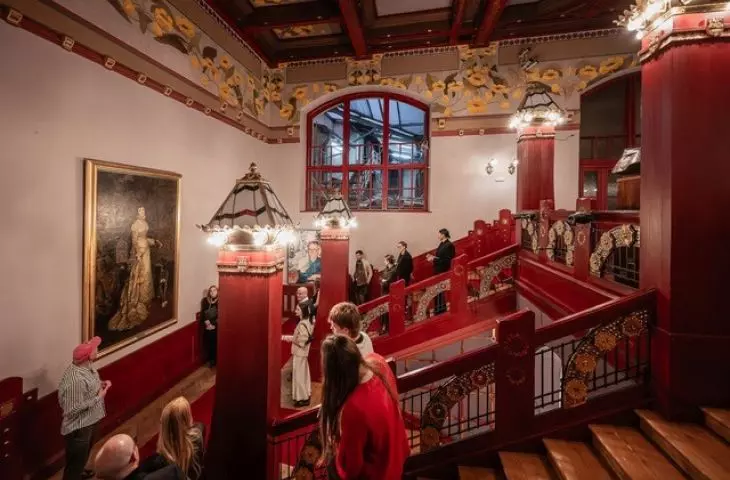
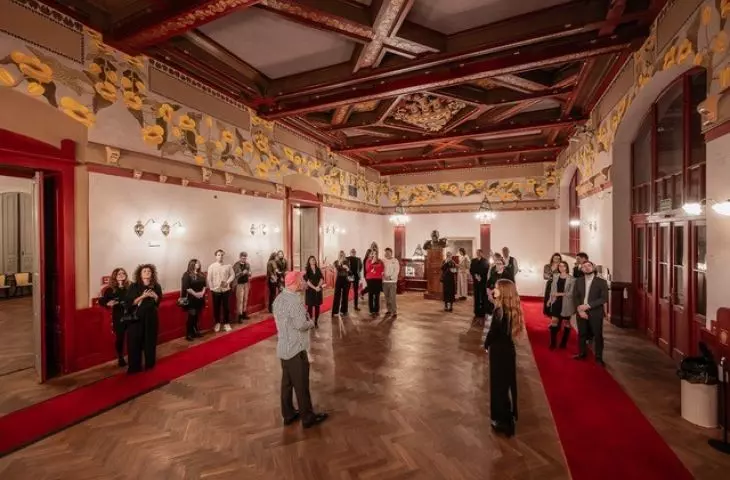
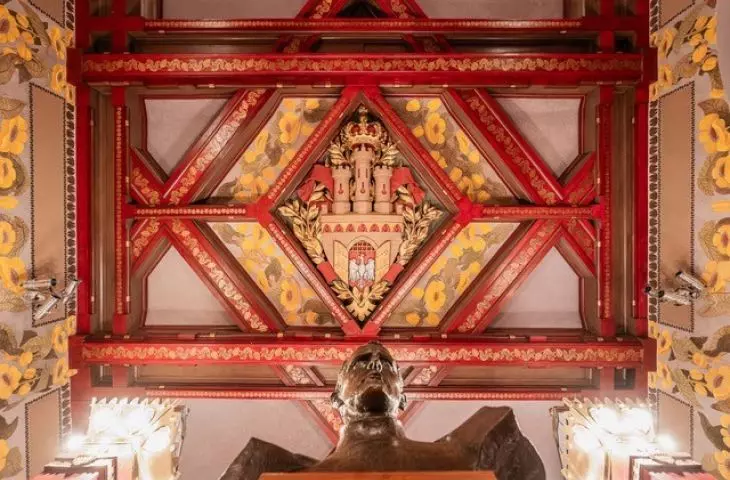
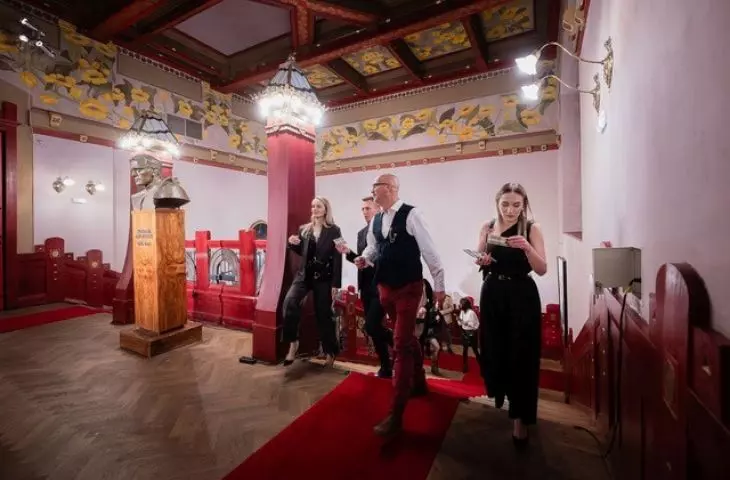
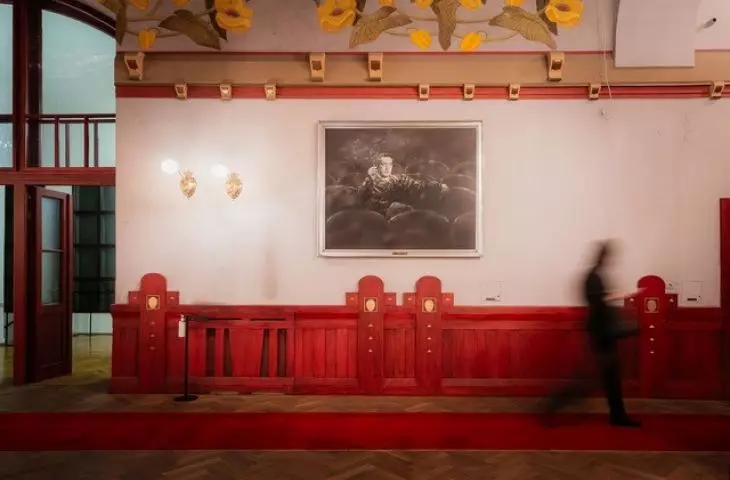
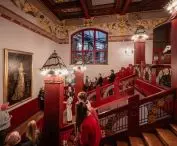
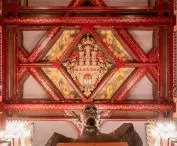
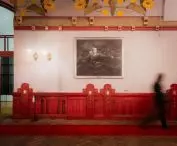
Over time, the theater "absorbs" more townhouses, and today it still bears remnants of the original purpose of the former buildings (e.g., with a servants' cage and room layout), which gives it a unique character. After a major renovation in 1842, between 1903 and 1906 the theater was thoroughly rebuilt and modernized by Franciszek Mączyński and Tadeusz Stryjeński, who were influenced by Viennese Art Nouveau, which they combined with modernist elements, giving the theater the recognizable style of Krakow Art Nouveau. Its traces can now be seen on the facade of the building, decorated with rounded and wavy forms of the facade and Art Nouveau floral motifs like the frieze designed by Jozef Gardecki. This duo of architects put the design of the theater's interior in the hands of artists from the Polish Applied Art group, with each of them responsible for a different space, resulting in an extremely modern stylistic fusion - for example, one of the rooms was dedicated exclusively to images of cats. Apart from the decorative motifs of water flowers, columns ending in lamps and the layout of the staircase, little remains of those projects. With the outbreak of World War II, the Nazis destroyed all subtlety and floral ornamentation, and painted one of the main spaces (now restored) black to serve as a storage room.
© OKK
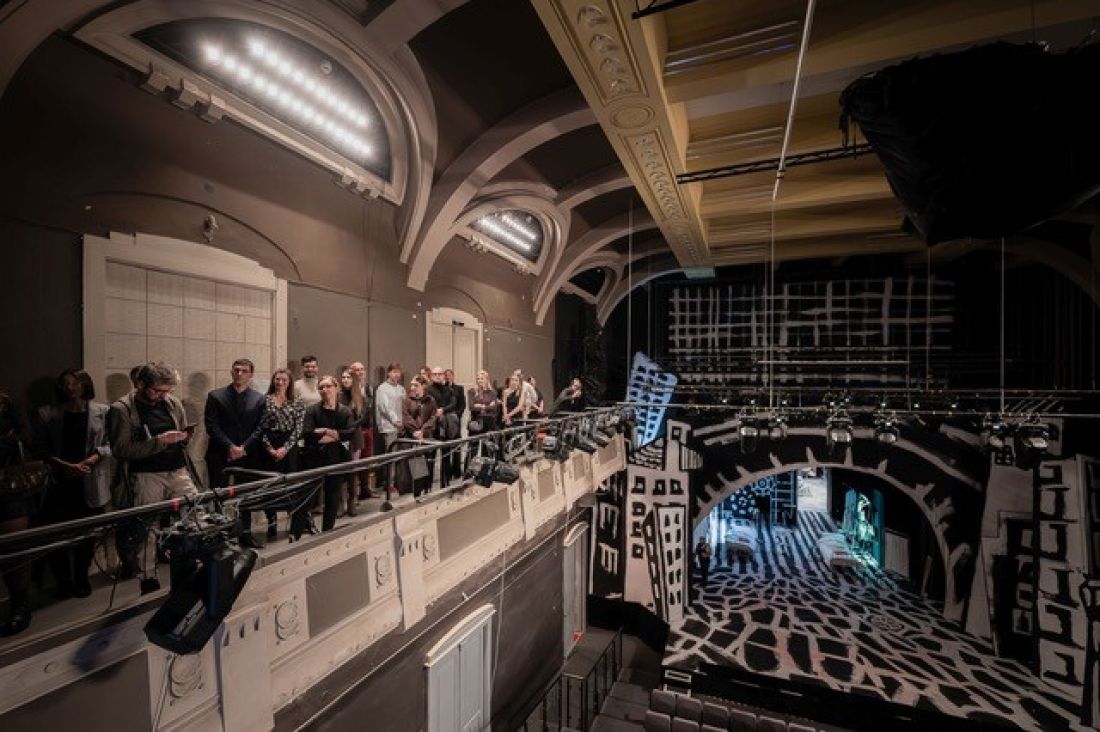
From its inception, the Old Theater in Krakow had a national character, staging both Polish and German plays, quickly offering world productions like Shakespeare's tragedies, Molière's comedies and operas. The greatest Polish directors like Konrad Swinarski, Jerzy Jarocki and Andrzej Wajda worked here. Here, in the attic, Tadeusz Kantor, who was initially the theater's stage designer, clarified the aesthetic vision of his own theater. Here such masters as Krystian Lupa, Jerzy Grzegorzewski and Krzysztof Kieslowski directed. To this day, the theater consistently combines national traditions with modernity and a progressive approach to dramatic art, as exemplified by the repertoire proposed by the new management, which does not lack fresh and critical readings of the classics. On October 26, participants in the event "Architects in the First Row" jointly saw one of Europe's most popular plays - Bertold Brecht's "The Threepenny Opera" - directed by German filmmaker Ersan Mondtag. It was an aesthetic feast with live music, songs by Kurt Weil, nearly thirty actors, unique costumes and an unforgettable set design, alluding to cinematic expressionism.
© OKK
The Old Theater in Cracow, a space full of artistic elegance, intellectual depth, cultural references and more than two hundred years of tradition, is an ideal place to host a new project by the OKK! PR agency, which combines architecture, culture and business in a prestigious formula.
© OKK
Partners of the meeting were Omnires and Kontakt Simon.