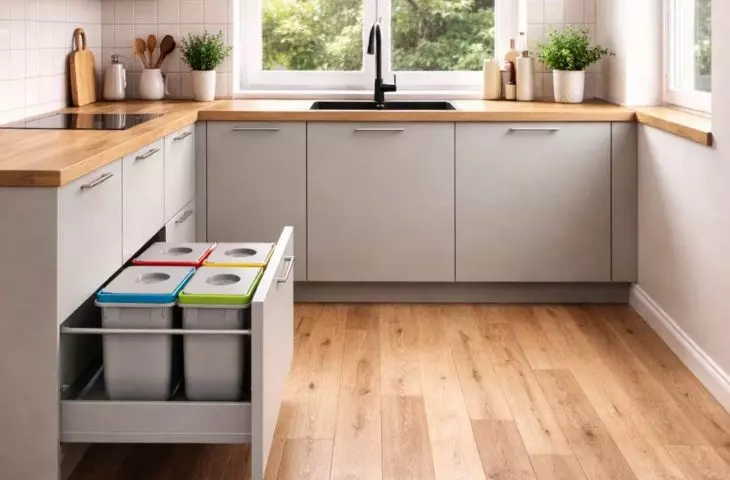

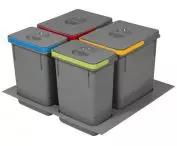


Today, waste sorting is a standard part of everyday kitchen life. Paper, plastics, glass, organic waste, and mixed waste all require separate bins, which means that a trash can tucked away under the sink is no longer enough. A well-designed waste sorting area should not only be spacious but, above all, convenient and easy to keep clean.
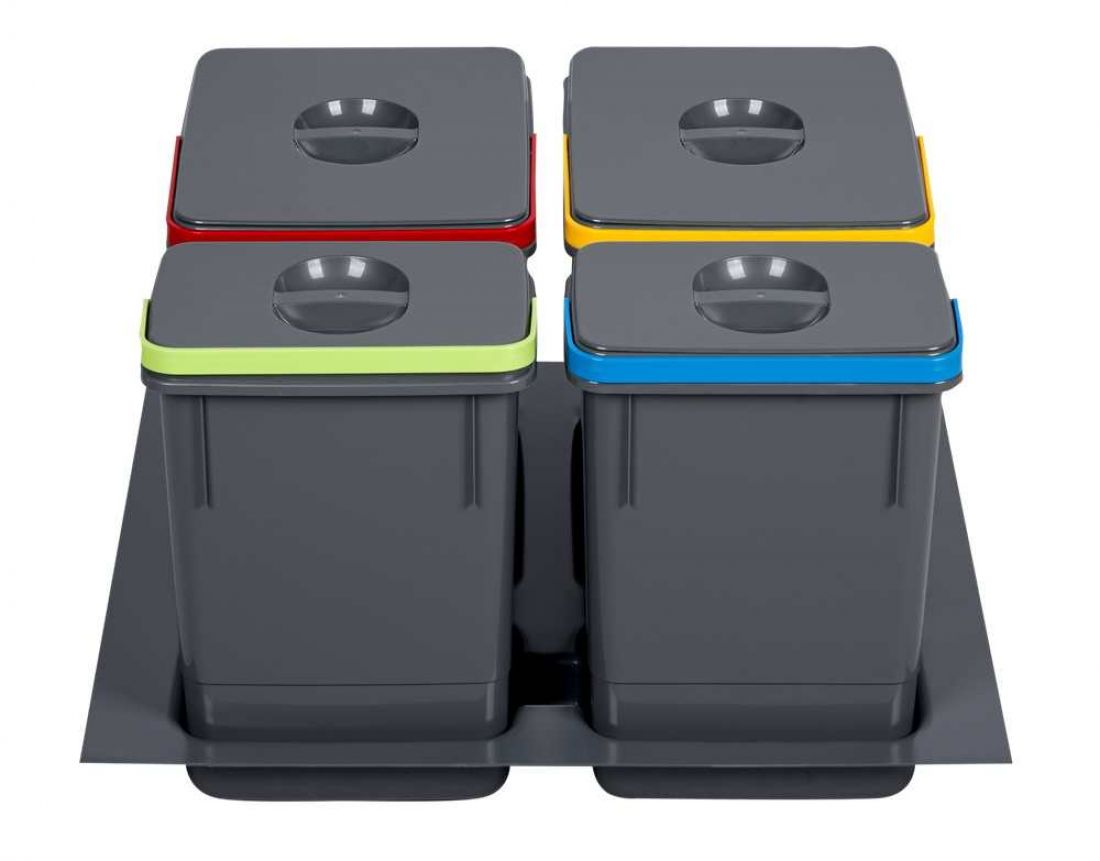
Rubio Waste Separator
© AMIX
One common mistake is choosing a waste sorting unit based solely on the number of bins. Instead, it’s best to first ask how waste is actually sorted in your home and which types of waste generate the most volume.
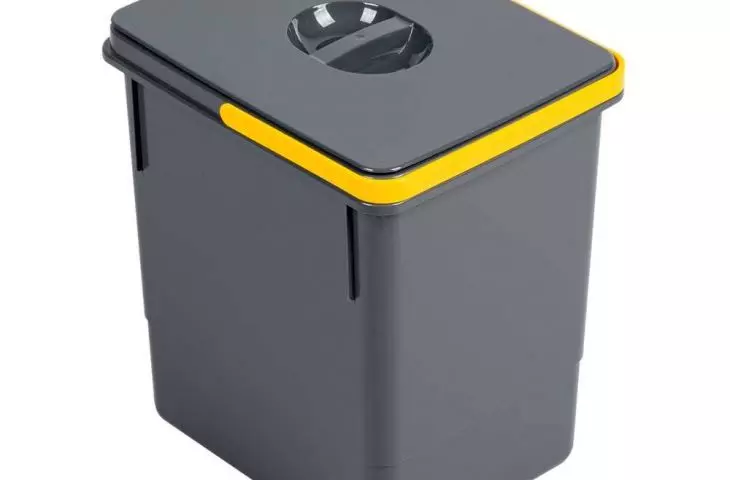
Five identical bins aren’t always the best solution. In many households, it’s much more practical to combine larger bins for the most common and bulkiest types of waste (e.g., plastic) with smaller bins for the types of waste we generate less of (e.g., paper). This allows for better use of available space.
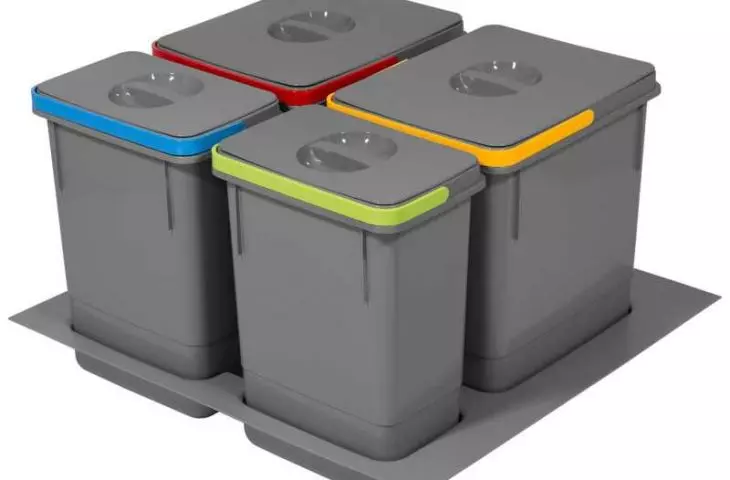
Only then should you match these needs with the waste sorting systems available on the market. And there are quite a few of them. One of the most interesting and easy-to-use options is the RUBIO container set, which can simply be inserted into a ready-made drawer of the appropriate width and depth.
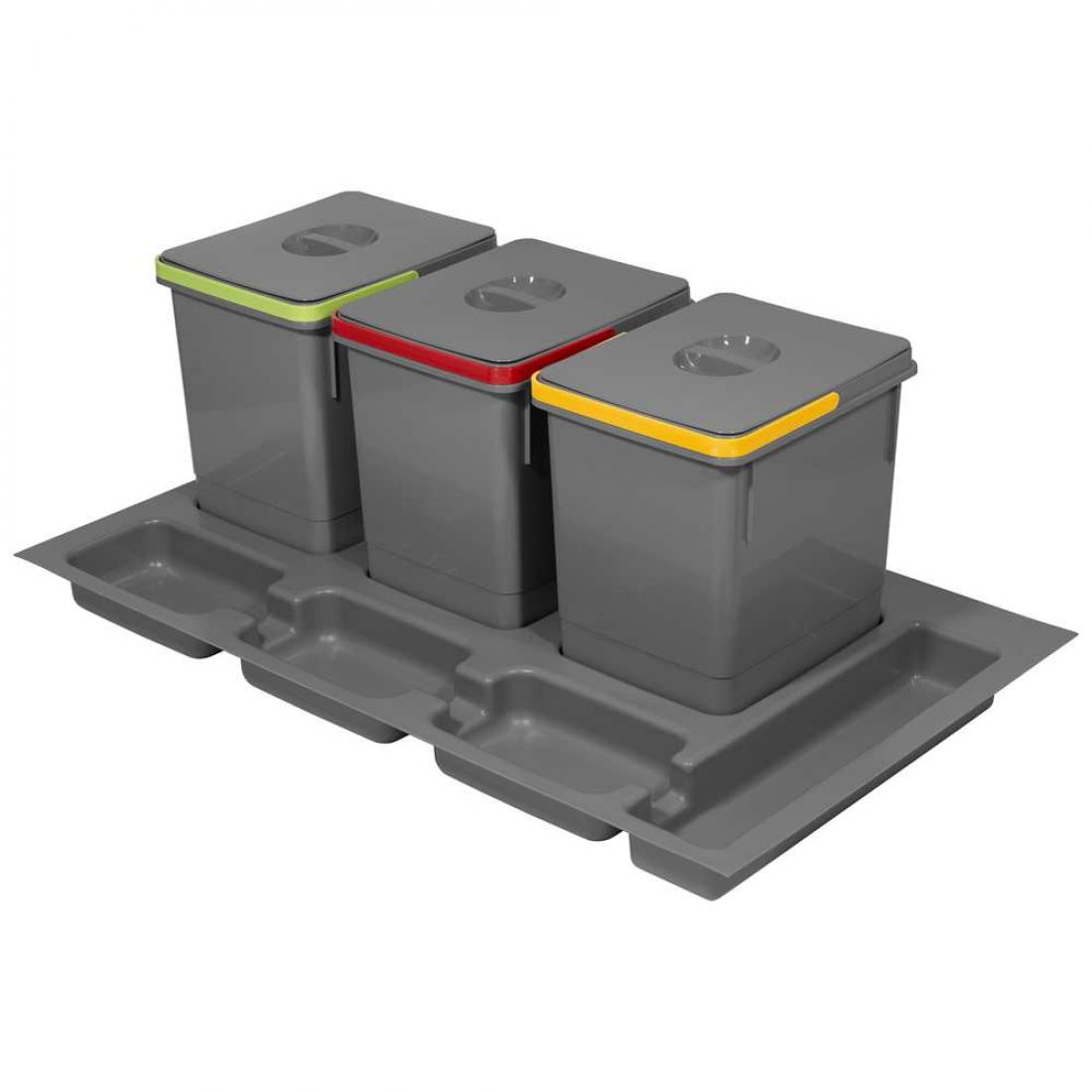
Rubio Waste Separator
© AMIX
A drawer instead of a traditional cabinet
Why is placing the bins directly in a pull-out drawer so convenient? This solution has a significant advantage over bins placed at the back of a traditional cabinet: when pulled out, the entire contents are right in front of the user. There’s no need to bend down and reach for bins placed at the back. All bins are accessible from the top at once.
This solution has another advantage. The organization system can be integrated with the same drawer system used in the rest of the kitchen. As a result, the cabinetry remains consistent in both design and functionality.
Easy cleanup is more important than it might seem
The waste area is particularly prone to mess. Spilled food scraps, leaked contents, or a leaking bag mean that the ability to quickly clean the interior should be one of the criteria for choosing a system. That’s why it’s worth paying attention not only to whether the bins themselves can be removed. Access to the space underneath them is also important.
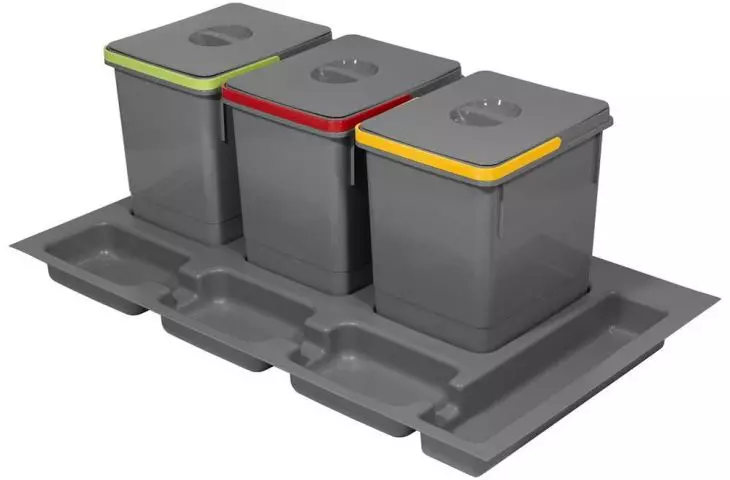
With RUBIO, not only can the bins be removed from the drawer, but also the tray that protects the bottom of the drawer. Cleaning it is much easier than cleaning the drawer or the drawer slides.
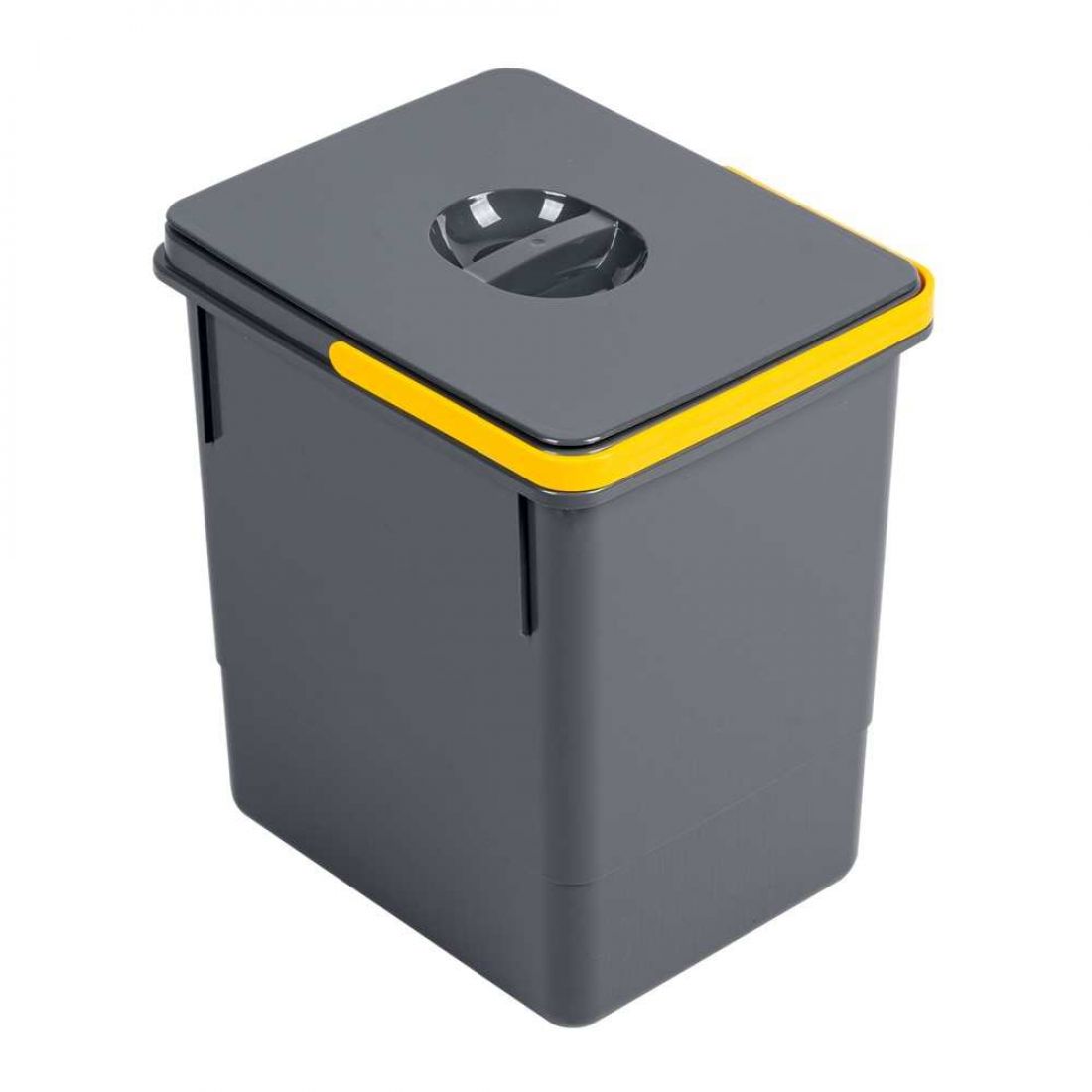
Rubio Waste Separator
© AMIX
Adapt the system to your kitchen, not your kitchen to the system
When designing custom cabinetry, it’s also worth considering the option of adapting the waste sorting system to a specific piece of furniture. RUBIO sets are available in versions designed for cabinets 600, 800, and 900 mm wide. In each set, the tray on which the containers are placed can be trimmed within a specific range (440–520, 670–720, and 770–820 mm) to fit the dimensions of the drawer. This is particularly important for custom-built cabinets. The cabinetmaker does not have to adapt the entire design to the organizer but can choose a solution tailored to a specific kitchen.
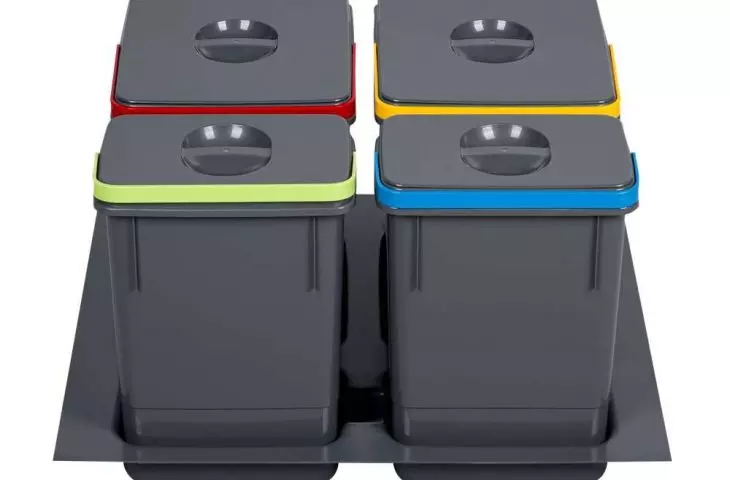
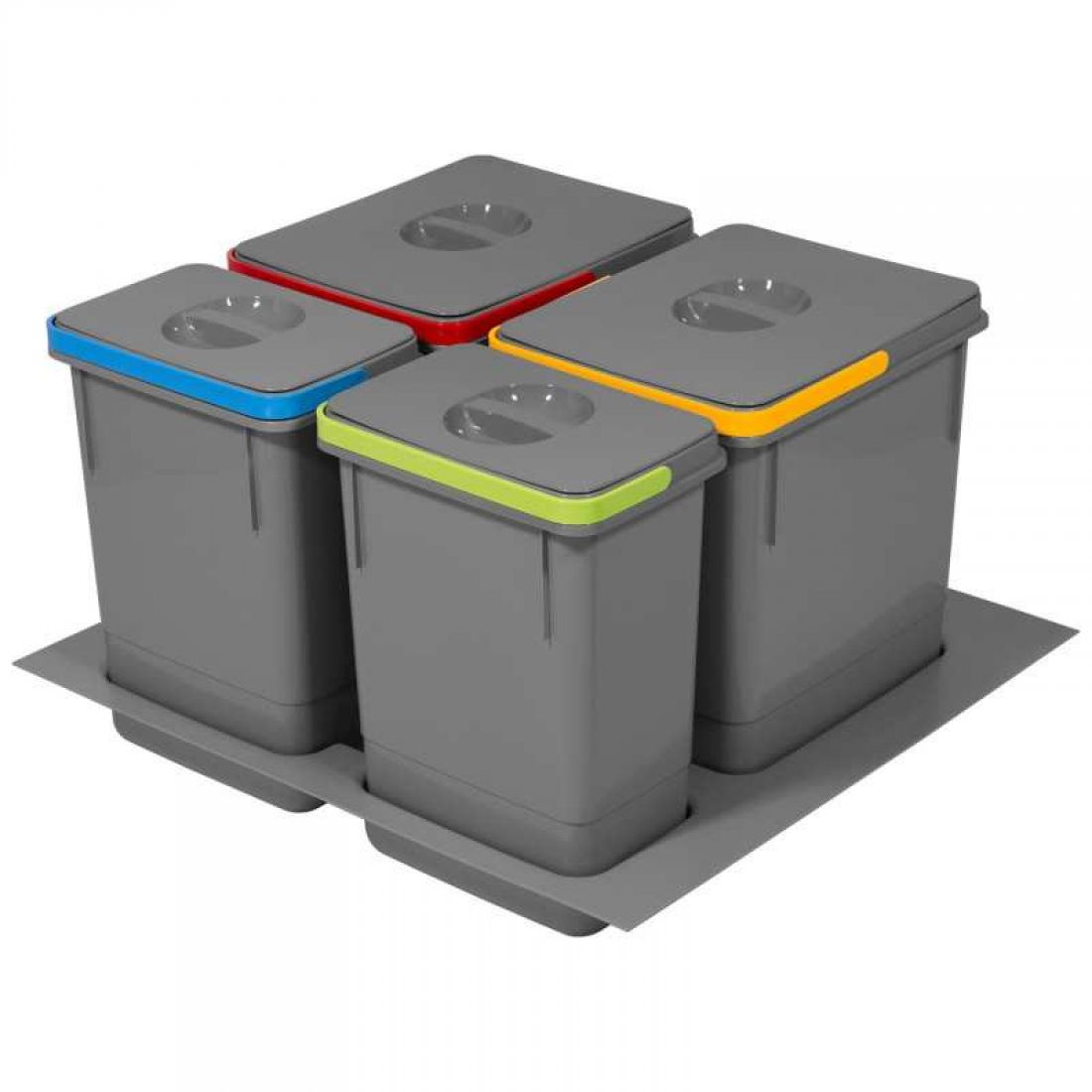
Two configurations are available for the 600-mm cabinet. The first is the RUBIO 60/2×15 L with two 15-liter containers. The second— RUBIO 60/2×15 L + 2×7 L —offers four containers: two 15-liter and two 7-liter containers. The RUBIO 80/3×15 L set, consisting of three 15-liter containers, is designed for an 800 mm cabinet. The variant for a 900 mm cabinet —the RUBIO 90/3×15 L— also includes three 15-liter bins, but the tray also features 4 containers for accessories such as dishwasher tablets or trash bags.
Rubio Waste Separator
© AMIX
Effective waste sorting should fit our habits
A well-designed waste sorting area doesn’t have to take up a large part of the kitchen. It’s more important to tailor it to the available space, the number of household members, and their daily habits. Ultimately, there is no single “perfect” container layout for every kitchen. A single person living in a small apartment will need different solutions than a family of several people who generate significantly more waste every day. RUBIO stands out for its variety of options and functionality.
For more information, visit the {tag:Manufacturer} website on the A&B portal.