







Recent reports show that IoT in the building industry is slowly becoming the standard. It is forecast that globally, by 2028, the number of IoT devices used in smart commercial buildings will grow to as many as 3.25 billion!1 Interestingly, there are already lighting solutions that, thanks to built-in IoT modules, not only allow remote and automatic control of lighting, but also transmit other data in real time, such as current energy consumption. What are the benefits of this, explains Kamil Kasprzyk, Head of Solutions & Services CEE at TRILUX.
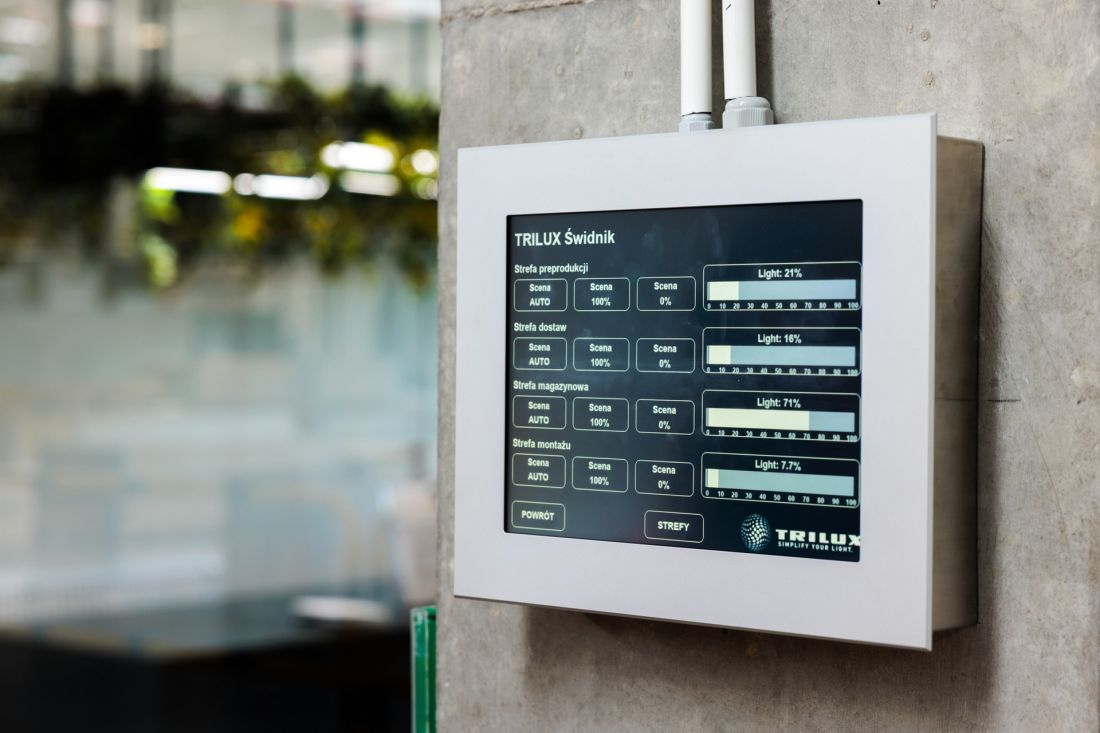
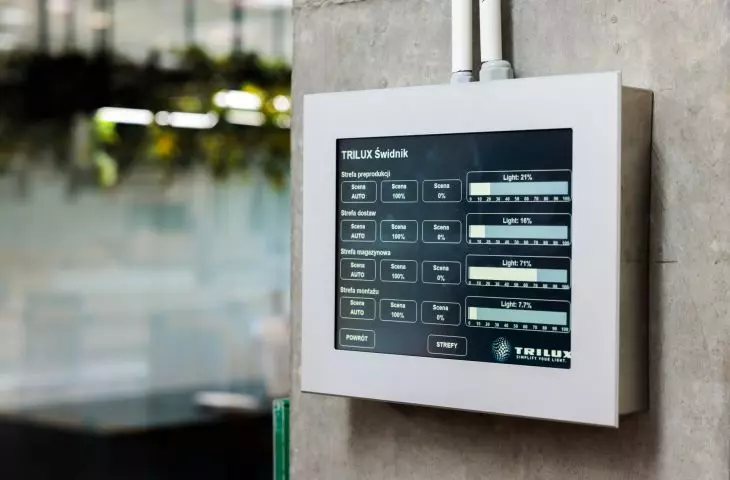
Swidnik
© TRILUX
The human brain is a fascinating organ. It forms a dense network of connections in which individual components communicate with each other in real time, helping us to make decisions in a way that is often completely subconscious. With neurons exchanging electrical and chemical impulses, Mother Nature has equipped us with a dynamic information processing system that makes the pupils of our eyes increase or decrease depending on the intensity of light, and our skin reacts to cold with a tremor that warns us of the risk of hypothermia.
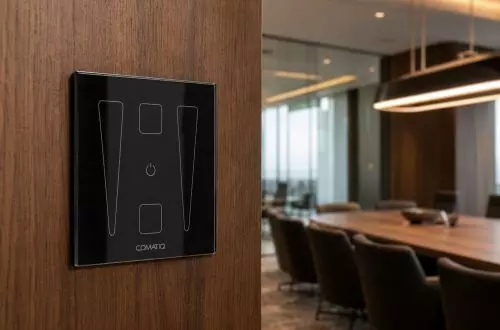
The Internet of Things, in the context of building facilities, works very similarly. It's a network of physical devices that are connected to the Internet and can collect, transmit and exchange data with each other improving the management of lighting, air conditioning or, for example, ventilation of a building," explains Kamil Kasprzyk, Head of Solutions & Services CEE at TRILUX, and adds , "With solutions such as LiveLink, for example, we can automate lighting control also within the so-called BMS (Building Management System) of facilities - and centrally control grouped thousands of luminaires in commercial buildings. What's more, as technology develops, expanded lighting installations - which constitute a vast network in buildings - open up new possibilities for artificial intelligence, for example. Already today, lighting fixtures that are part of the network are being used as part of IoT to, among other things, provide voice messages to facility users, charge phones or electric scooters. There is no turning back from this trend anymore.
One lighting system - multiple control functionalities
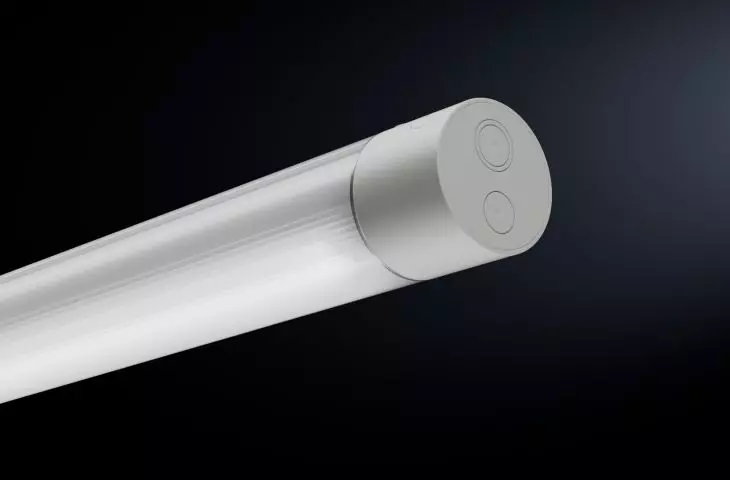
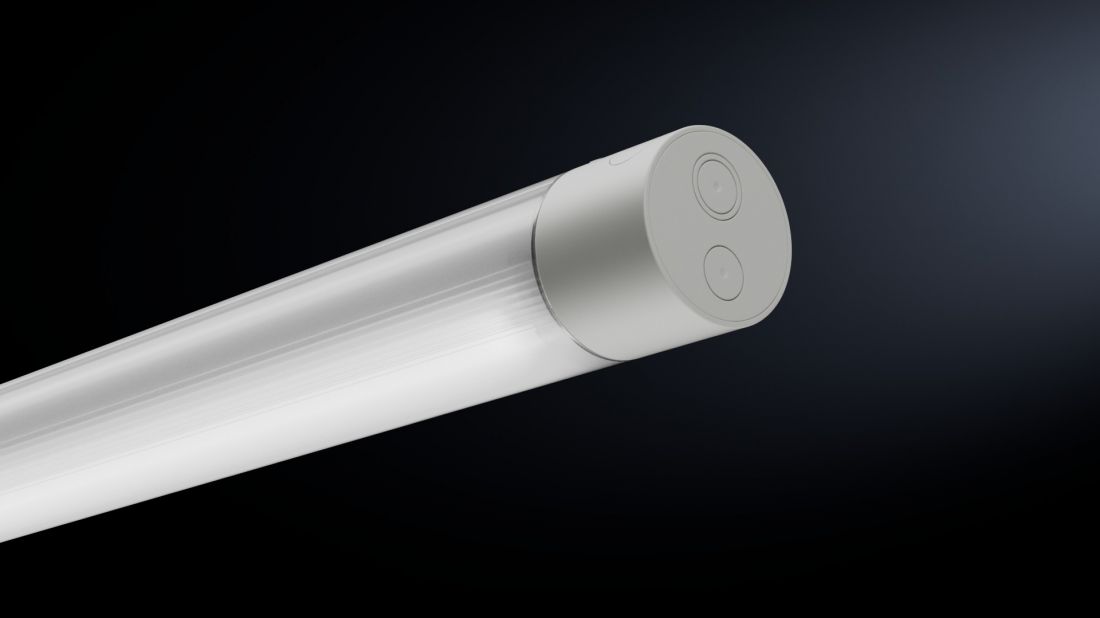
Smart luminaires such as TUGRA, which is shaped like a cylinder, for example, can be installed side by side so that not only electrical system components, but also, for example, a wifi network or parts of a monitoring system, as well as motion detectors, can be placed inside them. This gives primarily financial benefits (including lower investment costs), as well as aesthetics (all elements are placed in the line of luminaires), but also makes it possible to transmit data on various parameters of the building: lighting intensity, temperature, occupants in a particular room or, for example, the need for ventilation.
Thanks to such a solution, we can remotely or even automatically control the lighting, turning the light on and off when needed, but also adjusting its intensity and color to current needs, as well as obtaining valuable information on an ongoing basis, such as energy consumption or enabling predictive maintenance. In addition, thanks to motion detectors, we can monitor in real time which rooms are used more often and depend on this, for example, the frequency of their cleaning crew or identify rooms that require more frequent ventilation," Kamil Kasprzyk explains, adding, "This creates an extremely desirable synergy effect and allows us to reduce costs, but also to be fully flexible and adapt buildings to the changing needs of their users.
Tugra
© TRILUX
Comprehensive benefits of IoT in building management
What are the benefits? Imagine an office building owner who leases individual spaces to different tenants. Thanks to motion detectors placed in the integrated lighting system, he can reduce energy costs from the passageways by illuminating them automatically only when needed. When changing tenants, he does not have to modify the entire lighting system right away, but can reprogram the lighting system by changing the functionality of a specific fixture
from a stand light, for example, to a walkway light.
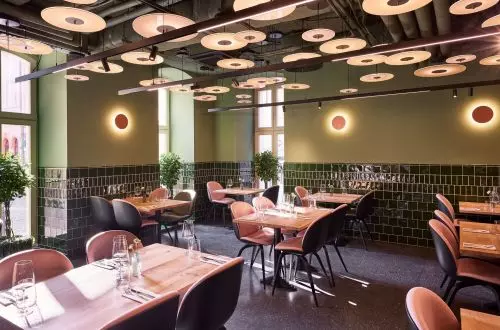
The manager of a large-format store will also gain, not only financially, from installing such a system. Thanks to IoT and a simple interface, he can very easily change the intensity and color of the light affecting the shopping experience of customers. At the fresh food counters, he can program the light to reflect the atmosphere of the market, associated with what is natural and healthy. In the dairy area, he can set the light to a matching shade, suggesting to customers that they are dealing with top-quality cheese, yogurt or milk. In the clothing area, on the other hand, he can bet on a spotlight exposing individual garments suggested to customers as the most interesting or representative of the entire collection. And most importantly. If he decides to redesign his store, he doesn't have to replace the fixtures - he just has to reprogram them using the LiveLink system to take on other functionalities.
In both cases, another benefit is the simplicity of the solution. It will be much easier to teach new employees to manage lighting and other functionalities from a single, integrated system, rather than teaching them each time from scratch, where each
room has the appropriate controllers.
IoT is already a standard in the design of buildings," concludes Kamil Kasprzyk, "And it's hardly surprising, because it not only allows you to manage them more efficiently, but also to get additional benefits: support health or concentration, increase security
and improve sales performance.
For more information, visit www.trilux.com
Footnotes