





Indonesia is facing one of the biggest urban transformations of the 21st century. Faced with a crisis and overburdened Jakarta, the government plans to move the capital to the island of Borneo. Nusantara is expected to symbolize the vision of a green and modern city.
Indonesia - a travel destination for many, associated with stunning views, blue water and historic temples dating back to the 9th century. Until now, Jakarta has been the country's capital, but this is set to change.
next steps in change
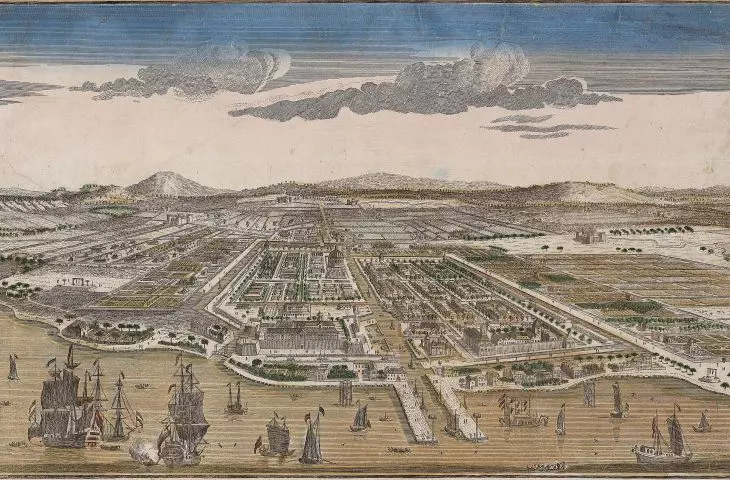
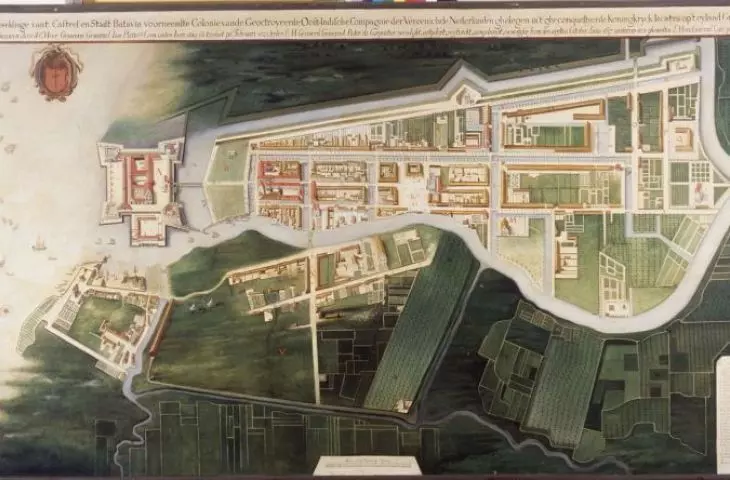
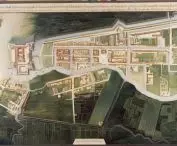
Three hundred years of colonialism have left clear traces of Dutch heritage in Indonesia. In many cities today you can still recognize the former colonial districts, with building regulations dating back to Dutch rule. In 1619, the city's name was changed to Batavia, and since then it has developed according to the patterns of Renaissance city planning imported from Europe. Over time, European elements began to intermingle with local traditions, leading to a culture better suited to the tropical climate than the rigid Dutch schemes.
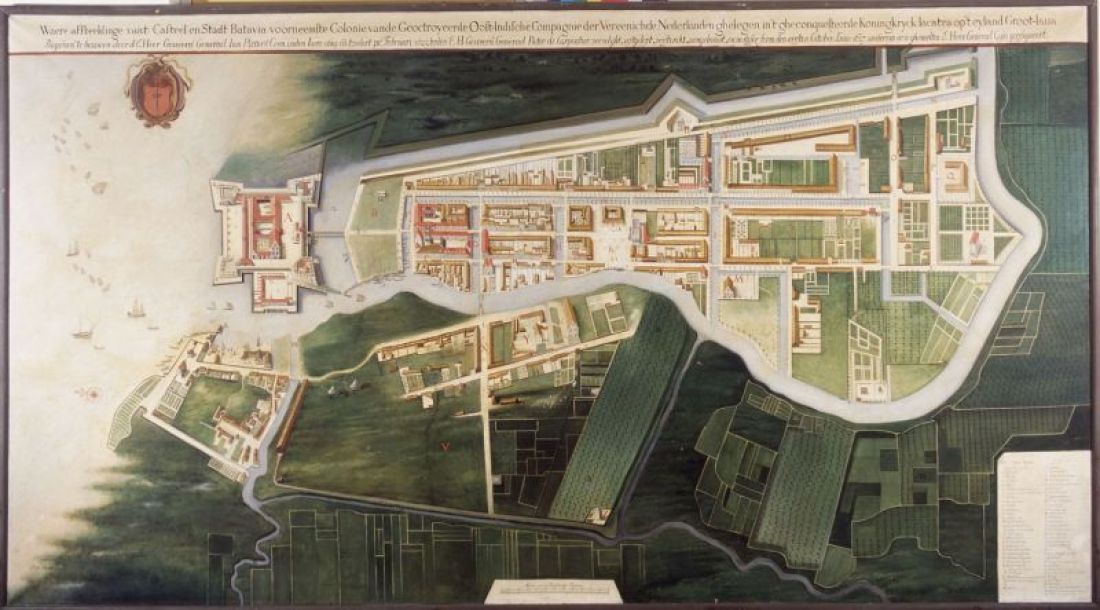
Reproduction of a map of Batavia from around 1627 - CC BY-SA 3.0, https://commons.wikimedia.org/w/index.php?curid=11031498
Door Collectie Wereldmuseum (v/h Tropenmuseum), part of the National Museum of World Cultures,
The city attracted merchants and artisans from all over, including Chinese and Arab communities. The growing population generated social tensions. A bloody massacre occurred in October 1740, and a year later there was displacement outside the city walls.
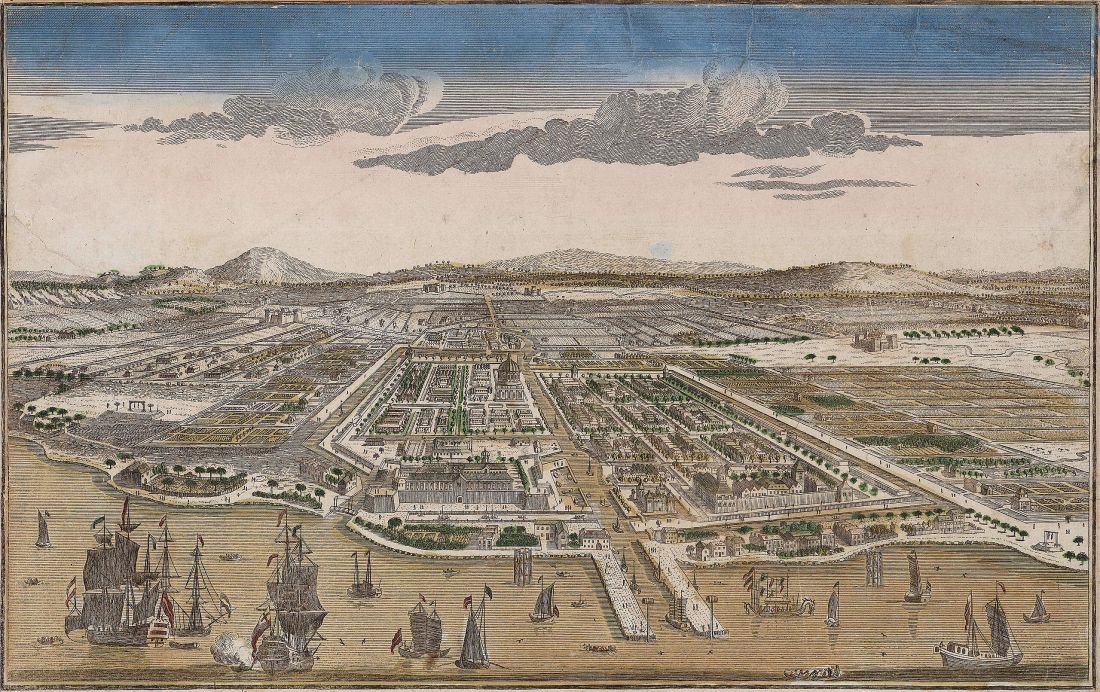
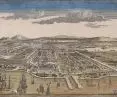
Batavia engraving from 1780 - View of the island and city of Batavia, owned by the Dutch (in mirror image); for the East India Company
Door Paris : DaumontI. van Reyne. - London : R. Sayer, 1754
As the years passed, development moved further south. Cholera and malaria epidemics in the 19th century prompted residents to leave the port area. The 1930s brought a new vision for urban planning. In 1934, the City Planning Commission was established to create uniform rules governing the development of space. In 1938, the concept of an orderly, centralized city was presented, in which the urban layout was to reflect "social order." The 1937 redevelopment project called for the prominence of the city hall and stadium, the introduction of wide avenues and carefully separated gardens - this was in keeping with the international City Beautiful trend, which viewed architecture and urban planning as tools for shaping social attitudes. The plan became an expression of the colonial vision of order, where monumental buildings in a geometric layout were to emphasize the power of the administration.
In March 1942, Batavia was captured by Japanese troops and was given the status of Special City of Jakarta. After the end of the war, the name Batavia still functioned in international circulation, but with full independence on December 27, 1949, the city was officially proclaimed the capital of Indonesia as Jakarta.
11 cm per year
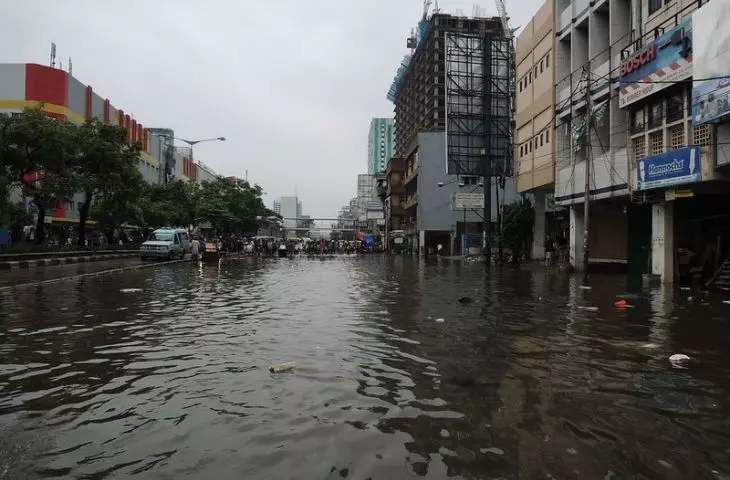
The city struggles with chronic flooding, severe land subsidence and coastal flooding. Some neighborhoods in this city are collapsing by as much as 11 cm per year. The reason is mainly due to over-exploitation of groundwater in Jakarta. The capital has been struggling for years with repeated flooding, progressive land subsidence and the threat of inundation by seawater, and it is estimated that about a quarter of the city could be under water by 2050 if radical changes are not made to improve this condition.
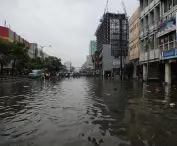
The capital's location in a wetland favors these risks - the city lies at the mouth of thirteen rivers that flow into the bay, which is part of the Java Sea. However, the scale of the problem has steadily increased in recent decades. Inundations have been recorded on a number of occasions, including 1996, 1999, 2007, 2013, 2020 and 2025, with the most serious flood in recent years occurring in March 2025. In the city and province of Jakarta alone, it flooded the homes of more than ten thousand people. In neighboring cities, the effects were even more severe.
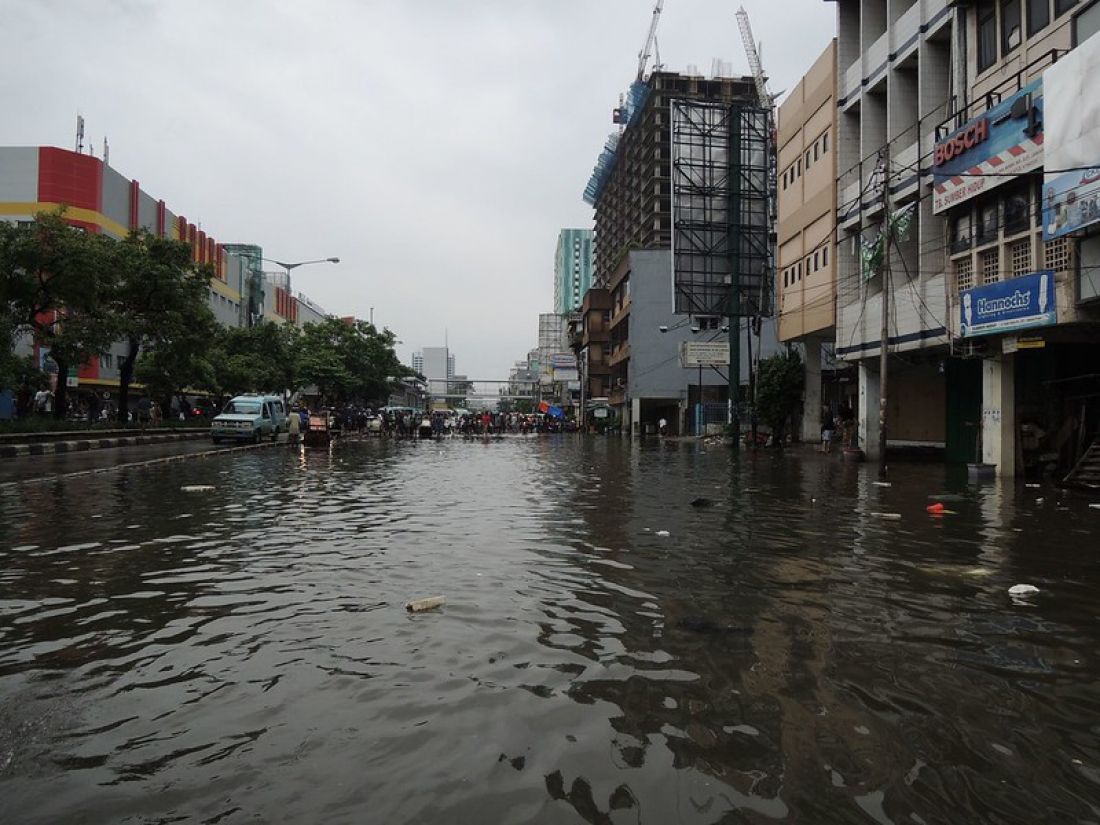
Flooding hit Jakarta in 2015 - CC BY-NC 2.0.
Purnadi Phan
As if that wasn't enough, Jakarta does not have a safe water supply system, and does not provide access to clean tap water. Overuse of groundwater leads to saline intakes. The capital relies on a variety of water sources, but most are contaminated by industrial and municipal waste. In 2020, only about 15 percent of households had access to adequate quality drinking water. At the same time, Indonesia's meteorological agency warns that the country could face a severe water crisis by 2040 due to increasingly frequent droughts.
too tight
Jakarta is also struggling with extreme congestion and pollution and the resulting - overloaded infrastructure. Originally, during the Dutch era[1], the city was planned for only about 500,000 people. While it was planned for only half a million residents during the colonial period, today Jakarta has a population of more than 10 million, and including the suburbs, exceeds 30 million.
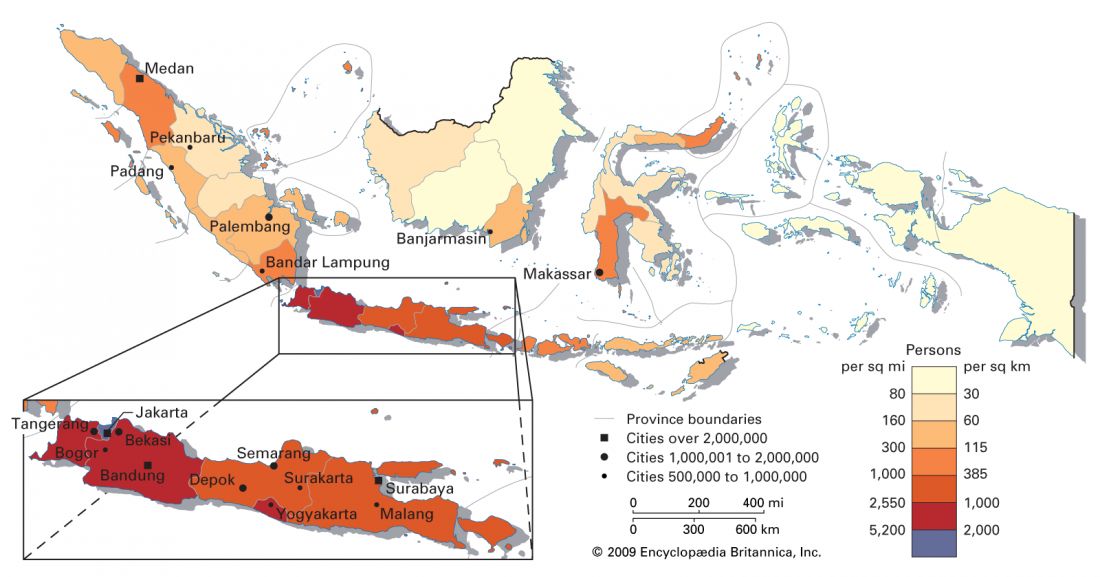
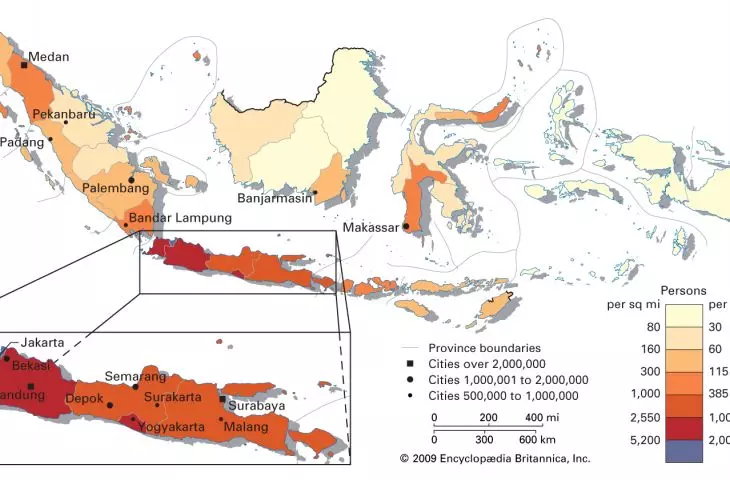
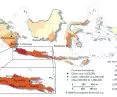
Population density in Indonesia.
Encyclopædia Britannica
Basic services and economic activity are largely concentrated right here in Jakarta and on the island of Java: some 57% of Indonesia's population lives here, generating more than half of its GDP. As with any development, the lack of polycentricity has meant that development concentrated in this one place has exacerbated inequality and eventually overburdened Jakarta.
"The relocation of the capital to Kalimantan is aimed at spreading economic activity beyond Java, as well as ensuring more equitable economic development, especially in the East Indonesia region,"
- Deasy Simandjuntak, a research fellow at ISEAS - Yusof Ishak Institute in Singapore, said.
Jakarta is overburdened with traffic, suffers from severe air pollution and an infrastructure that cannot keep up with its growing population.
Let's move to Nusantara
The Indonesian government is planning to move the capital from Jakarta to Nusantara ("outer islands" or "archipelago"), a new city being built on the island of Borneo. The project, estimated to cost $32 billion, has been presented as a way to redistribute resources and development opportunities throughout the archipelago, as well as an opportunity to strengthen Indonesia's position on the international stage.
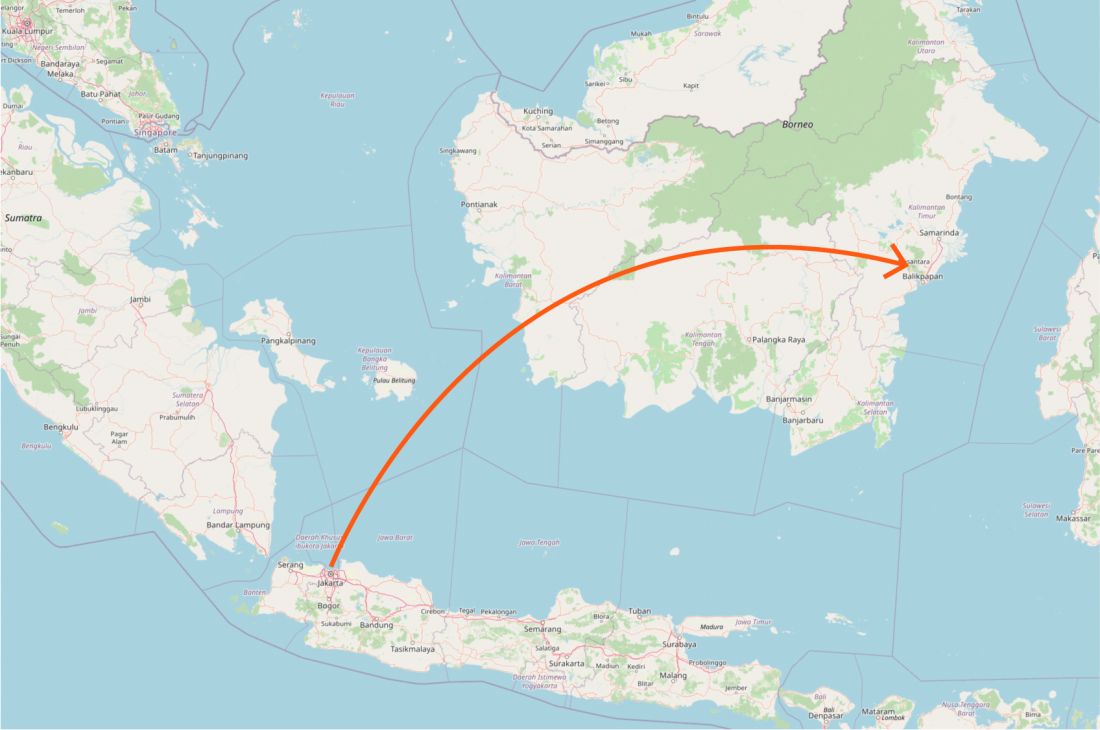
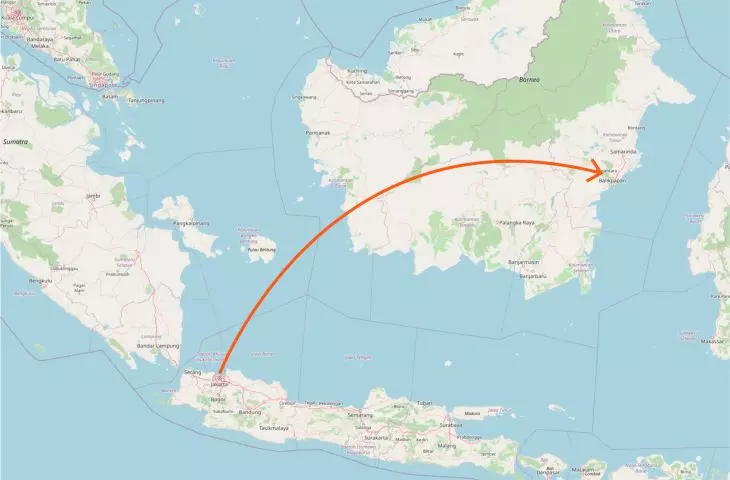
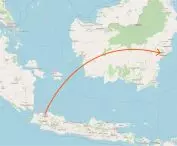
Location of Jakarta and Nusantara - the new Capital City
© Magdalena Milert
In August 2019, then-President Joko Widodo officially introduced the concept of moving the capital, just weeks after being sworn in for a second term. During his campaign and earlier years in power, he made no mention of such an intention, prompting discussion of the motivations and political implications. In his rationale, however, he stressed that Jakarta was overcrowded, heavily polluted and settling at an alarming rate. He also pointed out that moving the capital out of Java was intended to reduce the development disparity between the western part and the less industrialized eastern islands.
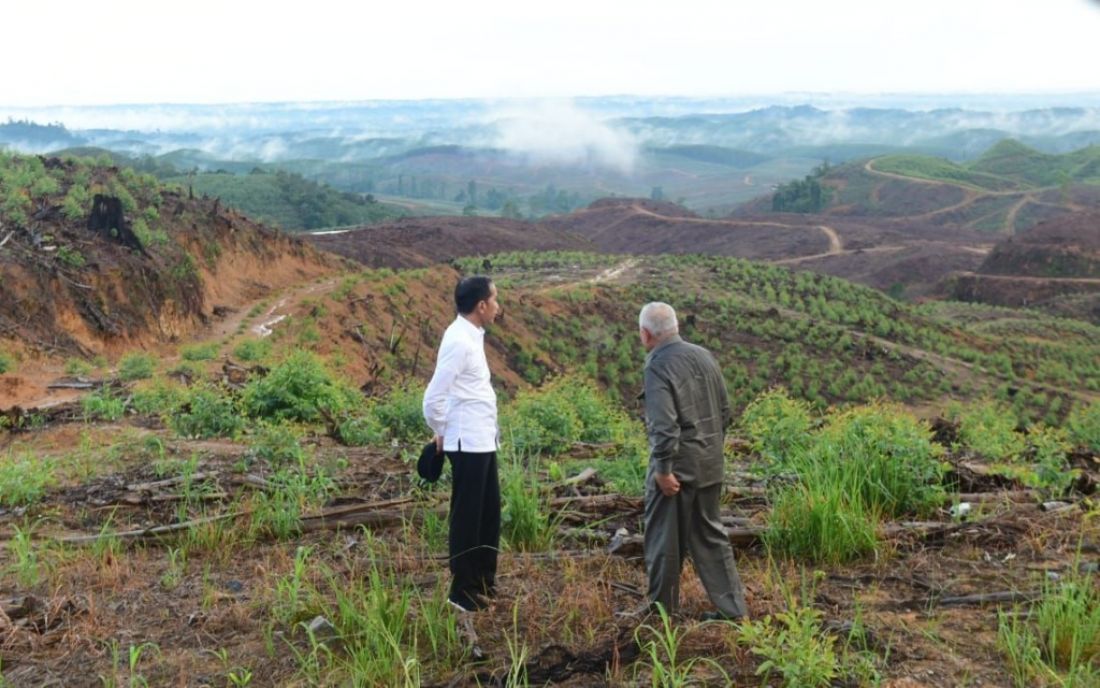
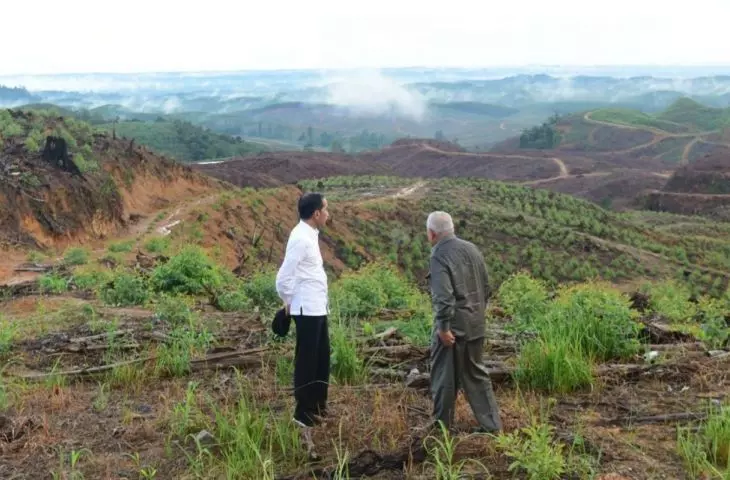
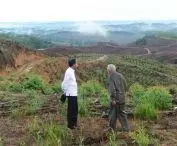
Then-President Joko Widodo with then East Kalimantan Governor Isran Noor visit Nusantara.
BPMI President's Secretariat/Muchlis Jr - President of the Republic of Indonesia, Public Domain,
Widodo announced that Nusantara will be designed as a "forest city" whose construction will be "carried out with respect for the environment" and with the goal of achieving carbon neutrality upon completion. He also announced that up to 80 percent of the funding for the project will be provided by private investors, with the remainder to be financed from the state budget in subsequent years.
The project is based on the concept of a "forest city," in which urban development is to "harmoniously coexist with the surrounding nature." As envisioned, 65 to 75 percent of the area has been set aside for forests and green spaces, while only about a quarter of the 256,000 hectares - an area three times the size of Singapore - has been given over to urban development. This approach is intended to reduce investment pressure on the environment and use the space to restore degraded ecosystems. The first residents are planned to be settled in 2024. The entire project is scheduled to be completed by 2045.
can already be seen on the map
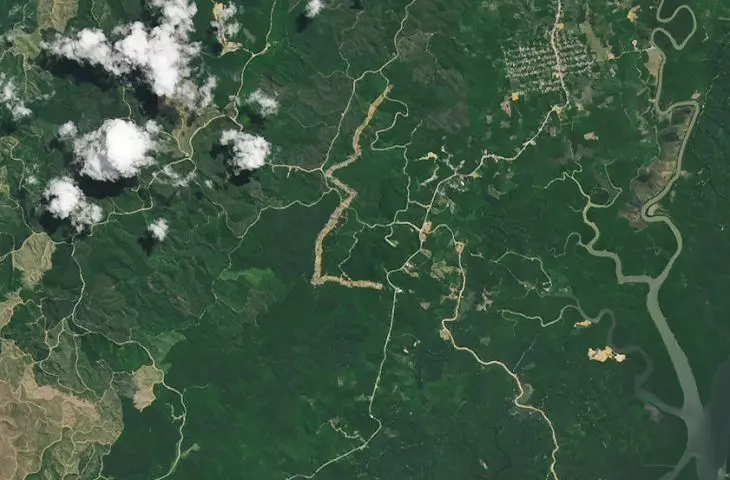
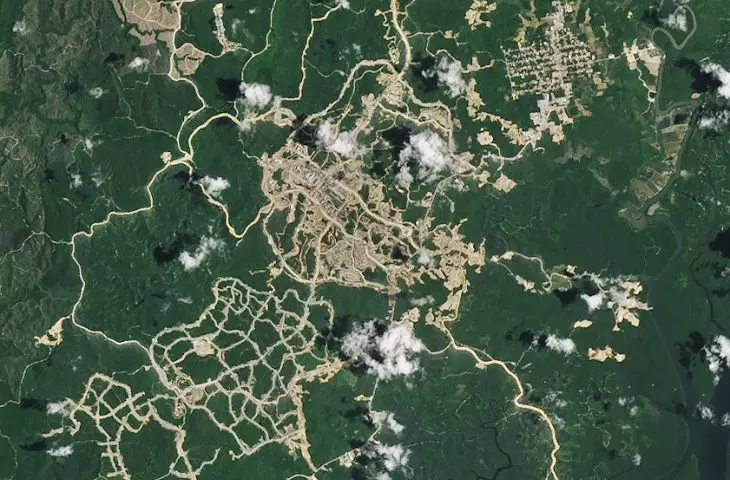
Construction of Nusantara began in July 2022. The capital is being built in East Kalimantan province near Balikpapan. The choice of site was dictated in part by the low risk of natural disasters. The inland area has little seismic activity and no volcanoes, which pose a fairly serious threat in other parts of Indonesia. It is therefore being built in a sparsely populated region, more specifically, in an area that largely overlaps with areas of former logging concession areas. The project also plans to use land set aside from oil palm plantations, mining areas.
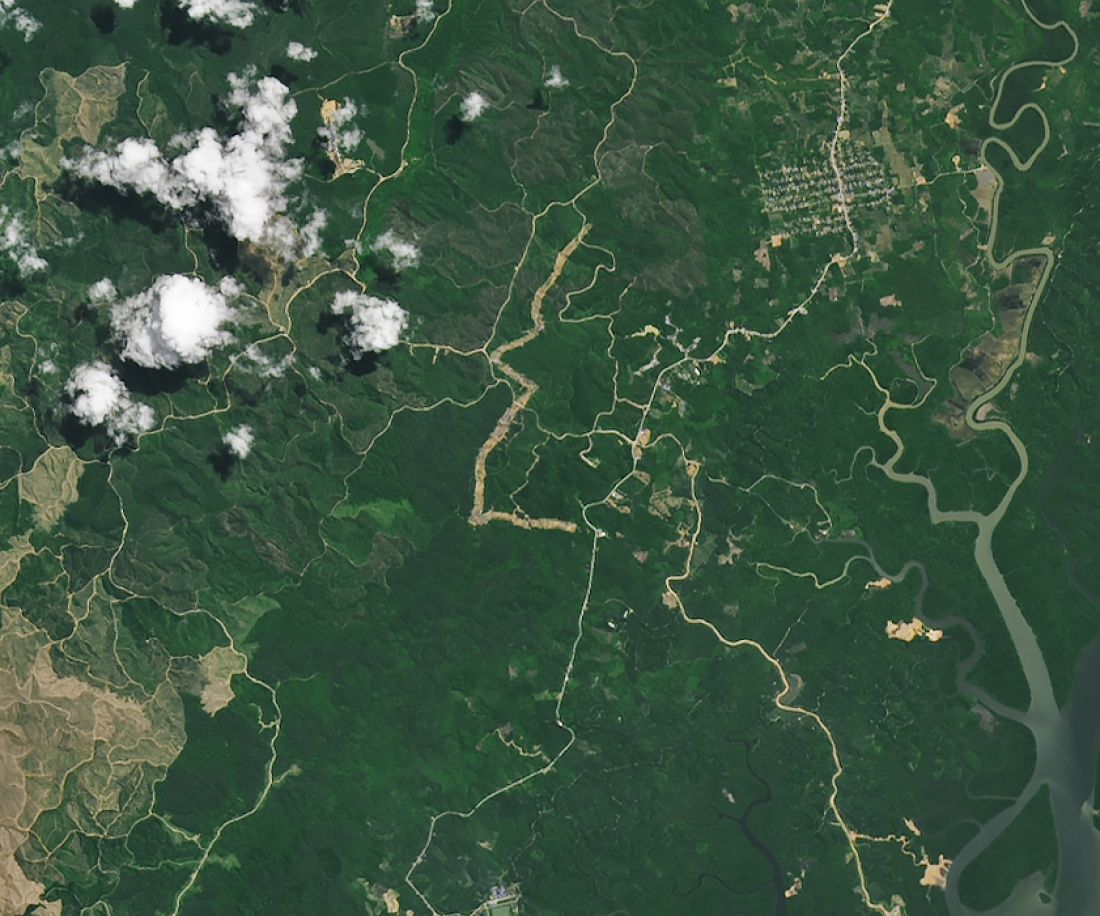
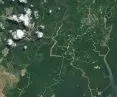
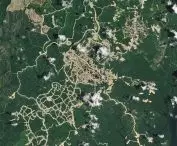
Nusantara in April 2022. The images were taken by OLI-2 (Operational Land Imager-2) on the Landsat 9 satellite
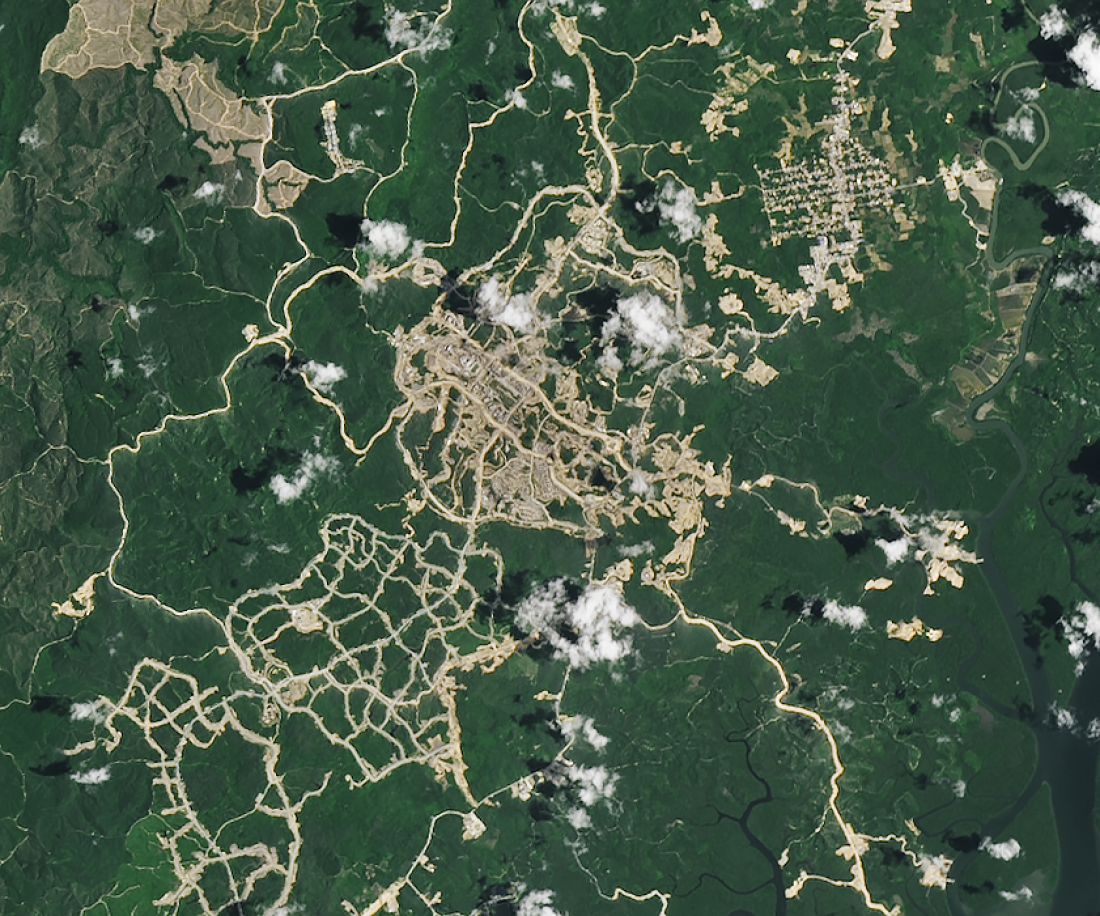
Nusantara in February 2024. The images were taken by OLI on the Landsat 8 satellite.
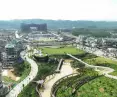
The city's layout is expected to reflect a model with a central administrative district with government buildings surrounded by zones for housing, education, healthcare, business - all filled with green corridors. According to the master plan, only 25 percent of the area will be urbanized, with the rest to remain forests, parks, reservoirs and urban farmland. Planners emphasize that every resident will have access to green recreational space within a ten-minute walk. The whole is complemented by a 256-square-kilometer buffer zone designed to control the city's expansion and protect neighboring ecosystems.
The masterplan for Nusantara - the future capital of Indonesia that is currently under construction on the island of Borneo
byu/wildeastmofo inpapertowns
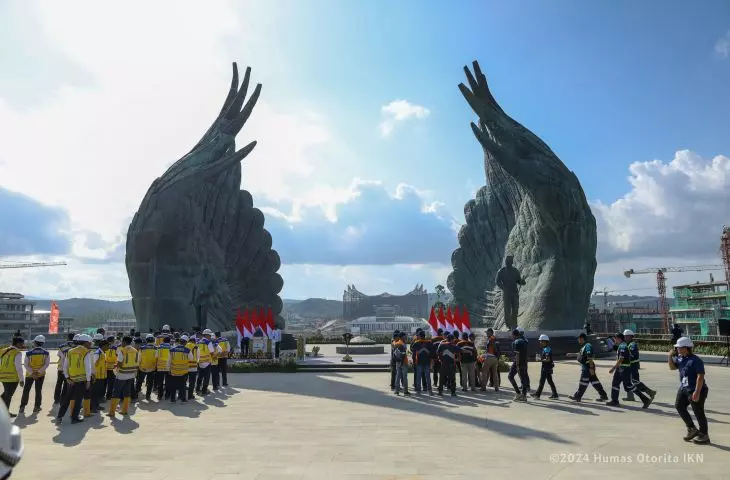
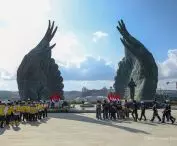
Nusantara's architecture takes shape around symbolic structures, the most important of which is the Garuda Palace, a monumental structure in the form of Indonesia's national emblem, designed by Nyoman Nuarta. The complex also includes the State Palace, presidential offices and residences, and new parliamentary, Supreme Court and ministry headquarters are being built nearby. Plans also include cultural facilities - museums, performance halls and a national mosque - to give the capital a representative character while reflecting the country's diversity.
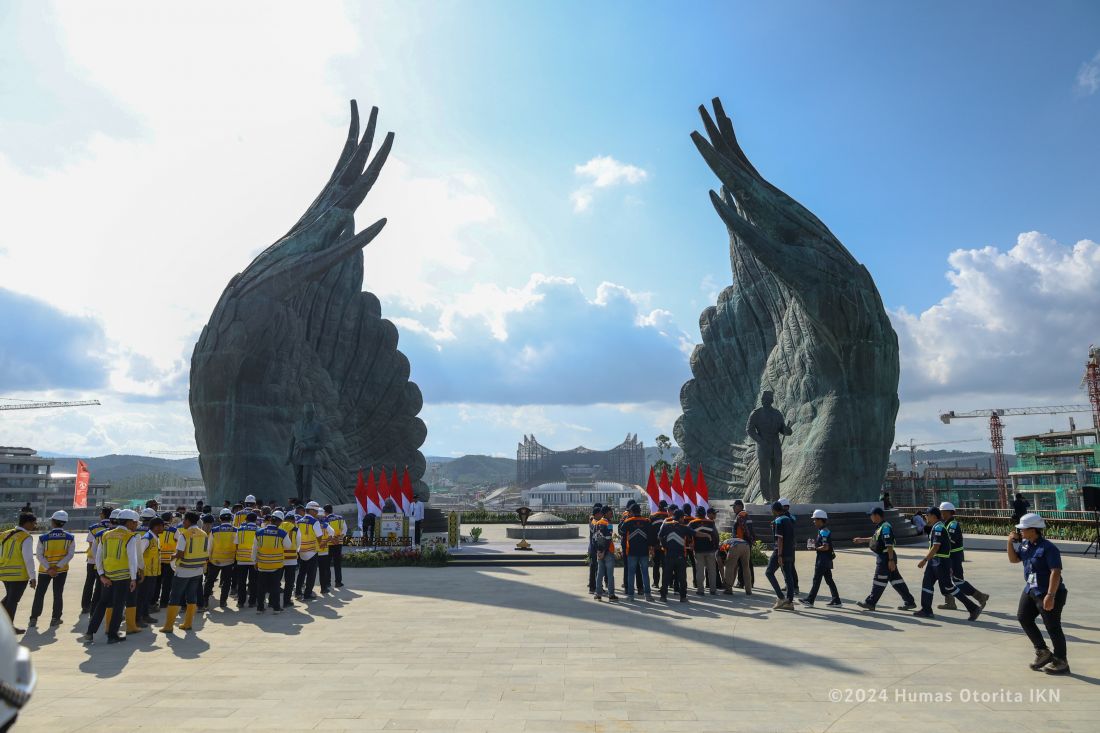
Kusuma Bangsa Park in IKN, Indonesia.
Nusantara city gov. office Public domain,
quite a nice premise
The first phase of the development includes the construction of government facilities and basic infrastructure to serve an assumed initial population of about 500,000. It focuses on a "Central Government Zone" of about 56 square kilometers. The authorities also announced the complete exclusion of internal combustion vehicles from the space of the new capital. Head of the Nusantara Capital City Authority (OIKN), Bambang Susantono announced in 2023 that only vehicles described as environmentally friendly will be allowed in Nusantara. Only electric, hydrogen and other low-emission vehicles will be allowed as part of a strategy to achieve carbon neutrality. The city is to be based on the concept of a "10-minute city," in which work, housing and services are all within a short walk or ride on public transportation. According to statements, government officials working in Nusantara will use public transportation rather than private cars.
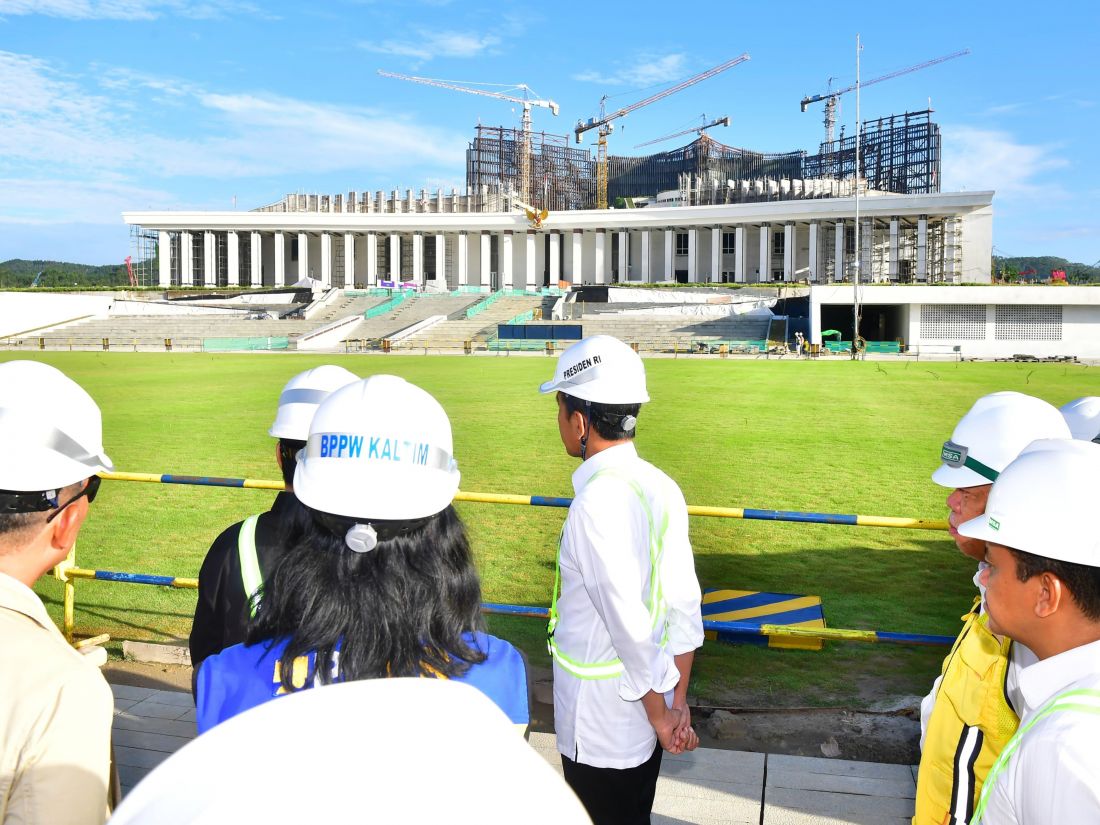
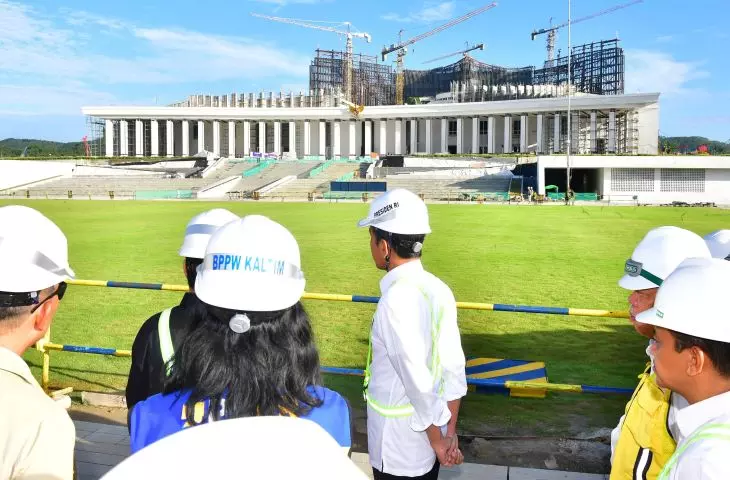
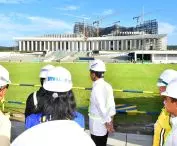
Progress on the construction of Garuda Palace in June 2024. - President Joko Widodo inspects the site preparation for a ceremony that will be used to commemorate the 79th anniversary of the independence of the Republic of Indonesia in Nusantara. June 5, 2024.
BPMI Secretariat Presiden/Rusman Public domain,
Pedestrian mobility and public transportation are to be prioritized. Authorities are announcing the introduction of autonomous electric vehicles, a smart traffic management system and Autonomous Rail Transit (ART), a driverless tram-like solution to provide free rides in central parts of the city. The street network and infrastructure are being designed according to "mobility as a service" (MaaS) principles. Along the main transportation corridors, dense mixed-use neighborhoods are to be created, designed to favor pedestrian and bicycle traffic.
first effects can already be seen
The development of the new capital has already managed to make its mark on the environment and the local community of Balik. A dam has been built nearby, changing the course of a river used by local residents. The stone considered sacred, at which offerings were made, has also disappeared. In some places, the graves of indigenous people have been displaced. The situation is further complicated by the lack of formal land ownership among many indigenous families. Most residents do not have documents proving their right to the plots of land on which they have lived for generations.
As The Guardian reported in 2024, thirty-three-year-old Yati Dalia returned home and found an order on the wall to vacate the building within two weeks. She lost not only her house, but also the small store she ran next to it. Her siblings lost their farmland. The woman was promised compensation of 150 million rupees (about 38,625 zlotys), the money has not yet been paid. Even if the compensation is given, it will not be enough to buy a house in the same area. Land prices in the region have risen significantly since the project began (who would have expected it), and the government's promises do not translate into the ability to maintain ties to one's place and culture.
Currently, the project for Indonesia's new capital is facing serious delays and increasing uncertainty. The monumental presidential palace and wide avenues remain largely empty, the pace of work has slowed noticeably. Joko Widodo's initiative, heralded as his greatest legacy, has lost momentum with the change in power. President Prabowo Subianto is focusing on social programs and is not making moving the capital a priority. This can be seen in the budgets: in 2024, 43.4 trillion rupees was allocated for the project, but the 2026 plans only include 6.3 trillion, despite the fact that the capital's administration itself had requested more than 21 trillion(!). There is also a lack of foreign funding sources.
So far, few - more than a thousand people - have moved to Nusantara, mostly clerks and support staff. This is a token number compared to the target vision of two million residents in 2045. Only preparations for the development of some 800 hectares of the central government zone out of the planned 6,600 have been officially completed. The city currently functions in a residual form. There are several hospitals, cafes, a new road to Balikpapan and an airport awaiting approval for commercial flights. There is still no shopping center. However, city officials are not losing their verve and say that the so-called executive area with the palace and ministries is already 97-98 percent complete. They announce that the president will move to Nusantara in 2028, just after the construction of the government and judicial parts is completed. However, no decree moving the capital has been signed.
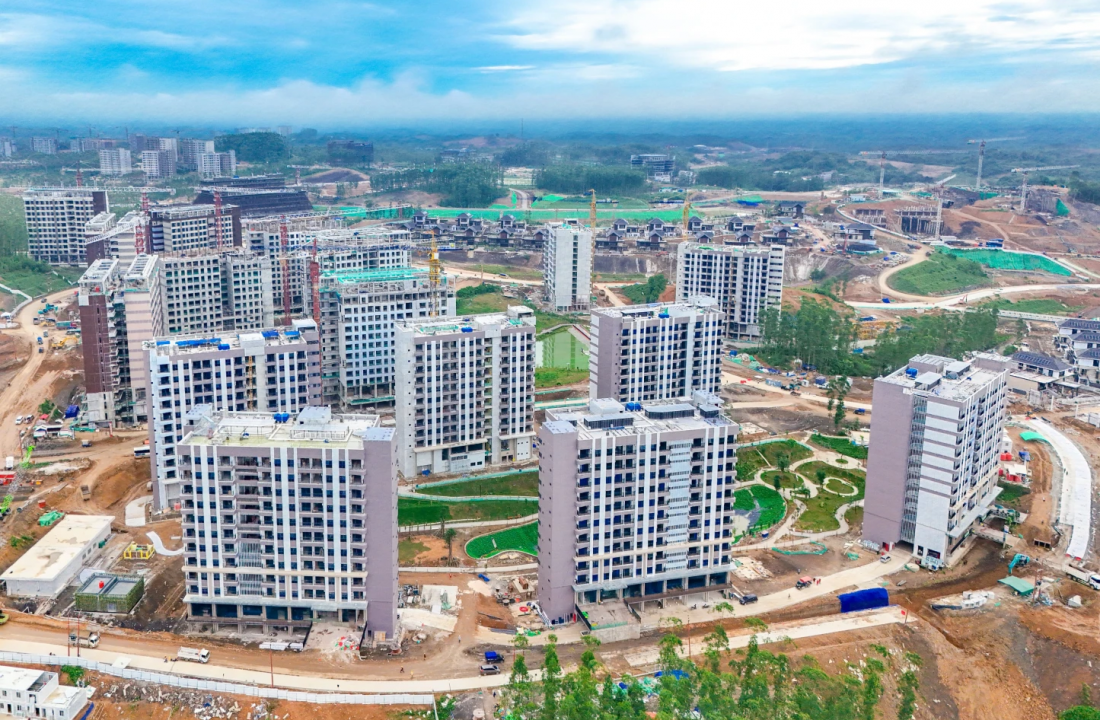
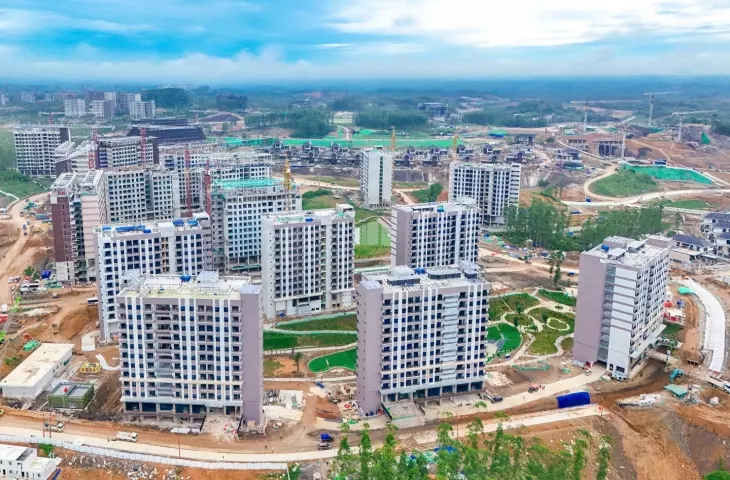
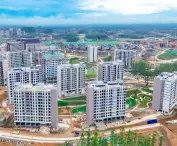
Residential blocks for government employees in Nusantara, Indonesia
Ministry of Housing and Residential Areas of the Republic of Indonesia - pkp.go.id, Public Domain,
everyone does things differently
From the very beginning, the Nusantara project has stirred intense political and social disputes. It is clear that for some Indonesians it was, (or is it still?) a symbol of ambition and vision for a modern state. However, many see it as a distraction from the country's pressing problems, such as corruption and development inequality. There are accusations that the authorities are trying to distance the state apparatus from civil society and criticism by building the capital away from the largest centers of public life.
The new capital was intended to symbolize the "city of the future": smart, resilient, environmentally friendly and free from the problems that afflict Jakarta - pollution, flooding or traffic paralysis. However, who believed it? The project completely exposed recurring post-colonial themes. In the past, Indonesian authorities have chosen different strategies for constructing identity - the latest being a vision of an ecological and technological city. Each of these narratives attempted to respond to the colonial legacy - simultaneously rejected and recycled in new state projects. Add to this the choice of location - made in haste and without extensive consultation with residents - and you have a ready recipe for being met with accusations that the government ignores social and economic realities. The cost of the project has also been criticized - after all, Indonesia has been struggling with limited budgetary resources for years, and building a city on the premise of raising capital from private investors sounds like a business plan written on a break between management classes.
Final plans have also begun to indicate that the area of the future capital would include not only existing forest areas, but also sections of reserves that are home to endangered species. The concept of ecological corridors does not pin down even with the best plans, and you don't need to be an expert here to know that deforestation and urbanization will lead to irreversible losses. And to top it all off, the vision of a city based entirely on renewable energy sources sounds good, but what might happen when residents of a region heavily dependent on coal mining hear it?
Magdalena Milert
[1] The area has a much longer history - the first settlements were established at the mouth of the Ciliwung River probably as early as the 5th century AD. In 1527, the Sultan of Bantam defeated the Portuguese here and gave the place the name Jayakerta, or "Magnificent Fortress" in the Sunday language. The term "original" refers to the original foundation described in this text.