





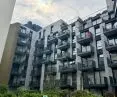
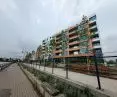

Młode Miasto is taking shape on the former shipyard grounds in Gdańsk. For now, however, it resembles an archipelago of development projects rather than a cohesive neighborhood: sidewalks are broken, there is a lack of services for residents, and the waterfront looks like an unfinished jigsaw puzzle. A new strategy aims to bring order to this space. Its success, however, depends on whether the city and developers will jointly take responsibility for shaping the entire neighborhood.
For years, a major problem for Młode Miasto —a district being developed on the former shipyard grounds in Gdańsk—was getting any projects off the ground. Successive concepts remained merely on paper, while disputes over the scope of preservation measures and how to preserve the post-shipyard heritage were highly publicized.
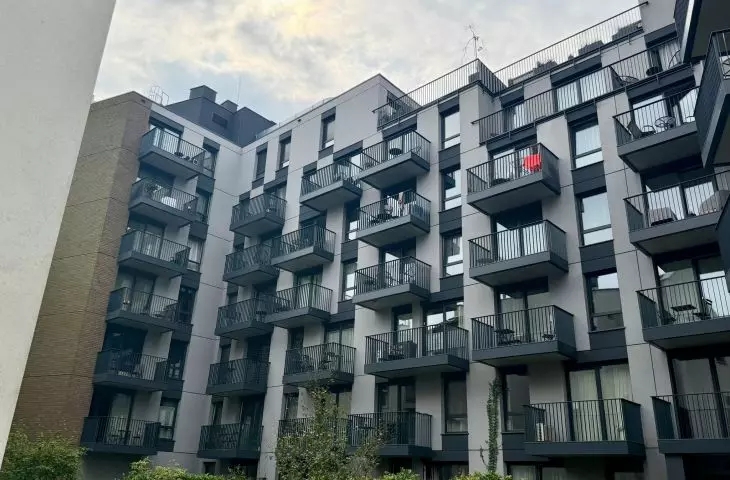
A few years ago, however, the investment stalemate was broken. Today , Młode Miasto is one giant construction site where new residential and commercial developments are springing up. The construction boom does not, however, mean that a cohesive part of the city or high-quality public spaces are emerging here. On the contrary, the area gives the impression of unconnected “islands”—individual developers are carrying out their own projects, sometimes without ensuring the continuity of streets and sidewalks. A notorious example is the lack of a sidewalk along the new “Żurawie” residential development—even though the area is located in the immediate vicinity of Młode Miasto’s main transportation corridor. Another example: there are no crosswalks at the intersection of Nowa Wałowa and Rybaki Górne.
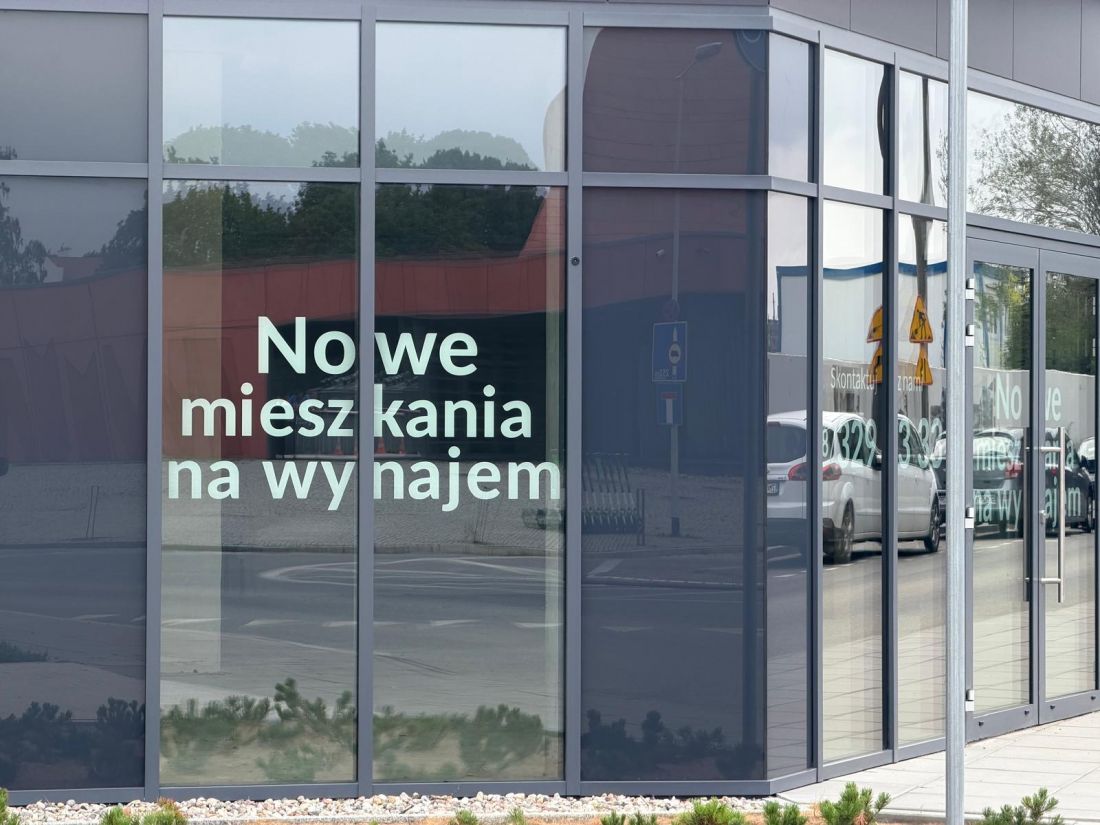
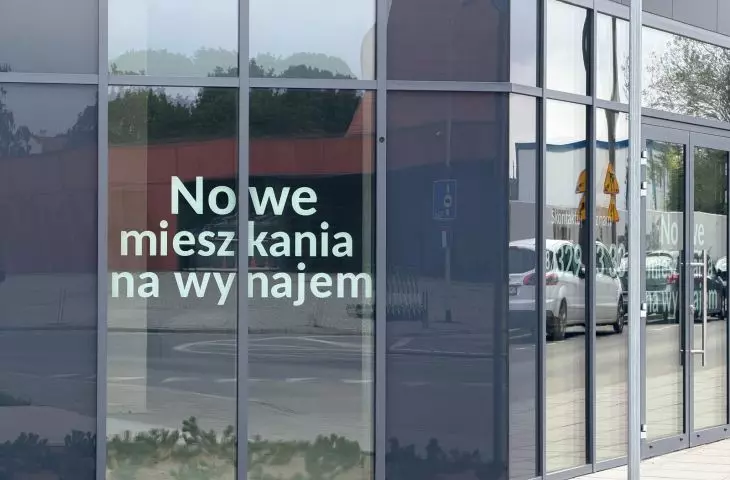
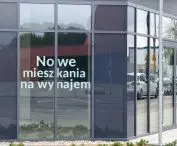
Signs like these on the ground floors of buildings in Młode Miasto come as no surprise to anyone. In this neighborhood, many apartments are purchased with short-term rentals in mind
Ewa Karendys
Various developments, lack of a cohesive public space
Prof. Piotr Lorens, City Architect of Gdańsk, points out that the local development plans for this area were very limited in terms of shaping the system of public spaces.
“When detailed proposals from investors emerged, it turned out that the public spaces do not form a continuous system, and investors have differing ideas about how to shape them,” says Prof. Piotr Lorens. “That is why it is necessary to properly integrate the individual developments,” he adds.
An attempt to bring order to this situation is the report “Young City—Public Spaces, Development, Cooperation,” recently published by the City Architect’s Office . It is a preliminary development strategy for the post-shipyard areas in the context of the “15-minute city” concept. It is the result of workshops and discussions with residents, experts, and investors, as well as a starting point for further discussion about public spaces, accessibility, functions, and the future of this part of Gdańsk.
“The strategy was agreed upon with stakeholders,” notes Prof. Piotr Lorens. “In it, we have outlined the directions for the development of the public space system and the functions that shape it. This provides clear guidance for investors, our office coordinating the investment process, and the local community.” Based on this, we will prepare a framework plan for Młode Miasto, containing detailed guidelines.
Młode Miasto: How to Revitalize the Surroundings
The report’s authors propose changing the character of Droga do Wolności, which was intended to be an urban promenade and the urban axis of Młode Miasto. The road is to have a symbolic character, but one maintained “in the spirit of freedom and liberty.” The Shipyard Trail, on the other hand, is to be extended toward the so-called Mleczny Piotr and become more than just a walking path—a sequence of buildings, squares, and establishments that collectively define the character of the neighborhood. The entrances to the Young City area and access to the waterfront are also set to be improved. Making the entrance to Road to Freedom from Solidarity Square and the entrance to the Shipyard Trail from the SKM Gdańsk Stocznia stop more visible have been identified as priorities.
Among the recommendations are solutions to such issues as: the lack of sidewalks and bicycle infrastructure on the overpass and flyover on ks. J. Popiełuszki Street, the lack of piers, access points, and recreational spaces along the waterfront; and the fragmented and discontinuous layout of public roads (Jaracza, Robotnicza, and Gdyńskich Kosynierów Streets).
According to Gdańsk’s City Architect, spatial coherence is of the utmost importance.
“A road should connect to another road, and public space should connect to the next public space,” notes Prof. Lorens.
It is also important to thoughtfully design service functions on the ground floors of buildings. The consultations also highlighted the need for the local community, activists, and other groups to participate in shaping the space and its functional program.
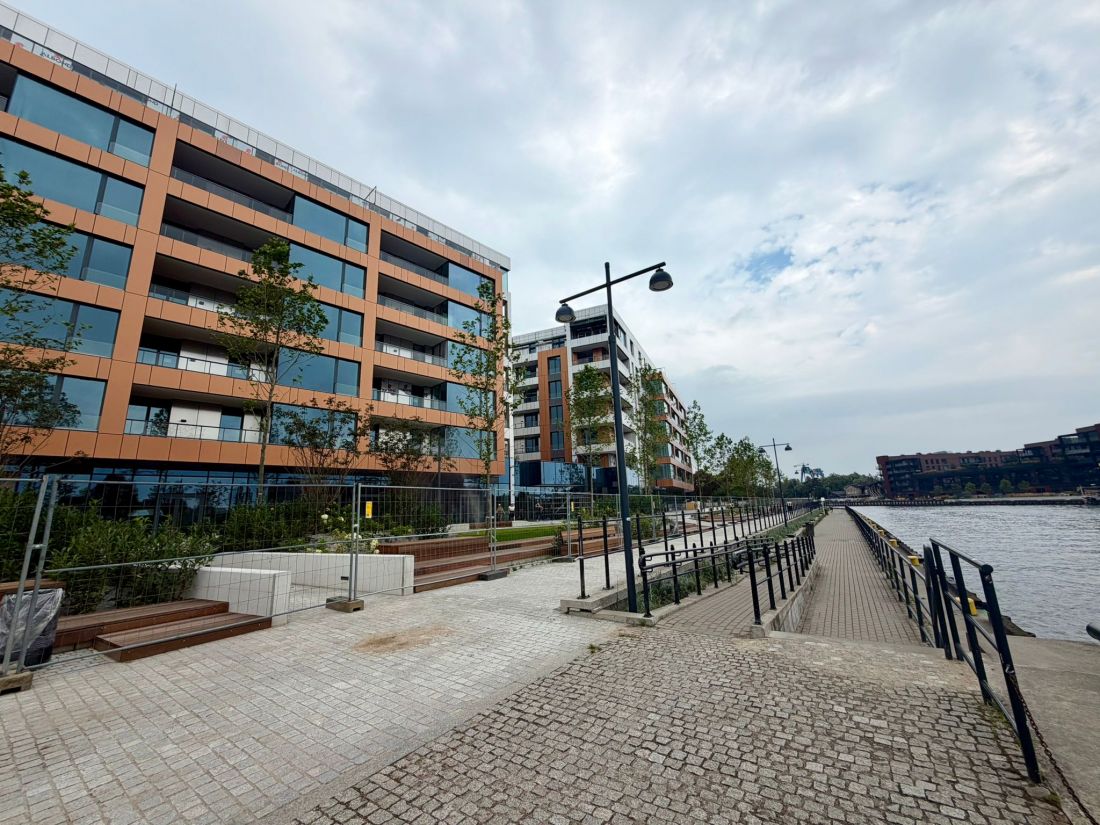
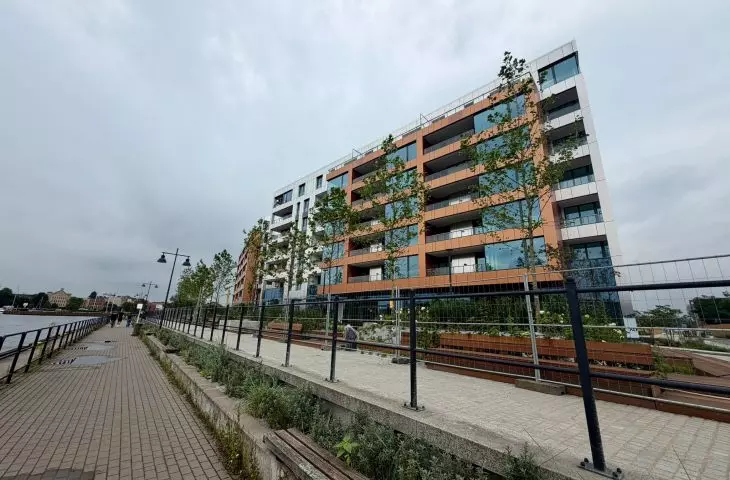
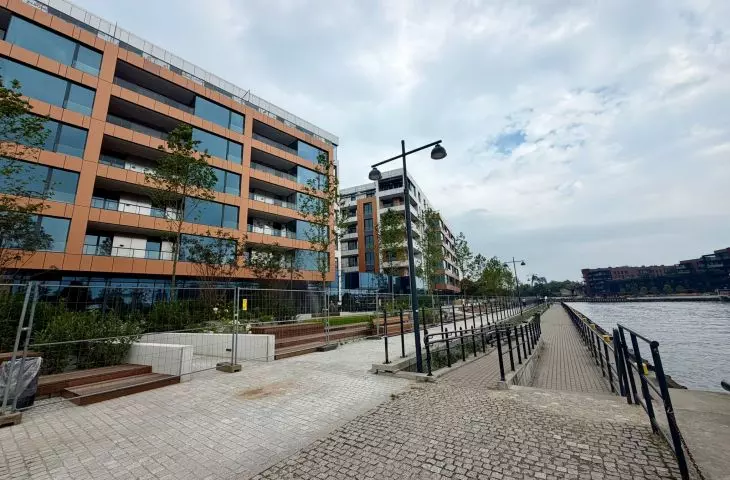
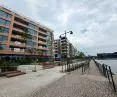
The waterfront that runs from Długie Pobrzeże to the post-shipyard areas
Ewa Karendys
Although Młode Miasto’s waterfront location is an asset, the boulevard along the Motława River and the waters of the Dead Vistula—announced years ago— still does not form a cohesive whole. The waterfront has been developed in sections, and some segments are still awaiting completion.
The first section of the boulevard, from the Wapienniczy Bridge near the Brabank housing estate, has already been opened to the public and is very popular as an extension of Długie Pobrzeże. Another section of similar length is nearing completion and should open soon, according to Prof. Lorens. “The section near the Chlebova and Kapitanat developments, which requires intervention, remains undeveloped. Further on, near the Nowa Wałowa project, a wide boulevard is planned; final negotiations prior to the issuance of a building permit are currently underway.” For two years, we’ve been working with designers to ensure the coherence of these sections. Not everything went as planned, but the whole project should result in a wide, modern boulevard, enhanced in places with works of art. However, the boulevard ends near Mleczny Piotr. There are no further plans at this time due to a change in the developer for that section.
Lack of Services and Permanent Residents
As stakeholders pointed out during consultations, the neighborhood’s current problem is a lack of essential services—such as stores for permanent residents, preschools, daycare centers, and neighborhood clubs. Another issue is the high proportion of short-term rentals.
The limited number of permanent residents contributes to the anonymity of the space, a weaker sense of belonging, and hinders the formation of lasting, integrated local communities. The report’s authors also point to the risks associated with the “Disneyfication” and theming of the space, which can lead to a loss of the place’s authenticity and its reduction to the role of a tourist backdrop.
They add that one of the key challenges for Młode Miasto will therefore be to strike a balance between tourism and local functions, so that the development of offerings for visitors does not come at the expense of the quality of life for the neighborhood’s permanent residents.
Whether the strategy will remain merely on paper, however, will largely depend on the goodwill of investors and their cooperation with the city. City officials lack the tools to compel them to implement the guidelines outlined in the strategy.
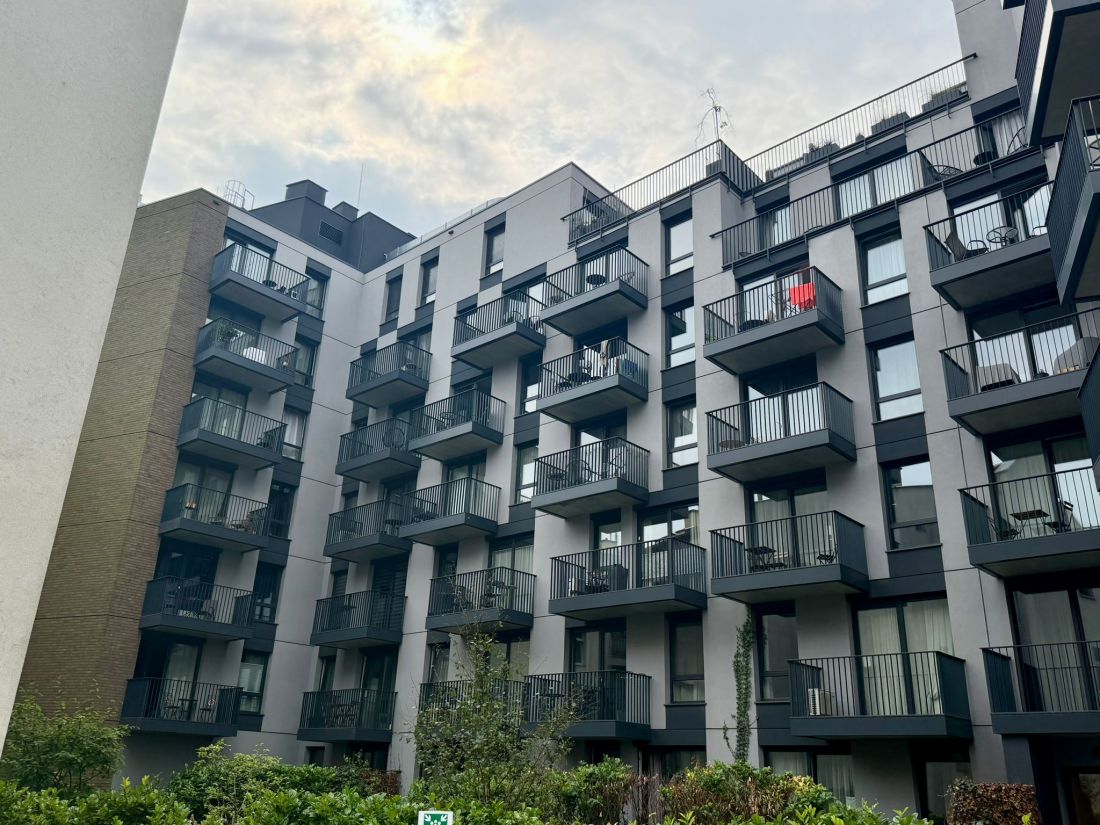
More plots are being developed in Młode Miasto
Ewa Karendys