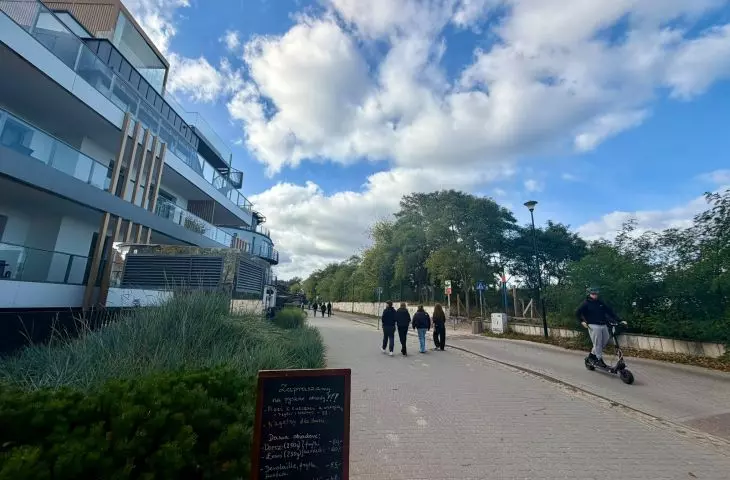




The hotel and apartment building are to be built near the pedestrian promenade leading to the pier in Gdańsk’s Brzeźno district. The project encroaches on the coastal forest and will require the removal of trees. Community activists are protesting, the city is defending the plan’s provisions, and the developer has remained tight-lipped.
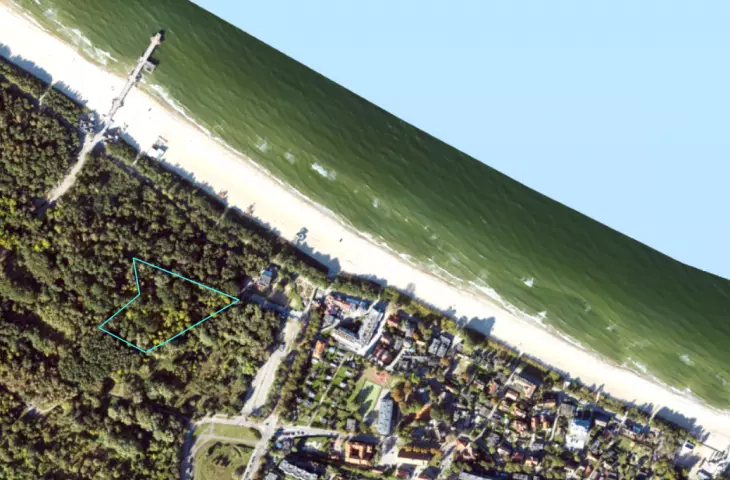
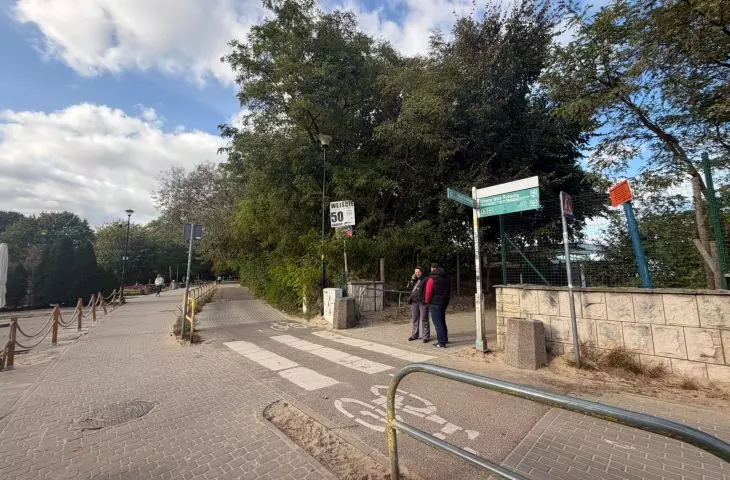
Two buildings—a hotel and an apartment complex—are to be built in Gdańsk’s Brzeźno district, near the pedestrian promenade along the waterfront. The project is planned for a lot at the intersection of Gen. Józef Haller Avenue and Jantarowa Street, close to beach entrance No. 50.
A hotel and apartment building in Brzeźno. Trees standing in the way of the project
The building permit application was submitted to the City Hall in June and is still being processed. The project is backed by Sea Bay, a company affiliated with Przedsiębiorstwo Budowlane Górski and RWS Investment Group. Plans include a 94-room hotel, 160 rental apartments, and commercial spaces. The buildings are expected to reach heights of nearly 18 and 19 meters, and the underground garage will provide 186 parking spaces. Q2 Studio is responsible for the design.
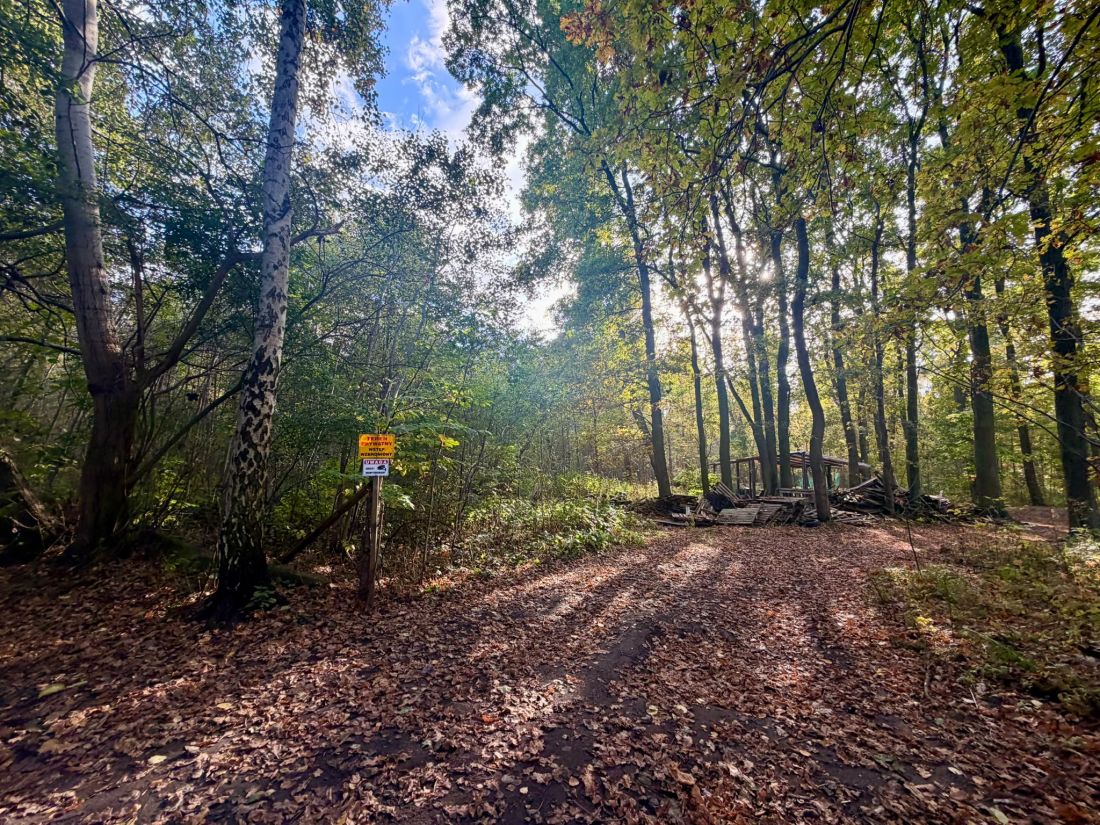
The lot is located on the seaside promenade in Brzeźno
Photo: Ewa Karendys
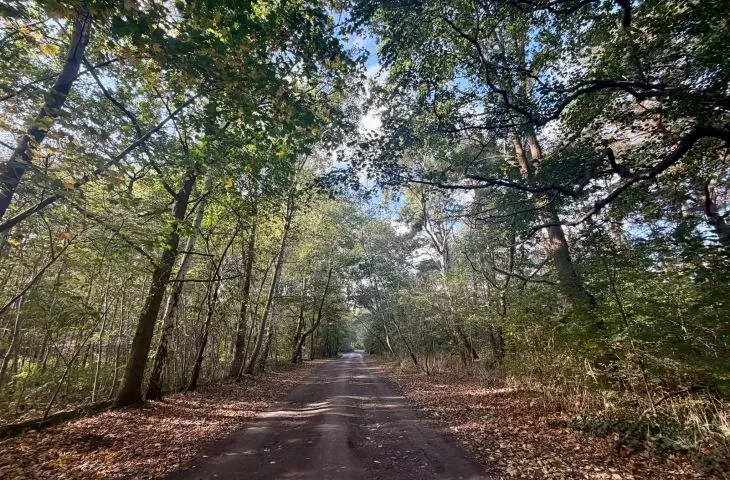
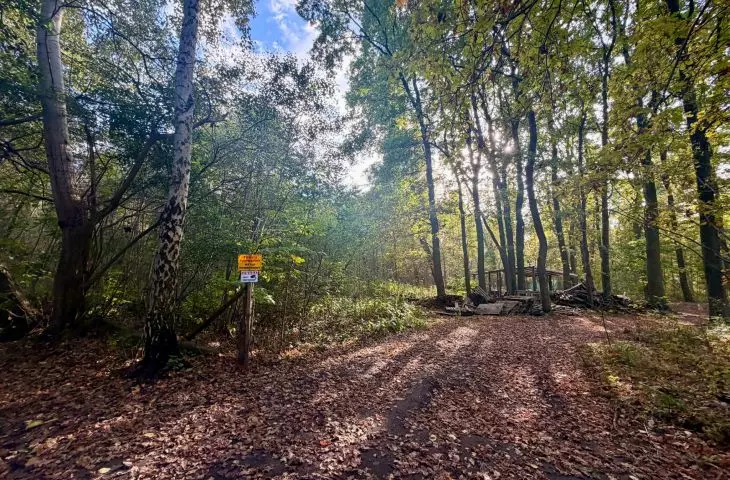
The project extends into the coastal forest: construction will involve interference with the existing tree stand. According to an inventory prepared by the developer—which covered 306 trees and was submitted to City Hall— 178 of them are in the way of the planned development.
The remaining trees have been marked for protection during construction
— says Joanna Bieganowska of the Gdańsk City Hall.
The development of green spaces and changes to the coastal landscape are issues that have been the subject of debate among residents for years. Similar concerns surround the plans of the Sea Bay company.
Valuable coastal strip under pressure
“ The construction encroaches on an extremely valuable green space ,” comments Michał Błaut of Zielona Fala Trójmiasto in an interview with A&B. “ This is the recreational part of Reagan Park, visited by tens of thousands of Gdańsk residents every weekend, as well as a water intake protection zone. It is also a section of the Coastal Strip with a legally protected view of the Bay—our green lungs and a habitat for wildlife. Until now, cars haven’t been allowed here, and suddenly there will be over 180 parking spaces. “We believe this is not a space where hotels or apartment buildings should be built,”
— emphasizes Błaut.
He adds that a significant portion of the residents oppose this project.
The desire for profit on the part of a few individuals cannot deprive residents of the areas necessary for the healthy functioning of society. The coastal strip is perhaps the most striking example of this
— he believes .
As early as 2021, activists collected 7,000 signatures on a petition calling for public consultations regarding the development of the coastal strip.
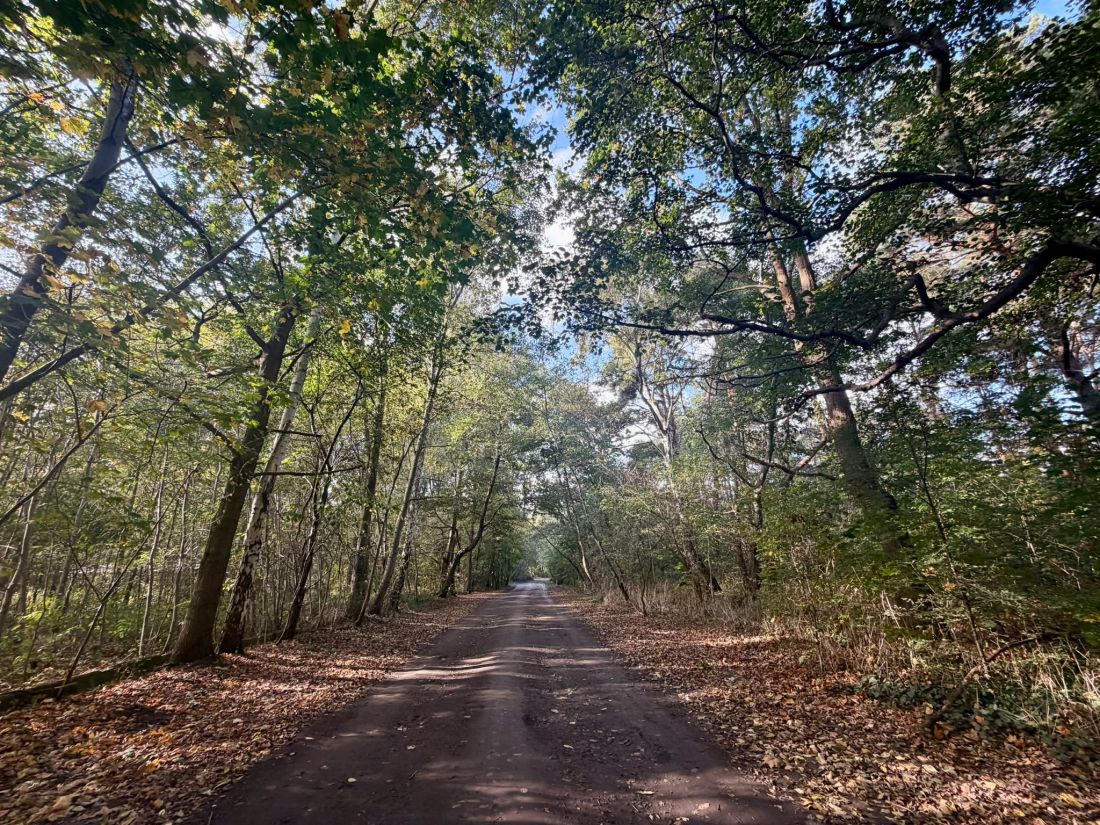
The plot where the project is planned is located on the left
Photo: Ewa Karendys
Unfortunately, the city dismissed these voices, arguing that consultations had already been conducted during the process of adopting the zoning plan—which covered only a portion of the coastal strip—and that there was no need to engage with residents. However, our motion did not concern only that area, but the coastal strip in general
— says Michał Błaut.
Legal Dispute
The dispute also continued in the courts. The zoning plan for this area, adopted in 2021, was challenged by the then-Pomeranian provincial governor. The Provincial Administrative Court invalidated some of its provisions; however, following an appeal by the city, the Supreme Administrative Court overturned that ruling.
Michał Błaut points out that the city consistently sought to adopt a zoning plan favorable to the developer.
“Even though the provincial governor challenged it and the Provincial Administrative Court invalidated it twice
— he notes .
The city refutes the allegations. Katarzyna Błaszkowska from the Gdańsk Development Office explained in an interview with Radio Gdańsk that the plan established varying maximum building heights. As she explained, the heights were determined on the basis of urban planning and landscape analyses, which utilized, among other things, laser measurements of tree heights.
As Błaszkowska emphasizes, the Supreme Administrative Court ruled that the analyses prepared for the plan met the requirements regarding building heights in relation to tree canopies.
The court invalidated only the provisions concerning the approval of residential units not integrally linked to business activities. “This is the only provision that was overturned,”
— notes a representative of the Gdańsk Development Office.
However, building height is only one of the issues raising concerns. Another is the project’s environmental impact. To date, the office has not received an application for an environmental decision regarding Sea Bay’s project. Therefore, no proceedings are currently underway in this matter, and the environmental impact report has not been reviewed by the department.
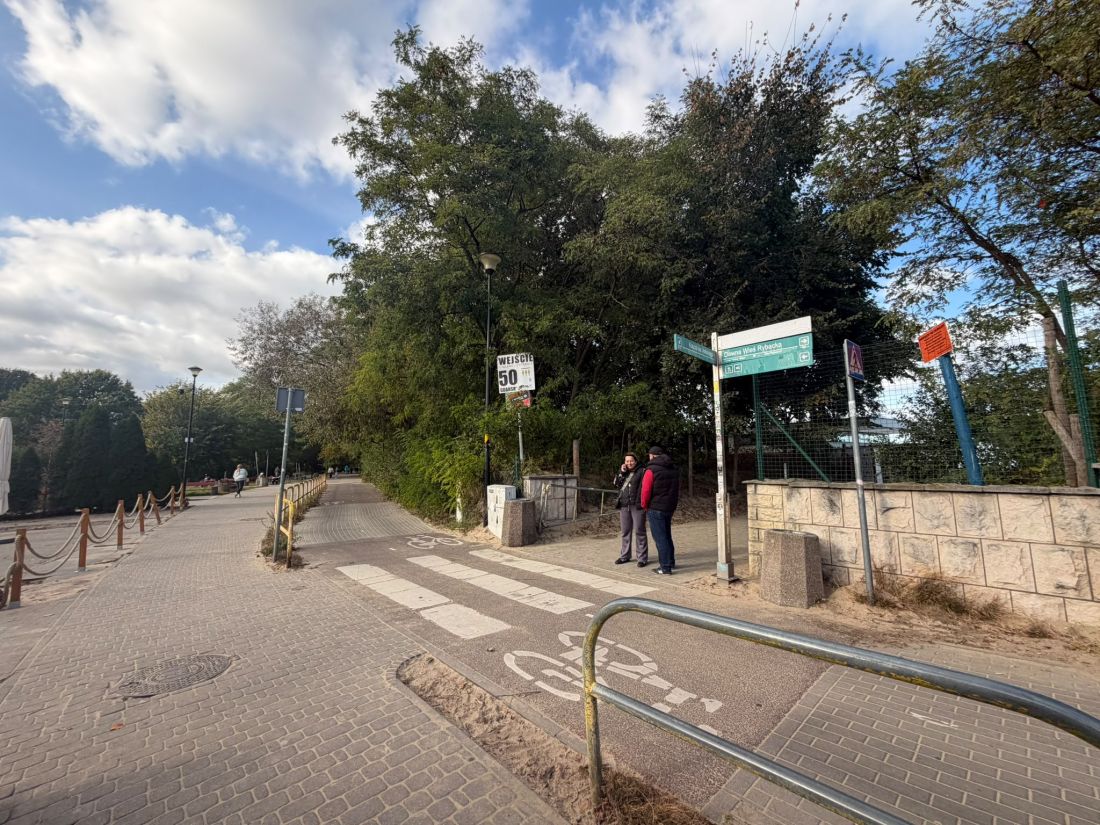
The project is planned in the vicinity of beach entrance No. 50
Photo: Ewa Karendys
“For a project like this, which may impact the environment, an environmental impact assessment should be conducted,”
— notes Michał Błaut.
According to the industry portal Hotelarz, the buildings are to feature large glass surfaces and balconies, and the facades are planned to include, among other materials, wood and anthracite steel.
The developer declined to comment on the project.