








Emilia Skiper and Julian Hendigery -.
podcast #17 of the series "Foundations"
The episode and the entire series are also available on Soundcloud and Spotify:


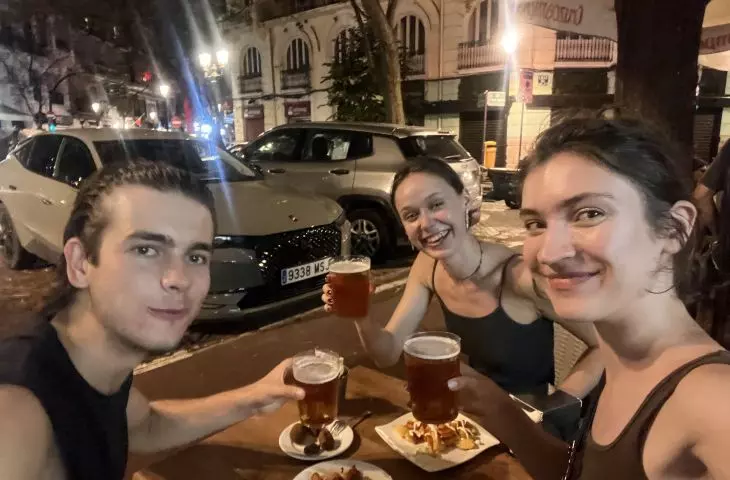
In the seventeenth episode of the "Foundations" podcast, we talk with Emiliya Skipar and Julian Hendigery from the Faculty of Architecture at the Warsaw University of Technology, who shared their experience of a year-long student exchange in Valencia. They talked not only about daily life on the Spanish campus, but also about the differences in the education system, opportunities for development and prospects after returning to Poland.
why did they choose Valencia?
After two years of intensive study at the Warsaw University of Technology, Julian decided to leave to focus on his own projects and gain new experience in a less stressful academic environment. Emiliya stresses that Erasmus was a chance for her to get to know new cultures, travel around Europe and develop personally, as well as the opportunity to work on architectural competitions that would have been difficult to do in Poland due to a flurry of academic responsibilities.
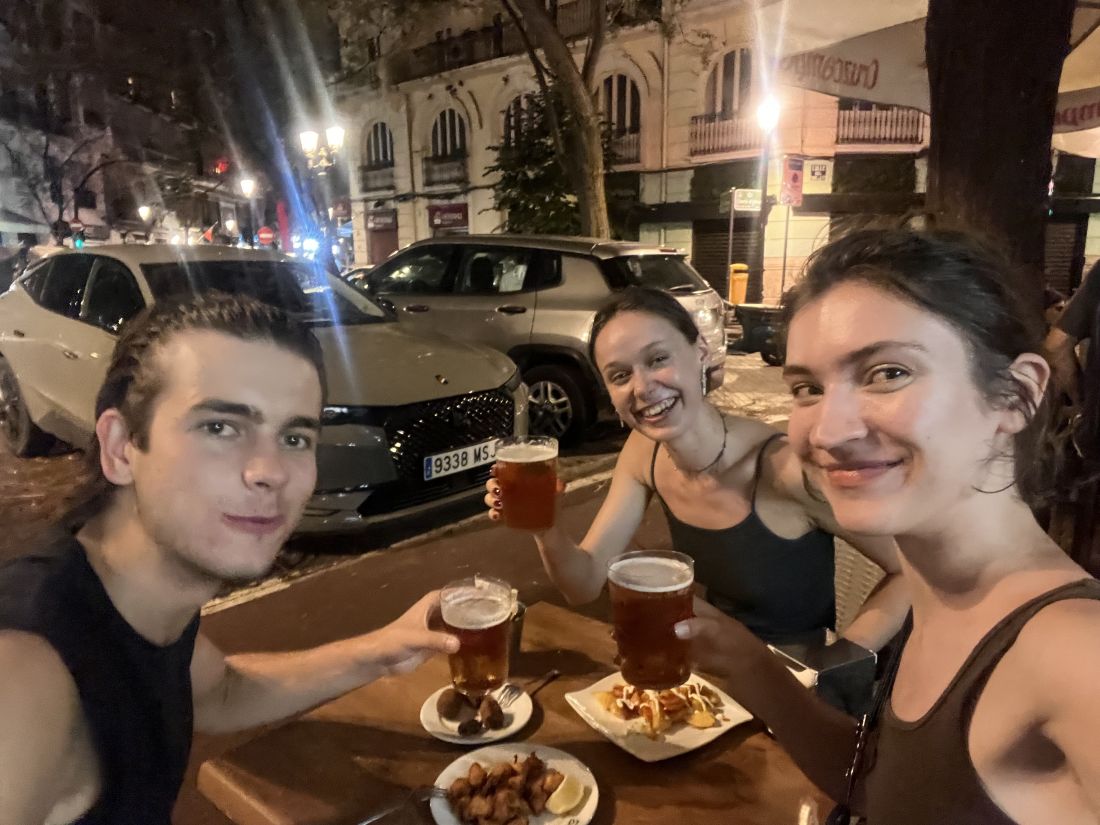
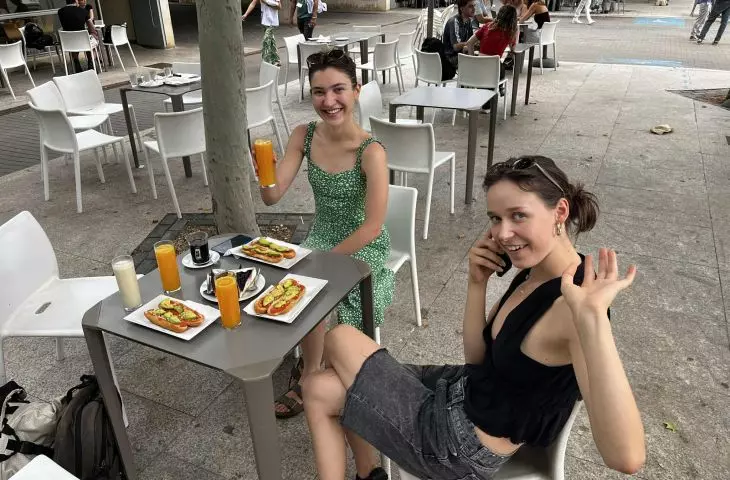
photos from the trip
© Emilya Skipar, Julian Hendigery
To leave under the Erasmus program, students must fill out an online form, indicate their preferred universities and submit their grade point average. Language competence and involvement in academic life are also important. If a place is not obtained in the first round, a second round is available, giving an additional chance for those interested.
Differences between the Warsaw University of Technology and the University of Valencia
Julian and Emiliya highlighted several key differences:
-
Academic life and infrastructure: Valencia offers a campus like a small city - with labs, 3D printers, acoustics testing rooms and full sports facilities. In Poland, students have to organize their own lives outside of classes.
-
Curriculum: In Warsaw, the emphasis is on architectural design, while in Valencia more time is spent on construction and technical issues of the building.
-
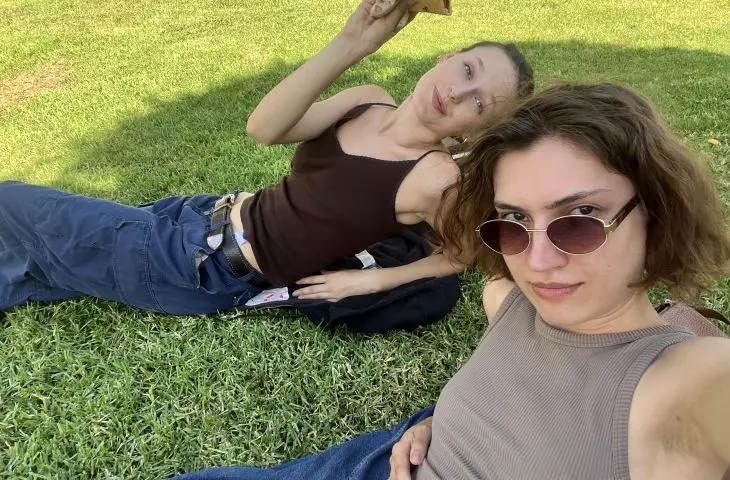
Free time and personal development: The less intensive program in Spain allowed students to travel, play sports, interact with other students and develop their own projects.
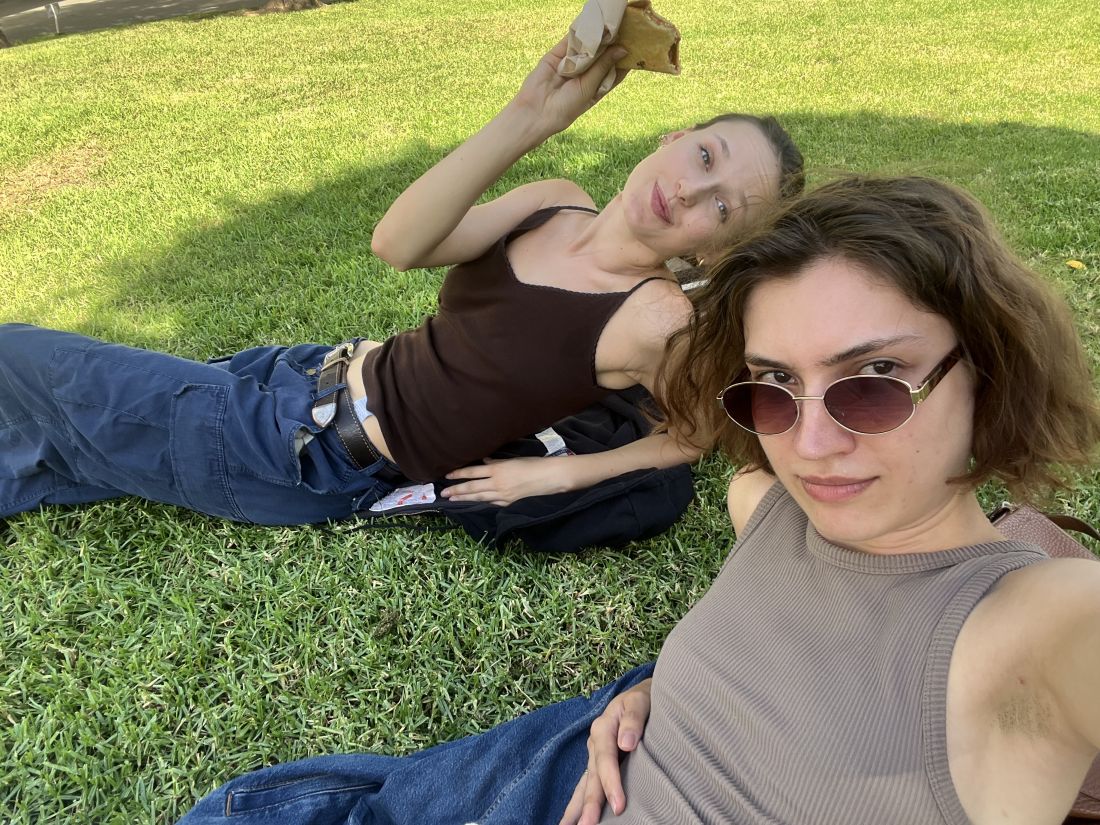
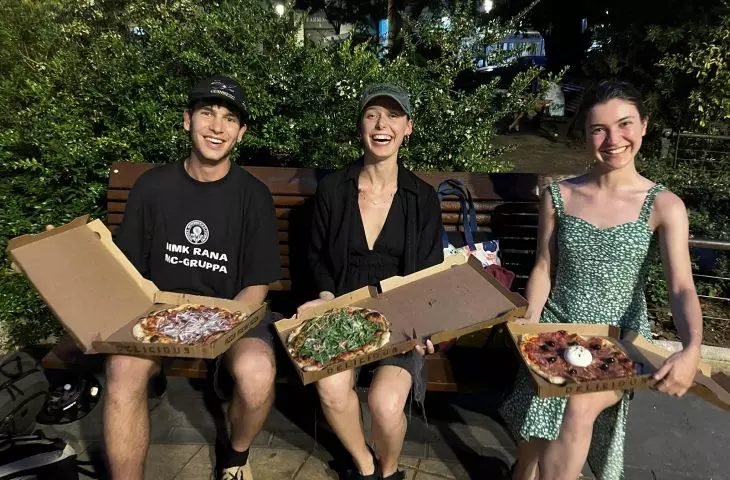
photos from the trip
© Emilya Skipar, Julian Hendigery
Students emphasize that life in Spain is full of freedom, and that after classes they can enjoy the beach, walks and cultural events. Emilya especially appreciated the opportunity to travel cheaply around Europe, visiting Italy, Portugal and Spain, among others.
prospects after the exchange
The Erasmus trip brought students not only academic development, but also personal and professional growth. Julian and Emiliya note that the time spent in Spain enabled them to participate in international architectural competitions and implement ambitious projects that would have been difficult to realize in Poland. As they point out, it was in Valencia that their project, which won first place in the international Nepal School Project competition, was created. Together with Julian and Emiliya, the team also included Nina Dobroczynska, who also spent an exchange with them in Spain.
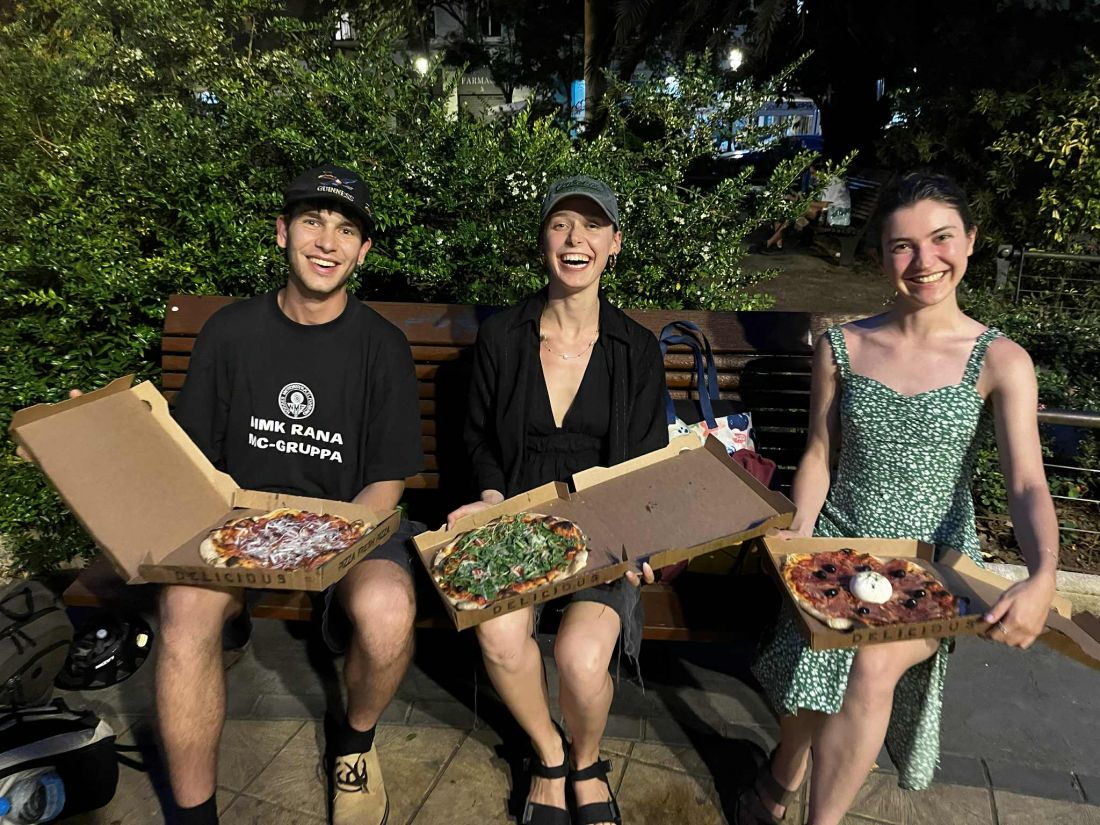
June 11 - after the results of the Nepal School Project competition were announced
© Emilya Skipar, Julian Hendigery
The Erasmus experience in Valencia proved to be a breakthrough for the architecture students. It allowed them not only to develop their professional skills, but also to experience life in another country, which greatly influenced their personal development and career prospects. Julian and Emiliya recommend the trip to anyone who wants to broaden their horizons and bring new inspiration to their architectural work.
Aleksandra Skorupa
Maria Cipinska
Listen also to other podcasts
from the "Foundations" series:
10: Body, Material, Emotion. How does Mikołaj Hewelt design spaces that touch?
12. studying architecture in China - Aleksandra Debicka on living and studying in Guangzhou.
14. behind the scenes of design. Christina Vanhoof and Natalia Stefanska on interior architecture.
15. sun, architecture and studying in Spanish. Magdalena Lucka on studying architecture in Valencia.
16. Aleksandra Krupska on internships in Spain and working in Madrid