




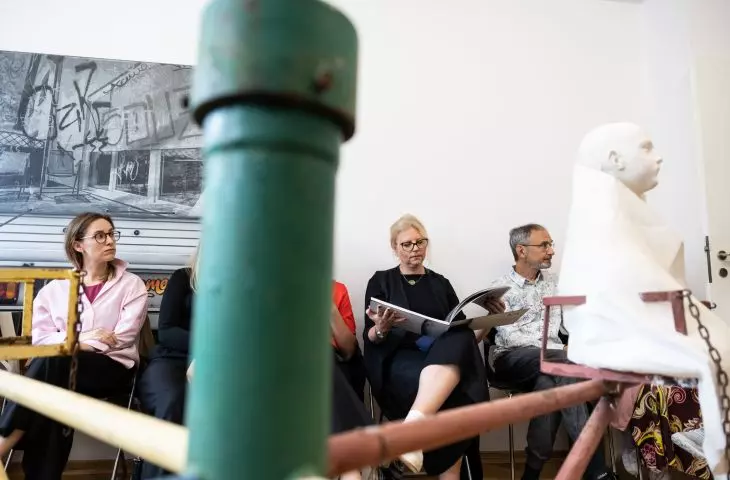
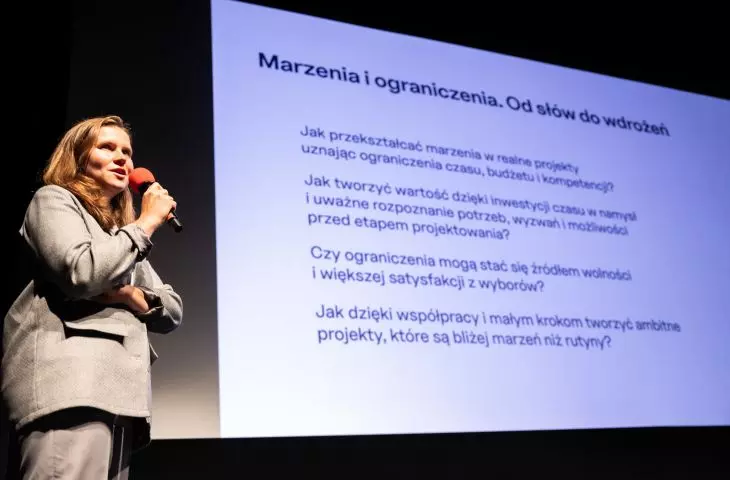
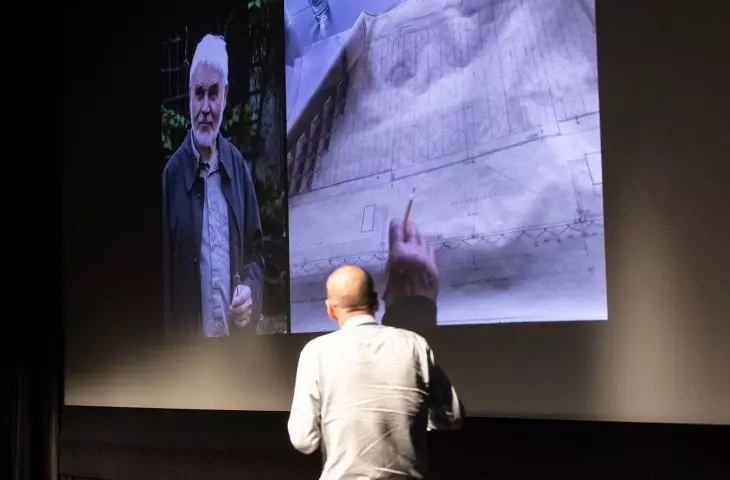

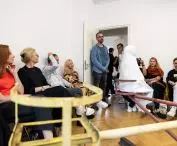
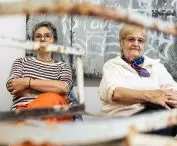
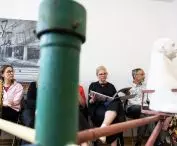
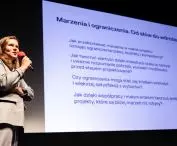

Architecture in its earliest days was meant to protect - to close off to the outside world, to ward off enemies and the actions of natural forces. Today, however, we know that good architecture is one that is open. But what does this openness actually consist in? This and many other questions were discussed during this year's edition of the Architecture Weekend in Gdynia.
XV. Weekend of Architecture in Gdynia was held on August 28-31, 2025 under the slogan "Openness". There is no denying that the organizers of the event - headed by the Gdynia Development Agency and Jacek Debis - as well as Dorota Sibinska and Filip Domaszczynski of XY Studio, co-curators of the event, seriously took to heart the arrangement of the program in accordance with this slogan. The title "openness" was changed by all cases.
XV. Weekend of Architecture in Gdynia
photo: M. Moskwa | Architecture Weekend in Gdynia
openness in architecture
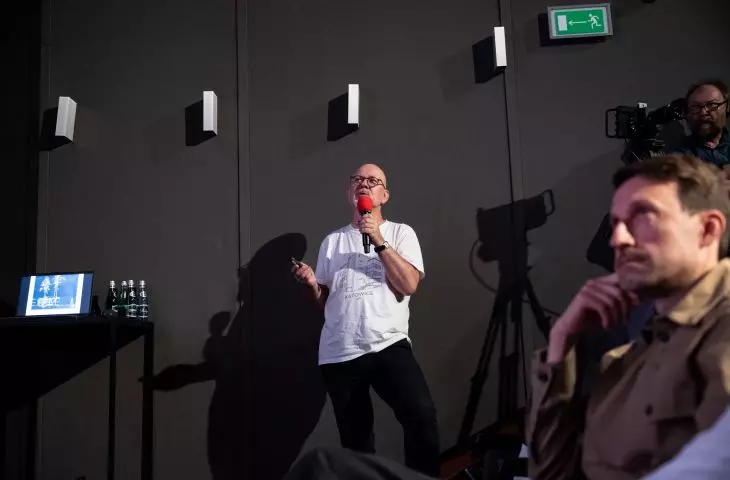
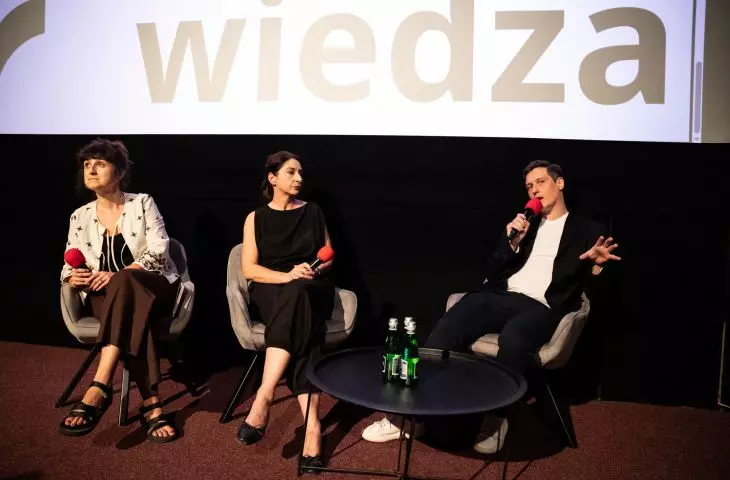
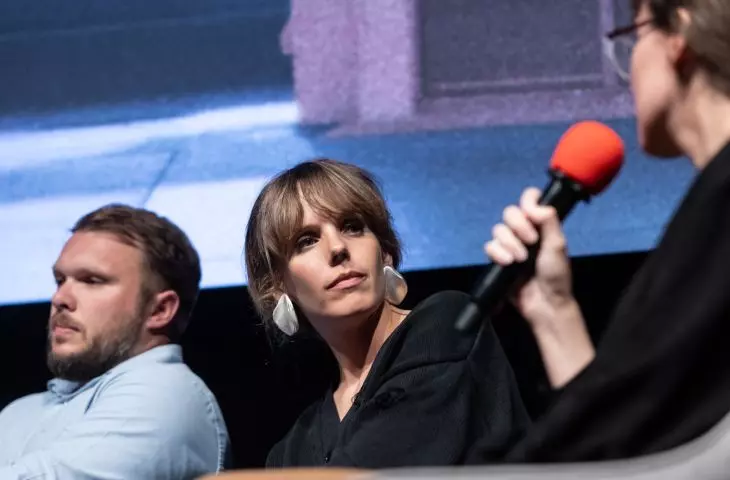
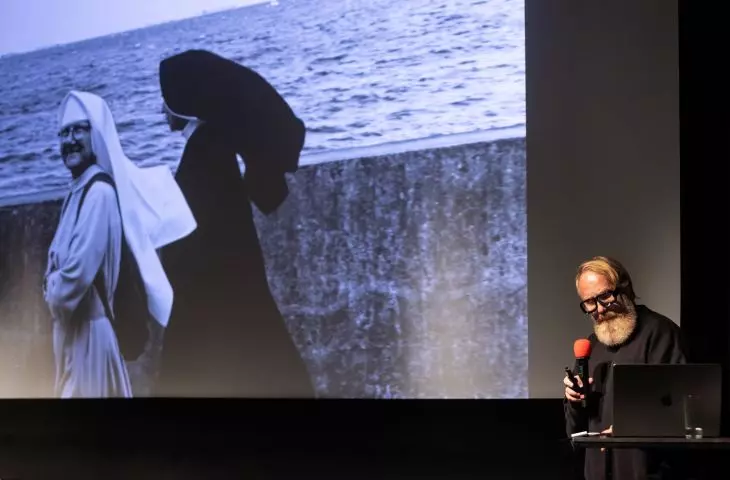
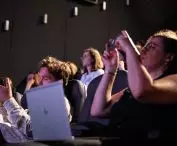
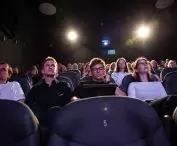
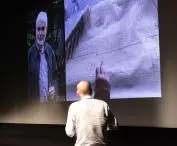
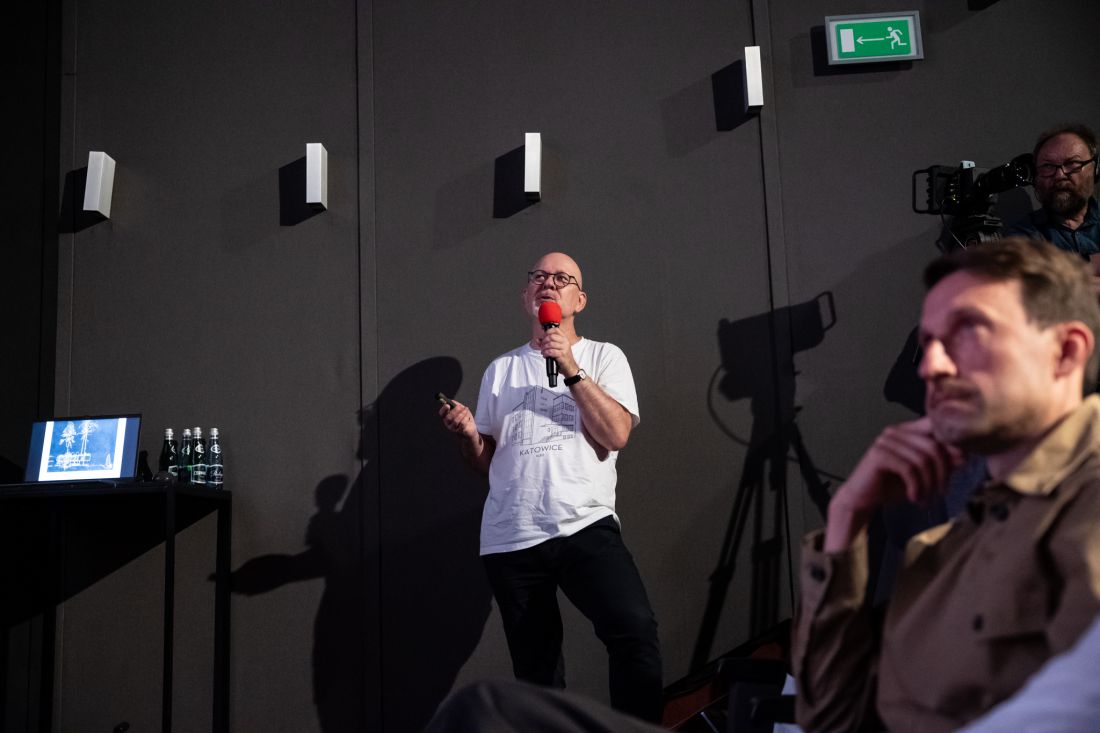
Already during the opening lecture, led by Dr. Ryszard Nakonieczny, the prism of architecture split "openness" into that associated with free plan in Le Corbusier's villas, participation in Alejandro Aravena's housing projects or the Norwegian National Opera in Oslo "fused" with the city. The historical snapshots, however, were only a prelude to a discussion of what "openness" in architecture means today and whether it is in fact open. As in previous years, deliberations on this topic were conducted as part of the Archi-Prelections, while conclusions were expected during the concluding Archi-Discussions.
XV. Weekend of Architecture in Gdynia
photo: M. Moskwa | Architecture Weekend in Gdynia
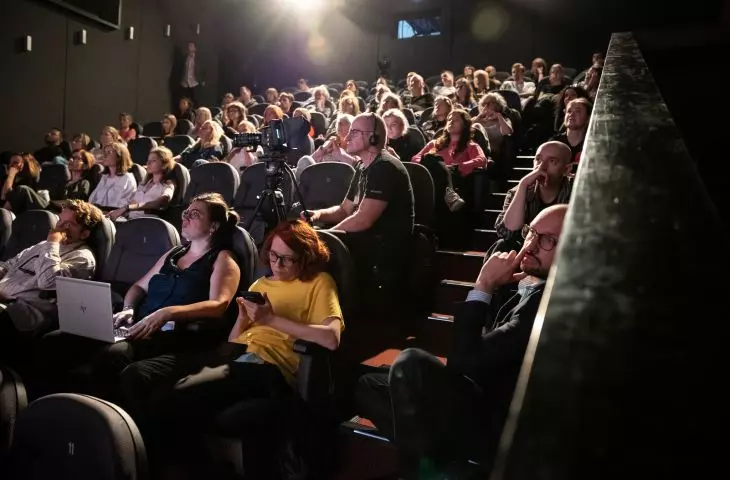
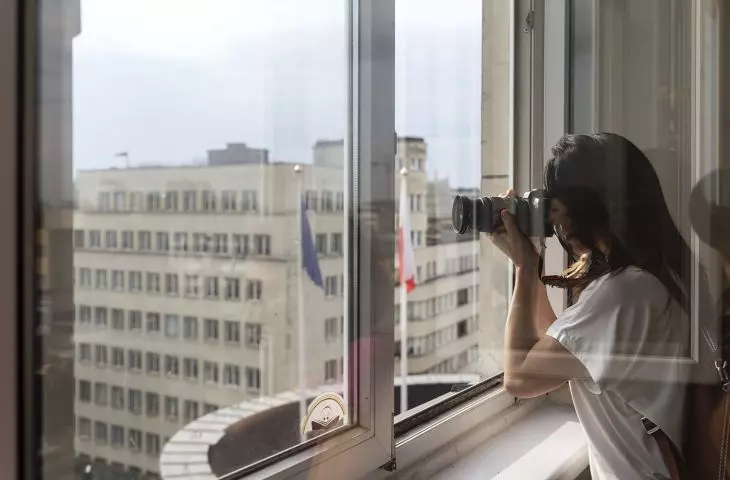
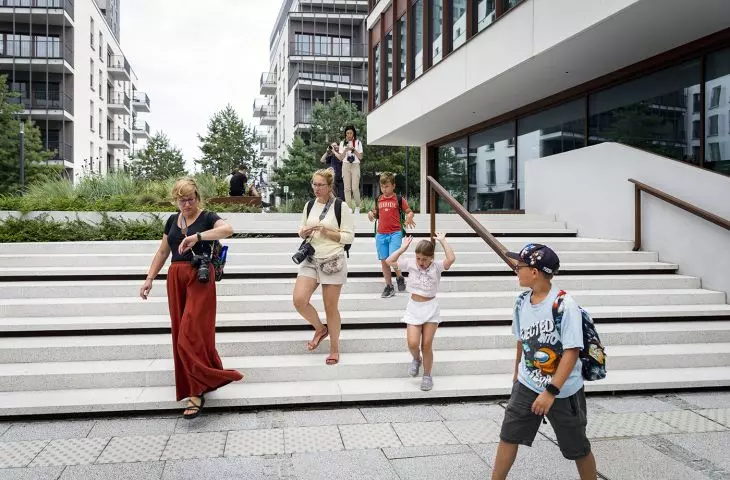
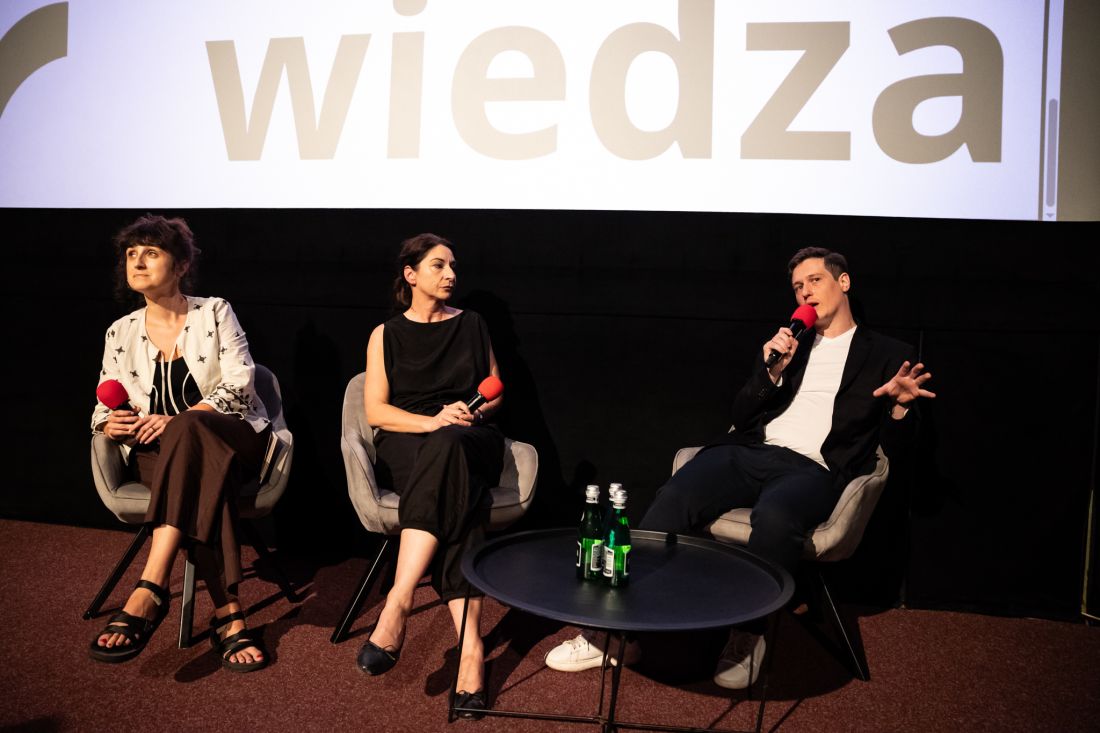
In one of the most important Gdynia realizations of recent years, the neighboring Widna 2A Marina, presented by the authors of the project, the opening was the myriad possibilities, unplanned by the architects, for the use of this infrastructure, which was later reflected in discussions on the role of photography in architecture. Małgorzata Dembowska of WXCA used the example of Warsaw's pedestrian and bicycle bridge and the concept of Warsaw without Wisłostrada to talk about openness to bold steps in creating Polish cities. Openness to knowledge and getting rid of prejudices, in turn, was presented by Adrian Krężlik, who spoke about how vernacular solutions from hundreds of years ago can be applied to modern buildings.
XV. Weekend of Architecture in Gdynia
Photo: M. Moskwa | Architecture Weekend in Gdynia
open - closed
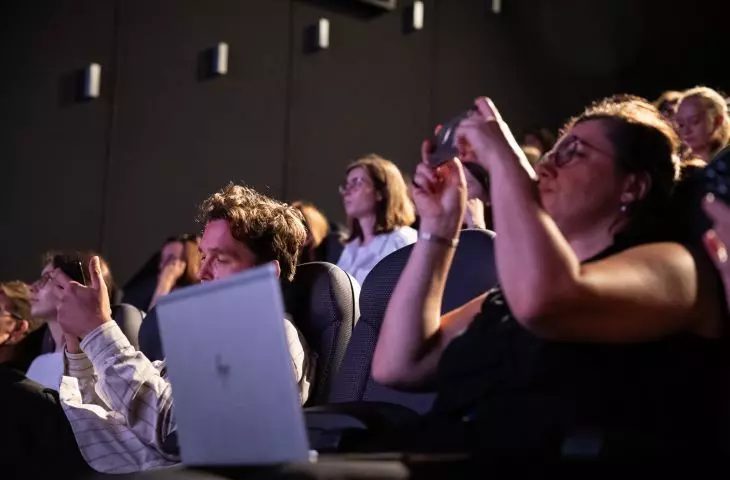
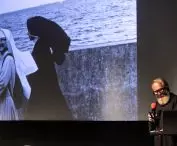
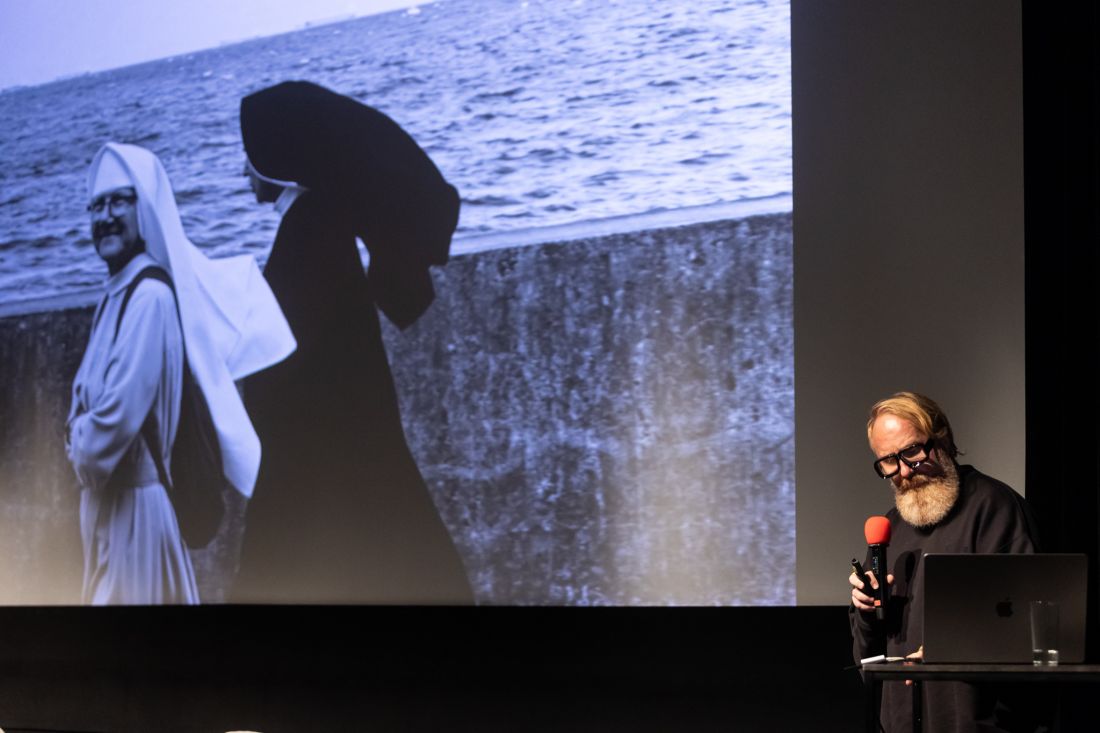
Architectural openness was also defined by its opposite - closure - as discussed by Joanna Jurga, who studied the impact of isolation on the ISS space station on astronauts and female astronauts, or Prof. Ewa Kurylowicz, who presented the equally otherworldly Polish Antarctic Station on the second day of the Archi-Prelekcja. Closure to other actors in the investment process was signaled by the presentations of the PublicTwin project, increasing accessibility to public consultation, or the initiative of Dominika Zielińska and Urszula Kuc, who spoke about ways to reach consensus with investors, and themselves.
XV. Weekend of Architecture in Gdynia
Photo: M. Moskwa | Architecture Weekend in Gdynia
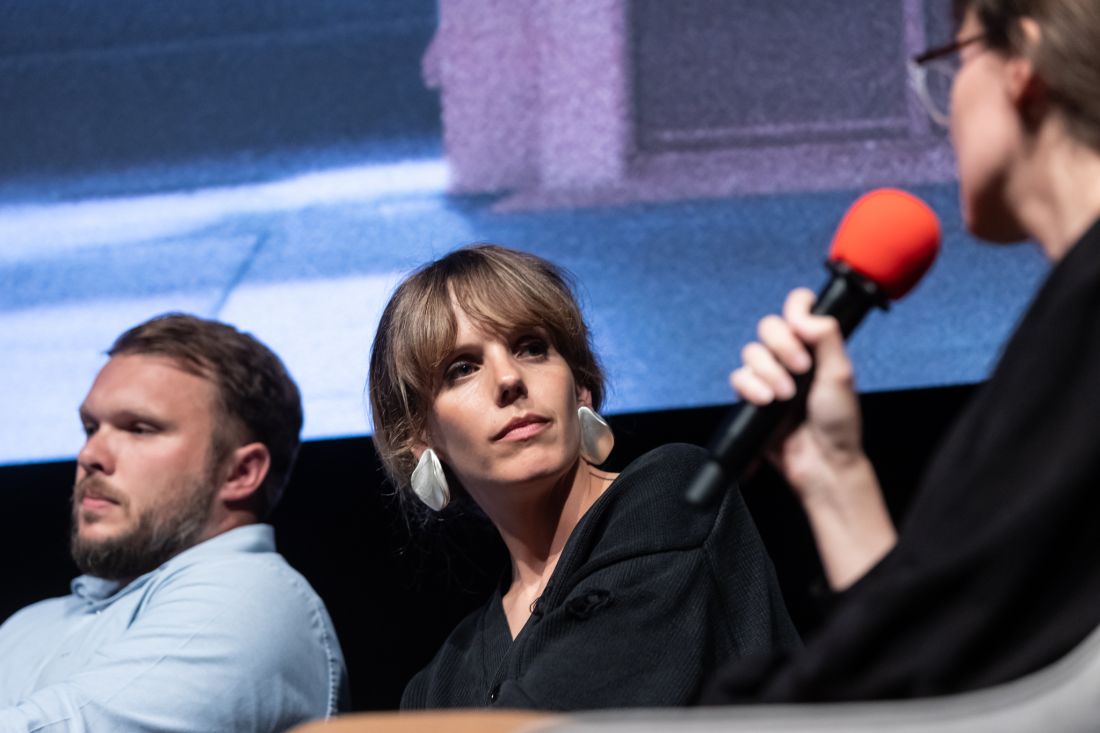
Closure and inaccessibility could also be heard during a discussion of how to live in contemporary housing, which, in the opinion of some of those who discussed it, often locks itself within four walls, not offering enough quality public spaces.
XV. Weekend of Architecture in Gdynia
Photo: M. Moskwa | Architecture Weekend in Gdynia
AGE SURPRISE
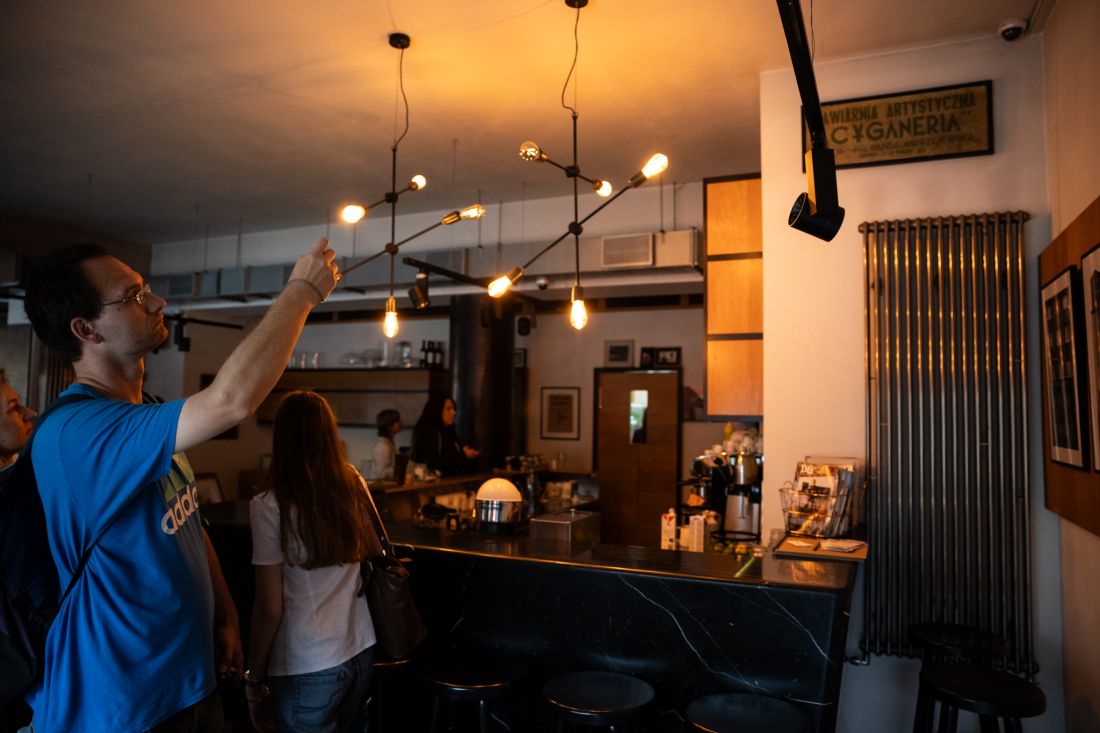
Sunday, the third day of the architecture weekend, was marked by heritage. Unexpectedly, one of the seemingly "safe" lectures became one of the highlights of the day. It was a presentation by Patrycja Jastrzębska on the European Heritage Days, held under the slogan "Toward Architecture," during which an extremely important question was raised about the upper age limit at which an object can be placed under conservation care. Although the speaker herself did not offer a clear answer, both half a century and no such limit were heard from the audience, which was echoed by Dr. Ryszard Nakonieczny, who recalled the unfortunate case of Votum Alex.
XV. Weekend of Architecture in Gdynia
photo: M. Moskwa | Architecture Weekend in Gdynia
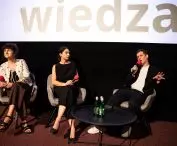
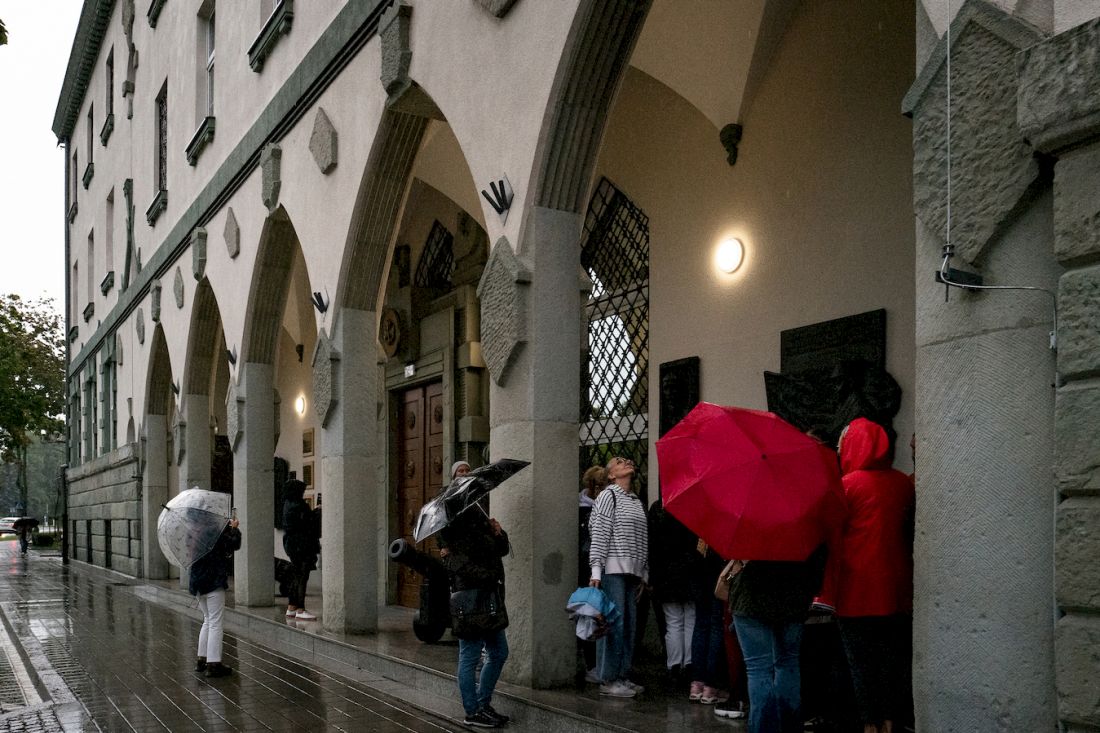
But how do these discussions relate to the title "openness"? This was debated during the discussion concluding the last day of the Weekend of Architecture, which featured specialists in opening architectural monuments to the public - including Piotr Grochowski, adapting former buildings for the Arche hotel chain, and Wojciech Poplawski, making Czeslaw Przybylski's modernist house available for rent.
XV. Weekend of Architecture in Gdynia
Photo: M. Szura-Piwnik | Architecture Weekend in Gdynia
new opportunities, new threats
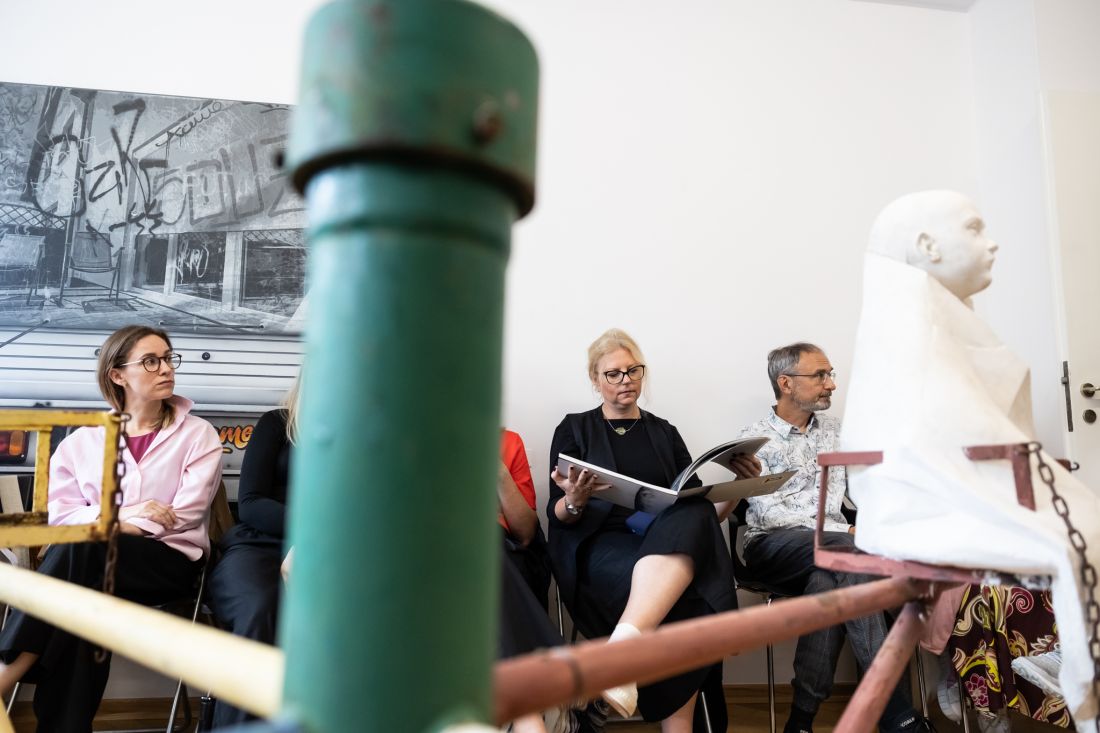
A thread that ran through all three days of the Archi-Prelekcja was artificial intelligence. Although it was not the main topic of any of the presentations, one could feel that it had already entered the architectural toolbox permanently. Speakers used AI to establish definitions or generate presentation slides, but also used it as a tool when working on various types of projects.
XV. Weekend of Architecture in Gdynia
Photo: M. Moskwa | Architecture Weekend in Gdynia
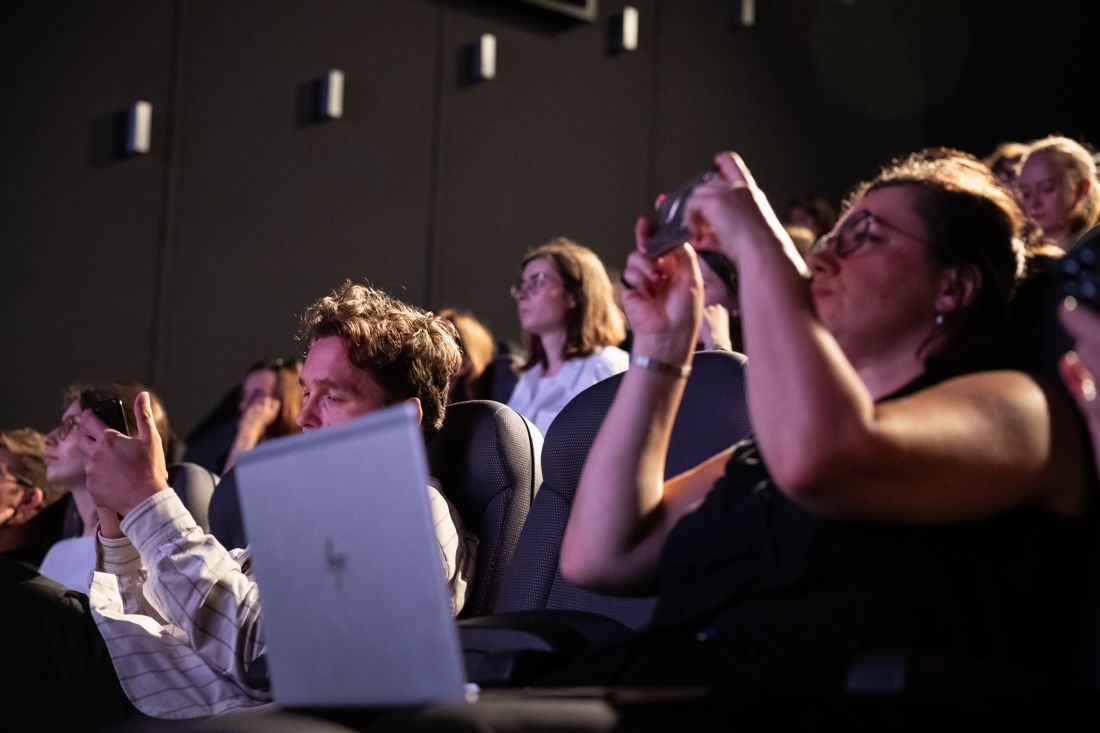
One of the experiments using language models in architectural reality was a bot created on the DesignBotic platform, prototyping urban development models and presented during the Archi-Discussion by Kacper Radziszewski and Karolina Scheibe-Skorczyk from the National Institute of Architecture and Urban Planning.
XV. Weekend of Architecture in Gdynia
photo: M. Moskwa | Weekend of Architecture in Gdynia
friction in the opening theme
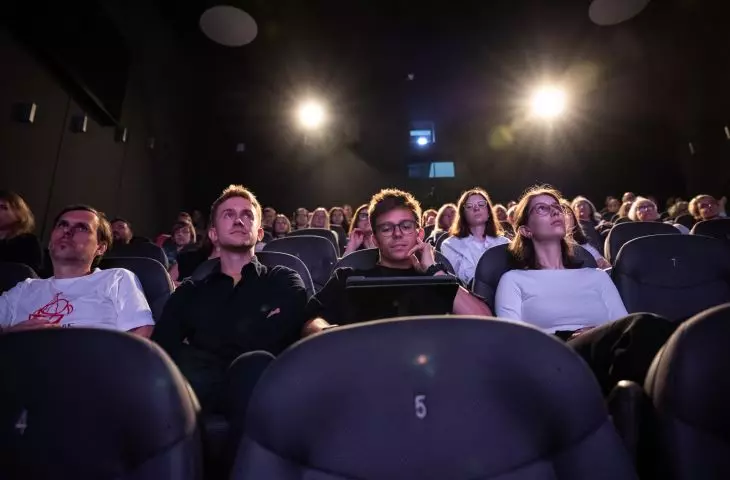
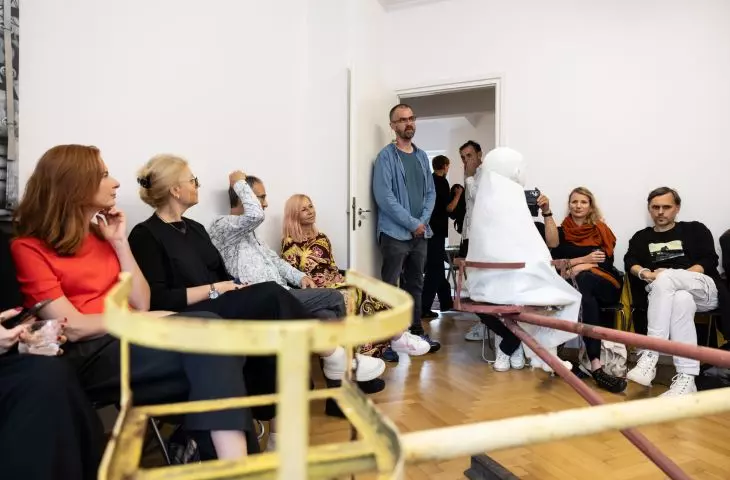
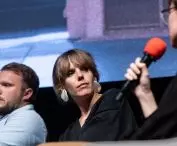
Friction also arose during the Archi-Prelude. Doubts were raised by some participants not only about the use of the aforementioned artificial intelligence, but also, for example, about the questionably service-oriented nature of some of the investments being made in the capital of Polish modernism. Although the topics of the lectures did not foreshadow the controversy, not all the people gathered in the hall were in agreement with each other, and differences of opinion arose both on stage during the discussion and between the speaker and the audience.
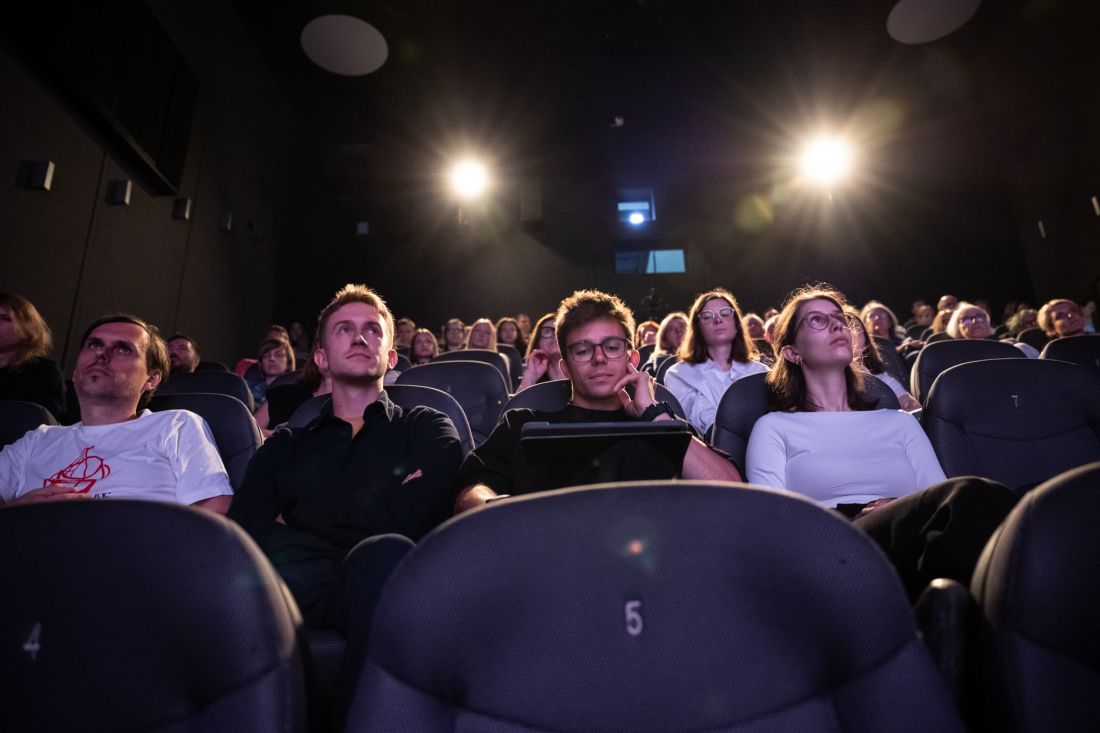
XV. Weekend of Architecture in Gdynia
Photo: M. Moskwa | Architecture Weekend in Gdynia
No wonder, after all, we talked mainly about cities, and as Architecture&Business editor-in-chief Malgorzata Tomczak wrote, a city is a living complex organism, full of tensions, threads and constant conflict of interests. Limited resources and space make agreement essential. To achieve it, in turn, a space for discussion is needed, which is what the Weekend of Architecture offered during the last days of August.
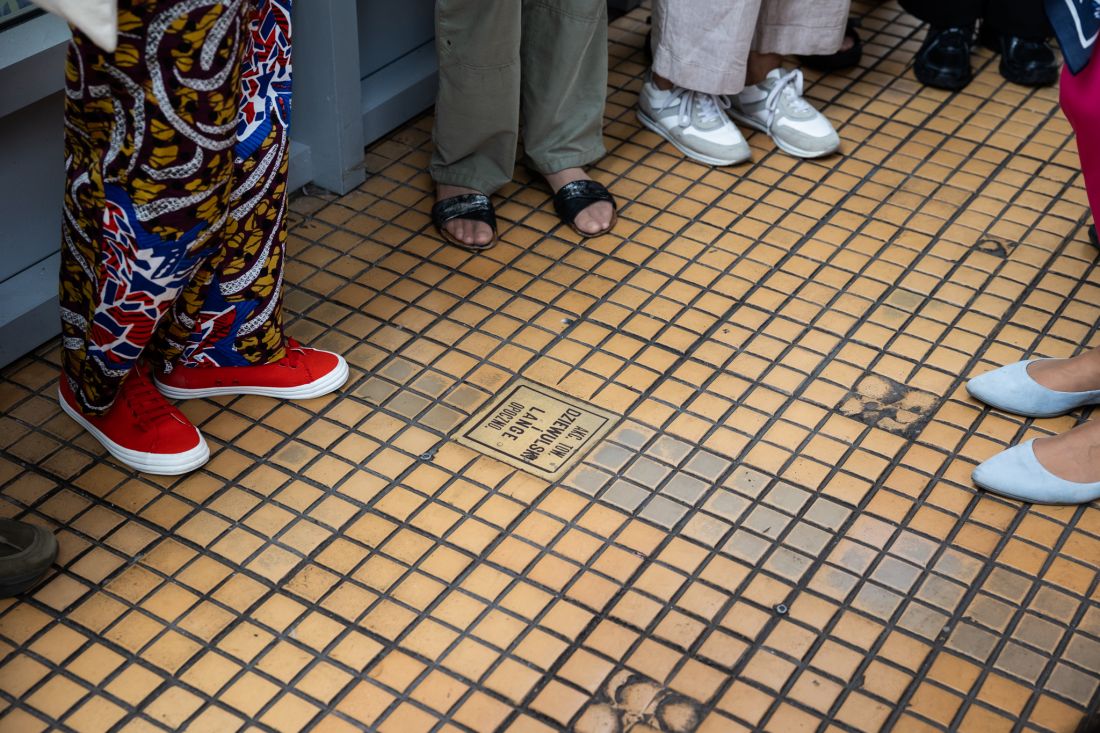
XV. Weekend of Architecture in Gdynia
Photo: M. Moskwa | Architecture Weekend in Gdynia
multitude of perspectives
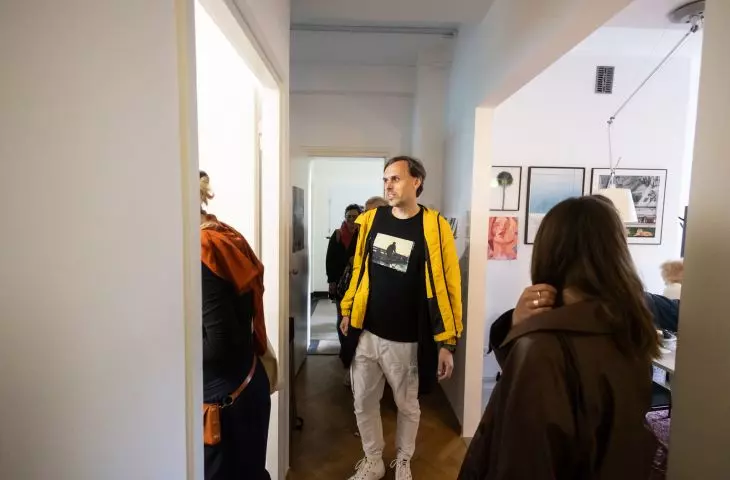
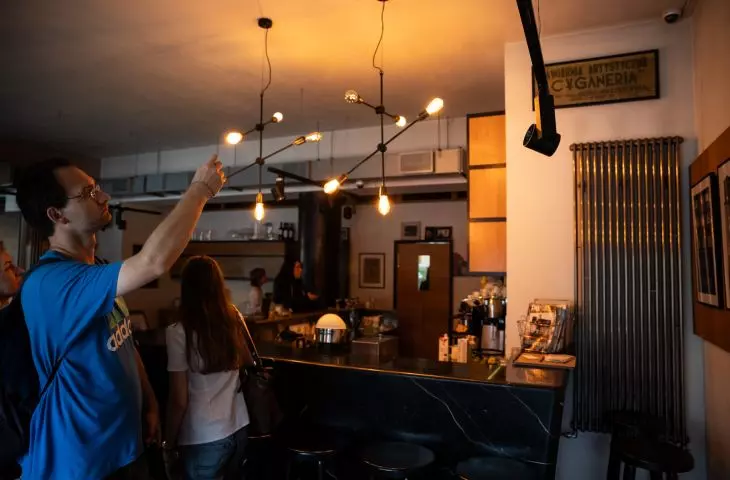
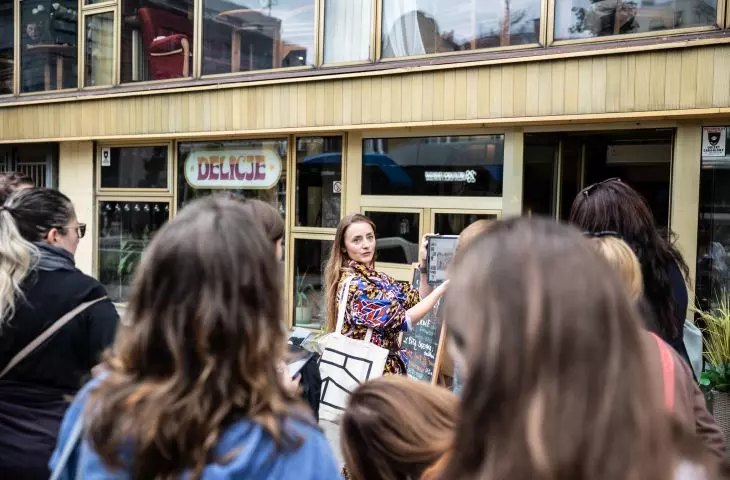
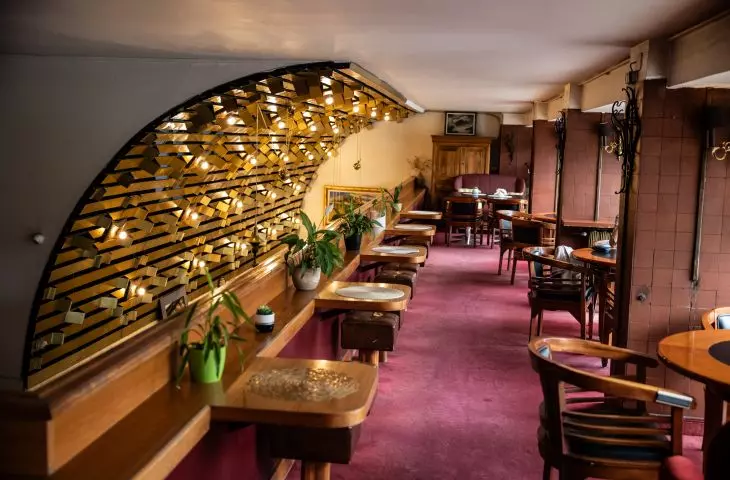
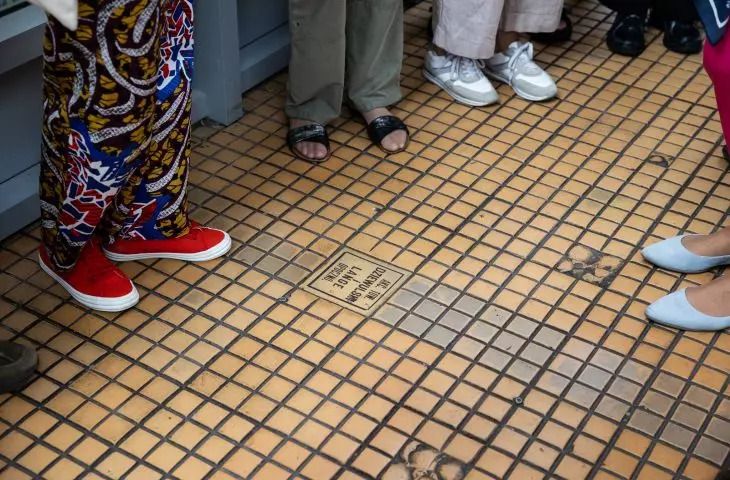
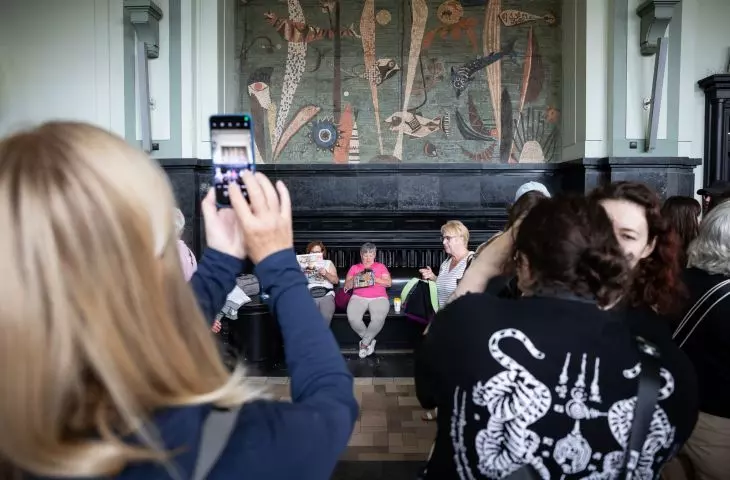
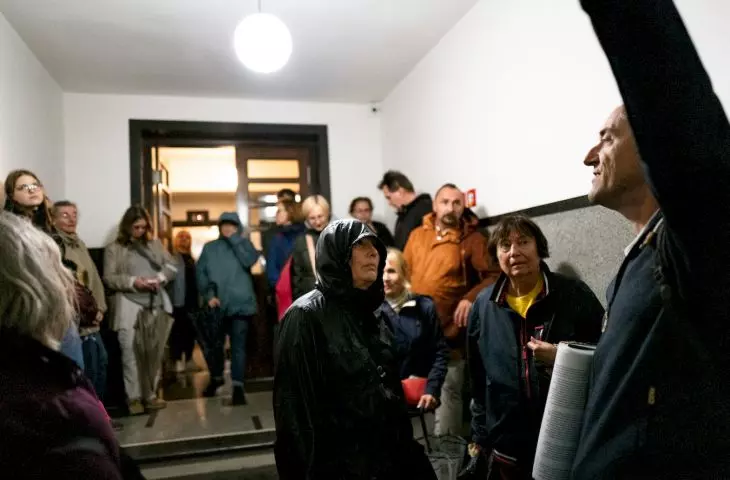
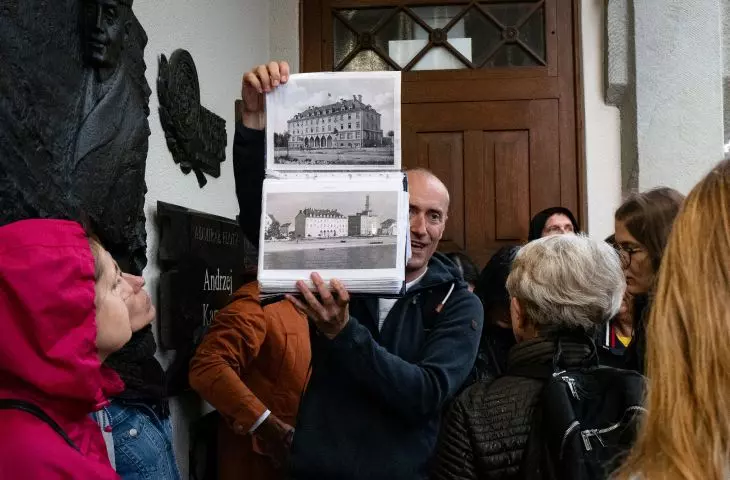
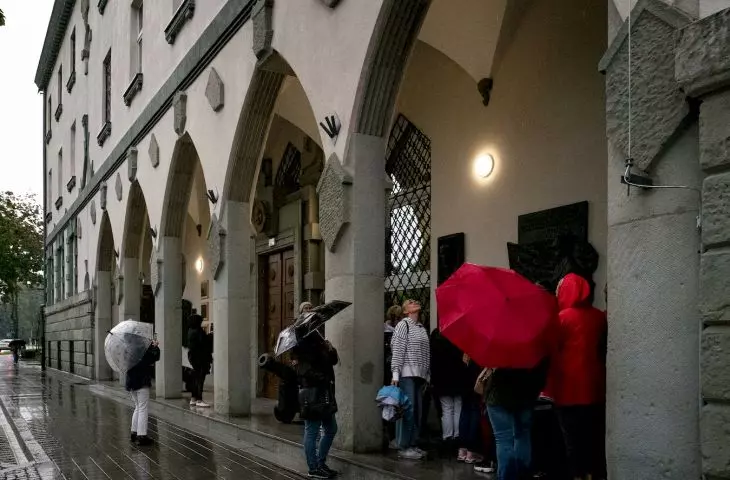
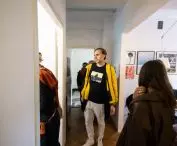
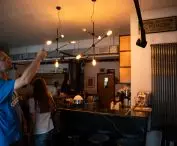
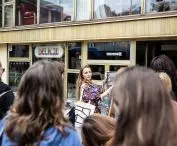
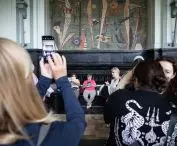
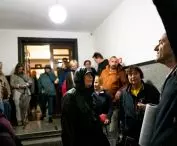
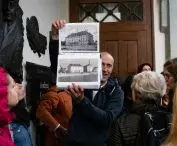
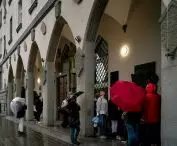
Archi-Previews were the main, but not the only highlight of this year's Architecture Weekend in Gdynia. As in previous years, Archi-Walks organized by the Gdynia Route of Modernism were also a regular feature, helping with exploration. The most exciting may have been the bicycle tour, led by Adrian Krê¿lik, during which participants traversed the Vistula River Zulawy in search of vernacular lessons for contemporary architecture. There were also more local walks, including a stroll through the open Bankowiec, one of the symbols of modernist Gdynia.
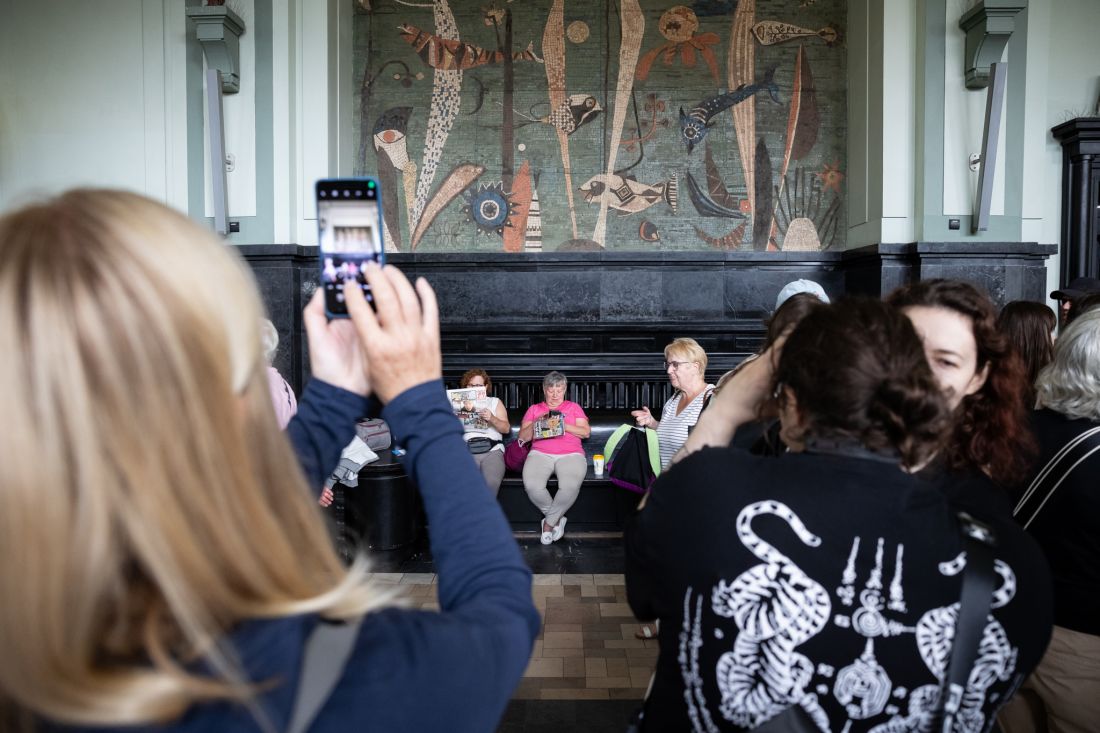
XV. Weekend of Architecture in Gdynia
photo: M. Moskwa | Architecture Weekend in Gdynia
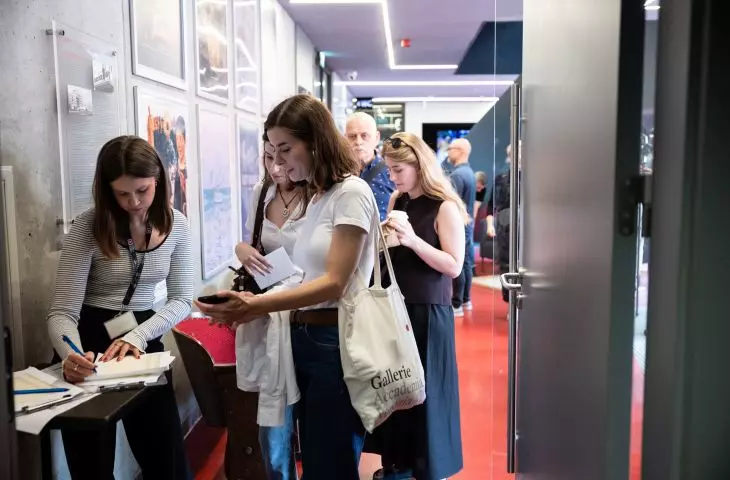
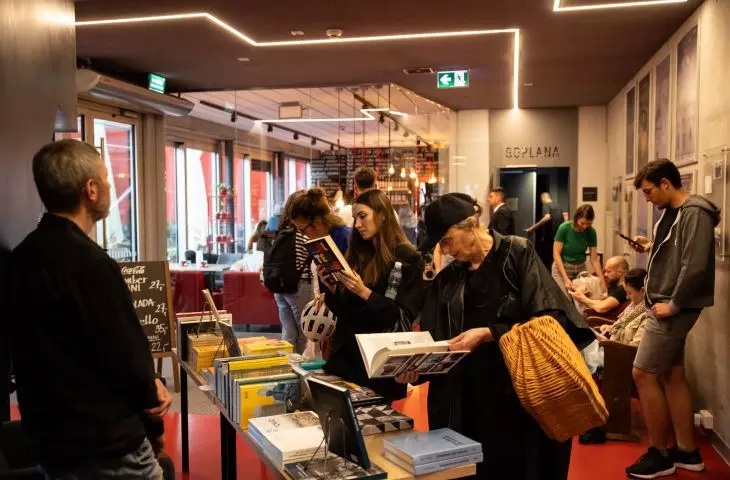
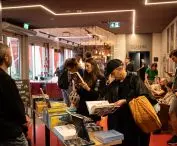
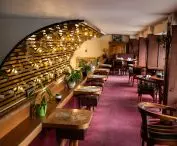
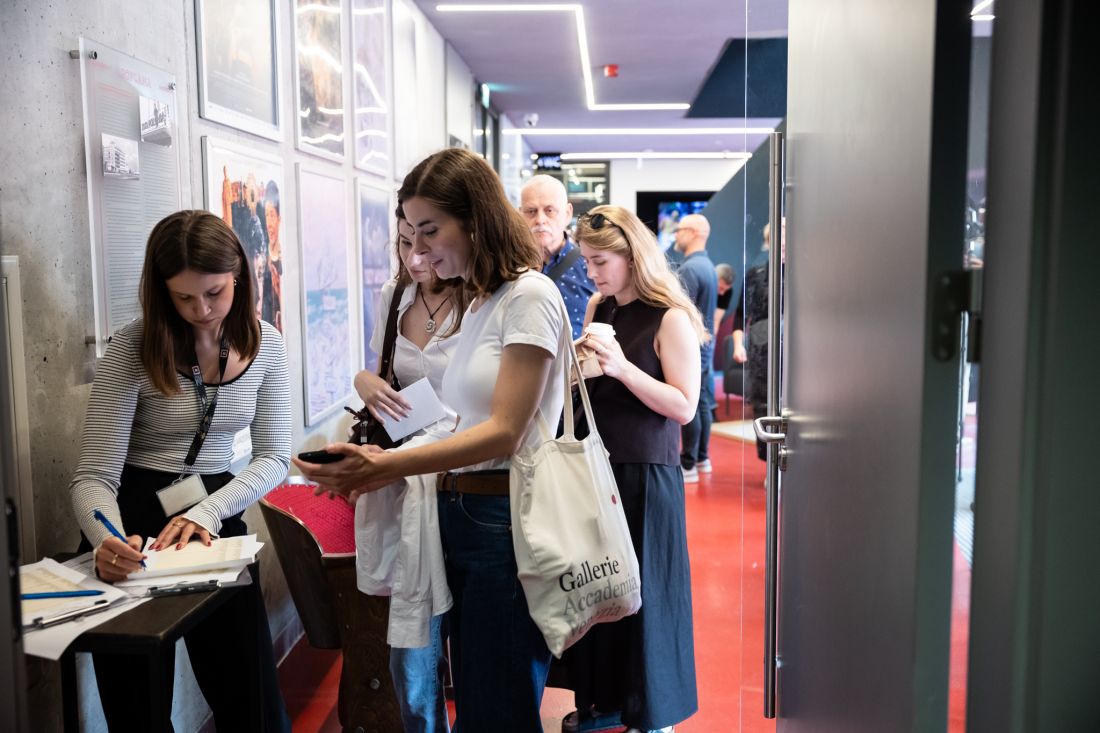
This year's accompanying events, however, were not limited to discovering the heritage of modernist architecture in the form of walks - the Gdynia Film Center building hosted screenings of the Czech production "ARCHITECTURE CSSR 58-89" and the film "Axis mundi by Karol Schayer," and the program included exhibition openings and finishes, a recital and an Archi-table discussion.
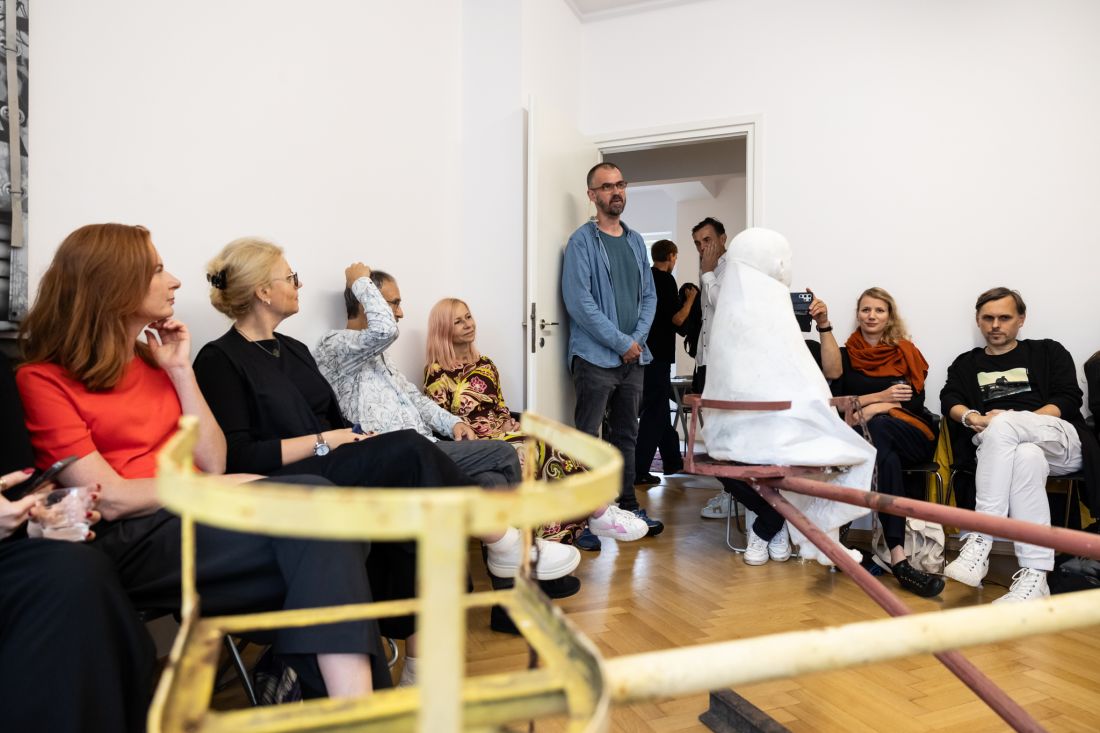
XV. Weekend of Architecture in Gdynia
photo: M. Moskwa | Weekend of Architecture in Gdynia
The multitude of stories, narratives and perspectives showed that architecture is open to change. The question is, are we - architects, researchers, city dwellers and residents - as well?