







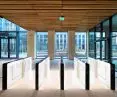

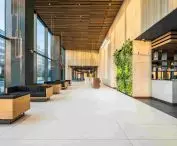





Blue Bolt, a Polish mobile access control proptech company, is part of the growing trend of moving everyday activities to the smartphone. Just as payments or opening cars have become keyless, the way we use buildings is similarly changing. Blue Bolt's solutions, under various brand names, today operate in hundreds of facilities in Poland and abroad - from offices to residential developments - supporting tens of thousands of users and millions of interactions. Mobile access is no longer an add-on, but is becoming a standard in modern spaces.
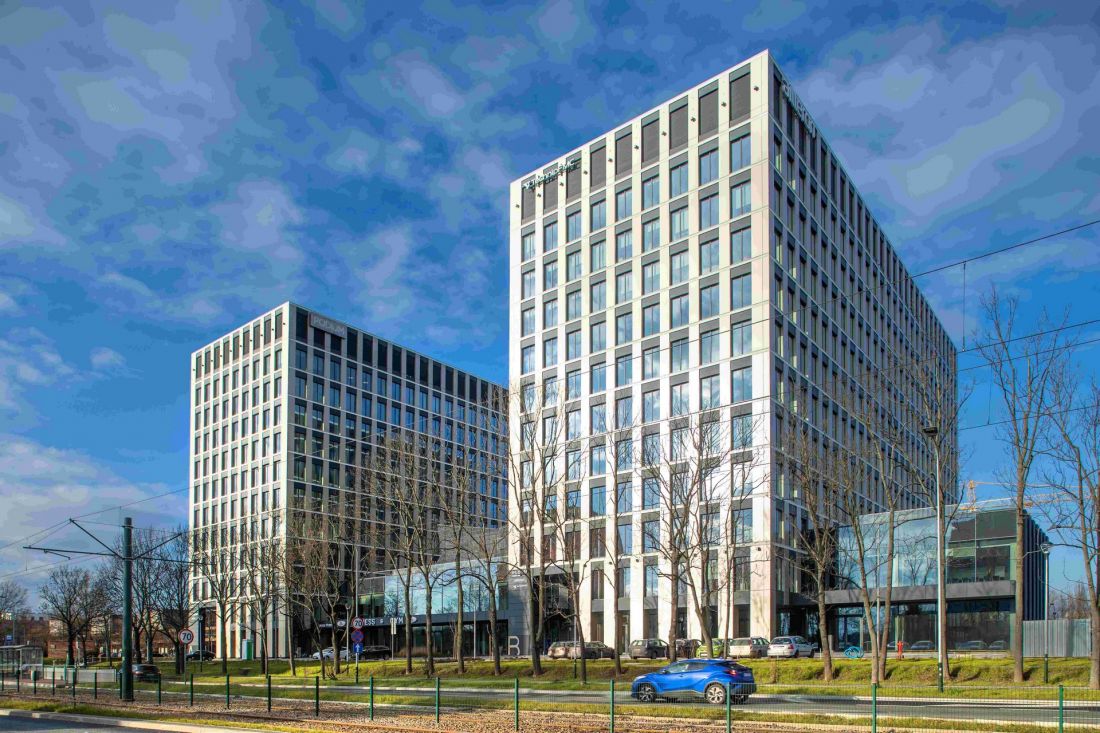
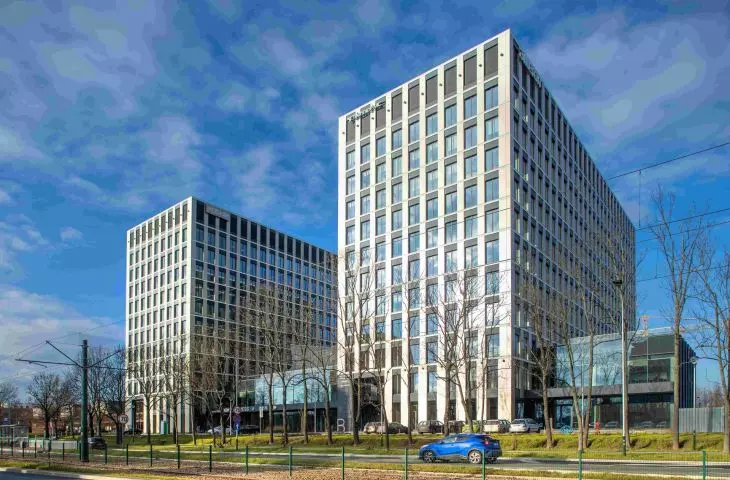
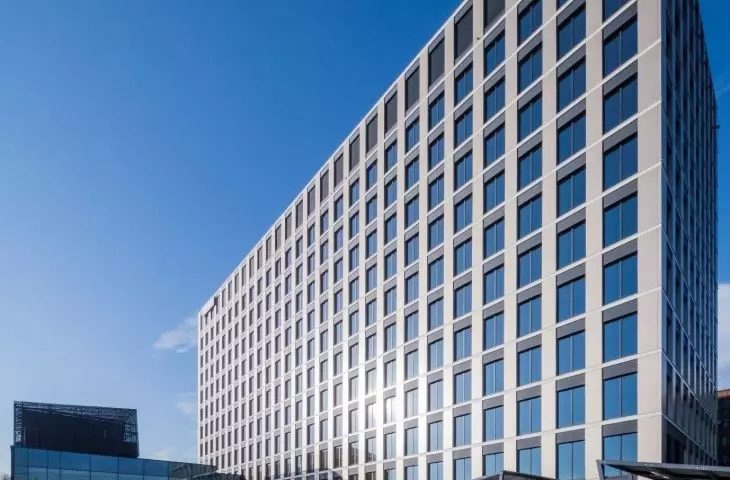
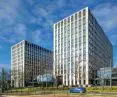
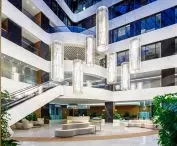
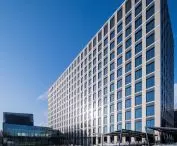
Blue Bolt's solutions were initially associated with office buildings. One of the company's key projects was its cooperation with Globalworth's Podium Park in Krakow - a complex of two office buildings with 10 floors, BREEAM Outstanding certification and a total leasable area of about 55,400 sqm. At Podium Park, as in subsequent developments, users have been given mobile keys instead of cards, significantly speeding up credentialing and increasing convenience. As part of this implementation, Blue Bolt customized its own devices under the Globalworth App brand on behalf of the owner and building manager, making them integrate with any access control system, which made it possible to modernize the existing infrastructure without complicated changes. Similar solutions were implemented in other projects.
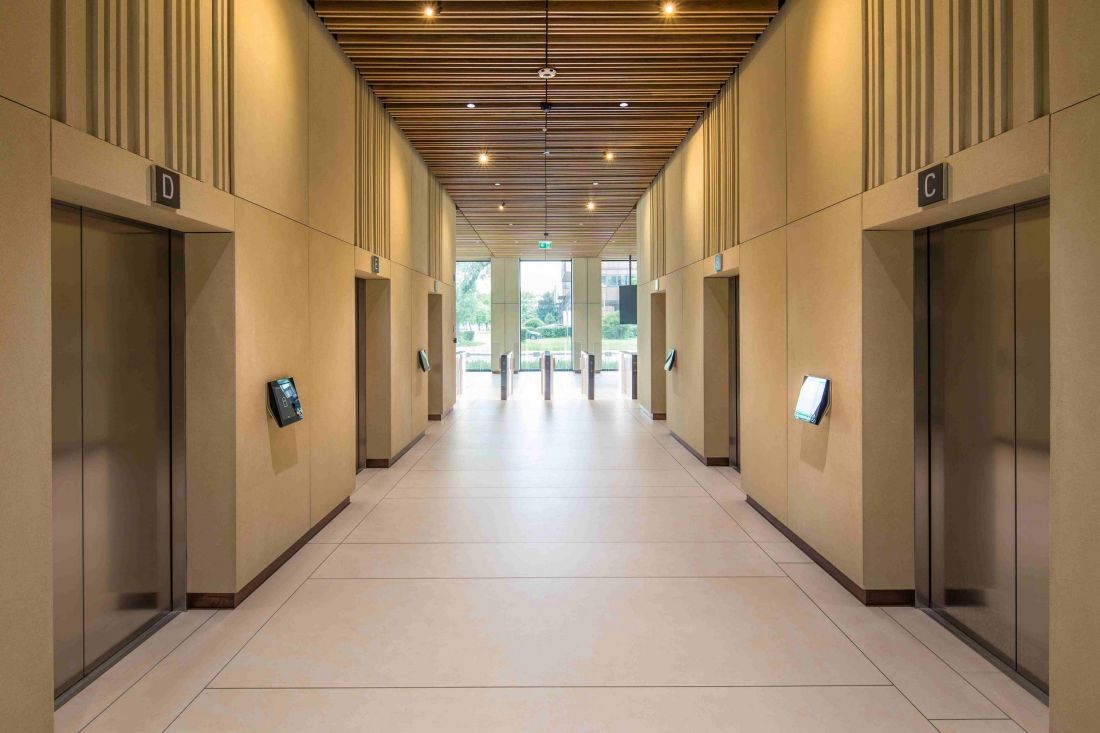
Blue Bolt's solutions were initially associated mainly with office buildings. Cooperation with Globalworth, the owner and manager of one of the largest office space portfolios in Poland, proved their versatility. Instead of cards, users received mobile keys, significantly speeding up the granting of privileges and increasing convenience. The mobile access system became the foundation of the proprietary Globalworth App, implemented successively in the company's subsequent facilities, in 6 major cities in Poland. As part of this deployment, Blue Bolt customized its own devices to integrate with any access control system, making it possible to modernize the existing infrastructure without complicated changes.
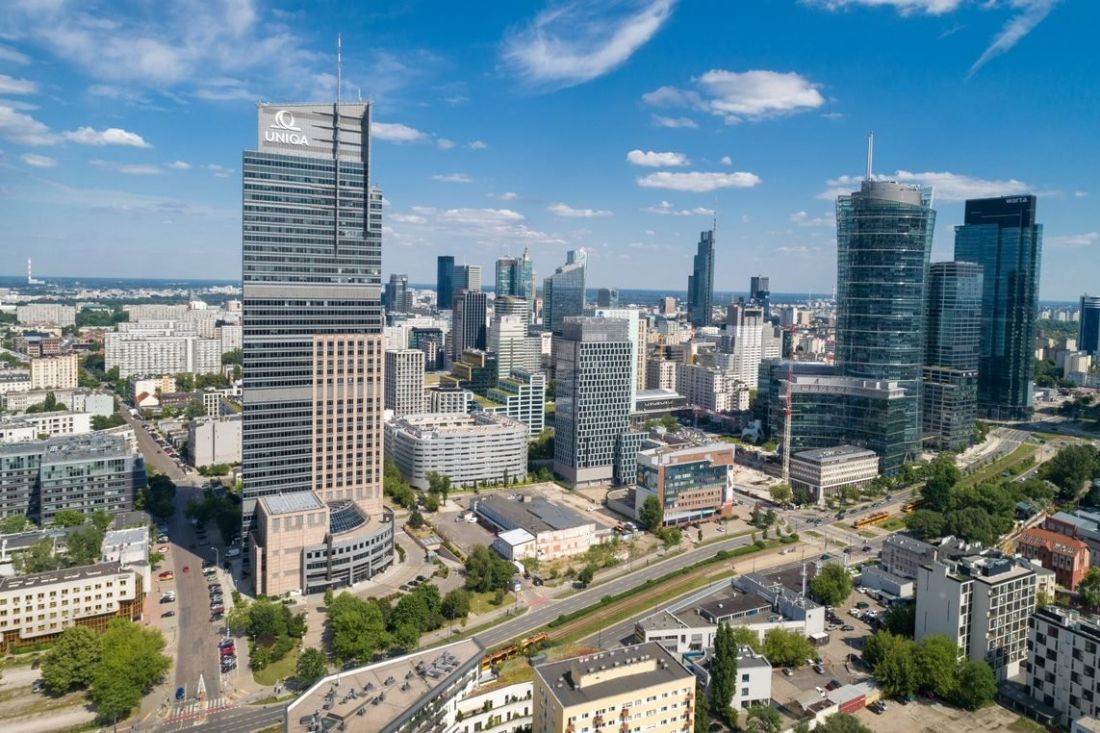
The access digitization process began with Warsaw's Spektrum Tower and Warsaw Trade Tower (WTT) skyscrapers. The latter, which has a BREEAM In-Use certificate of Outstanding, is an excellent example of mature architecture that, after a comprehensive revitalization, is among the world's leaders in terms of comfort and advanced building systems.
Similar standards of convenience have been introduced in Krakow's Podium Park and Katowice's Silesia Star complex. In both cases (also with BREEAM In-Use Outstanding certification), Blue Bolt technology allowed efficient management of multiple access zones in buildings connected by connectors. In the case of Wrocław's Renoma, on the other hand, mobile access control allowed for full unification of systems in zones from different phases of this historic building's expansion. By integrating Blue Bolt under the Globalworth App brand, the manager can offer tenants a consistent user experience regardless of location.
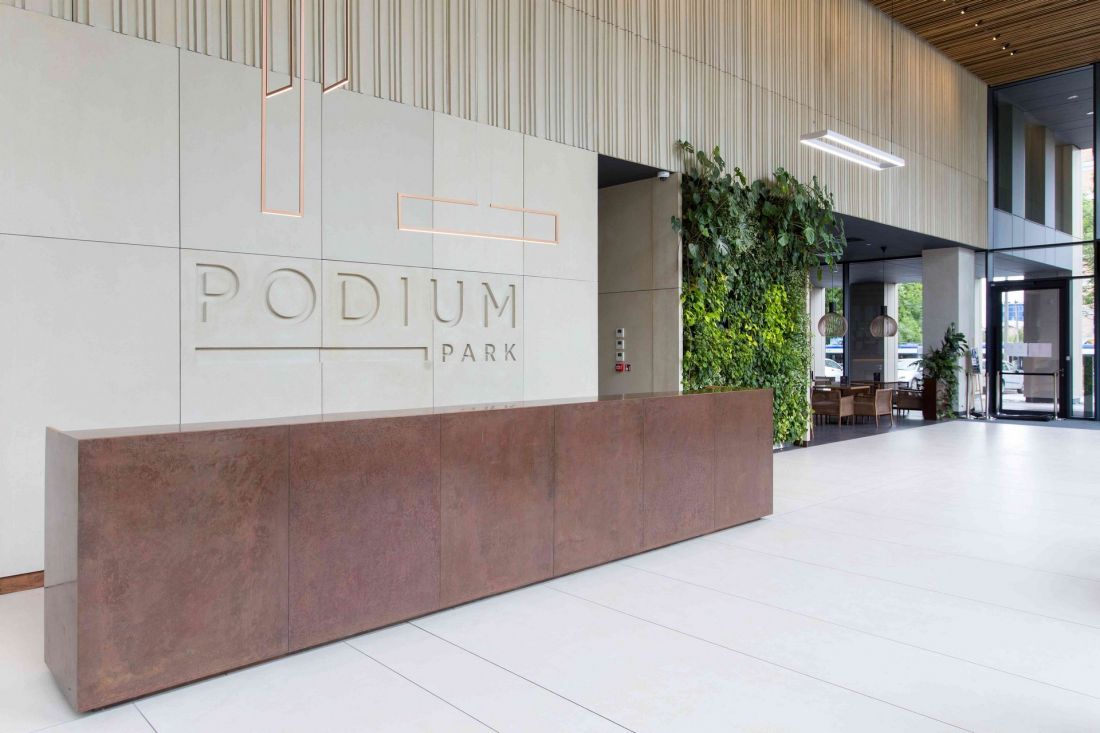
A modern office is first and foremost an efficient working tool. We are seeing a clear change in the way buildings are used - mobile access is no longer an innovation, but is becoming a natural part of the infrastructure. In the segment of office real estate today, it is one of the key solutions that respond to the growing expectations of users in terms of convenience and efficient space management. For our tenants, the creation of a single, consistent electronic access ecosystem is a new level of comfort, which fits in with our strategy of digitization and attention to User Experience. - says Robert Pysiak, Head of IT & Technology at Globalworth Poland.
Also among the outstanding developments was River Point in Wroclaw, a multi-phase residential and commercial project with a revitalized 19th-century stable. In the final stage of this development, the common area (entrances to stairwells) was equipped with a "smart Blue Bolt system." This is an example of complex integration, where a historic building combines authentic architecture with modern features (including elevators, monitoring, license plate recognition) operated by an app. Thanks to Blue Bolt, residents now have contactless access to the stairwells and garage just by using their phone, which is in line with the latest trends, including those that emphasize sustainability and ESG.
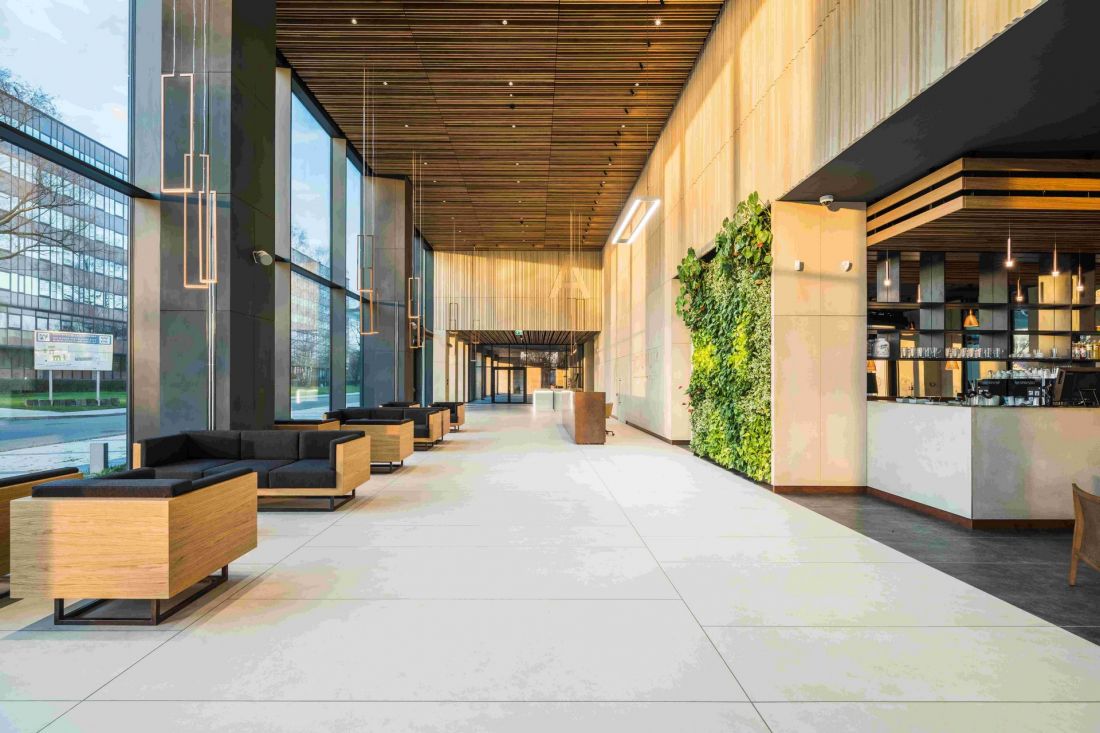
Today's buildings must meet not only the requirements of comfort, but also sustainability. Mobile access in building architecture reduces plastic and paper, while providing safer, faster control - a win-win for users and the environment, says Maciej Grabowski, founder of Blue Bolt.
Blue Bolt back in 2021 entered into an agreement with Adgar Poland, the owner of Brain Embassy, a modern coworking center. As a result, Brain Embassy members and tenants can enter the office building using their own smartphone, while managers use the communication platform and can easily grant and revoke permissions. This implementation demonstrates the scale of Blue Bolt's applications in the coliving and coworking segments, where flexible granting of permissions (guests, temporary employees) is crucial.
What is worth noting - the boundary between the office and residential segments is clearly blurring. The housing estates are increasingly featuring features known from modern commercial buildings, which require an automated and intuitive access system.
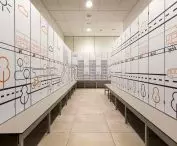
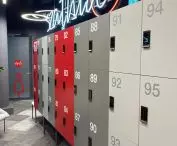
Significant implementations have also been made for individual doors or rooms: for example, in the investments of developer Vantage in Wroclaw, where Blue Bolt solutions have been used to operate entrances to fitness zones in buildings on Białowieska and Walowa Streets. In practice, this means that even in small projects, common spaces (such as a gym) can be secured without physical cards.
The commercial real estate market expects innovations that will set buildings apart from the competition. Mobile access control not only increases the attractiveness of an investment, but also makes it easier to manage multiple locations from a single panel - which translates into long-term profit and tenant satisfaction, but also savings. Following in the footsteps of office buildings, residential developers are also reaching for solutions that allow easier access. We also have the first implementations in the warehouse sector," adds Maciej Grabowski.
Our technology works both in newly built projects and in existing facilities. More and more often we are approached by administrators of investments that are only two or three years old, but already need an improved system for organizing common spaces. This shows how quickly user expectations are changing," concludes Zygmunt Hryniewicz, Growth & Sales Lead at Blue Bolt.
The size of the scale of Blue Bolt's operations is worth noting. The system operates in hundreds of buildings (nearly 800 facilities by the beginning of 2026), covering a diverse range of property types - from large office buildings to residential developments and medical facilities. Numerically, this means tens of thousands of devices installed in doors, elevators and barriers, and tens of millions of authorizations carried out by app users. By comparison - Global Access, a market research firm, has reported global growth in the mobile access segment, and estimates the value of the smartphone door access market alone at $2.64 billion and up. At the same time, its forecasts predict growth to $5.68 billion in 2032, and the access control industry as a whole is expected to grow from $11.62 billion to $26.22 billion in 2034. Blue Bolt's current operations are thus part of a period of strong demand, for which it is creating favorable conditions for expansion.
For more information, visit the company's BLUE BOLT page on the A&B portal.