





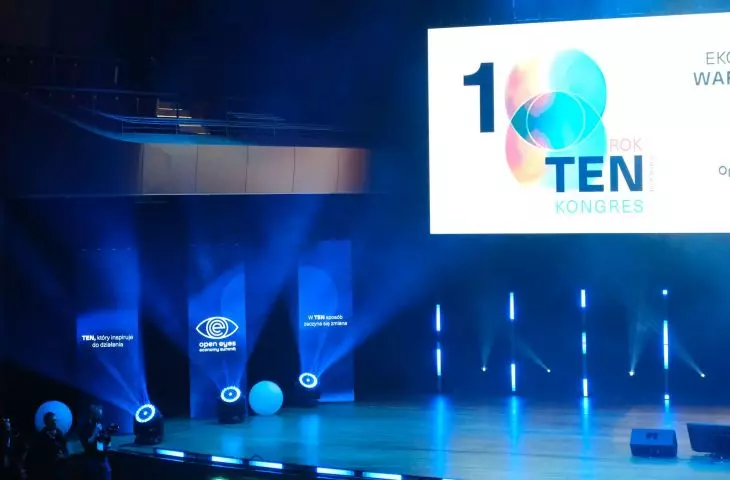
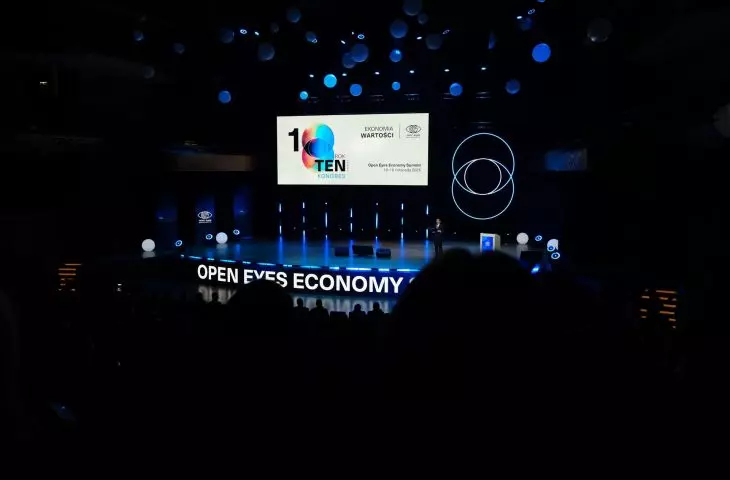






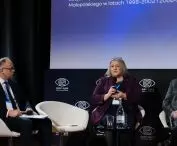
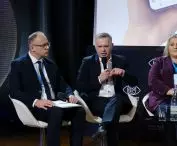
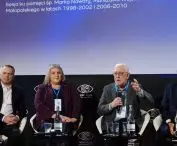

The tenth anniversary edition of the Open Eyes Economy Summit congress was held at the ICE Congress Center in Krakow on November 18 and 19, 2025. A decade of deliberations on how business, local governments and universities can conduct their activities in an atmosphere of mutual responsibility resulted in a return to the roots, realized in the slogan of this year's congress, which was Value Economy. How do companies produce these values? Can we afford the right to housing, and what reforms do local governments need? What role do mental health and culture play in social regeneration? And above all - who is the winner in the clash: value versus greed?
The tenth Open Eyes Economy Summit repeated the success of previous editions - in thematic tracks devoted to international governance, business development, space exploration orchallenges facing modern cities were attended by 350 speakers, 5,000 stationary participants, 1,000 online participants and 250 volunteers.

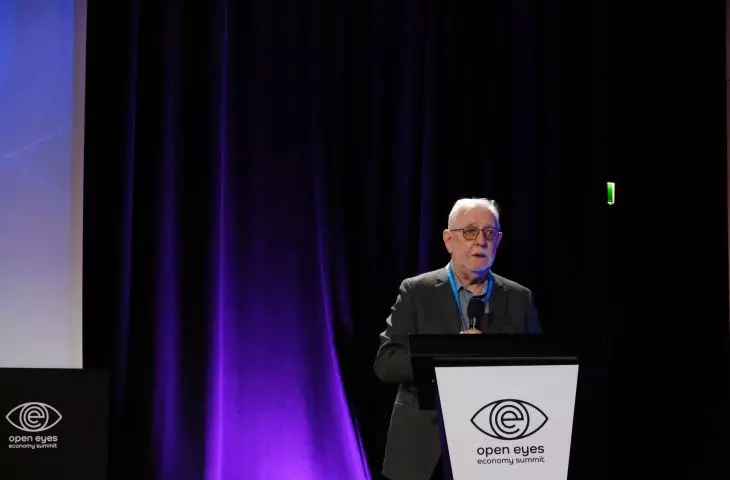
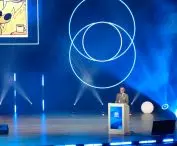
Open Eyes Economy Summit 2025 - opening ceremony
photo: Przemek Ciępka
Speakers on the OEES stages included: Svitlana Tikhanouska, leader of the Belarusian democratic opposition, Magdalena Biejat, Deputy Speaker of the Polish Senate, and Andrzej Domanski, Minister of Finance and Economy.
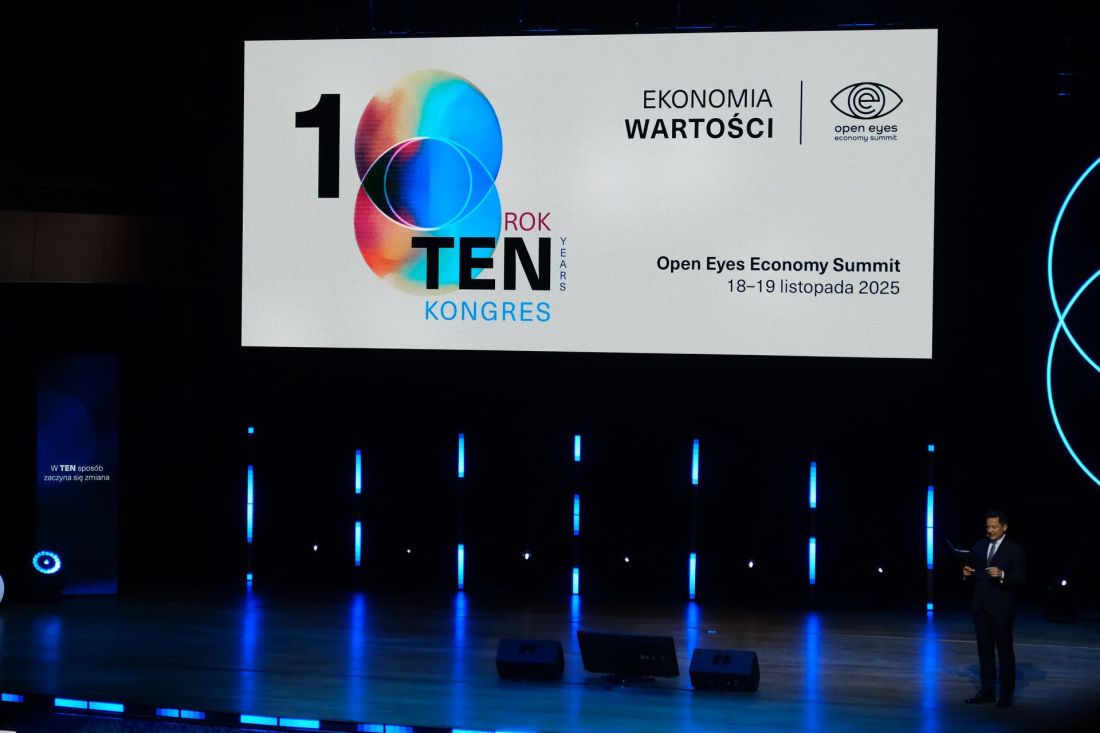
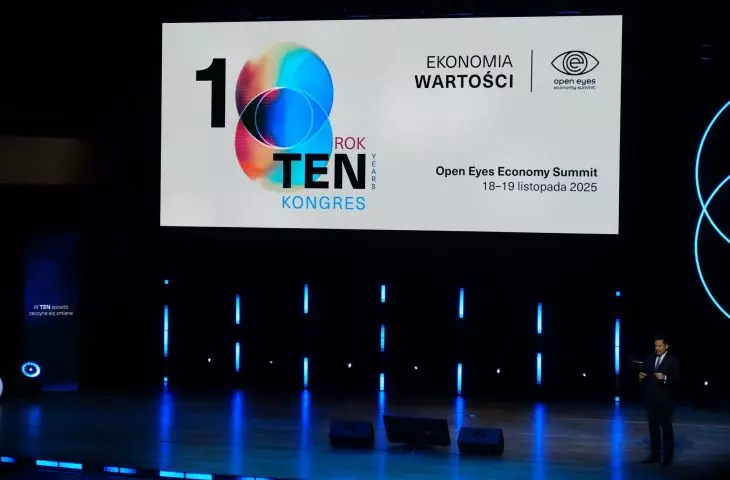
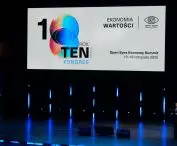
Open Eyes Economy Summit 2025 - Economy of Value
photo: Przemek Ciępka
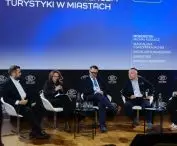
As in previous years, tracks devoted to cities, curated by Maciej Nowak of the West Pomeranian University of Technology in Szczecin and Michal Kudłacz of the Cracow University of Economics, played a prominent place among the sessions.
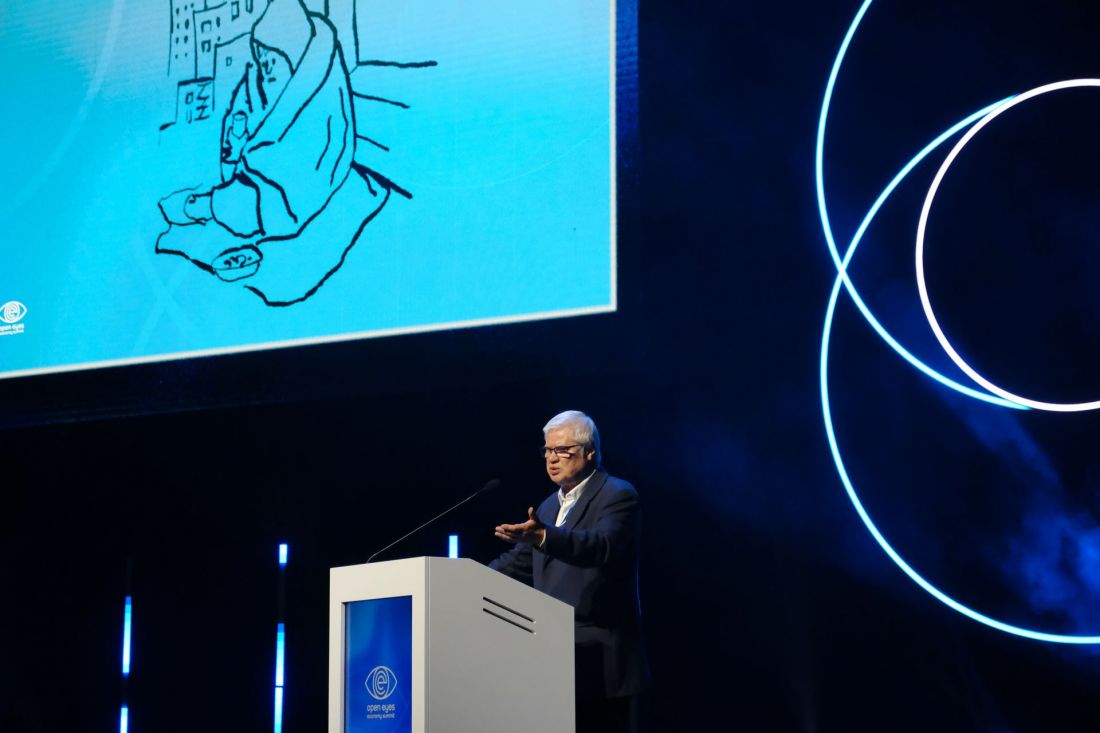
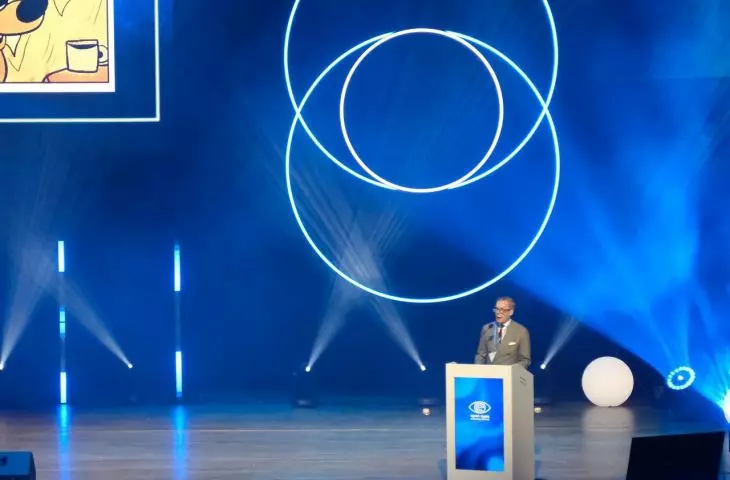
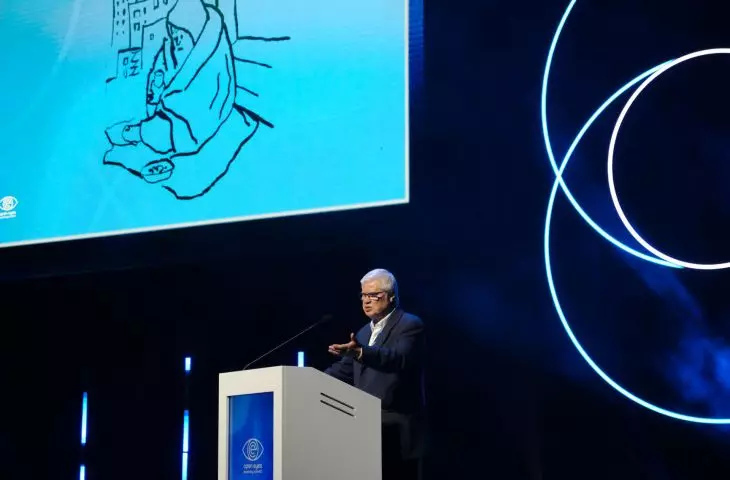
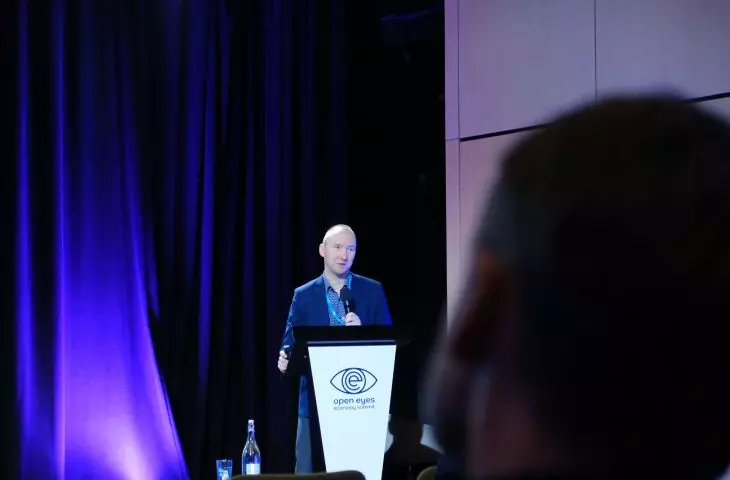
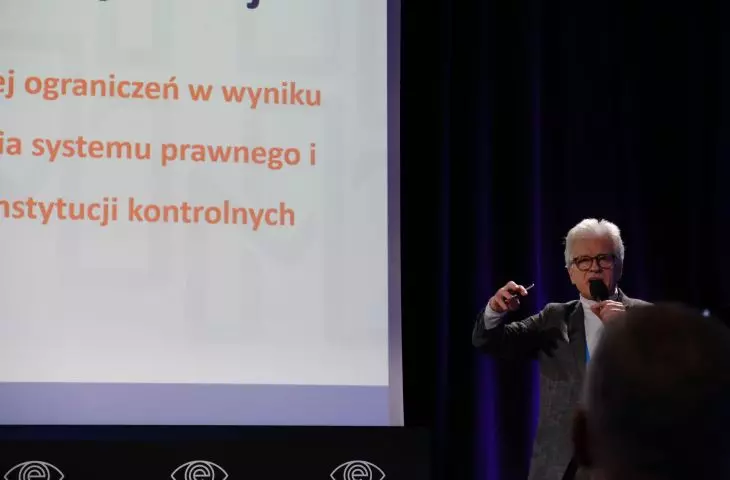
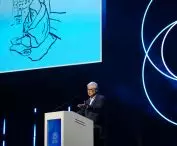
Open Eyes Economy Summit 2025 - Prof. Jerzy Hausner
photo: Przemek Ciępka
city - housing - resident
The concept of the city as a space of friction, a meeting of various interest groups, was expressed particularly strongly during the first day of the OEES 2025 congress in panels organized under the CITY-IDEA track : CITY - RESIDENT - RESIDENT. The axis of almost all discussions and lectures was the issue of housing - both social housing and housing being developed within the commercial market.
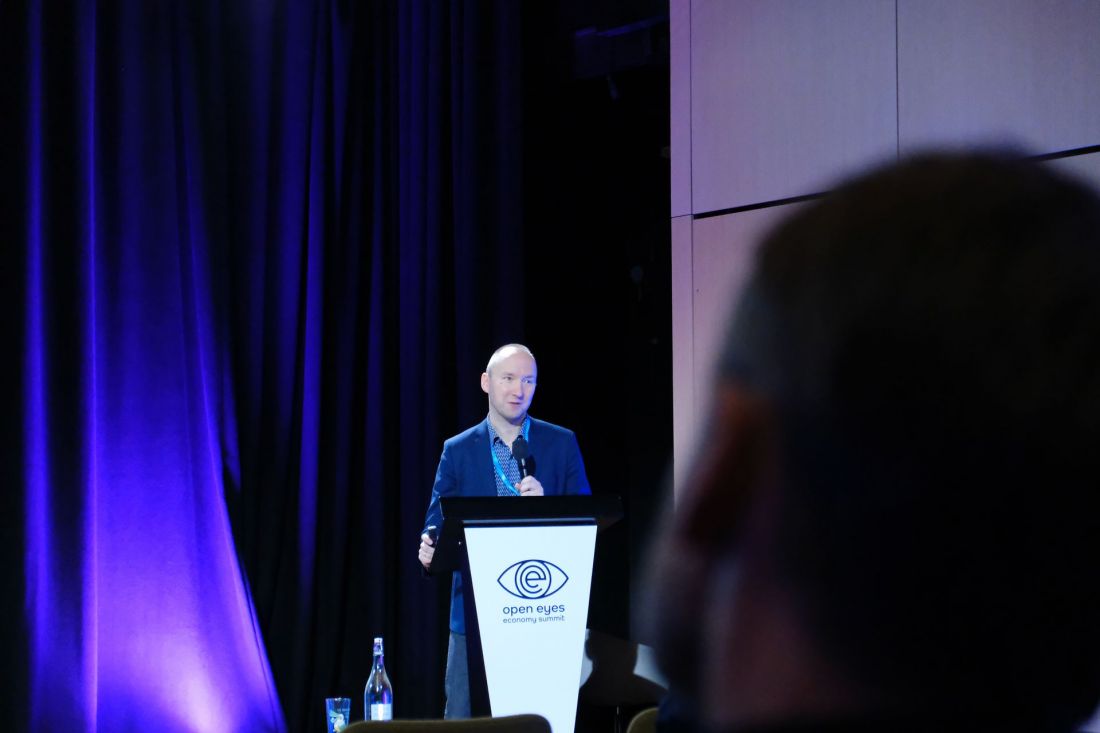
Open Eyes Economy Summit 2025 - Prof. Maciej Nowak
photo: Przemek Ciępka
The discussion around housing is increasingly turning to social housing. Aldona Machnowska-Góra, Deputy Mayor of the City of Warsaw, and Maria Klaman, Deputy Mayor of the City of Krakow, boasted of their successes in this field, while noting the need to change the approach to living in housing that does not ultimately pass to residents. As Maria Klaman stated:
[...] I personally see social housing for rent as more than looking only at myself and my family. It was the same with buyouts - the City can't rotate, there's nothing to rotate with. In the case of SIM, we pay a participation of 30 thousand, we live for the rest of our lives, but this apartment can be given to others. I think this may slightly stagnate investment in real estate purchase [...] This is our pain, [...] cities have become an investment.
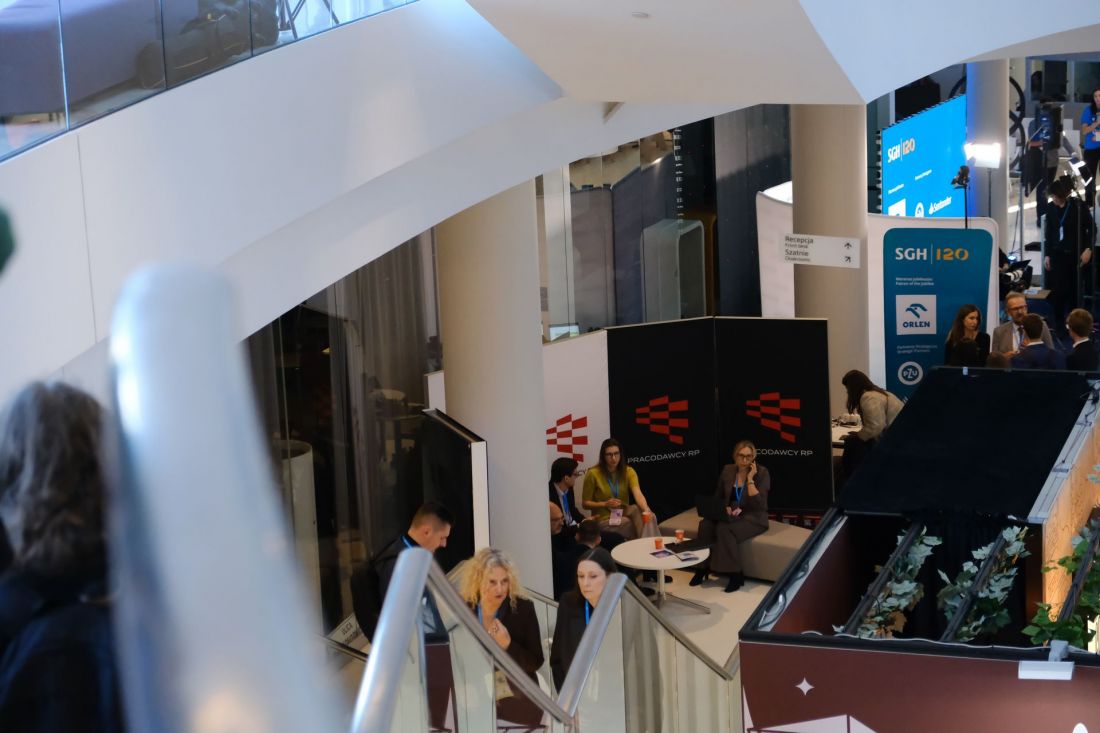
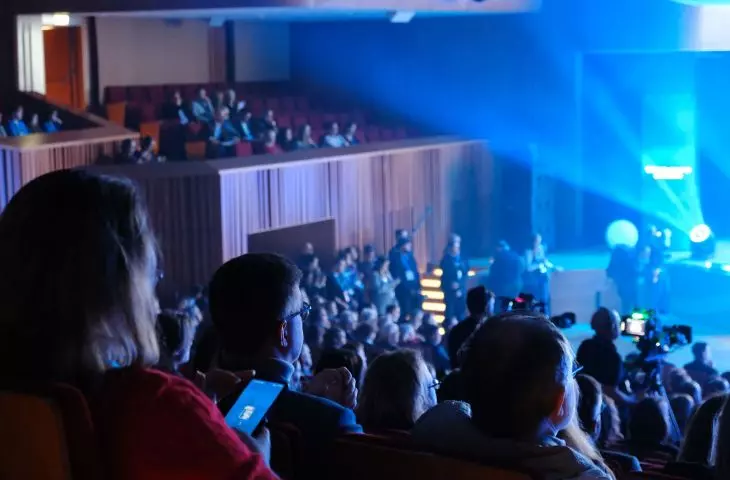
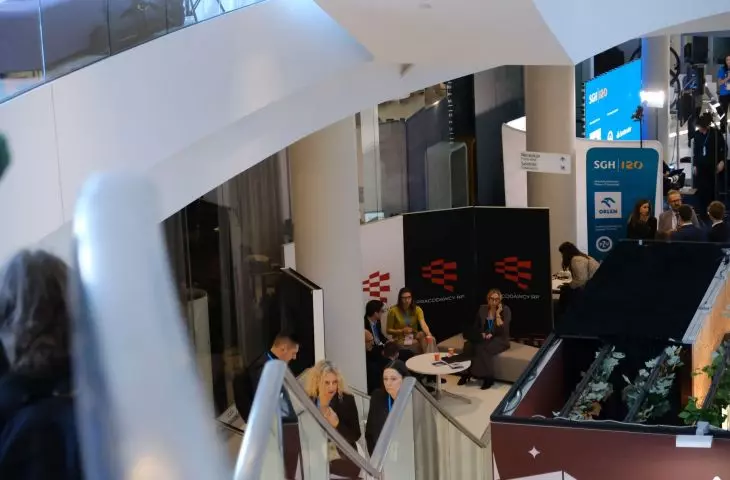
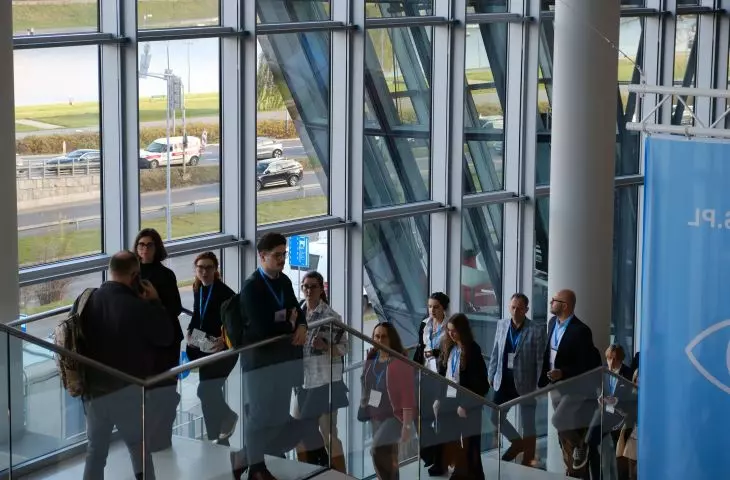
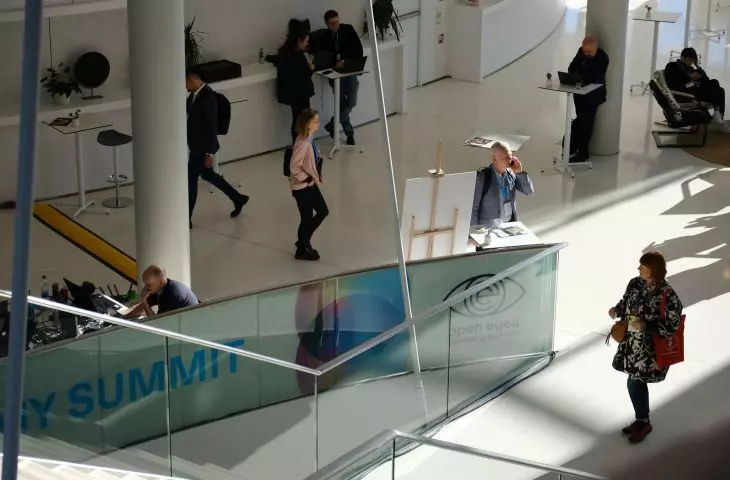
Open Eyes Economy Summit 2025 - participants and attendees of the congress
photo: Przemek Ciępka
However, housing policy is not just about investing in new facilities - Polish cities have larger or smaller housing stock that has been put out of use for various reasons. It is the quality of these units and the need to modernize them that Aldona Machnowska-Góra said was an important factor in the city's housing and social policy:
[...] not only the number, but also the quality of housing. We found a correlation between children's poor performance in school and not just social problems, but poor housing conditions. Children who lived in under-enlightened, moldy apartments had more frequent absenteeism and poorer academic performance. By raising standards, we are giving our residents a chance to build our city.
What is already there can also be used for further development of municipal resources - for example, through superstructures of existing facilities, as mentioned by Maria Klaman and Aleksandra Stępniak, a representative of VELUX. In order for all the processes discussed to run smoothly, however, changes are needed in local governments, which were jointly raised by Aldona Machnowska-Góra and Maria Klaman, who postulated the creation of a municipal company in Krakow to deal precisely with social housing.
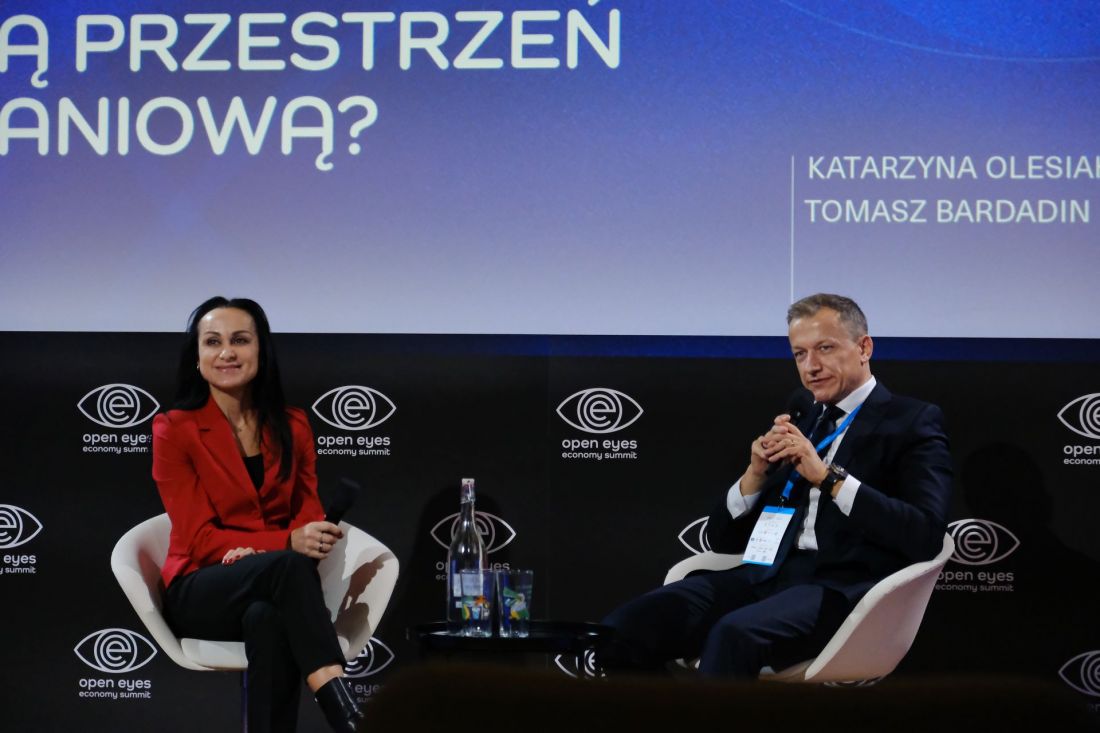
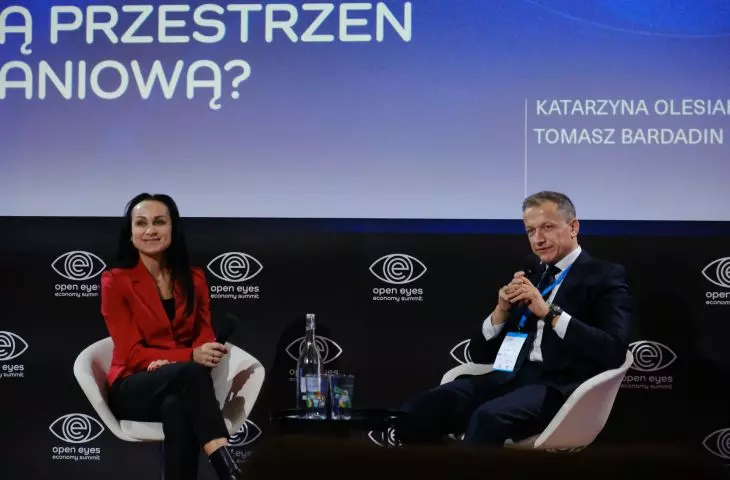
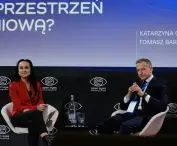
Open Eyes Economy Summit 2025 - from left: Katarzyna Olesiak, Tomasz Bardadin
photo: Przemek Ciępka
who should build polish apartments?
The aforementioned friction was reflected in a skirmish between Katarzyna Olesiak, CEO of the Cracow City Development Agency, and Tomasz Bardadin, Director of the Product Creation Department at Develia. While Tomasz Bardadin emphasized the role played by the experience and specialization of developers in erecting residential architecture, as well as the responsibility for co-creating the necessary insfrastructure, Katarzyna Olesiak took the position that the issue of housing cannot be entirely subject to market mechanics. The ARMK president pointed to the need for cooperation between the private and public sectors, through which it will be possible to respond to housing needs and improve the quality of services and life of residents.
Open Eyes Economy Summit 2025
photo: Przemek Ciępka
Two completely different perspectives on residential architecture found common ground on the ground of ZPI developments, as well as co-living apartments, the creation of which in Krakow's Wesoła district was postulated by Katarzyna Olesiak.
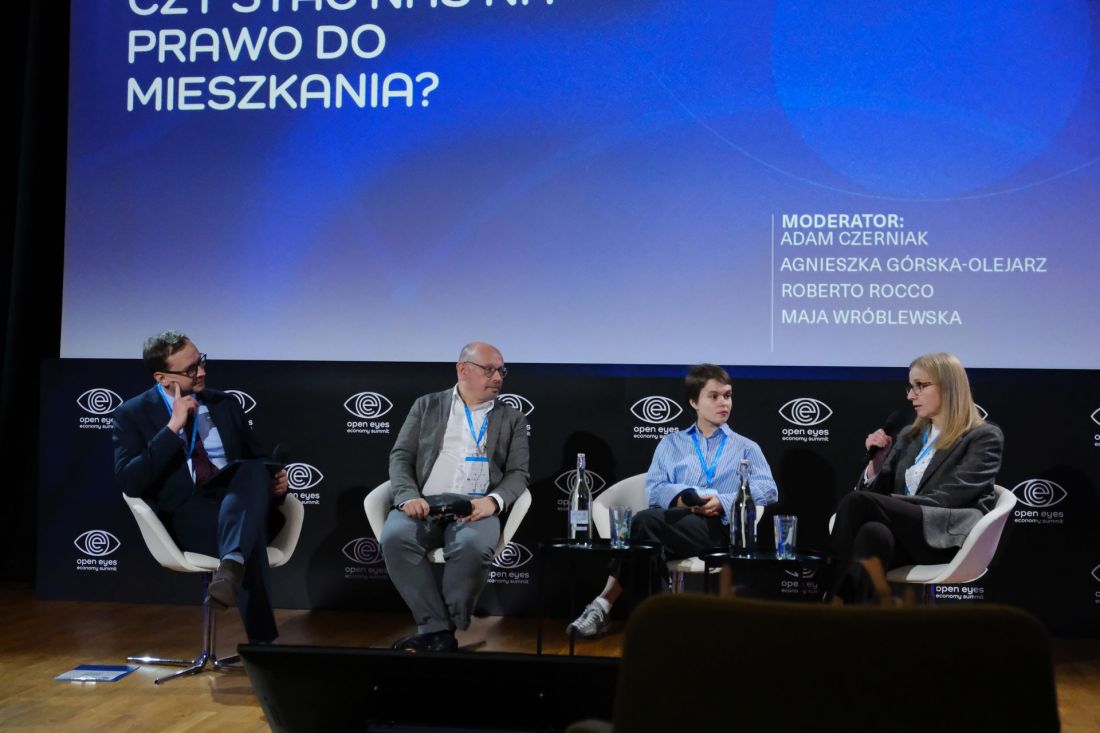
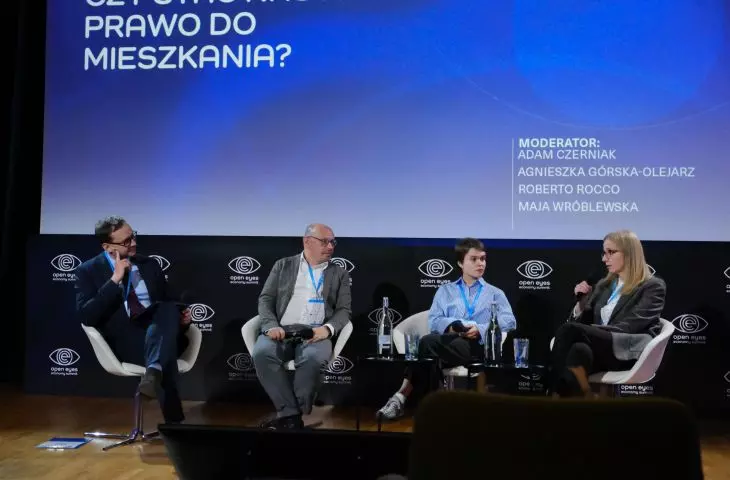
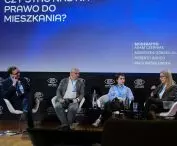
Open Eyes Economy Summit 2025 - from left: Adam Czerniak, Prof. Roberto Rocco, Maja Wróblewska, Agnieszka Górska-Olejarz
Photo: Przemek Ciępka
can we afford the right to housing?
The right to housing is an issue increasingly raised in discussions on housing, which at this year's OEES congress found its way into the title of the in-depth session "Can we afford the right to housing?".
The multiplicity of perspectives on this problem has already revealed differences in defining the concept of "right to housing." Agnieszka Górska-Olejarz, Director of the Mortgage Banking Center at ING Bank, understands it primarily as the right to own real estate, as well as to accumulate wealth. Maja Wróblewska, a member of the City Is Ours Association, on the other hand, presented a different point of view, stressing that the right to housing, understood as the provision of accessible housing for a broad cross-section of society, is also a guarantee for the realization of other rights and the securing of a decent life. The situation was similarly presented by Roberto Rocco, a professor at Delft University of Technology, who emphasized the role that the public sector plays in regulating the housing market.
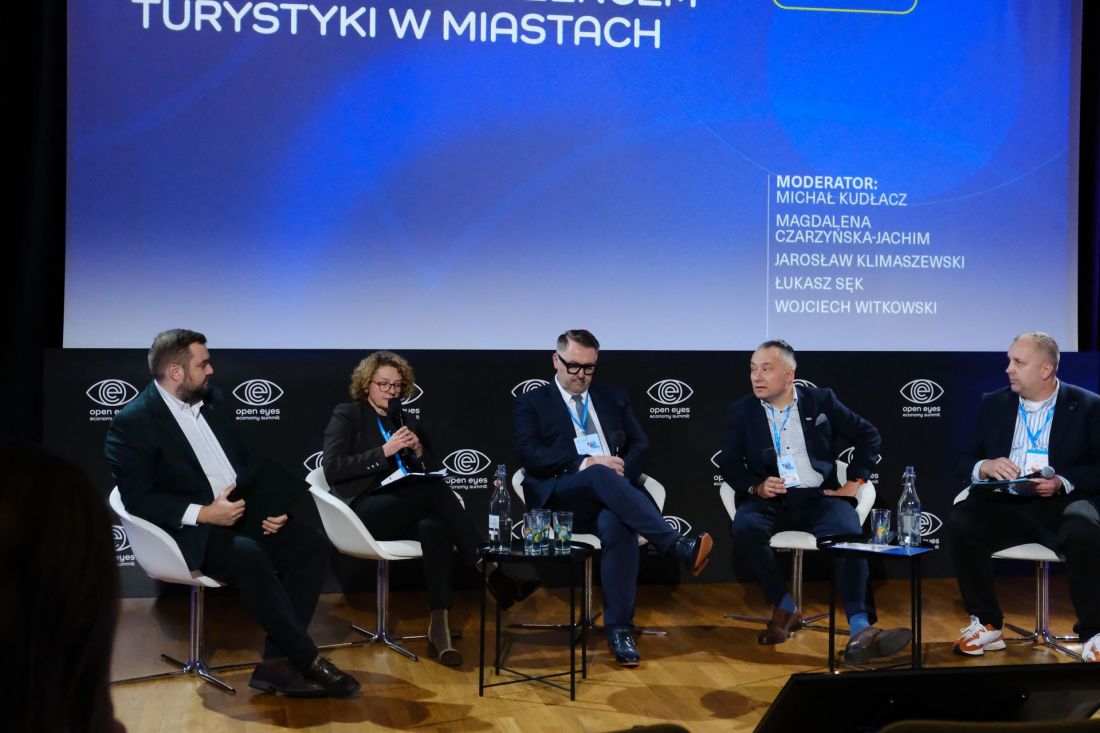
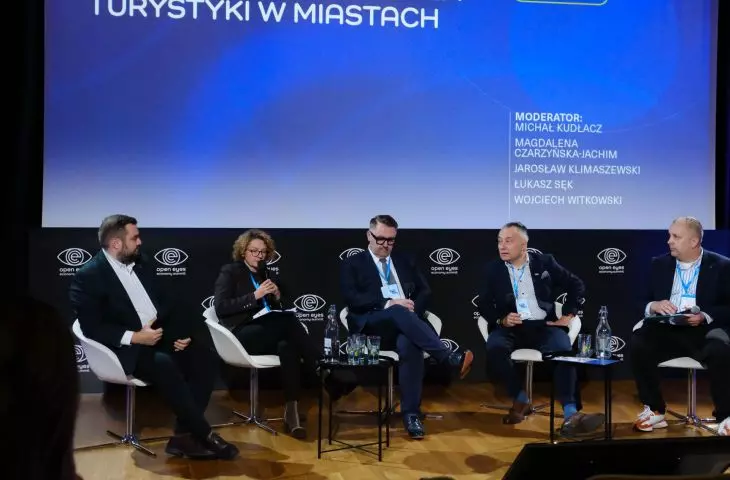
Open Eyes Economy Summit 2025 - from left: Łukasz Sęk, Magdalena Czarzyńska-Jachim, Jarosław Klimaszewski, Wojciech Witkowski, Michał Kudłacz
Photo: Przemek Ciępka
How to regulate this market, however? As Maja Wróblewska stated, there is a need to limit short-term rentals, but also to introduce a commission system or quotas for developers or implement a cadastre and cadastral tax. As Roberto Rocco noted, proper property taxation can also have a positive impact on reducing urban sprawl.
Open Eyes Economy Summit 2025
photo: Przemek Ciępka
Importantly, there seems to be a willingness to support social housing also expressed by business, Agnieszka Górska-Olejarz, however, stressed that first it is necessary to establish ownership and, in the longer term, to assess the marketability of social housing, which could then serve as collateral for bank loans.
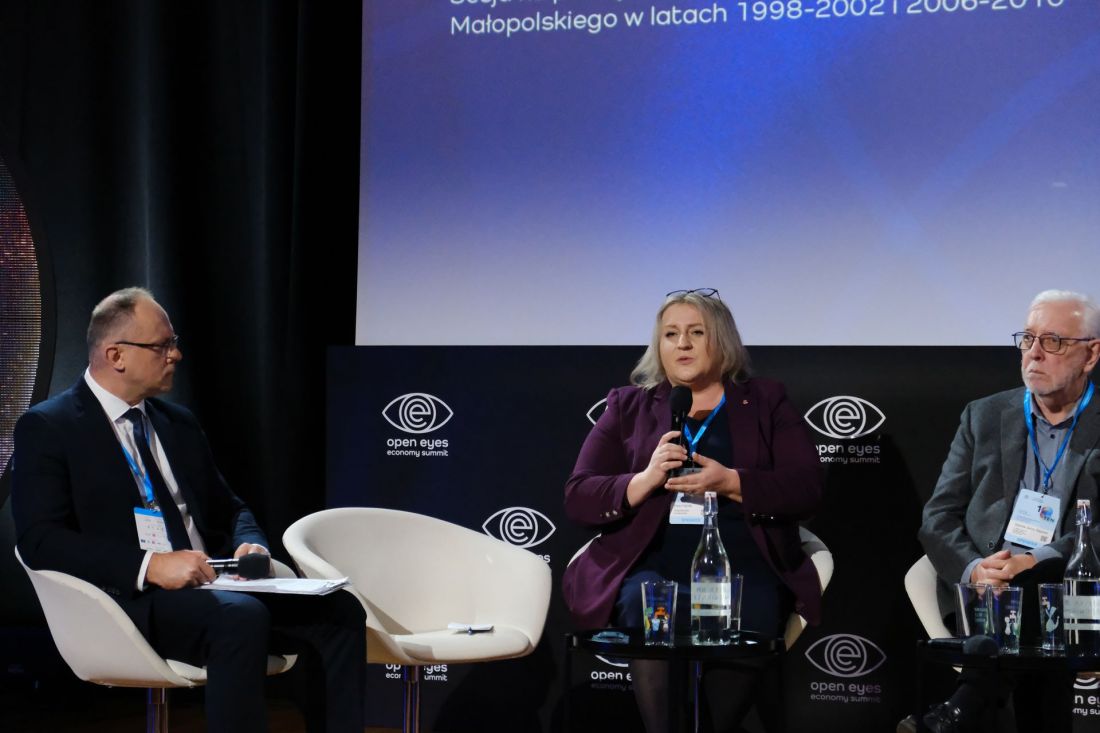
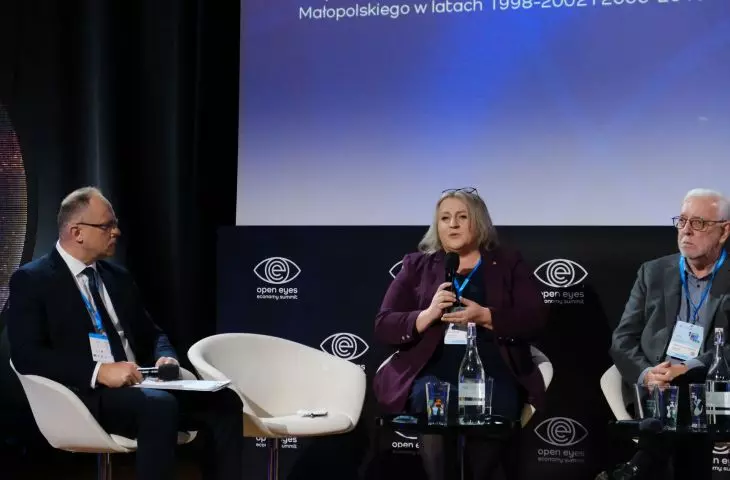
Open Eyes Economy Summit 2025 - from left: Artur Osiecki, Ewa Filipiak, Prof. Jerzy Stępień
Photo: Przemek Ciępka
local government revolution
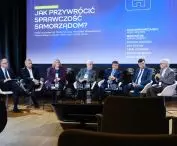
The second urban track, held under the title "CITY-IDEA: TERRITORIAL SELF-GOVERNMENT AT THE DISTRICT," was dominated by discussions of the problems and future of Polish local governments.
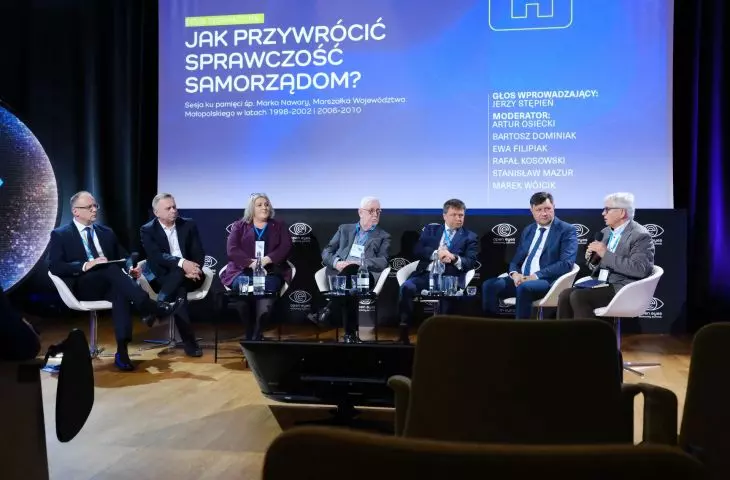
It has been 35 years since the introduction of the first local government reform in post-transformation Poland. As stated by Artur Osiecki, moderator of the inspirational session asking - in keeping with the title - "How to restore efficiency to local governments?", today's local governments are facing challenges for which the administrative reforms carried out at the end of the last century did not prepare them. In recent years, local governments have been confronting local crises, such as demographic changes and economic polarization, but also those of global proportions - a pandemic, war in Ukraine or global warming, but which they do not have the resources or legal capacity to combat. So what can be done for local governments to regain autonomy and agency?
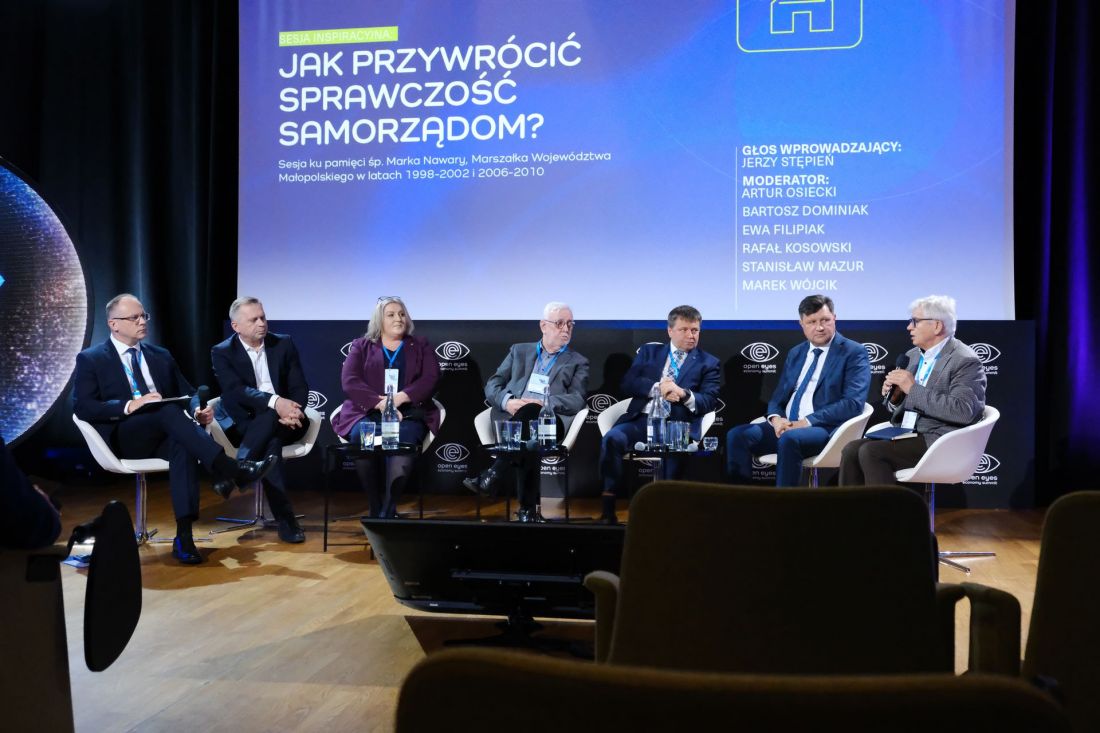
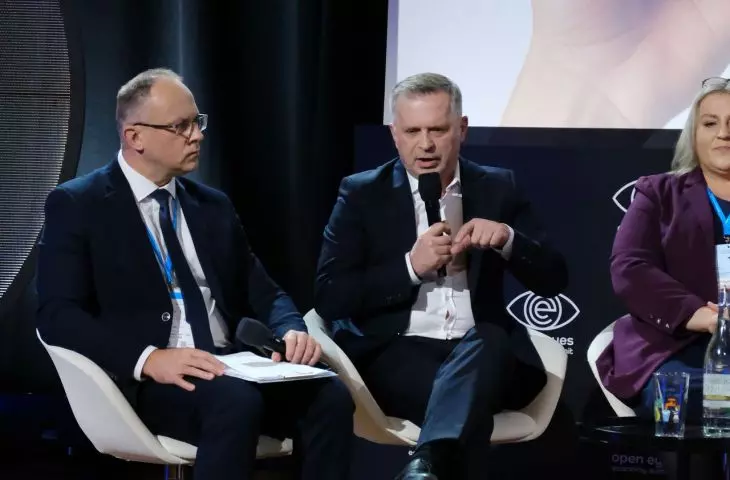
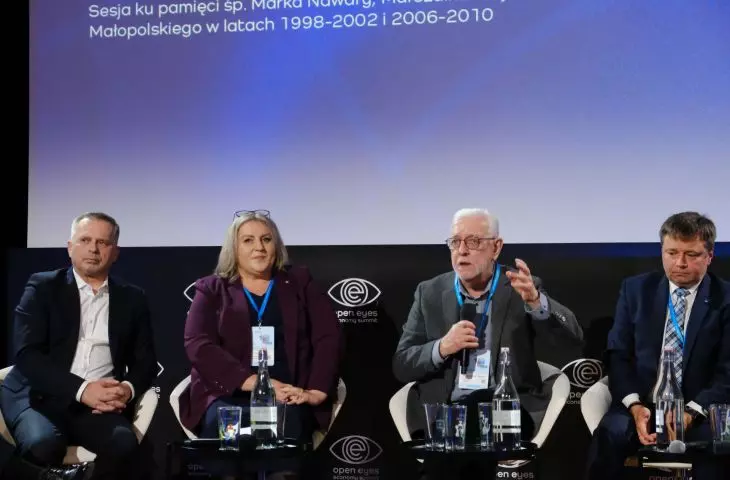
Open Eyes Economy Summit 2025 - from left: Artur Osiecki, Prof. Stanisław Mazur, Ewa Filipiak, Prof. Jerzy Stępień, Bartosz Dominiak, Rafał Kosowski, Marek Wójcik
Photo: Przemek Ciępka
Potential prescriptions for the ills of local governments varied - inclusion of local residents in local government initiatives, greater access to Treasury resources and more efficient channeling of funds, Marek Wojcik, a member of the Joint Commission of Government andLocal Government, cooperation between local governments, postulated by Rafał Kosowski, representative of the Marshal's Office of Małopolska Voivodeship, as well as the use of opportunities offered by digital tools such as mCitizen or PLLuM (Polish Large Language Model), which were discussed by Bartosz Dominiak, Department Director at the Ministry of Digitization.
The problem of the condition of counties, raised by Ewa Filipiak, Limanowa Deputy District Administrator, resonated strongly. As she noted, a large number of statutory roadblocks, the low scope of the districts' competencies, as regulated by law, and excessive bureaucratization do not go hand in hand with adequate funding of numerous tasks of de facto governmental scope. The difficult situation of local governments, including counties, is not facilitated by staff shortages - excess work and lack of sufficient funds do not allow the hiring of specialists with adequate competence. Will a person with experience and architectural licenses get hired at the local Department of Construction for a salary slightly above the lowest national wage?
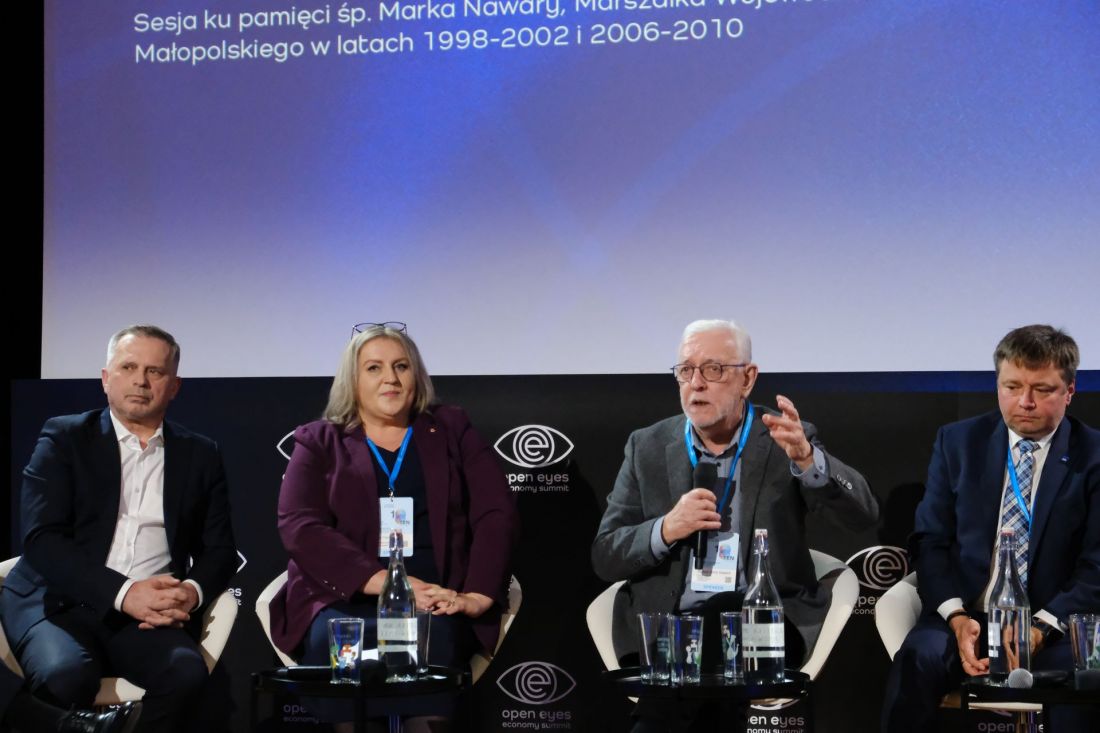
Open Eyes Economy Summit 2025 - from left: Prof. Stanislaw Mazur, Ewa Filipiak, Prof. Jerzy Stępień, Bartosz Dominiak
Photo: Przemek Ciępka
An issue that recurred repeatedly during the panel was the question of the course of the postulated changes. Evolution or revolution? Although among the interlocutors there were voices of approval for the current system, expressed by Bartosz Dominiak and Rafał Kosowski, among others, the dominant narratives were those advocating a revolutionary mode of reforming the activities of local governments.
These were not unfounded opinions - as Marek Wojcik stated, wide-ranging changes are needed, including de-localization of services, promotion of projects carried out by local governments with joint forces, providing support for functional areas or conversion of commissioned tasks into own tasks for local governments, while stressing that only through a revolution will it be possible to build public awareness of the need for deep reform of local governments. And a change of direction is necessary, as was clear from the summary of the discussion, delivered by Professor Jerzy Stępień, who stated in strong words that the way power is exercised in Poland is heading towards centralization and even authoritarianism. And as the 1st Deputy Mayor of the City of Krakow, Prof. Stanislaw Mazur, noted a little earlier, although centralizing tendencies are typical of periods of challenge and social unrest, this does not at all mean that this is the right direction.
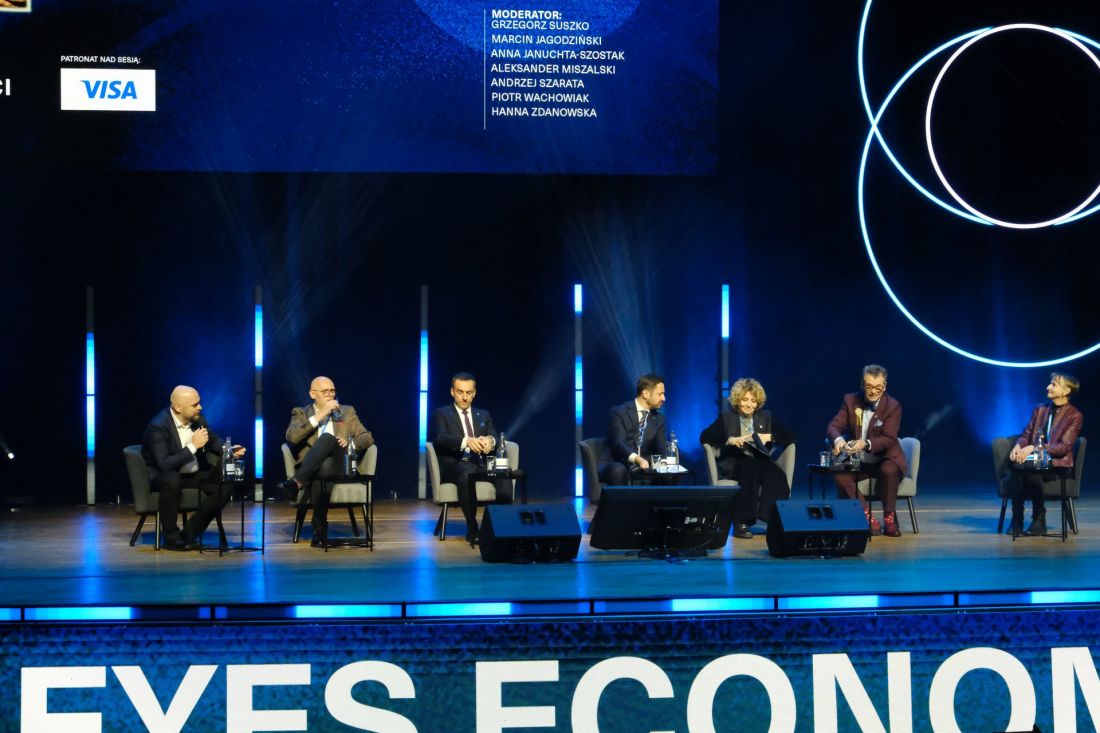
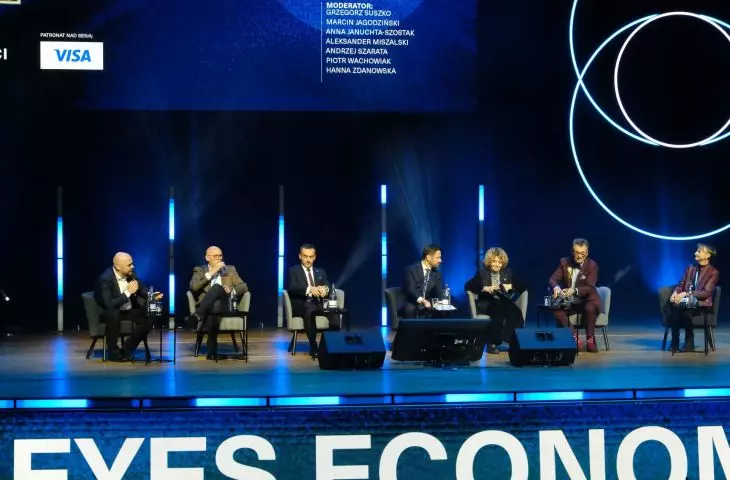
Open Eyes Economy Summit 2025 - from left: Grzegorz Suszko, Marcin Jagodzinski, Prof. Andrzej Szarata, Aleksander Miszalski, Hanna Zdanowska, Piotr Wachowiak, Prof. Anna Januchta-Szostak
Photo: Przemek Ciępka
urban synergy
Cities are interconnected systems of vessels - that's why discussions and voices important for their development were included in all thematic tracks, not just those with the word "city" in the title. The importance of cooperation in the action of various actors who influence the life of cities was discussed during a panel titled "Synergy of knowledge, local government and the market: How to build effective local partnerships?", which was attended by representatives of business, the mayor and mayoress of the cities, as well as representatives of three universities - the Poznan and Krakow Universities of Technology and the Warsaw School of Economics.From the first minutes of the conversation, the discussants made it clear that joint action is not an ambition for the future, but already a valid modus operandi for urban ecosystems.
Open Eyes Economy Summit 2025 - participants and attendees of the congress
photo: Przemek Ciępka
Among the examples of cooperation mentioned were the urban startup programs being developed in Lodz, the Future Competencies program being implemented at the Warsaw School of Economics, which is directed to a wide audience, work on the Krakow subway system involving scientists fromPolytechnics and leading technology companies, to the extensive digitization of local government administration and access to public services, which would not have been possible without the input of specialists from universities and the business sector, represented in the discussion by Marcin Jagodzinski, a representative of VISA.
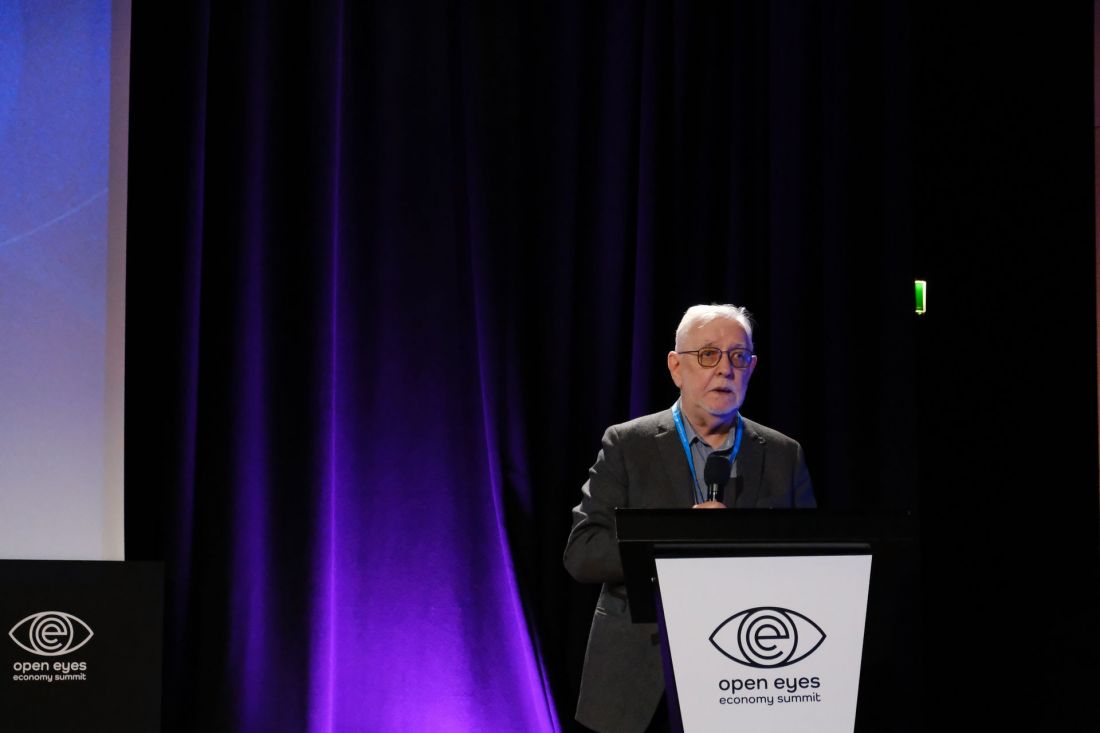
Open Eyes Economy Summit 2025 - Prof. Jerzy Stępień
photo: Przemek Ciępka
Digitalization, by the way, was an overly frequently raised issue. Experts focused not only on the use of artificial intelligence, which, as Prof. Andrzej Szarata reported, makes it possible to easily aggregate extremely large data sets, but also on transferring entire metropolises into the digital dimension. The work on digital twins of cities was boasted by both Krakow Mayor Aleksander Miszalski and Hanna Zdanowska, Mayor of Lodz. The possibilities offered by these tools are invaluable - as Aleksander Miszalski mentioned, these include simulation of city traffic or immediate access to a wide range of spatial data.
However, the discussion did not lack concern for residents, who by definition are to be the beneficiaries of cooperation undertaken by local governments, business and universities. As Prof. Anna Januchta-Szostak pointed out, digital tools, providing so many new opportunities, do not always respond to the needs of representatives of the "silver wave" on which our societies are now, stressing that the applications being introduced need functionality to overcome the various problems faced by the elderly.
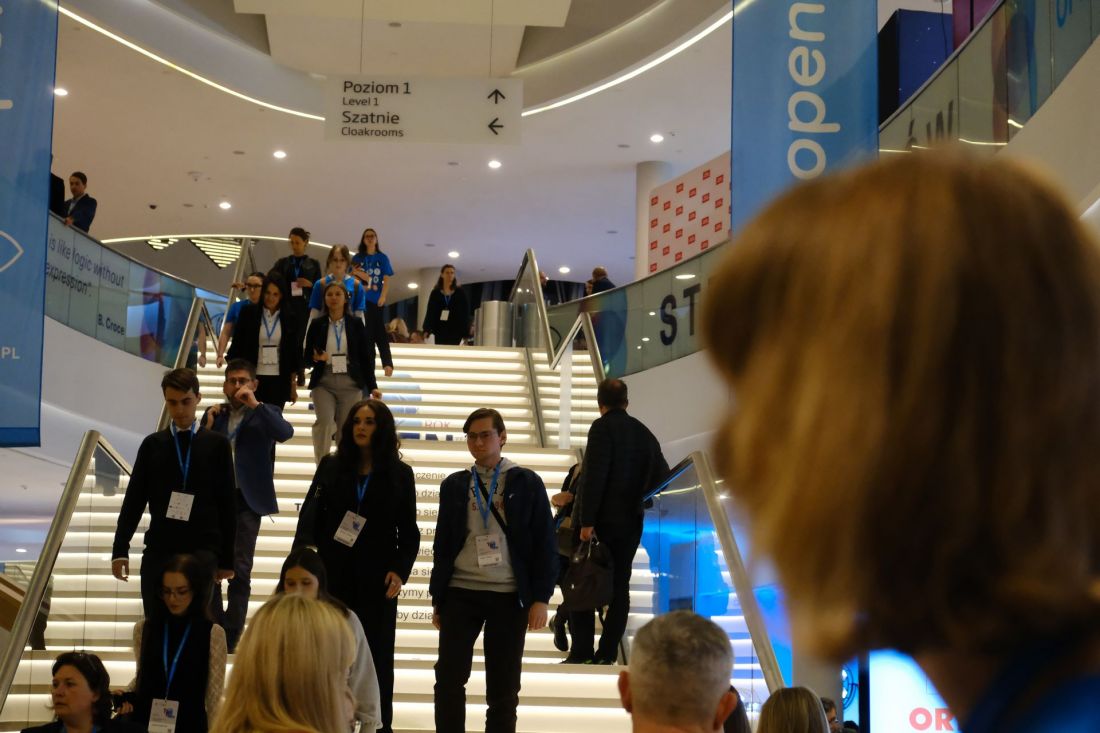
Open Eyes Economy Summit 2025
photo: Przemek Ciępka
towards regeneration
"Knowledge, freedom, values and imagination". - in these terms Prof. Cezary Obracht-Prondzynski, sociologist and anthropologist, member of the OEES Program Council, included reflections on the future, summarizing the 10th Open Eyes Economy Summit congress in Krakow:
We are meeting at the tenth congress, but nothing is ending, much is beginning. We are not doomed to failure, we are not doomed to wither, we are not doomed to fail, to dwarf the democratic world, on the contrary, we are practicing here, or as Professor Hausner said at theone of the meetings, we become friends of hope, we try to form in ourselves the courage to think, to meet with someone else, we try to create in ourselves a sense of optimism, but we approach without naiveté, with prudence and with the conviction that work determines the paths of the future. Values count, activity counts, reliability counts and credibility counts. And in the end there are relationships and meetings, that's what we come here for and that's why we will meet next year.